
Modern Engineering Solutions

71 / 100 SEO Score

How to Cut TCEQ Wastewater Permit Timeline from 12 Months to 6-8 Weeks Using Reuse Authorization

Most Texas developers accept 12-month TCEQ permitting timelines as unavoidable, building substantial carrying costs into every project pro forma. The reality: this timeline is not a regulatory requirement. Strategic permit selection, particularly reuse authorizations instead of traditional discharge permits, can reduce approval timelines to 6-8 weeks.

Last updated: Jan 20, 2026

Source: LinkedIn Post “Permitting takes 12 months. Just accept it.”

North Texas Municipal Water District upgrades wastewater facility

Quick Answer

Traditional TCEQ wastewater discharge permits typically require 12 months due to environmental impact assessments, incomplete initial submissions, and multiple revision cycles. Reuse authorizations follow a different regulatory pathway, authorizing beneficial use of treated effluent for irrigation, industrial processes, or aquifer recharge rather than discharge into state waters. When executed strategically with complete first submissions and established TCEQ reviewer relationships, reuse permits can be secured in 6-8 weeks. For a typical $3 million WWTP project at 8% interest, reducing permitting from 12 months to 6-8 weeks saves approximately $200,000 in carrying costs alone, plus accelerated revenue generation and reduced market risk exposure.

The 12-month timeline reflects engineering firms treating permitting like paperwork instead of strategy. Accelerated permitting depends on regulatory pathway selection, complete first submissions that eliminate revision cycles, and established relationships with TCEQ reviewers.

SCOTX Affirms El Paso Court of Appeals Decision Upholding Application of  TCEQ Water Degradation Standards | Texas Civil Justice League

Why Do Most TCEQ Permits Take 12 Months?

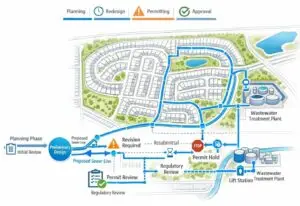
Traditional wastewater discharge permits require lengthy review because they authorize release of treated effluent into state waters. TCEQ must evaluate environmental impact, water quality standards, and ecosystem effects.

Extended timelines stem from incomplete initial submissions that trigger review cycles, firms misunderstanding TCEQ expectations and submitting non-compliant designs, generic approaches that don’t identify optimal regulatory pathways, and limited reviewer relationships leading to longer response times.

The 12-month timeline is not about TCEQ processing speed. It reflects treating permitting as administrative paperwork rather than strategic planning.

What Are Reuse Authorizations and How Do They Differ From Discharge Permits?

Reuse authorizations represent a different regulatory pathway. Instead of discharging treated water into waterways, reuse permits authorize beneficial use of treated effluent for irrigation, industrial processes, or aquifer recharge.

TCEQ reviews reuse authorizations under a different framework with faster timelines because treated water serves beneficial purposes rather than requiring environmental impact assessment for discharge. When executed strategically, these permits can be secured in 6-8 weeks rather than 12 months.

What Does Strategic Permitting Require?

Accelerated permitting requires three elements:

Regulatory Pathway Selection: Identifying whether reuse authorization, permit-by-rule, or alternative approaches better serve project requirements.

Complete First Submissions: Knowing exactly what TCEQ requires before initial submission, eliminating revision cycles.

Established Relationships: Working with reviewers who understand your firm’s track record of quality submissions.

This approach doesn’t rely on connections or shortcuts. It depends on deep regulatory knowledge and submission quality that passes review on the first cycle.

How Much Does Delayed Permitting Cost?

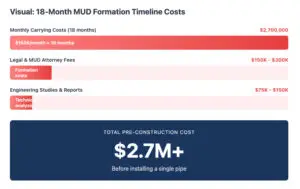
For a typical WWTP project with $3 million in development costs at 8% interest, reducing permitting from 12 months to 6-8 weeks saves approximately 10 months of carrying costs, translating to roughly $200,000 in interest savings alone. Beyond direct costs, faster permitting means earlier project completion, faster revenue generation, and reduced market risk exposure.


Why Modern Engineering Solutions?

Modern Engineering Solutions specializes in strategic TCEQ permitting that reduces timelines and costs through regulatory pathway selection, complete first submissions, and established TCEQ relationships. Contact us to discuss your project requirements and permitting strategy.

FAQ

Can all wastewater projects use reuse authorization instead of discharge permits?
Reuse authorization depends on project requirements and end-use applications. Projects with irrigation demand, industrial cooling needs, or aquifer recharge opportunities are strong candidates. An engineering feasibility analysis determines the optimal regulatory pathway.

How long does it take to prepare a complete TCEQ reuse authorization submission?
With established processes and templates, a complete reuse authorization package typically requires 2-4 weeks of engineering work, assuming site data and project requirements are clearly defined.

What is the main difference between firms that achieve 6-8 week timelines versus 12-month timelines?
The difference is strategic approach. Firms that achieve accelerated timelines understand TCEQ requirements before submission, select optimal regulatory pathways, and submit complete packages that pass review on the first cycle.

0%