
Texas needs $154 billion to fix its water infrastructure but committed only $20 billion. With 186 billion gallons lost annually and pipes dating to the...
Read MoreWe are a water and wastewater engineering firm helping Texas municipalities, developers, and engineering partners deliver infrastructure projects faster, with fewer TCEQ revisions and predictable costs.
Water and wastewater projects fail when schedules slip, designs overreach, or permitting risks are not addressed early. We engineer with those realities in mind.
We do not bill by the hour. We price water and wastewater engineering services around outcomes such as permits secured, schedules protected, and systems sized correctly for construction and long-term operation.
Time to permit and time to water matter as much as hydraulics and code compliance. We treat schedule as a core design input from day one because delays often cost more than design fees.
Our engineers are organized for focused problem solving, not constant meetings. Fewer handoffs and fewer revisions lead to cleaner submittals and faster regulatory review.
We use AI to streamline drafting and documentation so licensed professional engineers can focus on judgment, coordination, and quality. All technical decisions are made and reviewed by PEs
We support Texas clients who need water and wastewater engineering expertise without large-firm overhead or slow delivery.
Small and mid-sized communities facing aging infrastructure, compliance requirements, or funding deadlines. We deliver clear recommendations and designs aligned with local budgets and operational realities.
Developers and industrial owners who need fast feasibility answers, realistic construction costs, and a clear path through TCEQ permitting before capital is committed.
Civil firms without in-house water or wastewater capability or firms facing PE bottlenecks. We act as a quiet, dependable utility partner so projects move forward.
We provide comprehensive water and wastewater engineering services with a focus on constructability, permitting success, and cost control.
Wastewater collection systems, lift stations, treatment plants, infiltration and inflow studies, and facility upgrades. One clear recommendation, realistic cost expectations, and submittals designed to move through review with minimal revisions.
Water wells, storage, distribution, and treatment systems designed around source conditions, growth projections, and construction budgets. Early feasibility clarity and designs that protect project schedules.
We handle the water and wastewater portion of civil projects so internal teams can move faster. Ideal for firms needing dependable overflow support or specialized utility expertise.
We stay engaged during construction with fast responses and clear clarifications to prevent change orders caused by ambiguity or misalignment.

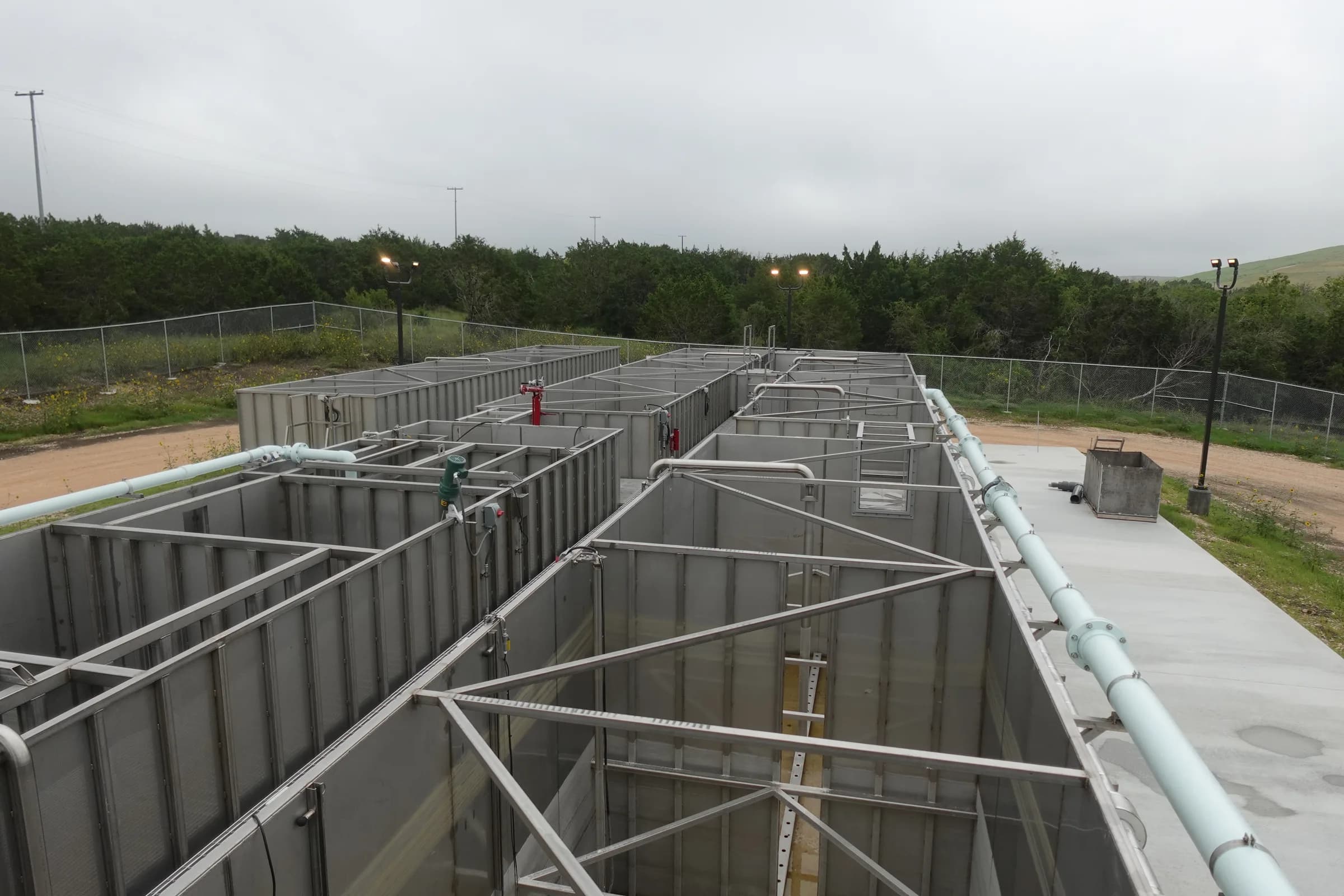
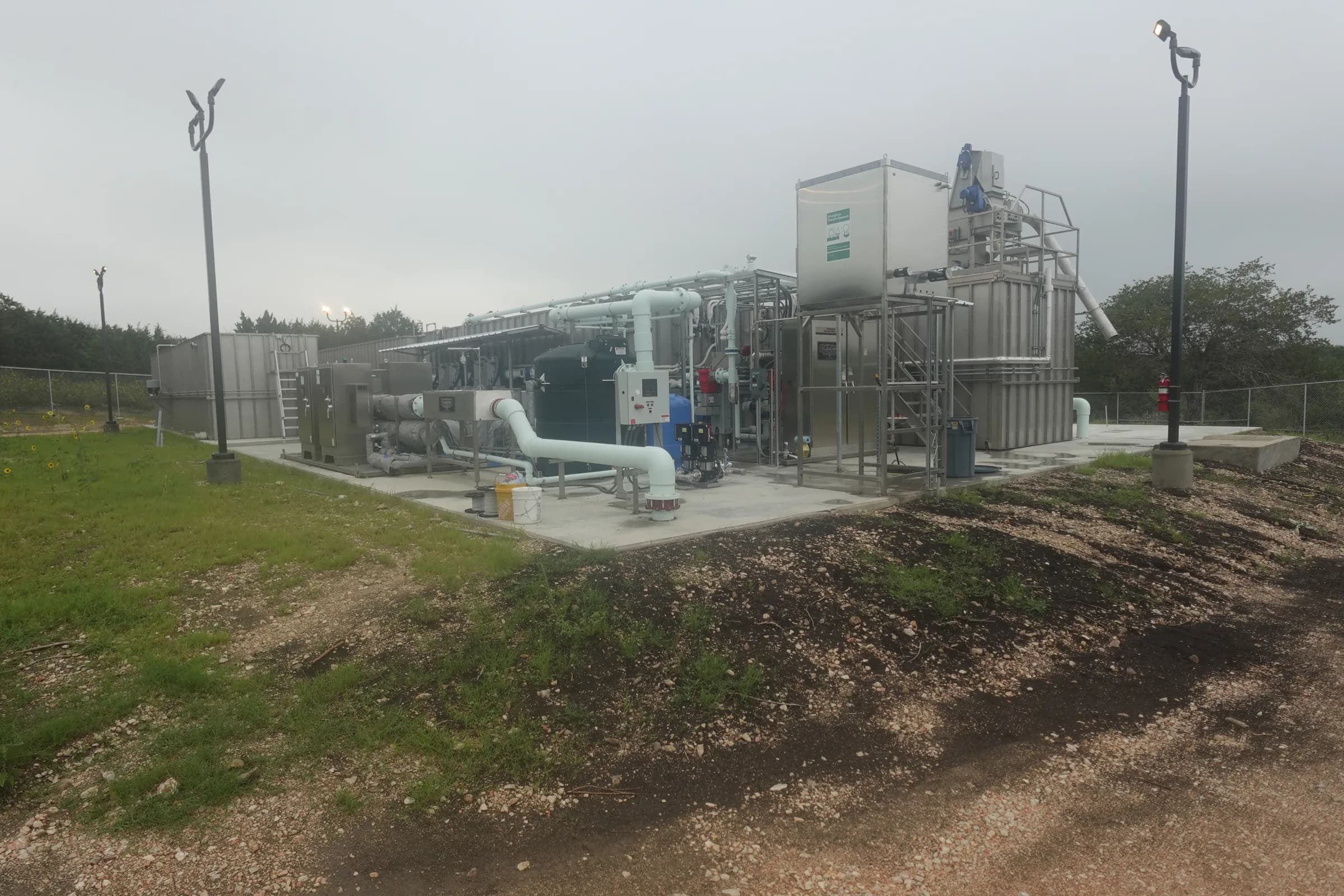
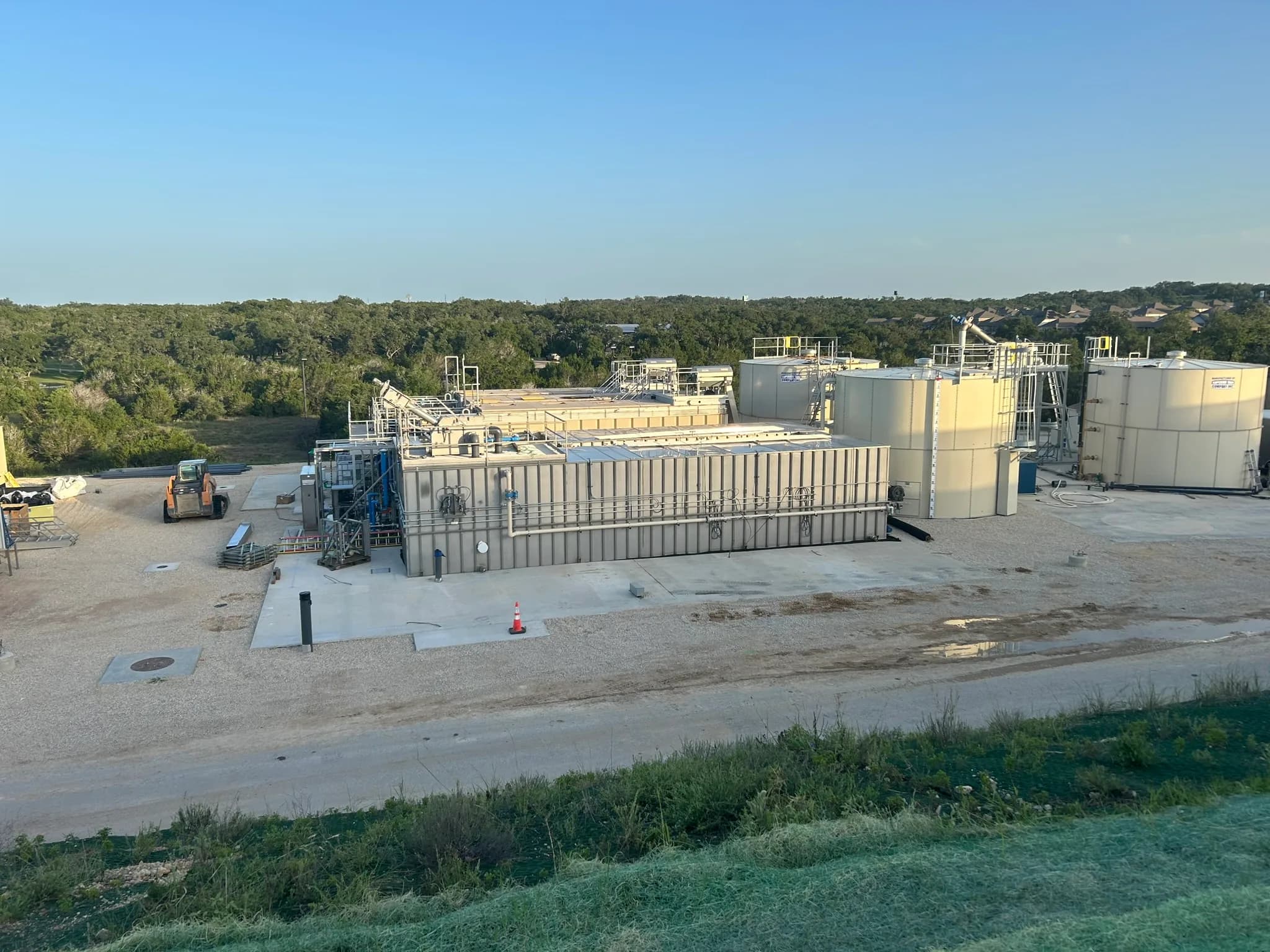
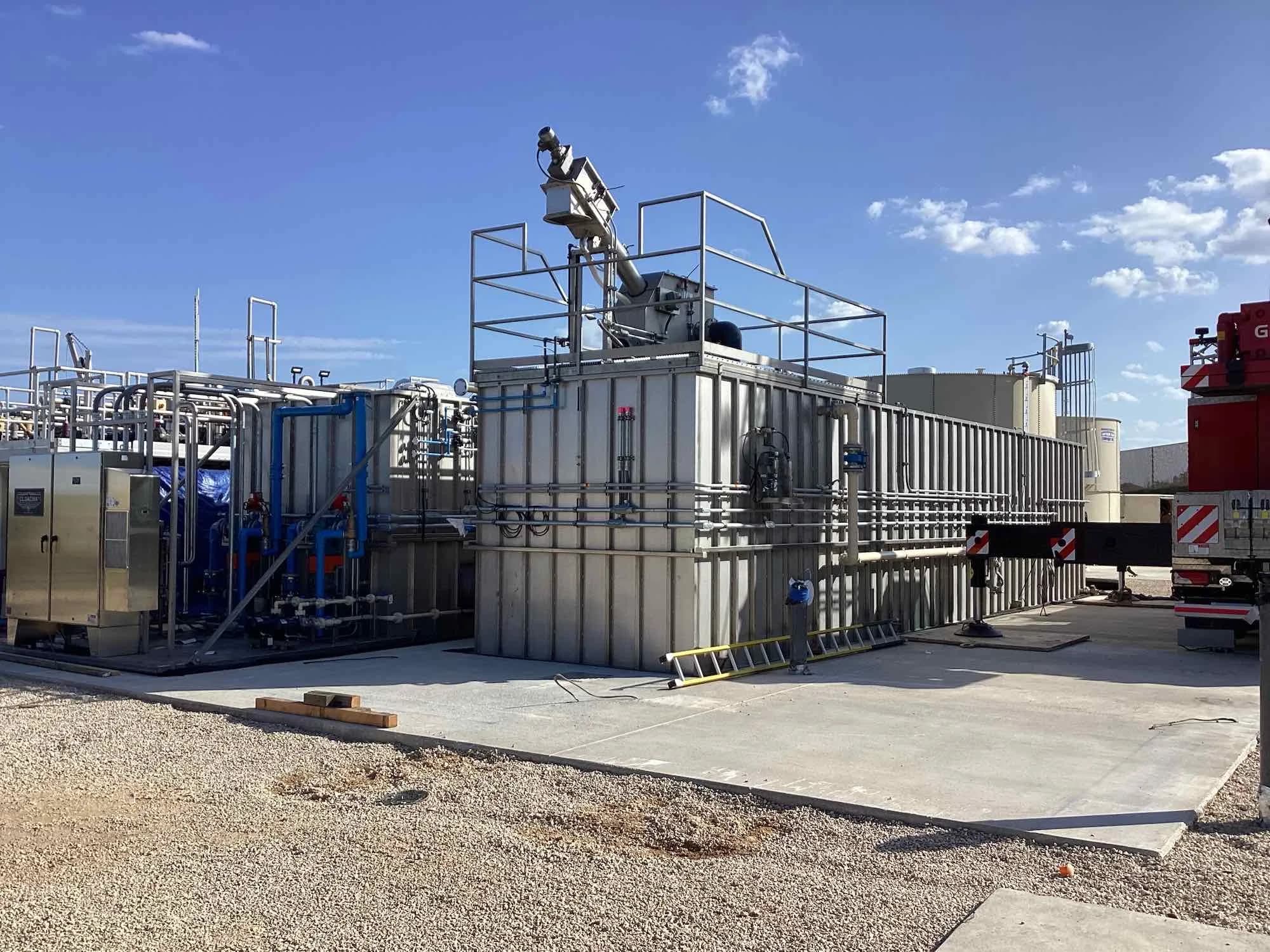
Challenge Overcome: Discharge permits in Caldwell County near the San Marcos River watershed face intense scrutiny from regional water authorities and environmental advocacy groups. Public hearings attended by Modern Engineering Solutions staff for neighboring discharge permit applications revealed highly contentious 30+ month permitting timelines. The 210E pathway bypassed this opposition entirely, securing approval in just 4 weeks by demonstrating beneficial agricultural reuse. The project’s 2.0 MGD scale, one of the largest 210E authorizations issued to date for MES, proves that flow volume does not limit 210E applicability when industrial components and viable reuse plans are present. The off-site reuse agreement with Circle G Livestock provides long-term disposal certainty while supporting local agricultural operations.
Location: Martindale, Caldwell County, Texas
Authorization Number: 2E-0000348
Time to Permit: 4 weeks
Time Saved vs. Discharge Permit: ~23 months
Project Type: Master-planned mixed-use development combining residential subdivisions, data center operations, and concrete batch plant facilities
Wastewater Profile:
Reuse Strategy:

Challenge Overcome: Williamson County denied septic permit approval due to platting issues and site constraints that made conventional on-site wastewater treatment infeasible. The 210E authorization bypassed county jurisdiction entirely, allowing the project to proceed under state-level TCEQ oversight with a zero-discharge reclaimed water system. The 4-week approval timeline enabled the developer to maintain construction schedules and avoid costly project delays.
Location: Taylor, Williamson County, Texas
Authorization Number: 2E-0000369
Time to Permit: 4 weeks
Time Saved vs. Discharge Permit: ~23 months
Project Type: Mixed-use business park combining industrial operations with commercial/office facilities
Wastewater Profile:
Reuse Strategy:

Challenge Overcome: A traditional 1.0 MGD discharge permit in the San Marcos area would have faced significant opposition from environmental groups concerned about impacts to the San Marcos River and Edwards Aquifer recharge zone. Public hearings and third-party referral processes typically extend discharge permits to 30+ months in this region. The 210E authorization completely avoided the contentious discharge permit process by implementing a zero-discharge system. Even with the larger flow volume requiring more detailed technical review, TCEQ approved the authorization in just 10 weeks—21 months faster than a discharge permit. The project’s data center component provided clear industrial justification, while the large-scale on-site irrigation capacity eliminated any surface water discharge concerns.

Location: San Marcos, Hays County, Texas
Authorization Number: 2E-0000365
Time to Permit: 10 weeks
Time Saved vs. Discharge Permit: ~21 months
Project Type: Large-scale mixed-use development combining data center operations, commercial facilities, and supporting infrastructure
Wastewater Profile:
Reuse Strategy:

Challenge Overcome: Williamson County denied the septic permit due to concerns about industrial wastewater constituents and site-specific geological limitations. Traditional on-site disposal was not viable, and a discharge permit would have faced lengthy review and potential opposition. The 210E pathway provided a clean industrial reclaimed water solution in 6 weeks, allowing the facility to commence operations on schedule. The self-contained on-site reuse eliminates any off-site discharge concerns and provides complete operational control.
Location: Taylor, Williamson County, Texas
Authorization Number: 2E-0000358
Time to Permit: 6 weeks
Time Saved vs. Discharge Permit: ~22 months
Project Type: Industrial-only facility with process wastewater and equipment cleaning operations
Wastewater Profile:
Reuse Strategy:
Texas needs $154 billion to fix its water infrastructure but committed only $20 billion. With 186 billion gallons lost annually and pipes dating to the 1890s, developers face serious project risks from aging municipal systems.
Approved Plans Aren’t Always Optimized Plans. The Difference Can Cost $1.5 Million
Texas needs $154 billion to fix its water infrastructure but committed only $20 billion. With 186 billion gallons lost annually and pipes dating to the...
Read MoreThe Cheapest Engineering Decision on Your Texas Pro Forma Isn’t the Low Bid
Texas needs $154 billion to fix its water infrastructure but committed only $20 billion. With 186 billion gallons lost annually and pipes dating to the...
Read MoreTexas needs $154 billion to fix its water infrastructure but committed only $20 billion. With 186 billion gallons lost annually and pipes dating to the...
Read MoreClear Direction
We provide one clear engineering path based on judgment and cost reality. No inflated reports and no option sets built to justify presentation time.
Cost-Effective Systems
We design systems that meet regulatory requirements without overbuilding. Designs reflect how projects are actually constructed, operated, and maintained.
Predictable Timelines
Fewer submittal cycles and better coordination lead to faster approvals. Our drawings and narratives give reviewers what they need upfront.
Senior-Level Partnership
Direct access to experienced engineers, clear communication, and respect for project schedules, budgets, and decision-making processes.
Have a question about our services? Not sure if you need an engineer?
We work statewide. Our Texas office is based in McKinney, but we support projects across Houston, San Antonio, Austin, and rural counties throughout the state. Whether you are a developer pursuing a TCEQ permit, a municipality managing aging infrastructure, or an engineering firm that needs overflow support on a deadline, location is not a barrier.
Traditional discharge permits can run 18 to 36 months depending on project complexity and current TCEQ capacity. For qualifying projects, we pursue land application or beneficial reuse pathways that remove several of the longest steps. We have secured approvals in as little as 2 to 3 months using this approach. The right path depends on your site, your flows, and your timeline. We evaluate all three options upfront so you are not guessing.
We support Texas municipalities and special districts with distribution system modeling, wastewater collection and treatment design, pump station design, inflow and infiltration studies, regulatory compliance, and capital improvement planning. We also assist with State Revolving Fund applications and other infrastructure funding strategies. If your system is aging, underfunded, or facing a compliance deadline, we can help you build a practical path forward.
Yes. We work directly under your project manager as an extension of your team, producing CAD drawings, technical reports, and permit submittals under your standards and your brand. If your firm does water and wastewater work but lacks in-house capacity, we can step in as a specialty lead. Either way, your client relationship stays with you. We are here to make your firm look good, not to replace it.
Three paths are worth evaluating: connecting to a public system via force main, designing a package wastewater treatment plant with a discharge permit, or pursuing a land application or reuse authorization. Each carries different costs, timelines, and operational responsibilities. We run a feasibility analysis early so you know what each option looks like before any capital is committed. In unincorporated Texas counties especially, reuse and land application routes often outperform traditional discharge on both speed and cost.
Every deliverable we produce is reviewed by a licensed P.E. before it leaves our team. That is not a rubber stamp process. It means a practicing engineer checks the work against your project standards, catches issues before they reach your desk, and confirms the submittal is clean before you sign off on it. We also work within your file structure and drawing standards so the output integrates directly into your project without requiring reformatting or rework on your end.
Yes. We have experience supporting State Revolving Fund applications and can help your district move from identifying a need to having the engineering documentation required to qualify. That includes flow monitoring, I&I studies, feasibility reports, and the technical narratives that funding agencies require. Many smaller districts leave SRF money on the table because the application process feels overwhelming. We have helped rural and small-system clients secure significant funding by handling the engineering side of that process from start to finish.
The first step is a short conversation. Share your project type, location, and whatever utility information you already have. Whether you are a developer evaluating wastewater options, a district manager planning infrastructure upgrades, or a firm principal looking for reliable overflow support, we can usually give you a preliminary read within a week or two. No commitment required to have that first call.