Texas needs $154 billion to fix its water infrastructure but committed only $20 billion. With 186 billion gallons lost annually and pipes dating to the 1890s, developers face serious project risks from aging municipal systems.
Last updated: Feb 8, 2026
Source: LinkedIn Post “The state needs $153.8 billion over the next 50 years to fix Texas water infrastructure.“
Quick Answer
Texas needs $153.8 billion over 50 years to fix water infrastructure: $59 billion for new water supplies, $73.7 billion to repair deteriorating drinking water systems, and $21.1 billion for broken wastewater systems. State lawmakers committed $20 billion over 20 years through Senate Bill 7, covering only 13% of needs and leaving a $134 billion gap. Texas loses 186 billion gallons annually from leaky pipes. Houston alone lost 31.8 billion gallons in 2023, enough to supply Fort Worth for a year. San Antonio hit 1,000+ water main breaks in August 2023. Some pipes date to the 1890s. Funding won’t flow until 2027-2029, while the 2022 State Water Plan warns Texas could face severe shortages by 2030.
The Numbers Behind the Crisis
Texas requires $154 billion in water infrastructure investment: $59 billion for new water supplies, $74 billion to repair deteriorating drinking water systems, and $21 billion for broken wastewater infrastructure, according to Texas 2036’s assessment.
In June 2025, Governor Abbott signed Senate Bill 7, the “largest water law in the history of Texas,” providing $20 billion through 2047. The problem: this covers only 13% of total needs, leaving a $134 billion funding gap. Worse, actual funding won’t flow until 2028 or 2029, creating a 2-4 year lag between authorization and implementation.
How Much Water Is Texas Losing?
Texas loses 186 billion gallons per year from leaky pipes, enough to supply Austin, El Paso, Fort Worth, Laredo, and Lubbock combined, according to the Texas Living Waters Project.
In 2023, Houston lost 31.8 billion gallons (enough to supply Fort Worth for a year), San Antonio lost 19.5 billion, Dallas 17.6 billion, Austin 7.1 billion, Fort Worth 5.9 billion, and El Paso 4.8 billion. These losses are accelerating, Houston saw a 30% jump from the previous year, Dallas 18%.
San Antonio’s breaking point came in August 2023 with 1,000+ water main repairs in a single month due to extreme heat, drought, and aging infrastructure.
Infrastructure Dating Back to the 1890s
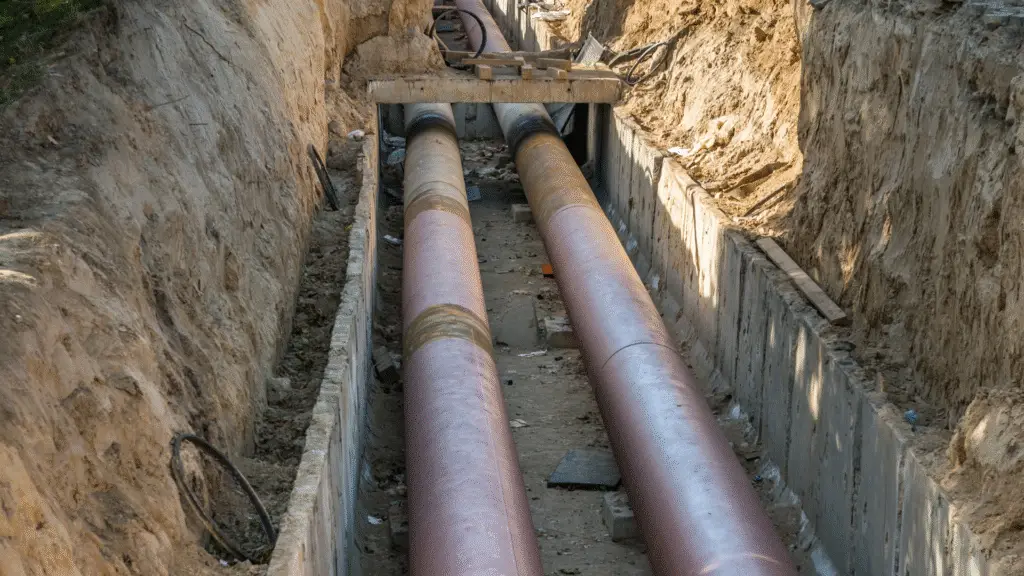
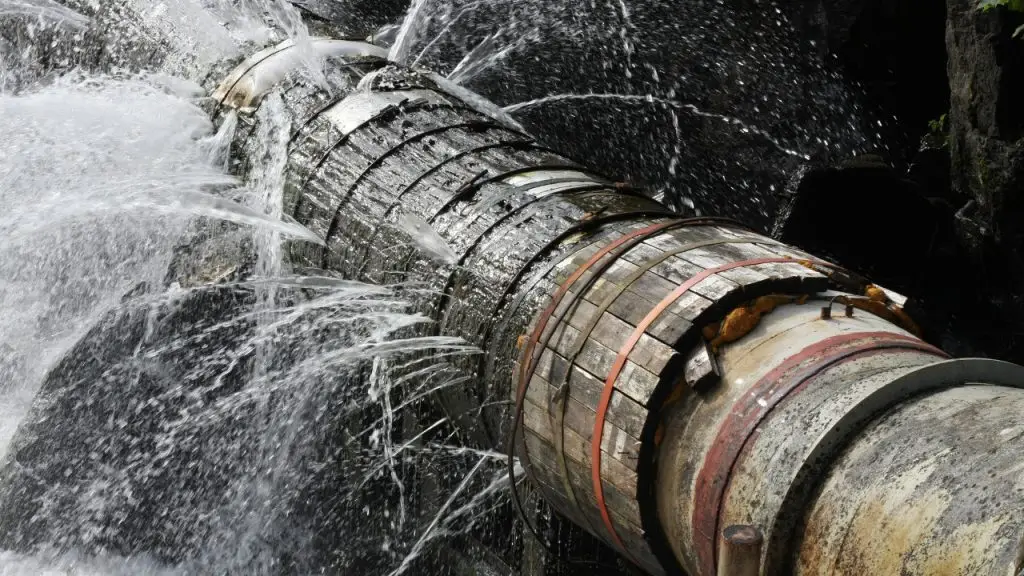
Some Texas pipes date to the 1890s, particularly in rural areas. Most systems were installed in the post-WWII building boom. Droughts worsen the problem, clay soil dries and shrinks, stressing older water lines. Houston attributed their 30% increase in 2023 water loss to the region’s June 2022-December 2023 drought combined with aging infrastructure.
What This Means for Developers and Engineering Firms
For Texas developers, aging municipal infrastructure isn’t policy, it’s project risk that kills deals.
When a city’s water system loses 20-30% to leaks, connecting new developments becomes problematic. Developers face: costly infrastructure extensions beyond typical requirements, months-long permit reviews and impact studies, mandatory contributions to system upgrades, connection moratoriums in stressed areas, and unexpected costs when “simple” tie-ins hit 60-80 year old infrastructure.
Before closing on Texas development land, comprehensive infrastructure assessment is critical. Request water loss audit data, review main break frequency, analyze system age and capital improvement plans, evaluate capacity margins, and model carrying cost scenarios for delays.
The funding gap means municipalities won’t see improvements for years. Developers planning projects in 2026 are connecting to systems built before their great-grandparents were born.
The 2030 Warning
The 2022 State Water Plan warns Texas could face severe water shortages by 2030 if a major drought hits, that’s four years away. A severe drought could cause $110 billion in immediate economic damages, increasing to $153 billion per year by 2070. Yet funding won’t flow until 2027-2029, creating a dangerous gap when drought risk is highest.
Frequently Asked Questions
Q: Will fixing leaky pipes really create “new” water supply?
Yes. The 186 billion gallons lost annually represents an enormous “hidden reservoir” currently going to waste. The Texas Living Waters Project estimates leak detection and repair costs about $250 per acre-foot, while new water supplies average $695 per acre-foot, making infrastructure repair significantly more cost-effective.
Q: What are developers doing instead of waiting for state solutions?
Forward-thinking developers are implementing alternative strategies. Building private package wastewater treatment plants eliminates dependence on aging municipal systems, with 6-8 week permit timelines through industrial reuse authorizations and complete control over capacity. Development teams are fundamentally rethinking site evaluation to prioritize proximity to newer infrastructure and areas where private systems are permitted.
Q: When will the funding actually help?
The earliest impact would be State Fiscal Year 2028 or 2029, assuming voter approval and legislative appropriations. For projects in active planning today, that timeline offers little relief.
Related Resources
Need Infrastructure Solutions That Don’t Depend on Municipal Systems?
Modern Engineering Solutions helps Texas developers navigate infrastructure challenges through alternative permitting strategies and private wastewater solutions.
We specialize in:
- Industrial reuse authorizations (210E) with 6-8 week approval timelines
- Package wastewater treatment plant design
- Infrastructure feasibility assessments during due diligence
- Alternative compliance pathways that bypass aging municipal systems