
When the Math Doesn’t Move: Water Pressure, Affordable Housing, and the Infrastructure Gap Nobody Wants to Pay For
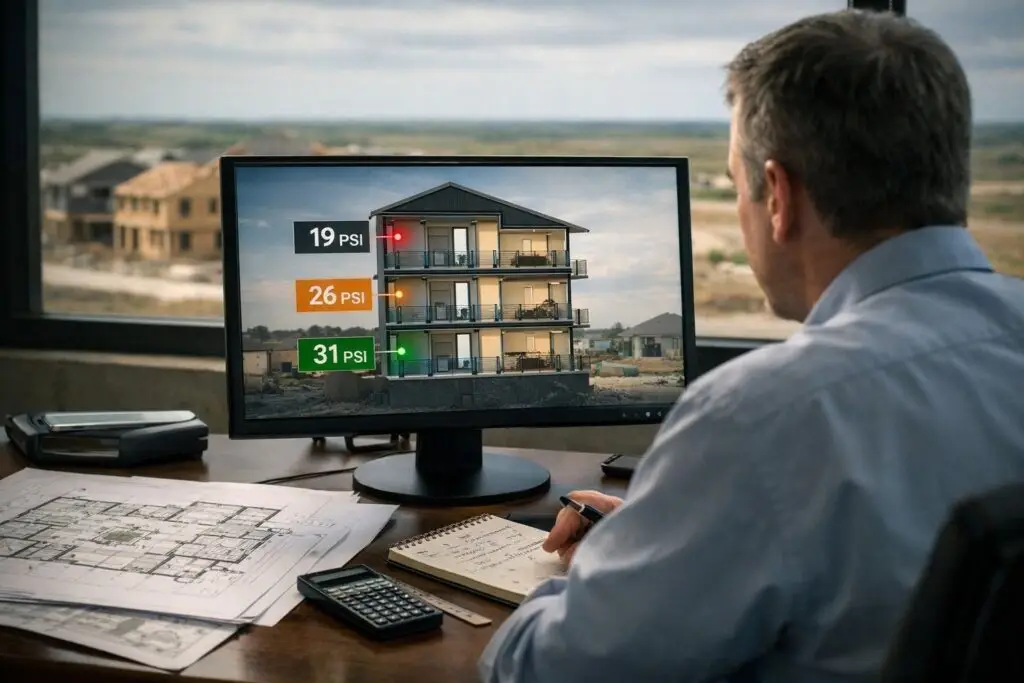
Texas needs $154 billion to fix its water infrastructure but committed only $20 billion. With 186 billion gallons lost annually and pipes dating to the 1890s, developers face serious project risks from aging municipal systems.
Approved Plans Aren’t Always Optimized Plans. The Difference Can Cost $1.5 Million

Texas needs $154 billion to fix its water infrastructure but committed only $20 billion. With 186 billion gallons lost annually and pipes dating to the 1890s, developers face serious project risks from aging municipal systems.
The Cheapest Engineering Decision on Your Texas Pro Forma Isn’t the Low Bid

Texas needs $154 billion to fix its water infrastructure but committed only $20 billion. With 186 billion gallons lost annually and pipes dating to the 1890s, developers face serious project risks from aging municipal systems.
A TCEQ Redesign Isn’t Just a Delay. It’s a Compounding Loss
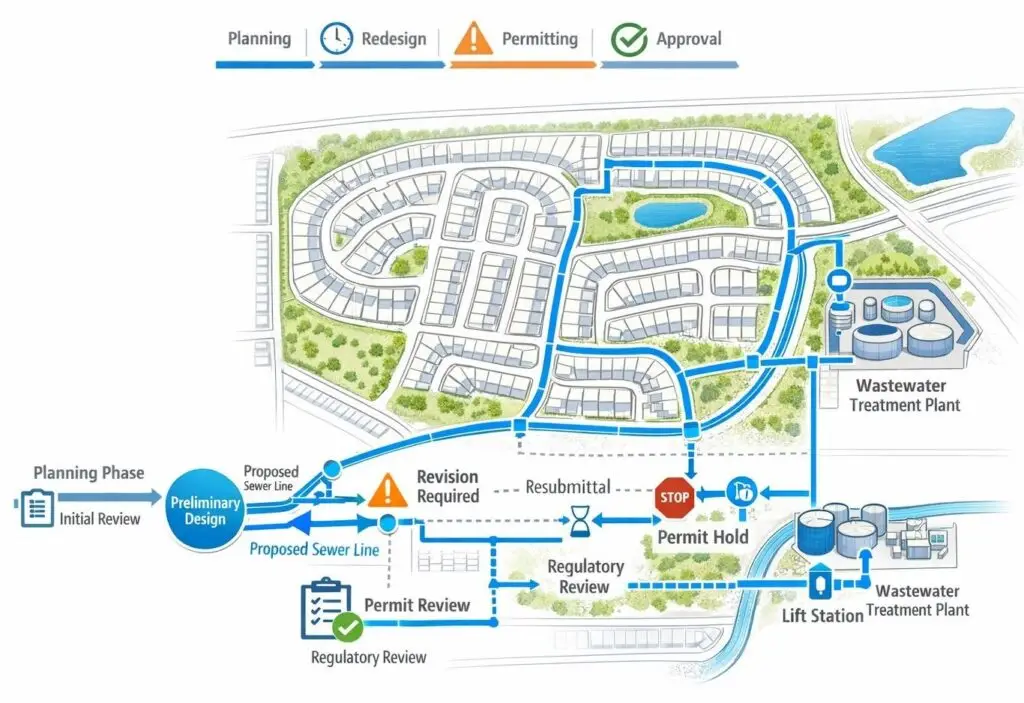
Texas needs $154 billion to fix its water infrastructure but committed only $20 billion. With 186 billion gallons lost annually and pipes dating to the 1890s, developers face serious project risks from aging municipal systems.
Texas Water Infrastructure Crisis: $134 Billion Funding Gap
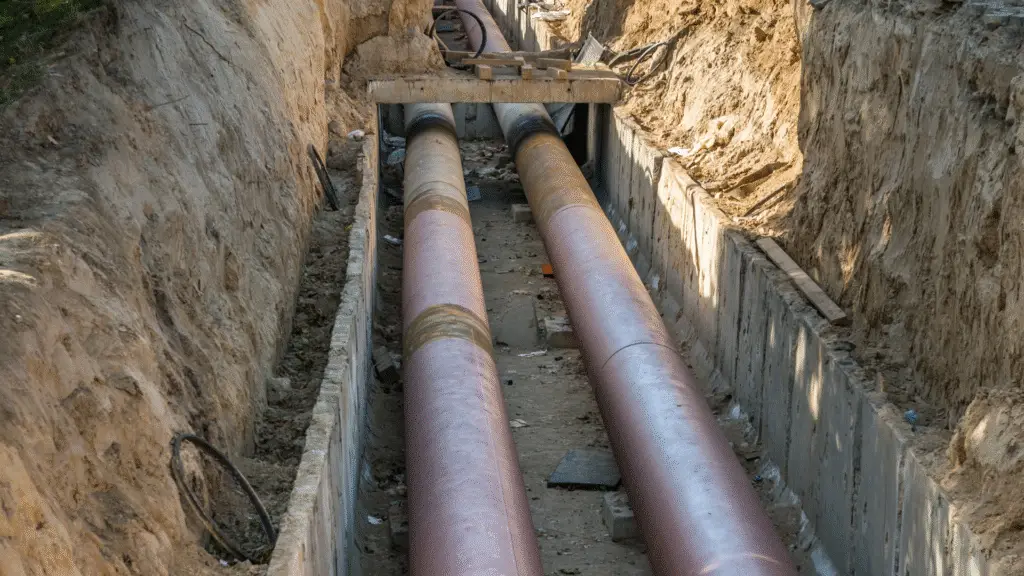
Texas needs $154 billion to fix its water infrastructure but committed only $20 billion. With 186 billion gallons lost annually and pipes dating to the 1890s, developers face serious project risks from aging municipal systems.
MUD Formation Costs Texas Developers $2.7M Before Breaking Ground: Faster Wastewater Alternatives Exist
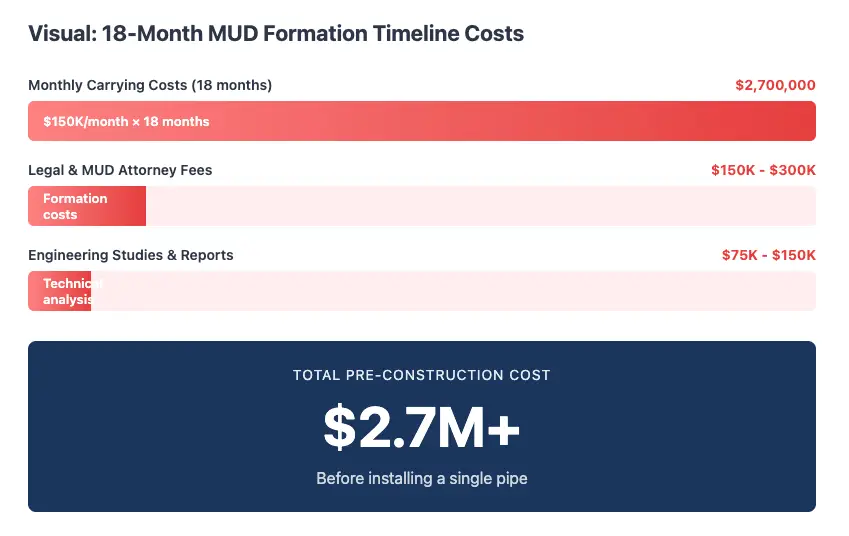
Municipal Utility District formation consumes 18-24 months and significant capital before developers install a single pipe. For Texas development projects in extraterritorial jurisdiction areas requiring wastewater infrastructure, the traditional MUD pathway creates timeline risk that increasingly threatens project viability.
How to Cut TCEQ Wastewater Permit Timeline from 12 Months to 6-8 Weeks Using Reuse Authorization

Most Texas developers accept 12-month TCEQ permitting timelines as unavoidable, building substantial carrying costs into every project pro forma. The reality: this timeline is not a regulatory requirement. Strategic permit selection, particularly reuse authorizations instead of traditional discharge permits, can reduce approval timelines to 6-8 weeks.
Land Application Permits for Treated Wastewater: A Texas Developer’s Guide
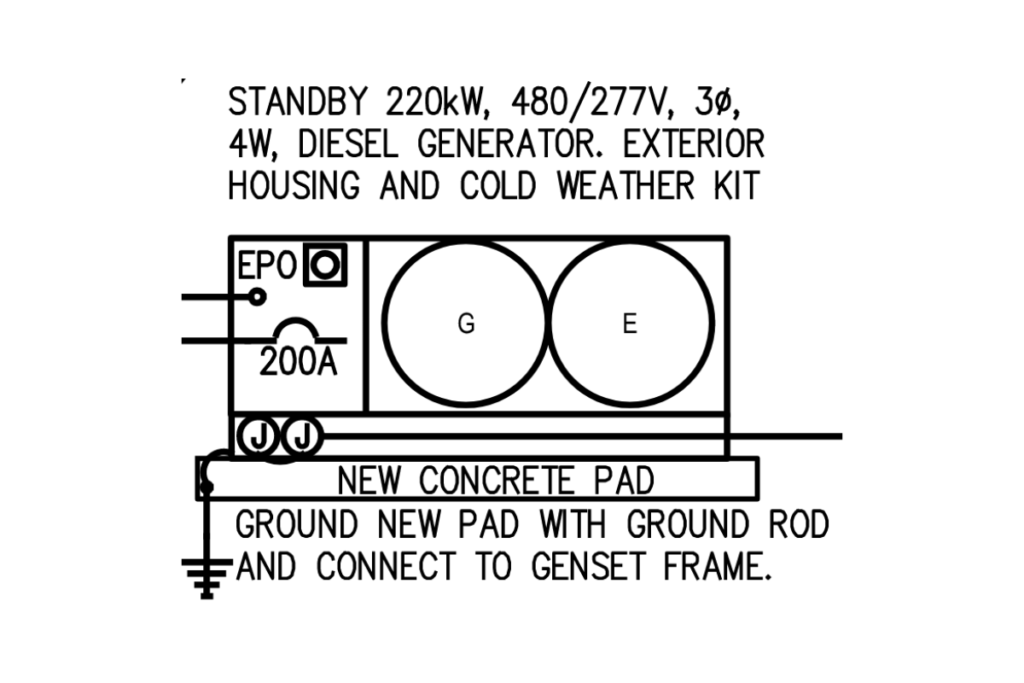
The Texas Commission on Environmental Quality (TCEQ) requires every regulated water and wastewater facility to demonstrate that essential systems will continue to operate during an electrical outage. This requirement is not just a formality; without backup power, a distribution system can lose pressure in a matter of minutes, disinfection can stop, and wastewater lift stations can overflow. Any of these conditions can create a direct public health hazard and, at the same time, put the utility in violation of its permit.
TCEQ’s Power Reliability Requirements: Generator vs. Dual Feed Design
The Texas Commission on Environmental Quality (TCEQ) requires every regulated water and wastewater facility to demonstrate that essential systems will continue to operate during an electrical outage. This requirement is not just a formality; without backup power, a distribution system can lose pressure in a matter of minutes, disinfection can stop, and wastewater lift stations can overflow. Any of these conditions can create a direct public health hazard and, at the same time, put the utility in violation of its permit.
What You Should Know About Rainwater Collection Systems for Texas Communities
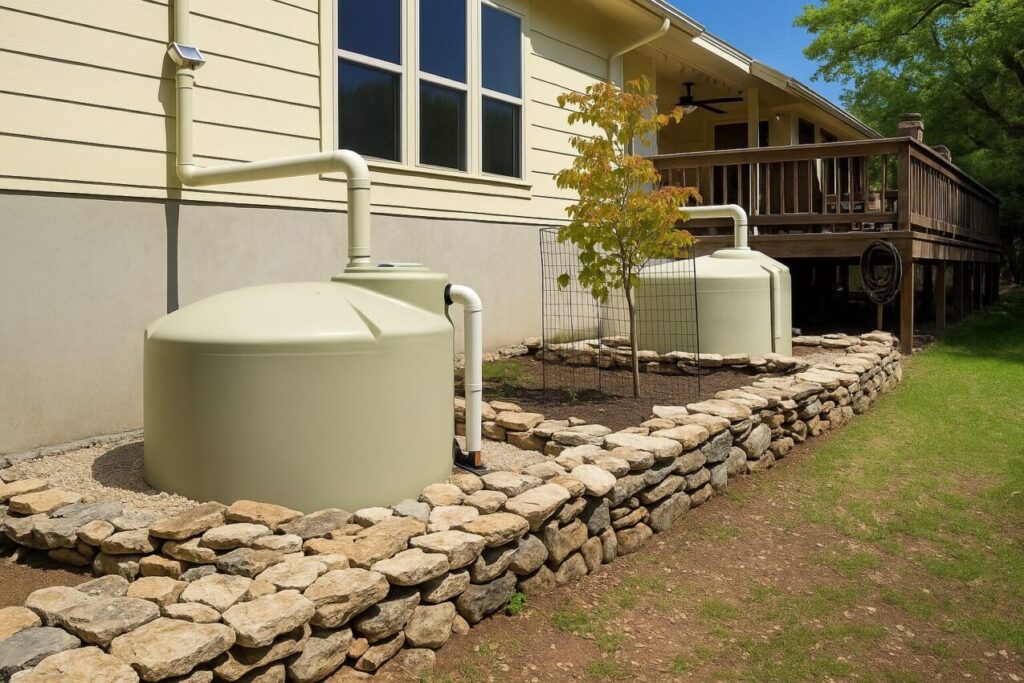
Marble Falls, Big Spring, and El Paso have something in common – they stopped treating their water systems like three different problems. One Water means connecting what used to be separate: the drinking water plant, the wastewater plant, and stormwater management all work together now.
Texas Wastewater Permitting Guide For Developer
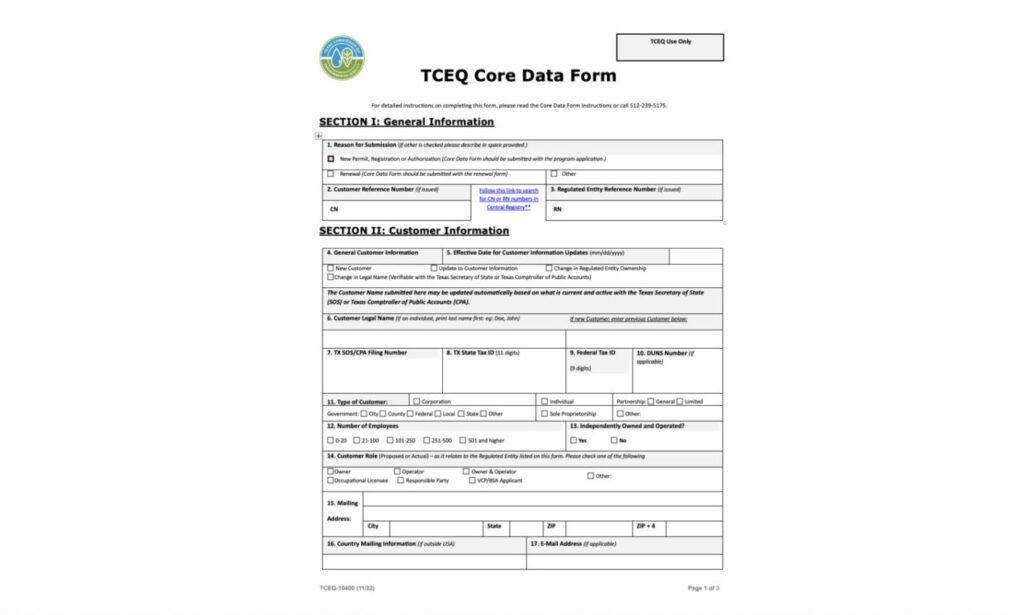
Texas wastewater permitting requires developers to obtain TCEQ approval before constructing or operating wastewater treatment facilities. The process involves three main permit types: TPDES (surface water discharge), TLAP (land application), and Chapter 210 (reclaimed water reuse).