
Reuse vs. Discharge: Which Wastewater Strategy Fits Your Texas Development?
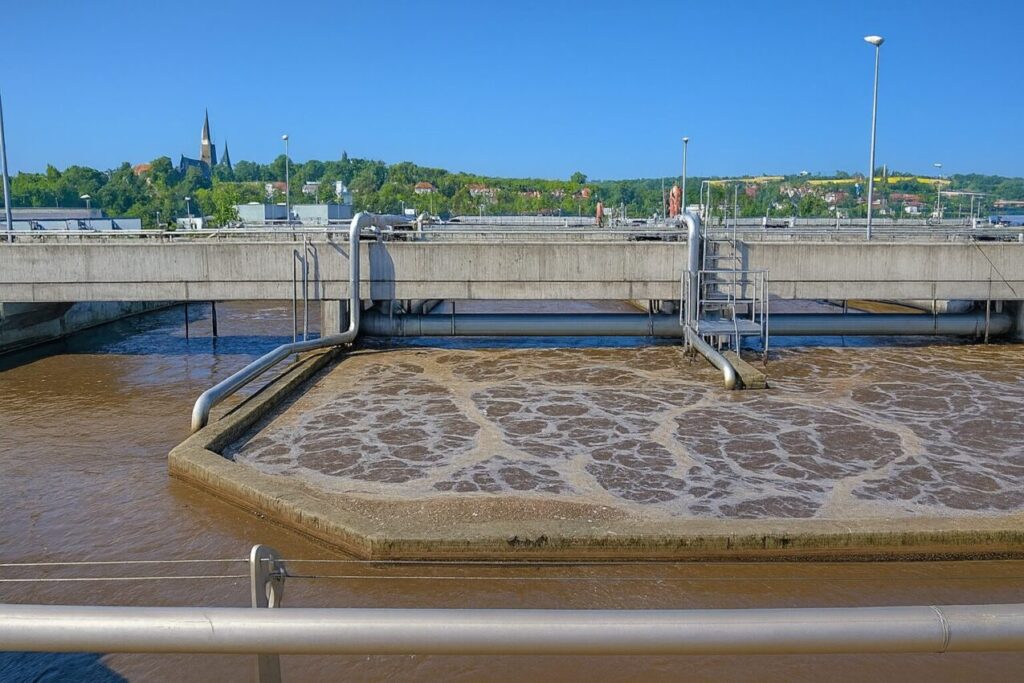
Every Texas developer faces the same critical decision: discharge treated wastewater into streams or set up reuse for local farms and businesses. This choice impacts everything from permit timelines to project costs. Getting it wrong can destroy your timeline and budget.
How WaterOperator.org Solves Small Water System Crisis: Free Resources That Actually Work
In this episode of Engineers for Communities, we spoke with Steve Wilson from WaterOperator.org about tackling one of today’s most critical infrastructure challenges: supporting small water systems serving under 10,000 people. These rural communities face unique operational, financial, and technical hurdles that larger utilities never encounter. Steve shared insights into these problems and practical solutions that can make a real difference.
Why Does My Community Have Brown Water?
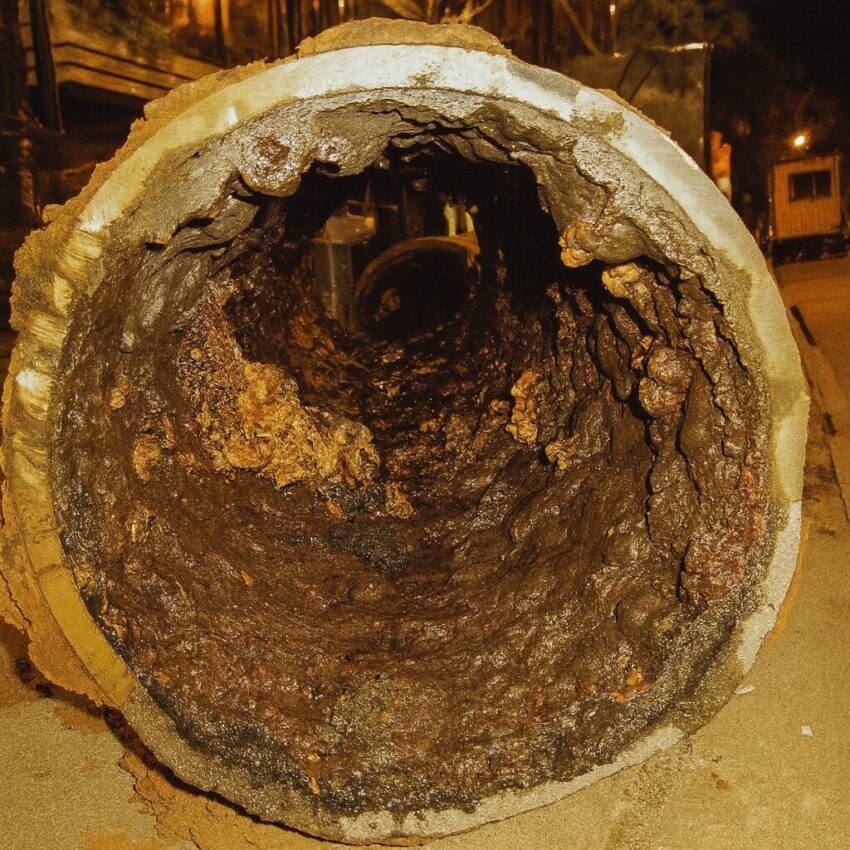
Brown water from your tap is one of those problems that looks worse than it usually is. When residents see discolored water, they understandably worry about safety and quality. The truth is, most brown water comes from fairly simple causes within our aging water systems. Understanding these causes helps communities push for the right fixes and know when to actually be concerned.
What You Should Know About Rainwater Collection Systems for Texas Communities
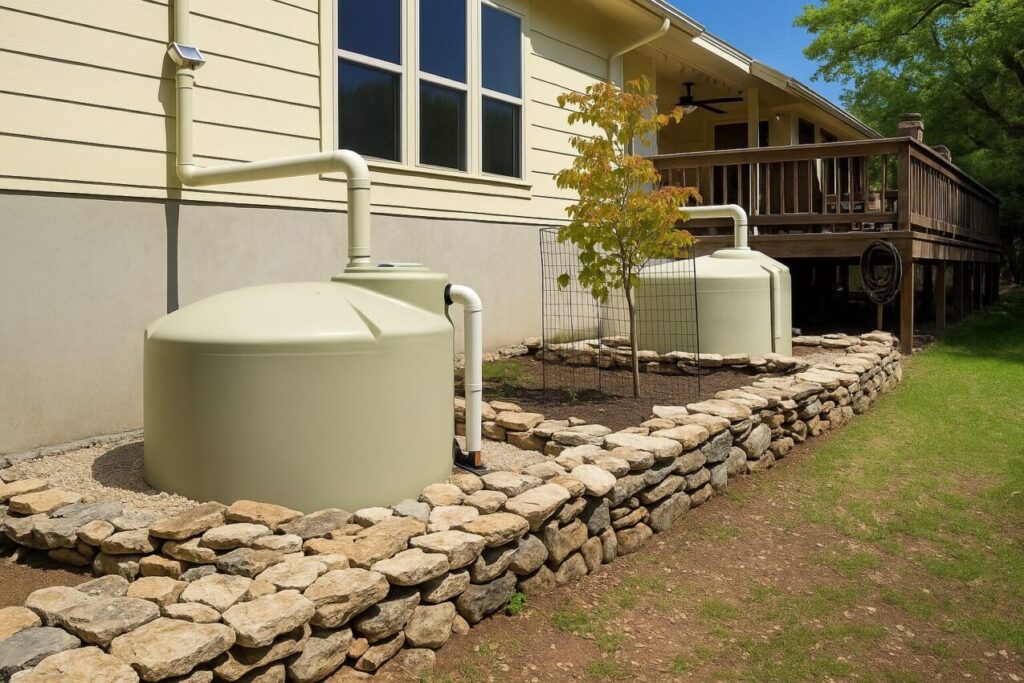
Texas weather plays by its own rules. When drought hits, cities watch their water bills climb alongside soaring tap fees and in some communities, new water taps are not being issued at all. When storms roll through, valuable rainwater rushes down storm drains instead of filling storage tanks. More Texas communities are turning this wasted resource into a budget-saving opportunity, especially where water access has become restricted.
How Texas Communities Are Solving Water Shortages with Direct Potable Reuse
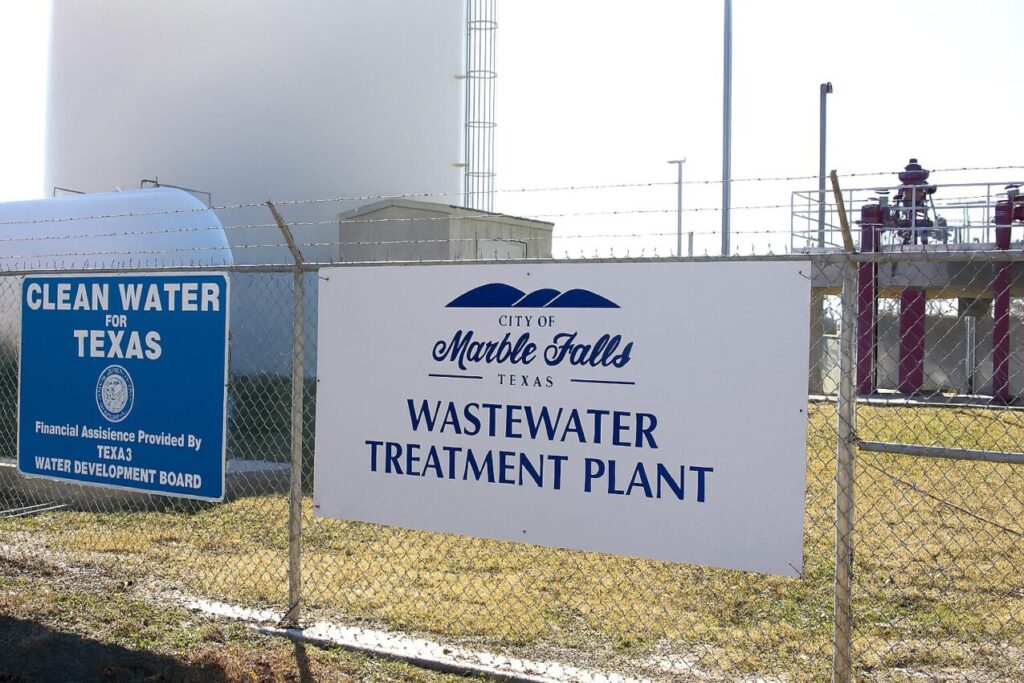
Marble Falls, Big Spring, and El Paso have something in common: they stopped treating their water systems like three different problems. One Water means connecting what used to be separate: the drinking water plant, the wastewater plant, and stormwater management all work together now.
Direct potable reuse goes further. After treating wastewater at the plant, instead of releasing it to a river, cities run the water back into the raw water intake at their drinking water plant which ultimately ends up at residences and homes. These are not experiments anymore: they are proven systems keeping Texas communities water-secure.
Managing Colorado’s Aging Water Infrastructure Using Key Strategies
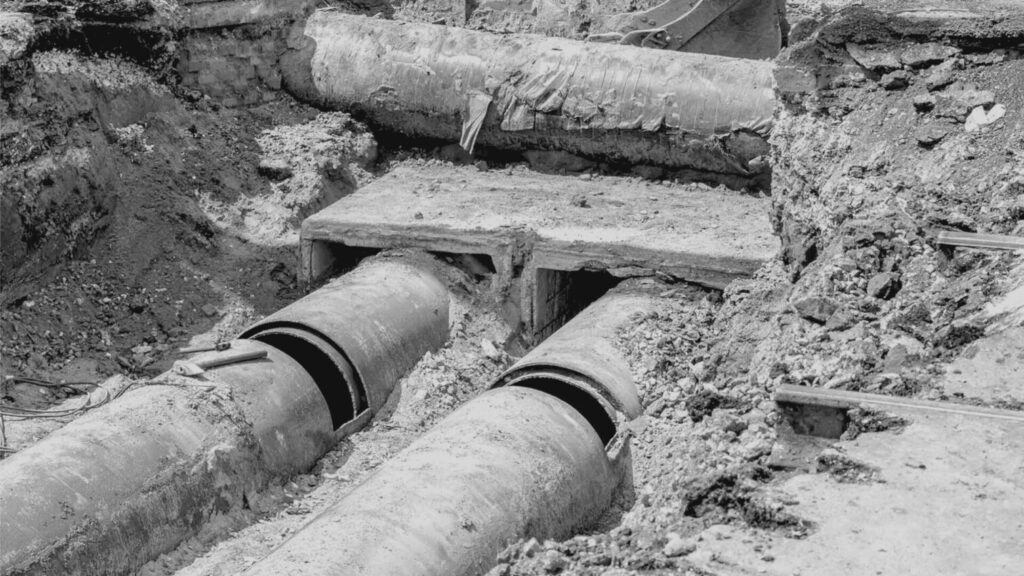
In communities across America, water infrastructure installed during the Johnson and Nixon administrations continues to serve as the backbone of local water supply systems. These aging networks, now approaching or exceeding their 50-year design life, present significant challenges for operators, engineers, and municipal leaders. A recent conversation with a rural Colorado water system operator offers valuable insights into effective management strategies that balance technical, financial, and community considerations.
Public Water System Design and Implementation in Texas

Designing a new public water system in Texas requires a careful balance of hydraulic design, regulatory compliance, and construction best practices.
Cutting-Edge Water Treatment Solutions: Mixers, Polymers, and Chloramines

Welcome to our recent episode of Engineers for Communities, where we dive into innovative water treatment technologies. Today, we are excited to share our conversation with David Stanton from Cleanwater1. David introduced us to some fantastic tools that are changing the game for water utilities, big and small. From innovative mixers that keep water fresh in storage tanks to cost-saving polymer systems in wastewater management, and even on-site chlorine generation for safer water treatment, we are covering it all. These advancements are not just about improving water quality; they are also about making these processes more economical and efficient for communities and industries. Let us explore how Cleanwater1 is leading the way in smart, sustainable water treatment solutions.
All You Need to Know About America’s Aging Water Infrastructure Crisis

America’s aging water infrastructure is facing a multitude of challenges that demand our attention and innovative solutions. From aging pipes to water contamination, the issues are diverse, and the consequences can be far-reaching. In this article, we will explore some of the key challenges and potential solutions for our water systems.
HDPE Pipe: The Superior Choice for Small Pipeline Installation

For the longest time in my engineering career, I did not really know what HDPE pipe was. I heard about it from random salesmen pitching at lunch, or about how some 96-inch Dallas Water Utility HDPE transmission line failed and they would never use HDPE again. Recently, especially after designing and implementing HDPE pipe across over 5 miles of the 4-inch distribution system at Arabian Acres and watching various sizes installed for an industrial run-off on BNSF sites in Wyoming, I have grown to see it as the superior product for small pipeline installation. For pipelines 12 inches and under, HDPE seems like a no-brainer.