
Blog
Managing Colorado’s Aging Water Infrastructure Using Key Strategies
Learn how Colorado manage aging water infrastructure through monitoring, planning, technology, and funding strategies for sustainability.
Understanding the Challenge
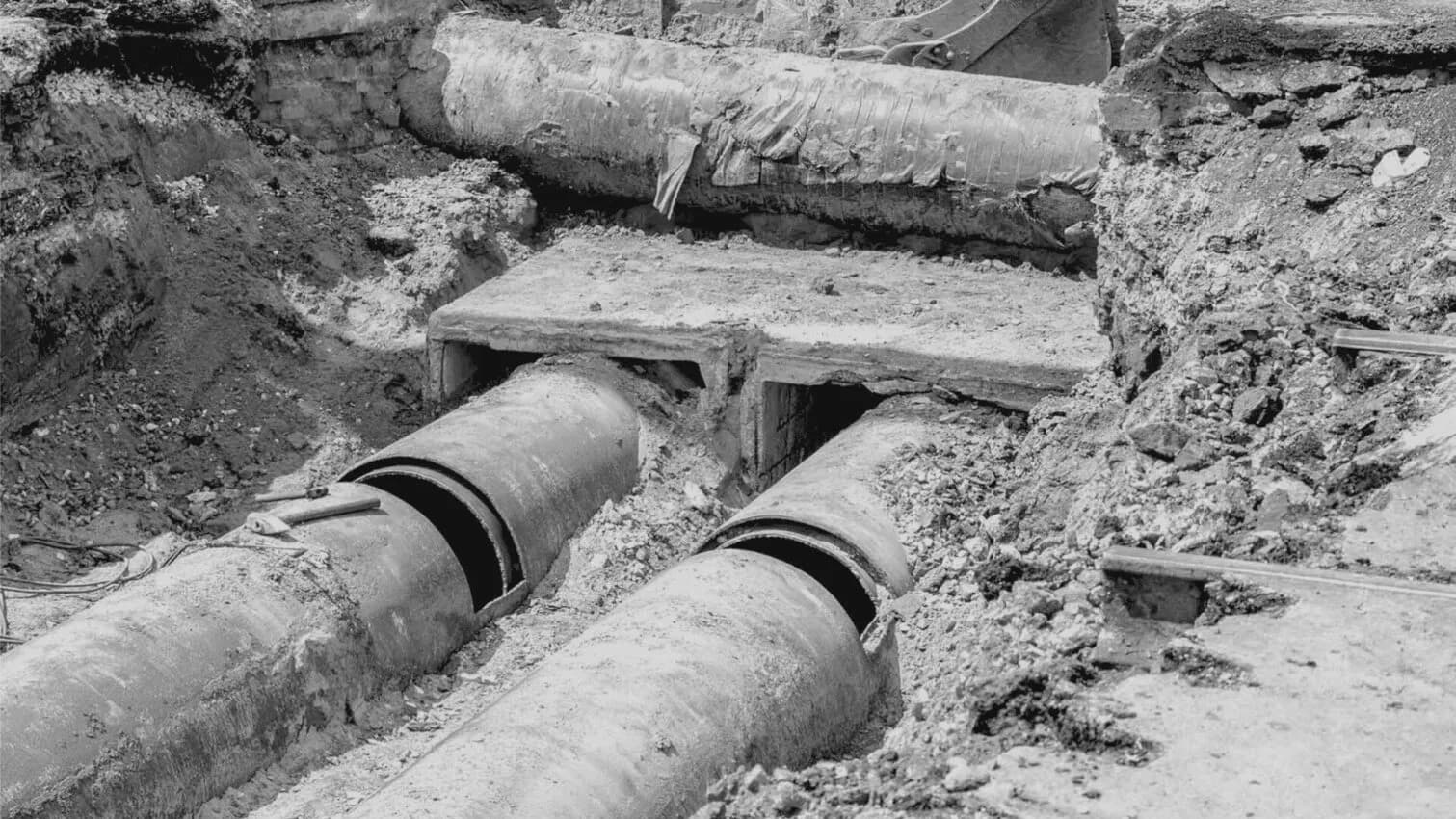
Managing a water system with 70 miles of pipeline serving 1,300 connections, much of it dating back to the 70’s and earlier, requires vigilant monitoring and strategic decision-making. As infrastructure ages, problems multiply: leaks develop in difficult-to-detect locations, emergency repairs create “Frankenstein portions” of repeatedly patched pipe, and water loss increases operational costs.
The rural Colorado system faced these exact challenges. A leak in the sandy riverbed was so hard to find that it took more than two months to spot, even with good monitoring equipment. Even though the leak never surfaced, operators noticed that “fill times for the tank were a lot longer, and the drain times were way shorter,” signaling significant water loss.
Effective Management Approaches
Several strategies have proven effective for maintaining aging systems while planning for sustainable replacement:
- Comprehensive Monitoring: Monthly correlation of meter readings with well production figures allows operators to quickly identify discrepancies that might indicate leaks. SCADA systems that monitor pressure throughout the distribution network provide early warning of developing problems.
- Data-Driven Replacement Planning: Rather than arbitrary age-based replacement schedules, successful utilities track repair frequency by section. As the Colorado operator explained, “In the last 10 years, we’ve had to fix this line 7 times… so it might be worth looking into just replacing the whole line.”
- Technology Integration: Upgrading to radio-read meters from older touch-read technology improves data collection efficiency while enhancing leak detection capabilities. These investments pay dividends through reduced water loss and labor costs.
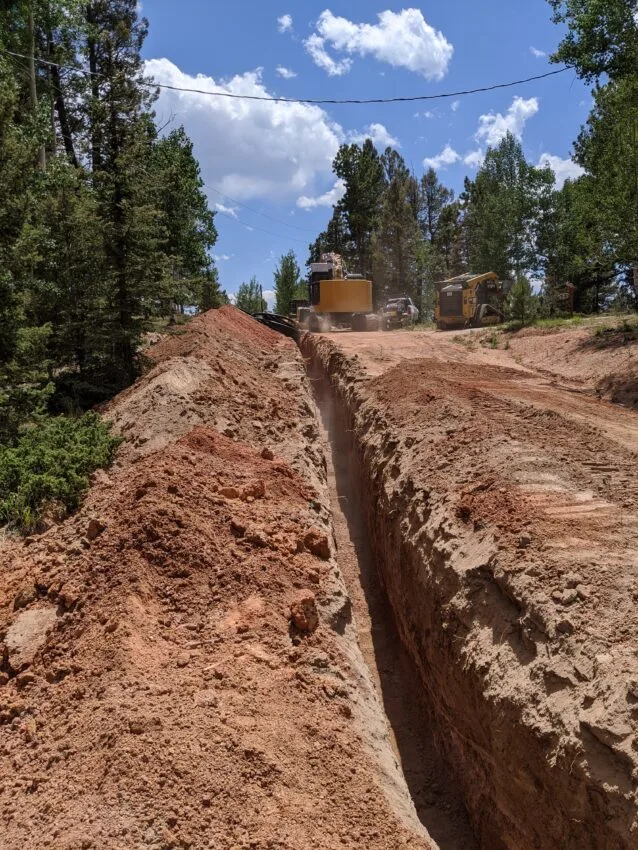
- Emergency Response Capability: The Colorado system recently purchased excavation equipment to improve response times, eliminating the delay of “spending two hours trying to find an excavator” during critical failures.
Funding Considerations
Financing infrastructure improvements remains a primary challenge for water systems of all sizes. Several approaches can help:
- Incremental Implementation: Breaking replacement projects into manageable phases that align with available funding
- Grant Opportunities: State Revolving Funds (SRF), USDA Rural Development, and ARPA funding often provide favorable terms for water infrastructure
- Rate Structures: Establishing rates that include capital improvement components to build replacement reserves
- Regional Partnerships: Collaborating with neighboring systems to share equipment costs and expertise
Community Perspective
For community members, reliable water service often goes unnoticed until problems arise. However, proactive management ultimately results in more stable rates, fewer service disruptions, and better emergency
preparedness. Communities that understand the true value of their water infrastructure are more likely to support necessary investments before catastrophic failures occur.
By implementing comprehensive monitoring, strategic replacement planning, and appropriate technology upgrades, even systems with half-century-old infrastructure can continue providing reliable service while working toward sustainable long-term solutions. The key is balancing immediate needs with future planning to ensure these essential systems continue serving communities for generations to come.
Keep reading
More to read.
Talk to an engineer
Tell us about your project.
An engineer reads it
Not a salesperson. Someone who can tell you whether the pathway is real.
You get a first answer
Your options, the agencies involved and the questions that decide cost and schedule.
You decide
No commitment to have the first call.
Prefer the phone? (214) 833-6748