
Wastewater Recycling for Commercial Developments: What Texas Developers Need to Know
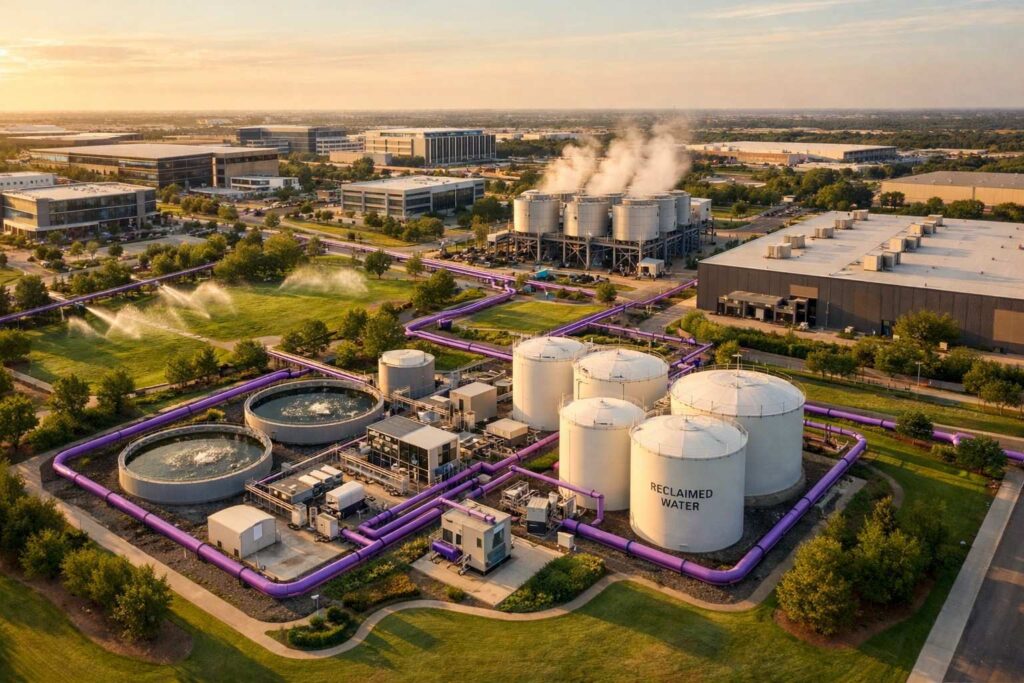
Treated wastewater is not waste. For Texas commercial developers who understand the regulatory landscape, it is a permitting asset and sometimes a revenue one.
Land Application Permits in Texas: A Faster Path to Wastewater Approval for Developers
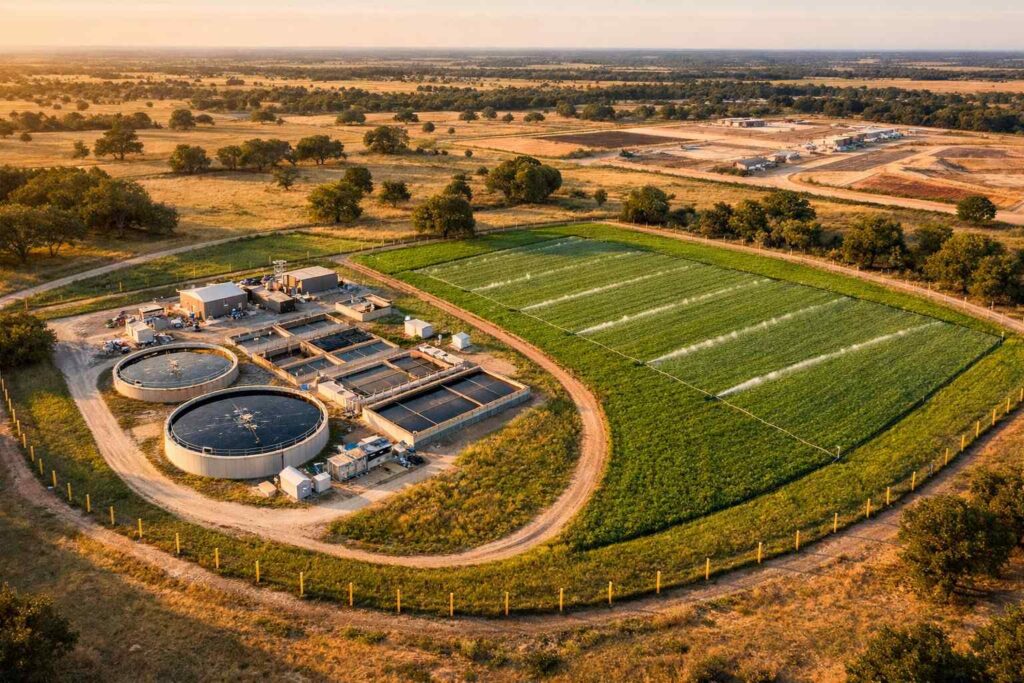
Private developers in Texas have a permitting option that avoids surface water discharge entirely. Here is what TCEQ evaluates for a TLAP, how long the process takes, and whether your site qualifies.
Why Speed Is a Design Constraint: How Modern Engineering Firms Deliver Infrastructure Faster

Traditional firms are organized around billing time. Modern firms are organized around delivering outcomes. That difference shows up as weeks, sometimes months, on every project.
When the Math Doesn’t Move: Water Pressure, Affordable Housing, and the Infrastructure Gap Nobody Wants to Pay For

Texas needs $154 billion to fix its water infrastructure but committed only $20 billion. With 186 billion gallons lost annually and pipes dating to the 1890s, developers face serious project risks from aging municipal systems.
Approved Plans Aren’t Always Optimized Plans. The Difference Can Cost $1.5 Million

Texas needs $154 billion to fix its water infrastructure but committed only $20 billion. With 186 billion gallons lost annually and pipes dating to the 1890s, developers face serious project risks from aging municipal systems.
The Cheapest Engineering Decision on Your Texas Pro Forma Isn’t the Low Bid
Texas needs $154 billion to fix its water infrastructure but committed only $20 billion. With 186 billion gallons lost annually and pipes dating to the 1890s, developers face serious project risks from aging municipal systems.
Land Application Permits for Treated Wastewater: A Texas Developer’s Guide
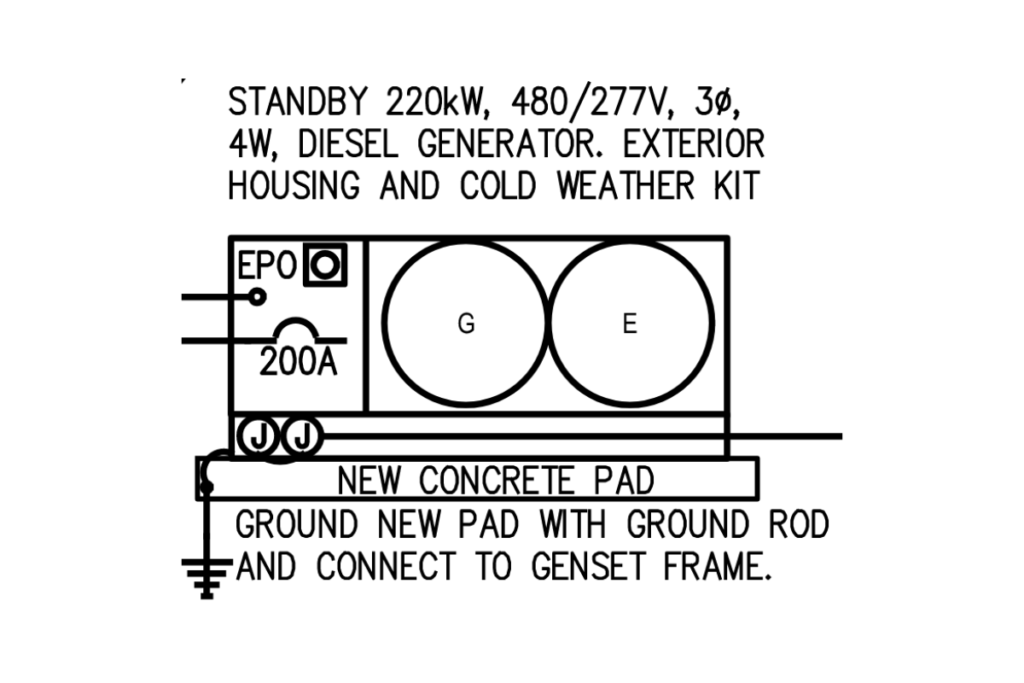
The Texas Commission on Environmental Quality (TCEQ) requires every regulated water and wastewater facility to demonstrate that essential systems will continue to operate during an electrical outage. This requirement is not just a formality; without backup power, a distribution system can lose pressure in a matter of minutes, disinfection can stop, and wastewater lift stations can overflow. Any of these conditions can create a direct public health hazard and, at the same time, put the utility in violation of its permit.