
Where we work
Kansas Water And Wastewater Engineering
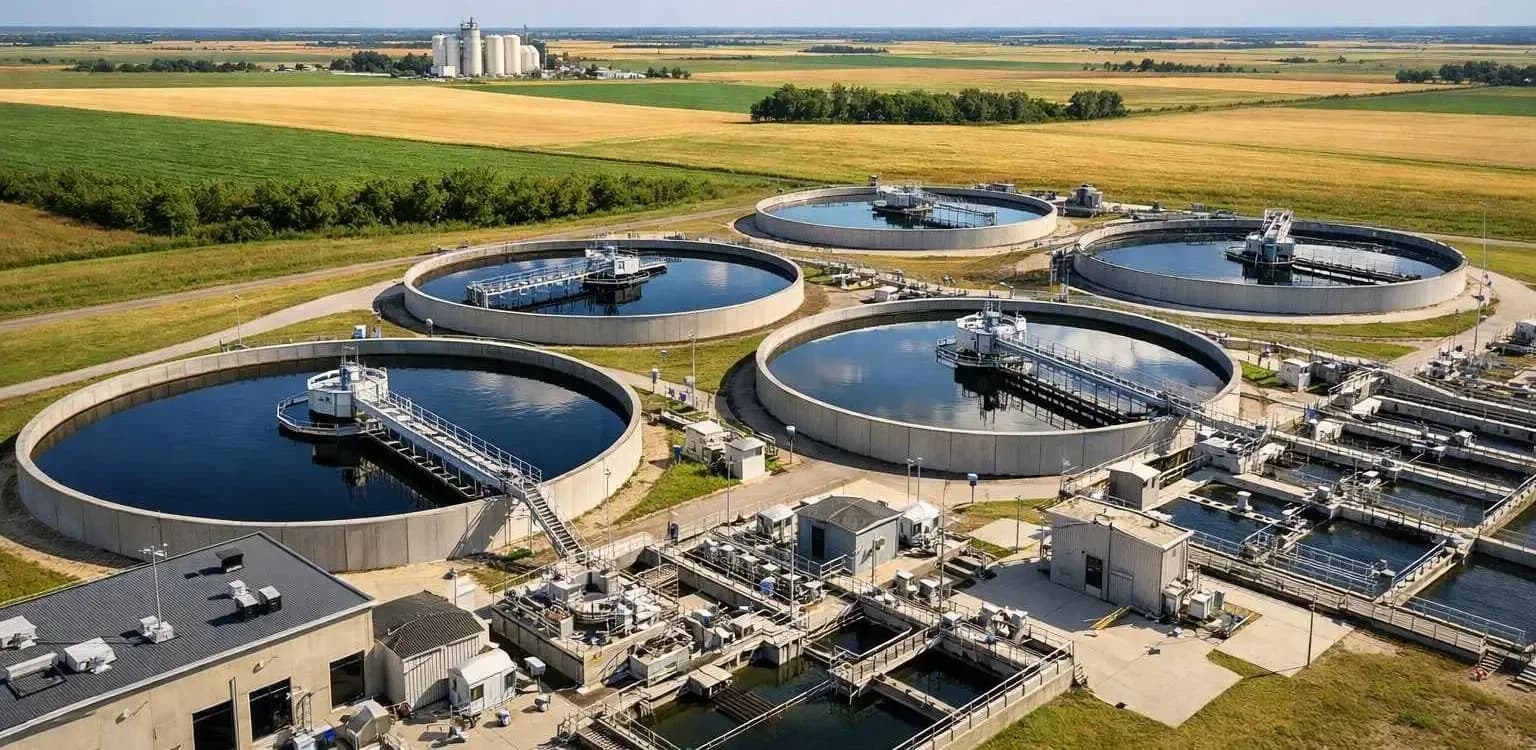
Water and wastewater engineering in Kansas for developers, utilities and towns. KDHE permits, lagoons, water supply, sewer and site civil design.
What we do in Kansas
What MES does in Kansas
Modern Engineering Solutions (MES) provides water and wastewater engineering in Kansas, plus the site civil work that land development needs. We are licensed to practice engineering in Kansas. We also provide construction administration, so the design team stays with the job through construction.
We work with developers, utilities, towns and other engineering firms. Most projects start with three questions. Where will the water come from? Where will the wastewater go? How will the site grade and drain?
How permitting and review work in Kansas
The Kansas Department of Health and Environment (KDHE) Bureau of Water reviews most water and wastewater work. A wastewater treatment design must come from an engineer licensed in Kansas.
Wastewater has two permit tracks. A system that discharges to a stream or lake needs an NPDES permit, which KDHE issues for the U.S. Environmental Protection Agency. A system that does not discharge, such as an evaporative lagoon or land application, needs a Kansas Water Pollution Control Permit. Sewer extensions also need KDHE approval. Designs follow KDHE's Minimum Standards of Design for Water Pollution Control Facilities, and lagoons are also governed by K.A.R. 28-16-160 through 28-16-174. A new treatment system goes into service once the permit is issued and an engineer certifies the construction.
A public water supply system needs a permit from KDHE. Plans for a new system or an extension are approved before construction starts. Water rights are a separate step. The Division of Water Resources at the Kansas Department of Agriculture issues permits to appropriate water for any use beyond domestic use. Five groundwater management districts in western and central Kansas add district rules for water use in their areas.
Cities and counties review plats, site plans and drainage. A site that disturbs one acre or more, or is part of a larger common plan of development, needs coverage under KDHE's construction stormwater general permit. Fill or a levee in a regulated floodplain needs a permit from the Division of Water Resources. Septic systems are usually permitted by the county under a sanitary code built on KDHE Bulletin 4-2.
Towns and districts can finance water and sewer projects through two KDHE loan funds: the Kansas Water Pollution Control Revolving Fund and the Kansas Public Water Supply Loan Fund. See our funding support for help with State Revolving Fund applications.
Work nearby
MES does not list a Kansas project yet. In nearby states, we have completed projects in Pueblo, Fort Morgan and Greeley, Colorado, and in Pampa, Borger and Hereford in the Texas Panhandle.
Two Colorado write-ups show this kind of work: a 10-inch waterline extension in Elizabeth and a wastewater lift station in Brighton. See more on our Colorado page.
Common questions
Who issues wastewater permits in Kansas?
The KDHE Bureau of Water. It issues NPDES permits for systems that discharge to surface water. It issues Kansas Water Pollution Control Permits for systems that do not discharge, such as evaporative lagoons.
Do I need a water right for a new well?
For anything beyond domestic use, yes. The Division of Water Resources issues permits to appropriate water. Domestic use covers household needs, farm animals and up to two acres of lawn, garden or orchard.
Does a Kansas subdivision need a stormwater permit?
Usually. KDHE treats a subdivision as a larger common plan of development. If construction across the whole development will disturb one acre or more, it needs coverage under the construction stormwater general permit.
Talk to an engineer
Tell us about your project.
An engineer reads it
Not a salesperson. Someone who can tell you whether the pathway is real.
You get a first answer
Your options, the agencies involved and the questions that decide cost and schedule.
You decide
No commitment to have the first call.
Prefer the phone? (214) 833-6748