Modern Engineering Solutions

Civil Engineering
For New Mexico Land Development

New Mexico civil engineering means site designs respecting cultural resources on ancestral pueblo lands, grading plans accounting for adobe clay and caliche geology, and drainage systems handling flash floods through desert arroyos. From Albuquerque metro west mesa development to Santa Fe corridor growth, our site packages work in New Mexico’s high-desert conditions, temperature extremes, and multi-jurisdictional framework coordinating federal, state, tribal, and local agencies.

Engineering Built for Outcomes, Not Overhead

New Mexico civil projects fail when engineers treat arroyo drainage constraints, NMED stormwater requirements, and acequia irrigation system conflicts as site-specific surprises rather than standard design inputs across Albuquerque, Santa Fe, Rio Rancho, and Las Cruces developments.

Value Over
Hours

We price New Mexico civil engagements around delivered outcomes: grading permits approved, drainage designs that satisfy Bernalillo County or Santa Fe County review, and construction drawings that reflect actual caliche and adobe soil conditions before contractors bid.

Speed as a Design Constraint 

New Mexico’s extreme summer heat and monsoon season compress productive construction windows. A drainage design rejected during NMED review or a grading permit delayed by incomplete arroyo documentation doesn’t cost weeks. It costs a construction season.

Deep Work, Not Meeting Culture

Arroyo encroachment analysis, acequia conflict identification, and NMED permit criteria get resolved through engineering before applications are filed. Bernalillo County, Santa Fe County, and Doña Ana County reviewers receive complete packages because New Mexico-specific problems were solved before submission.

AI as Leverage, Not a Shortcut

AI handles NMED documentation and drawing standardization so licensed New Mexico PEs focus on arroyo drainage analysis, caliche grading design, and multi-jurisdiction coordination across Albuquerque metro, Santa Fe, Rio Rancho, and Las Cruces developments. Every decision is made and stamped by a professional engineer.

What We Do

Modern Engineering Solutions delivers civil engineering for New Mexico land development including concept planning, cultural resource coordination, arroyo drainage design, and construction oversight statewide.
Site concept planning in New Mexico starts with cultural resource surveys because archaeological sites associated with ancestral pueblo civilizations appear throughout the state requiring preservation or data recovery before construction. Geotechnical investigations identify adobe clay properties indicating swell potential and caliche depth affecting excavation costs. Arroyo drainage patterns get evaluated because ephemeral channels carry intense flows during brief summer monsoon storms despite remaining dry most of the year.

Federal land boundaries matter because BLM manages vast acreage near Albuquerque and other communities requiring land exchanges or purchases for development. Tribal lands throughout state create coordination requirements when projects occur on or adjacent to pueblo boundaries. Elevation affects design because Albuquerque sits at 5,300 feet and Santa Fe reaches 7,000 feet creating altitude considerations. Early identification of these New Mexico-specific constraints with cost estimates helps feasibility models reflect high-desert development reality.
New Mexico development permitting coordinates counties controlling most land use, municipalities where annexation occurs, federal agencies when BLM or Forest Service lands involved, and tribal governments for projects affecting pueblo interests. Bernalillo County reviews Albuquerque area development outside city limits. Santa Fe County governs corridor growth. Cultural resource clearances from State Historic Preservation Office prove mandatory because archaeological sensitivity throughout state triggers Section 106 review.

Projects on former federal land need environmental assessments and archaeological surveys. Arroyo crossings and floodplain development coordinate with local drainage authorities. Tribal consultation becomes necessary when developments occur near pueblo lands or impact areas of cultural significance. Some areas involve strict architectural review maintaining regional character. Successful permitting requires understanding overlapping jurisdictions because federal, state, tribal, and local agencies often review same projects creating coordination challenges developers underestimate during initial planning stages.
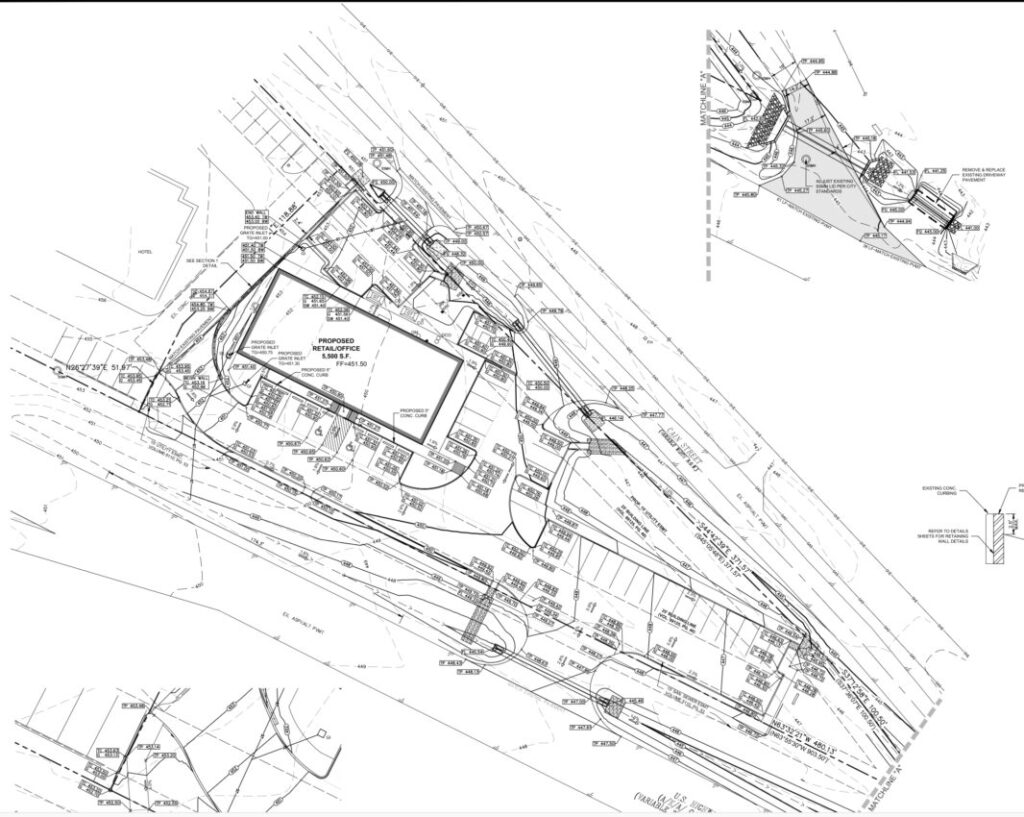
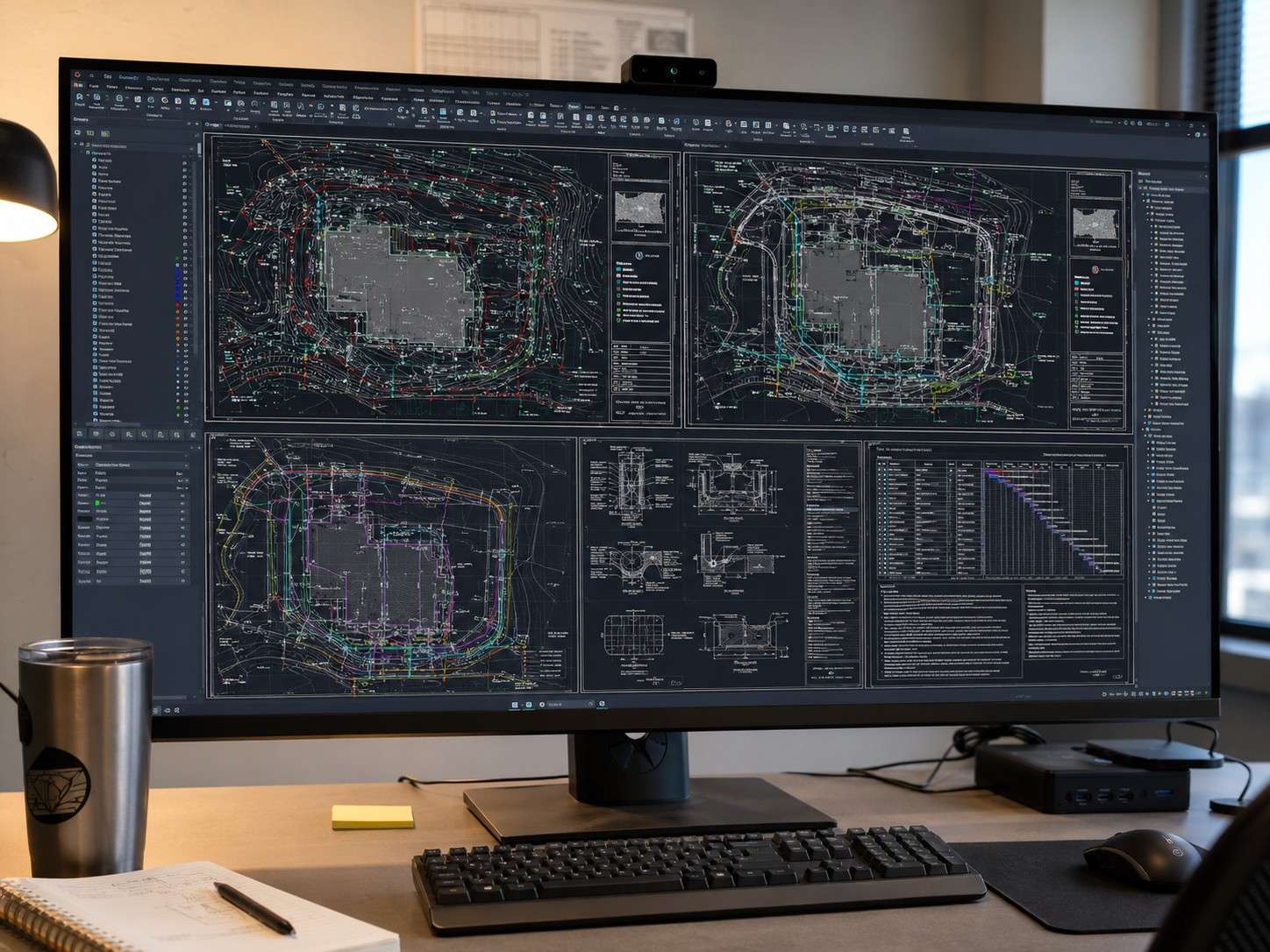
Plans for New Mexico civil construction specify adobe clay treatments using moisture barriers and select fill, foundation designs accounting for expansive soil characteristics, and arroyo crossing structures surviving flash floods. Cultural resource protection shows archaeological site avoidance areas where construction cannot occur. Grading plans distinguish soil excavation and caliche removal because costs differ significantly.

Stormwater designs account for intense monsoon cloudbursts delivering 2-3 inches in brief periods despite annual precipitation averaging only 8-14 inches. Erosion control addresses sparse desert vegetation requiring extended establishment periods. Pavement sections include bases resisting adobe clay movement and freeze-thaw cycles at elevation. Frost protection varies from 18-36 inches depending on elevation. Arroyo channel improvements show rock riprap or concrete structures surviving flood velocities. Construction phasing addresses monsoon season July-September when afternoon storms disrupt earthwork. Plans coordinate across multiple agencies when jurisdictions overlap.
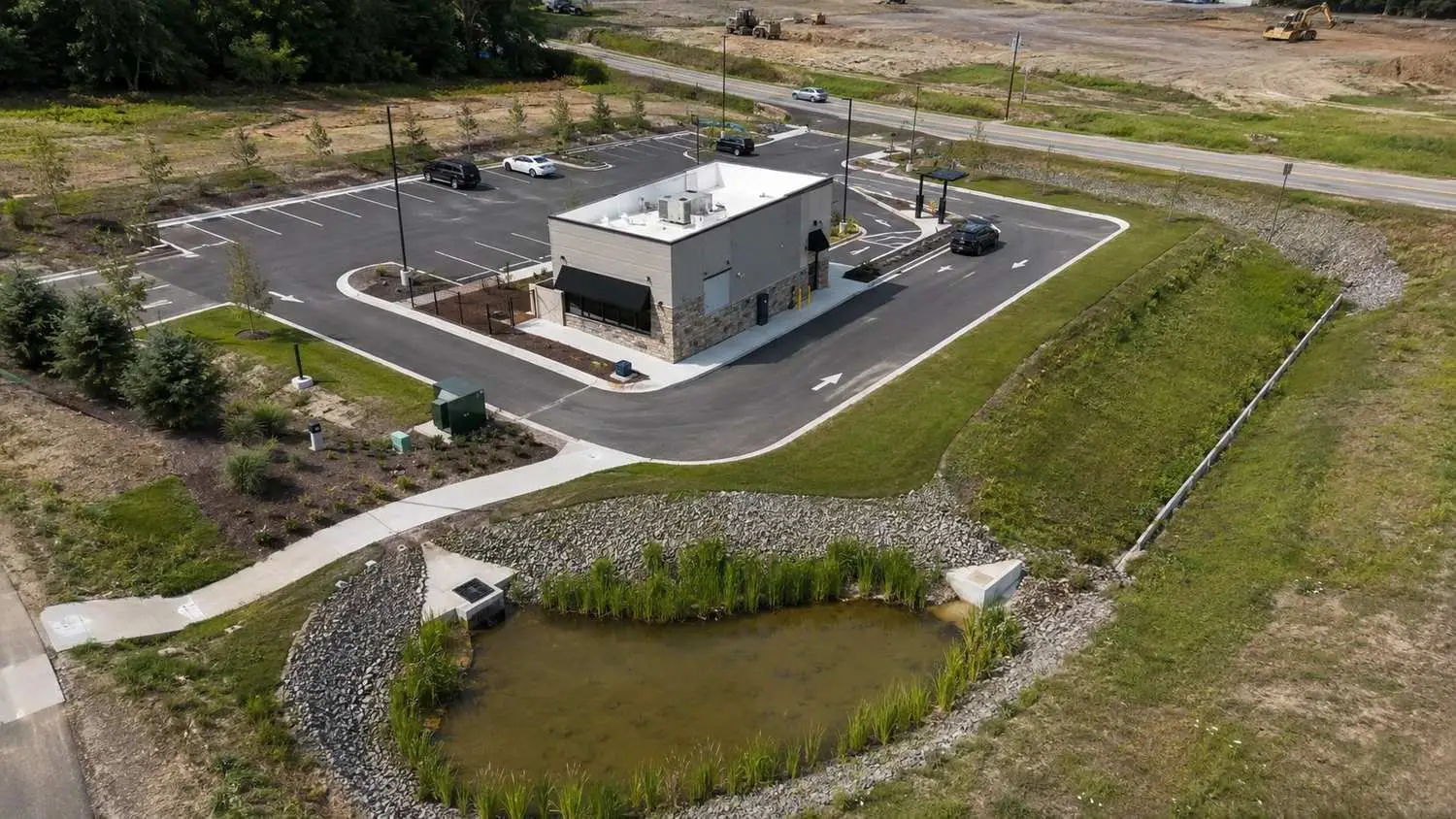
Commercial sites in New Mexico require civil engineering addressing adobe clay foundation requirements, cultural resource constraints potentially limiting site use, and parking accommodating pickup trucks common in rural areas. Drive-through layouts accommodate queuing meeting franchise standards. Parking designs include oversized spaces because New Mexico customers often drive larger vehicles and trucks.

Stormwater detention fits within compact parcels sized for intense cloudburst rainfall. Adobe clay foundation treatments add costs requiring evaluation during site selection. Archaeological surveys may identify resources requiring avoidance limiting developable area. Utilities coordinate water, sewer, gas, electric, and telecommunications. Grease interceptors and dumpster enclosures locate meeting health department requirements. Landscape designs use native xeric plants adapted to high-desert conditions because water costs and availability limit traditional turf grass. Efficient layouts maximize building area and parking while satisfying regulatory requirements varying between jurisdictions from pueblo lands to county oversight.

Our Approach

New Mexico civil engineering starts with arroyo constraints mapped, acequia conflicts identified, and NMED stormwater requirements confirmed before design opens.

Site Assessment First

Arroyo locations, acequia easements, caliche depth, and jurisdictional authority get confirmed before design begins. Albuquerque metro developments in Bernalillo County, Rio Rancho projects in Sandoval County, Santa Fe area sites, and Las Cruces developments in Doña Ana County each face different local agency drainage standards and desert soil conditions that site assessment establishes before design commits resources.

Arroyo Drainage Integration

Drainage design uses New Mexico-specific intensity data reflecting high desert monsoon patterns rather than regional averages that undersize detention for intense short-duration storms. Arroyo encroachment analysis determines where development can occur relative to natural drainage channels that New Mexico agencies protect as critical flood conveyance features.

NMED Permit Coordination

New Mexico civil permits involve local agency review and NMED stormwater authorization running simultaneously. Applications get structured to satisfy both sets of criteria so one agency’s comment cycle doesn’t hold up the other’s approval.

Construction Through Acceptance

Grading inspections, arroyo buffer compliance, drainage installation, and dust control get observed at New Mexico construction milestones. Closeout documentation gets compiled progressively so final plat recording doesn’t wait on packages that should have been assembled during construction.

Projects

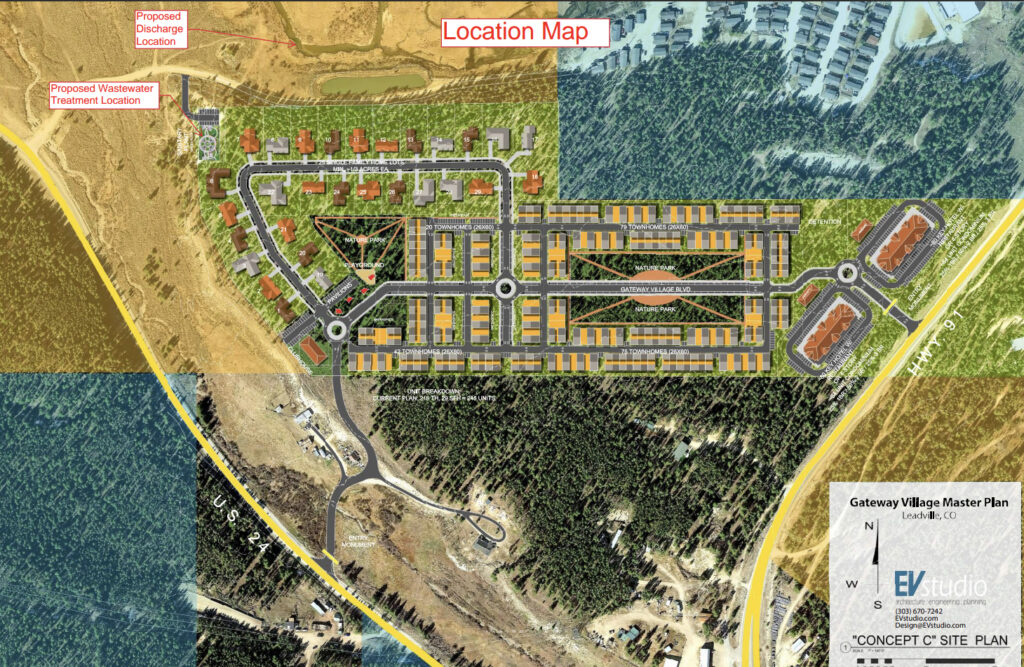
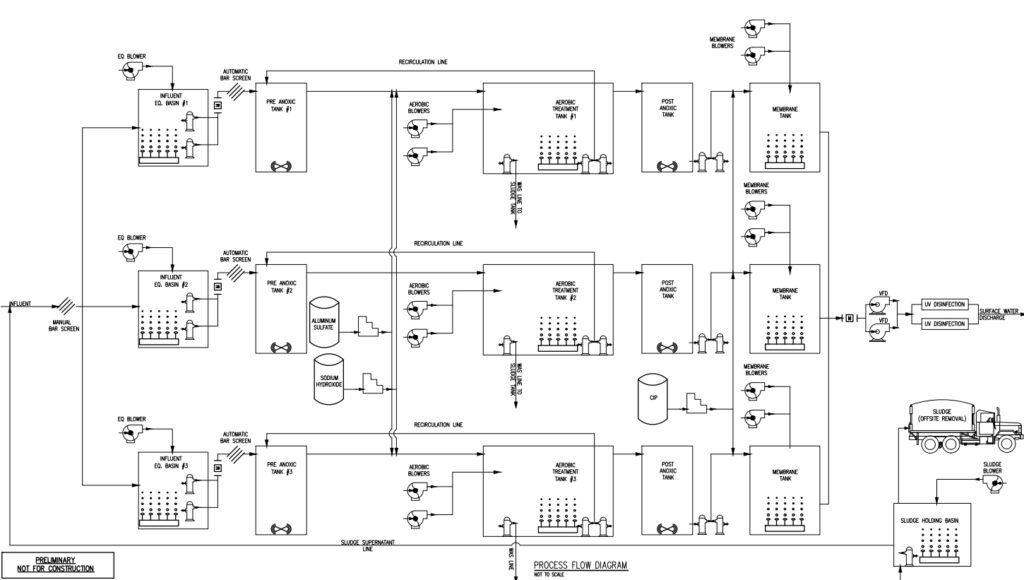
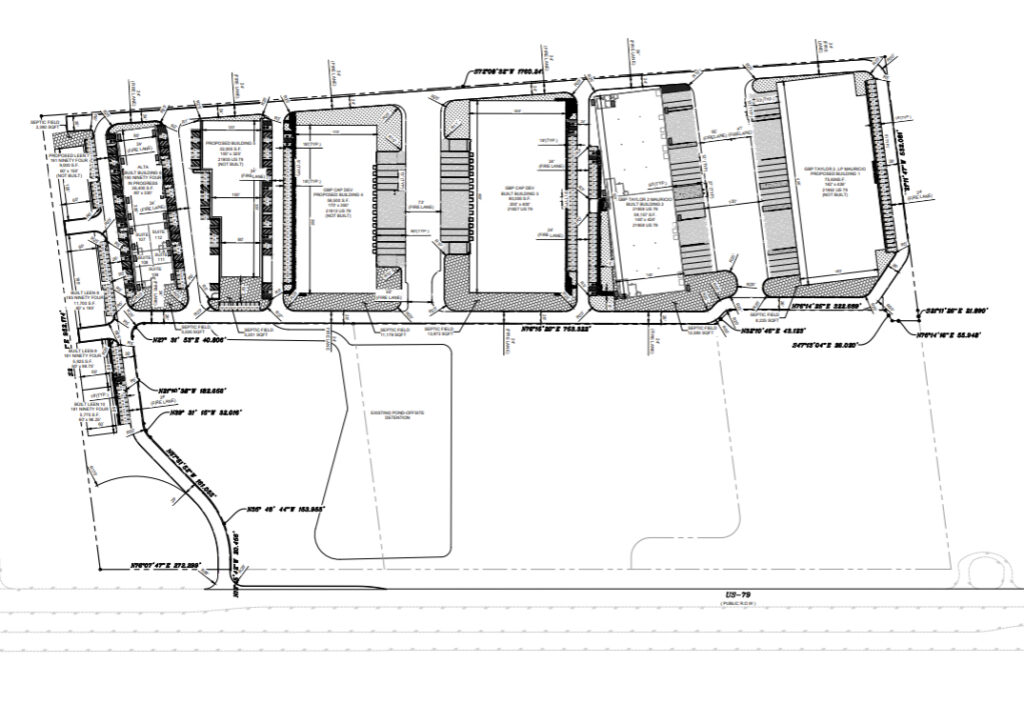
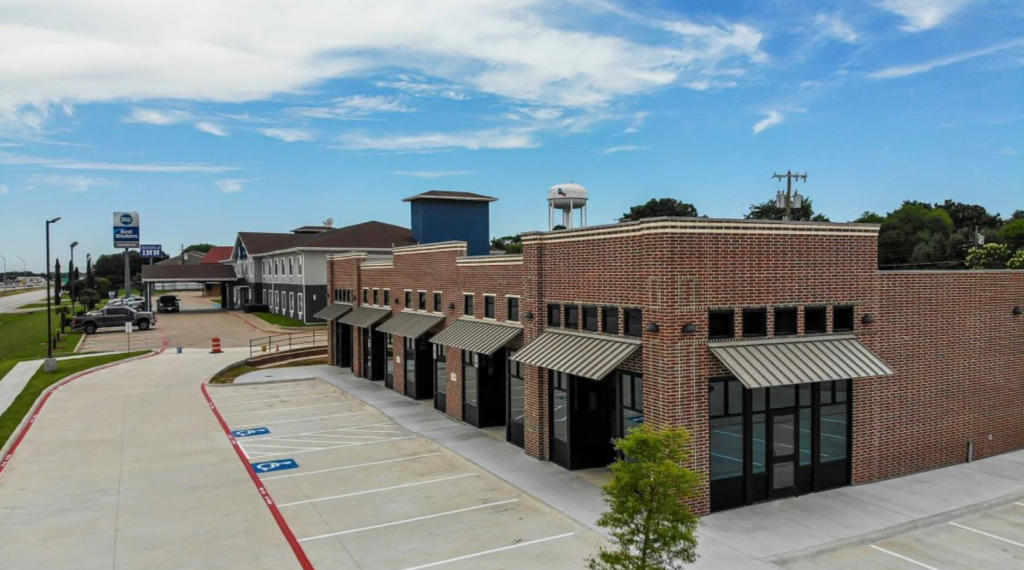
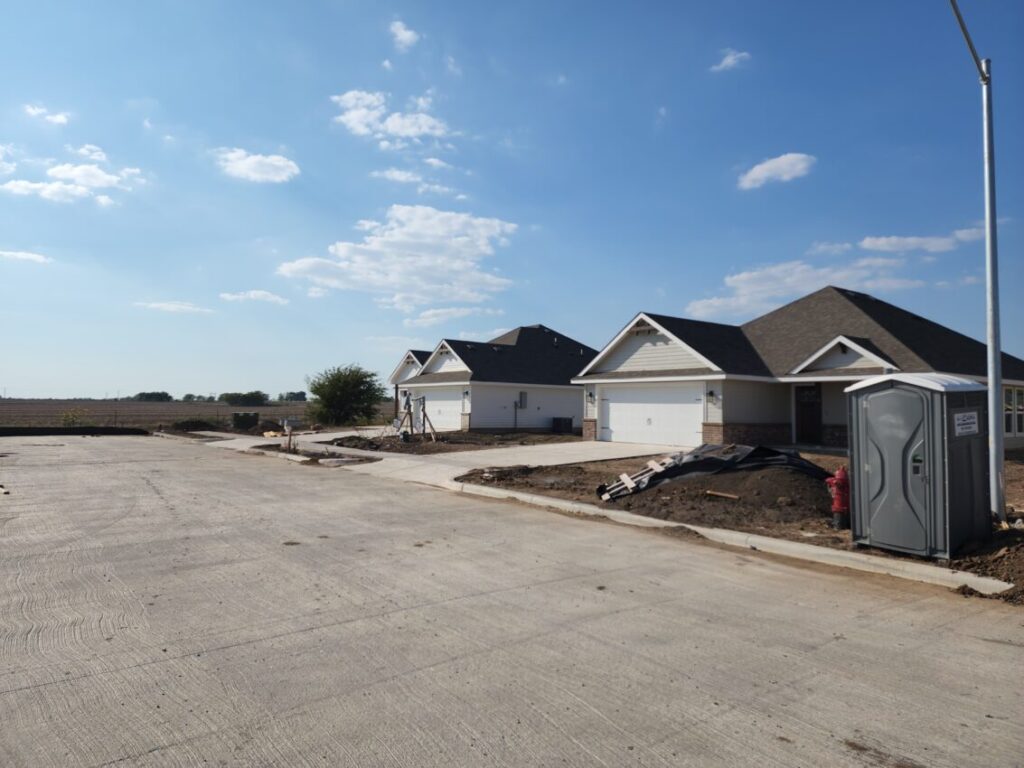
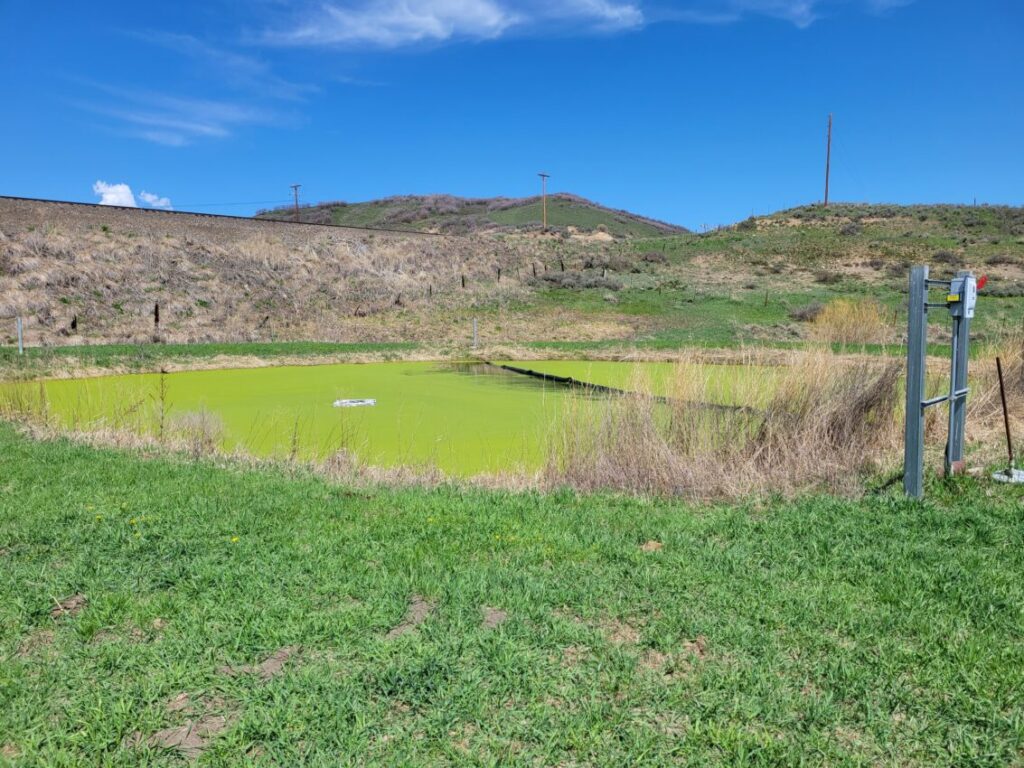
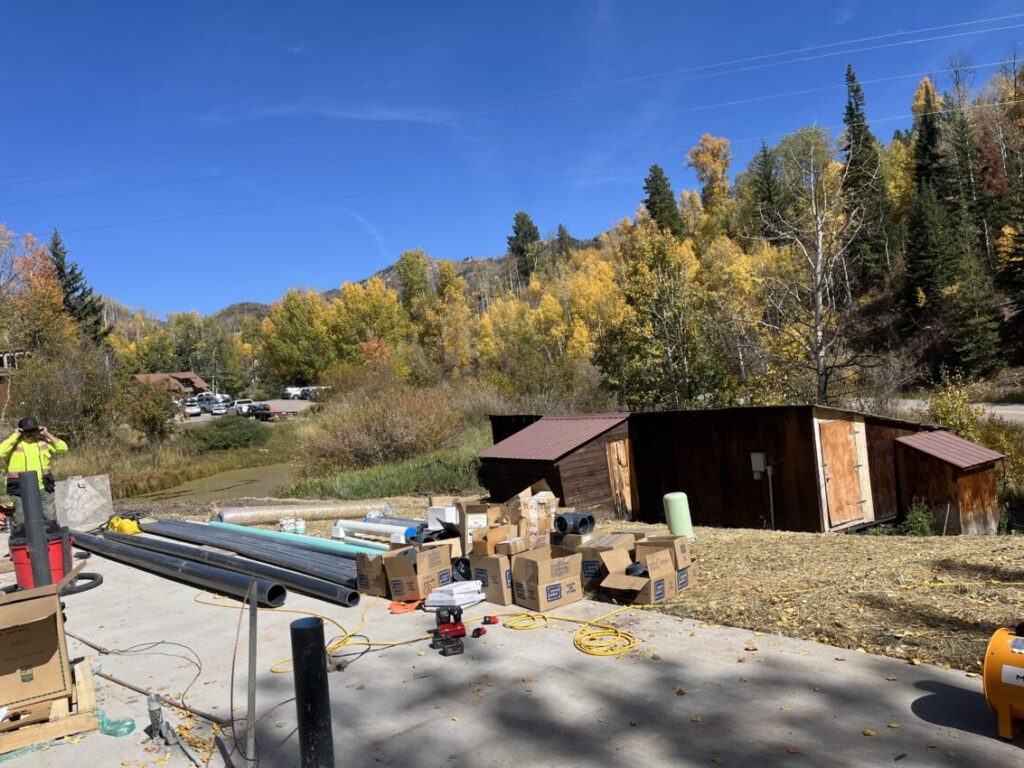
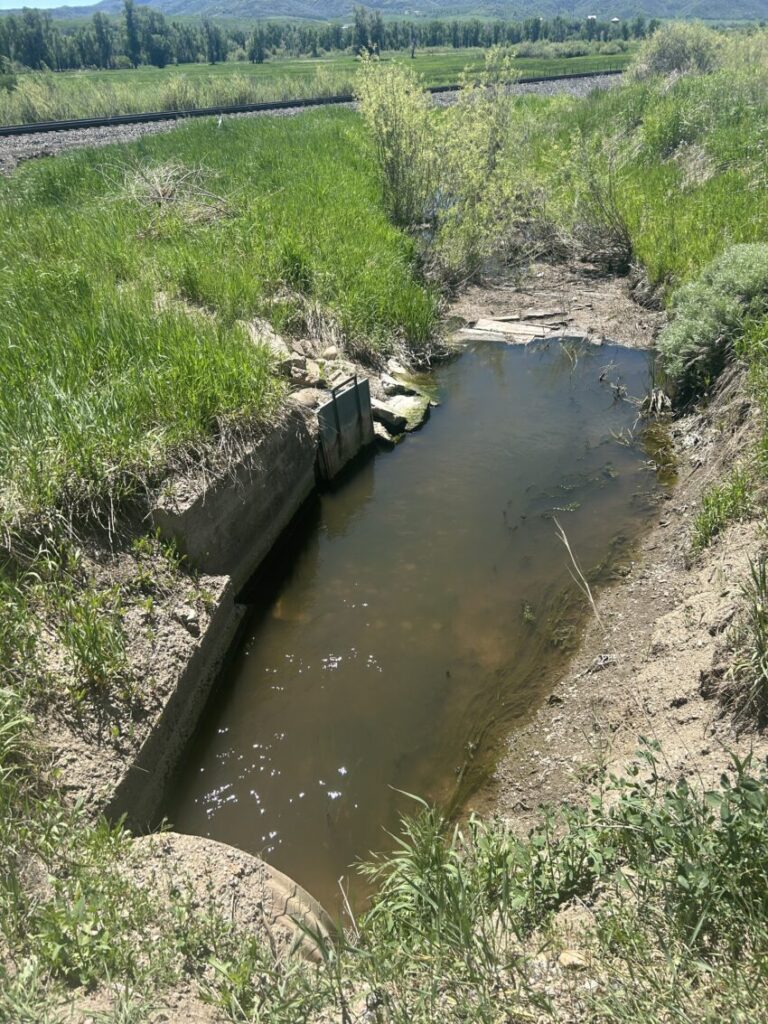
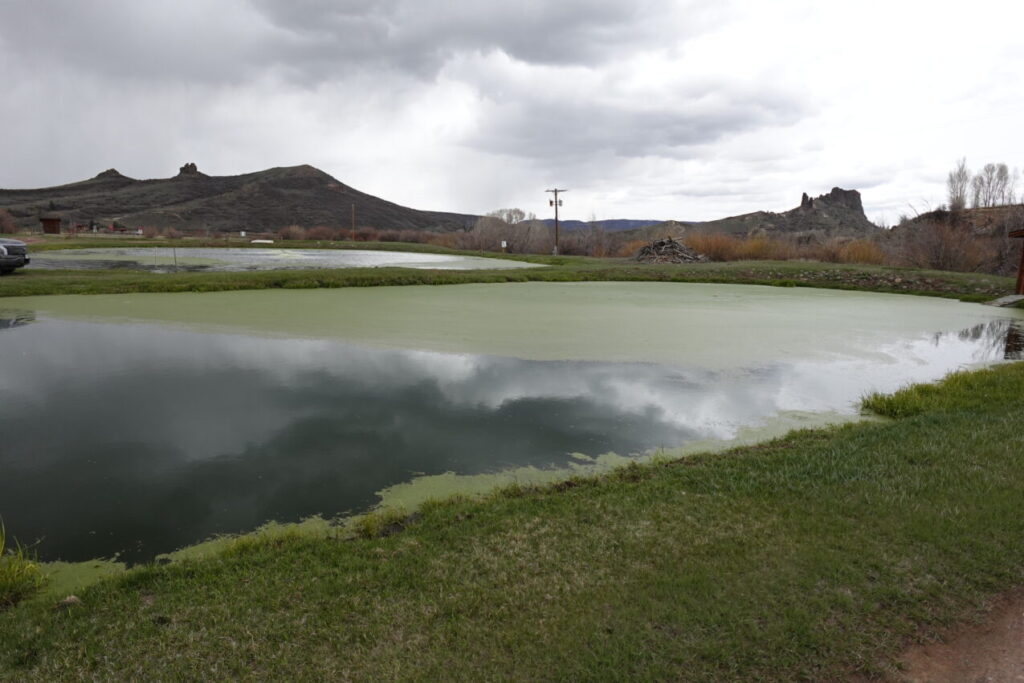
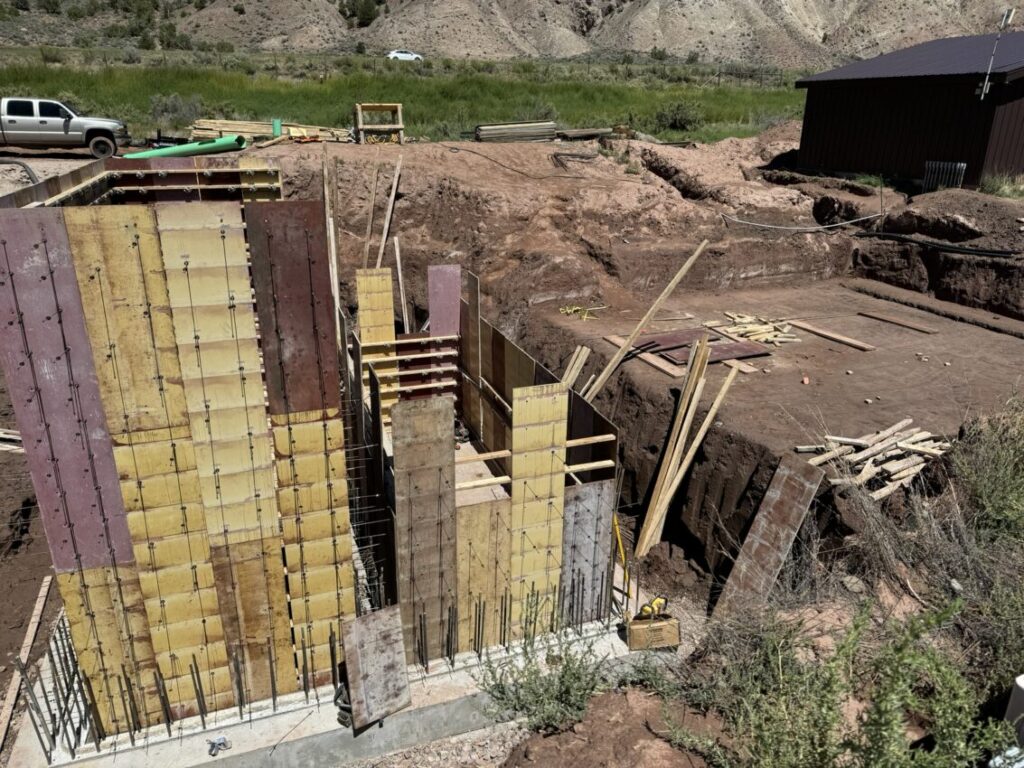
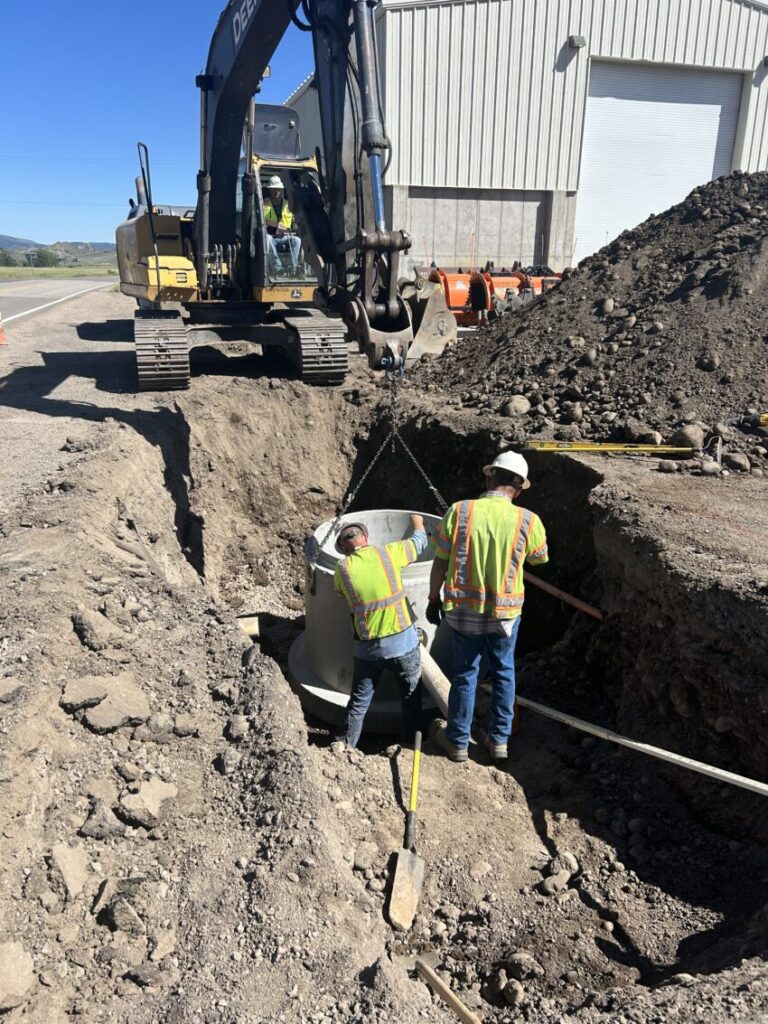
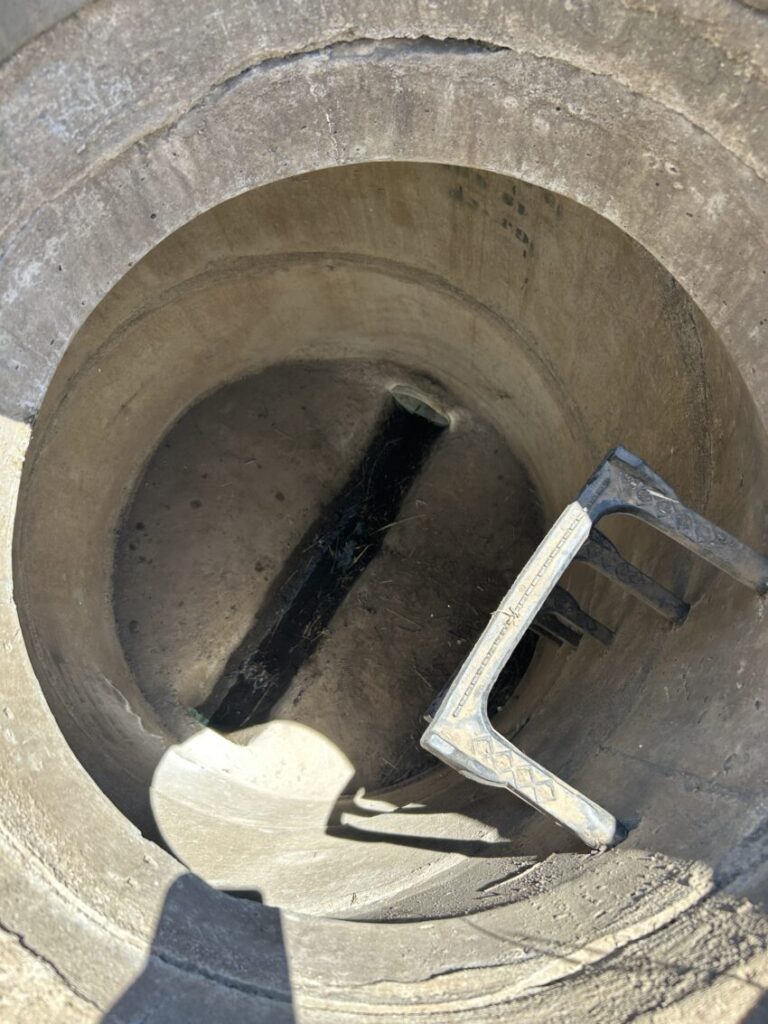
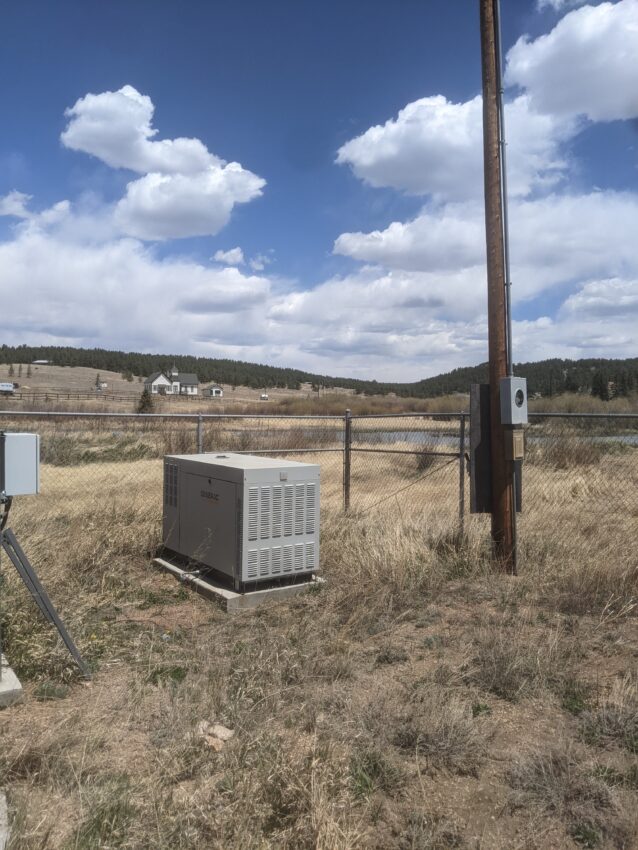
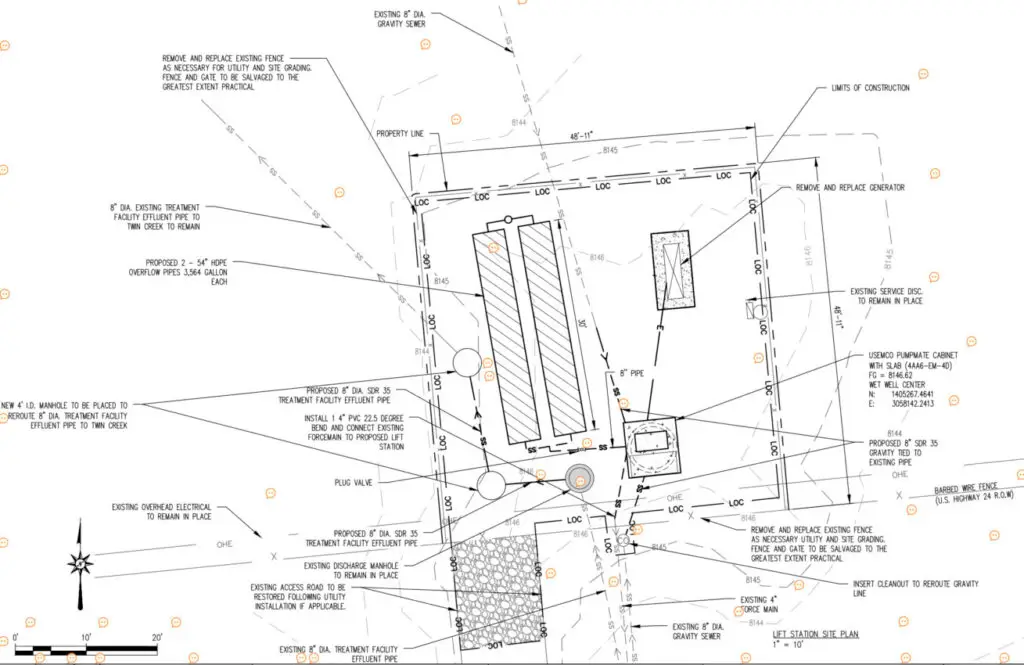
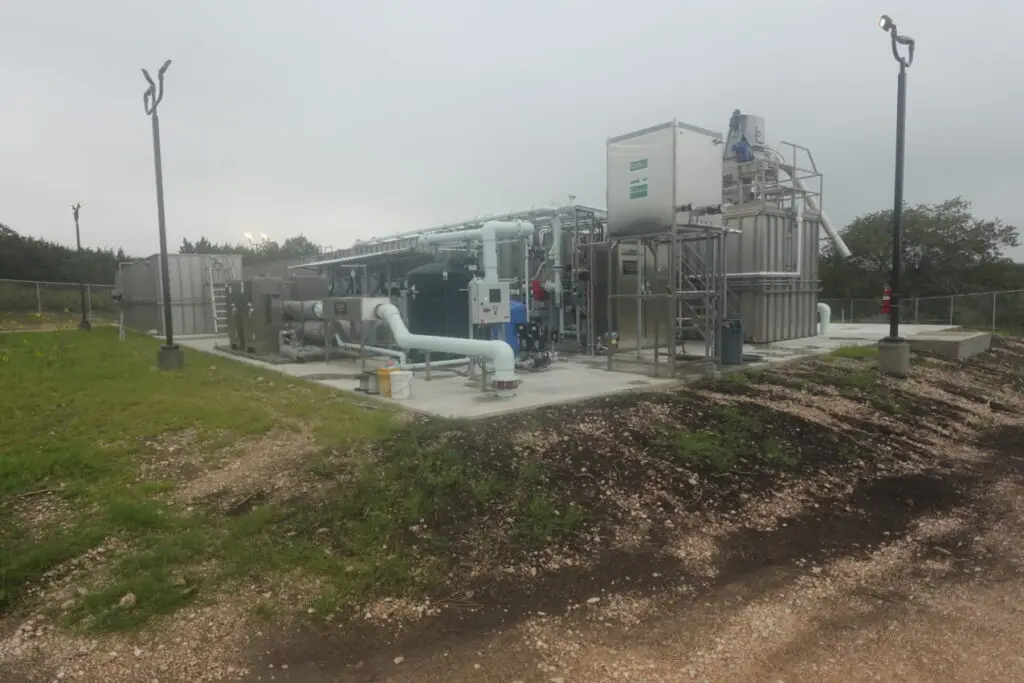
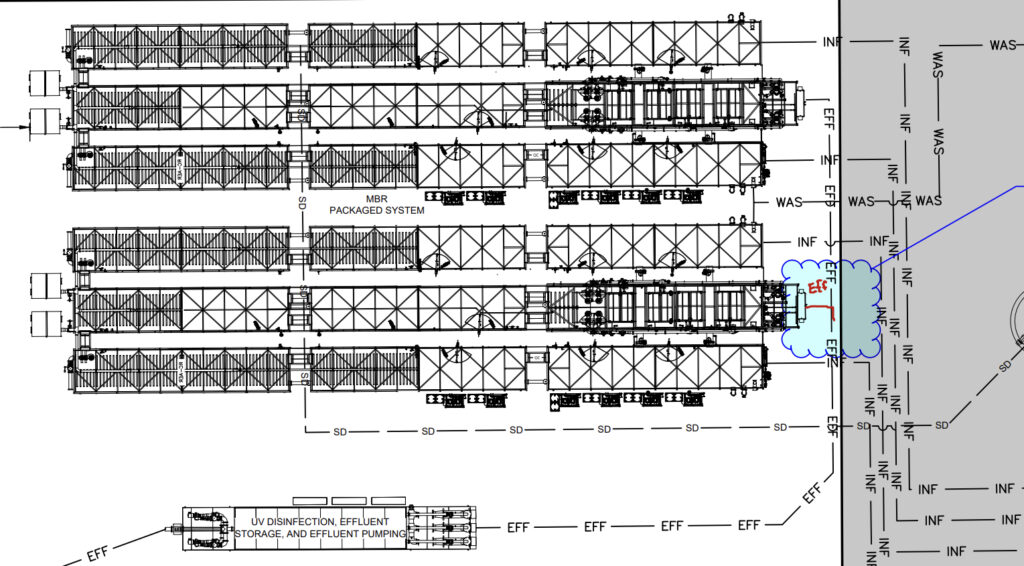
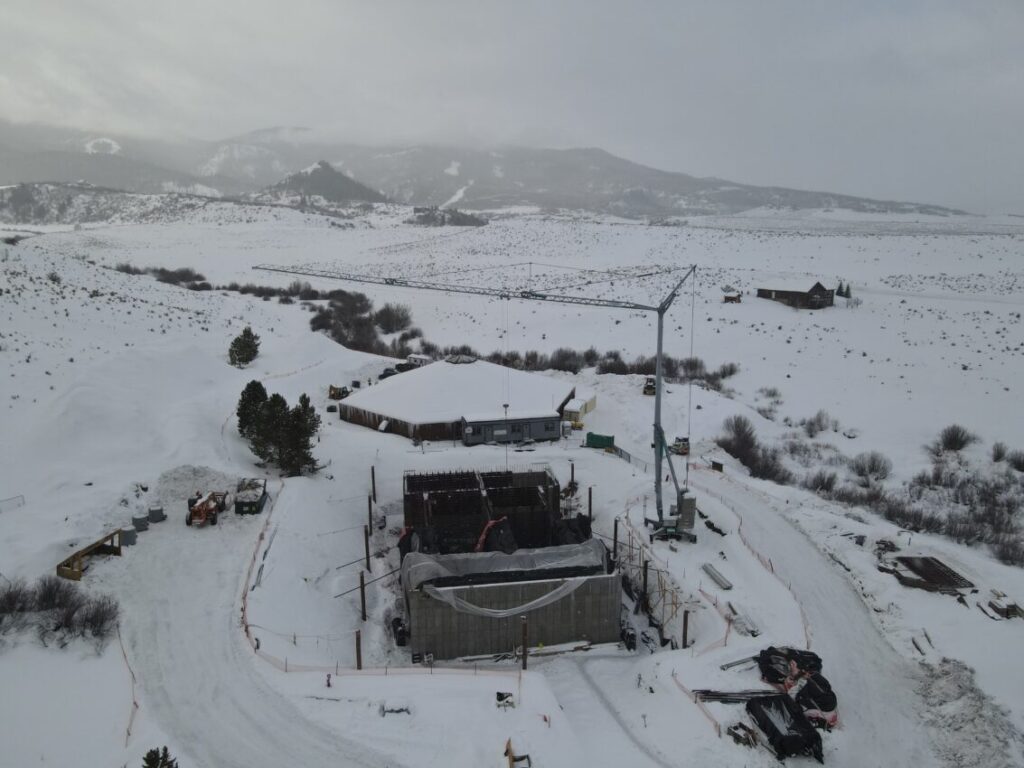
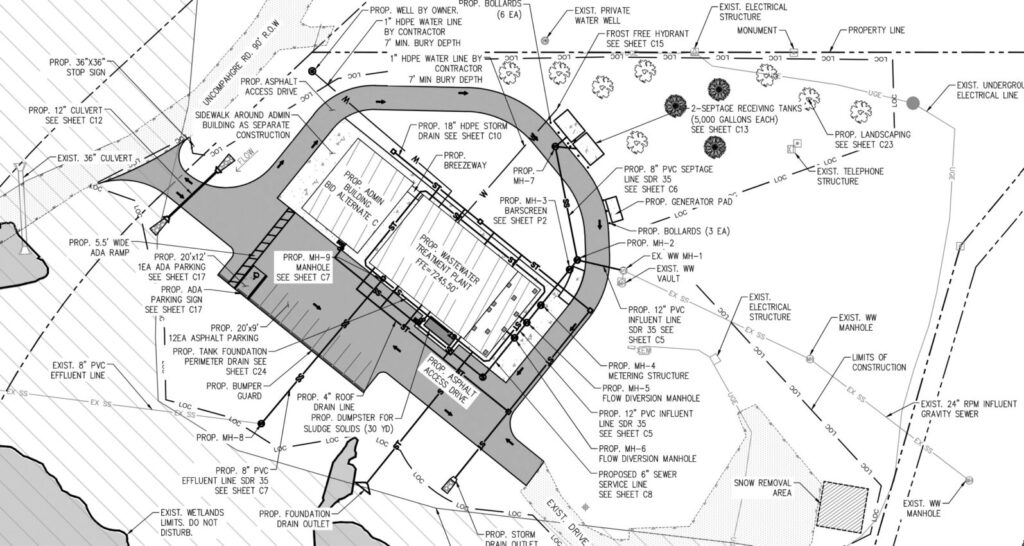
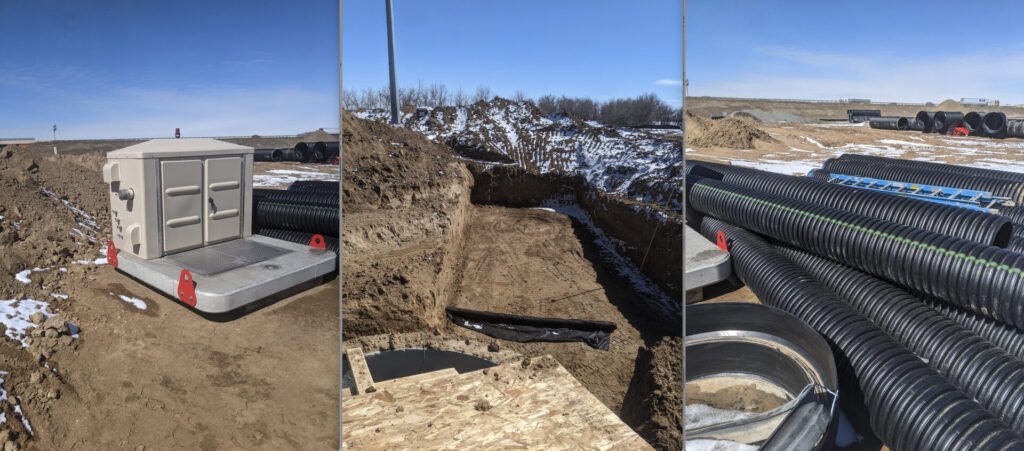
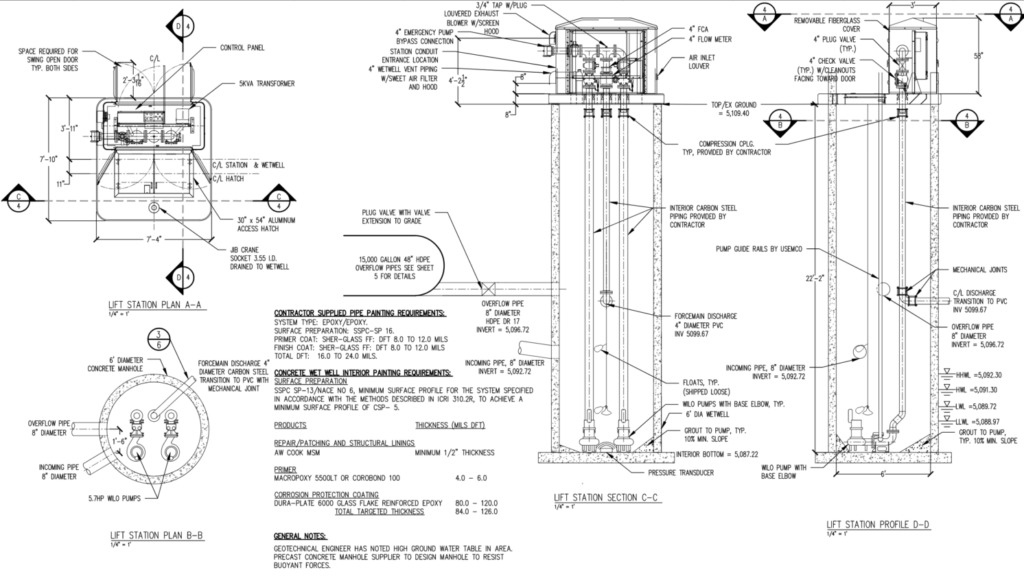
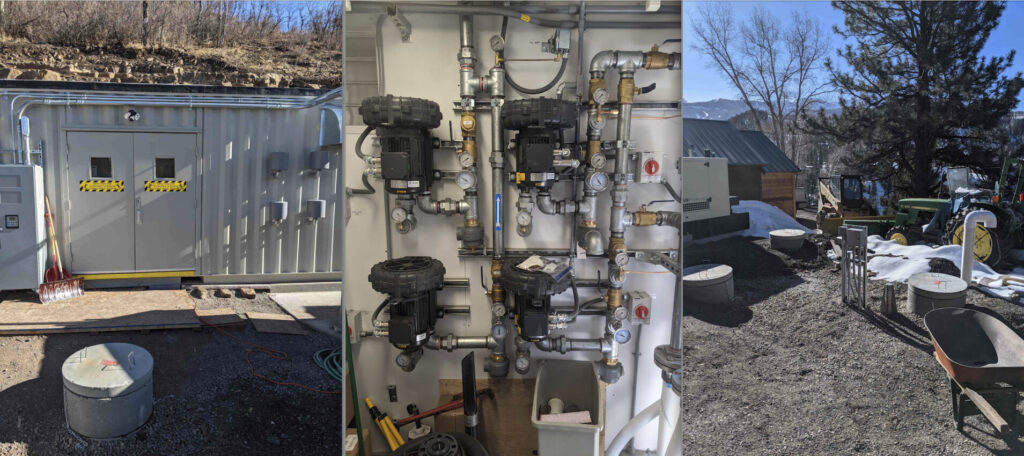
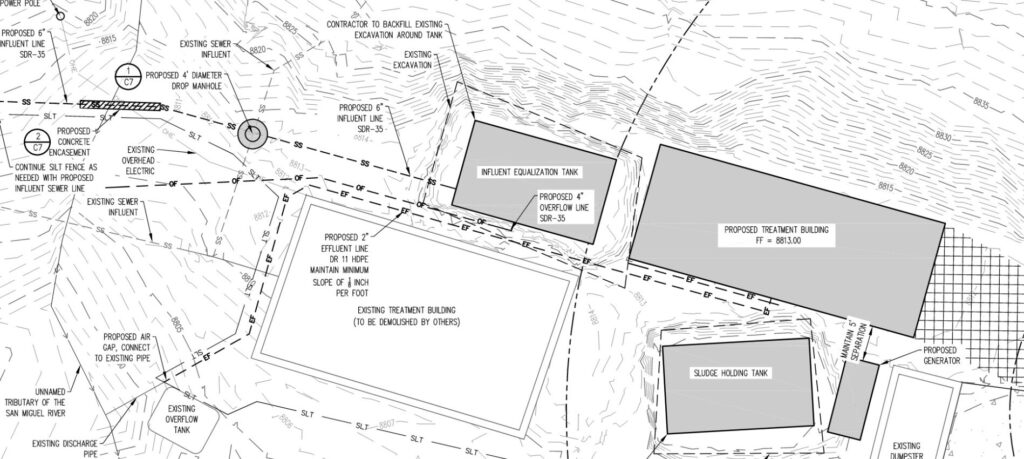
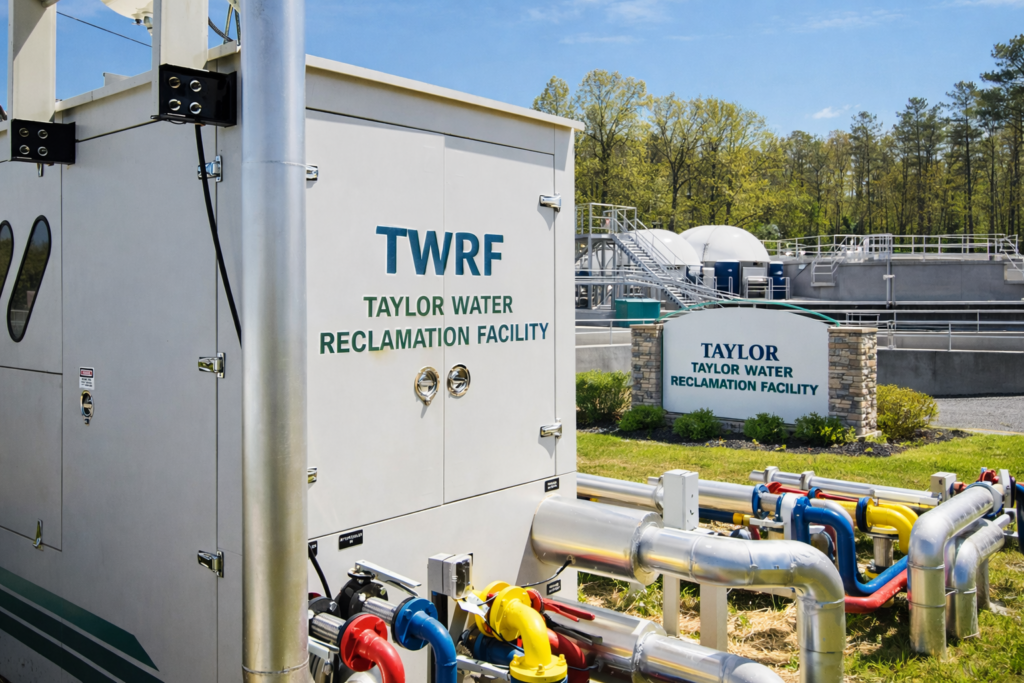
Modern Engineering Solutions delivers water and wastewater engineering across diverse regulatory environments, demonstrating efficient permitting and site-specific design expertise.

Why Choose Modern Engineering Solutions

Why Choose MES

1

Budgets That Hold

Civil plans incorporate caliche conditions, arroyo setback requirements, and acequia easement conflicts before contractors bid. Developers working with us don't face change orders from New Mexico desert conditions that complete site investigation should have identified.

2

Permits Clear First Time

NMED stormwater authorizations and local agency submittals reach New Mexico reviewing agencies as coordinated packages. Bernalillo County, Santa Fe County, Sandoval County, and Doña Ana County reviewers get applications structured around their specific criteria rather than generic submittals that generate comment cycles.

3

Phasing Fits New Mexico Seasons

Infrastructure phasing accounts for New Mexico's monsoon season construction constraints and NMED permit conditions. Lot release schedules reflect realistic New Mexico construction timelines rather than year-round assumptions that ignore monsoon season and extreme heat impacts on productive construction days.

4

Civil and Utility Coordinated

Grading, drainage, water, and wastewater design advance together so acequia conflicts and arroyo constraints don't surface during construction. One coordinated set of drawings prevents the gaps that happen when civil and utility permits pursue separate agency tracks.

Frequently Asked Questions

Concept planning and Bernalillo County grading permitting for an Albuquerque area subdivision need to advance as an integrated process. Bernalillo County applies grading standards during concept review that affect lot layout, arroyo setback compliance, and drainage design decisions that are expensive to change after concept planning is complete.

Albuquerque metro civil engineering involves coordination across jurisdictions:

  • Bernalillo County applies grading and drainage standards for unincorporated areas that differ from City of Albuquerque standards applying to incorporated development sites
  • Middle Rio Grande Conservancy District administers acequia and irrigation system easements that affect development layout across significant portions of the Albuquerque metro
  • NMED administers stormwater authorization requirements that apply regardless of local jurisdiction for developments disturbing one acre or more

MES handles concept planning coordinated with Bernalillo County grading permit requirements from the first design session, structuring concepts around arroyo setbacks and acequia conflicts before design investment commits resources.

Project permitting and drainage design for a Santa Fe County development require familiarity with Santa Fe’s specific drainage standards and the Rio Grande Rift seismic conditions that affect grading and utility design across northern New Mexico.

Santa Fe area civil engineering involves conditions specific to the region:

  • Santa Fe County applies drainage standards reflecting high desert terrain and arroyo drainage patterns that differ from Albuquerque metro’s Middle Rio Grande Valley conditions
  • City of Santa Fe maintains independent grading and drainage standards that differ from Santa Fe County unincorporated area requirements
  • Rio Grande Rift seismic zone creates grading and utility design considerations for Santa Fe area developments beyond what southern New Mexico sites typically face
  • Acequia systems prevalent in northern New Mexico create easement and water rights constraints that Santa Fe area developments must navigate differently than Las Cruces area projects

MES provides civil engineering for Santa Fe County developments coordinating local agency grading permits with NMED stormwater requirements simultaneously.

New Mexico civil permit timelines vary by jurisdiction. Bernalillo County and Albuquerque grading permits run 3-6 weeks for complete submittals. Santa Fe County and Las Cruces area permits run similarly. NMED stormwater authorization typically takes 30-45 days for complete applications.

Common causes of New Mexico civil permit delays include:

  • Drainage calculations that don’t address arroyo encroachment setback requirements that New Mexico agencies apply to developments near natural drainage channels
  • Grading plans that don’t identify and resolve acequia easement conflicts affecting development layout and drainage routing
  • Stormwater pollution prevention plans that don’t meet NMED’s specific best management practice requirements for New Mexico desert construction
  • Incomplete coordination between local agency drainage standards and NMED stormwater authorization criteria specific to high desert monsoon conditions

MES structures New Mexico civil permit applications around each jurisdiction’s specific criteria so submittals move through review rather than cycling back for additional information.

Construction drawings for New Mexico civil site work need to address high desert conditions that drawings from other regions consistently miss.

New Mexico civil construction drawings typically include:

  • Grading plan addressing caliche and adobe soil conditions identified in geotechnical investigation with removal and stabilization specifications reflecting actual New Mexico subsurface conditions
  • Drainage plan using New Mexico-specific monsoon intensity data for detention sizing with arroyo setback compliance documentation
  • Acequia easement conflict resolution showing how existing irrigation system easements affect development drainage routing and utility alignments
  • Dust control plan meeting NMED and local agency requirements for New Mexico desert construction activity
  • Utility coordination showing grading integrated with water and wastewater alignments so caliche removal scope accounts for utility trench requirements

MES produces New Mexico civil construction drawings incorporating desert-specific requirements from the first drawing session rather than as corrections after local agency plan check comments.

New Mexico grading involves desert soil conditions and arroyo drainage constraints that affect development budgets in ways developers from other states consistently underestimate.

Caliche and adobe soil conditions create cost impacts through:

  • Caliche layers requiring specialized excavation equipment add $15-35 per cubic yard beyond standard soil removal, with Albuquerque area conditions differing from Las Cruces and Santa Fe area profiles
  • Adobe soil shrink-swell characteristics require overexcavation and recompaction in building pad areas that preliminary estimates from non-desert experience don’t capture

Arroyo setback requirements affect budget through:

  • Development exclusion zones around arroyos removing land area from developable calculations that preliminary site yields assumed were buildable
  • Drainage infrastructure costs for conveying development runoff across arroyo setback areas to approved discharge points

MES investigates New Mexico site conditions before land acquisition so budgets reflect high desert grading reality before commitments are made.

Arroyos are natural desert drainage channels that New Mexico agencies protect as critical flood conveyance features, and their presence on or near development sites creates design constraints that fundamentally affect site layout and civil engineering approach.

Arroyo impacts on civil engineering design include:

  • Setback requirements from arroyo banks that Bernalillo County, Santa Fe County, and other New Mexico jurisdictions apply, removing developable area from site yield calculations
  • Prohibition on encroachment into arroyo channels that affects where detention outfalls can discharge and how development drainage routes across sites with multiple drainage channels
  • Flood hazard mapping requirements for arroyos that FEMA and New Mexico agencies apply, affecting finished floor elevation requirements for lots near arroyo features
  • Erosion protection requirements at arroyo crossings and outfall locations where concentrated development runoff enters natural desert channels

MES maps arroyo constraints during New Mexico civil due diligence so setback requirements and drainage restrictions inform lot layout decisions rather than appearing as design constraints after land acquisition closes.

Acequias are traditional irrigation ditches that have conveyed water across New Mexico for centuries, operating under water rights administered by the New Mexico Office of the State Engineer. Development sites in the Albuquerque metro, Rio Grande corridor, and northern New Mexico communities frequently encounter acequia easements that affect civil engineering design and utility routing.

Acequia impacts on civil engineering include:

  • Easement widths restricting development within acequia corridors, affecting lot layout and drainage pond siting in ways that aren’t apparent from title documents alone
  • Utility crossing requirements where water and wastewater mains must cross acequia easements under conditions that acequia associations and NMOSE specify
  • Drainage routing restrictions where development stormwater cannot discharge into acequia systems without acequia association approval and NMOSE coordination
  • Grading constraints near acequia embankments where earthwork affects irrigation water delivery that acequia water rights protect

MES identifies acequia constraints during New Mexico civil due diligence before design commits to utility alignments and drainage routes that acequia easements will require revision.

Kiosk site planning for a New Mexico land development covers civil engineering for entry monument structures, sales office facilities, and amenity kiosks serving active selling communities before permanent amenity construction completes.

New Mexico kiosk site planning involves high desert-specific considerations:

  • Grading and drainage design accounting for monsoon runoff intensity even from small disturbed areas that contribute concentrated flow to adjacent arroyos or acequia systems
  • Dust control planning meeting NMED requirements even for temporary construction activity in New Mexico’s arid environment
  • Acequia easement clearance confirming kiosk grading doesn’t conflict with irrigation system infrastructure serving adjacent properties
  • NMED stormwater authorization thresholds that trigger permit requirements if disturbed area exceeds one acre

MES provides kiosk site planning coordinated with master grading and utility plans so temporary facility construction doesn’t create arroyo or acequia conflicts that permanent development infrastructure would otherwise avoid.

Civil engineering change orders on New Mexico development sites include common causes and New Mexico-specific sources.

New Mexico-specific change order sources include:

  • Undocumented acequia lateral systems encountered during grading that require acequia association coordination and redesign not included in original contractor scope
  • Arroyo setback violations discovered during construction when grading extends closer to drainage channels than approved plans intended, requiring remediation before local agency inspection
  • Caliche harder than boring logs predicted between sampling locations, reducing grading production rates and requiring specialized equipment not in original bids
  • Adobe soil conditions requiring more extensive overexcavation and recompaction than geotechnical reports recommended for building pad areas

MES combines acequia investigation, arroyo constraint mapping, and coordinated civil and utility design before New Mexico bids go out, reducing change order exposure from both universal and high desert-specific sources.

Civil engineering requirements differ between Bernalillo County in the Albuquerque metro and Santa Fe County in northern New Mexico across drainage standards, acequia system prevalence, and seismic design considerations.

Key differences include:

  • Bernalillo County applies drainage standards reflecting Middle Rio Grande Valley hydrology and Albuquerque metro arroyo system management that differ from Santa Fe County’s higher elevation high desert drainage patterns
  • Acequia systems are more prevalent in Santa Fe County and northern New Mexico communities than in Albuquerque metro’s more developed suburban fringe, creating more frequent acequia conflict identification requirements for Santa Fe area developments
  • Santa Fe County’s proximity to Rio Grande Rift active fault systems creates seismic design considerations for grading and utility design that Bernalillo County’s lower seismic hazard doesn’t impose at the same level

MES confirms which county’s standards apply before design begins and structures permit applications around each jurisdiction’s specific requirements.

Compared to Arizona, New Mexico shares desert caliche grading conditions but adds acequia irrigation system conflicts and Rio Grande corridor environmental constraints that Arizona developments don’t produce. New Mexico lacks Arizona’s Active Management Area water adequacy requirements but imposes Prior Appropriation water rights coordination through NMOSE that affects development utility planning similarly.

Compared to Nevada, New Mexico’s arroyo drainage system creates design constraints beyond Las Vegas Valley flash flood detention requirements. New Mexico’s acequia infrastructure creates easement conflicts that Nevada desert developments don’t encounter, and New Mexico’s Rio Grande Rift seismic zone creates design requirements comparable to Washoe County’s western Nevada seismic conditions.

MES applies New Mexico-specific arroyo analysis, acequia conflict identification, and NMED permitting requirements rather than approaches from Arizona or Nevada that don’t match New Mexico’s high desert regulatory environment.

Yes. Developments near the Rio Grande corridor require coordination beyond standard local agency grading and drainage approvals, with requirements that reflect the river’s environmental and water rights significance across New Mexico.

Rio Grande corridor coordination requirements typically include:

  • Middle Rio Grande Conservancy District coordination for Albuquerque metro developments within or adjacent to MRGCD infrastructure including levees, drains, and irrigation canals
  • Army Corps of Engineers Section 404 coordination for developments affecting jurisdictional waters of the US including Rio Grande tributaries and associated wetlands
  • NMED water quality certification for developments near the Rio Grande where drainage discharge could affect state-regulated surface waters
  • NMOSE acequia and water rights coordination where development drainage affects existing water rights held by acequia associations along the Rio Grande corridor

MES coordinates Rio Grande corridor requirements during New Mexico civil due diligence so drainage design reflects these constraints before design commits to approaches that multi-agency review will require revision.

Talk to an Engineer

New Mexico civil projects face archaeological site protection, adobe clay challenges, and arroyo drainage requirements. We’ll review your site specifics and outline design considerations in a 15-minute call.