Modern Engineering Solutions

Wastewater Engineering From Collection Through Compliance

We partner with California developers to design collection systems, treatment plants, and lift stations that secure Regional Water Quality Control Board permits in 8-12 weeks, meet Title 22 water reuse requirements, and perform in seismic zones. From Inland Empire subdivisions to Bay Area infill projects, we deliver systems built for California’s environmental standards and development timelines.

When Wastewater Engineering Needs Support?

California developers contact us when Regional Water Board permitting complexity, Title 22 water reuse mandates, or seismic design requirements affect project schedules and construction budgets.

Regional Board Jurisdiction

Determining which of California’s nine Regional Water Quality Control Boards has jurisdiction and understanding basin-specific discharge requirements.

Title 22 Reuse Compliance

Meeting mandatory water reuse requirements for landscape irrigation and achieving disinfected tertiary treatment standards under California regulations.

Seismic Design Standards

Engineering collection systems and treatment structures for fault zones, liquefaction potential, and ground movement during earthquakes.

CEQA Environmental Review

Navigating California Environmental Quality Act review, sensitive habitat mitigation, and environmental justice requirements for wastewater infrastructure.

What We Do

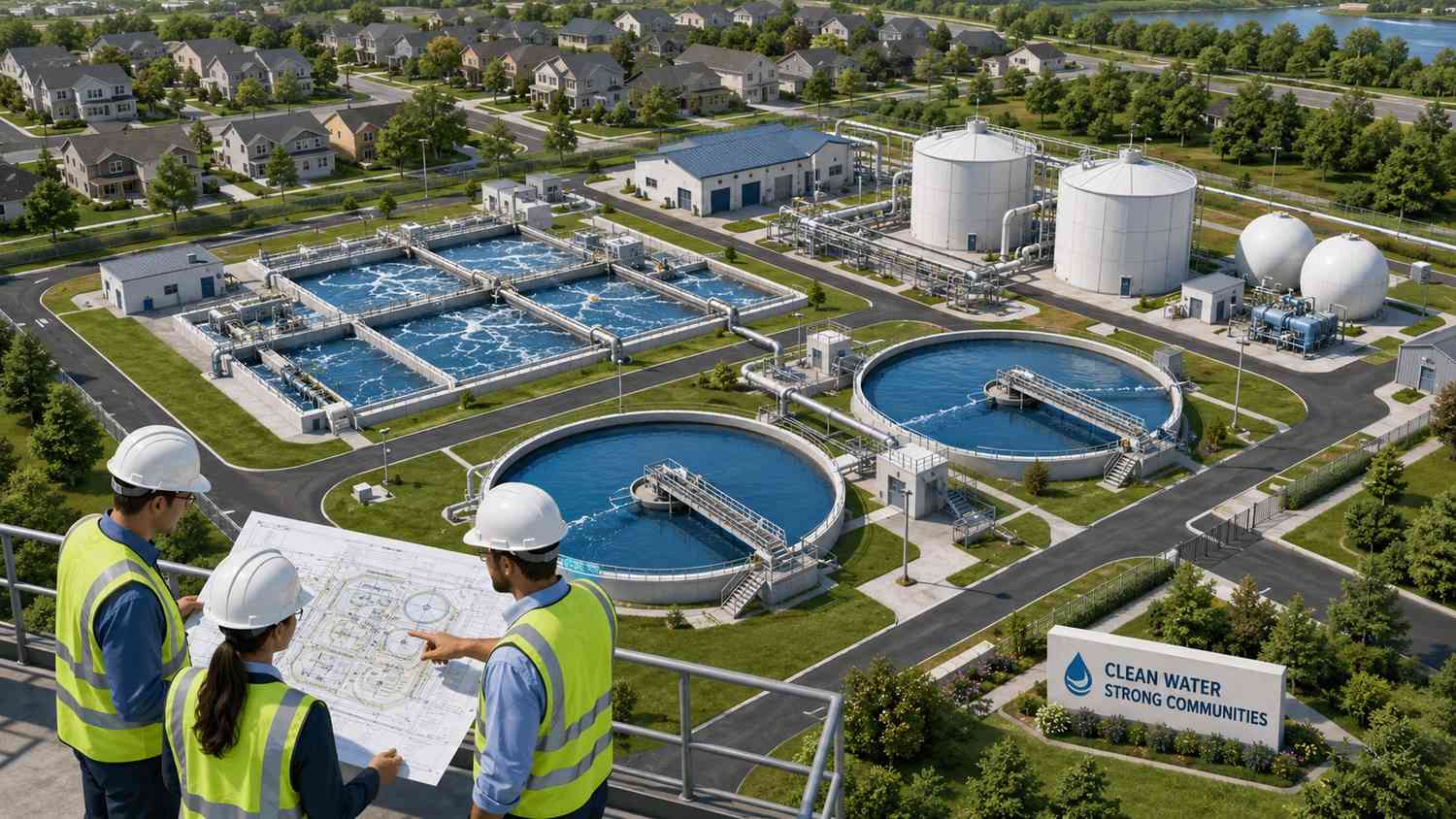
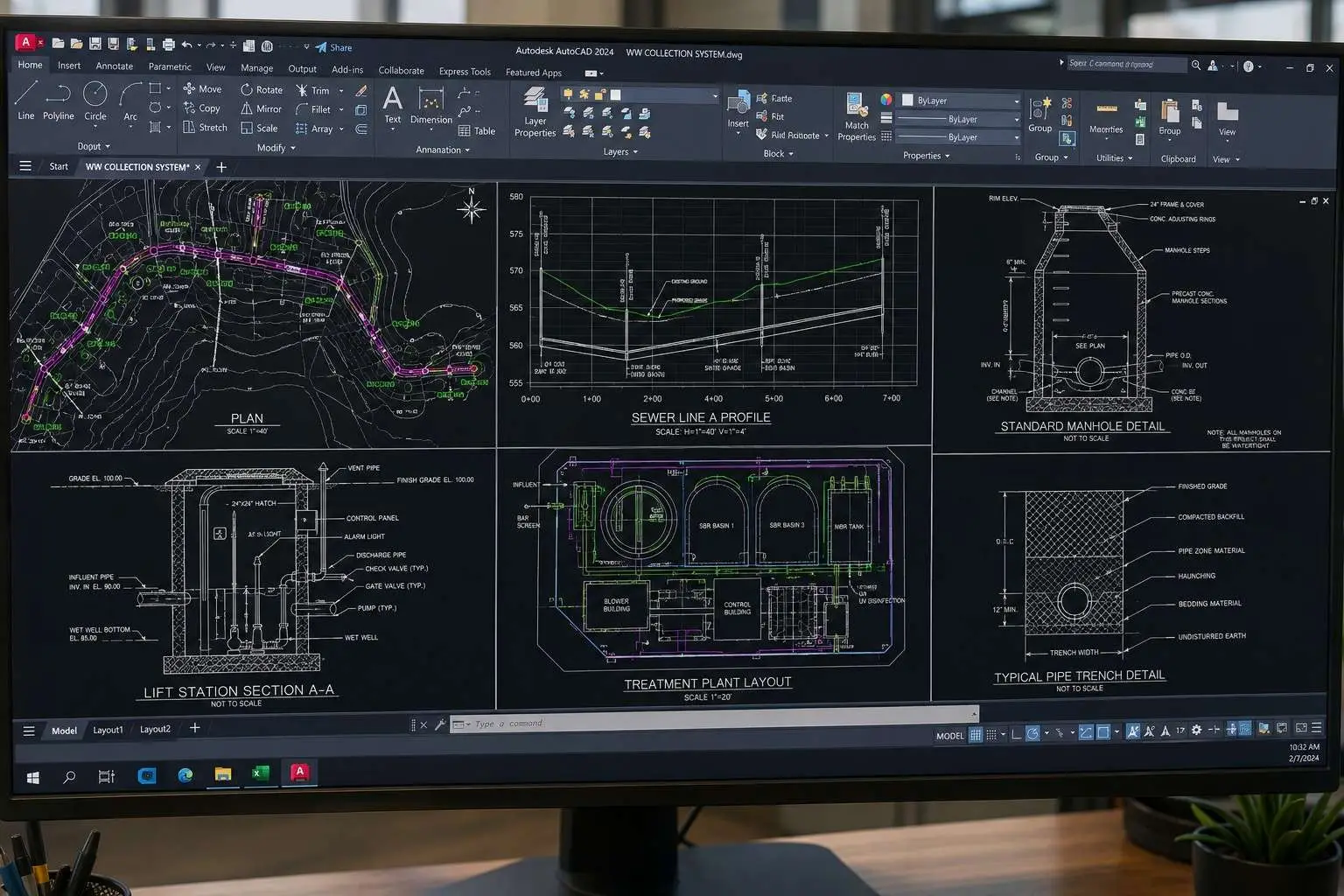
We provide wastewater engineering services for California land development from environmental feasibility through State Water Board permitting, construction administration, and regulatory compliance across all nine Regional Water Quality Control Board districts.
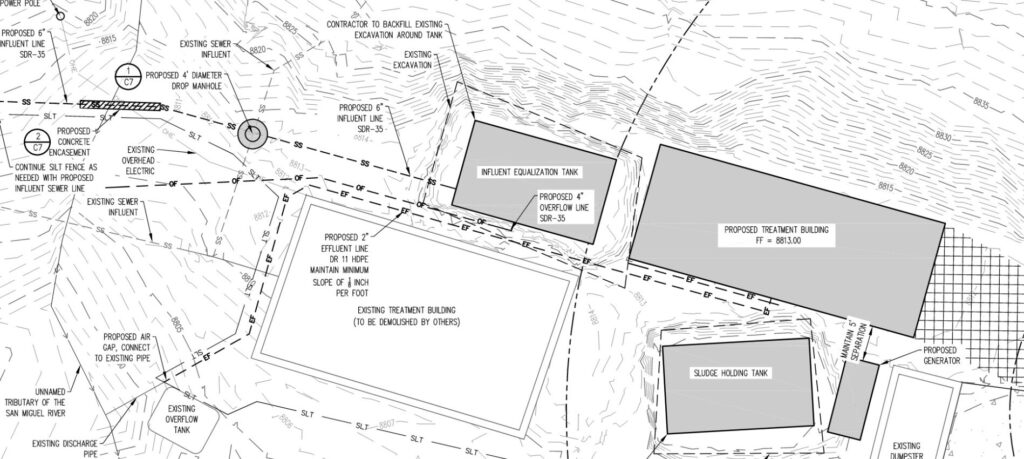
California treatment selection balances discharge options with increasingly strict reuse mandates under the State’s Water Efficiency and Enhancement Act. Projects in Southern California often face recycled water requirements for all landscape irrigation, requiring tertiary treatment with advanced disinfection. Bay Area developments may discharge to sanitary districts with capacity but face high connection fees making on-site treatment economical for larger projects. Central Valley sites can sometimes use land application but encounter groundwater protection rules limiting disposal options. We evaluate treatment processes meeting Title 22 standards for unrestricted reuse, compare capital costs against long-term energy consumption using California’s tiered electricity rates, and size systems for drought-year mandated reductions. Inland Empire heat affects biological processes differently than coastal climates, and our recommendations account for regional operating conditions.
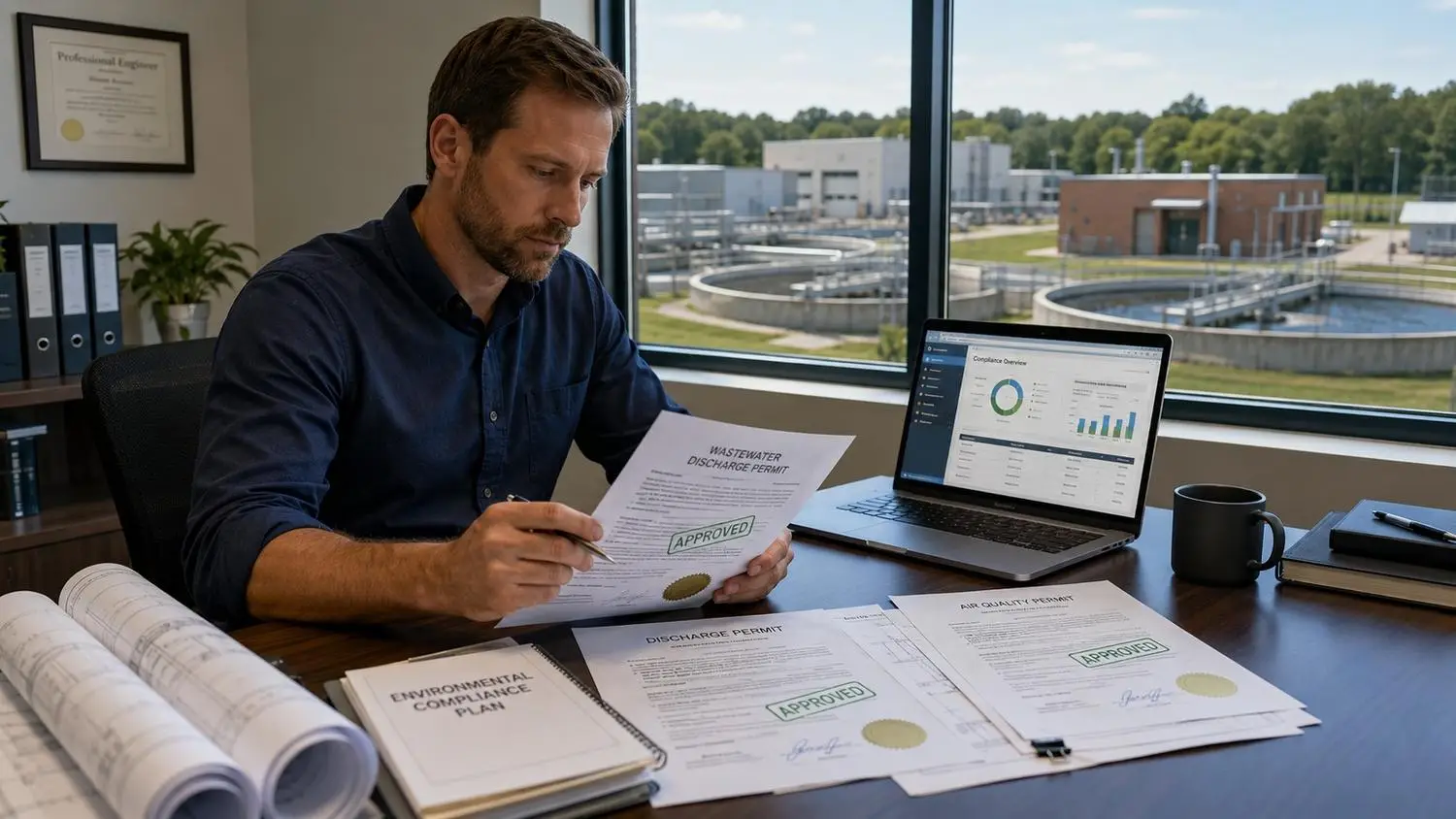
California wastewater permitting requires coordination with your Regional Water Quality Control Board among the nine districts covering the state. Los Angeles Regional Board (Region 4) reviews Southern California projects with different priorities than San Francisco Bay Regional Board (Region 2) or Central Valley Regional Board (Region 5). Applications require basin plan compliance analysis showing your discharge or reuse meets water quality objectives for receiving waters or groundwater. Projects discharging to ocean or bays trigger additional California Ocean Plan requirements. Inland surface water discharge often faces TMDL restrictions for nutrients or bacteria requiring treatment beyond secondary standards. We prepare Waste Discharge Requirements applications including anti-degradation analysis for high-quality waters, groundwater monitoring plans for land disposal systems, and Title 22 engineering reports for recycled water projects. Complete submittals receive permits in 8-12 weeks. Deficient applications requiring technical revisions extend timelines to 24-32 weeks while developer schedules slip.
Construction documents for California projects specify seismic design meeting current building codes in zones ranging from moderate to very high seismicity. Treatment structures use reinforced concrete designed for site-specific ground acceleration, pipe supports include flexible connections at structure interfaces preventing failure during ground movement, and equipment anchorage meets OSHPD standards adapted for water facilities. Specifications account for California-specific materials like corrosion-resistant concrete for coastal installations and NSF-61 certified components meeting stringent drinking water contact requirements when recycled water enters potable systems. Utility coordination addresses conflicts with other infrastructure in dense urban areas where horizontal space is constrained. Plans match Regional Board permit conditions exactly so construction inspections approve installations without modifications requiring amended Waste Discharge Requirements.
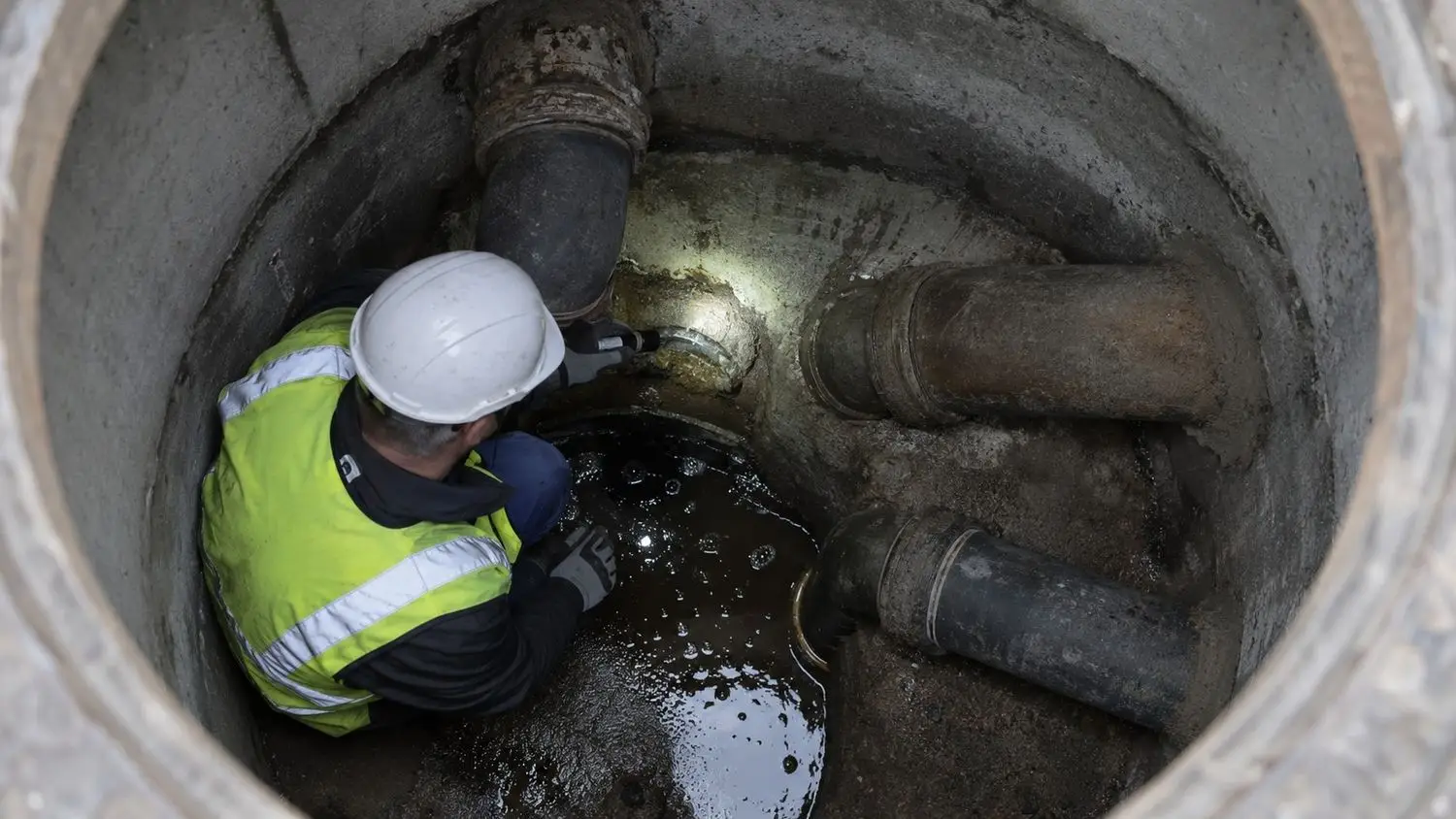
California collection systems face I&I from multiple sources: coastal areas see tidal infiltration through aging infrastructure near sea level, Bay Area systems experience groundwater infiltration from high water tables, and older developments throughout the state deal with deteriorated pipes from seismic settlement. We quantify I&I using flow monitoring during winter storms when Pacific weather systems deliver heavy precipitation, CCTV inspections documenting cracked pipes from ground movement, and smoke testing locating illegal stormwater connections contributing to SSO risk. Analysis prioritizes repairs by cost-effectiveness because California’s high construction costs make comprehensive replacement prohibitive. Regional Boards enforce strict SSO reporting and can impose penalties for chronic overflows, making I&I reduction critical for regulatory compliance beyond just capacity relief.
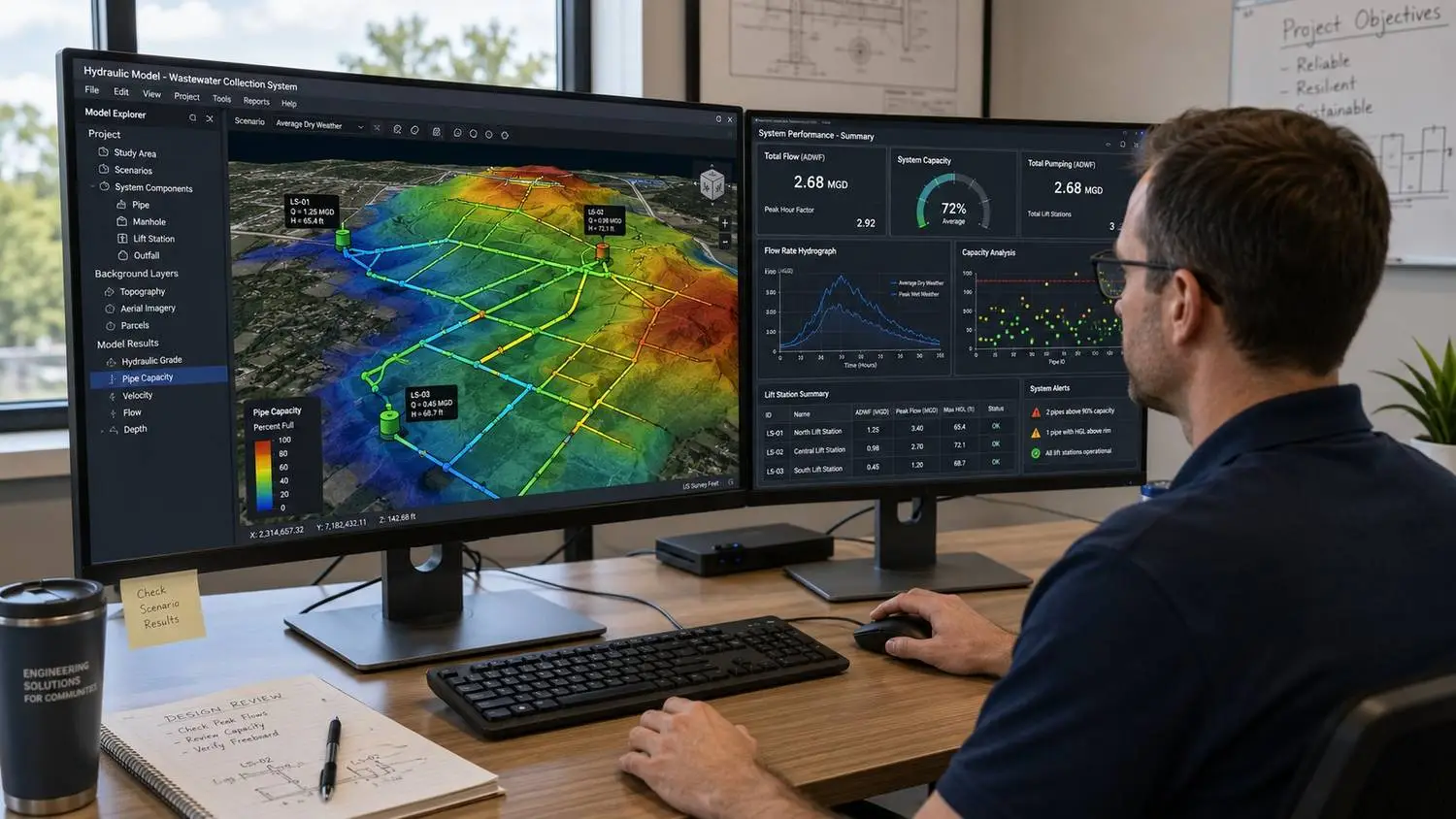
Collection system modeling in California accounts for state-specific variables like minimal rainfall for most of the year followed by intense winter storms creating peak flows, seismic design requirements affecting pipe routing around fault zones, and energy costs among the nation’s highest making pump station efficiency critical. We model scenarios including design storm events that differ by region, peak hour flows from mixed-use developments with commercial components, and future conditions after build-out when upstream development increases tributary flow. Models identify capacity constraints before construction and demonstrate compliance with sanitary district connection requirements often specifying maximum allowable peak discharge rates. Accurate hydraulic analysis prevents disputes during district acceptance negotiations and supports connection fee negotiations by documenting actual capacity impact.
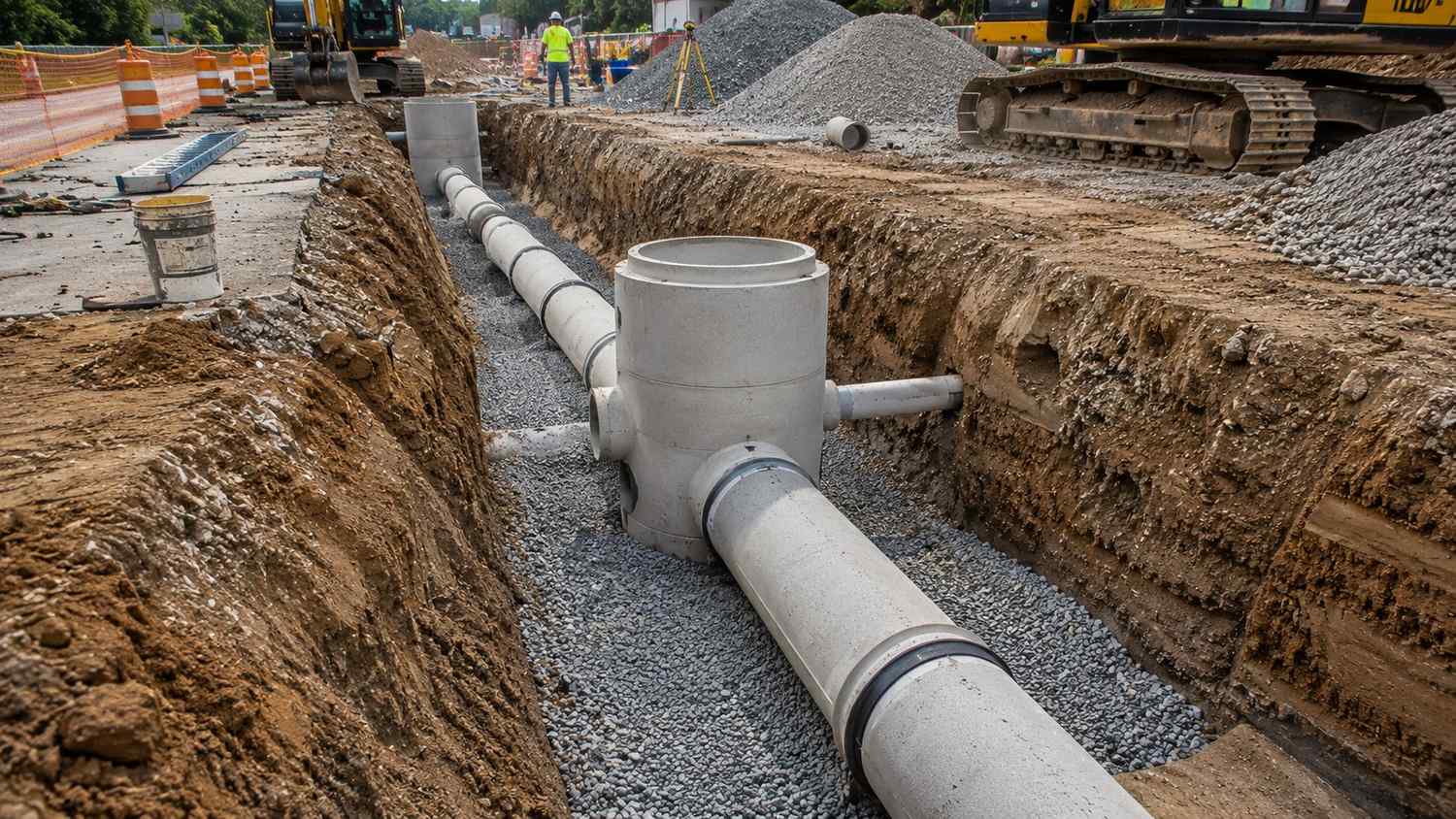
Gravity sewer design in California addresses seismic considerations like fault crossing details using flexible joints, liquefaction zones requiring deeper burial or structural support, and slope stability in hillside developments prone to movement during earthquakes. Specifications meet California Plumbing Code requirements stricter than national standards, incorporate materials resistant to hydrogen sulfide corrosion common in warm climates with long force mains, and detail construction methods for challenging soils from Southern California decomposed granite to Bay Area bay mud. Projects in coastal zones may require special permitting through Coastal Commission adding review layers beyond Regional Board approval. Systems in wildfire-prone areas need access roads meeting fire code width and grade requirements for emergency vehicle access. Your collection system design integrates all California-specific requirements so construction proceeds without discovering conflicts requiring expensive field changes.
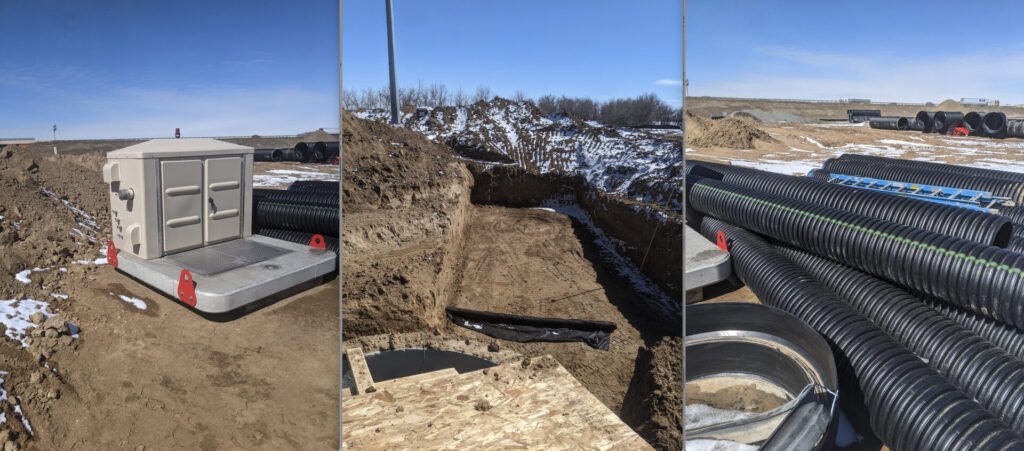
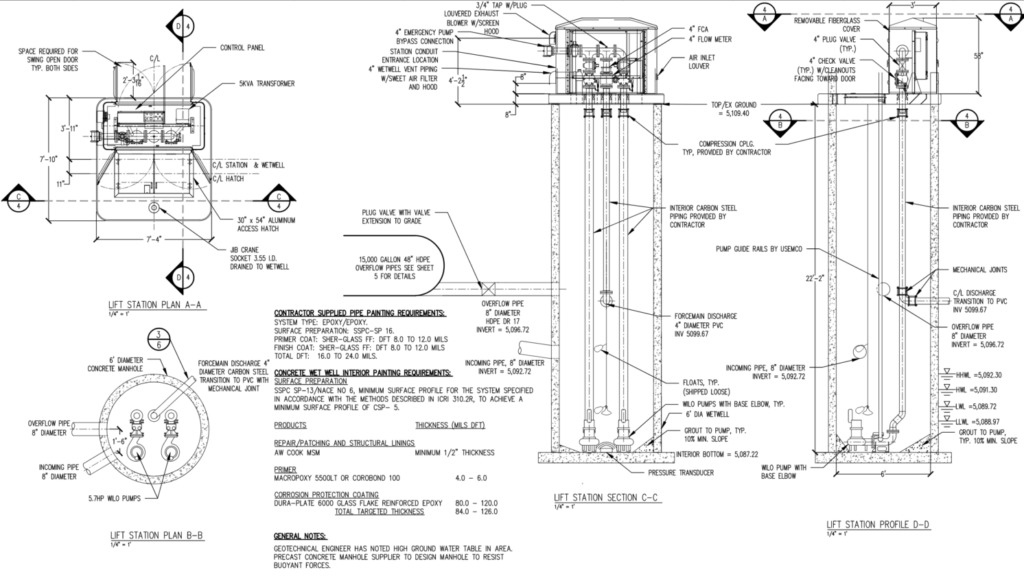
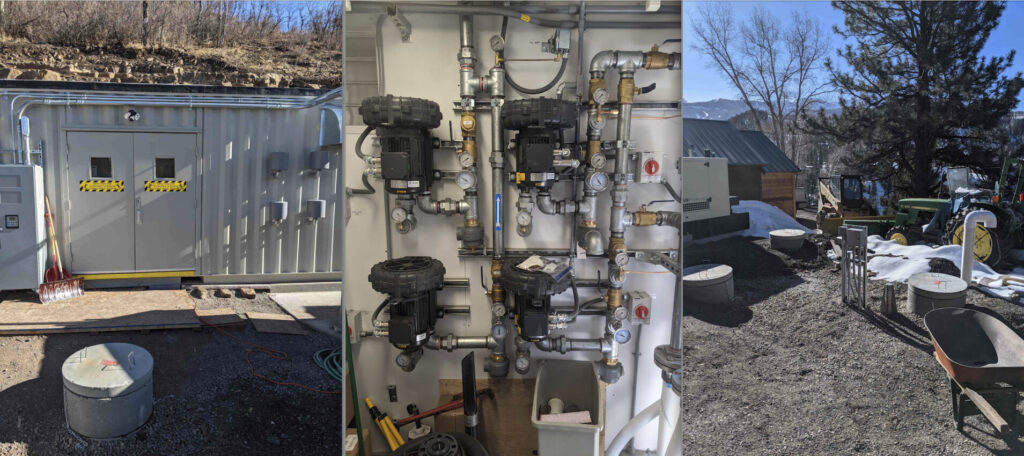
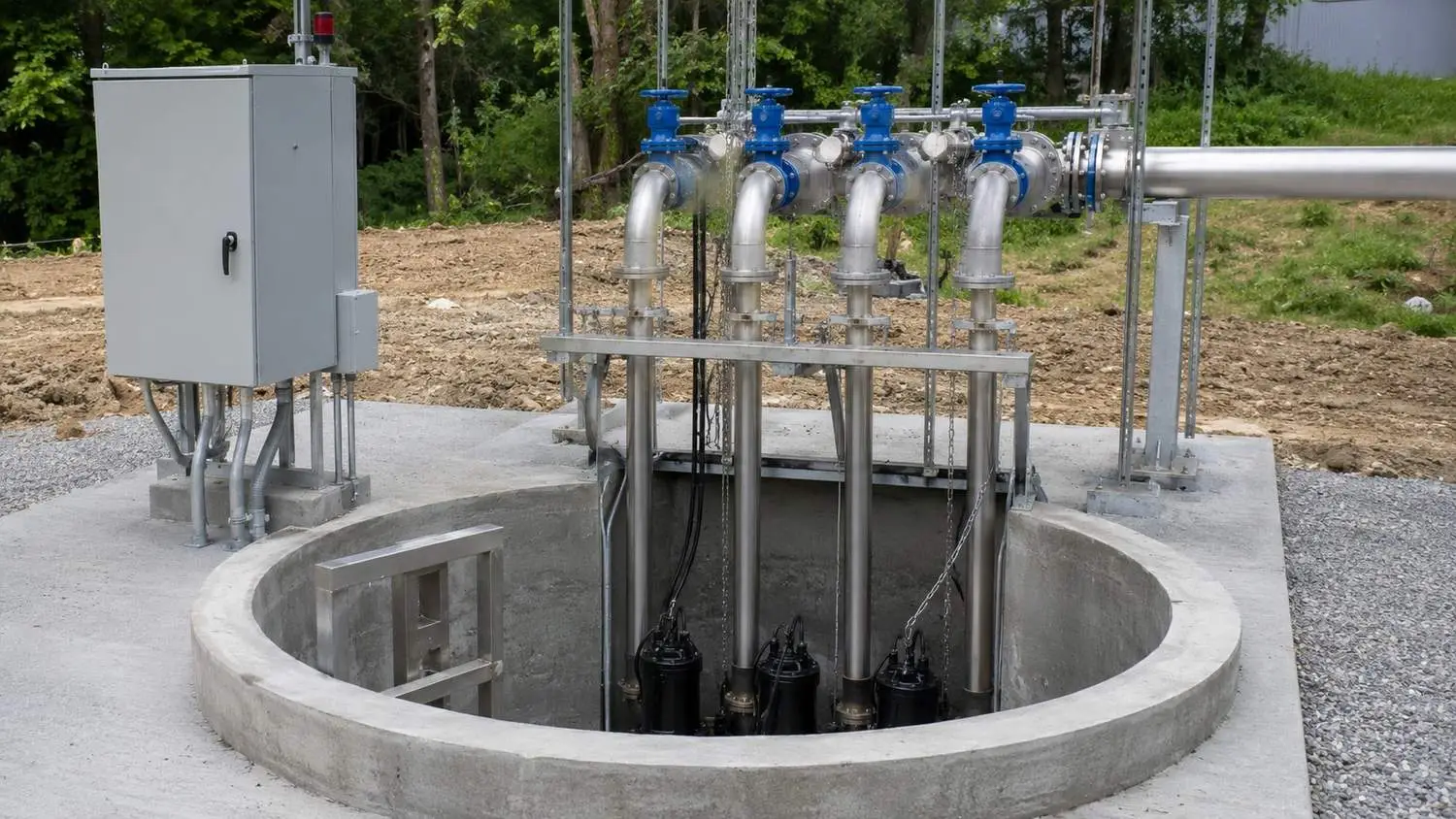
California lift stations require seismic design for electrical and control components, backup power meeting increasingly strict air quality regulations on diesel generators, and odor control systems often mandated by local agencies even when not required by Regional Boards. We size wet wells accounting for California’s peak electricity rates during summer afternoons when time-of-use pricing makes pump operation most expensive, select pumps for high-efficiency motors meeting Title 20 appliance standards, and design control systems with remote monitoring capability reducing site visits in areas where labor costs are among the nation’s highest. Electrical designs meet Cal/OSHA requirements exceeding federal OSHA standards, and emergency response plans address SSO prevention for agencies facing strict Regional Board enforcement. Bay Area projects may need integration with sanitary district SCADA systems. Southern California developments in disadvantaged communities face enhanced public participation requirements for new infrastructure.

Our Approach

We integrate California’s regulatory environment, environmental requirements, and seismic design standards from project start rather than addressing compliance issues during permitting when options narrow and costs escalate.

Seismic Design Integration

We integrate seismic design from project start, not as an add-on. Collection systems route to minimize fault crossings, treatment structures design for site-specific ground acceleration, and all connections use flexible details preventing failure during earthquakes. Designs account for liquefaction potential and soil type using geotechnical reports. Lift stations get special attention because failure during seismic events creates immediate overflow risk and Regional Board enforcement.

Regional Board Coordination

California’s nine Regional Water Boards interpret state policies differently. Los Angeles emphasizes ocean quality, San Francisco Bay focuses on nutrient management, Central Valley prioritizes groundwater protection. We’ve worked in six regions and know which technical issues trigger extended review by each board. Coordinating with staff before application identifies required analysis upfront, preventing comment letters that add 12-16 weeks discovering expectations through multiple review cycles.

Title 22 Reuse Planning

California mandates water reuse for most new development, but compliance pathways vary by location. We analyze reuse options during feasibility so your proforma accounts for actual costs before land acquisition. Title 22 requires specific treatment processes and operational monitoring affecting long-term budgets. Our approach addresses reuse requirements early when project economics can adjust, not during permitting when compliance costs become fixed and options narrow.

Construction Cost Reality

California construction costs rank among the nation’s highest due to prevailing wage, environmental protections, and material premiums. We specify equipment from suppliers maintaining California inventory, avoid custom fabrication with long lead times, and detail installation matching actual field conditions. Treatment plants use packaged systems from local dealers. Specifications anticipate trench safety requirements, environmental monitoring, and tribal consultation. Contractors bid realistic California costs, not generic designs forcing premium pricing.

Projects

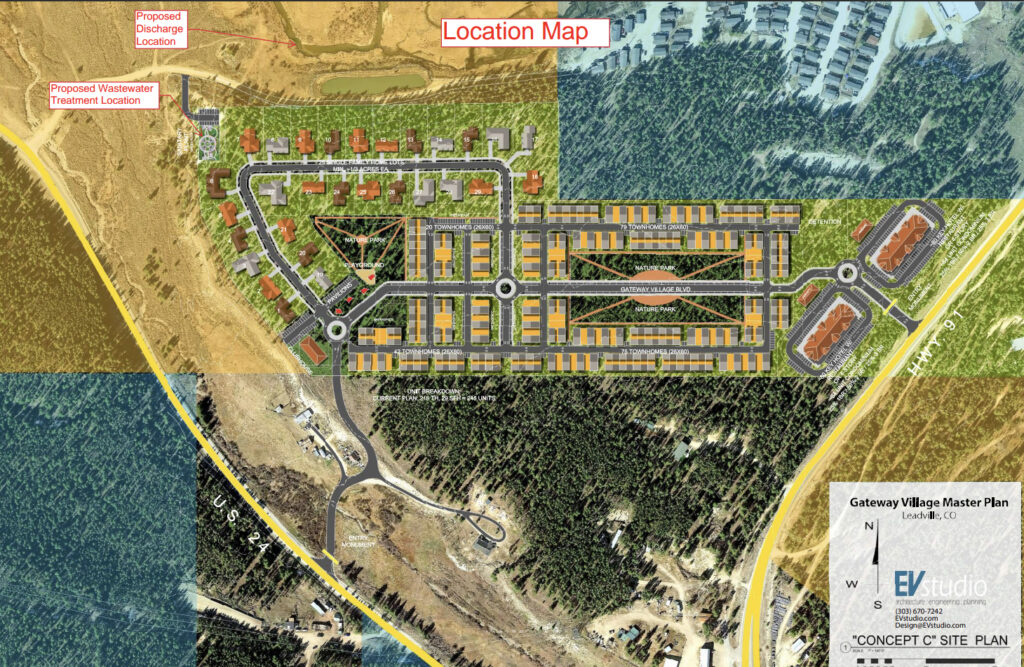
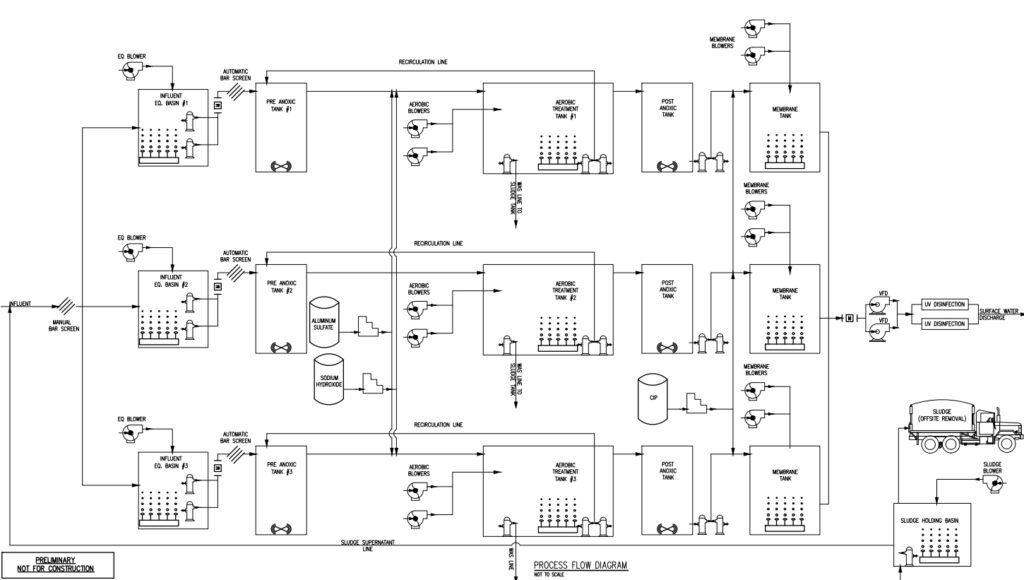
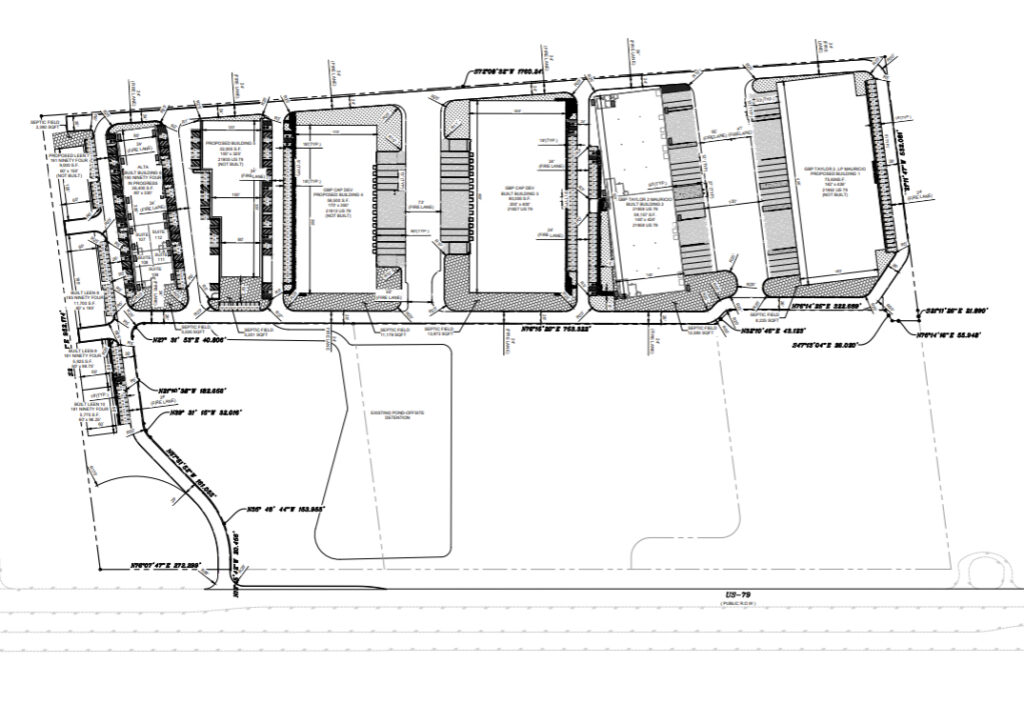
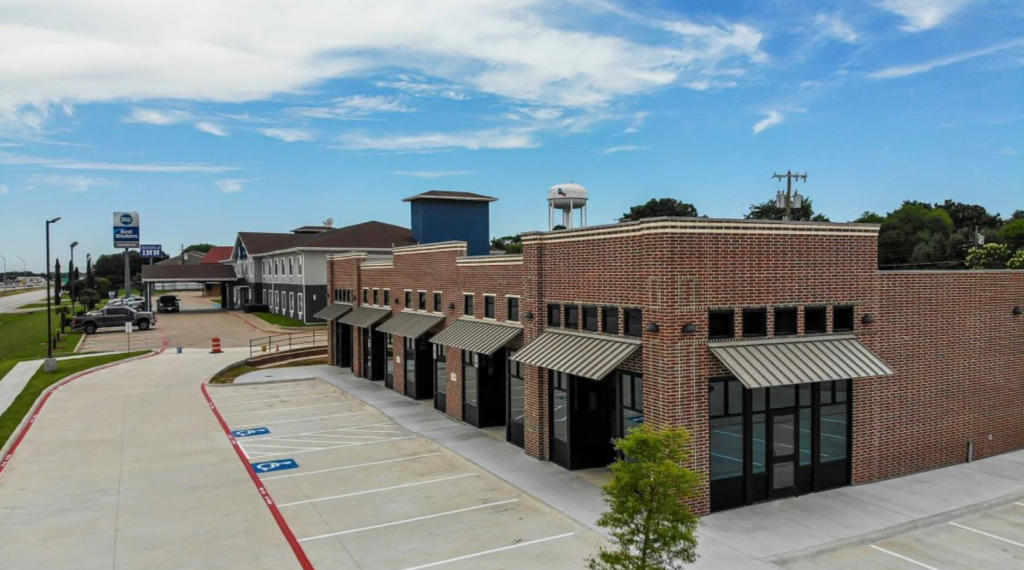
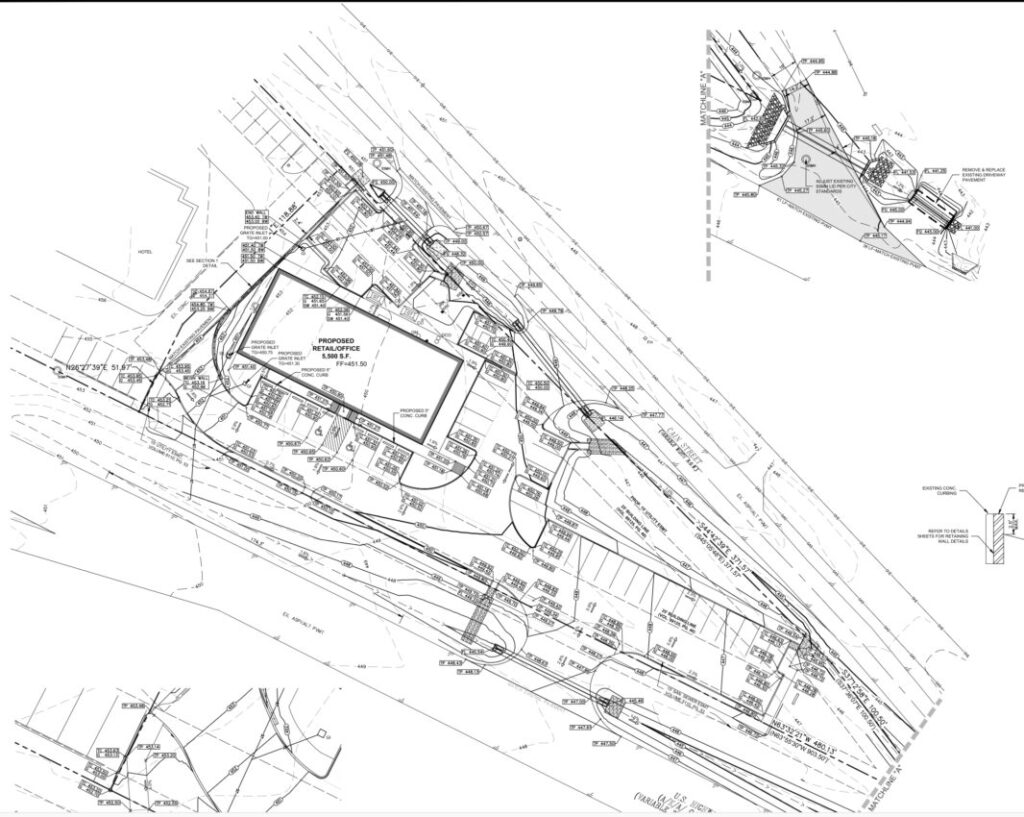
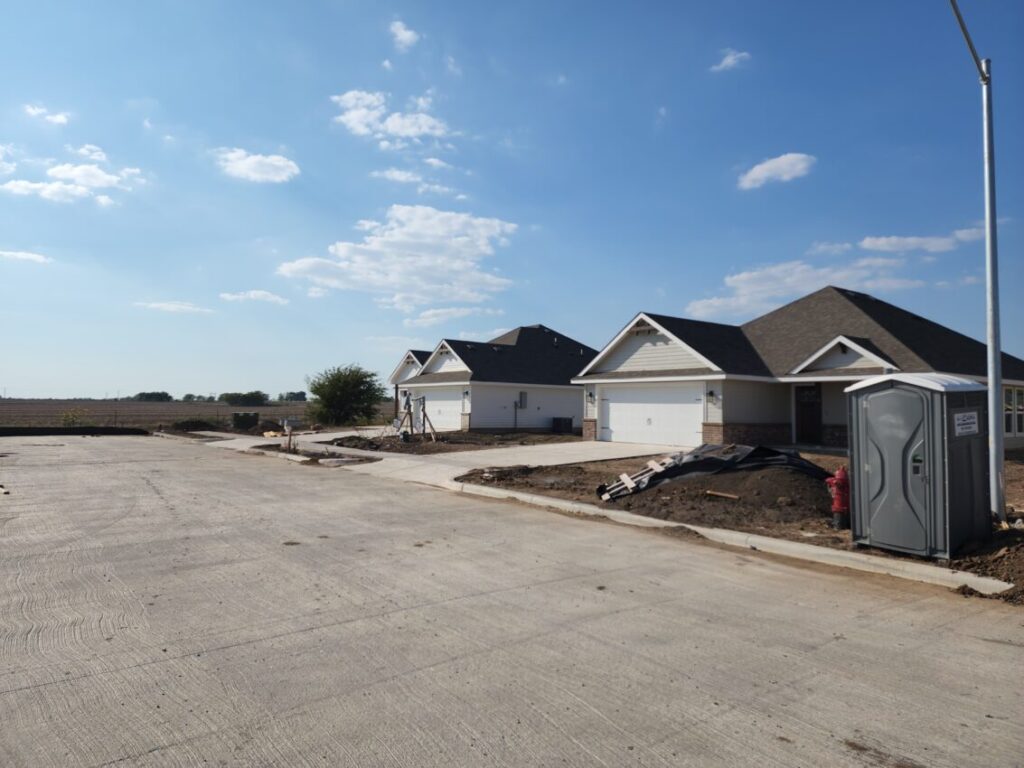
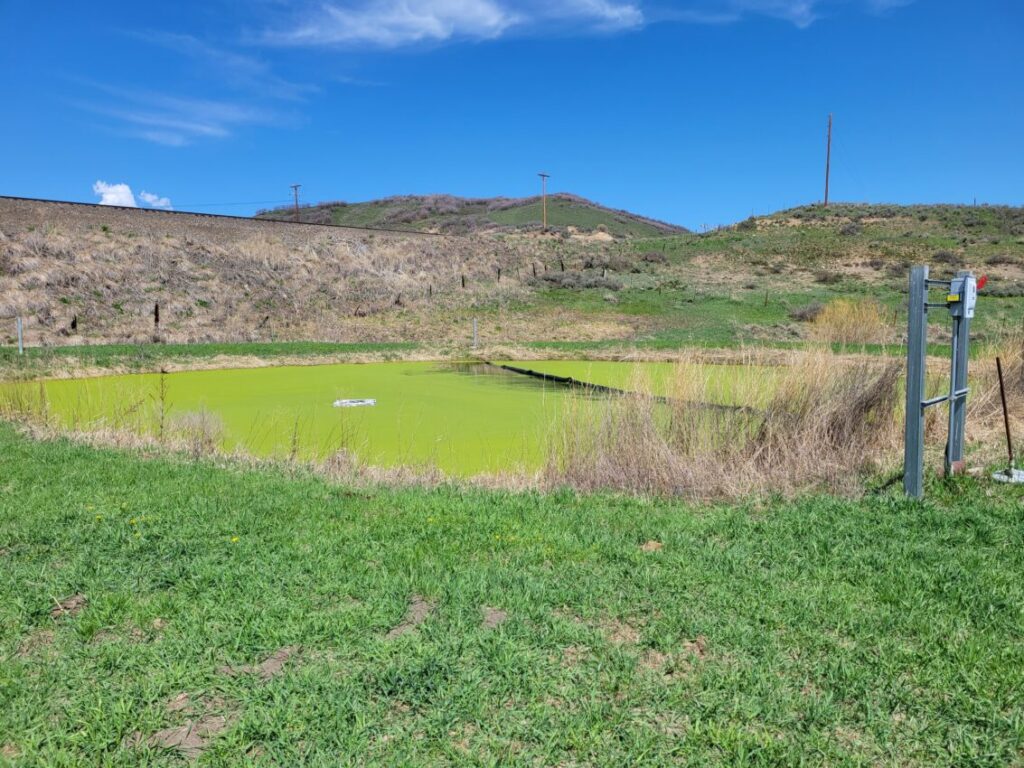
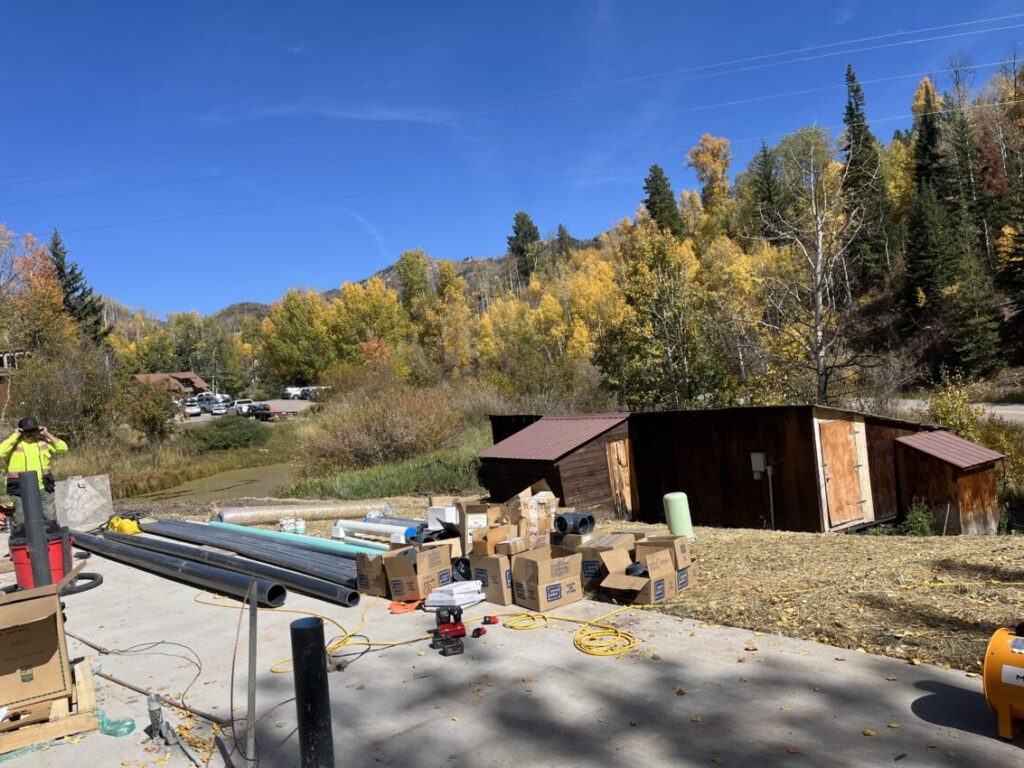
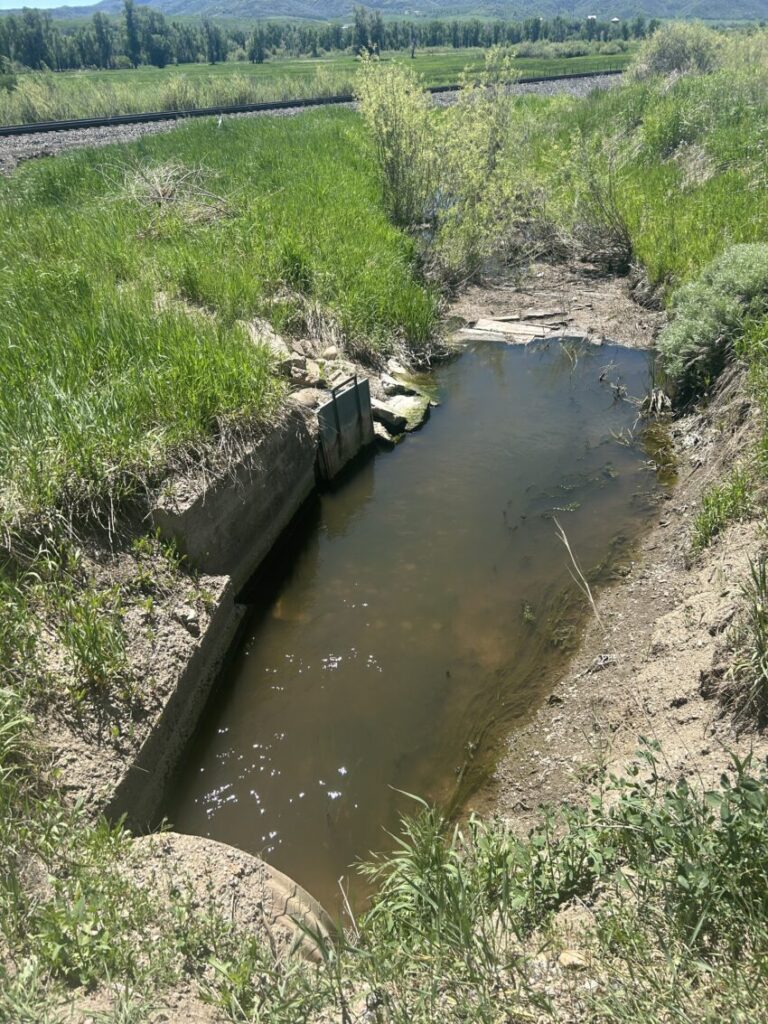
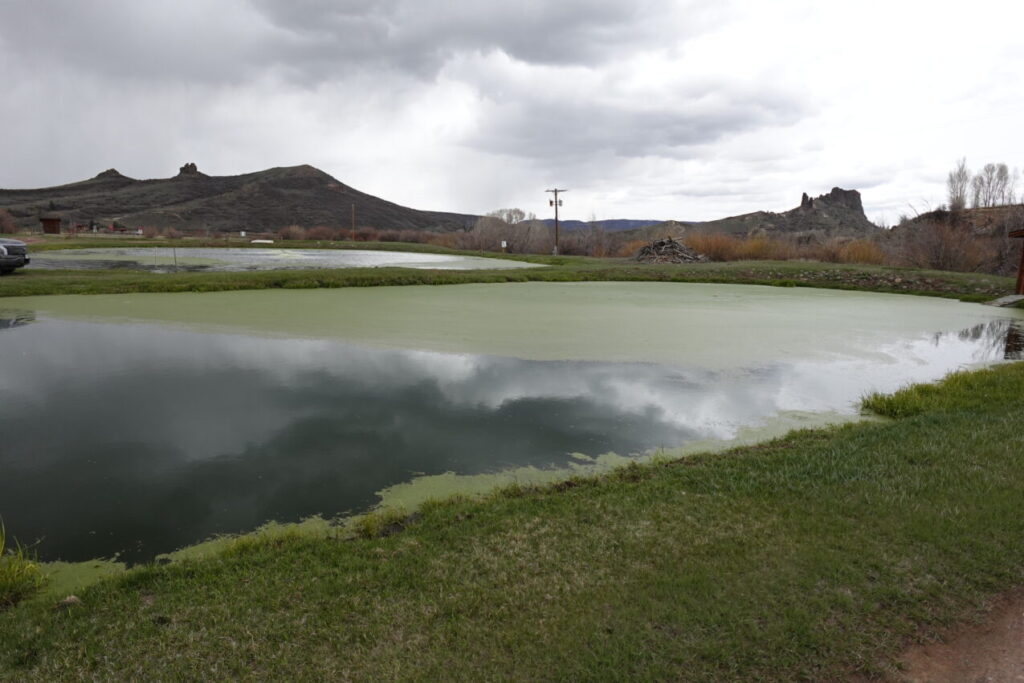
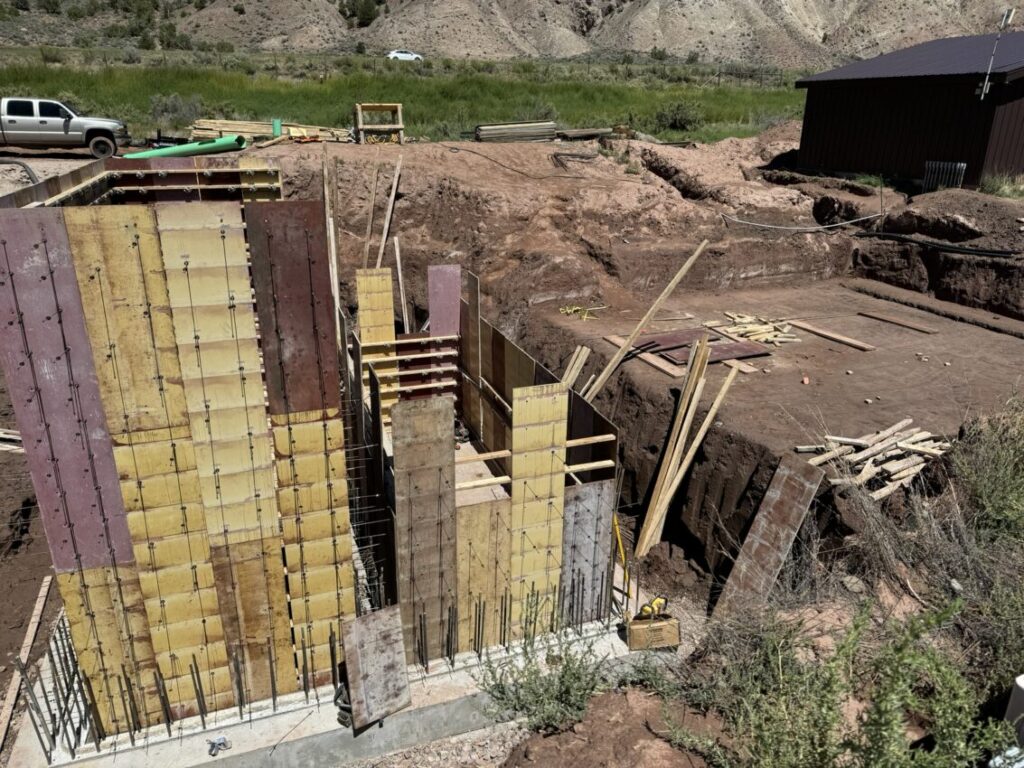
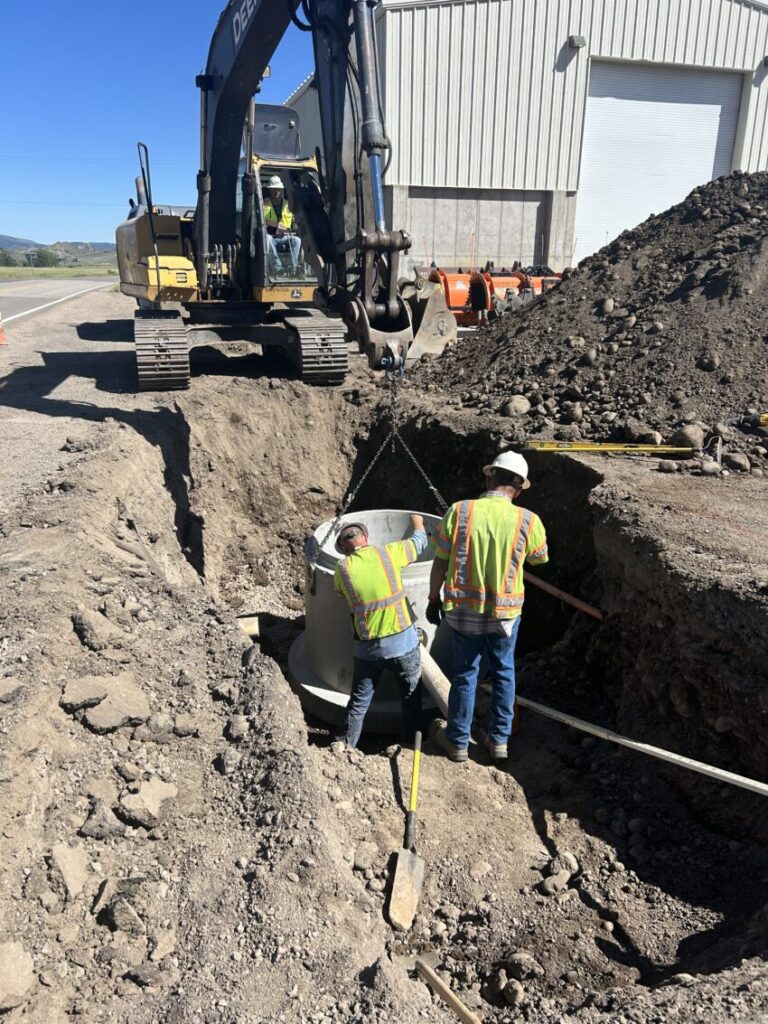
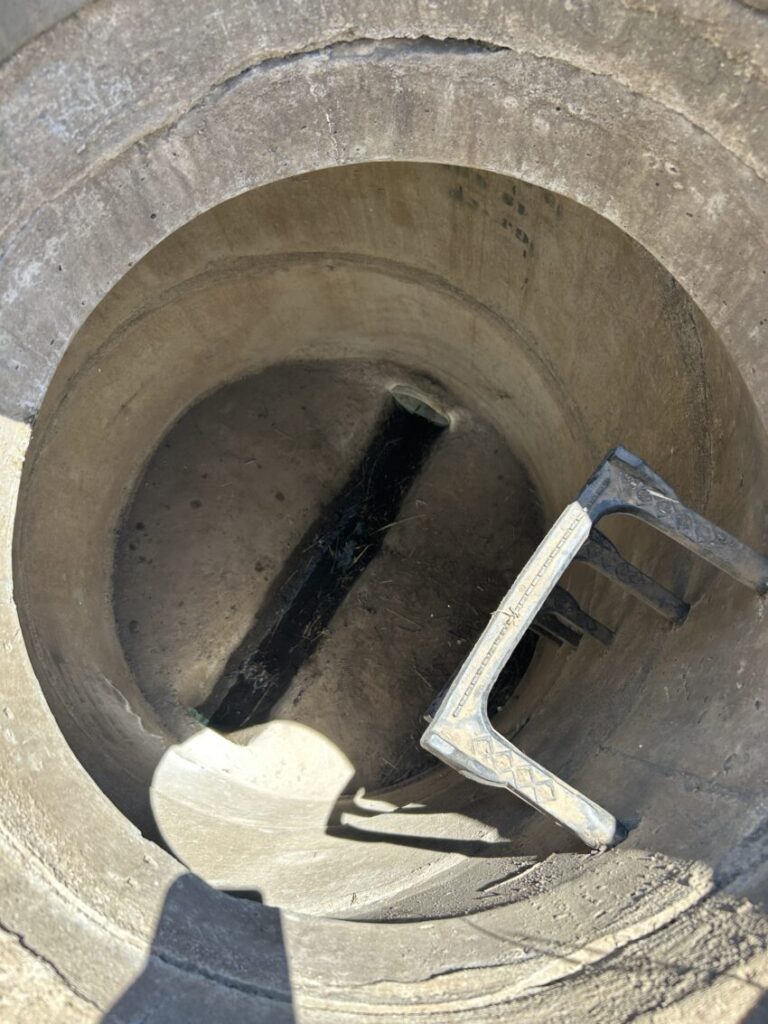
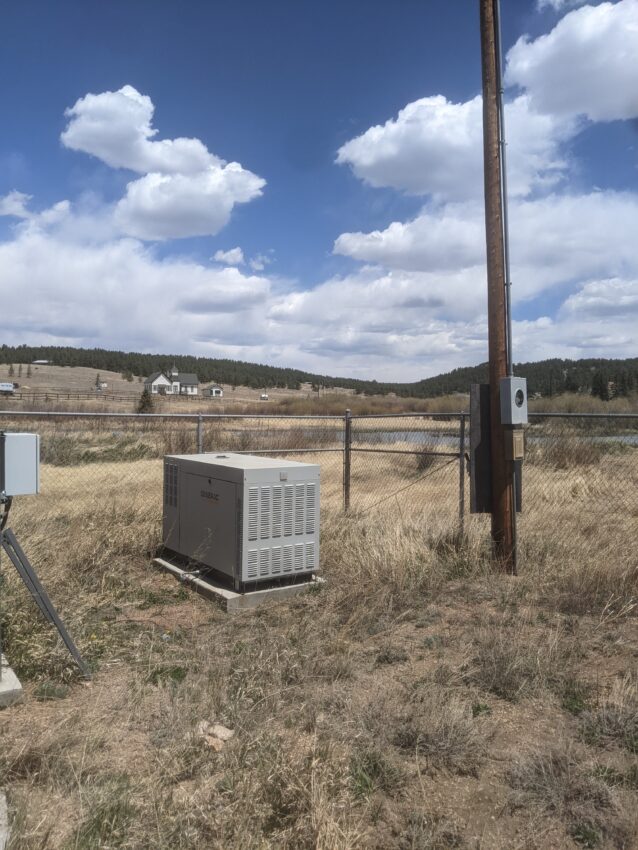
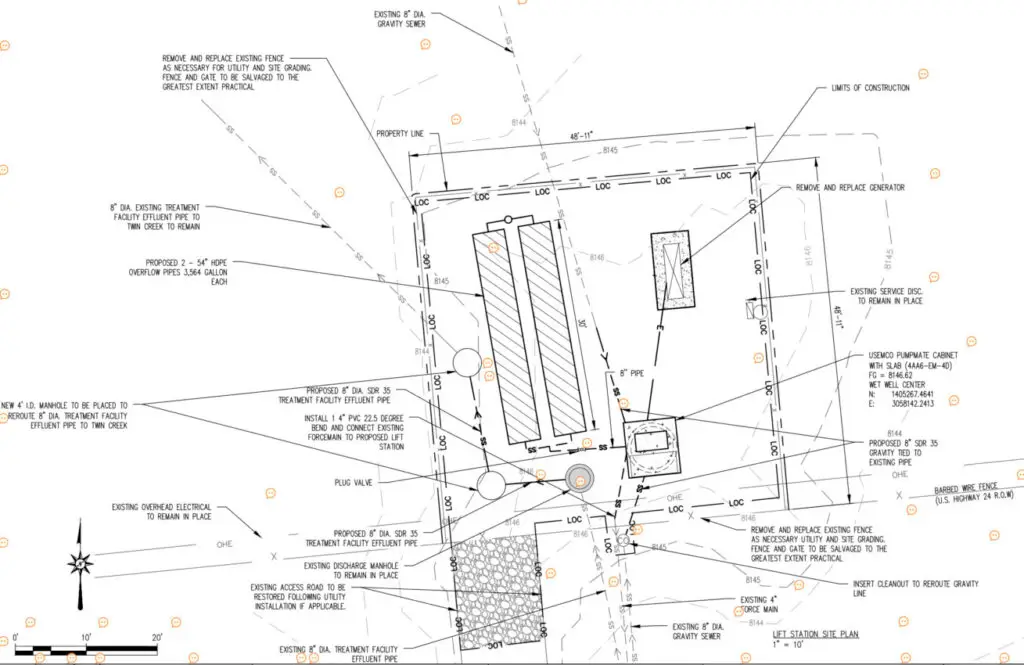
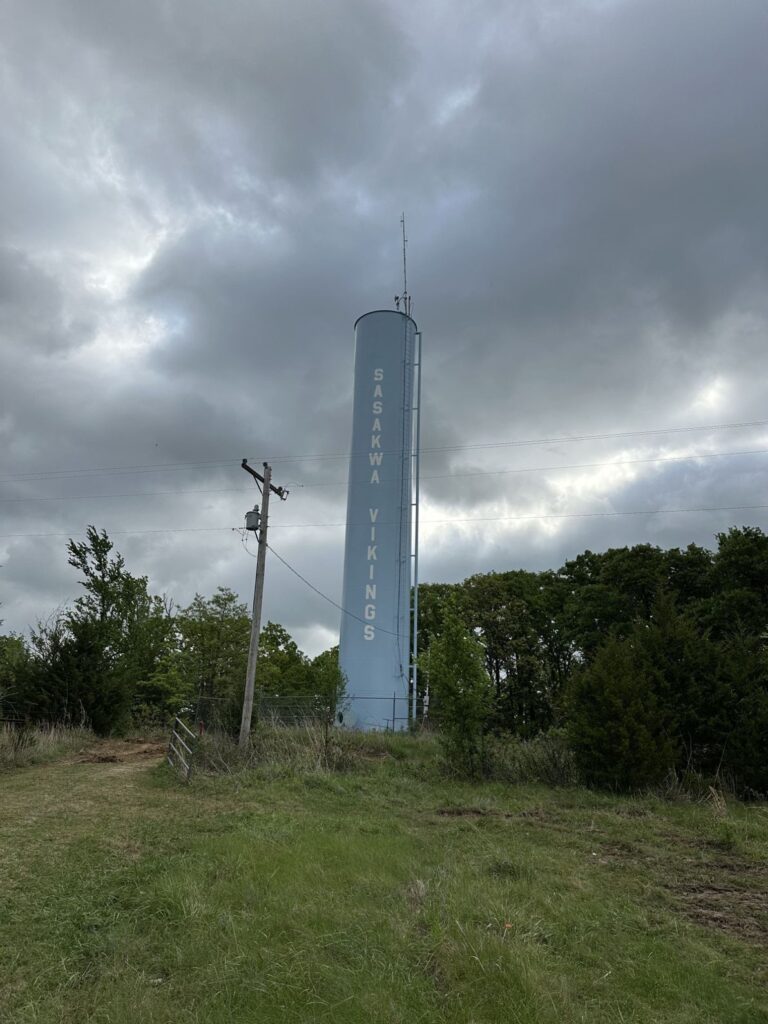
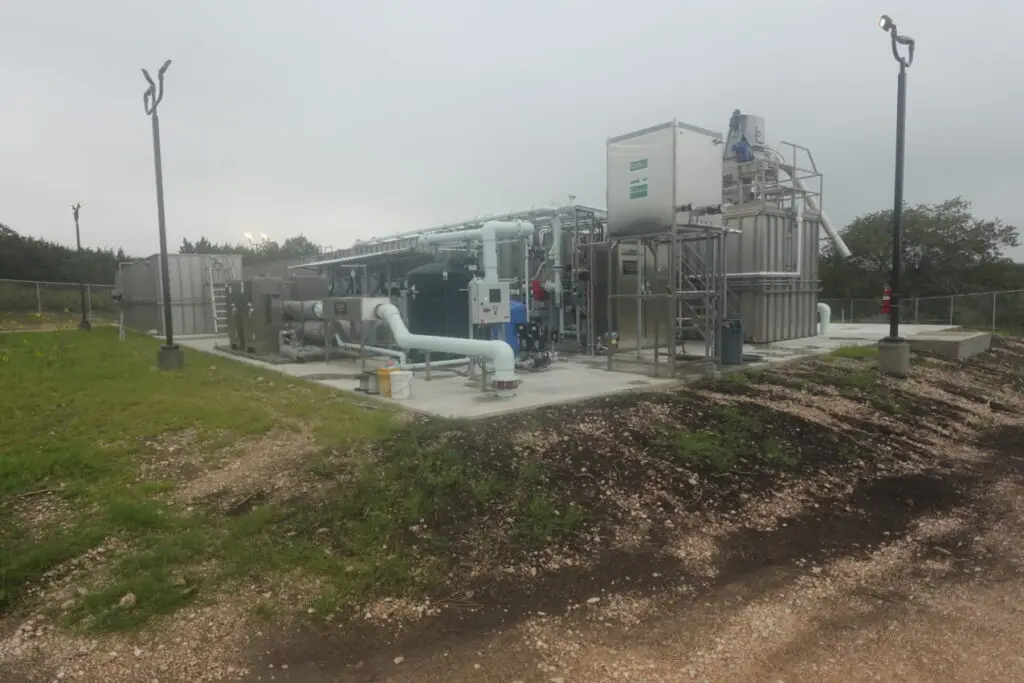
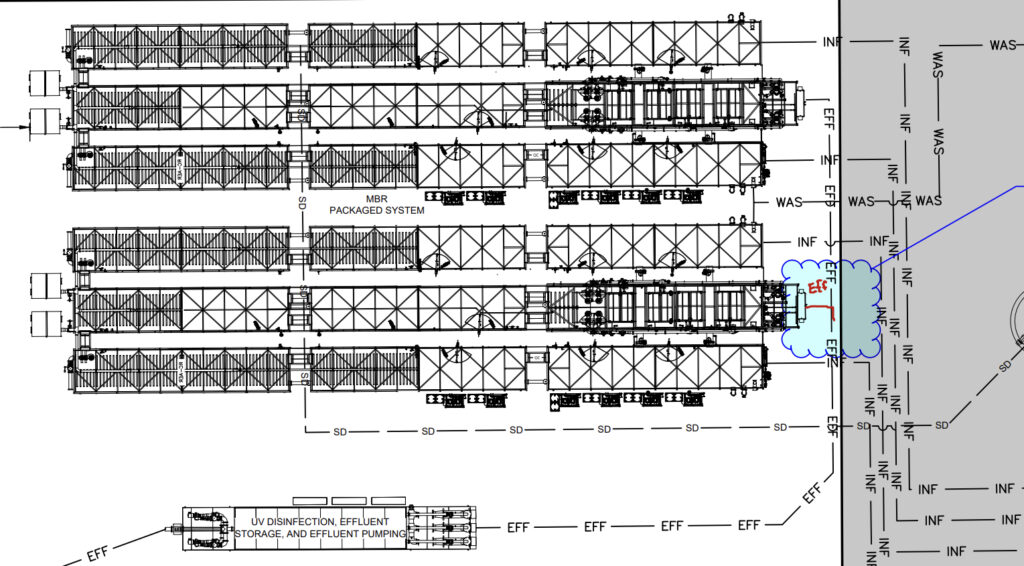
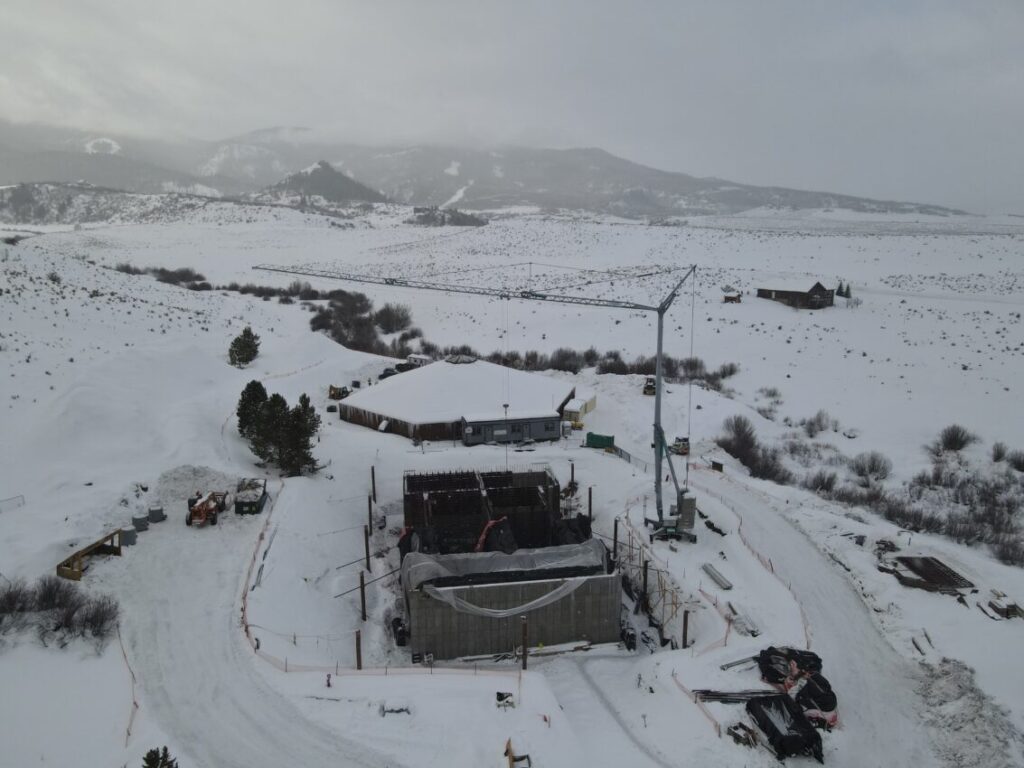
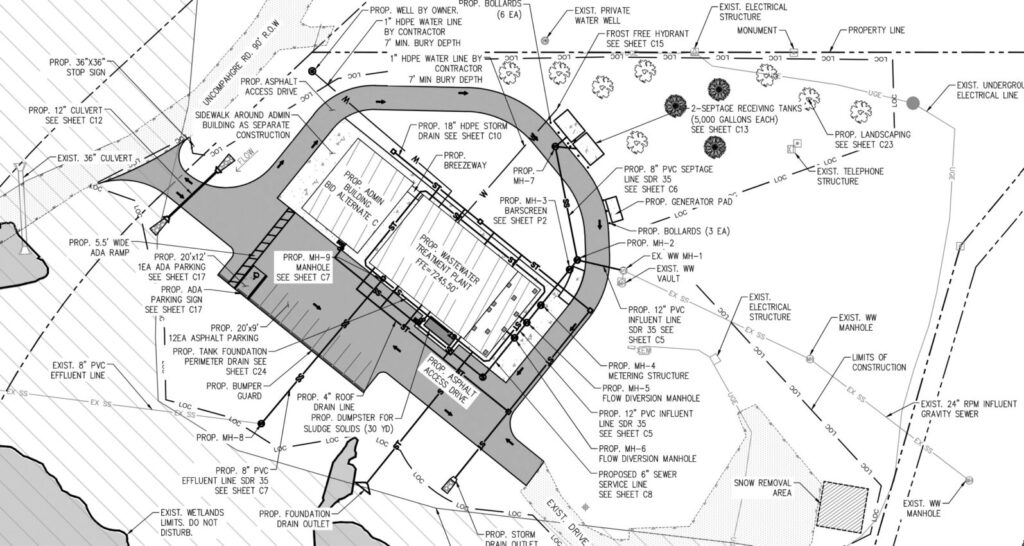
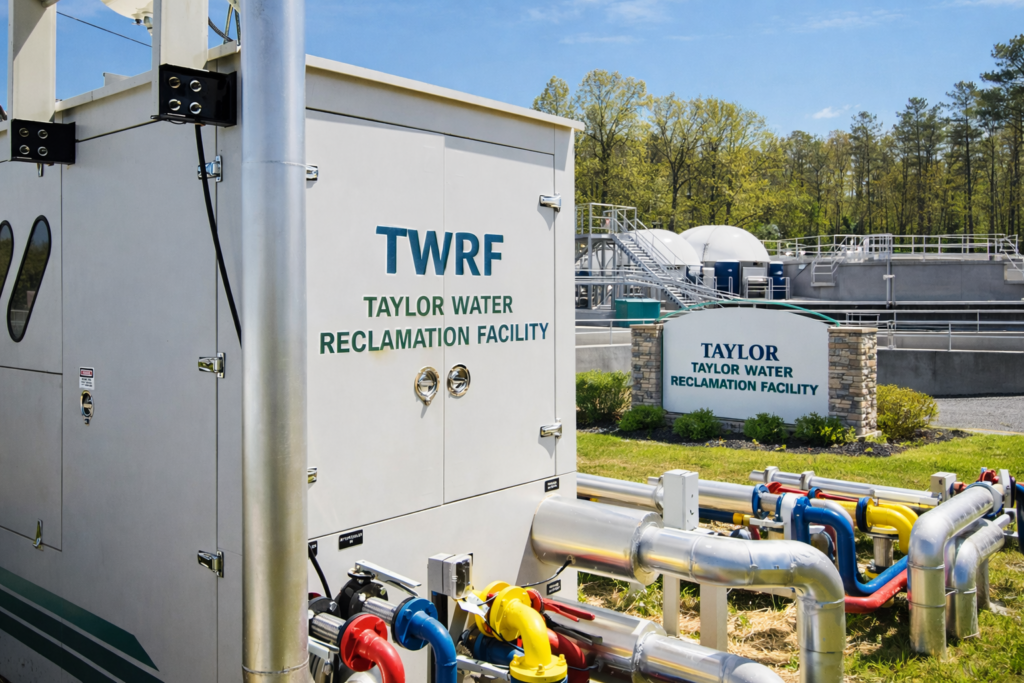
Modern Engineering Solutions delivers water and wastewater engineering across diverse regulatory environments, demonstrating efficient permitting and site-specific design expertise.

Why Choose Modern Engineering Solutions

Why Choose MES

1

Environmental Permitting Clarity

We integrate Regional Board permits with CEQA compliance and species protections in one coordinated package. Environmental constraints get identified during feasibility when site plans can adjust, not during permitting when changes trigger expensive redesign and extended timelines.

2

First-Submittal Approvals

We submit complete Regional Board applications so permits issue in 8-12 weeks without extensive comment cycles. Over 75% of our California permits approve without technical comments. Industry average involves 2-4 review cycles extending timelines to 24-32 weeks.

3

Seismic Performance Standards

We design wastewater systems meeting current California seismic codes, not minimum standards from grandfathered projects. Treatment structures, collection systems, and lift stations include proper seismic details. Your infrastructure gets protected by engineering anticipating California's earthquake reality.

4

Licensed CA PE Management

California-licensed professional engineers manage your project from kickoff through construction closeout. You work with engineers experienced in California's regulatory environment who've coordinated with Regional Boards and sanitary districts from actual projects, not theory.

Talk to an Engineer

California wastewater projects require Regional Water Board coordination, Title 22 compliance, and potentially CEQA review. We’ll review your site and outline required permits and realistic timelines in a 15-minute call. No cost, no commitment.
🇺🇸 +1

Disclaimer:
We specialize in water and wastewater engineering only.
We do not provide structural, architectural, or MEP services.
Emails from marketing and estimating firm services will be ignored. Please save your time.