


Modern Engineering Solutions

Water Engineering From Source Through Distribution

Nevada water engineering means confirming water rights exist in over-appropriated basins before development begins, distribution systems surviving temperature swings from 10°F to 105°F, and treatment plants removing arsenic from desert groundwater. From Las Vegas Valley explosive growth to Reno-Tahoe corridor expansion, our systems function in Nevada’s water scarcity, extreme temperatures, and State Engineer permit allocation framework across competing demands.

Engineering Built for Outcomes, Not Overhead

Developers reach out when State Engineer denies water rights applications in closed basins, distribution systems fail from volcanic rock excavation costs, or supply planning shows inadequate allocation for proposed development density.

Value Over
Hours

State Engineer applications rejected in over-appropriated basins, existing rights insufficient for development scale, or priority dates making allocations junior to senior users during shortages.

Speed as a Design Constraint 

Groundwater exceeding 10 ppb arsenic requiring expensive treatment, community wells needing facility upgrades, or developers underestimating treatment costs for naturally occurring arsenic throughout Nevada aquifers.

Deep Work, Not Meeting Culture

Southern Nevada Water Authority allocation constraints limiting development, Colorado River shortages reducing available supply, or service area boundaries restricting where SNWA provides water.

AI as Leverage, Not a Shortcut

Distribution systems experiencing pressure loss from thermal expansion, pipe materials failing from UV exposure and temperature cycling, or equipment struggling at Tahoe’s 6,200-foot elevation.

What We Do

Modern Engineering Solutions delivers water engineering for Nevada land development including water rights evaluation, treatment planning, NDEP permitting, and distribution system design statewide.
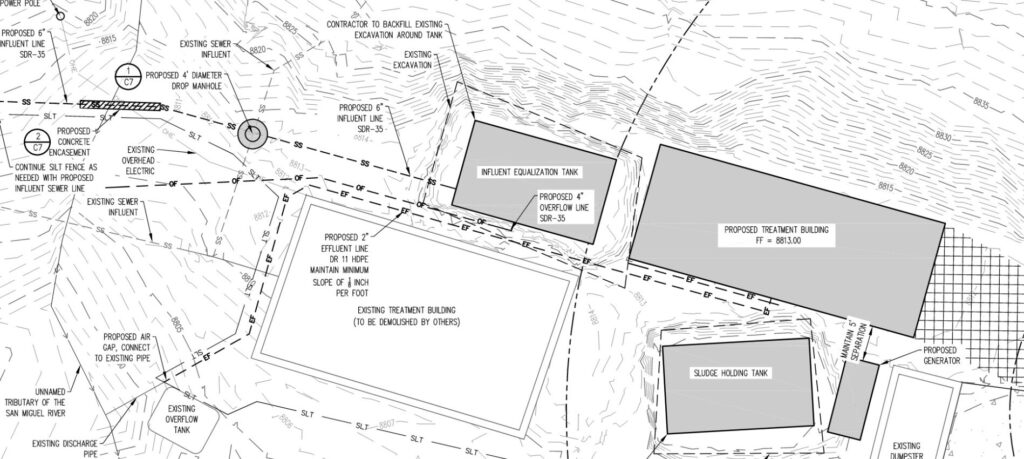
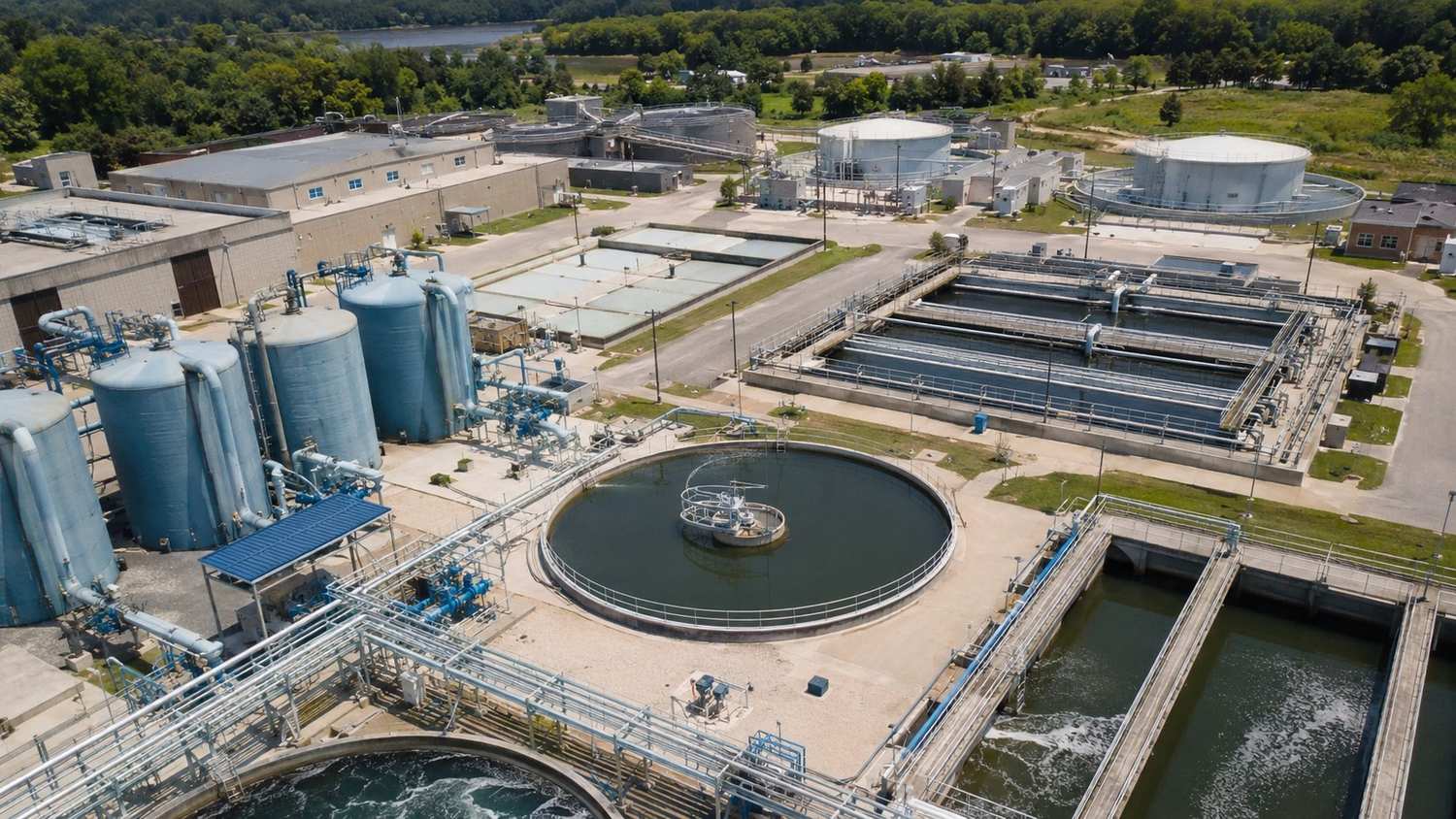
Water treatment in Nevada addresses naturally occurring arsenic exceeding federal 10 ppb limits throughout many aquifers, hardness from desert groundwater often above 300 mg/L, and iron staining issues in some areas. Arsenic removal technology selection balances capital costs for adsorption systems or membrane treatment against long-term media replacement and disposal expenses. Las Vegas Valley relies on Colorado River water treated by Southern Nevada Water Authority avoiding arsenic but facing allocation constraints as drought reduces available supply.

Reno-Sparks area uses Truckee River and groundwater requiring treatment for turbidity, hardness, and occasional contaminants. Tahoe-area developments face strict requirements preventing lake degradation. Rural Nevada communities often use simple treatment because complex systems demand certified operators unavailable in remote locations. Treatment costs get evaluated against water rights value because in over-appropriated basins supply itself becomes more valuable than treatment avoiding it. Nevada’s water scarcity makes supply availability the primary constraint.
Public Water System permits from NDEP require engineering reports demonstrating adequate water rights exist through State Engineer allocation, treatment meets drinking water standards including arsenic limits, and distribution provides sufficient pressure and fire flow. Water rights applications filed with State Engineer require proof of beneficial use, non-waste, and that granting new rights won’t harm existing senior users.

Closed basins like many in northern Nevada prohibit new appropriations forcing developers to purchase existing rights at market prices. Southern Nevada development often connects to SNWA avoiding permitting but facing service area restrictions and impact fees. Domestic wells serving under 15 connections receive expedited NDEP review. Applications including complete water rights documentation, arsenic treatment if needed, and hydraulic analysis receive NDEP approval in 14-18 weeks. Missing State Engineer permit or inadequate arsenic treatment extends permitting to 28-38 weeks.
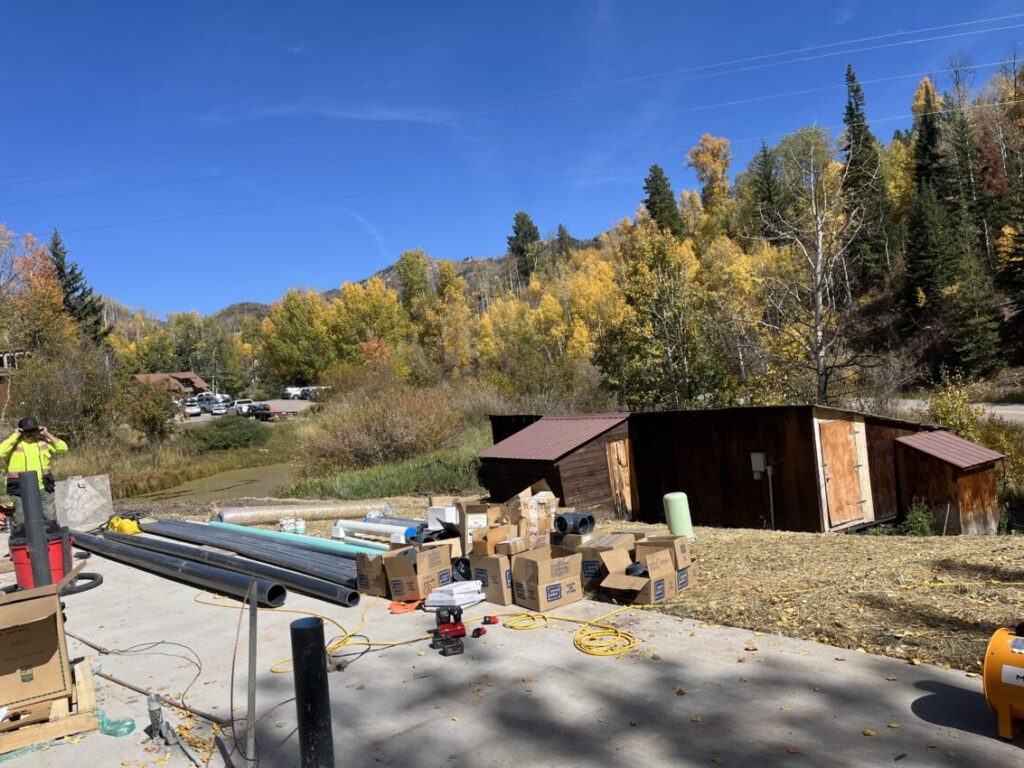
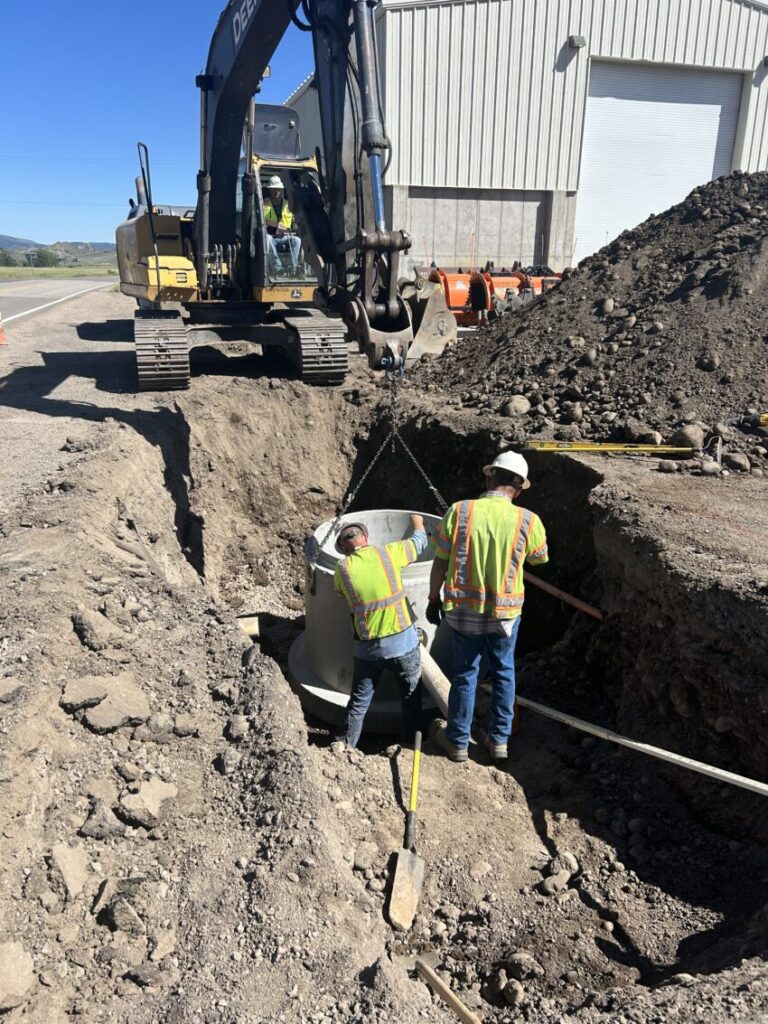
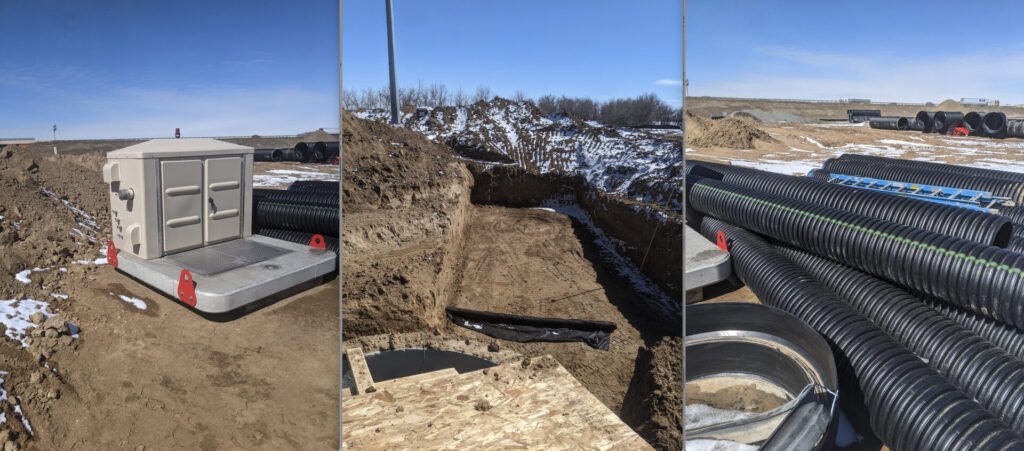
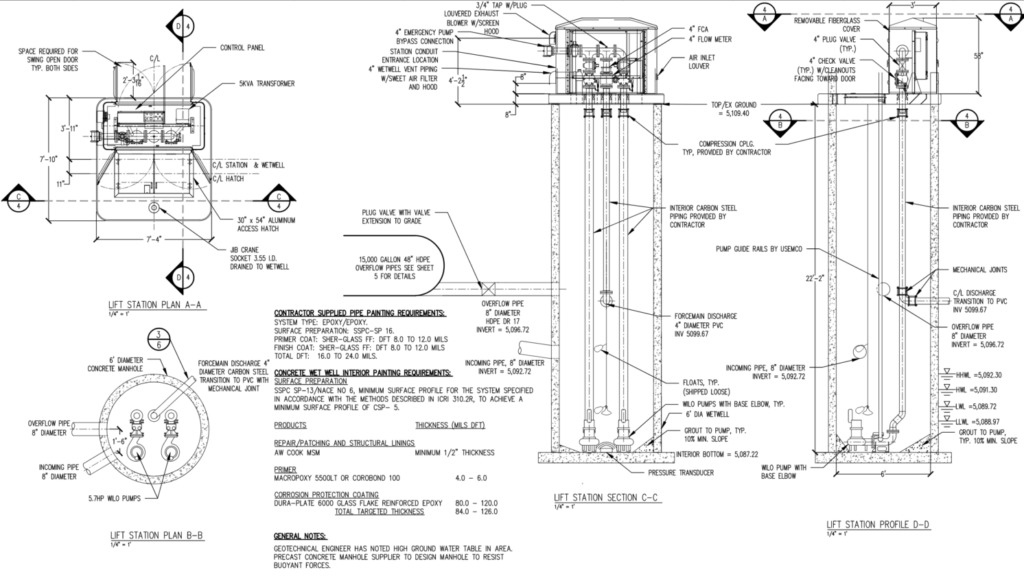
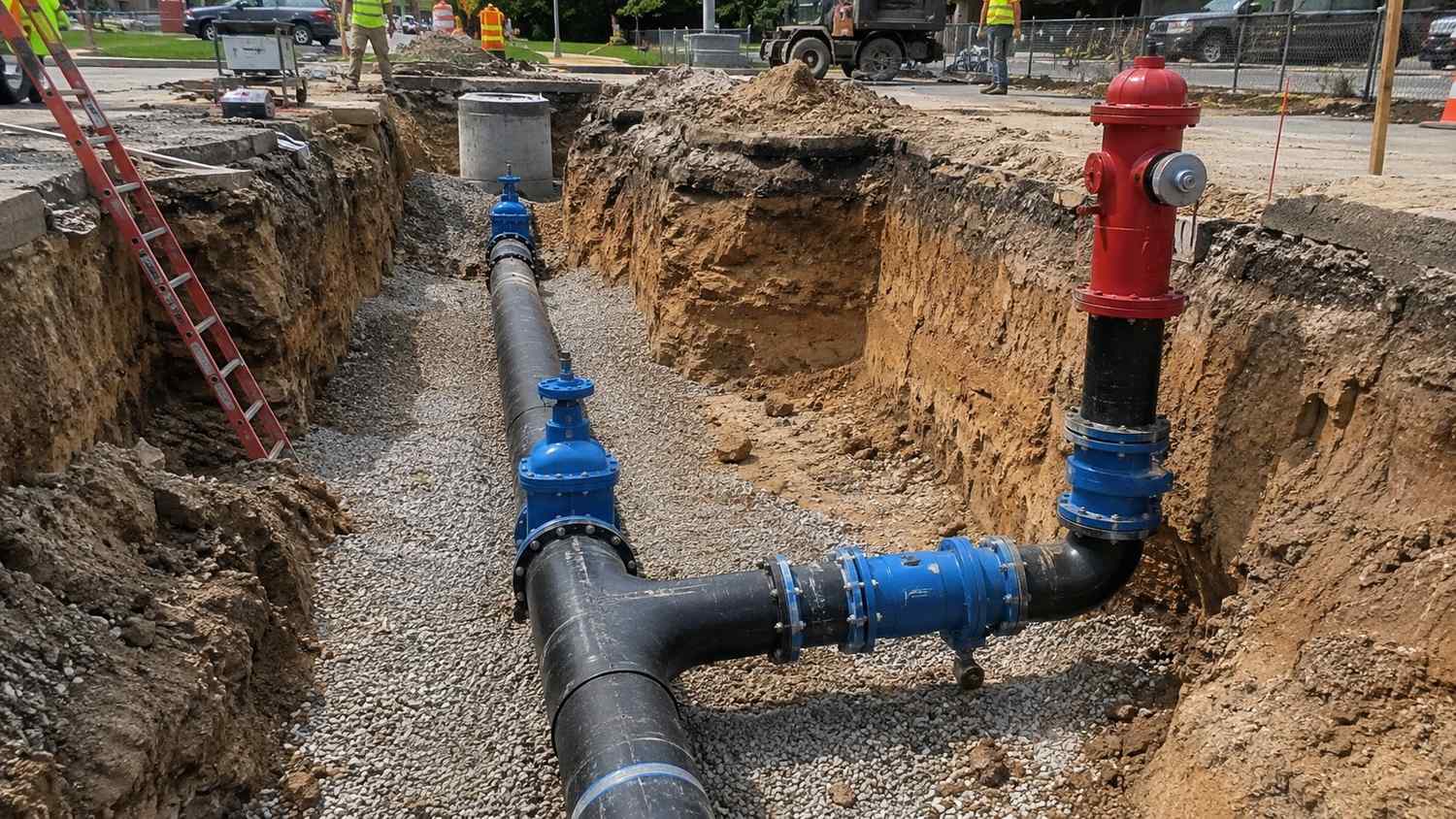
Plans for Nevada water systems specify materials resisting UV degradation and temperature cycling, excavation addressing volcanic rock geology in Reno area and caliche in southern valleys, and equipment rated for elevation effects at Tahoe’s altitude. Distribution system installation details show volcanic basalt excavation requirements. Pipe specifications address thermal expansion from daily temperature swings exceeding 40 degrees.

Service connections bury deep enough for frost protection in mountain areas. Treatment facility designs include both heating for cold climates and cooling for desert heat. Electrical systems address low humidity and dust infiltration. Water tank specifications account for seismic activity in western Nevada and wind loads in open desert valleys. Fire hydrant installations coordinate with local fire district requirements varying between jurisdictions. Plans match NDEP permit conditions and State Engineer water rights showing authorized points of diversion, storage capacity, and beneficial use exactly as approved.
Water distribution in Nevada accommodates significant elevation changes in mountain communities like Tahoe versus flat desert valleys in Las Vegas, temperature extremes affecting pipe materials and water quality, and seismic activity requiring flexible joints in western areas. Tahoe-area systems use gravity pressure from elevation differences. Reno-Sparks developments balance foothill terrain against valley floors. Las Vegas Valley systems face flat terrain requiring pumping.

Pipe materials resist UV exposure during storage and installation in intense desert sun. Thermal expansion creates pressure variations requiring surge protection and pressure management. Fire flow requirements get coordinated with local fire districts. Many developments connect to existing providers like SNWA, Truckee Meadows Water Authority, or smaller municipal systems avoiding independent source development. Water rights verification occurs during planning because supply availability controls development density. Long distribution runs in rural areas increase water age requiring careful hydraulic design maintaining quality.
Distribution models for Nevada account for elevation changes in mountain terrain versus flat desert valleys, temperature effects on water quality and pressure, and seismic event scenarios testing system resilience. Mountain community models use elevation for pressure. Desert systems model pumping requirements across flat terrain. Water age analysis addresses bacterial regrowth in warm water during summer months.

Pressure variations from thermal expansion get modeled for daily temperature cycles. Seasonal demand modeling captures resort community peaks in Tahoe winter ski season versus summer recreation. Fire flow scenarios test adequacy given limited water rights in closed basins where additional supply cannot be appropriated. Seismic analysis addresses western Nevada earthquake potential. Models support NDEP applications, State Engineer water rights filings showing beneficial use calculations, and help developers justify infrastructure investments when water rights themselves represent significant asset value.
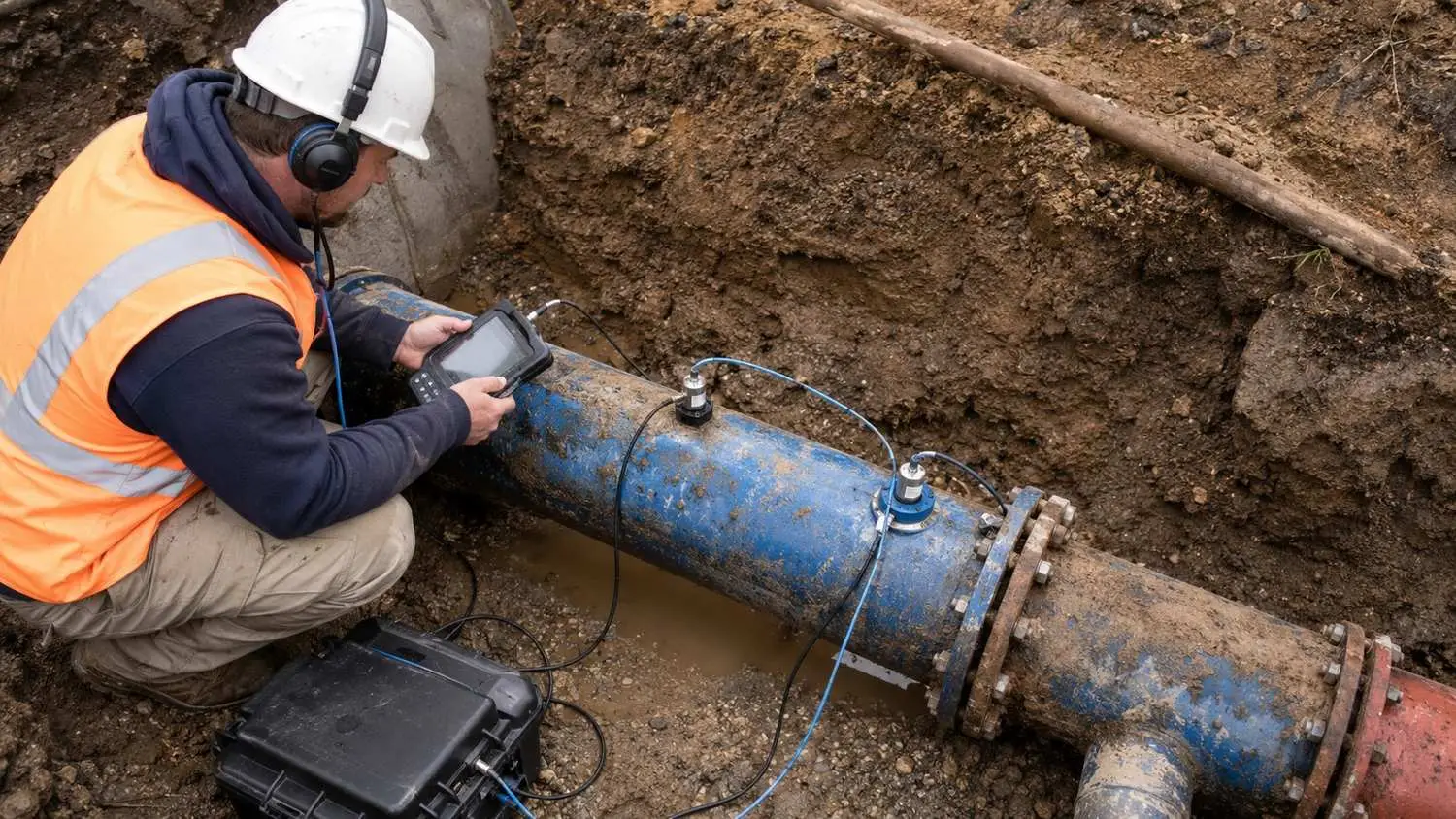
Reducing water loss becomes critical in Nevada where State Engineer scrutinizes waste in over-appropriated basins and water rights themselves have significant market value. Real losses from leaks represent wasted allocation that could serve additional development or be sold to other users. Apparent losses from inaccurate meters mean water rights consumed but not billed.

Desert conditions make leak detection challenging because dry ground provides minimal surface evidence until leaks become severe. UV degradation and temperature cycling accelerate pipe deterioration in above-grade installations. Communities with senior water rights have incentive maintaining loss control because saved water can be marketed or banked. SNWA in Las Vegas operates aggressive leak detection because Colorado River shortages make conservation critical. Water loss audits support State Engineer permit renewals demonstrating beneficial use. Leak repair prioritizes sections where water saved has greatest value.
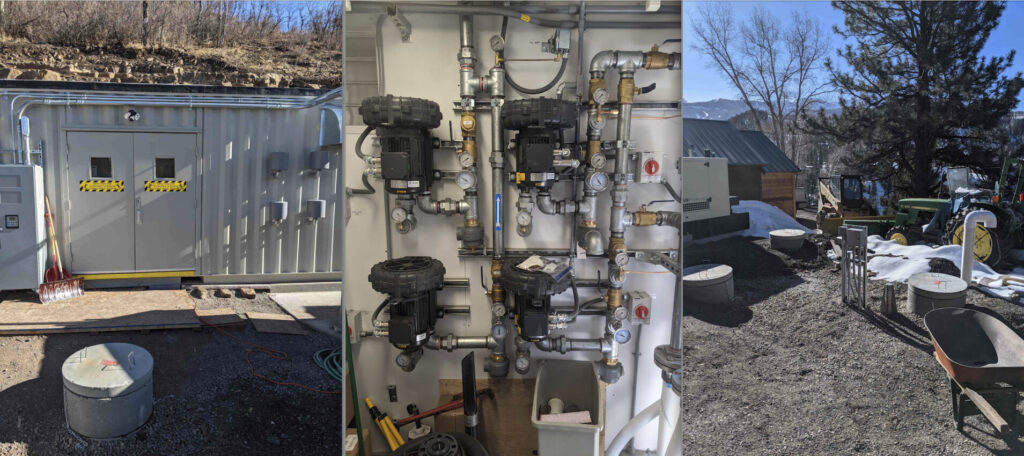
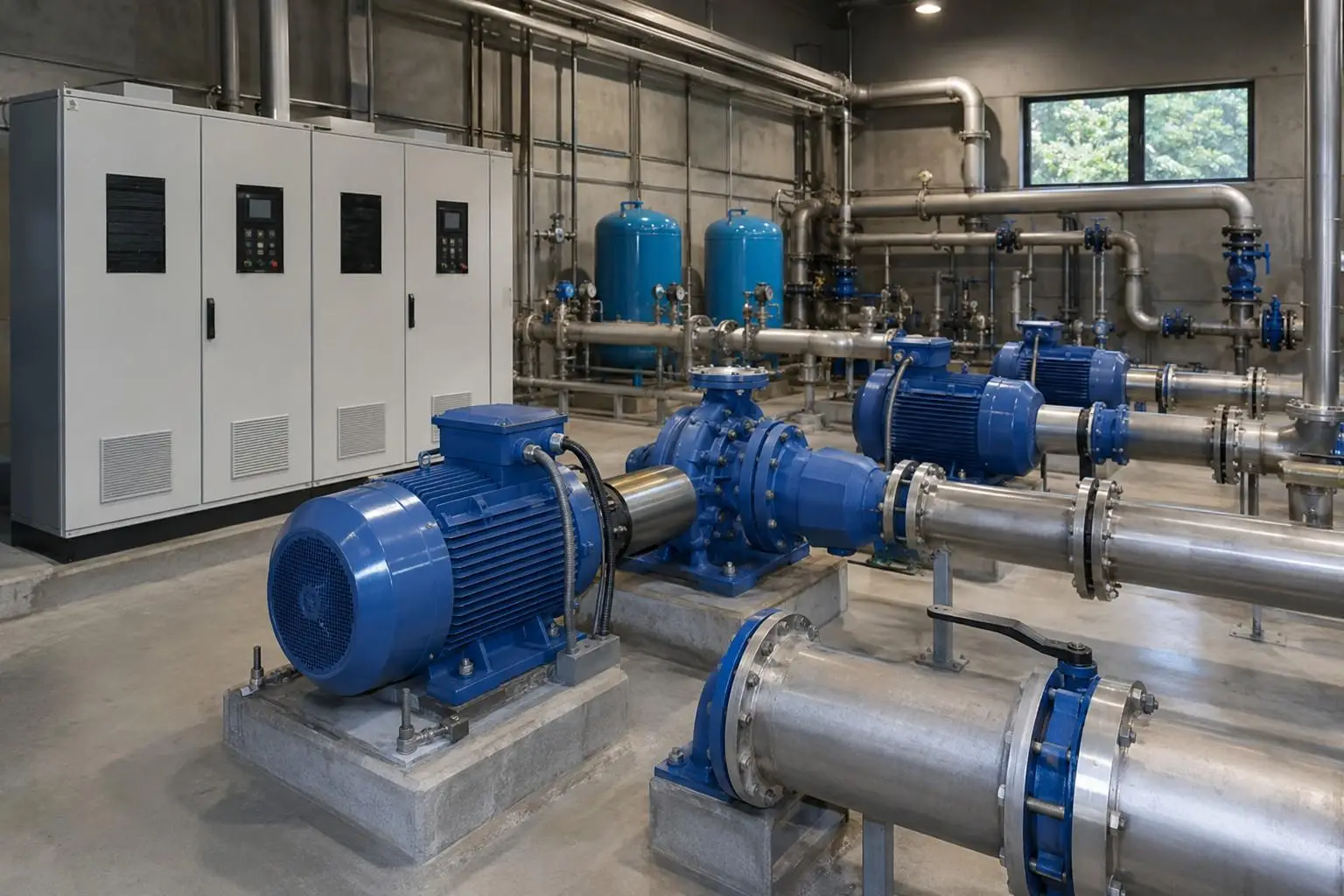
Nevada booster stations require equipment rated for temperature extremes and elevation effects on performance, buildings protecting pumps from desert dust and temperature swings, and controls accounting for pressure variations from thermal expansion. Tahoe-area stations account for altitude effects on motor cooling and pump performance. Desert valley stations need cooling preventing equipment overheating during 105°F summers.

Variable frequency drives provide efficient operation. Backup power becomes important in rural areas with limited grid reliability. Seismic anchoring addresses western Nevada earthquake activity. Odor control addresses hydrogen sulfide from some groundwater sources. Telemetry allows remote monitoring across Nevada’s large geographic distances. Simple controls suit rural locations lacking certified operators. Stations serving resort areas account for seasonal demand variations. Mining community stations need rugged designs because maintenance capabilities vary with workforce cycles. Equipment specifications recognize Nevada’s harsh desert and mountain environments.
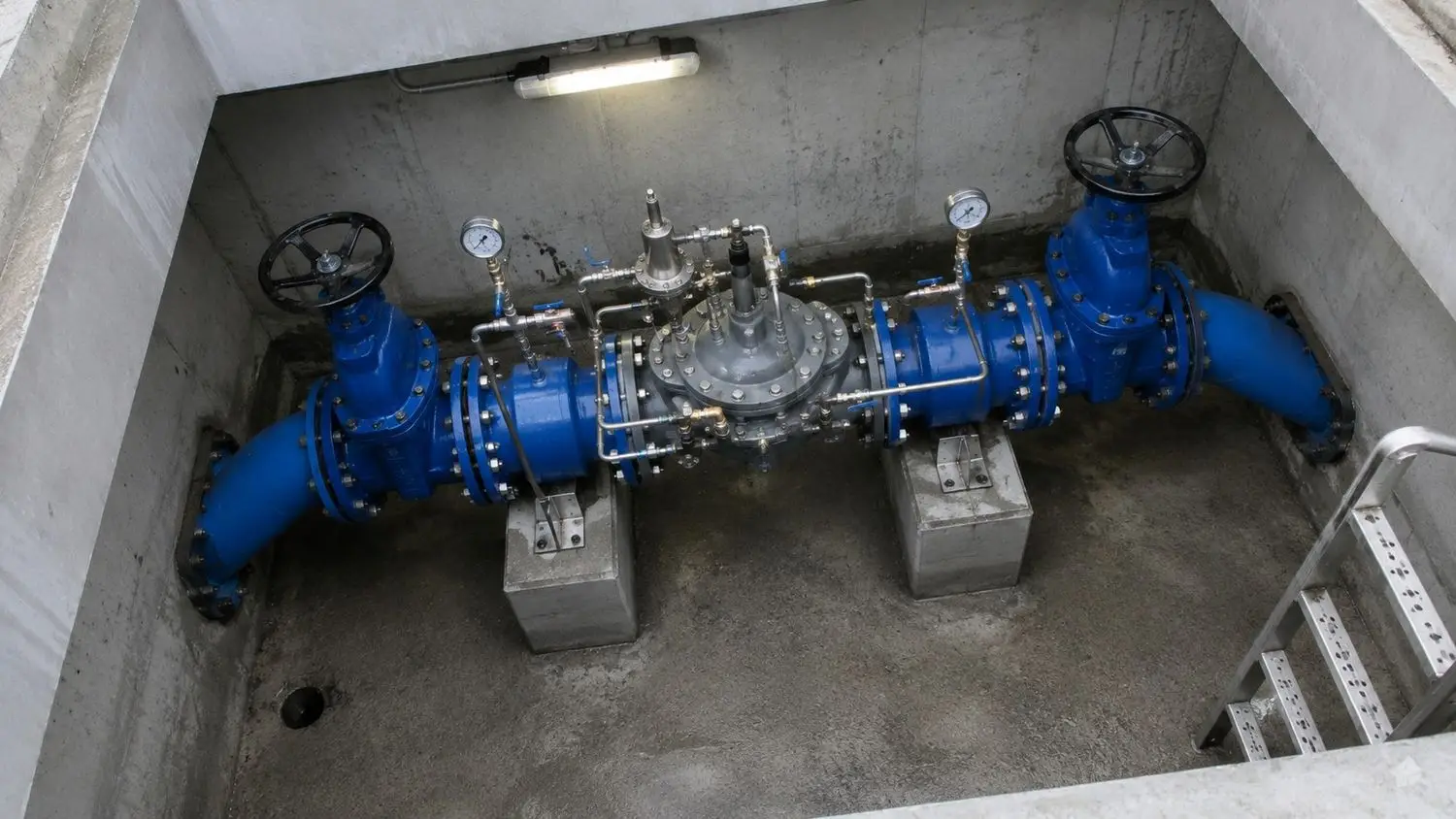
Pressure zones in Nevada address significant elevation changes in Tahoe and Reno foothill developments, thermal expansion pressure variations from extreme daily temperature swings, and seismic activity requiring flexible installations. PRV sizing accounts for seasonal demand in resort communities. Vault construction addresses volcanic rock excavation in northern areas. Above-grade installations sometimes prove more economical than excavating basalt.

Controls maintain steady downstream pressure as thermal expansion causes system pressure fluctuations throughout daily cycles. Redundant valves allow maintenance without system shutdown. Seismic-resistant installations include flexible connections surviving ground movement. Vaults locate for maintenance access across large distances typical in rural Nevada. Material specifications address UV exposure and temperature cycling. Proper PRV design prevents pressure-related failures and extends distribution system component service life reducing replacement needs when water infrastructure represents significant capital investment.
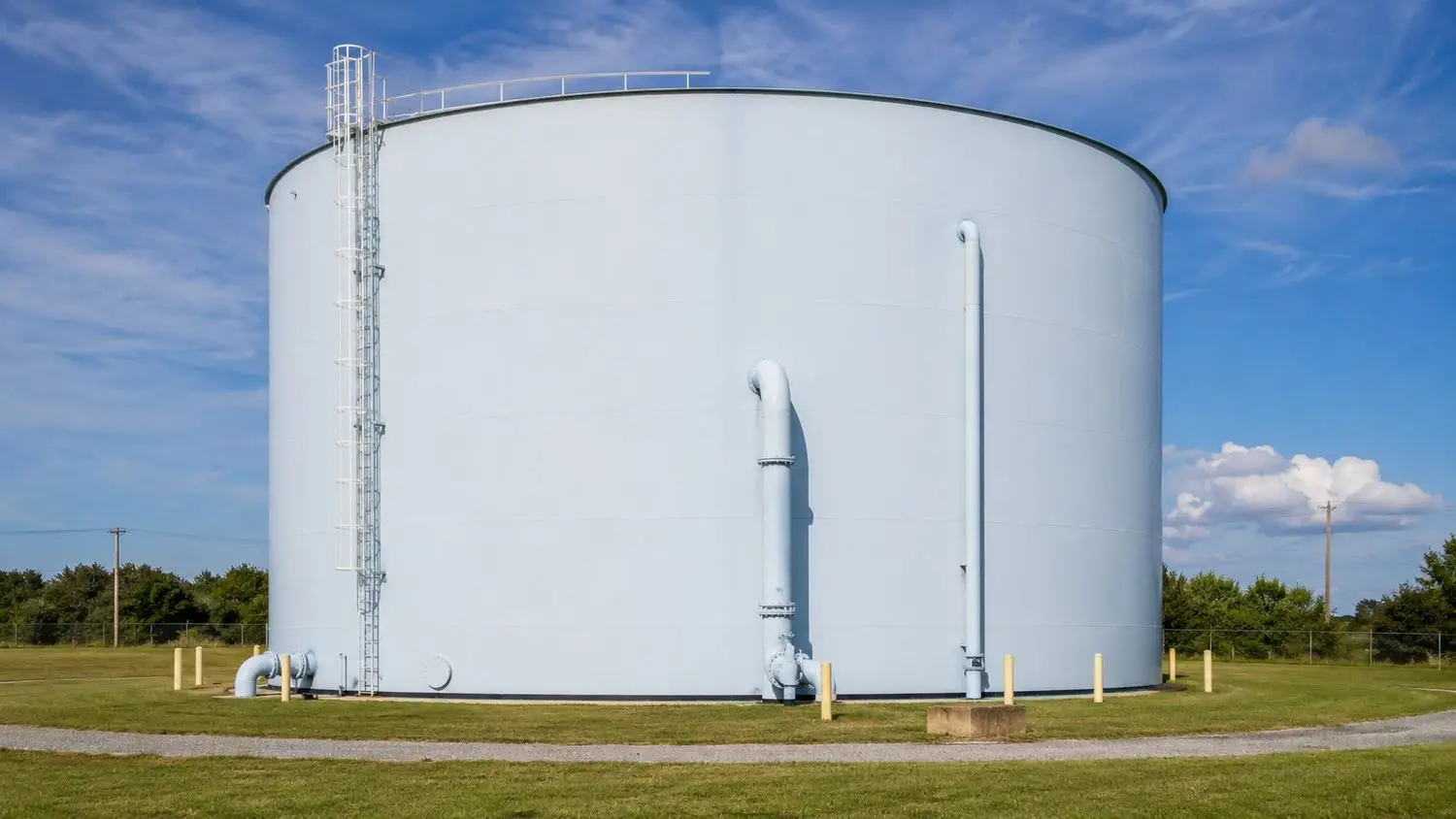
Storage tanks throughout Nevada require seismic design for earthquake activity in western areas, wind load analysis for exposed desert locations, and water quality protection preventing excessive temperatures promoting bacterial growth. Steel or concrete tanks meet AWWA standards with coatings resistant to temperature extremes and UV exposure. Tank sizing accounts for fire reserves, emergency storage during power outages, and pressure stabilization across daily demand variations.

Elevated tanks in valleys provide pressure zones. Ground storage in mountain areas uses natural elevation. Mixing systems prevent thermal stratification during hot summers. Rehabilitation addresses coating failures from temperature cycling and seismic damage from past earthquakes. Access occurs during moderate weather avoiding winter cold at elevation or desert summer heat. Seismic retrofitting brings older tanks to current codes. Tanks represent significant water rights storage capacity affecting system operational flexibility.

Our Approach

Water rights verification happens during due diligence before purchase, treatment designs address arsenic removal when applicable, and State Engineer applications include complete beneficial use documentation preventing denials.

Water Rights Verification First

State Engineer allocation status checked during due diligence confirming adequate rights exist or purchase options available. You understand water availability before closing when walking away remains possible if supply proves insufficient for development density.

Early NDEP Coordination

Permit requirements discussed with NDEP before application identifying arsenic treatment needs and water rights documentation requirements. Early coordination prevents discovering supply inadequacy through permit denial forcing project restructuring when alternatives become limited.

Arsenic Treatment Planning

Treatment technology selected meeting arsenic limits during feasibility when costs get incorporated into pro formas. You understand treatment expenses before committing to groundwater sources requiring arsenic removal throughout many Nevada aquifers.

Volcanic Rock Investigation

Geotechnical borings identify basalt bedrock during due diligence. Distribution routing minimizes rock excavation. Cost estimates include realistic trenching prices for volcanic geology preventing contractor change orders tripling budgets during Reno-area construction.

Projects

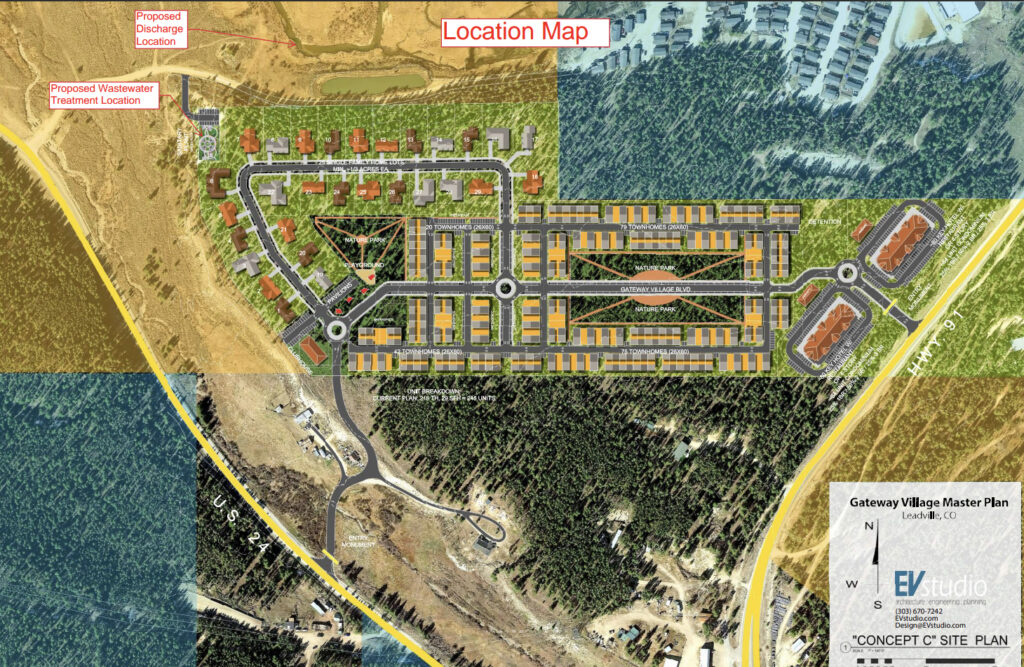
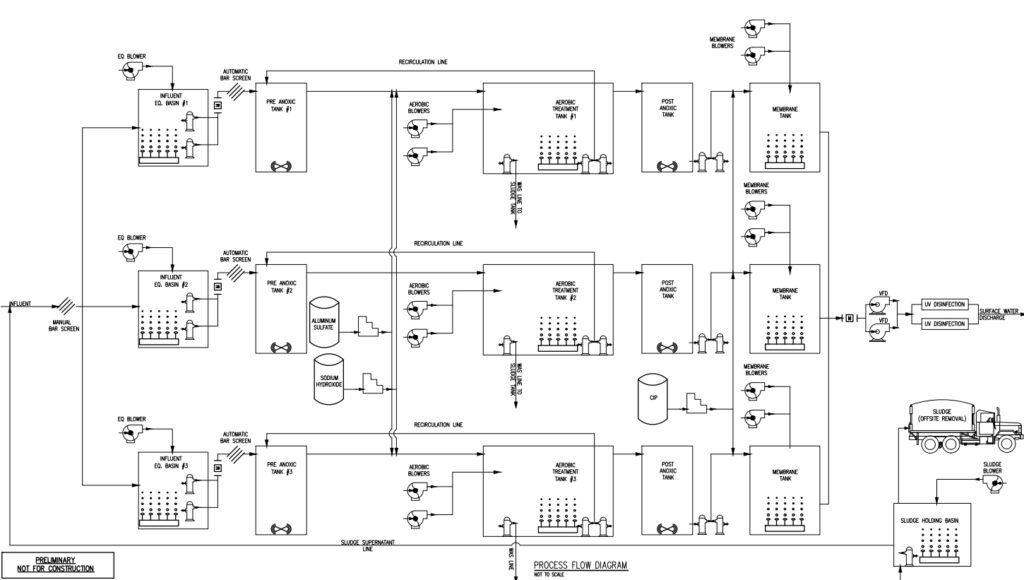
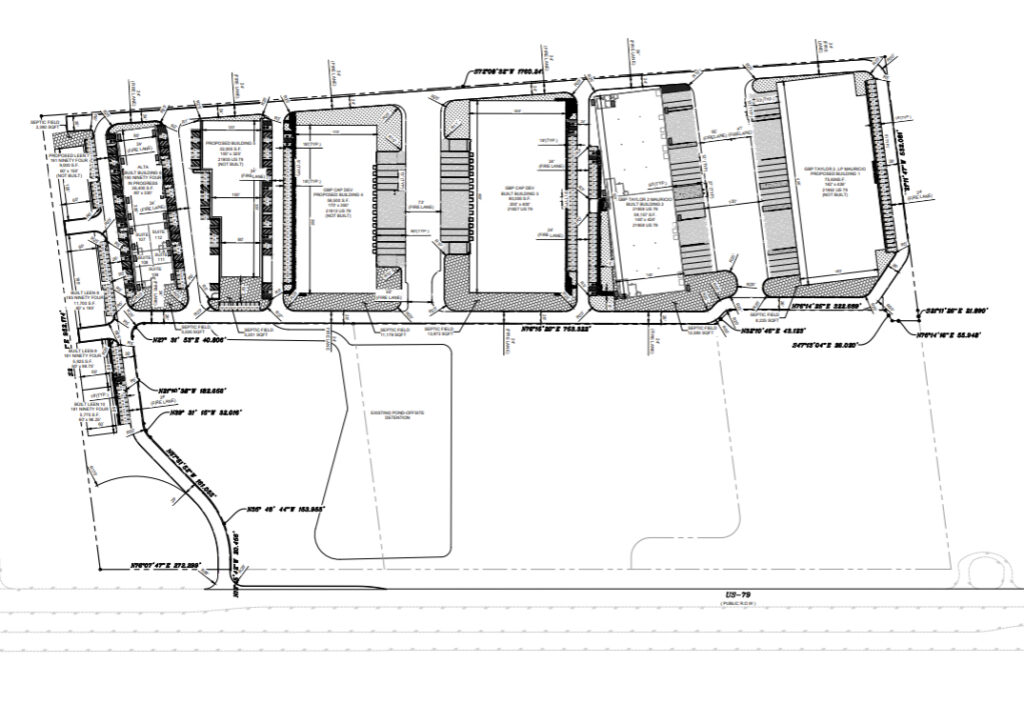
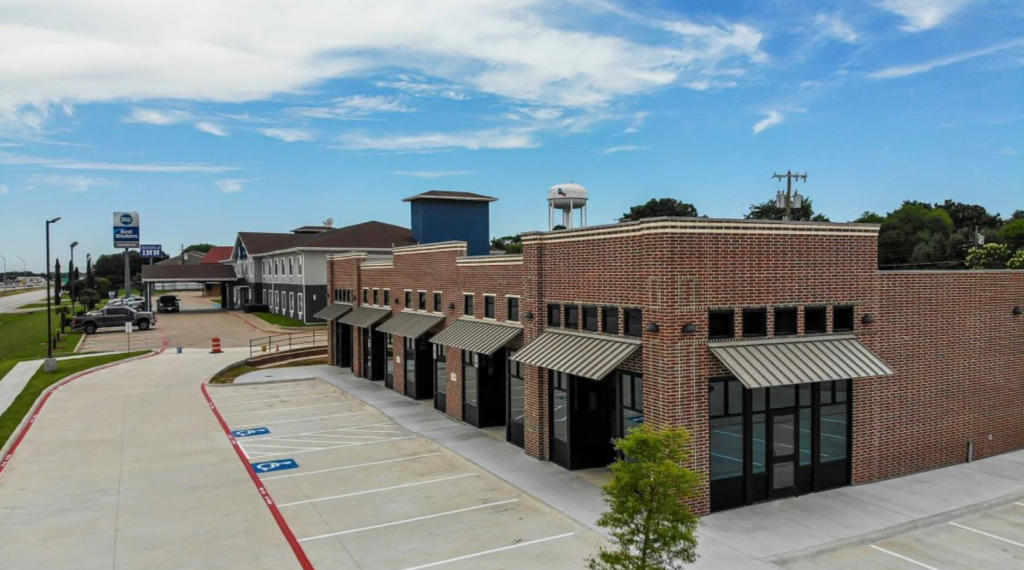
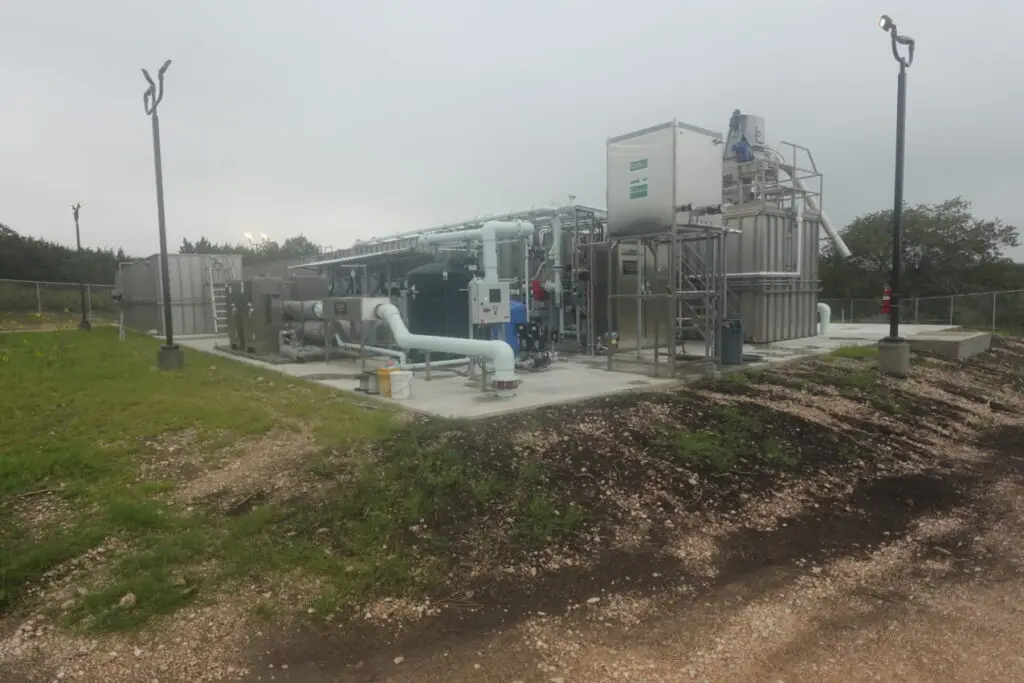
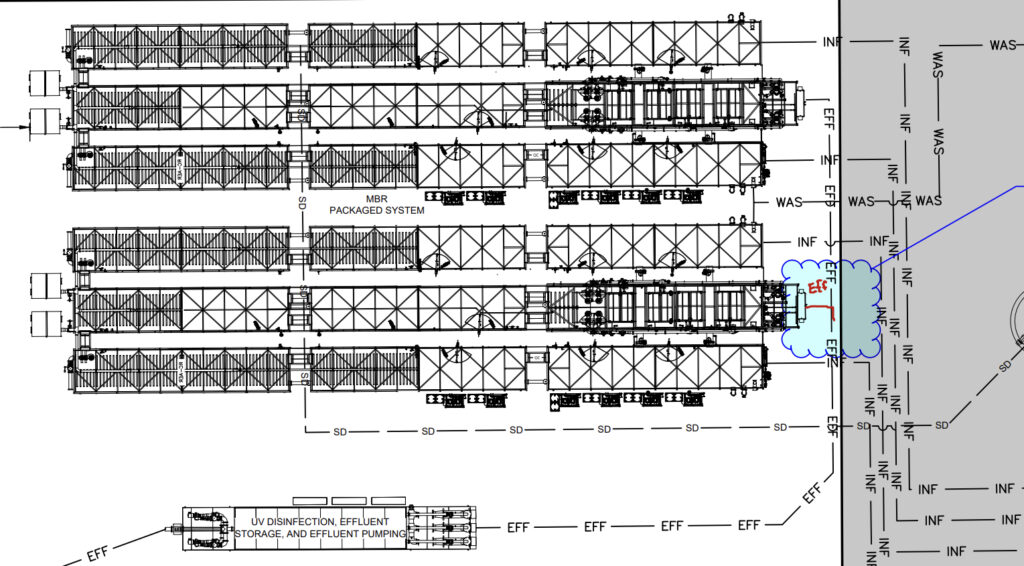
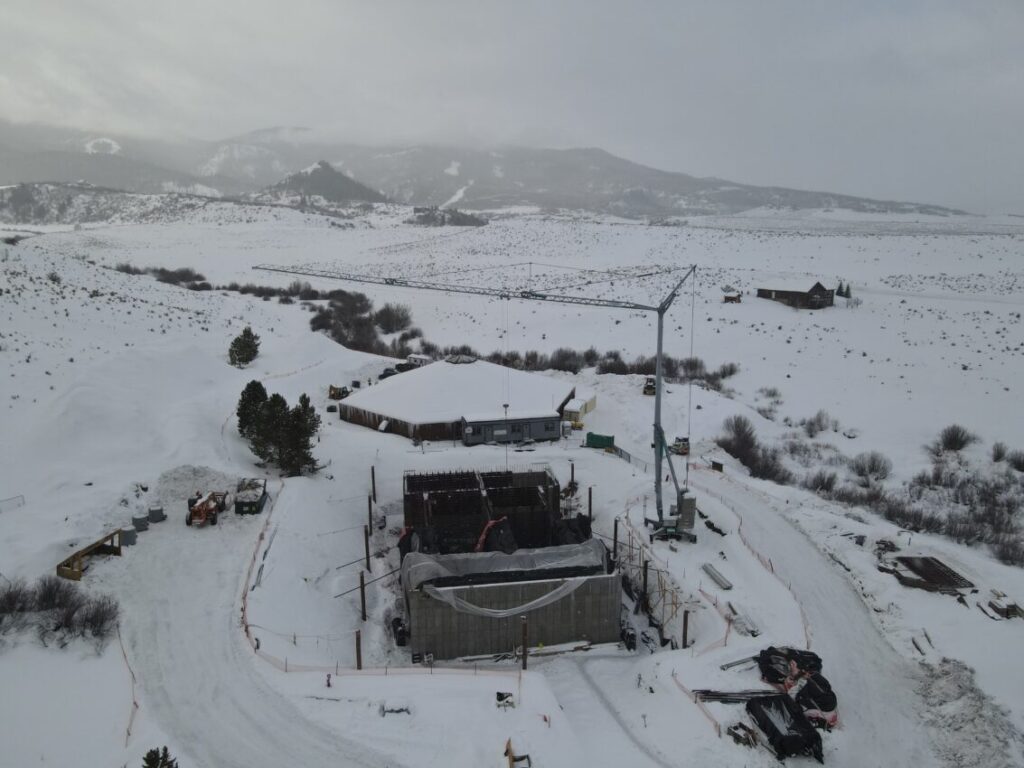
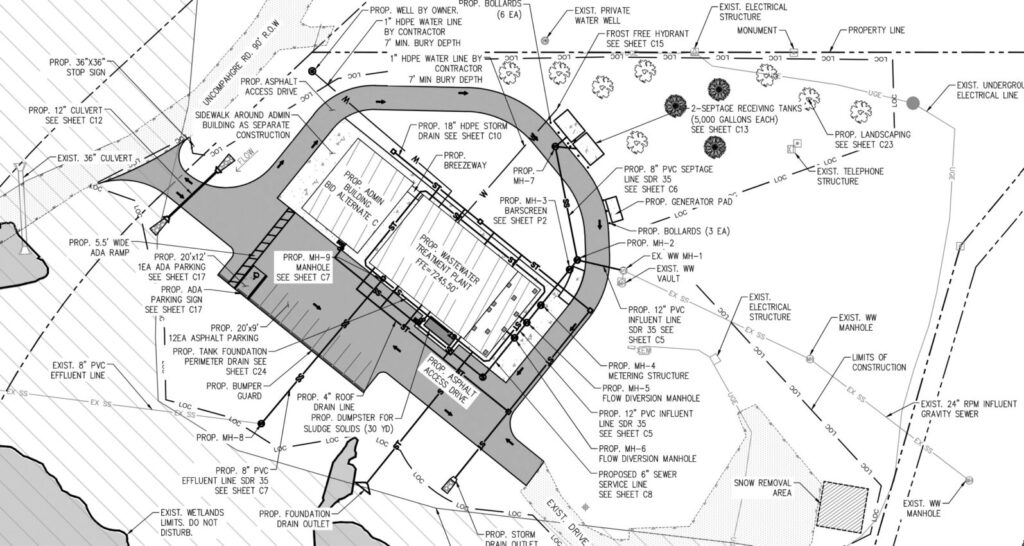
Modern Engineering Solutions delivers water and wastewater engineering across diverse regulatory environments, demonstrating efficient permitting and site-specific design expertise.

Why Choose Modern Engineering Solutions

Why Choose MES

1

Water Rights Navigation

Water rights evaluation during due diligence confirms State Engineer allocation status. We understand closed basin restrictions and rights purchasing. Your development proceeds with adequate supply verified before committing capital to water-constrained sites.

2

Complete NDEP Submittals

Permit applications include all required water rights documentation, arsenic treatment analysis, and hydraulic calculations initially. NDEP issues approvals in 14-18 weeks. Over 70% of our Nevada permits approve without technical deficiencies.

3

Desert Engineering Expertise

Distribution systems designed for Nevada temperature extremes, volcanic rock excavation, and UV exposure. Materials resist thermal cycling and desert conditions. Your systems function reliably despite harsh Nevada climate and challenging geology.

4

Nevada PE Management

Licensed Nevada engineers manage water projects from rights evaluation through system closeout. You work with professionals experienced in State Engineer permitting, arsenic treatment, and closed basin allocation from actual Nevada developments.

Talk to an Engineer

Nevada water projects need State Engineer permits, water rights verification, and arsenic treatment planning. We’ll review your site specifics and outline supply availability and regulatory requirements in a 15-minute call.