
Modern Engineering Solutions

Construction Administration
For Nevada Land Development

Nevada construction administration means field observations during summer cloudbursts and winter freezes at elevation, managing contractor RFIs about volcanic rock depth exceeding boring predictions, and coordinating inspections across TRPA, counties, and federal agencies with conflicting requirements. From Las Vegas Valley rapid development to Tahoe Basin environmental scrutiny, our oversight keeps construction moving through Nevada’s weather extremes, geology challenges, and complex jurisdictional coordination.

Engineering Built for Outcomes, Not Overhead

Nevada construction administration fails when oversight treats hardpan excavation verification, flash flood compliance, and extreme heat construction limitations as variables to manage after contractors mobilize.

Value Over
Hours

We price Nevada construction administration around delivered outcomes: NDEP stormwater conditions satisfied, Clark County and Washoe County inspections passed, and closeout packages assembled during construction rather than after finished lots wait on certificates of occupancy.

Speed as a Design Constraint 

Nevada’s extreme summer heat compresses productive construction to fall, winter, and spring windows. A flash flood drainage compliance failure or dust control violation doesn’t cost days. It costs weeks of the construction window Nevada’s desert calendar can’t recover.

Deep Work, Not Meeting Culture

Hardpan excavation verification, NDEP stormwater compliance, and flash flood drainage performance get managed through engineering discipline in the field rather than routed through coordination chains that delay decisions Nevada contractors need same morning during active storm events.

AI as Leverage, Not a Shortcut

AI handles NDEP reporting, submittal tracking, and closeout documentation so licensed Nevada PEs focus on field observation, flood control district coordination, and agency inspection management across Las Vegas metro, Reno/Sparks, and Carson City developments.

What We Do

Modern Engineering Solutions delivers construction administration for Nevada land development from pre-construction coordination through TRPA closeout, county acceptance, and utility provider approvals statewide.
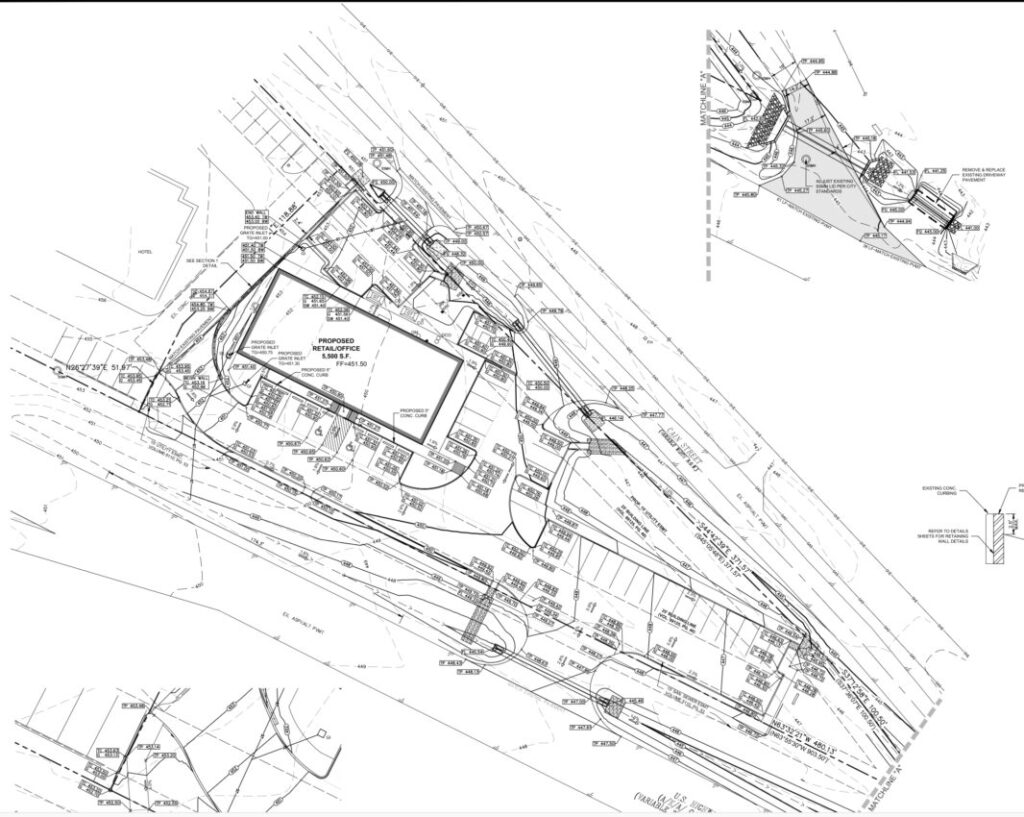
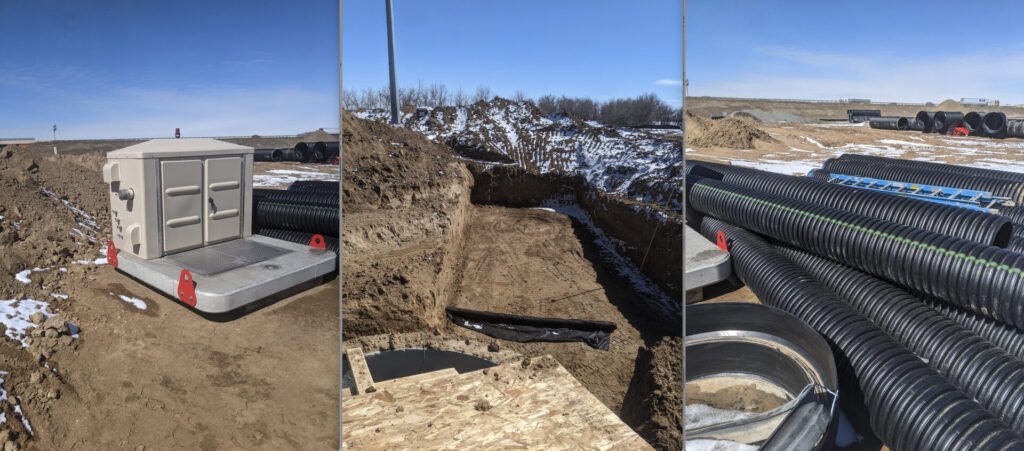
Coordination before Nevada construction begins addresses seasonal weather constraints at elevation, volcanic rock excavation methods requiring specialty equipment, and TRPA Best Management Practice installation requirements before any land disturbance in Tahoe Basin. Submittal reviews catch materials inadequate for temperature extremes and UV exposure. Shop drawing reviews verify seismic design details for utilities and structures in western Nevada earthquake zones.

Schedule coordination addresses Tahoe winter snow preventing construction November through April and summer thunderstorm season disrupting desert work. Preconstruction meetings establish volcanic rock excavation protocols because basalt appearance during grading creates immediate budget impacts. TRPA compliance procedures get confirmed because violations trigger stop-work orders and expensive remediation. Rock trenching equipment availability affects schedule in Reno-Sparks area. Early coordination prevents discovering jurisdictional requirements during construction when compliance costs escalate and weather windows close.
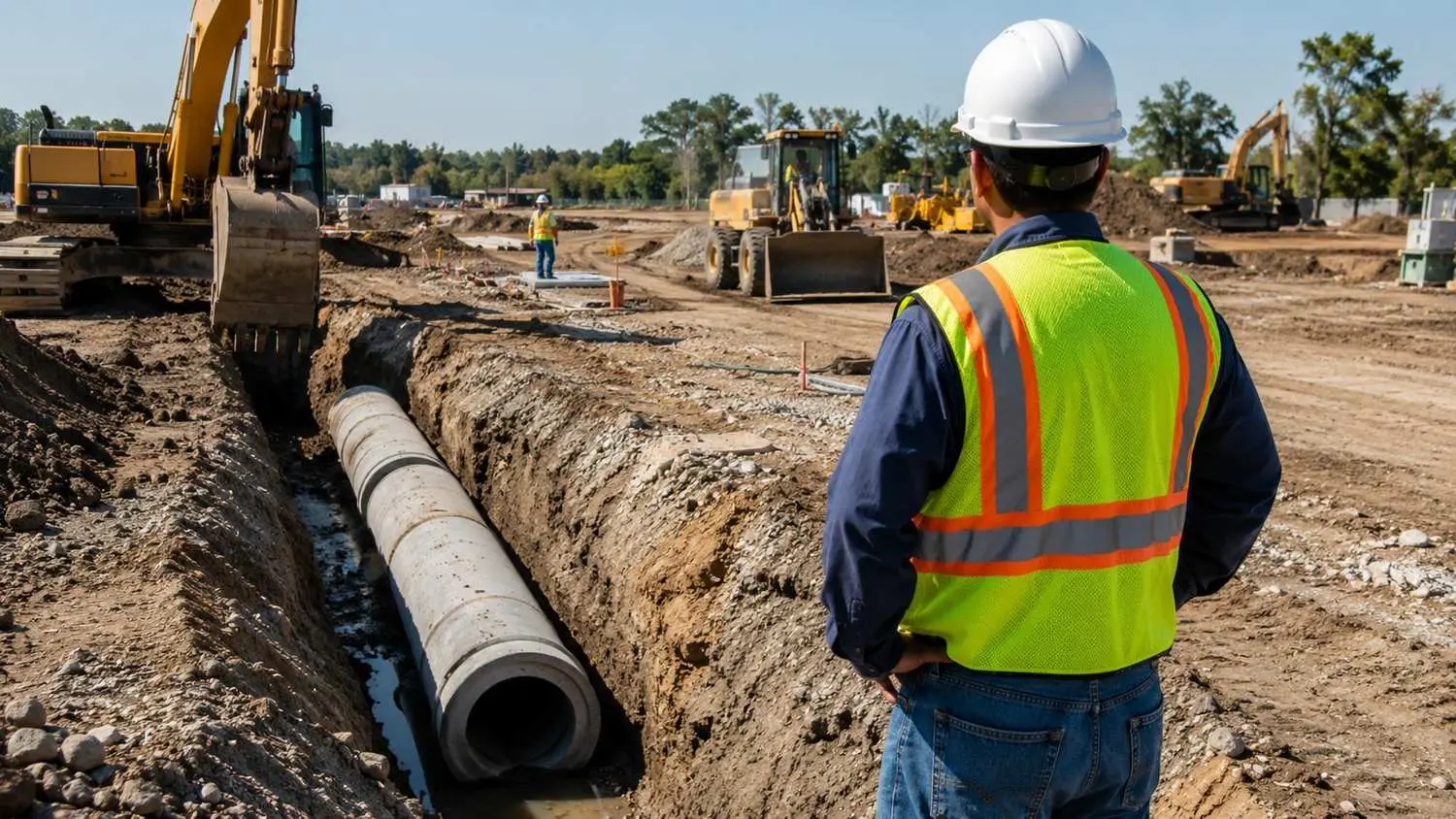
Observations throughout Nevada construction mean documenting progress despite summer cloudbursts in valleys and winter snow at elevation, monitoring volcanic rock excavation quantities and costs, and verifying TRPA Best Management Practice performance in Tahoe Basin. Contractor RFIs receive same-day responses because limited construction seasons make delays especially costly. Change order evaluation determines whether basalt depth genuinely exceeded geotechnical predictions or contractor failed adequate investigation during bidding.

Progress payments verify completed work matches requests. Daily reports document weather impacts, rock excavation quantities, and TRPA inspector comments. Sediment control gets inspected before summer monsoon season because cloudburst intensity overwhelms inadequate installations. Seismic construction details need verification in western Nevada. Regular developer communication prevents surprises about rock costs or weather delays discovered weeks later when schedule recovery options disappear and seasonal construction windows close.
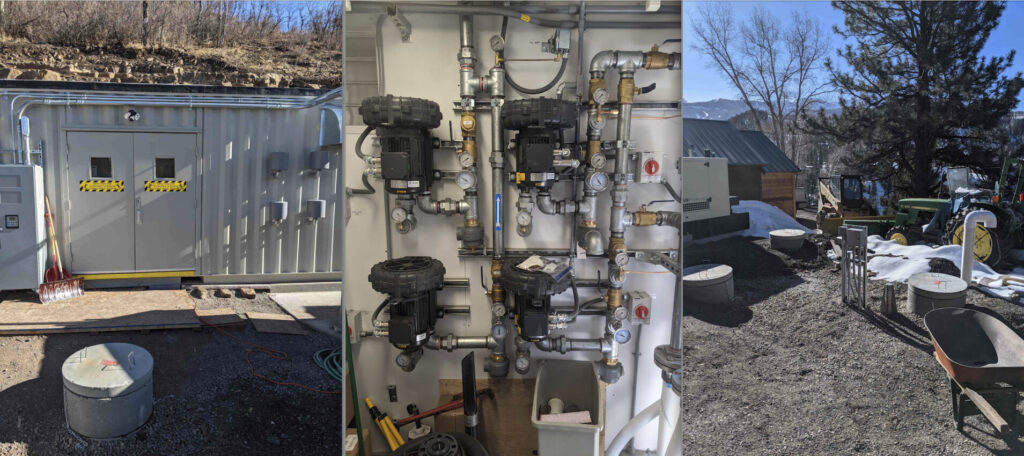
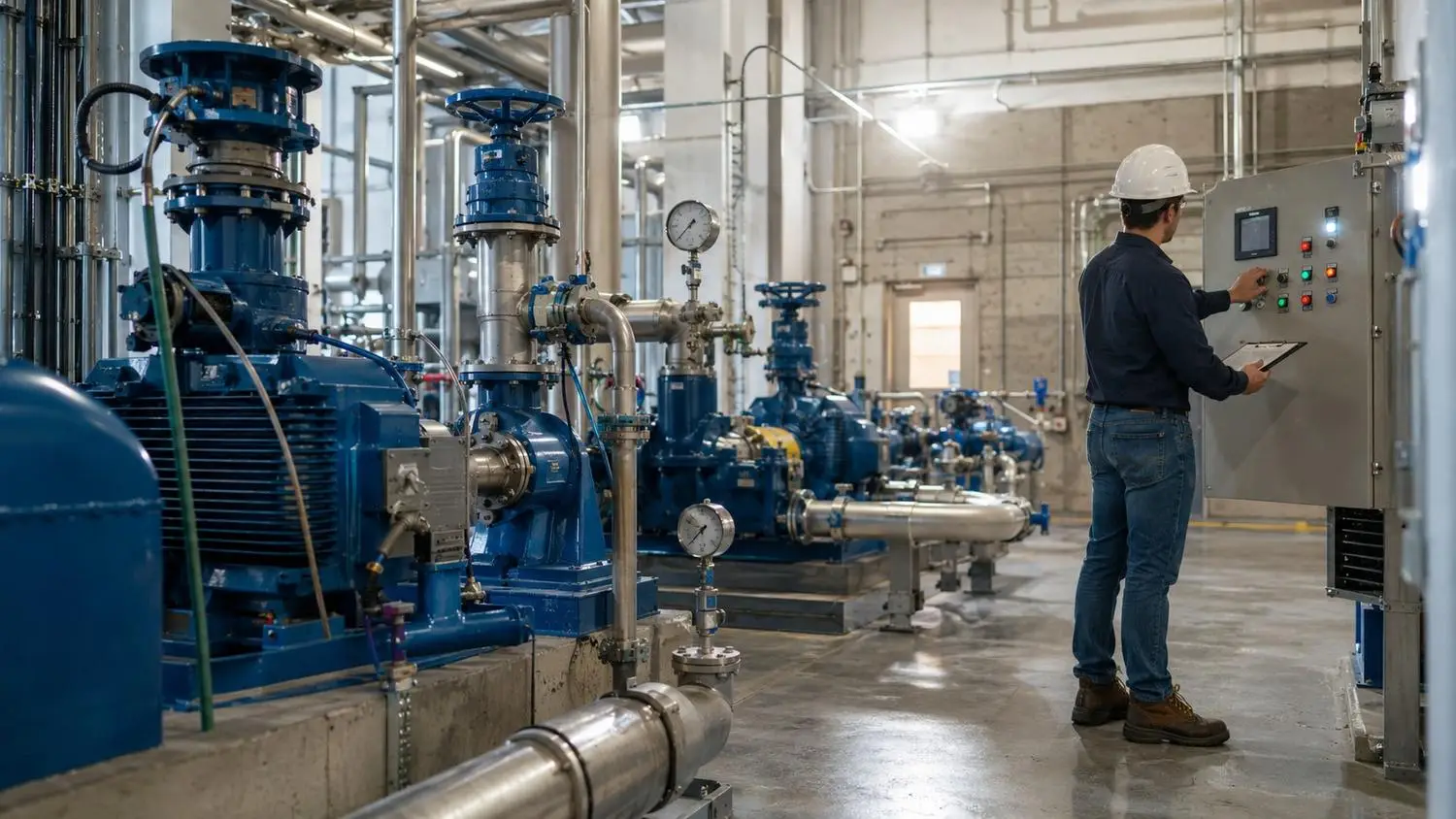
Starting utility systems in Nevada temperature extremes requires verifying equipment operates through Tahoe winter cold and desert valley summer heat. Pump performance testing validates operation accounting for elevation effects at Tahoe’s 6,200-foot altitude. Treatment system commissioning confirms processes work despite seasonal temperature variations. Control programming tests scenarios including extended power outages common in rural areas. NDEP pre-startup inspections coordinate with TRPA compliance verification in Tahoe Basin.

Operations training prepares staff for Nevada-specific challenges including freeze protection at elevation and desert heat impacts. Equipment warranty documentation protects against premature failures from temperature cycling and UV exposure. Simple controls get verified because rural communities lack certified operators for complex automation. Startup during moderate seasons allows system establishment before winter cold or summer heat tests performance under extreme Nevada conditions.
Nevada closeout requires coordinating TRPA final inspections in Tahoe Basin, county engineering approvals, NDEP certifications for utilities, and State Engineer water rights verification with each demanding different documentation formats. Record drawings show as-built volcanic rock excavation depths, seismic construction details, and BMP installations exactly as built. Final inspections require scheduling across agencies with limited availability especially in rural counties.

Closeout packages include operations manuals, warranty documentation, testing certifications, TRPA compliance records, and water rights beneficial use verification. TRPA projects need extensive environmental compliance documentation demonstrating BMP performance. Seismic construction certifications verify earthquake-resistant provisions got installed correctly.

County road acceptance varies between jurisdictions. Incomplete closeout prevents certificate of occupancy blocking sales. Our management ensures documentation reaches all agencies simultaneously preventing sequential delays when one signature blocks entire project completion.

Our Approach

Nevada construction administration starts before contractors mobilize and ends after agency acceptance documentation is filed, because desert hardpan conditions and flash flood compliance obligations create field problems that engineering oversight prevents far more cheaply than contractors resolve.

Pre-Construction Review

Constructability reviews, hardpan condition briefings, and contractor coordination happen before mobilization. Las Vegas metro contractors working Clark County sites, Reno/Sparks teams in Washoe County, and Carson City projects each face different local agency inspection sequences and flash flood compliance requirements that pre-construction review establishes before schedules commit.

Field Observation

Hardpan excavation depths, utility installation conditions, dust control performance, and drainage installation get observed at Nevada construction milestones when corrections cost hours rather than change orders. Flash flood event response documentation gets managed as storm events occur rather than reconstructed from contractor records after NDEP requests compliance verification.

Startup and Commissioning

Pressure testing, disinfection, and system performance verification get coordinated with Nevada contractors accounting for desert temperature conditions that affect testing protocols. Startup milestones align with lot release schedules so NDEP certification is complete before lots need to close.

Project Closeout

NDEP stormwater permit closeout, dust control compliance records, as-built drawings, and agency acceptance packages get compiled as construction milestones complete. Nevada local agencies receive complete acceptance packages immediately after construction completion so final plat recording happens on schedule.

Projects

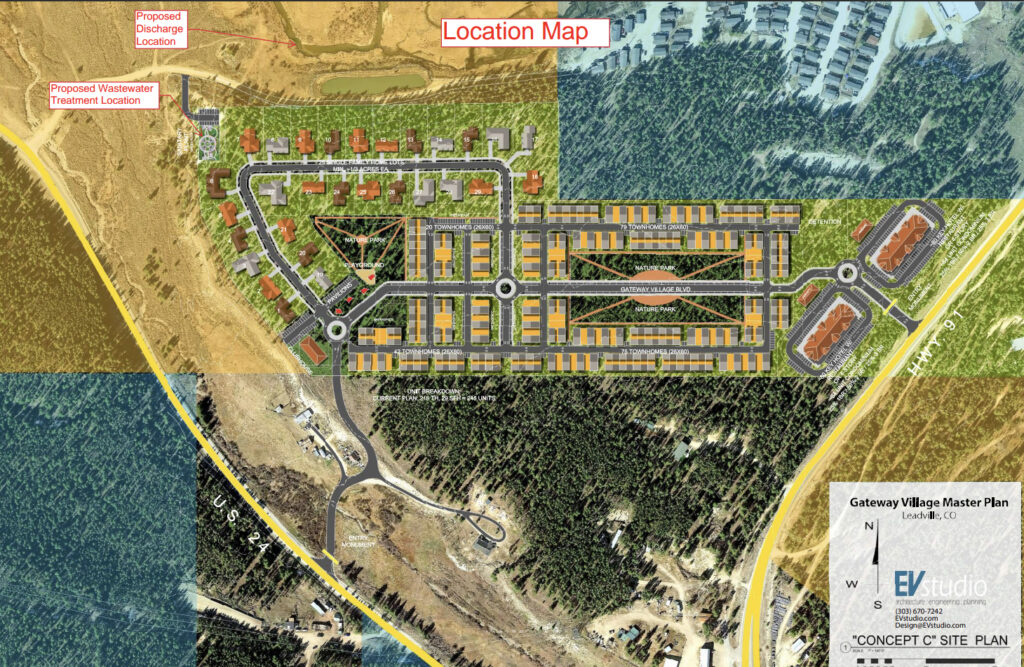
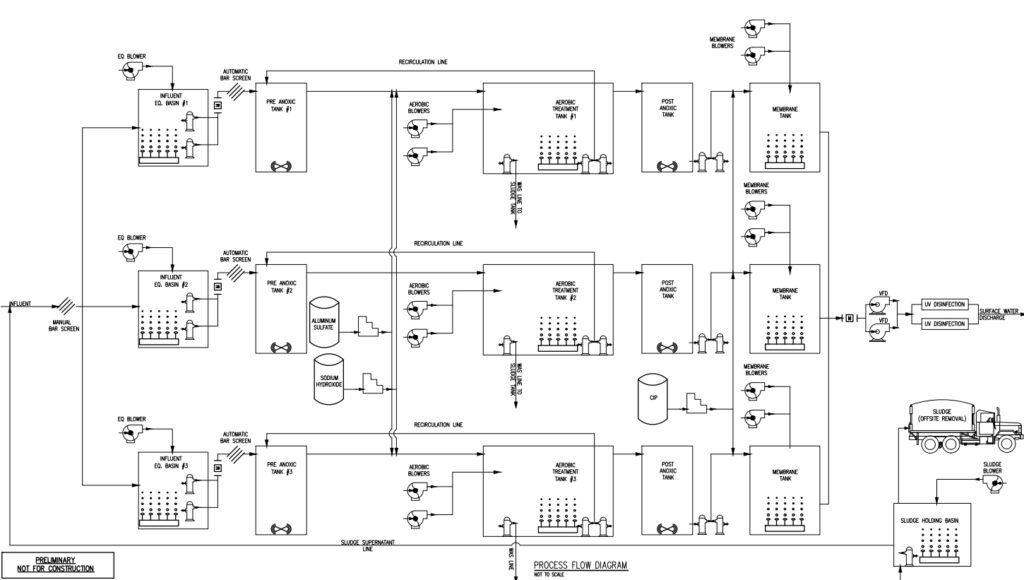
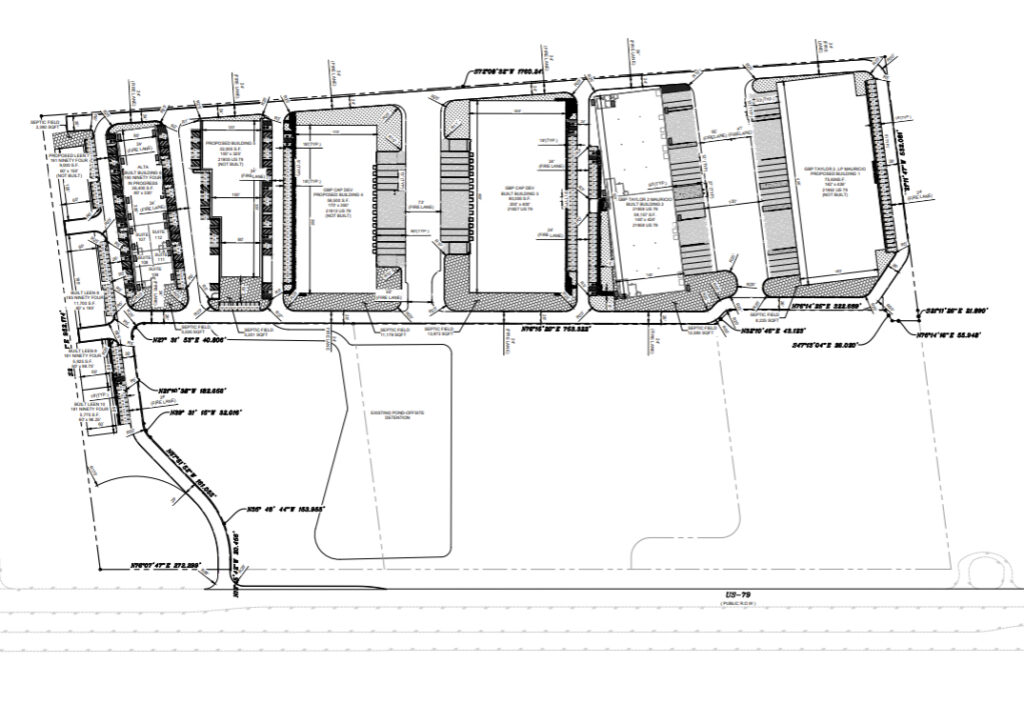
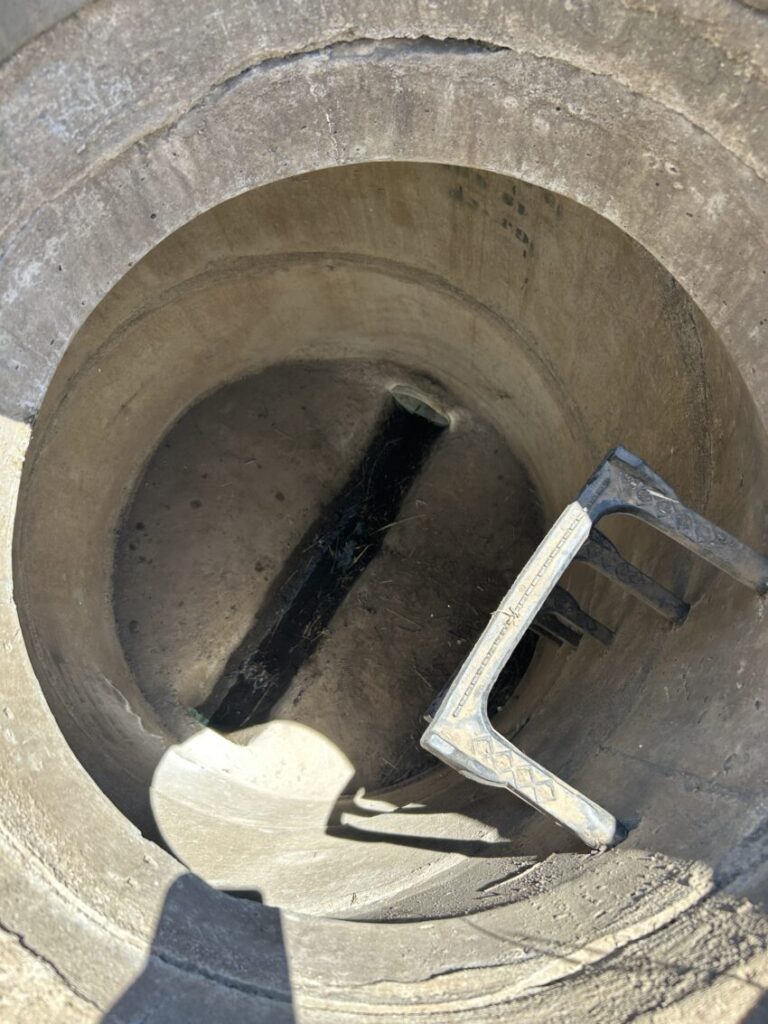
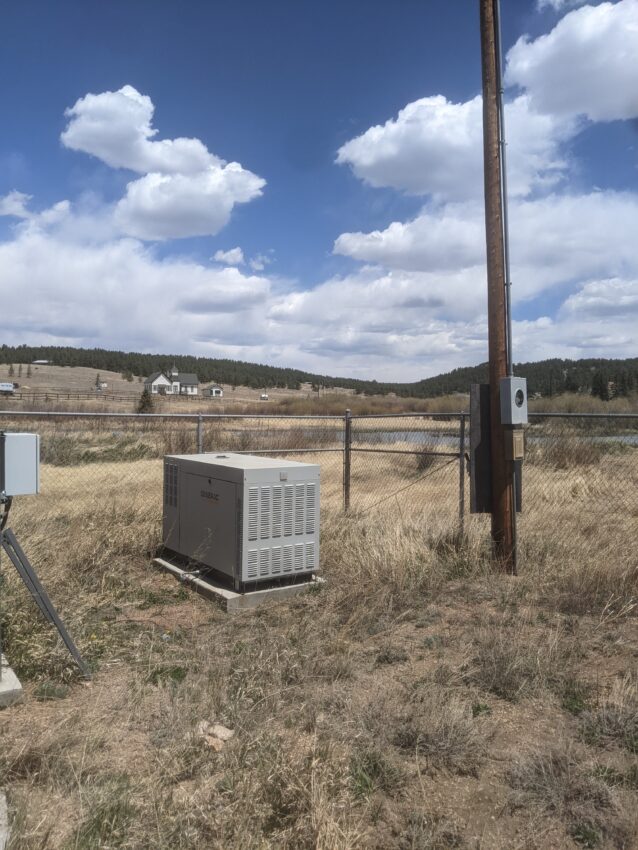
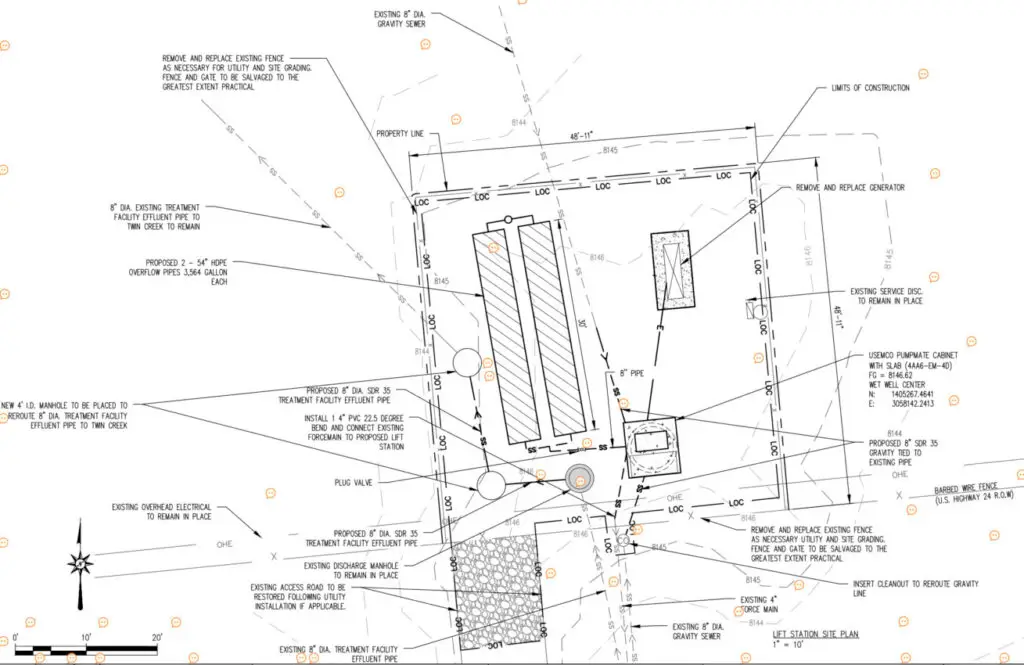
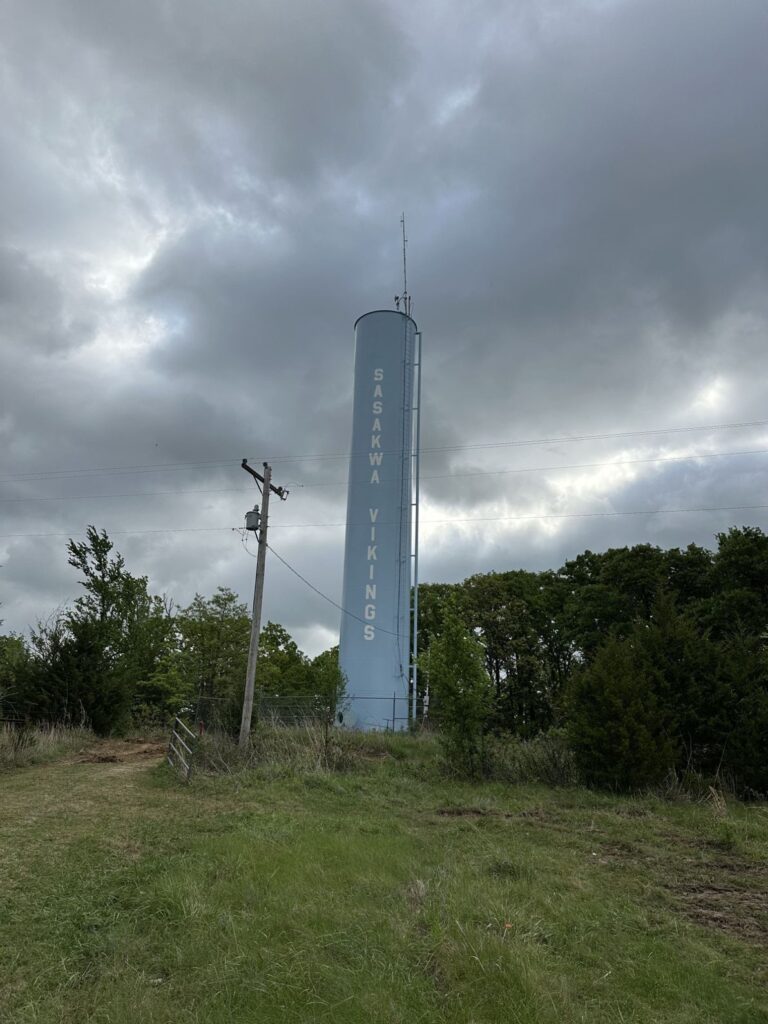
Modern Engineering Solutions delivers water and wastewater engineering across diverse regulatory environments, demonstrating efficient permitting and site-specific design expertise.

Why Choose Modern Engineering Solutions

Why Choose MES

1

Budgets That Hold

Pre-construction reviews identify hardpan conditions, flash flood compliance requirements, and sequencing constraints before contractors commit to prices. Nevada developers working with us don't negotiate change orders for desert subsurface conditions that complete pre-construction coordination should have addressed.

2

Inspections Pass First Time

Critical construction phases get observed before Clark County, Washoe County, and NDEP inspection points. Flash flood drainage failures and dust control violations that trigger stop-work orders get caught during construction rather than at inspection, because field engineers verify compliance before agency staff arrive.

3

Schedules That Survive Desert Heat

Construction sequencing accounts for Nevada's extreme summer heat limitations, flash flood event response obligations, and NDEP inspection requirements. Phase boundaries match what contractors can complete within Nevada's productive construction windows rather than year-round assumptions that ignore desert heat calendar impacts.

4

One Team, Full Accountability

The engineers who designed Nevada civil and utility systems observe their construction and compile acceptance documentation. Contractors get design intent questions answered by the people who made the design decisions rather than construction administrators learning Nevada desert conditions from drawings rather than field experience.

Frequently Asked Questions

Pre-construction and construction oversight for a Las Vegas metro development are most effectively provided by engineers familiar with Clark County’s inspection requirements, flash flood compliance obligations, and the hardpan conditions that distinguish Nevada desert construction from other markets.

Pre-construction services for Las Vegas metro developments typically include:

  • Hardpan condition review confirming geotechnical findings match field conditions before grading begins
  • Clark County Regional Flood Control District compliance planning establishing detention performance verification protocols
  • Dust control compliance planning meeting Clark County requirements before grading begins rather than establishing protocols reactively when violations are cited
  • Pre-construction meeting coordinating Clark County inspection sequencing and utility district acceptance protocols before mobilization

MES provides pre-construction and construction oversight for Nevada land developments where we produced civil and utility design and for developments where another firm produced design documents but the developer needs qualified engineering oversight.

Construction phase services for a Washoe County development cover oversight activities between contractor mobilization and project completion, with Reno/Sparks-specific requirements reflecting Washoe County’s seismic context and Truckee Meadows drainage requirements.

Washoe County-specific construction phase services include:

  • NDEP stormwater compliance oversight for the Reno area’s combined desert storm and mountain snowmelt runoff conditions that differ from Las Vegas Valley flash flood patterns
  • Seismic design compliance observation for grading and utility installation where Washoe County’s active fault proximity creates design requirements beyond Las Vegas metro standard practice
  • Truckee Meadows flood control compliance verification confirming drainage installation meets Washoe County requirements that differ from Clark County standards

MES structures Washoe County construction phase services around Reno/Sparks-specific requirements rather than applying Las Vegas metro protocols that don’t match what Washoe County inspectors enforce.

Startup and commissioning covers engineering activities required to bring water and wastewater systems from construction completion to NDEP and local utility acceptance in Nevada’s desert environment.

For water distribution systems, startup involves pressure testing coordinated during cooler morning hours when Nevada’s extreme temperatures affect test results, disinfection meeting NDEP drinking water requirements, and bacteriological sampling demonstrating absence of total coliform before service connections activate.

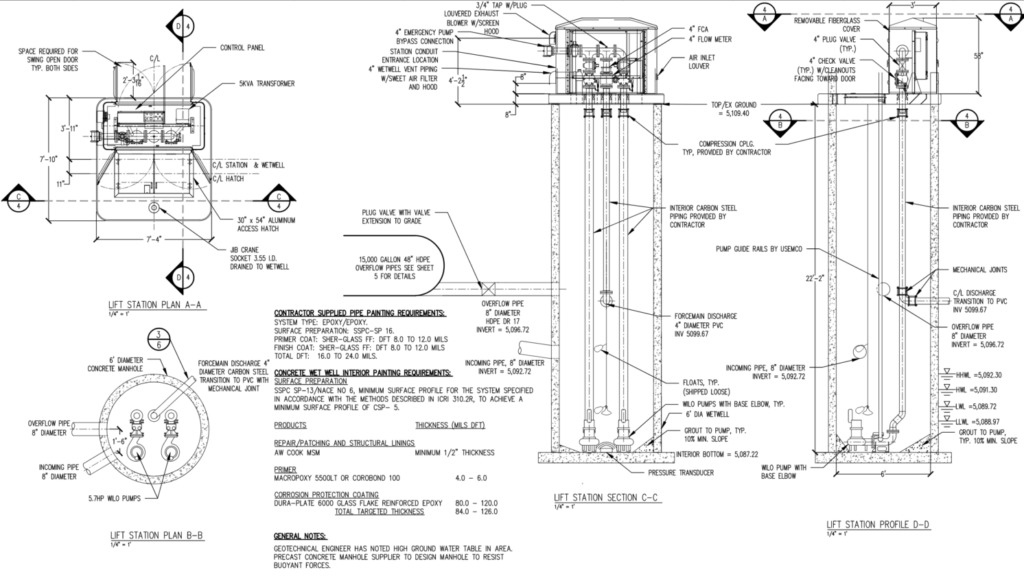
For wastewater collection systems, startup involves mandrel testing or video inspection of gravity sewer mains, air testing verifying watertightness, and lift station performance testing before utility acceptance.

MES coordinates startup milestones with Nevada contractors accounting for desert temperature windows and aligns testing with lot release schedules so acceptance documentation is complete before certificates of occupancy are needed.

Nevada-specific construction delay sources include:

  • Hardpan harder than geotechnical borings predicted that reduces grading production rates below schedule assumptions, consuming productive construction days before change orders are negotiated
  • Dust control stop-work orders from Clark County or Washoe County for contractors from other states who don’t price Nevada desert compliance requirements into bids
  • Flash flood event responses that require immediate detention drainage system inspection and documentation before grading resumes
  • Extreme summer heat that reduces productive construction hours to early morning periods, extending construction durations that year-round schedule assumptions don’t capture

MES addresses Nevada-specific delay sources through pre-construction coordination that establishes hardpan contingency protocols, dust control compliance systems, and flash flood response procedures before contractors mobilize.

Nevada’s extreme summer heat creates construction administration considerations that most other states don’t require, particularly in the Las Vegas metro where temperatures exceed 115°F.

Heat-related construction administration obligations include:

  • Pressure testing coordination during cooler morning hours when thermal expansion affects test results differently than moderate climate testing protocols assume
  • Concrete placement scheduling during early morning hours to avoid heat-related curing problems that afternoon pours create in Nevada summer conditions
  • Contractor productivity monitoring during heat events when OSHA heat illness prevention requirements reduce crew size and working hours below schedule assumptions

MES structures Nevada construction administration around seasonal heat constraints so testing, inspection, and production assumptions reflect actual desert construction conditions rather than moderate climate standards that consistently overestimate Nevada summer productivity.

NDEP requires specific inspection and testing milestones for water and wastewater systems before they can be placed in service in Nevada.

For water distribution systems, required milestones include pressure testing at 150 PSI for two hours with no measurable pressure drop, disinfection meeting NDEP chlorination standards, and bacteriological sampling demonstrating absence of total coliform.

For wastewater collection systems, NDEP requires mandrel testing or video inspection of gravity sewer mains, air testing verifying watertightness, and lift station performance testing before district acceptance.

Nevada local utility districts add their own inspection requirements beyond NDEP minimums. MES coordinates NDEP and district inspections simultaneously so they occur when construction is ready rather than becoming bottlenecks that idle Nevada crews during productive temperature windows.

Nevada development project closeout typically runs 4-8 weeks when documentation is assembled during construction and 3-5 months when assembled after construction finishes.

Nevada closeout documentation includes civil grading as-builts, NDEP stormwater permit Notice of Termination with site stabilization documentation, water and wastewater system acceptance packages, and local agency grading permit closeout with engineer certification.

MES compiles Nevada closeout documentation progressively during construction so acceptance packages are ready immediately after construction milestones complete rather than creating a backlog that delays final plat recording.

Nevada-specific change order prevention requires addressing desert conditions before contractors mobilize:

  • Hardpan investigation at representative locations across the site so grading bids reflect actual subsurface conditions rather than conservative estimates for unknown hardpan depths
  • Dust control scope definition clearly established in contractor documents so Nevada compliance costs are priced into original bids rather than claimed as additional compensation
  • Flash flood response protocols established before bidding so contractors price storm compliance obligations into bids rather than treating response costs as extras
  • Coordinated civil and utility design so hardpan removal quantities account for both grading and utility trench requirements in a single integrated scope

MES combines these prevention practices with coordinated civil and utility design on Nevada projects, reducing change order exposure from both universal and desert-specific causes.

Compared to Arizona, Nevada shares desert hardpan and extreme heat construction challenges but applies different flood control district requirements. Clark County Regional Flood Control District criteria differ from Maricopa County standards, and Nevada lacks Arizona’s monsoon season dust control enforcement intensity while sharing similar summer heat productivity limitations.

Compared to California, Nevada lacks CEQA mitigation monitoring requirements that add biological monitor coordination and lead agency compliance reporting to California construction administration. Nevada’s permitting environment moves faster, but Nevada’s flash flood compliance and extreme heat conditions create field management obligations that California coastal and Central Valley developments don’t produce.

MES applies Nevada-specific hardpan protocols, flash flood compliance systems, and NDEP requirements rather than approaches from Arizona or California.

Nevada development project closeout runs 4-8 weeks when documentation is assembled during construction and 3-5 months when assembled after construction finishes.

Nevada closeout documentation includes:

  • Civil grading as-builts showing finished grades, detention basin dimensions, and drainage outfall conditions as constructed
  • NDEP stormwater permit Notice of Termination with site stabilization documentation confirming the site meets final stabilization requirements
  • Water and wastewater system acceptance packages including pressure test records, bacteriological results, and as-built drawings
  • Local agency grading permit closeout with final inspection and engineer certification

MES compiles Nevada closeout documentation progressively during construction so acceptance packages are ready immediately after construction milestones complete rather than creating a backlog that delays final plat recording.

Pre-construction services for a Nevada land development cover activities between permit issuance and contractor mobilization that prevent the field problems desert construction conditions make significantly more expensive than in other markets.

Pre-construction services for Nevada developments include:

  • Constructability review identifying hardpan conditions, flash flood drainage compliance requirements, and utility conflicts specific to the project location in Clark County, Washoe County, or Carson City
  • Dust control compliance planning establishing best management practices and inspection protocols that meet Clark County or Washoe County requirements before grading begins
  • Flash flood response protocol development establishing site inspection, documentation, and corrective action procedures before Nevada’s monsoon-adjacent storm season arrives
  • Pre-bid site walk addressing Nevada-specific conditions including hardpan depth variability, drainage basin geometry, and utility corridor constraints that affect contractor pricing
  • Pre-construction meeting coordinating contractor, local agency inspection sequencing, and utility district acceptance protocols before mobilization

MES conducts pre-construction services specifically to eliminate the field problems and compliance failures that result from Nevada contractors mobilizing without complete information about desert site conditions and regulatory compliance obligations.

As-built documentation for a Nevada land development satisfies requirements from NDEP, local agencies, and utility districts before public improvements can be accepted.

Required as-built documentation for Nevada land developments includes:

  • Civil grading as-builts showing finished grades, detention basin as-built dimensions, and drainage outfall conditions as constructed
  • Water distribution as-builts showing main alignments, valve and hydrant locations, and service connections as installed
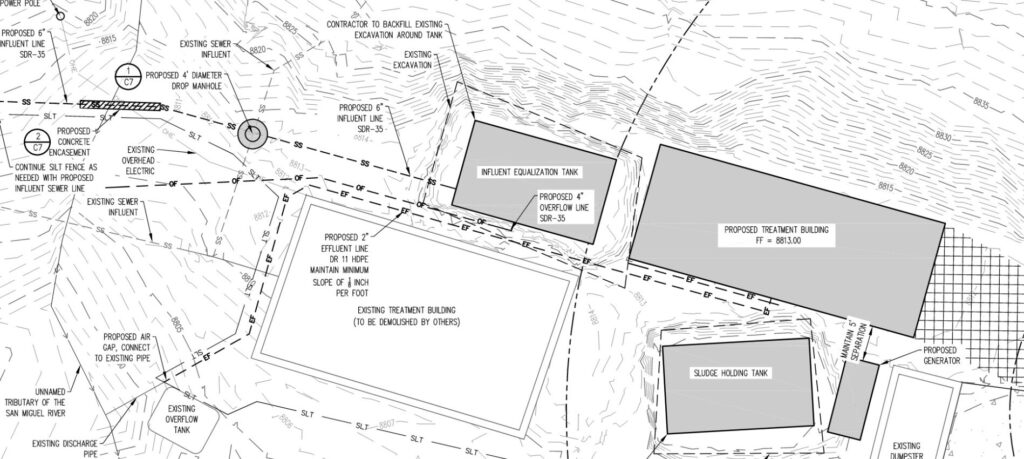
  • Wastewater collection as-builts showing gravity main alignments, manhole locations, and lift station equipment as installed
  • Pressure test records, bacteriological sample results, and pipe inspection results for NDEP and utility acceptance
  • NDEP stormwater closeout documentation confirming final site stabilization

MES compiles Nevada as-built documentation progressively during construction rather than assembling it from contractor records after the project finishes, producing more accurate as-builts and preventing the documentation backlog that delays final plat recording in Nevada’s active selling communities.

Talk to an Engineer

Nevada construction administration coordinates contractors, inspectors, and multiple agencies through weather extremes and geology challenges. We’ll review your project status and outline engineering support in a 15-minute call.