Modern Engineering Solutions

Civil Engineering From Concept Through Construction

Nevada civil engineering means site designs surviving seismic events in western Nevada, grading plans accounting for volcanic rock throughout Reno-Sparks and caliche in southern valleys, and stormwater systems handling intense summer cloudbursts despite 7-inch annual rainfall. From Las Vegas Valley explosive growth to Tahoe Basin strict environmental controls, our site packages work in Nevada’s desert geology, temperature extremes, and multi-jurisdictional framework.

Engineering Built for Outcomes, Not Overhead

Developers reach out when grading costs explode from volcanic rock excavation, stormwater systems fail during summer cloudbursts, or Tahoe Regional Planning Agency environmental requirements seem impossible to satisfy economically.

Value Over
Hours

Mass grading encountering basalt bedrock requiring rock equipment, excavation costs tripling original estimates, or contractors claiming unforeseen conditions when volcanic geology appears throughout Reno-Sparks developments.

Speed as a Design Constraint 

Tahoe Basin projects denied for exceeding land coverage limits, grading restrictions preventing development plans, or Best Management Practices requirements adding unexpected costs to environmental compliance.

Deep Work, Not Meeting Culture

Western Nevada developments needing seismic design for earthquake activity, liquefaction potential in valley soils, or structural requirements exceeding standard construction costs in active fault zones.

AI as Leverage, Not a Shortcut

Stormwater systems overwhelmed by summer monsoon cloudbursts, detention ponds inadequate for intense rainfall despite low annual precipitation, or erosion destroying sites during brief storms.

What We Do

Modern Engineering Solutions delivers civil engineering for Nevada land development including concept planning, environmental permitting, stormwater design, and construction oversight statewide.
Site concept planning in Nevada starts with geotechnical investigations identifying volcanic rock depth in Reno-Sparks area or caliche in southern valleys because excavation costs vary dramatically between soil and rock removal. Seismic activity in western Nevada demands evaluation for liquefaction potential and fault proximity.

Tahoe Basin development faces strict TRPA regulations limiting land coverage, requiring stormwater Best Management Practices, and protecting lake clarity through construction controls. Las Vegas Valley growth encounters federal land boundaries because BLM manages vast acreage surrounding private parcels. Water rights verification confirms adequate supply exists because State Engineer controls allocation in over-appropriated basins.

Steep terrain in mountain areas limits developable land and creates drainage challenges. Environmental constraints include desert tortoise habitat in southern Nevada and sensitive species throughout. Early identification of these Nevada-specific challenges with cost estimates helps feasibility models reflect desert development reality rather than temperate climate assumptions.
Nevada development permitting coordinates counties controlling most land use, municipalities for annexations where applicable, TRPA in Tahoe Basin imposing nation’s strictest environmental standards, and federal agencies when projects involve BLM or Forest Service lands. Washoe County reviews Reno-Sparks area development.

Clark County governs Las Vegas Valley growth. TRPA jurisdiction covers entire Tahoe Basin including California portions creating unique bi-state regulatory framework. Projects on former BLM land face federal archaeological surveys and environmental assessments. Floodplain development requires county coordination though Nevada’s desert climate creates different patterns than humid regions. Water rights documentation from State Engineer proves critical because supply availability controls development density.

Some areas involve homeowner association design review. Successful permitting requires understanding jurisdictional boundaries because TRPA, county, and federal oversight often overlap creating coordination complexity developers underestimate during initial planning causing unexpected delays.
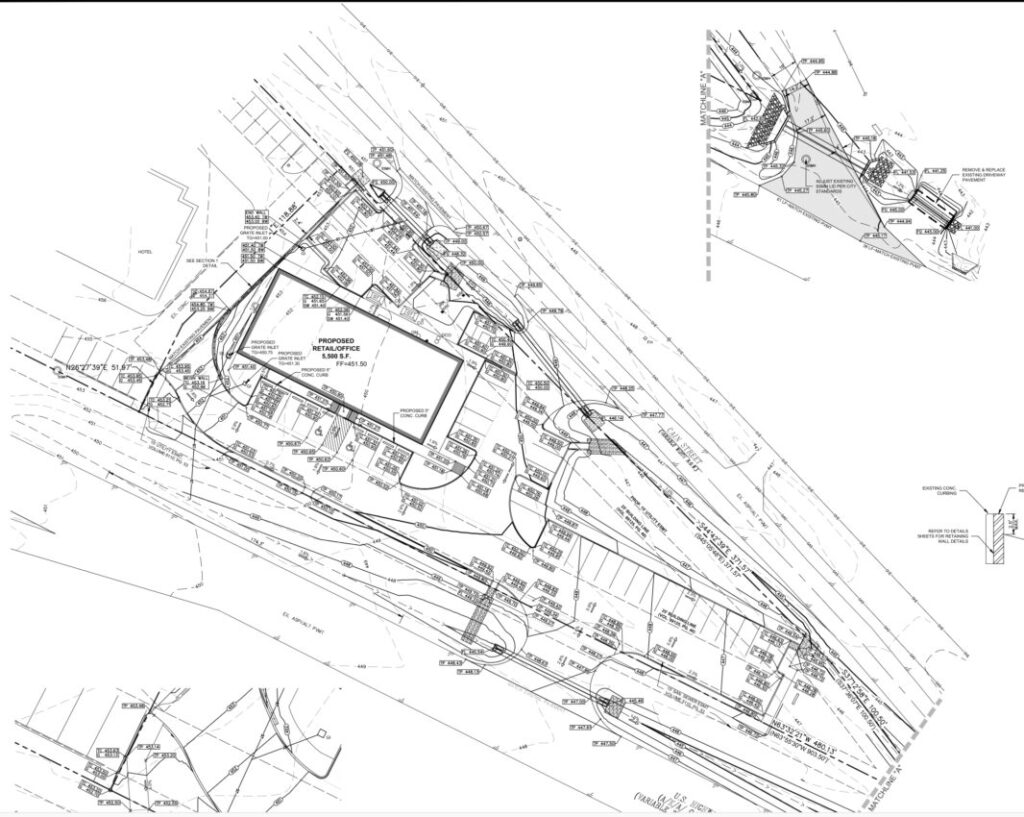
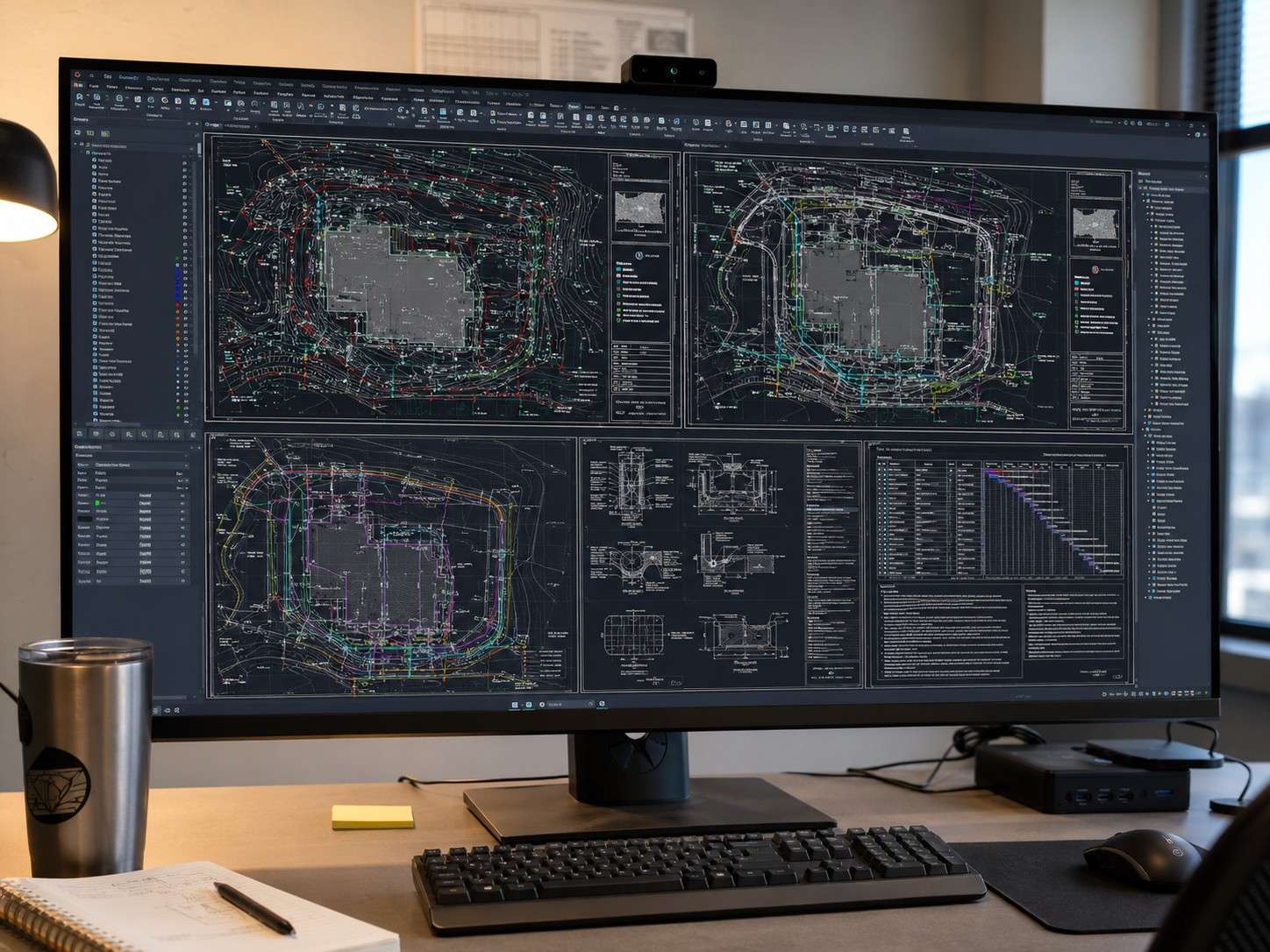
Plans for Nevada civil construction specify seismic design for structures and utilities in western earthquake zones, excavation distinguishing soil and volcanic rock removal, and materials resisting temperature extremes and UV degradation. Grading plans show basalt excavation limits in Reno area based on boring data because rock costs exceed soil by 300%. Stormwater designs account for intense summer cloudbursts despite annual rainfall of only 7-9 inches creating flash flood conditions.

Erosion control addresses sparse desert vegetation providing minimal ground cover requiring longer stabilization periods. Pavement specifications use materials resistant to thermal cycling from daily temperature swings exceeding 40 degrees. Utility trenching shows rock excavation requirements. Tahoe Basin plans include extensive Best Management Practices preventing sediment reaching lake during construction. Seismic details show flexible joints for pipelines crossing fault zones. Plans address Nevada’s unique combination of desert conditions and earthquake activity.
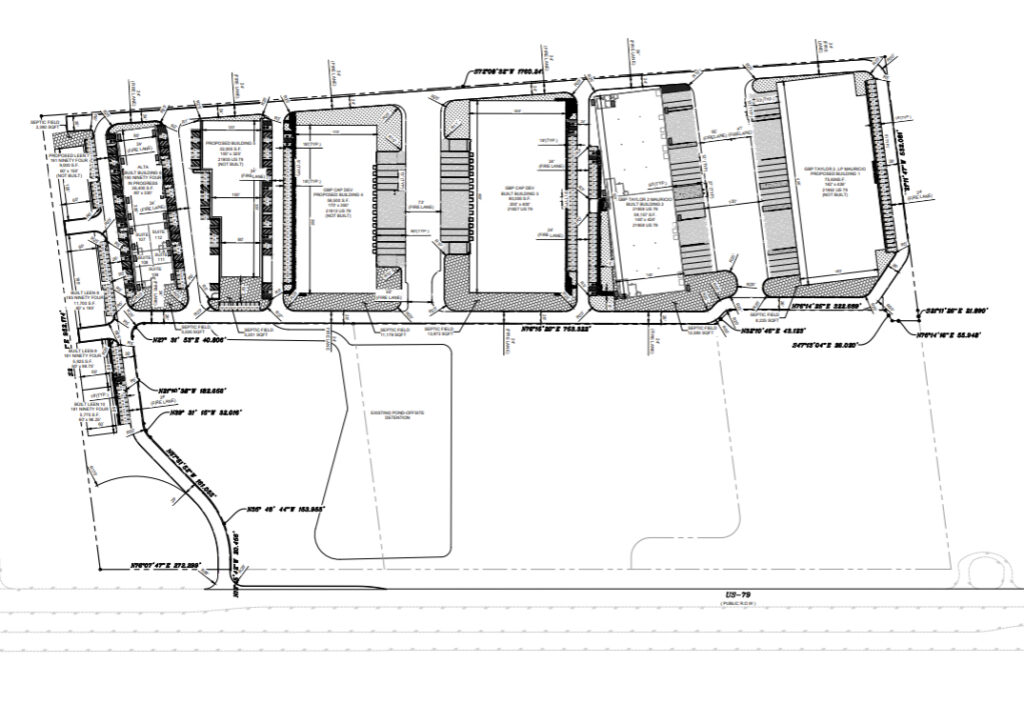
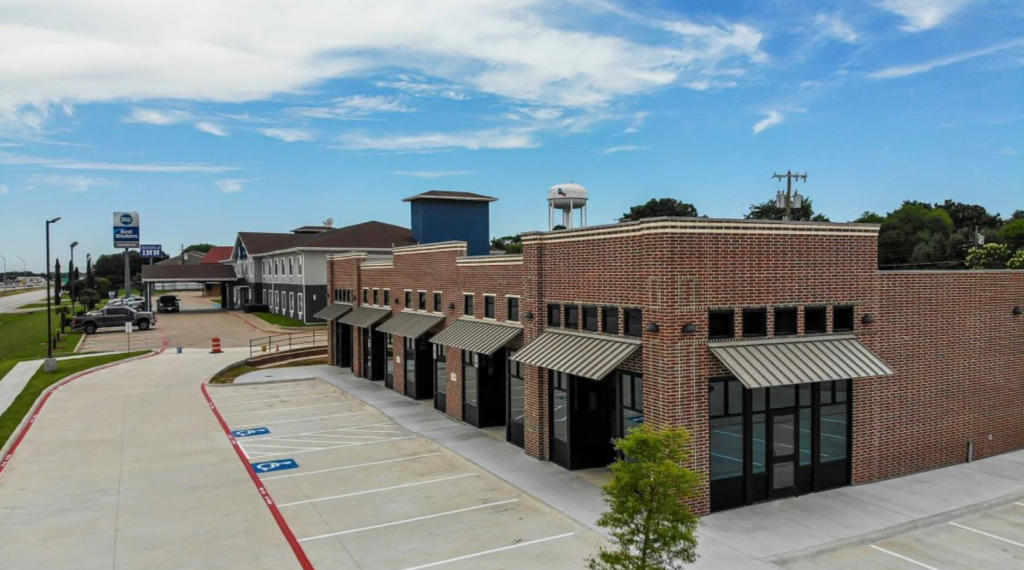
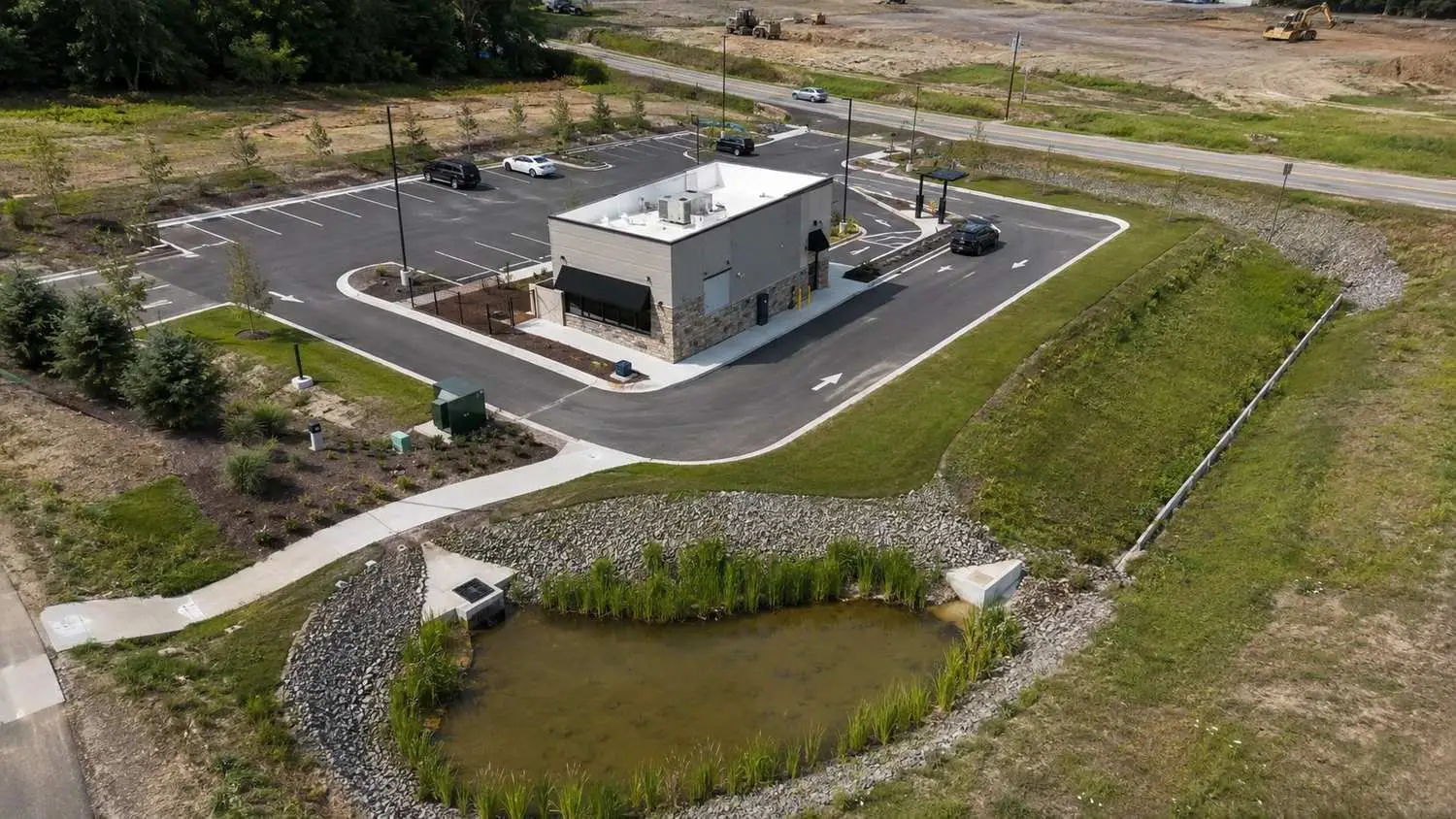
Small commercial sites in Nevada require civil engineering fitting uses onto parcels while addressing seismic requirements, volcanic rock excavation in northern areas, and desert landscaping adapted to water scarcity. Drive-through circulation manages queuing meeting franchise standards. Parking layouts maximize spaces within limited areas. Stormwater management fits detention into compact sites despite intense cloudburst requirements.

Tahoe-area projects face strict land coverage limits and extensive stormwater Best Management Practices consuming site area. Las Vegas developments need water-efficient landscape designs because SNWA restricts turf grass. Utility services coordinate across providers. Grease interceptors and trash enclosures locate for hauler access.

Rock excavation costs get evaluated during site selection because basalt throughout Reno area makes some parcels uneconomical. Efficient design maximizes building area and parking while satisfying regulatory requirements varying dramatically between jurisdictions from TRPA’s strict standards to rural county minimal oversight.

Our Approach

Geotechnical borings identify rock depth early, stormwater designs account for cloudburst intensity not annual averages, and TRPA coordination begins during planning when alternatives exist for Tahoe Basin projects.

Early Rock Investigation

Boring logs during due diligence show volcanic rock or caliche depth. Grading cost estimates distinguish soil and rock excavation. You understand costs before closing when walking away remains feasible if geology makes development uneconomical.

Seismic Design Integration

Earthquake activity evaluation during planning identifies liquefaction zones and fault proximity. Structural and utility designs include seismic provisions from start. You understand seismic costs upfront, not discovering requirements through plan review comments.

Early TRPA Coordination

Tahoe Basin projects get TRPA requirements clarified during concept phase identifying land coverage limits and BMP costs. Early coordination prevents discovering restrictions through permit denial forcing redesign when alternatives become limited and expensive.

Cloudburst Drainage Design

Detention sizing accounts for intense summer monsoon rainfall despite low annual precipitation. Systems handle 2-3 inch hourly cloudbursts. Drainage reflects storm intensity, not annual averages misleading standard calculations for Nevada desert conditions.

Projects

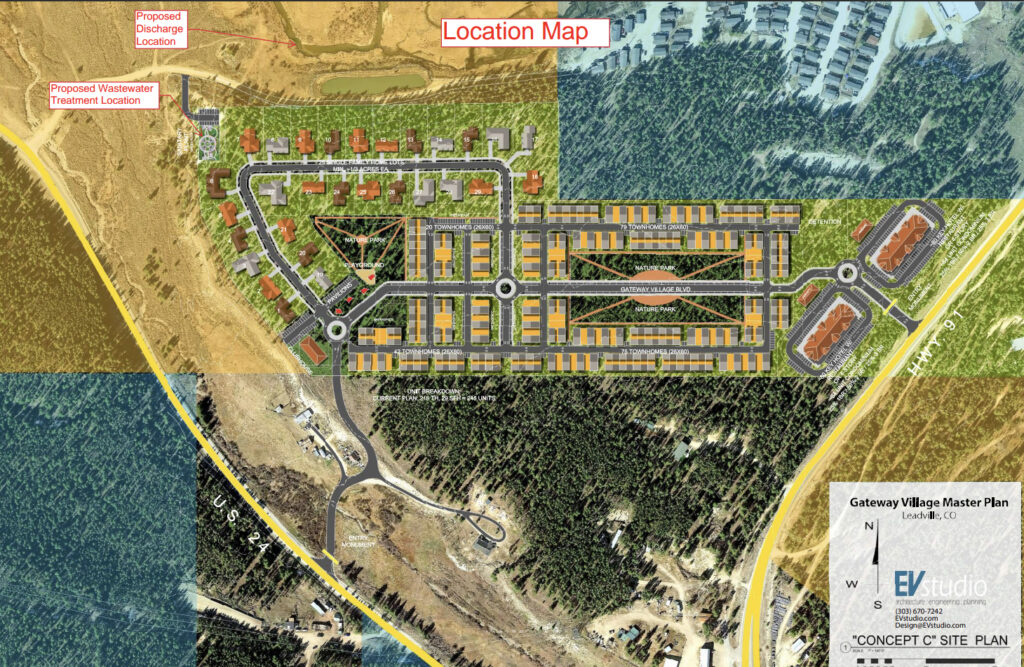
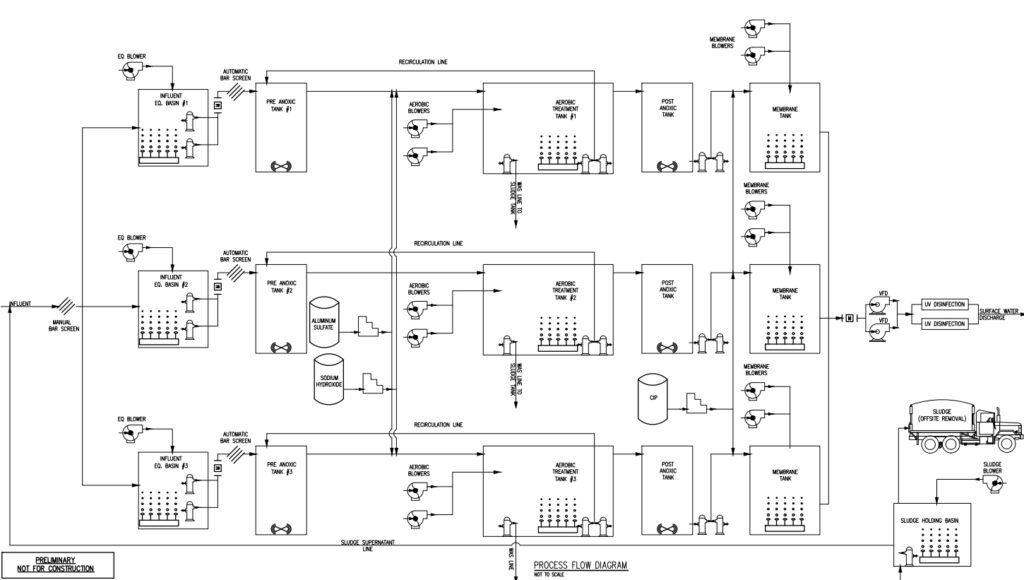
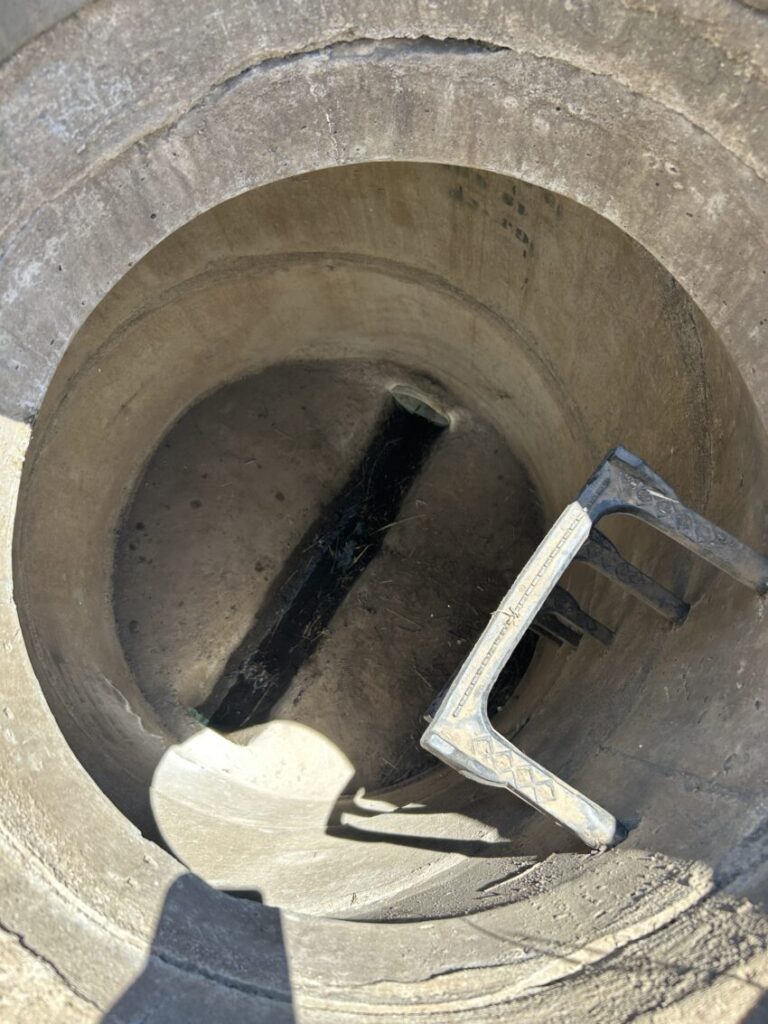
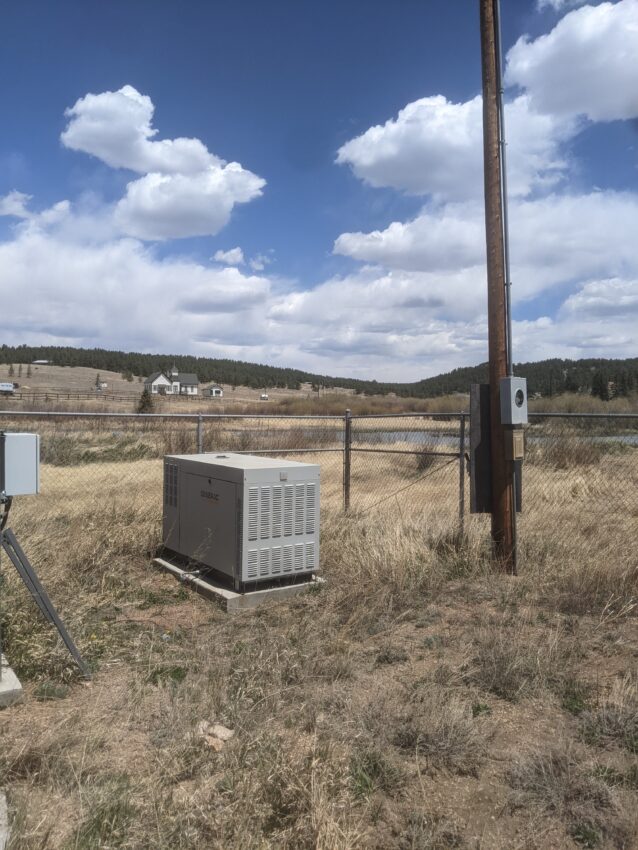
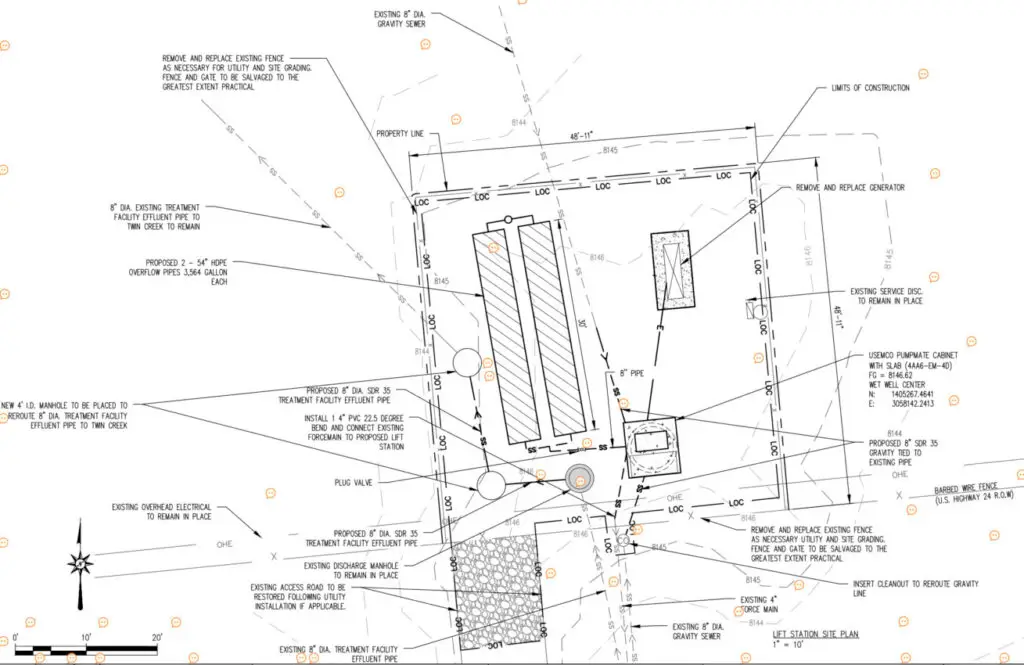
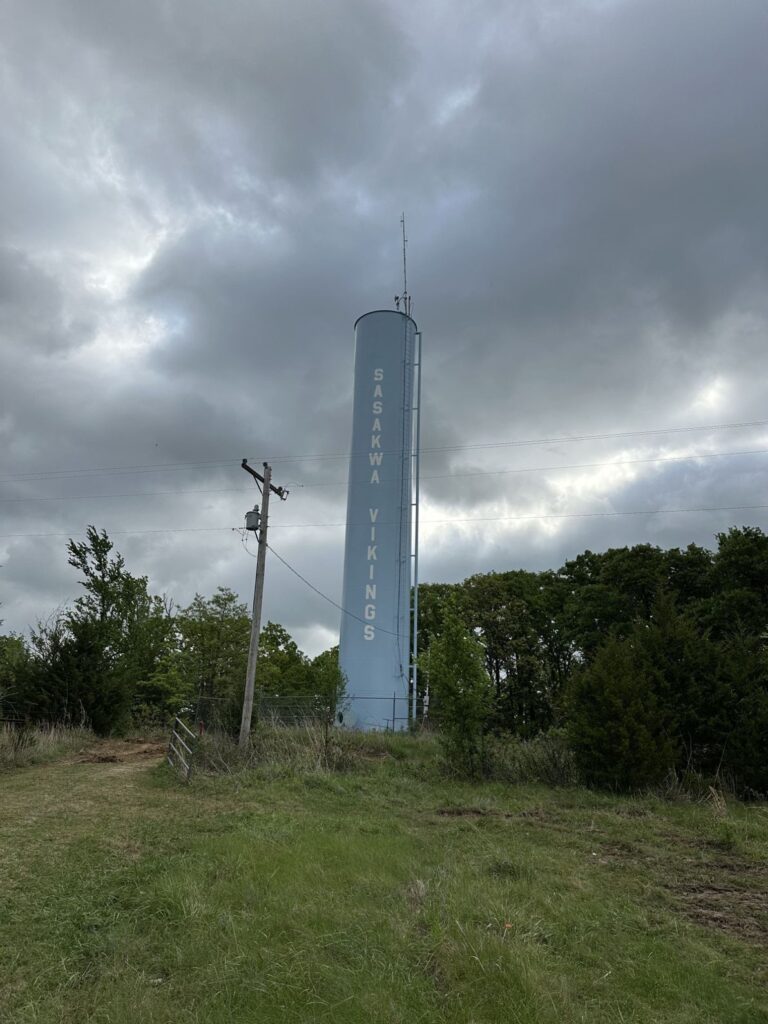
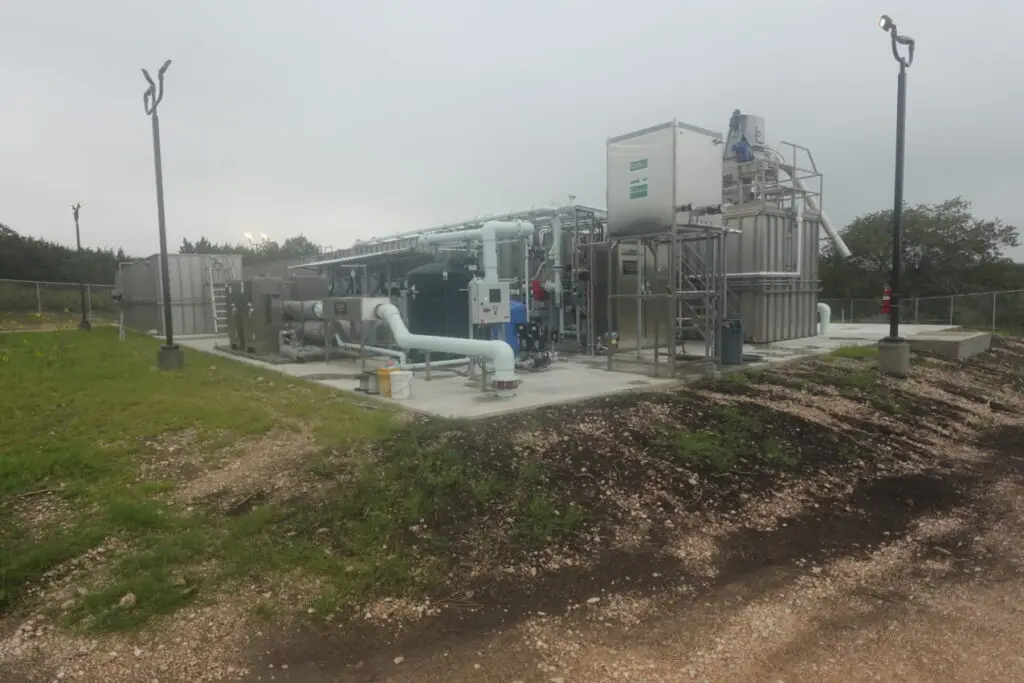
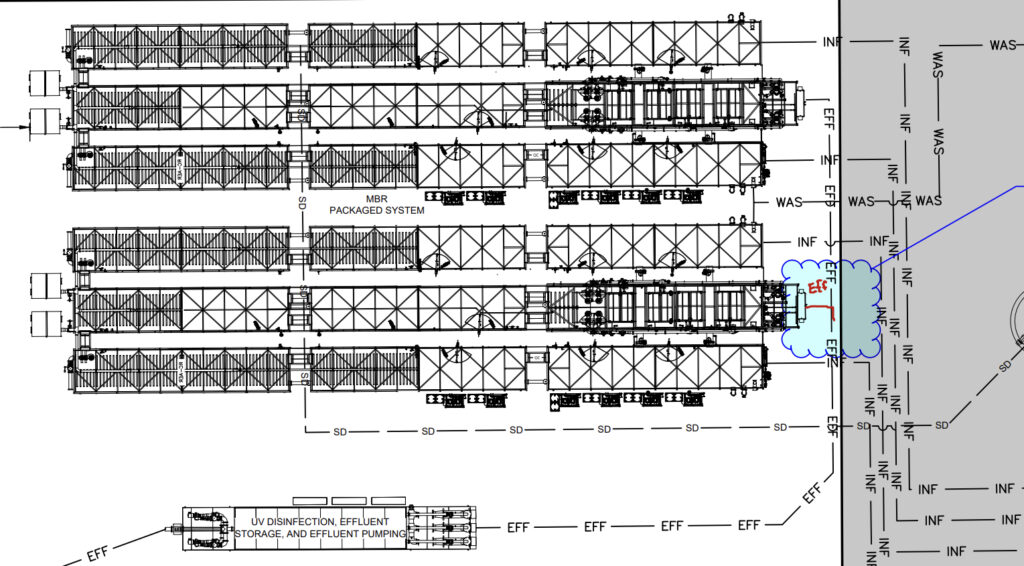
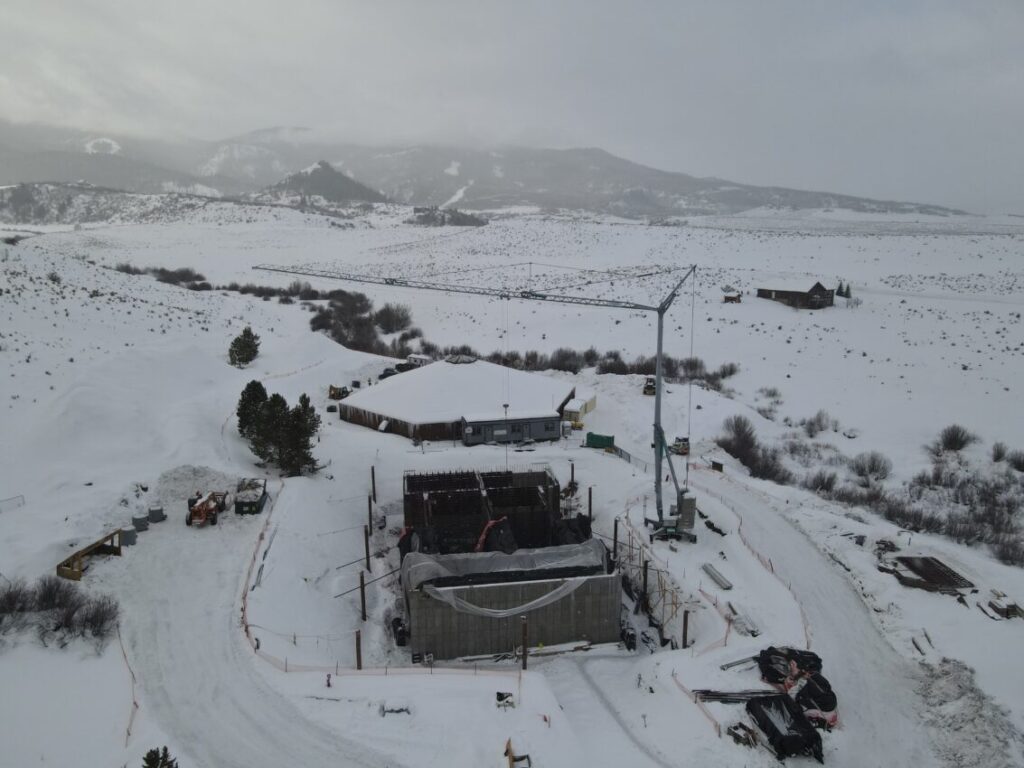
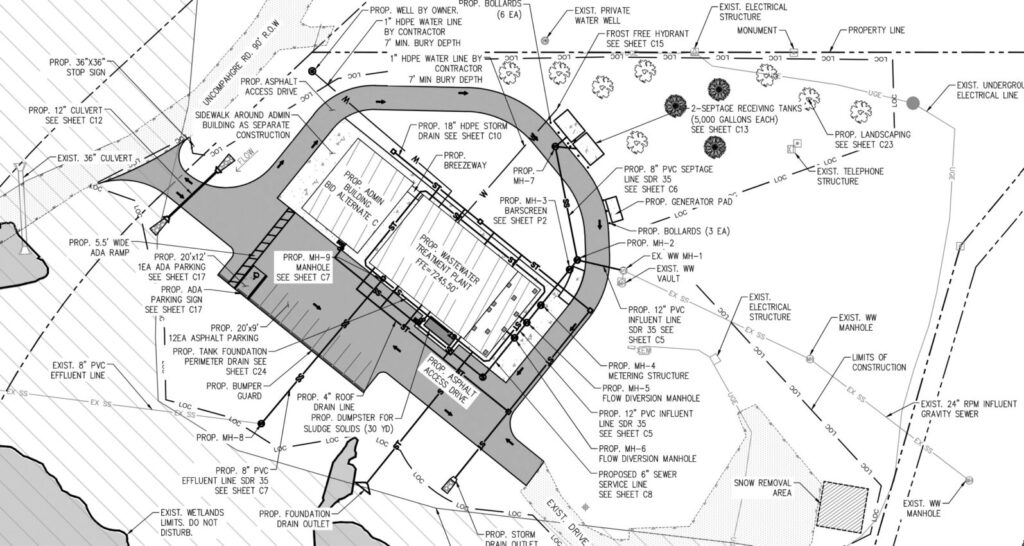
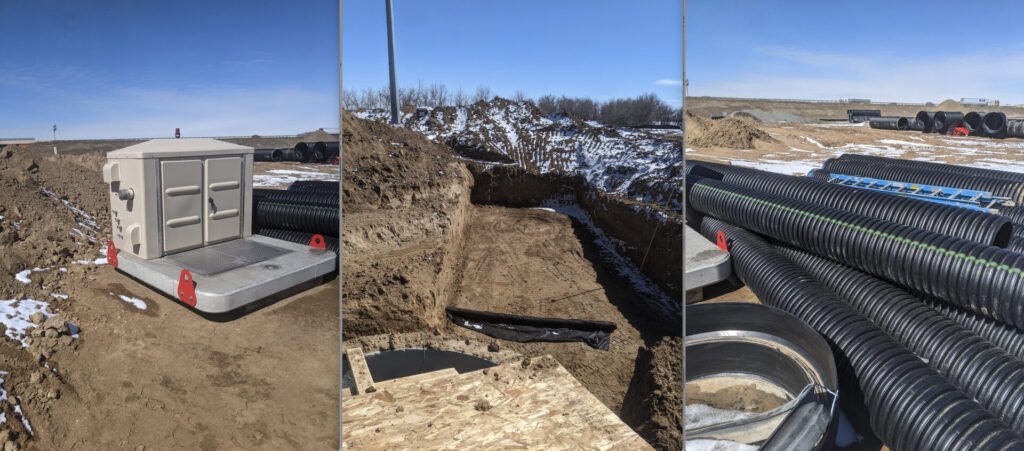
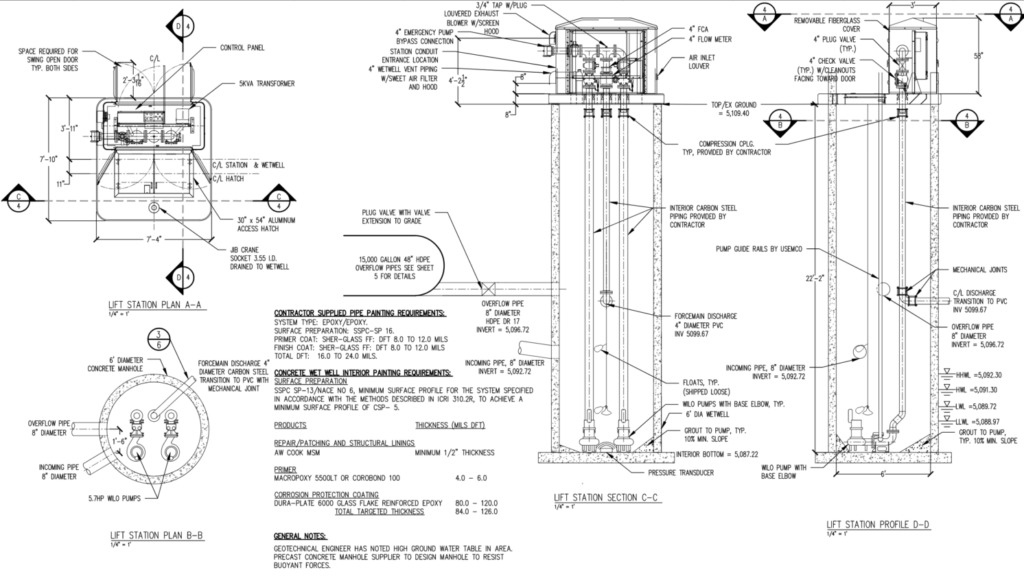
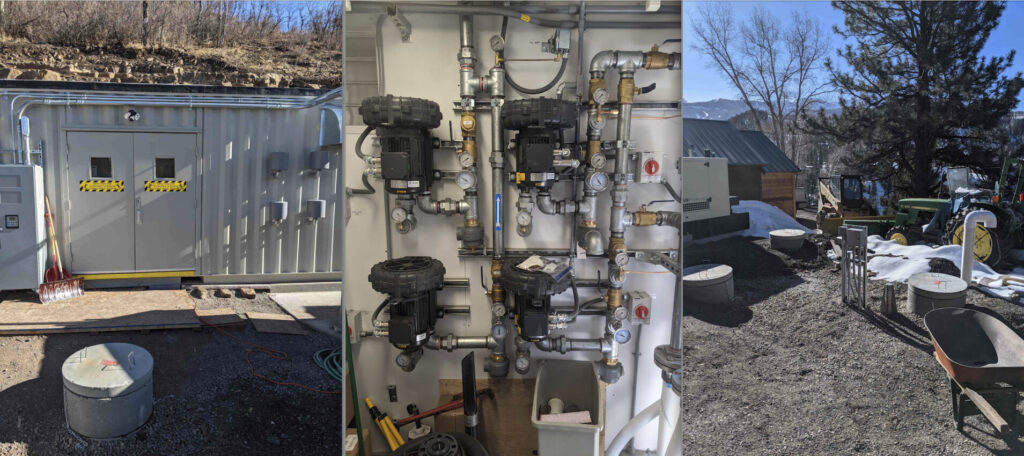
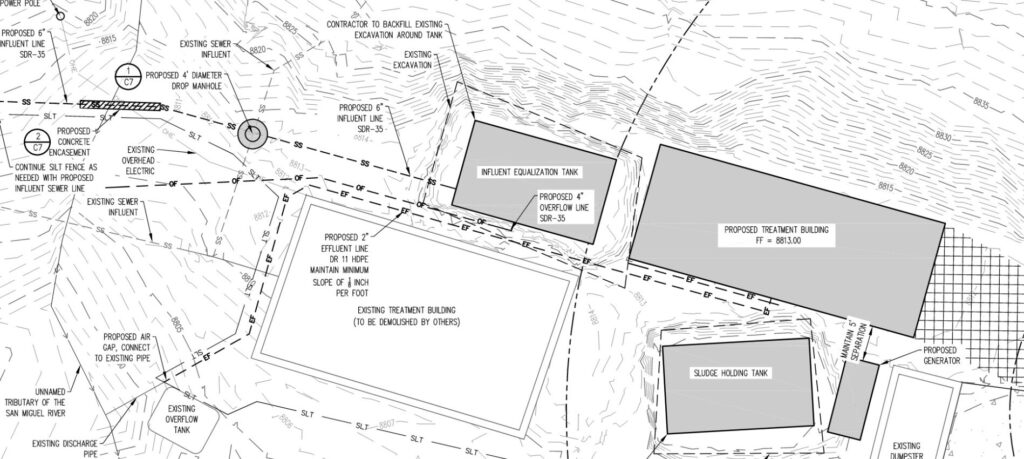
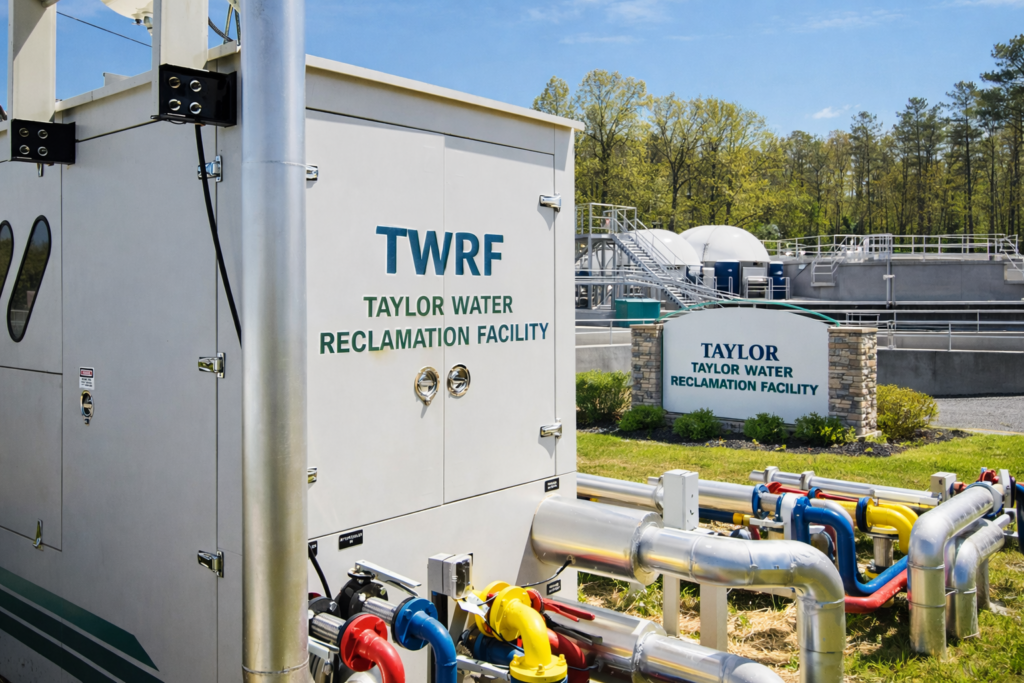
Modern Engineering Solutions delivers water and wastewater engineering across diverse regulatory environments, demonstrating efficient permitting and site-specific design expertise.

Why Choose Modern Engineering Solutions

Why Choose MES

1

Volcanic Rock Budgeting

Grading budgets distinguish soil and rock using boring data. Estimates include realistic basalt excavation pricing. Contractors bid competitively because plans show rock conditions, not discovering them during mass grading when change orders escalate.

2

Seismic Design Expertise

Site improvements designed for western Nevada earthquake activity. Structures and utilities include seismic provisions. Your infrastructure survives ground shaking, not requiring reconstruction after seismic events damaging developments designed to minimum non-seismic standards.

3

TRPA Navigation Experience

Tahoe Basin projects designed meeting land coverage limits and BMP requirements from start. We understand TRPA's unique regulatory framework. Your projects gain approval without extensive redesign from environmental deficiencies discovered late.

4

Nevada PE Leadership

Licensed Nevada engineers manage civil projects from concept through construction closeout. You work with professionals experienced in volcanic rock excavation, seismic design, and TRPA coordination from actual Nevada developments.

Talk to an Engineer

Nevada civil projects face volcanic rock challenges, seismic design requirements, and TRPA environmental standards. We’ll review your site specifics and outline design considerations in a 15-minute call.