Modern Engineering Solutions

Construction Administration From Pre-Construction Through Closeout

Nevada construction administration means field observations during summer cloudbursts and winter freezes at elevation, managing contractor RFIs about volcanic rock depth exceeding boring predictions, and coordinating inspections across TRPA, counties, and federal agencies with conflicting requirements. From Las Vegas Valley rapid development to Tahoe Basin environmental scrutiny, our oversight keeps construction moving through Nevada’s weather extremes, geology challenges, and complex jurisdictional coordination.

Engineering Built for Outcomes, Not Overhead

Developers reach out when contractor RFIs pile up unanswered, volcanic rock change orders threaten budgets, or coordinating TRPA inspections with county approvals creates impossible scheduling conflicts.

Value Over
Hours

Contractors encountering basalt deeper than geotechnical reports predicted, rock excavation costs doubling estimates, or engineering evaluation needed determining whether conditions justify additional payment.

Speed as a Design Constraint 

Tahoe Basin construction rejected for BMP installation deficiencies, sediment escaping sites during storms, or TRPA stop-work orders halting projects threatening seasonal construction windows.

Deep Work, Not Meeting Culture

County inspectors rejecting seismic details, contractors questioning earthquake-resistant construction requirements, or structural provisions exceeding standard practices requiring engineering justification and approval.

AI as Leverage, Not a Shortcut

Summer cloudbursts flooding sites and destroying erosion control, winter snow at Tahoe elevation stopping work for months, or temperature extremes affecting material placement quality.

What We Do

Modern Engineering Solutions delivers construction administration for Nevada land development from pre-construction coordination through TRPA closeout, county acceptance, and utility provider approvals statewide.
Coordination before Nevada construction begins addresses seasonal weather constraints at elevation, volcanic rock excavation methods requiring specialty equipment, and TRPA Best Management Practice installation requirements before any land disturbance in Tahoe Basin. Submittal reviews catch materials inadequate for temperature extremes and UV exposure. Shop drawing reviews verify seismic design details for utilities and structures in western Nevada earthquake zones.

Schedule coordination addresses Tahoe winter snow preventing construction November through April and summer thunderstorm season disrupting desert work. Preconstruction meetings establish volcanic rock excavation protocols because basalt appearance during grading creates immediate budget impacts. TRPA compliance procedures get confirmed because violations trigger stop-work orders and expensive remediation. Rock trenching equipment availability affects schedule in Reno-Sparks area. Early coordination prevents discovering jurisdictional requirements during construction when compliance costs escalate and weather windows close.
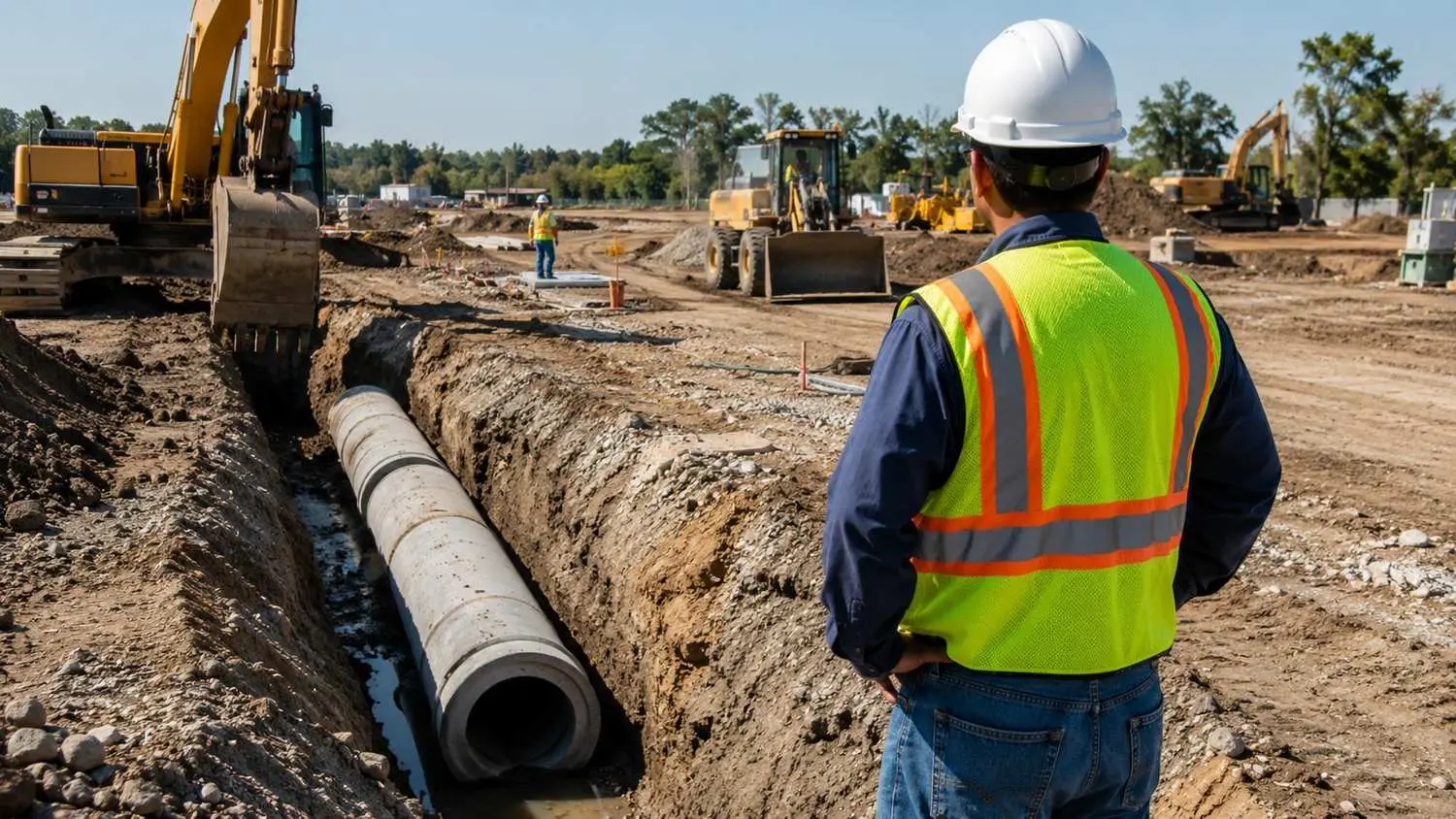
Observations throughout Nevada construction mean documenting progress despite summer cloudbursts in valleys and winter snow at elevation, monitoring volcanic rock excavation quantities and costs, and verifying TRPA Best Management Practice performance in Tahoe Basin. Contractor RFIs receive same-day responses because limited construction seasons make delays especially costly. Change order evaluation determines whether basalt depth genuinely exceeded geotechnical predictions or contractor failed adequate investigation during bidding.

Progress payments verify completed work matches requests. Daily reports document weather impacts, rock excavation quantities, and TRPA inspector comments. Sediment control gets inspected before summer monsoon season because cloudburst intensity overwhelms inadequate installations. Seismic construction details need verification in western Nevada. Regular developer communication prevents surprises about rock costs or weather delays discovered weeks later when schedule recovery options disappear and seasonal construction windows close.
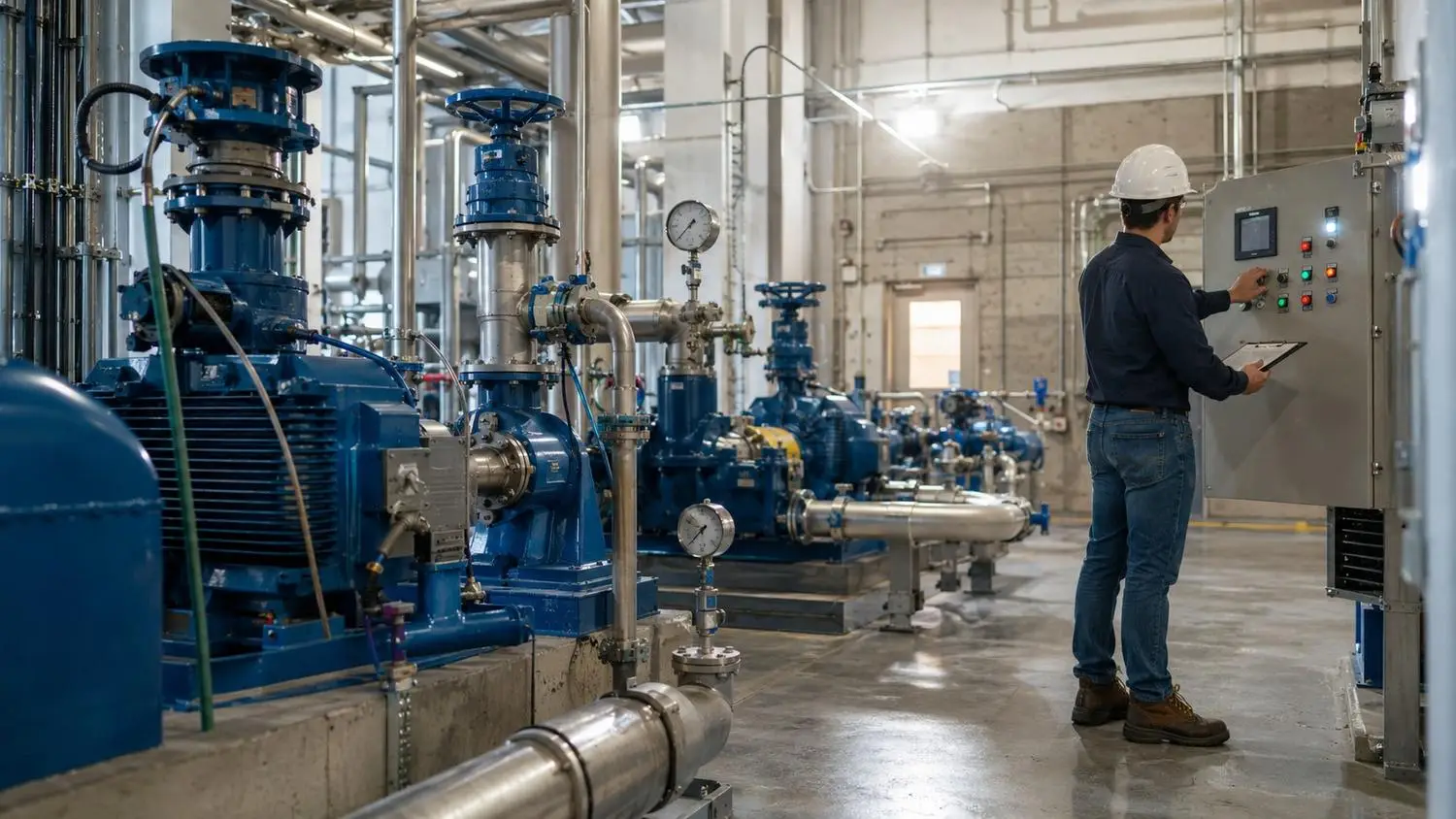
Starting utility systems in Nevada temperature extremes requires verifying equipment operates through Tahoe winter cold and desert valley summer heat. Pump performance testing validates operation accounting for elevation effects at Tahoe’s 6,200-foot altitude. Treatment system commissioning confirms processes work despite seasonal temperature variations. Control programming tests scenarios including extended power outages common in rural areas. NDEP pre-startup inspections coordinate with TRPA compliance verification in Tahoe Basin.

Operations training prepares staff for Nevada-specific challenges including freeze protection at elevation and desert heat impacts. Equipment warranty documentation protects against premature failures from temperature cycling and UV exposure. Simple controls get verified because rural communities lack certified operators for complex automation. Startup during moderate seasons allows system establishment before winter cold or summer heat tests performance under extreme Nevada conditions.
Nevada closeout requires coordinating TRPA final inspections in Tahoe Basin, county engineering approvals, NDEP certifications for utilities, and State Engineer water rights verification with each demanding different documentation formats. Record drawings show as-built volcanic rock excavation depths, seismic construction details, and BMP installations exactly as built. Final inspections require scheduling across agencies with limited availability especially in rural counties.

Closeout packages include operations manuals, warranty documentation, testing certifications, TRPA compliance records, and water rights beneficial use verification. TRPA projects need extensive environmental compliance documentation demonstrating BMP performance. Seismic construction certifications verify earthquake-resistant provisions got installed correctly.

County road acceptance varies between jurisdictions. Incomplete closeout prevents certificate of occupancy blocking sales. Our management ensures documentation reaches all agencies simultaneously preventing sequential delays when one signature blocks entire project completion.

Our Approach

RFIs answered same-day during active construction, field observations scheduled around weather patterns when possible, and closeout documentation compiled during construction not scrambled together when occupancy deadlines approach.

Same-Day RFI Response

Contractor questions answered within hours during active construction preventing crews waiting when seasonal weather already limits productive time. Engineering decisions made promptly maintaining momentum when limited construction windows make delays extremely costly.

Rock Cost Evaluation

Change orders evaluated determining whether volcanic rock genuinely exceeded boring predictions or contractor inadequately investigated during bidding. Technical analysis protects budgets from unjustified claims while maintaining fair relationships with contractors completing work.

TRPA Compliance Vigilance

Best Management Practice installation and performance monitored continuously in Tahoe Basin preventing violations triggering stop-work orders. Sediment control verified before storms. Compliance documentation maintained throughout construction preventing closeout delays from missing records.

Multi-Agency Coordination

Inspections coordinated simultaneously across TRPA, counties, NDEP, and State Engineer preventing sequential dependencies extending timelines. Documentation prepared meeting each agency’s specific formats. Final approvals obtained together preventing one delayed signature blocking occupancy.

Projects

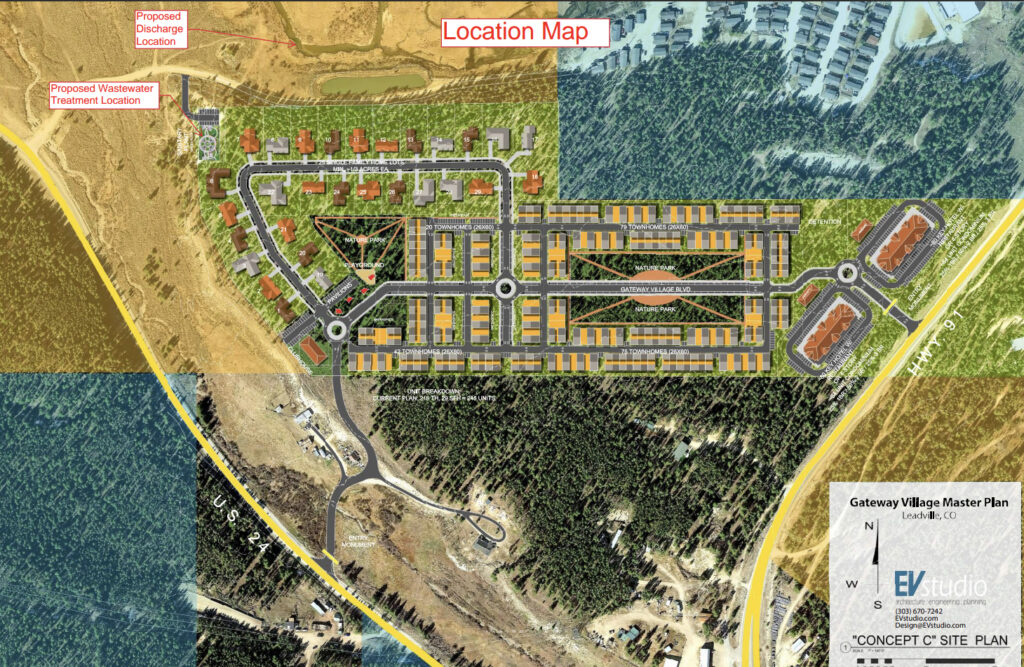
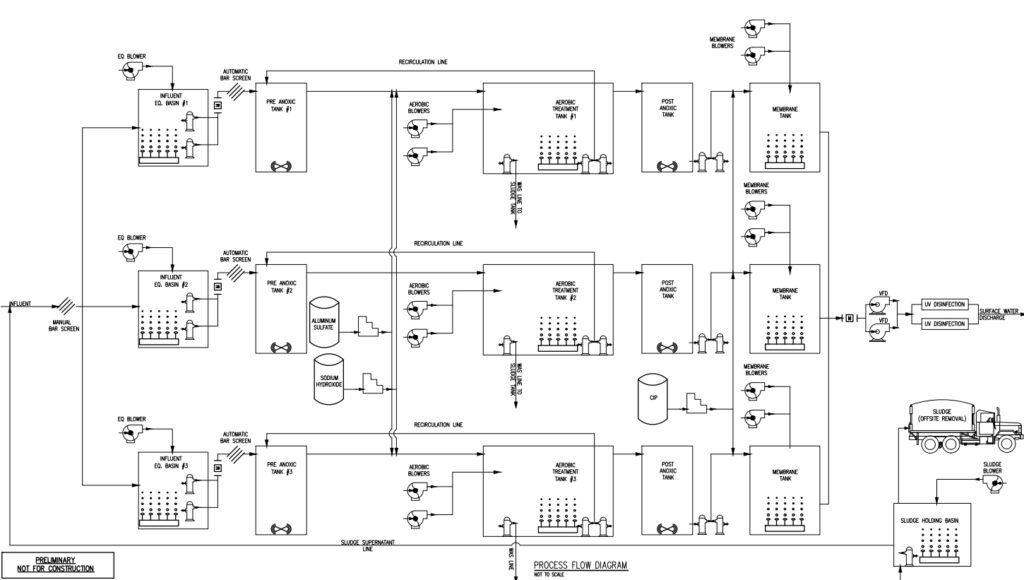
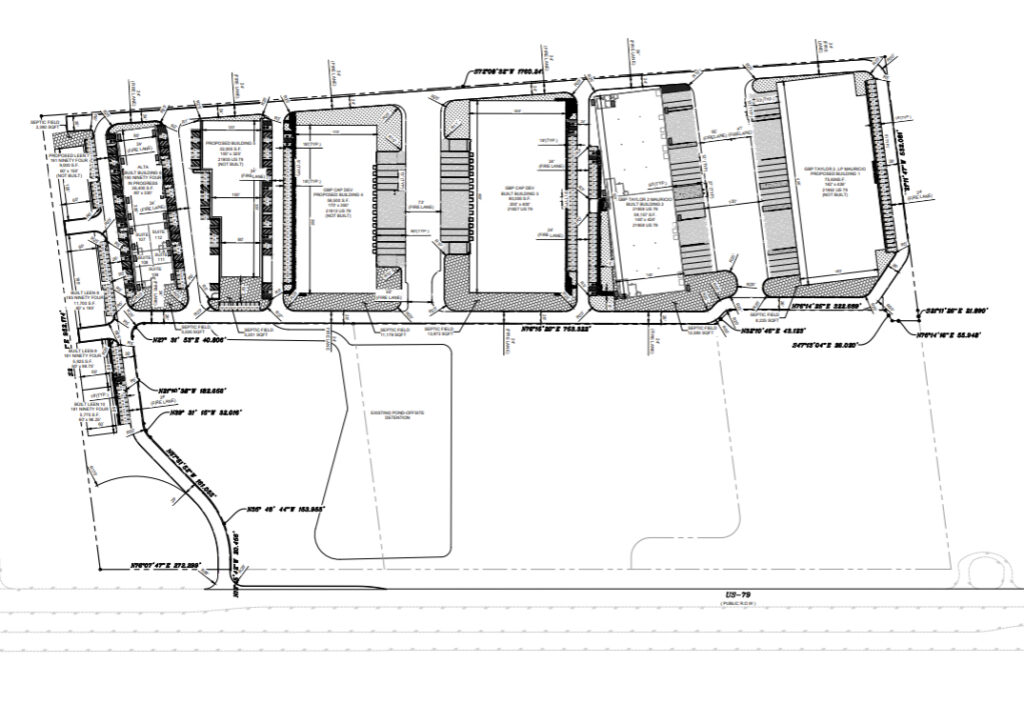
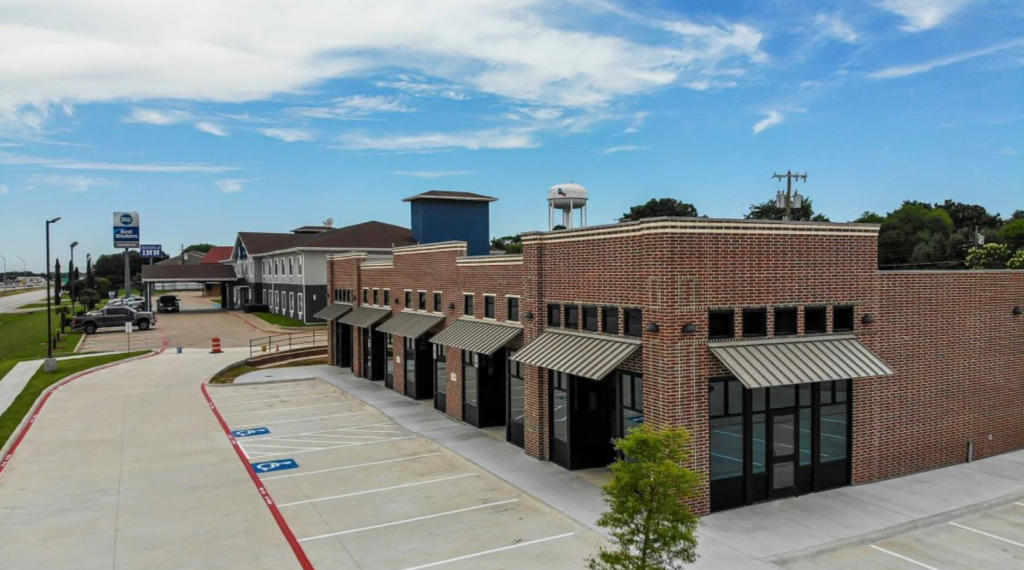
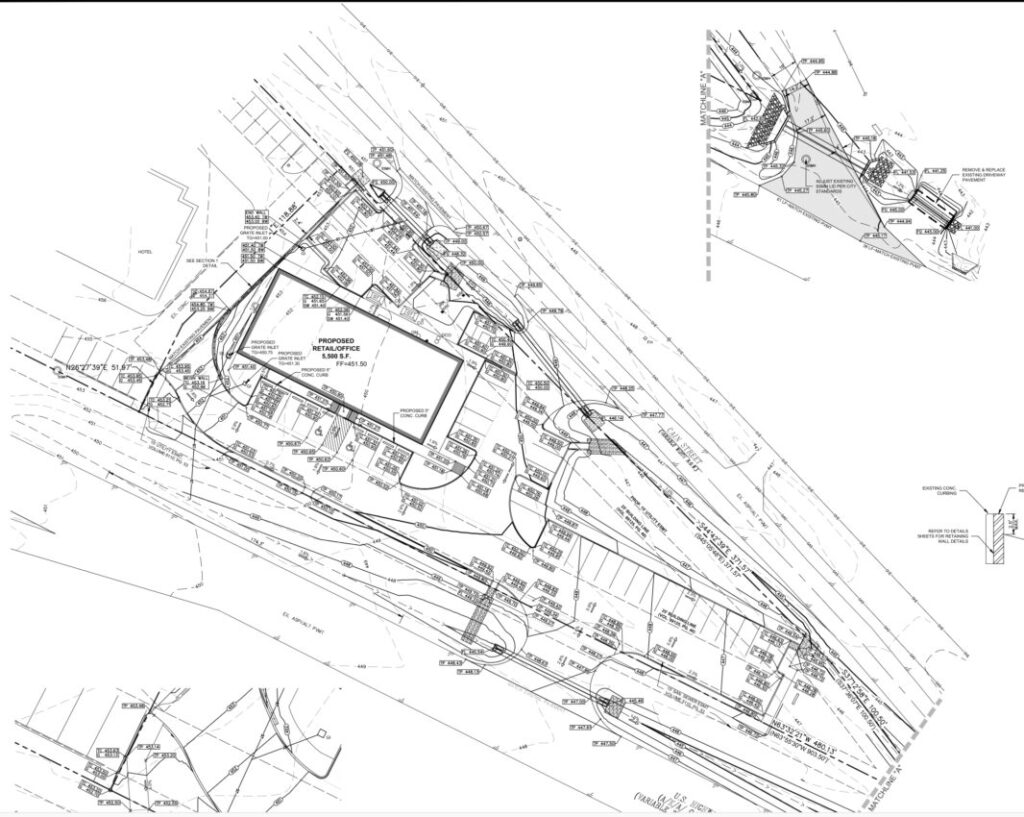
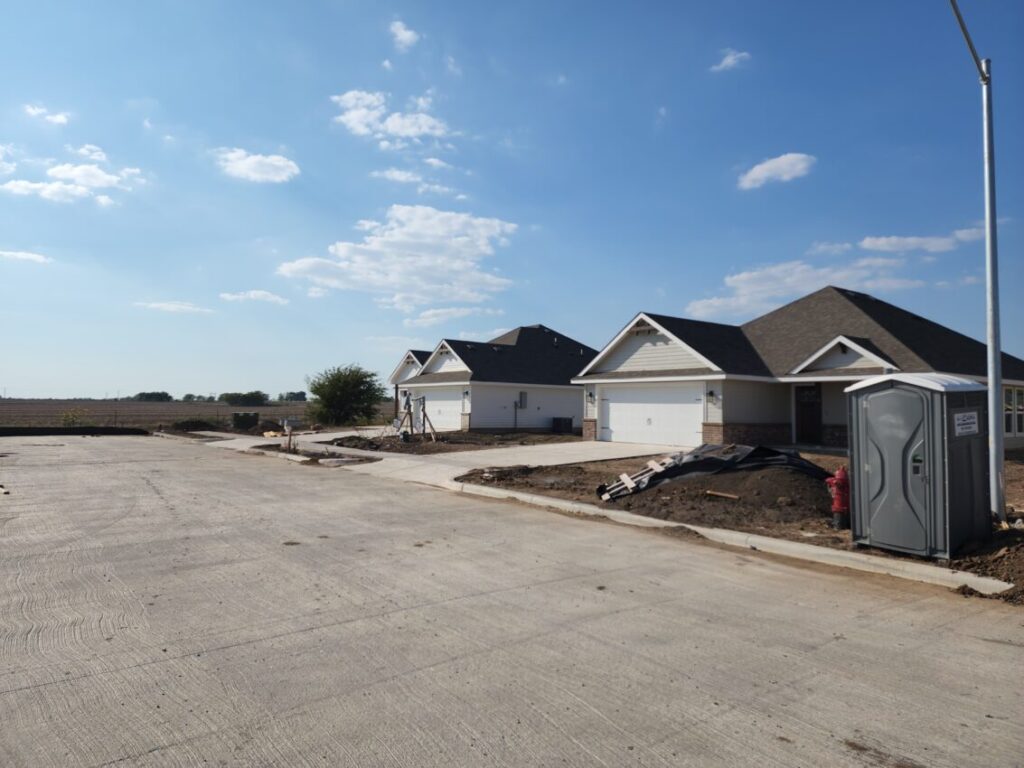
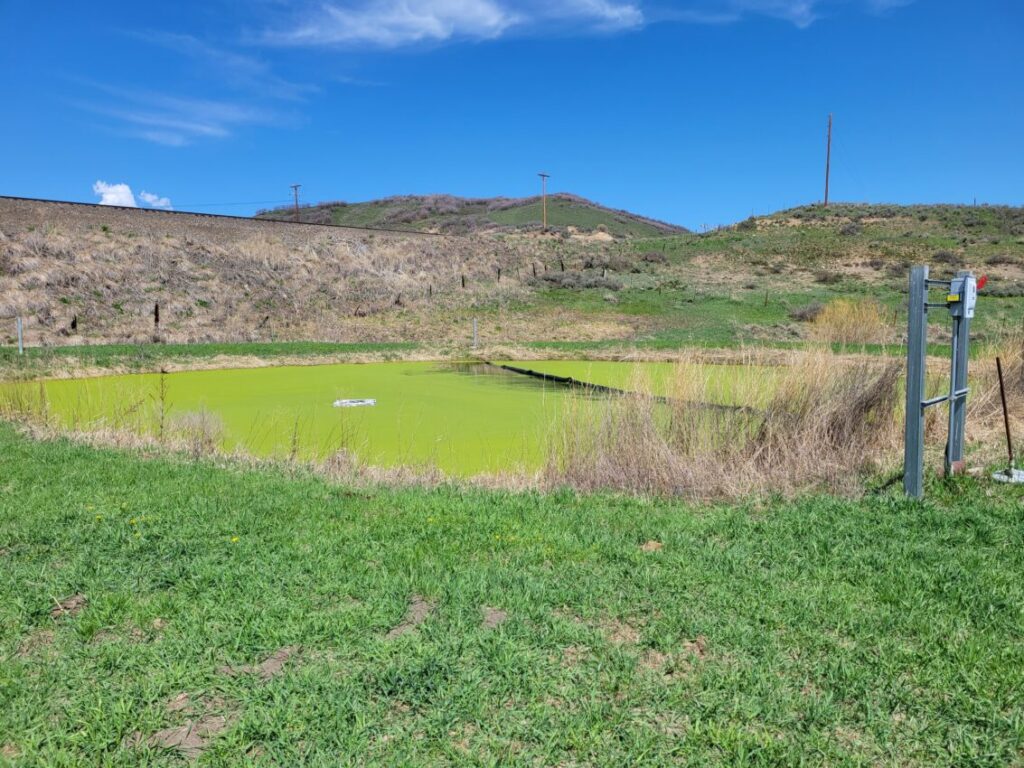
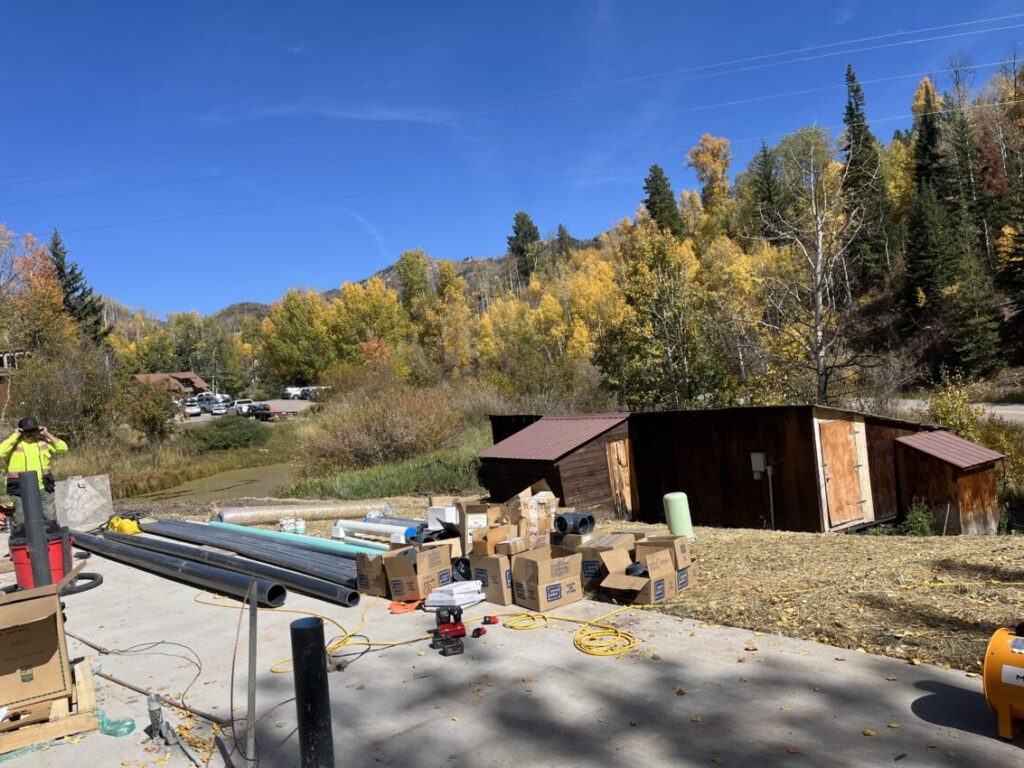
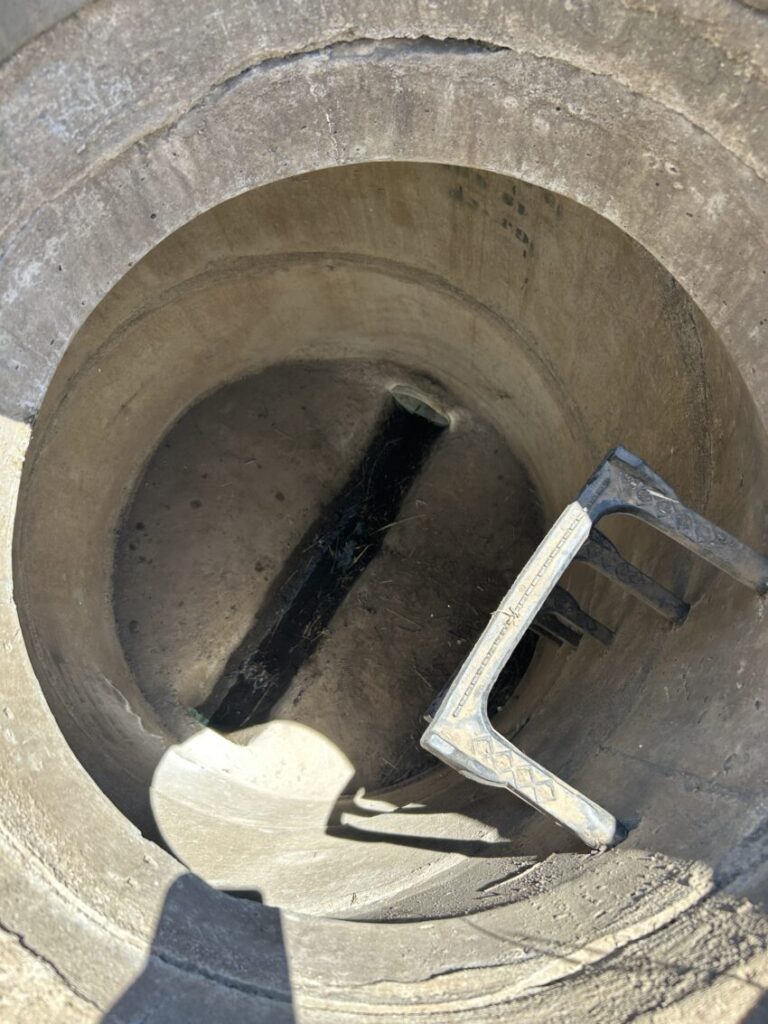
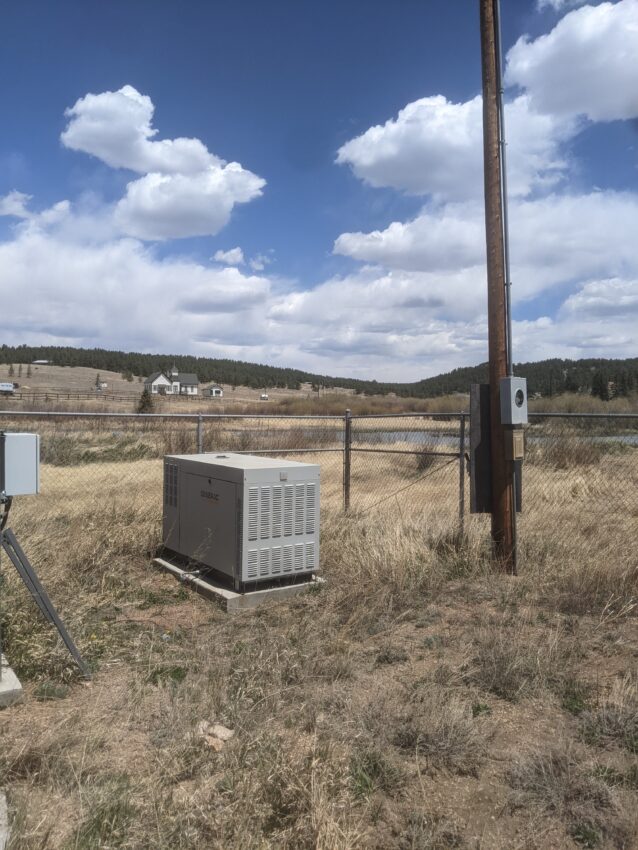
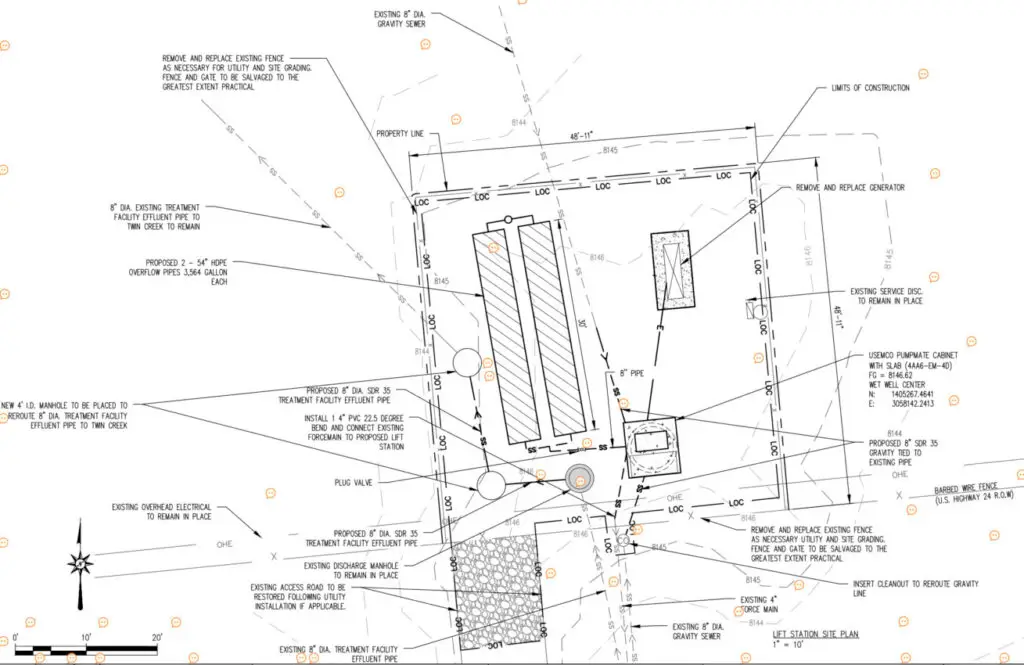
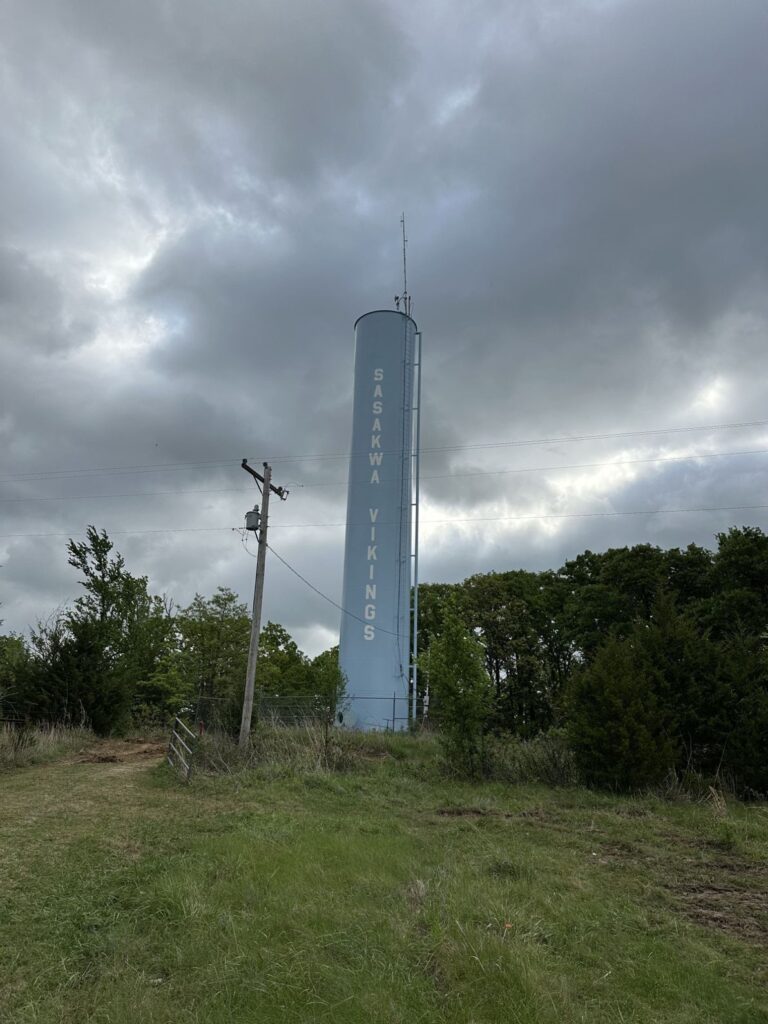
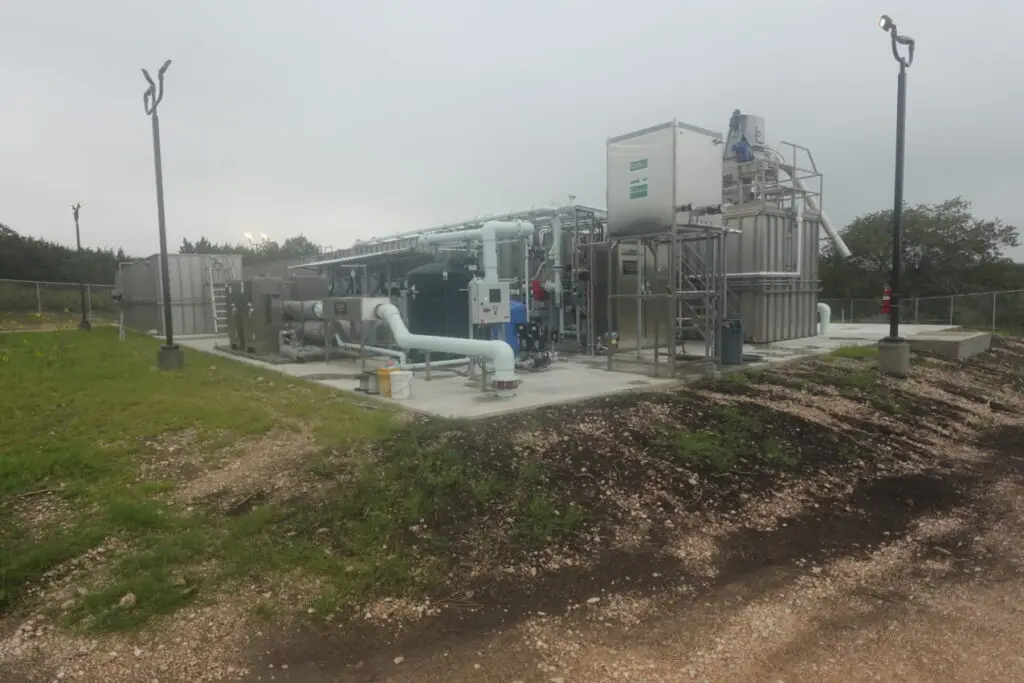
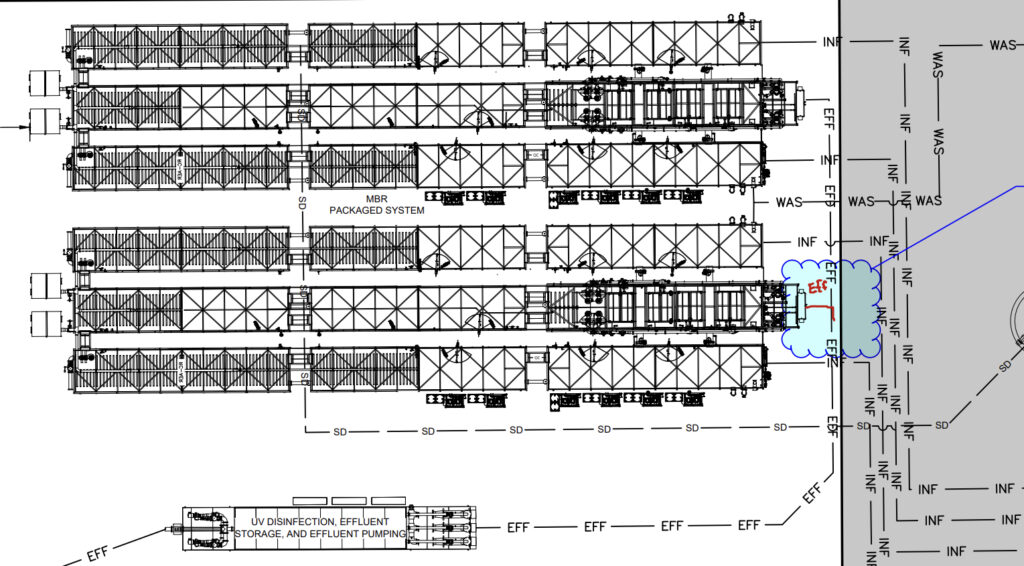
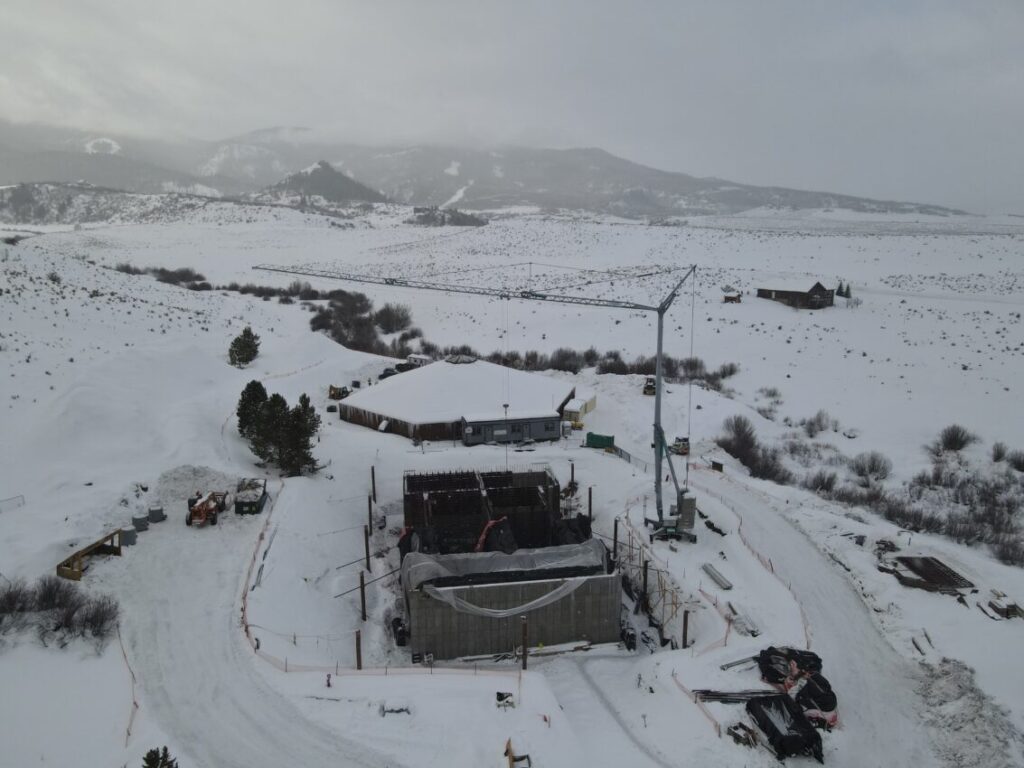
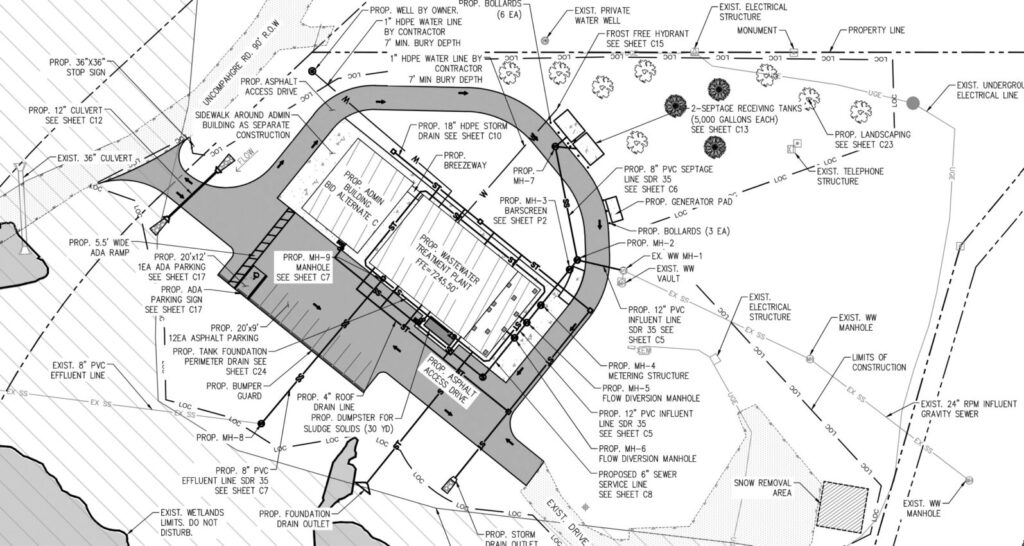
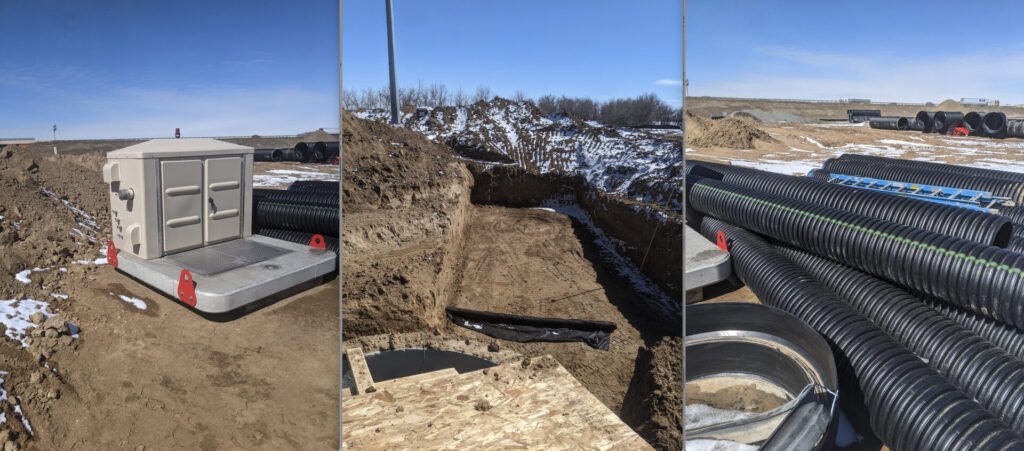
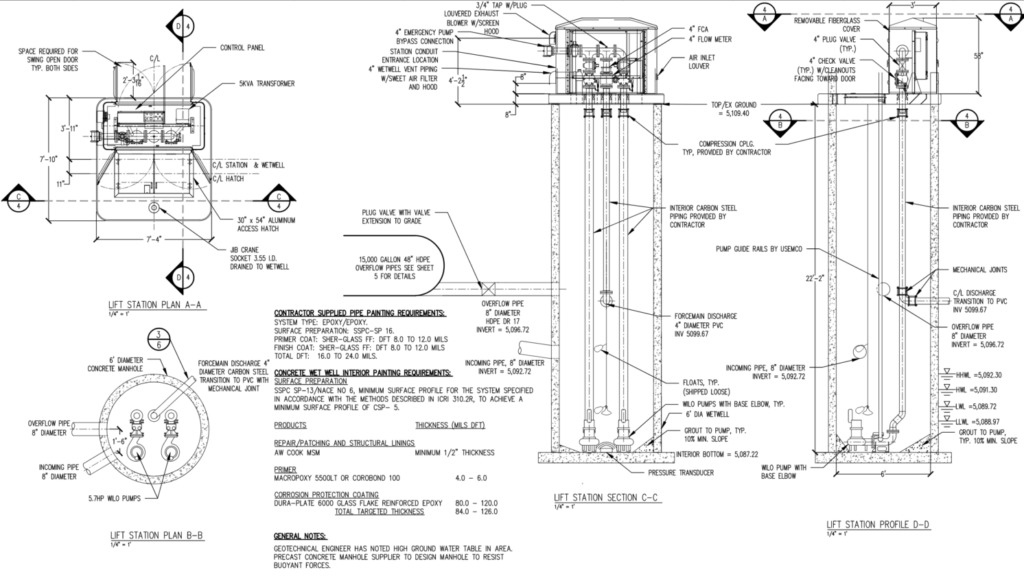
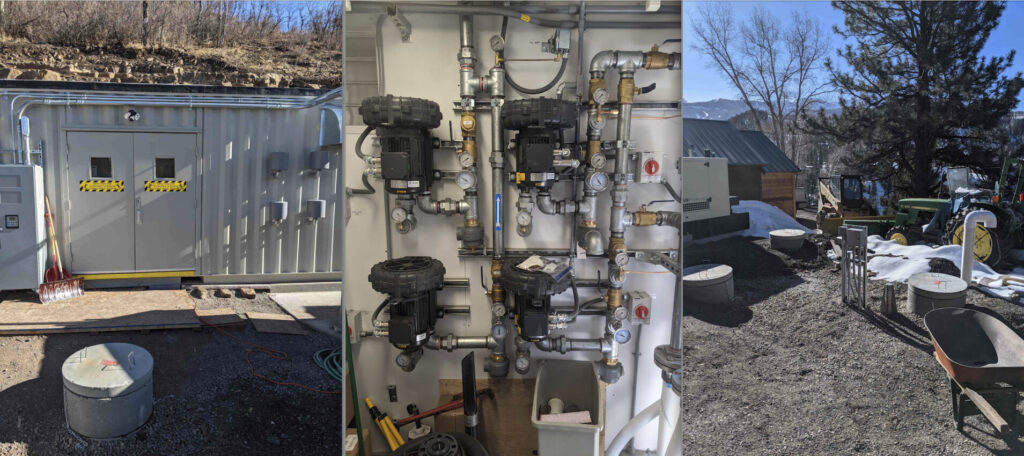
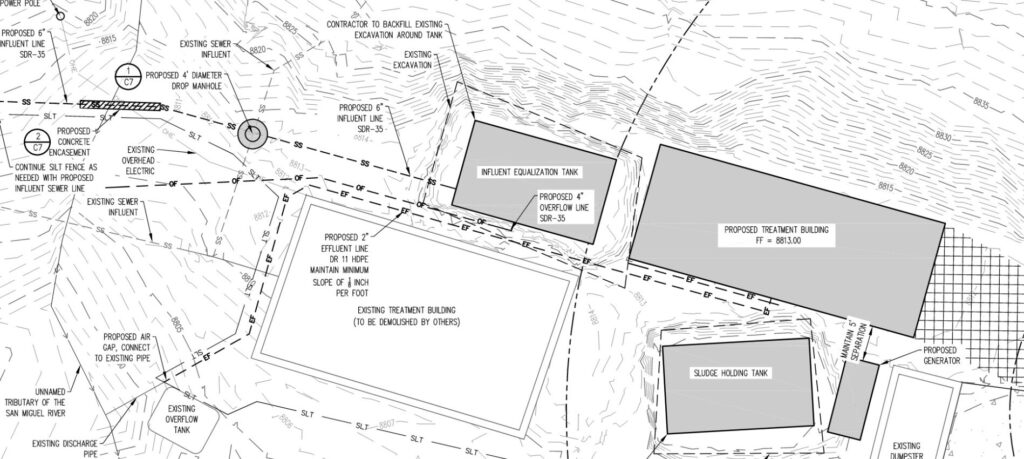
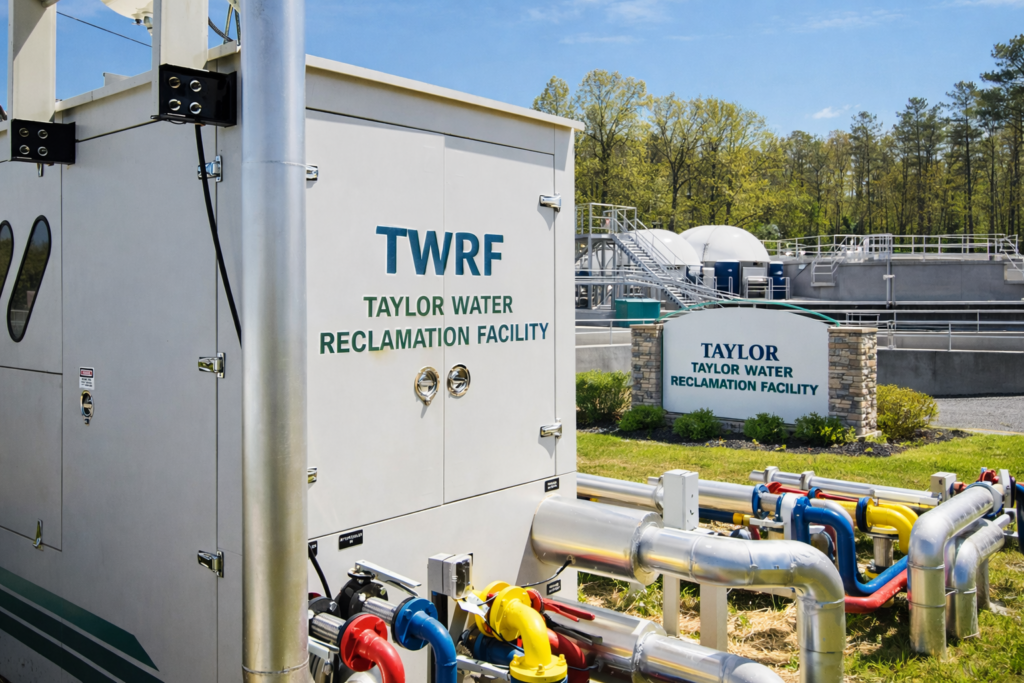
Modern Engineering Solutions delivers water and wastewater engineering across diverse regulatory environments, demonstrating efficient permitting and site-specific design expertise.

Why Choose Modern Engineering Solutions

Why Choose MES

1

Rapid Engineering Response

RFIs answered same-day during active construction. Field questions receive immediate attention. Contractors stay productive despite weather limitations instead of waiting days for engineering direction while seasonal construction windows shrink and weather impacts compound.

2

Nevada Weather Experience

Field observations conducted despite summer cloudbursts and winter snow at elevation. We understand seasonal construction constraints, temperature extreme impacts, and TRPA environmental requirements. Your oversight comes from professionals experienced in Nevada conditions.

3

Fair Rock Cost Analysis

Volcanic rock change orders evaluated determining legitimate conditions versus bidding errors. Technical analysis protects budgets from unjustified costs while maintaining professional contractor relationships. Fair evaluation prevents both cost overruns and disputes delaying completion.

4

Nevada PE Field Oversight

Licensed Nevada engineers conduct field observations and answer technical questions from actual construction experience. You get professionals making sound engineering judgments understanding volcanic geology, seismic requirements, and TRPA compliance from Nevada projects.

Talk to an Engineer

Nevada construction administration coordinates contractors, inspectors, and multiple agencies through weather extremes and geology challenges. We’ll review your project status and outline engineering support in a 15-minute call.