Modern Engineering Solutions

Wastewater Engineering
For Colorado Land Development

Colorado wastewater engineering means biological treatment that performs in thin air at 6,000 feet, collection systems installed through Front Range bedrock, and lift stations that operate reliably when temperatures hit minus 20°F. We work with developers from Fort Collins to Colorado Springs and mountain resort communities delivering systems that function in Colorado’s elevation, temperature extremes, and complex metro district financing structure.

Engineering Built for Outcomes, Not Overhead

Colorado wastewater projects stall when engineering firms treat CDPHE discharge permitting, treatment capacity constraints, and collection system coordination as afterthoughts. We engineer with those realities built into every design decision from day one.

Value Over
Hours

We price Colorado wastewater engagements around delivered outcomes: discharge permits approved, collection systems sized for full buildout, and treatment capacity confirmed before land closes rather than discovered missing after design investment has been made.

Speed as a Design Constraint 

CDPHE discharge permit timelines directly affect when Colorado developers can break ground. A complete application clears review in 6-8 weeks. An incomplete one resets the clock with every comment response. We treat permit completeness as a design requirement, not a submission checklist.

Deep Work, Not Meeting Culture

Treatment capacity constraints, hydraulic modeling decisions, and collection system routing conflicts get resolved through engineering analysis before applications are filed. Colorado CDPHE reviewers receive complete technical packages because the hard problems were solved at the desk, not deferred to comment responses.

AI as Leverage, Not a Shortcut

AI handles permit documentation and hydraulic calculation formatting so licensed Colorado PEs focus on collection system design, lift station sizing, and CDPHE coordination. Every technical decision is made and stamped by a professional engineer before it reaches a reviewing agency.

What We Do

Modern Engineering Solutions delivers wastewater engineering for Colorado land development including treatment planning, CDPHE permitting, collection system design, and construction oversight across Front Range and mountain communities.
Treatment selection in Colorado starts with understanding how elevation affects biological processes and what temperature extremes your equipment must survive. Activated sludge systems performing well at sea level struggle above 6,000 feet where atmospheric pressure reduces dissolved oxygen by 20% or more. Package treatment plants need robust freeze protection when you’re designing for mountain resorts seeing minus 30°F winter temperatures.

Developers discharging to South Platte River tributaries face total nitrogen limits under Regulation 85 requiring nitrification-denitrification processes adding significant capital cost. Metro district projects need capacity sized for ultimate buildout but phased construction matching bond revenue timing. We compare treatment technologies by capital investment, lifecycle operating costs at Colorado utility rates, and operator skill requirements given your location’s workforce availability. Mountain communities with seasonal populations often lack certified operators nearby necessitating simpler automated processes.
CDPHE discharge permits in Colorado require engineering reports documenting treatment capability, effluent quality projections, and receiving water impacts. South Platte basin discharges face stringent nutrient limits because the river already carries excessive nitrogen from agricultural runoff and upstream wastewater plants.

Mountain streams classified as high-quality cold water fisheries trigger anti-degradation analysis demonstrating your discharge won’t degrade existing conditions. Applications need water quality modeling showing compliance with site-specific standards varying by stream classification. On-site wastewater systems in rural areas coordinate with county health departments applying different requirements than state discharge permits.

Complete applications including all technical analysis receive CDPHE approval within 8-12 weeks. Missing hydraulic calculations or inadequate water quality projections discovered through technical comment letters extend permitting to 22-28 weeks while your development schedule stalls waiting.
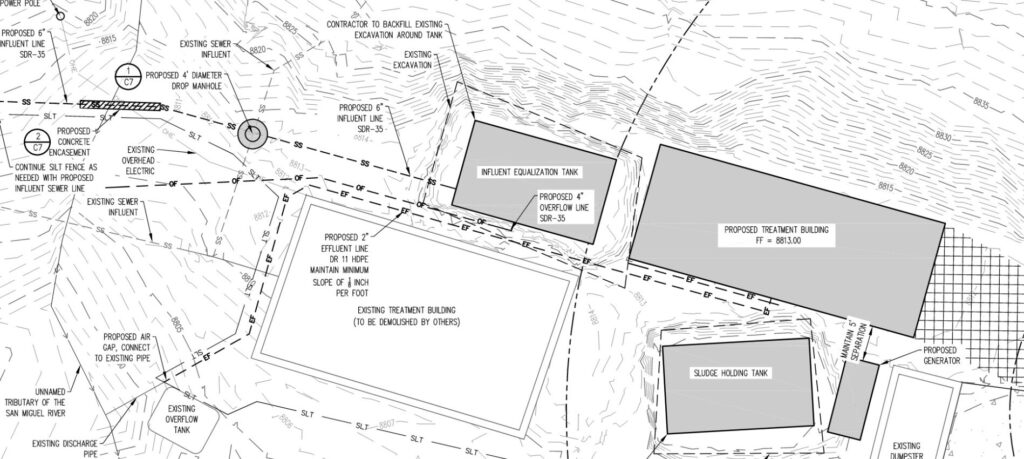
Construction documents for Colorado projects show bedrock excavation limits from boring logs so contractors price trenching equipment accurately, freeze protection details for all exposed equipment and piping, and altitude-adjusted equipment specifications. Treatment plant drawings include insulated buildings maintaining interior temperatures, backup heating systems for power outage conditions, and equipment rated for subzero operation.

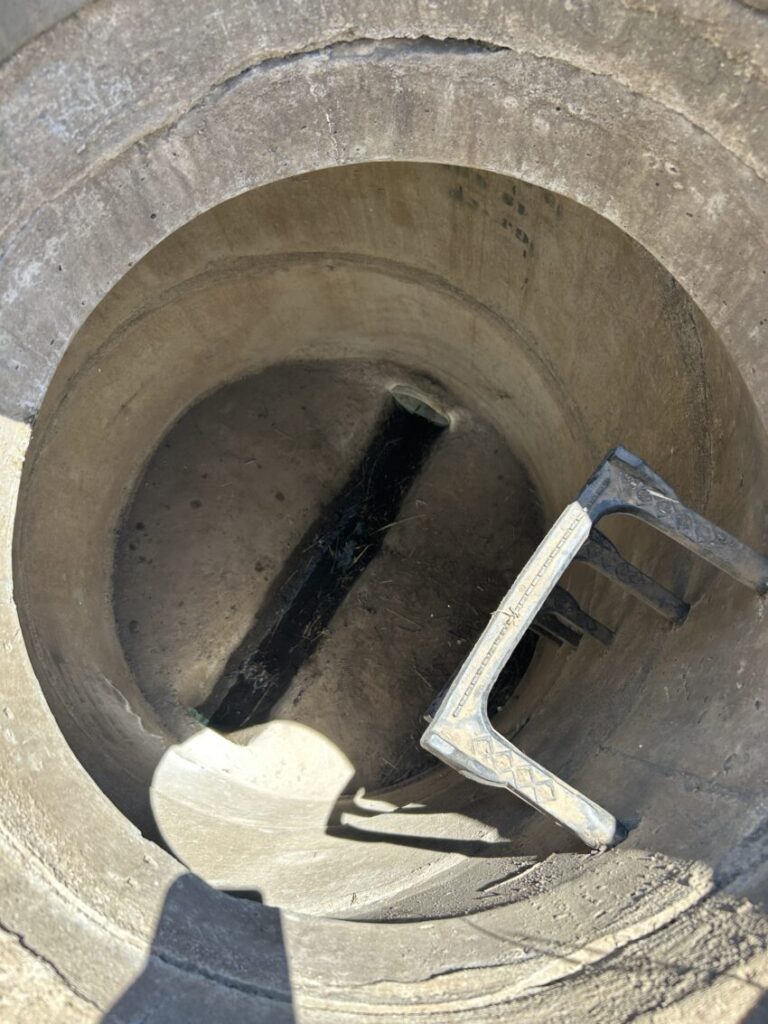
Collection system plans indicate where rock excavation will likely occur based on geotechnical investigations. Manhole structures need frost protection extending 48-60 inches below grade depending on elevation. Lift station designs show buried wet wells minimizing freeze exposure and heated equipment buildings. Specifications address construction season restrictions because mountain projects often cannot proceed during winter months when ground freezes solid. Plans coordinate with CDPHE permit conditions showing treatment capacity, monitoring points, and discharge locations exactly as authorized.
Colorado collection systems see infiltration spikes during spring snowmelt when rapid temperature increases send runoff into the ground, groundwater tables rise quickly, and aging pipe joints allow water entry. Mountain resort developments built in fractured bedrock experience more groundwater infiltration than Front Range clay soil systems.

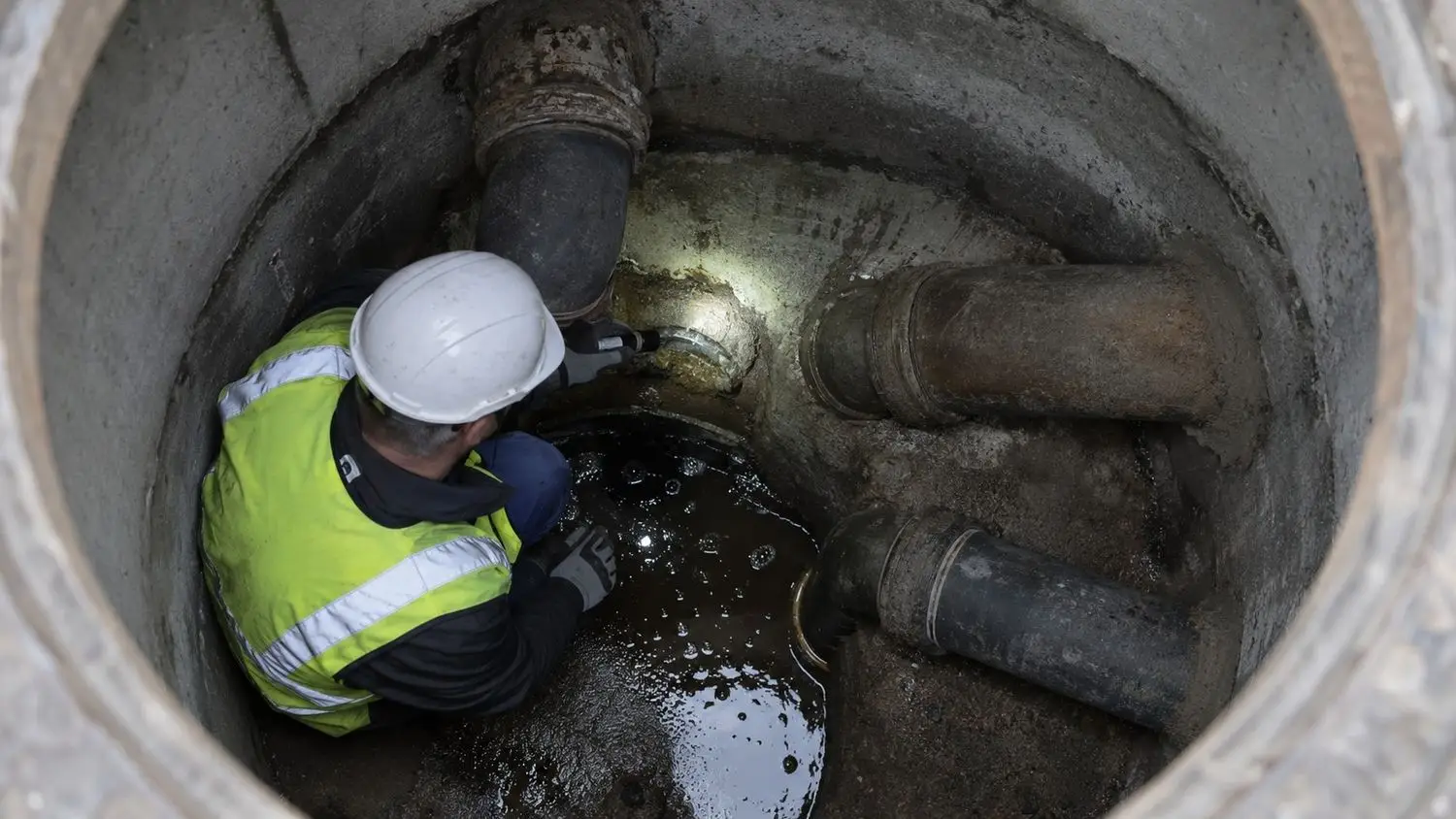
We quantify I&I using flow monitoring during March through May when snowpack melts creating peak conditions. Smoke testing identifies illegal stormwater connections and cracked manholes. Camera inspections document pipe deterioration and joint separation. Analysis prioritizes rehabilitation by cost per gallon of capacity restored because treatment plant expansion often costs more than fixing collection system deficiencies. CDPHE reviews I&I during permit renewals because excessive infiltration wastes treatment capacity and energy. Metro districts need I&I data supporting capacity adequacy claims in service plan updates.
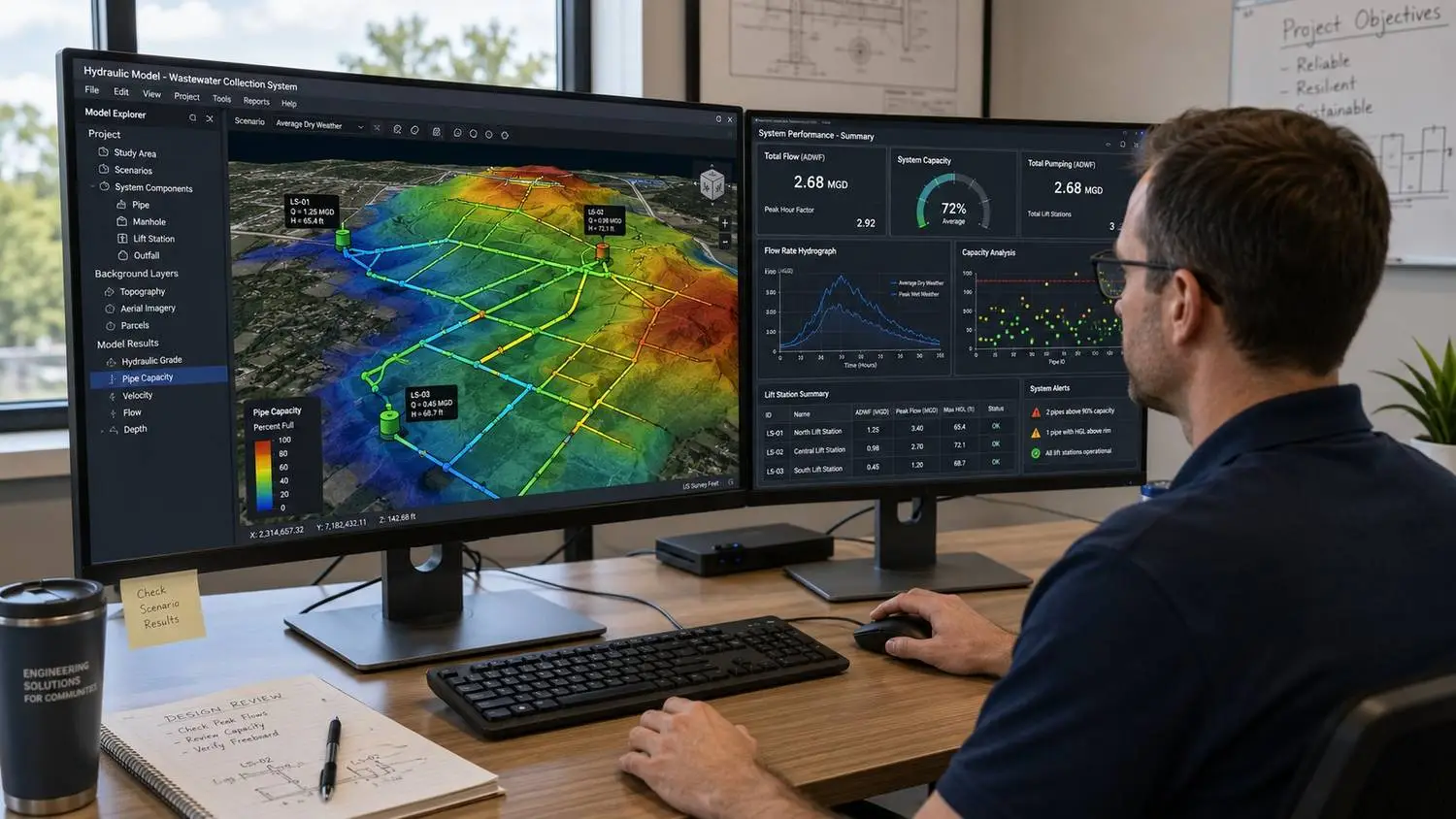
Hydraulic models for Colorado wastewater systems account for rapid flow increases during spring snowmelt infiltration, steep slopes in mountain and foothill terrain creating high velocities, and cold temperatures affecting flow characteristics. Models predict how wet wells fill during peak infiltration events when groundwater enters the collection system faster than treatment plants can process flows.

Gravity sewer sections get analyzed for capacity at ultimate development buildout identifying which pipes need upsizing before later construction phases. Force main sizing considers minimum velocities preventing solids deposition but avoids excessive pressures from elevation changes in mountain terrain. Metro district projects model phased development scenarios demonstrating adequate capacity at each bond financing stage. Accurate hydraulic analysis supports CDPHE discharge permit applications and helps metro district engineers justify infrastructure investments in service plan filings with state authorities.
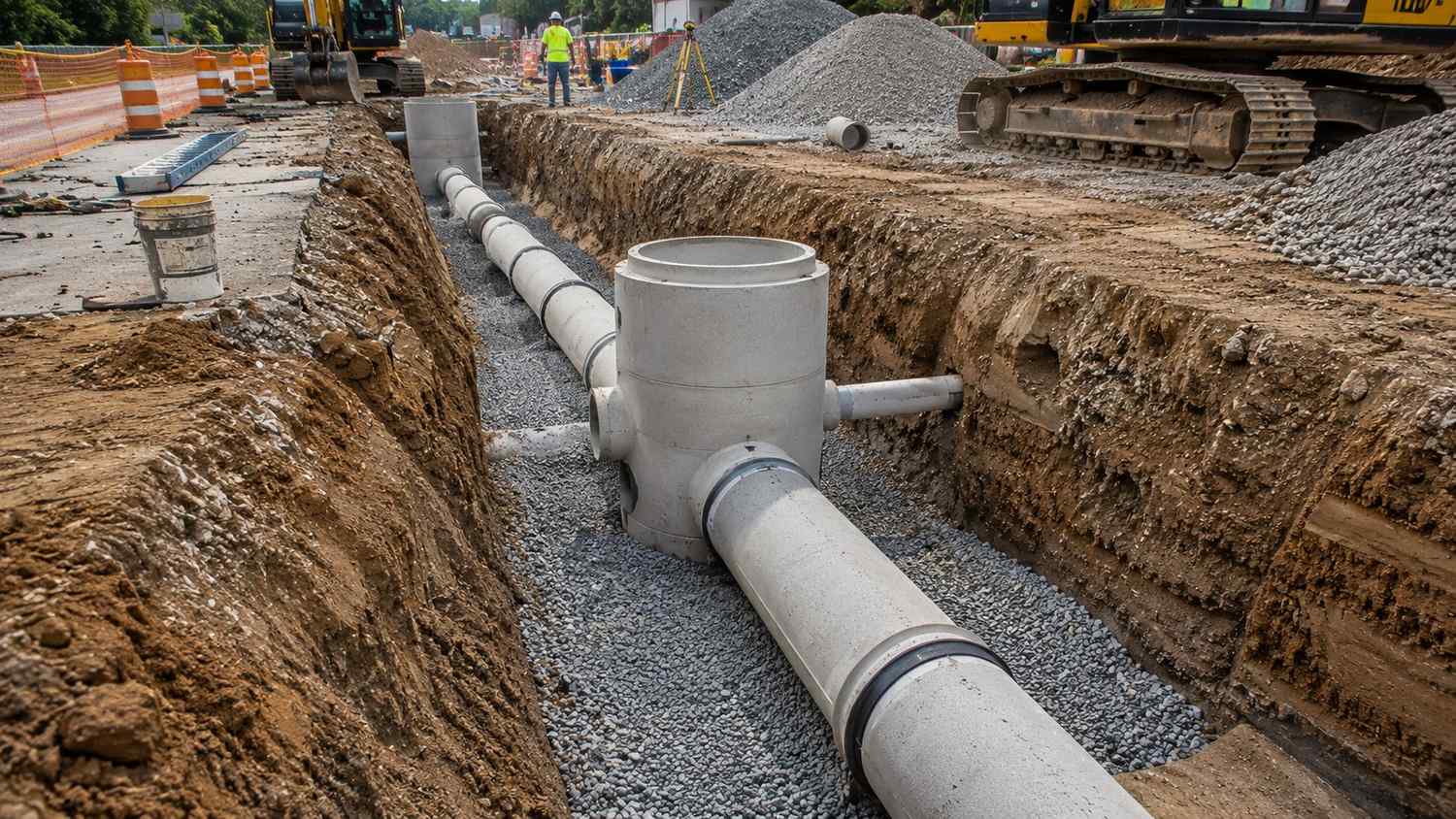
Gravity sewer design in Colorado addresses bedrock excavation economics because rock frequently appears at depths of 3-6 feet along the Front Range urban corridor from Fort Collins through Denver to Colorado Springs. We route collection systems minimizing rock trenching when site topography allows alternatives, specify appropriate blasting protocols and rock excavation equipment when avoidance isn’t feasible, and provide realistic cost estimates contractors can bid competitively.

Minimum burial depth increases with elevation from 48 inches on eastern plains to 60 inches in mountain areas where frost penetrates deeper. Steep slopes in foothills and mountains create high flow velocities requiring drop manholes dissipating energy preventing pipe damage. Force mains size for minimum velocities maintaining self-cleaning but avoid excessive pressure from elevation drops. Collection systems coordinate with metro district phasing showing capacity for each development stage.
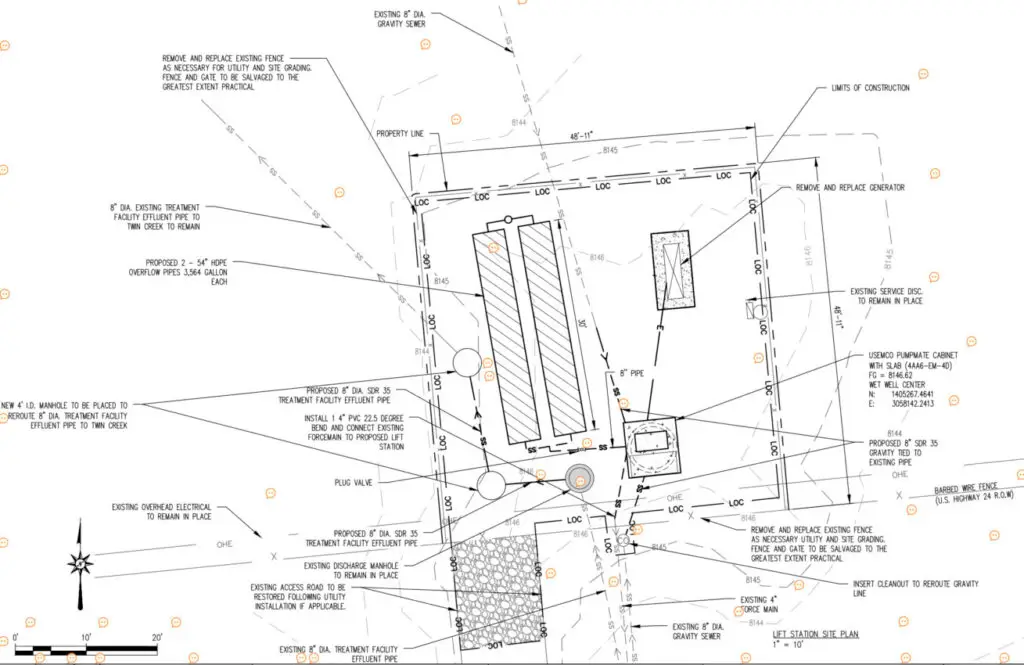
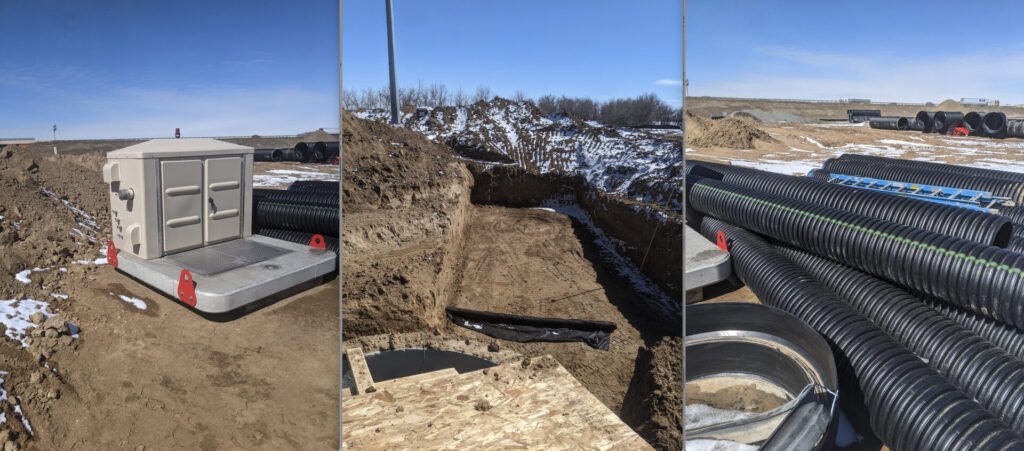
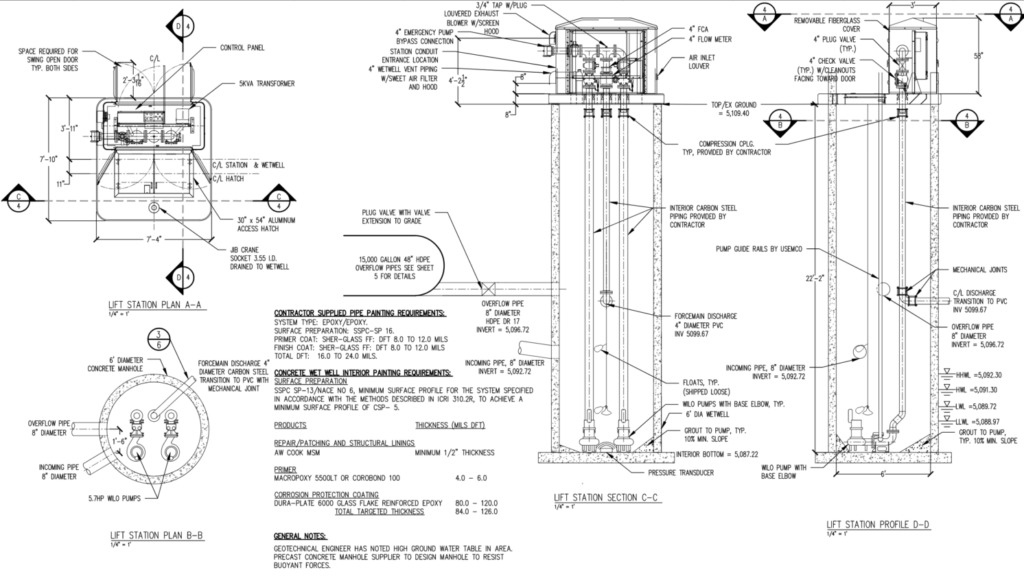
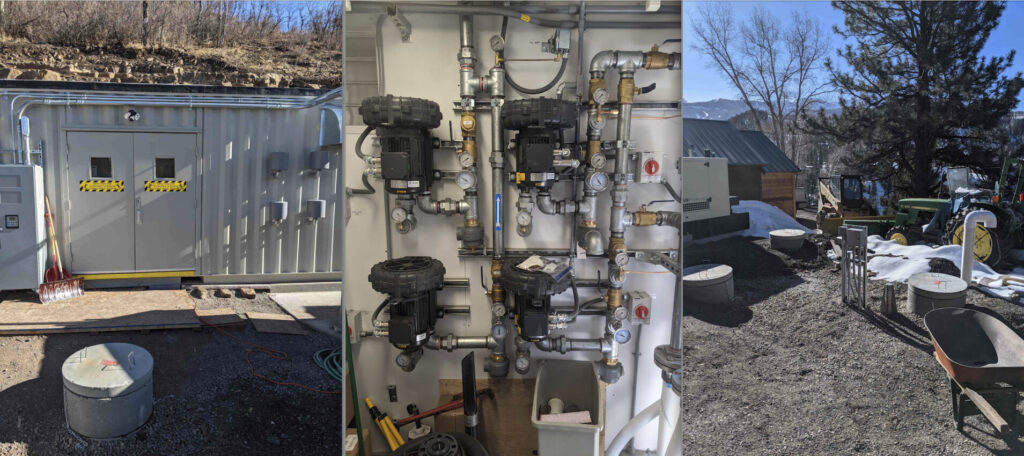
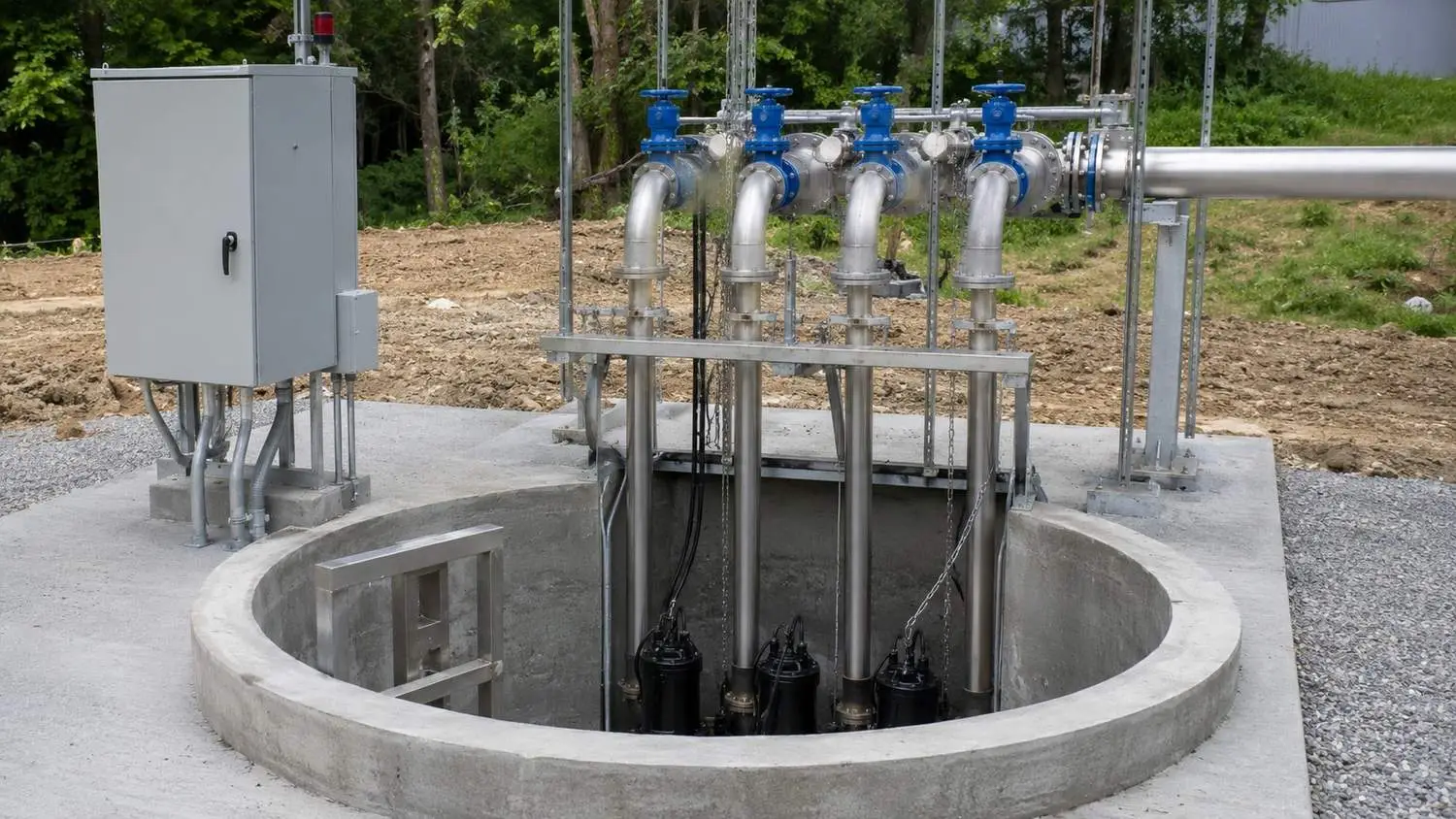
Lift stations in Colorado need wet wells and buildings protected from freeze damage, pumps selected for altitude-corrected performance, and emergency power for mountain winter storms causing extended outages. Wet well sizing accounts for reduced winter flows when resort properties sit vacant and spring peak flows from snowmelt infiltration.

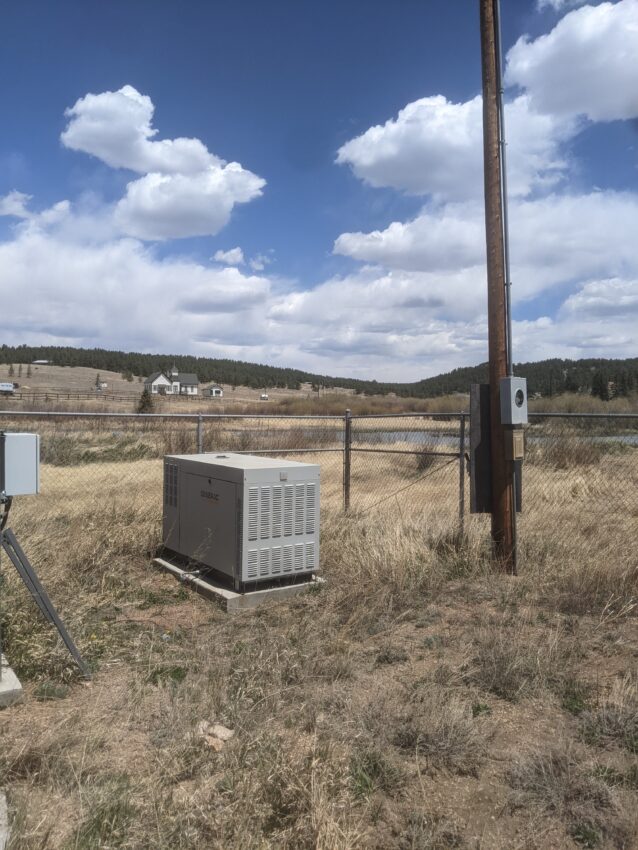
Pump curves get adjusted because atmospheric pressure at 6,000-8,000 feet reduces efficiency and available head compared to sea-level specifications manufacturers publish. Buildings need heating systems maintaining equipment rooms above freezing year-round. Backup generators provide power during outages that can last multiple days in mountain locations during severe weather. All electrical equipment gets specified for cold temperature operation down to minus 20°F or colder. Force main air release valves need heat trace preventing freeze-ups. Stations operate reliably across Colorado’s altitude and temperature challenges.

Our Approach

Colorado wastewater projects start with treatment capacity confirmation and CDPHE requirements established before design begins, so collection systems get built once rather than redesigned when field conditions or agency comments reveal what preliminary engineering missed.

Treatment Capacity Confirmed Before Design Starts

Available treatment allocation gets confirmed in writing with the serving district before collection system design begins. Front Range utility districts have capacity constraints that change as projects commit allocations. Written confirmation becomes part of your project documentation before engineering investment is made on a system that may not have a place to connect.

Hydraulic Modeling From the First Drawing

Collection mains get sized using hydraulic modeling based on your actual development program rather than residential equivalent unit assumptions that undersize systems serving Colorado’s mixed land uses. Pipe slopes, lift station wet well volumes, and force main sizing advance with terrain and grading data incorporated from the start.

CDPHE Discharge Permit Built for First-Pass Approval

Discharge permit applications reach CDPHE with complete hydraulic calculations, collection system plans, lift station documentation, and treatment capacity confirmation assembled as one package. Colorado reviewers receive applications structured around their specific permit criteria rather than incremental submittals that generate information requests extending timelines past financing windows.

Construction Observation Through System Startup

Pipe installation depths, lift station connections, and manhole construction get verified in the field before backfill covers conditions that inspection won’t catch. Colorado’s compressed construction seasons make same-day field response essential so contractor questions don’t idle crews waiting for engineering decisions that burn days a 5-month window can’t recover.

Projects

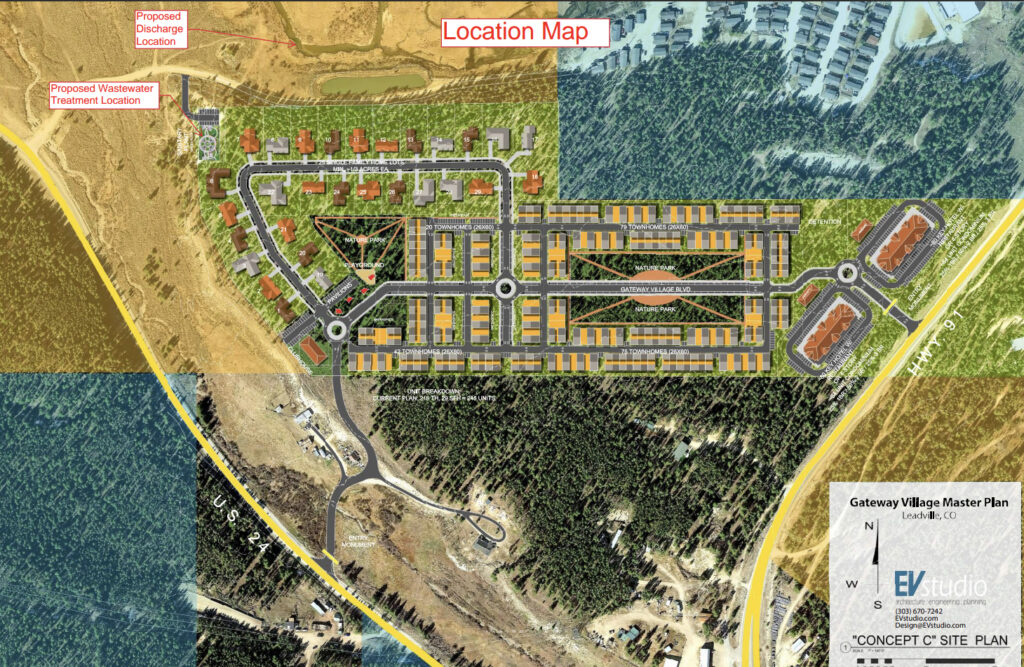
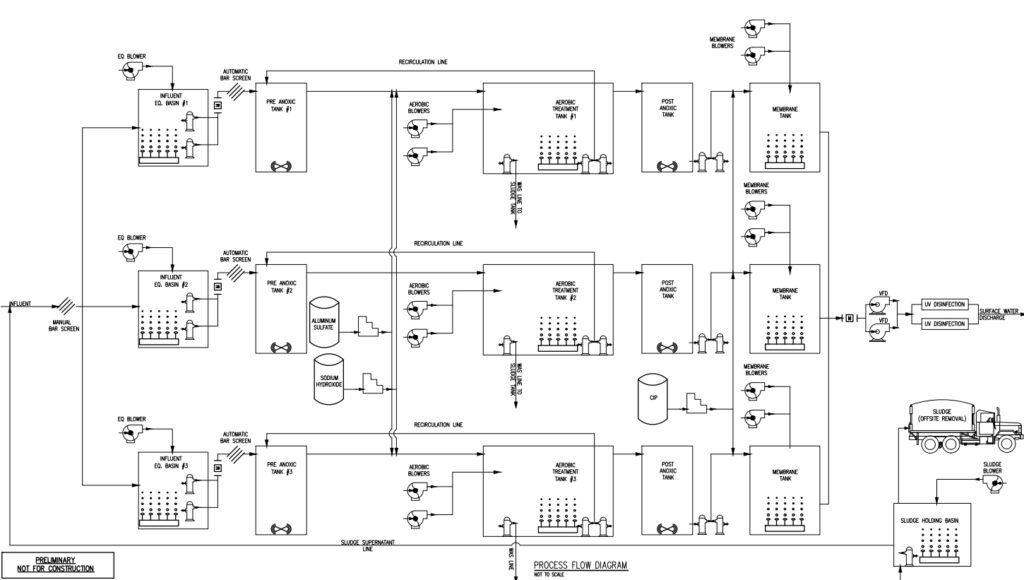
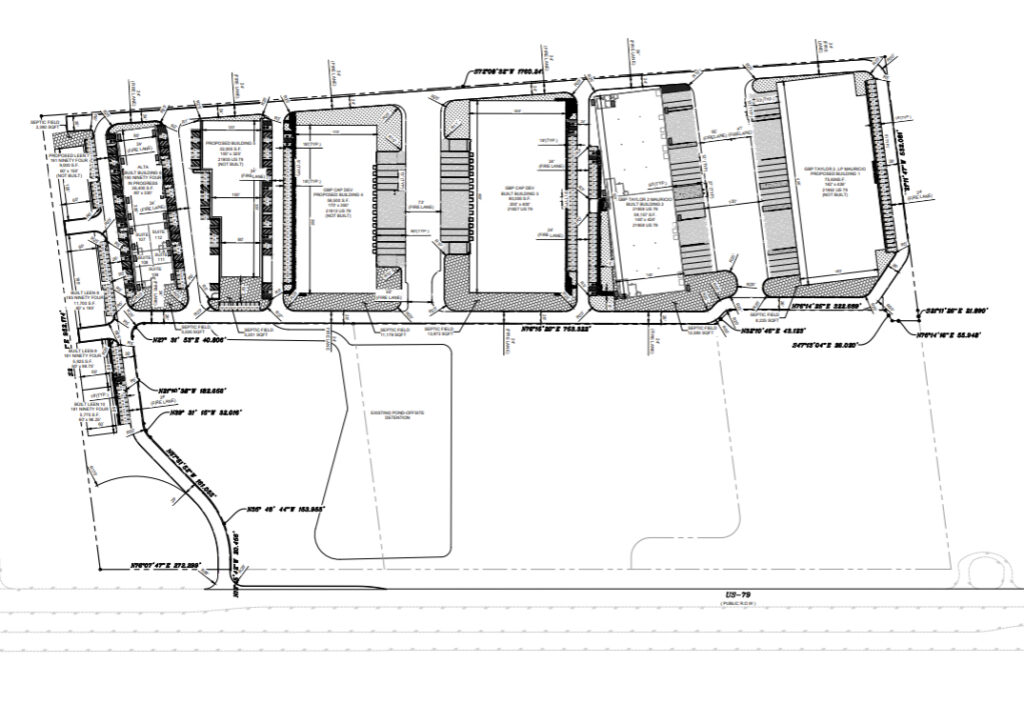
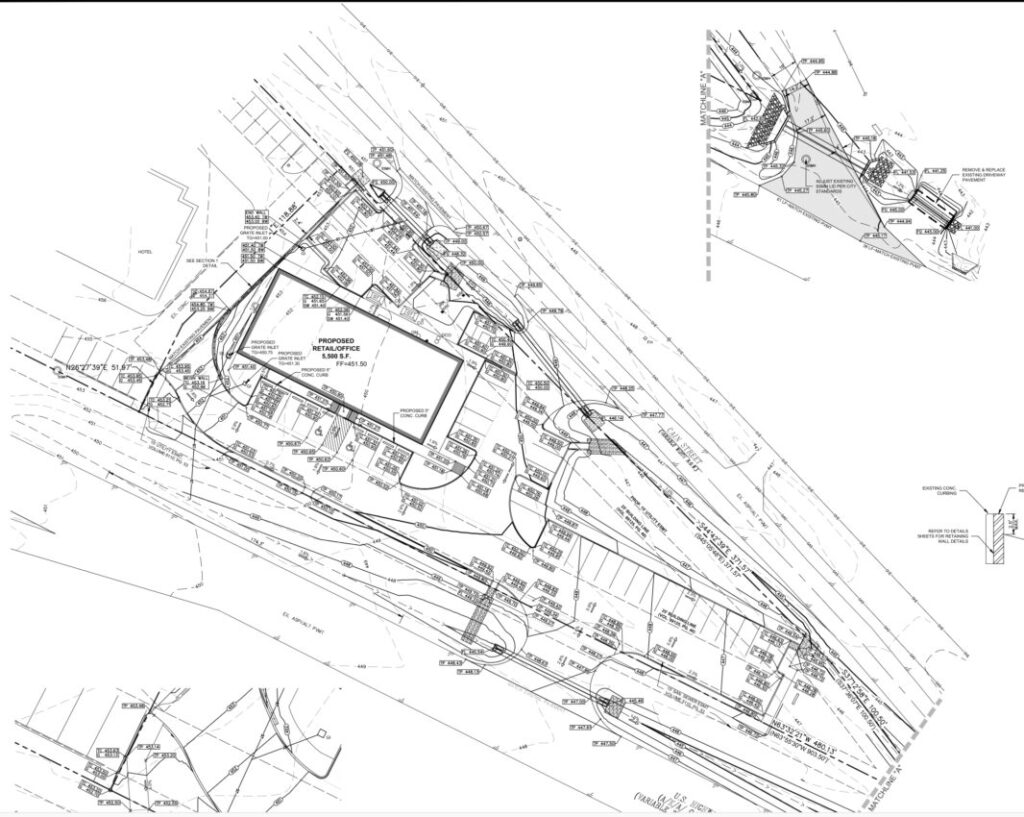
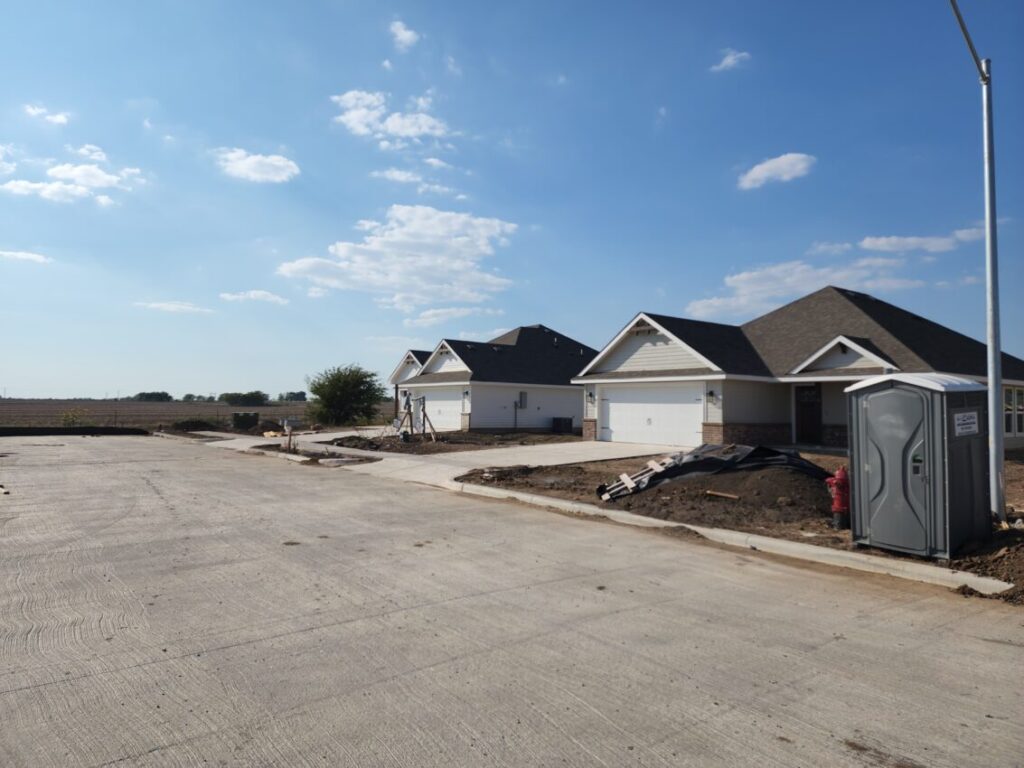
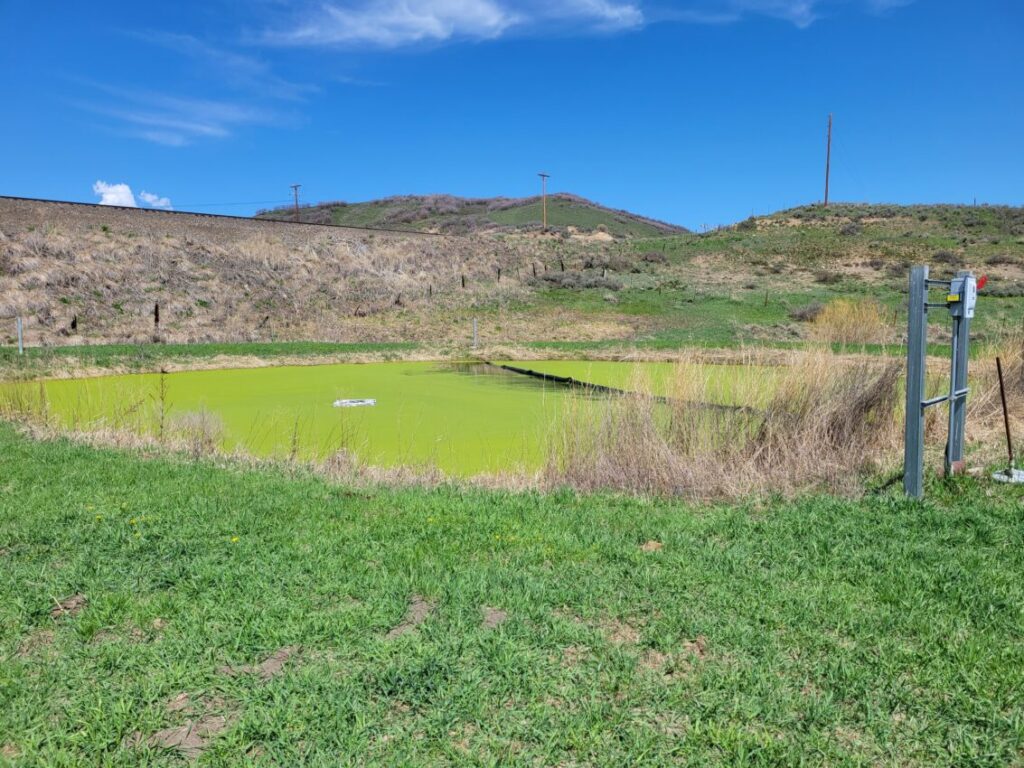
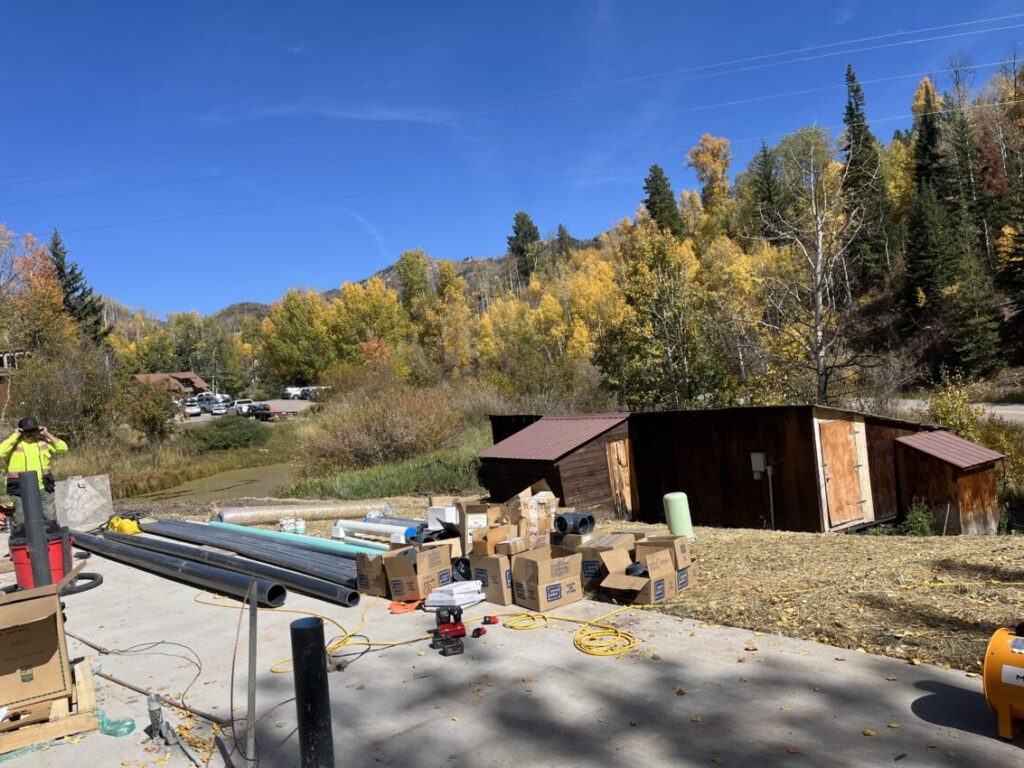
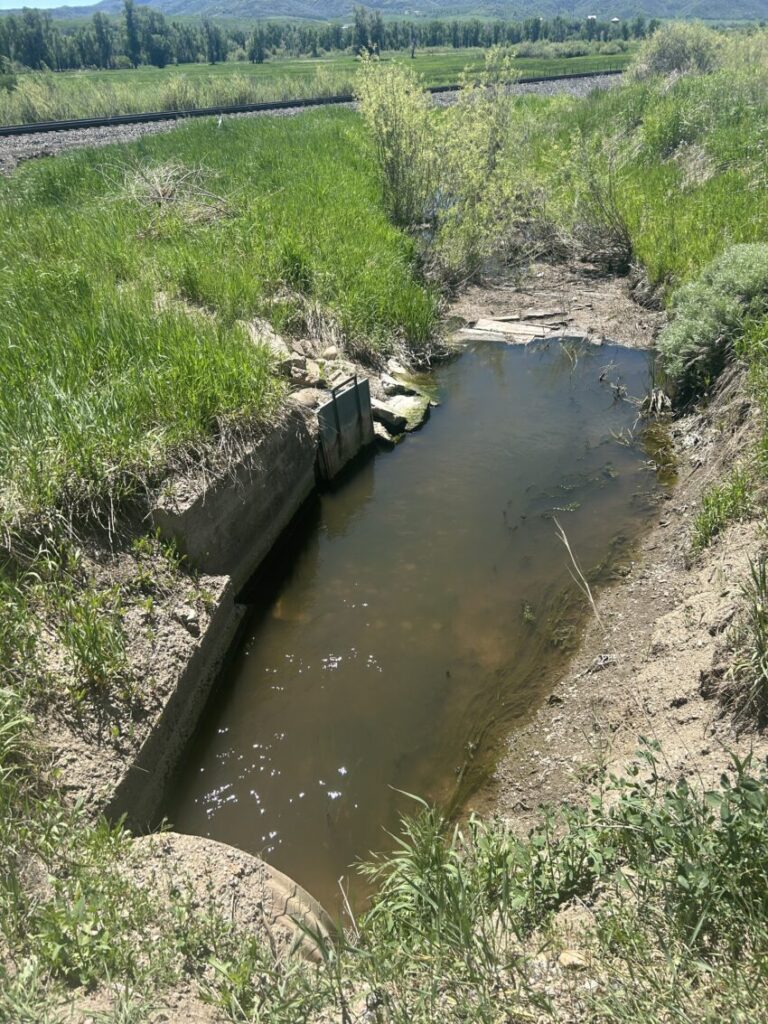
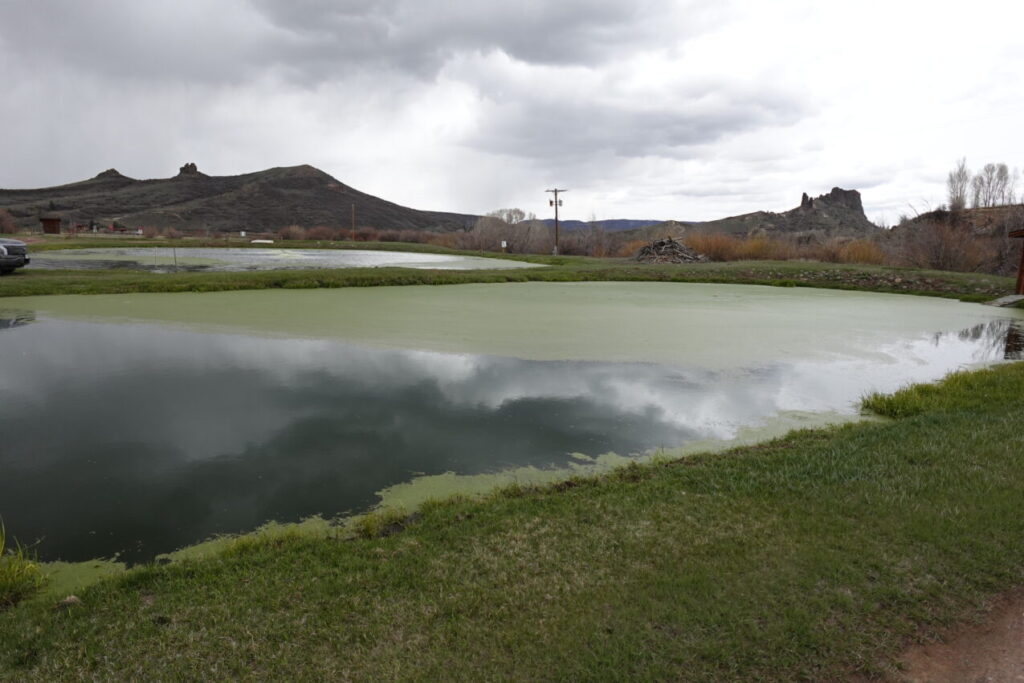
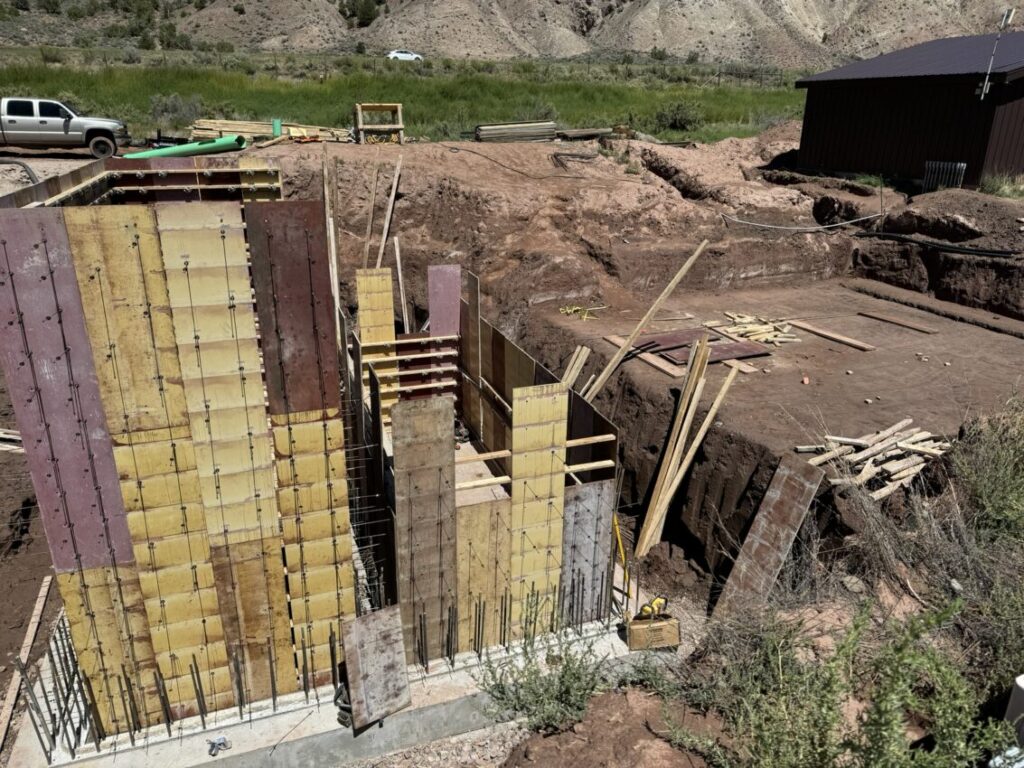
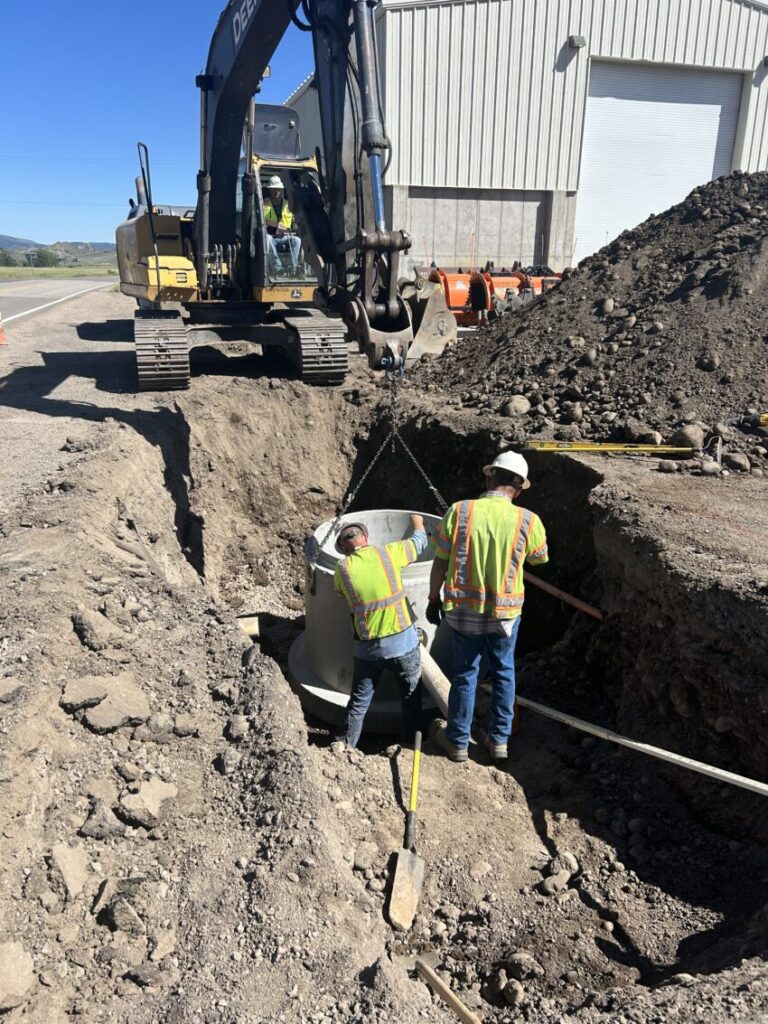
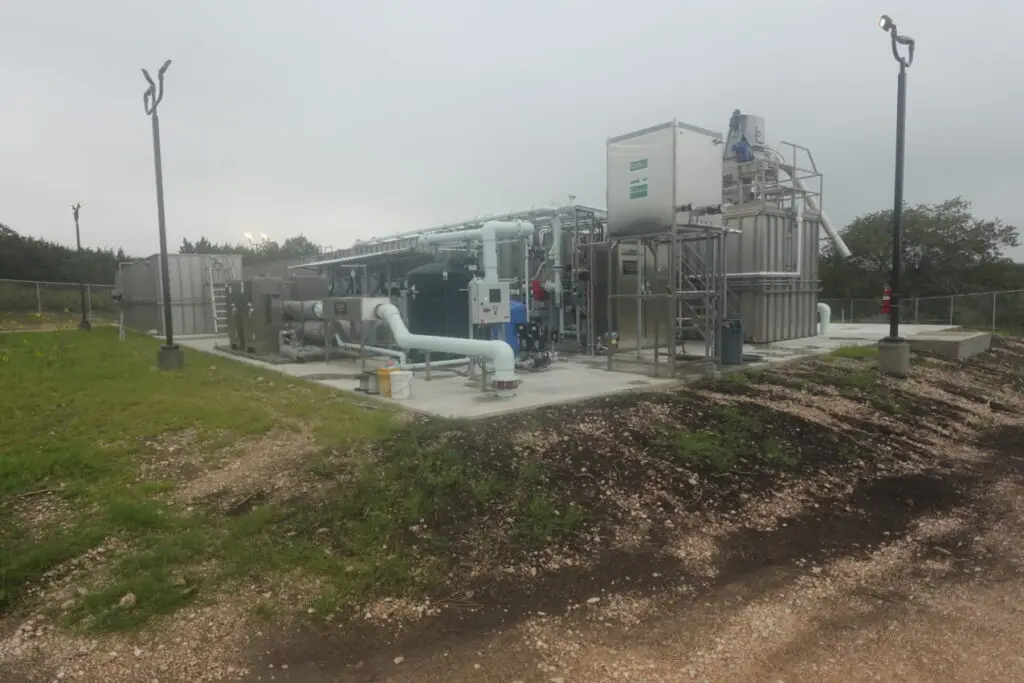
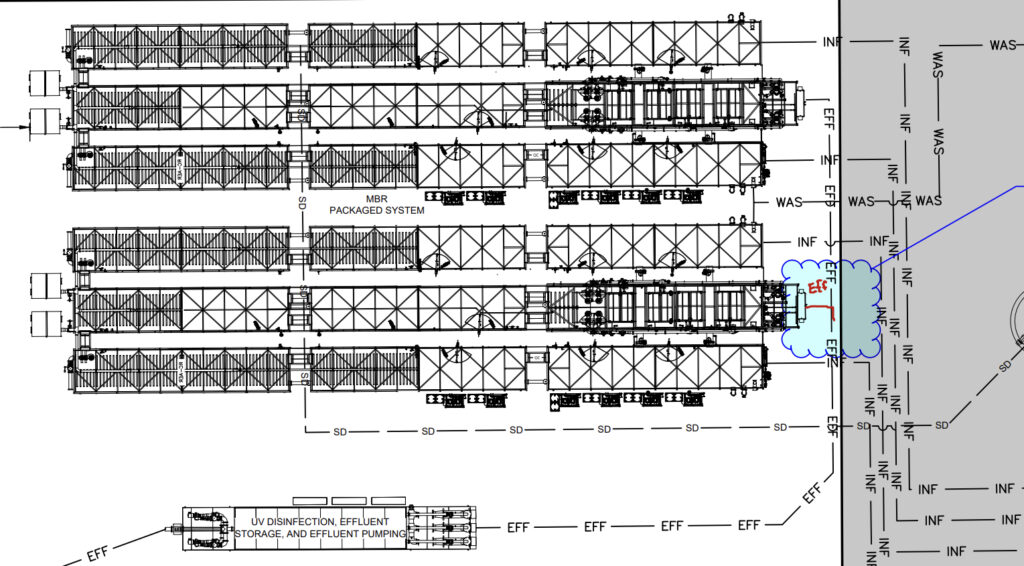
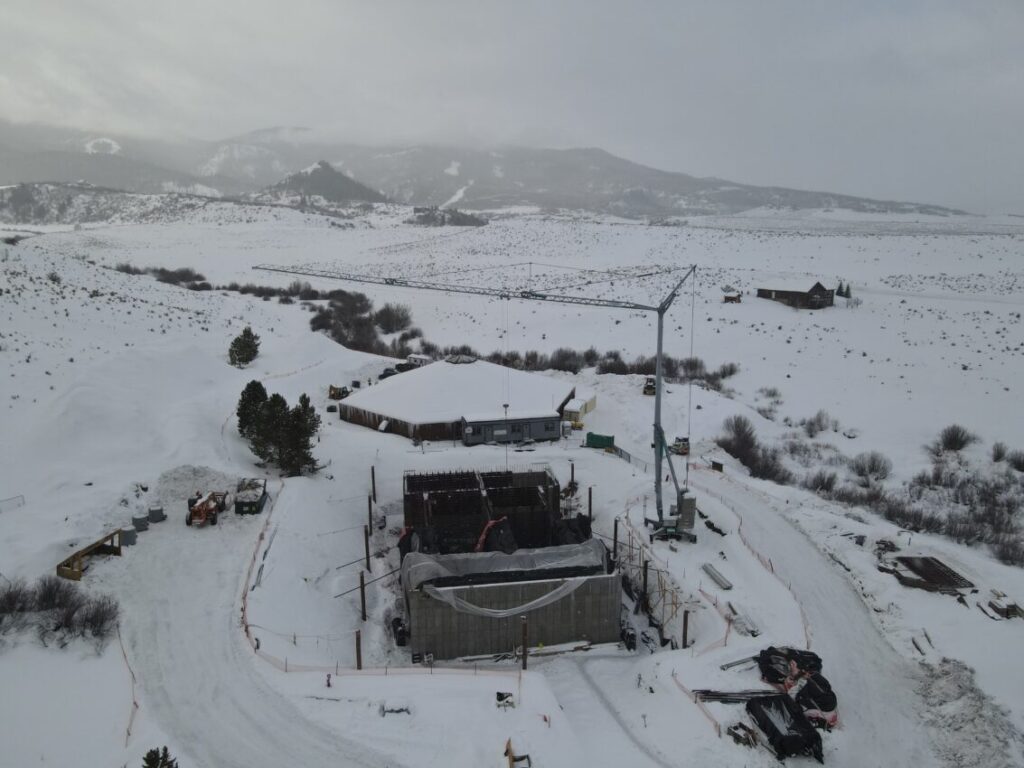
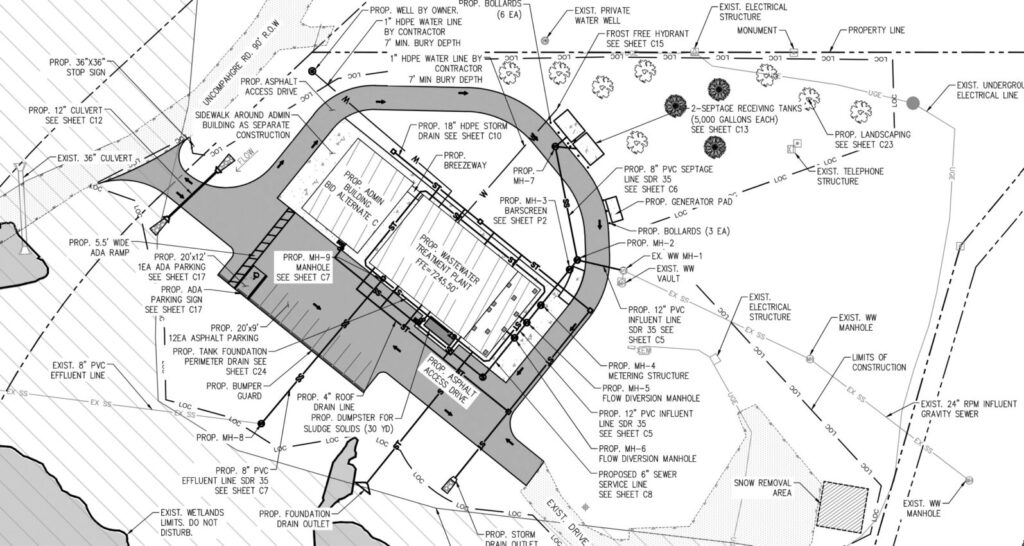
Modern Engineering Solutions delivers water and wastewater engineering across diverse regulatory environments, demonstrating efficient permitting and site-specific design expertise.

Why Choose Modern Engineering Solutions

Why Choose MES

1

Collection Systems Sized for Your Full Buildout

Flow projections use your actual development program rather than conservative residential assumptions that undersize systems when later phases add commercial or mixed-use demand. Lift stations and force mains get designed for ultimate buildout capacity so Phase 1 infrastructure serves Phase 4 without replacement.

2

CDPHE Discharge Permits That Clear Without Revision Cycles

Colorado discharge permit applications include complete hydraulic documentation, pipe sizing calculations, and treatment capacity confirmation assembled before first submission. Developers working with us don't discover that a 6-week permit timeline became a 6-month revision cycle because the original application was incomplete.

3

Phasing Matched to Treatment Plant Expansion Timelines

Lot release schedules get checked against treatment plant expansion completion dates before absorption commitments go to builders. Colorado Front Range districts expanding capacity have construction timelines that absorption schedules have to account for before builder contracts are signed.

4

Wastewater and Civil Engineering Without Coordination Gaps

Collection system alignments get routed through your Colorado site with grading elevations, dry utility corridors, and drainage features already established. Conflicts that cost hours to resolve during design cost significantly more after grading crews have cut the site and established grades the collection system then has to navigate around.

Frequently Asked Questions

Wastewater treatment planning and CDPHE discharge permitting for a Colorado subdivision need to advance together rather than sequentially. Treatment planning determines the system type, sizing, and discharge location. The permit application documents that the proposed system meets CDPHE water quality standards for the receiving stream or land application site.

MES handles both for Colorado land developers, coordinating treatment planning with CDPHE discharge permit requirements from the first design session. Applications arrive complete rather than requiring supplemental submissions that reset the review clock.

Hydraulic modeling and collection system design for a Colorado land development require an engineer familiar with both the technical requirements and the specific terrain conditions that affect how collection systems perform on Front Range and mountain-adjacent sites.

Collection system hydraulic modeling for Colorado developments typically involves:

– Flow projections based on actual land use mix, not generic residential assumptions
– Pipe sizing that accounts for terrain-driven slope constraints
– Lift station wet well sizing for peak flow conditions
– Force main hydraulic analysis where gravity flow isn’t achievable

MES provides hydraulic modeling and collection system design coordinated with civil grading and utility layout simultaneously, so pipe slopes work with finished grades rather than requiring re-routing after grading establishes elevations the collection system can’t accommodate.

A complete CDPHE wastewater discharge permit application for a Colorado land development typically takes 6-8 weeks from submission to approval. That timeline assumes the application is technically complete at first submission.

A complete CDPHE discharge permit application for a Colorado development includes:

– Hydraulic calculations demonstrating collection system capacity
– Collection system design drawings and specifications
– Lift station sizing documentation where applicable
– Treatment capacity confirmation from the serving district
– Discharge location documentation and receiving water analysis

Applications missing any of these components generate information requests from CDPHE reviewers, resetting the review clock with each round of correspondence. Developers whose engineers submitted incomplete applications as queue placeholders routinely wait 4-6 months longer than necessary. MES assembles complete technical packages before first submission so the 6-8 week timeline is achievable rather than aspirational.

Infiltration and inflow analysis, commonly called I&I analysis, evaluates how much groundwater and stormwater is entering a wastewater collection system through pipe defects, manhole connections, and improper service connections.

For a new Colorado land development connecting to an existing collection system, the serving district may require I&I analysis to confirm that the existing system has sufficient capacity to handle both current flows and the additional flow your development will add. Front Range utility districts experiencing capacity constraints increasingly require developers to demonstrate that their connection won’t push the existing system beyond permitted treatment capacity.

For new collection systems being constructed as part of a Colorado development, I&I analysis during construction administration verifies that newly installed pipes and manholes meet watertightness standards before the system is accepted by the district. MES provides I&I analysis as part of both due diligence coordination and construction administration services for Colorado land developers.

Available wastewater treatment capacity in Colorado is confirmed through direct coordination with the utility district or municipality that will serve your development. The critical distinction is between verbal capacity assurances during due diligence and written allocation commitments that reserve capacity specifically for your project.

Colorado’s Front Range utility districts have experienced capacity constraints as development absorption has outpaced plant expansion in some service territories. Verbal confirmation that capacity is available does not protect a developer when another project commits the remaining allocation before your connection application is submitted.

Written capacity reservation agreements, signed by authorized district representatives and specifying the allocation amount and reservation period, are the only reliable confirmation. MES coordinates this confirmation as part of project due diligence before design begins, so developers know what treatment capacity is actually available before committing design resources to a system that depends on it.

Wastewater collection system change orders on Colorado development sites most commonly originate from three sources:

– Collection main alignments that conflict with established grading elevations or rock conditions
– Lift station locations placed without confirming wet well dimensions fit within available site area
– Pipe depth conflicts with dry utility corridors already committed to other providers

Each source is preventable with the right engineering coordination upfront:

– Grading and collection system design advancing simultaneously with shared terrain data
– Lift station siting confirmed against civil grading and site layout before permit applications are filed
– Utility corridor coordination completed before any single discipline finalizes its alignment

MES advances wastewater and civil engineering together on Colorado projects, resolving conflicts during design when fixes cost hours rather than after grading when corrections require excavating through already-compacted material.

A lift station, also called a pump station, is a wastewater facility that pumps sewage from a lower elevation to a higher elevation where gravity flow to the treatment plant becomes achievable. Colorado land developments need lift stations when terrain prevents gravity collection from reaching the connection point to the existing system.

Lift station design for a Colorado development involves several engineering decisions:

– Wet well sizing based on peak flow projections and pump cycling requirements
– Pump selection for the specific head conditions and flow rates the station will handle
– Force main sizing and hydraulic analysis from the station to the gravity system connection
– Electrical and control system design for reliable operation and remote monitoring
– Emergency overflow provisions meeting CDPHE requirements

Colorado developments in terrain with significant elevation changes, or sites where the gravity connection point is uphill from portions of the development, commonly require lift stations. MES designs lift stations sized for full buildout flow rather than Phase 1 only, so early phase pump stations don’t require replacement when later phases add connections.

Wastewater engineering and civil grading design should advance simultaneously on Colorado developments, not sequentially. The reason is specific to how terrain affects collection system performance.

Wastewater collection mains depend on gravity flow, which means pipe slopes have to work within the finished grade elevations that civil grading establishes. When grading design completes first and wastewater design follows, collection system engineers inherit grade constraints they had no input into creating. When collection system design precedes grading, the reverse problem occurs: grading adjusts to accommodate utility depths in ways that increase cut and fill volumes unnecessarily.

The correct approach is coordination from the first design session, with both disciplines informing each other as terrain constraints, utility grades, and lot layout decisions evolve together. MES handles civil and wastewater engineering simultaneously on Colorado projects because the terrain conditions that make sequential design problematic are more common here than on flat suburban sites.

Running out of wastewater treatment capacity before a Colorado development completes buildout creates a direct block on certificates of occupancy for finished lots that cannot connect to a full treatment system.

Utility districts operating at or above permitted treatment capacity cannot legally accept new connections until expansion capacity comes online, regardless of when collection infrastructure was installed or how long a developer has been paying connection fees.

Treatment plant expansions in Colorado typically require 18-36 months from design through construction. A developer who discovers a capacity gap when Phase 3 lots complete faces carrying those finished lots unsold for potentially years while waiting on infrastructure. The financial exposure compounds quickly as finished lots generate carrying costs without revenue.

Confirming treatment capacity availability and coordinating phasing with expansion timelines before commitments are made to builders is the only reliable way to avoid this outcome. MES coordinates capacity confirmation and phasing alignment as part of project due diligence rather than as a correction after the problem surfaces.

Construction drawings for a Colorado wastewater collection system typically include:

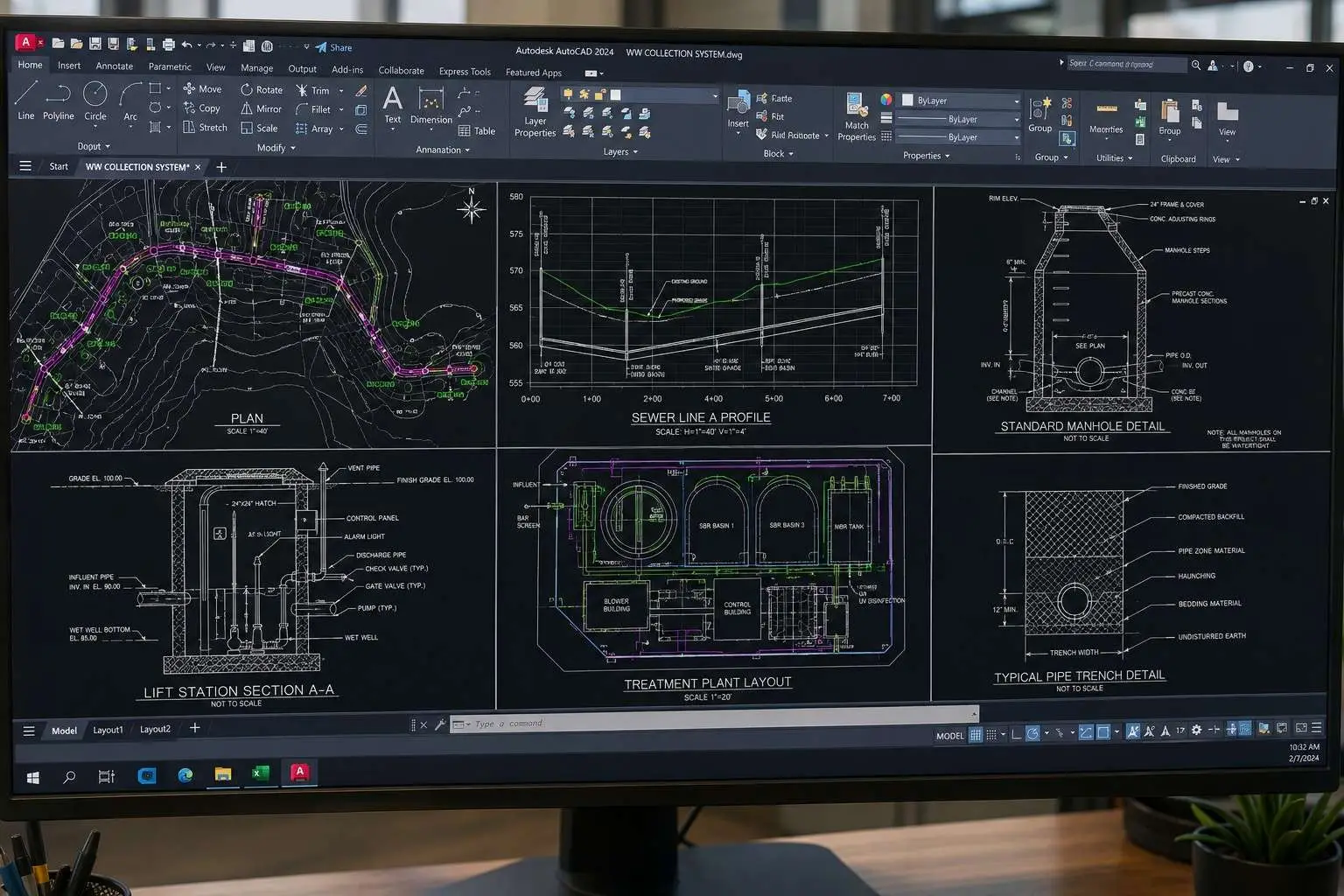
– Plan and profile sheets showing gravity main alignments, pipe sizes, slopes, and depths
– Manhole detail sheets showing construction specifications and connection requirements
– Lift station plan, section, and detail sheets where pump stations are required
– Force main plan and profile sheets from lift stations to gravity system connections
– Service lateral detail sheets showing connection requirements for individual lots
– General notes and specifications meeting CDPHE and district construction standards

Colorado utility districts often have specific construction standard requirements that supplement CDPHE standards, covering pipe materials, joint types, bedding requirements, and testing protocols. Construction drawings that don’t meet district standards require revision before the district will accept the system for operation and maintenance. MES produces construction drawings that satisfy both CDPHE permit requirements and the specific construction standards of the Colorado district accepting the system.

CDPHE requires construction drawings as part of the discharge permit application for Colorado wastewater collection systems. Permit applications submitted without complete construction drawings generate information requests that extend review timelines.

That said, preliminary engineering and permit application preparation can advance simultaneously rather than sequentially. The key is having construction drawings sufficiently complete to demonstrate system capacity, pipe sizing, and discharge compliance before the application is filed, even if minor details are still being finalized.

MES structures Colorado wastewater permitting to advance permit preparation alongside construction drawing development rather than waiting for drawings to be complete before starting the application. This approach compresses the overall timeline between design kickoff and permit issuance without sacrificing the technical completeness that CDPHE reviewers require for first-pass approval.

Wastewater treatment permitting in Colorado covers two distinct regulatory requirements that affect land development timelines differently.

The first is the CDPHE discharge permit, formally called a Colorado Discharge Permit System permit, which authorizes the discharge of treated wastewater to a receiving water or land application site. For a land development connecting to an existing treatment plant, this permit is typically held by the utility district rather than the developer. For a development constructing its own treatment facility, the developer must obtain the discharge permit before the facility can operate.

The second is the CDPHE construction permit for the collection system, which authorizes construction of wastewater collection mains, lift stations, and related facilities. This permit is required before collection system construction can begin and typically takes 6-8 weeks for complete applications.

Both permits affect development timelines differently. Collection system construction permits gate when infrastructure construction can start. Discharge permits gate when the treatment facility can accept flow and when certificates of occupancy can issue for completed lots. MES coordinates both permit tracks simultaneously for Colorado developments constructing their own treatment facilities, and coordinates collection system permitting with district capacity confirmation for developments connecting to existing treatment plants.

Talk to an Engineer

Colorado wastewater projects need CDPHE discharge permits, metro district capacity coordination, and often treatment design addressing altitude effects. We’ll review your site specifics and outline permitting requirements in a 15-minute call. No cost, no commitment.