Colorado water projects fail when engineering firms treat Prior Appropriation water rights, CDPHE distribution permitting, and peak summer demand patterns as variables to address later. We engineer with those realities confirmed before design begins.
Modern Engineering Solutions delivers water and wastewater engineering across diverse regulatory environments, demonstrating efficient permitting and site-specific design expertise.
Taylor, Williamson County, TX
completed
The Gateway Water Reclamation Facility serves a large-scale mixed-use development in San Marcos, Hays County, Texas, combining data center operations, commercial facilities, and supporting systems. A traditional 1.0 MGD discharge permit in this region would have faced significant opposition from environmental groups concerned about impacts to the San Marcos River and Edwards Aquifer recharge zone, with public hearing processes routinely extending timelines to 30 or more months. Modern Engineering Solutions pursued the TCEQ 210E authorization pathway instead, securing approval in just 10 weeks with a zero-discharge reclaimed water system that eliminated surface water discharge concerns entirely.
San Marcos, Hays County, TX
completed
The Gateway Water Reclamation Facility serves a large-scale mixed-use development in San Marcos, Hays County, Texas, combining data center operations, commercial facilities, and supporting systems. A traditional 1.0 MGD discharge permit in this region would have faced significant opposition from environmental groups concerned about impacts to the San Marcos River and Edwards Aquifer recharge zone, with public hearing processes routinely extending timelines to 30 or more months. Modern Engineering Solutions pursued the TCEQ 210E authorization pathway instead, securing approval in just 10 weeks with a zero-discharge reclaimed water system that eliminated surface water discharge concerns entirely.
Taylor, Williamson County, Texas
completed
The Bradley Business Park Water Reclamation Facility required a wastewater solution for a mixed-use development in Taylor, Williamson County, Texas. When Williamson County denied the septic permit due to platting issues and site constraints that made conventional on-site treatment infeasible, Modern Engineering Solutions pursued the TCEQ 210E authorization pathway. This approach bypassed county jurisdiction entirely, placing the project under state-level TCEQ oversight with a zero-discharge reclaimed water system. The 4-week approval timeline allowed the developer to maintain construction schedules and avoid costly project delays.
Texas
completed
The Trinity Retail Plaza is a meticulously designed 2-acre commercial shopping plaza that seamlessly integrates high-quality retail spaces with innovative engineering solutions. Modern Engineering Solutions provided expertise in paving, grading, utility layout, and drainage design, while addressing site-specific challenges including streambank stabilization and storm drain improvements in full compliance with local and state regulations.
Lindsay, Texas
completed
The Bailey Ranch Estates is a meticulously planned 14-acre residential development featuring 48 thoughtfully designed lots alongside a 2.5-acre future industrial site. Modern Engineering Solutions provided expertise in site planning, coordination, and infrastructure design to ensure the successful execution of this project, serving the growing community in the city of Lindsay, Texas.
Magnolia Center, Corinth, Texas
completed
The Magnolia Center is a 2.67-acre mixed-use commercial development strategically located in Corinth, Texas. The project comprises a 10,800 sq. ft. office building and a 7,316 sq. ft. retail building featuring a drive-through facility. Currently in the final stages of construction, the development exemplifies the seamless integration of diverse commercial spaces designed to cater to the evolving needs of the community.
Oak Creek, CO
completed
The Town of Oak Creek faced aging water distribution and wastewater collection systems with unquantified water loss and infiltration and inflow issues. Modern Engineering Solutions conducted a comprehensive assessment of the infrastructure's age and condition, delivering a final report with clear engineering estimates and a prioritized roadmap for future system replacements and improvements.
Steamboat Springs, CO
completed
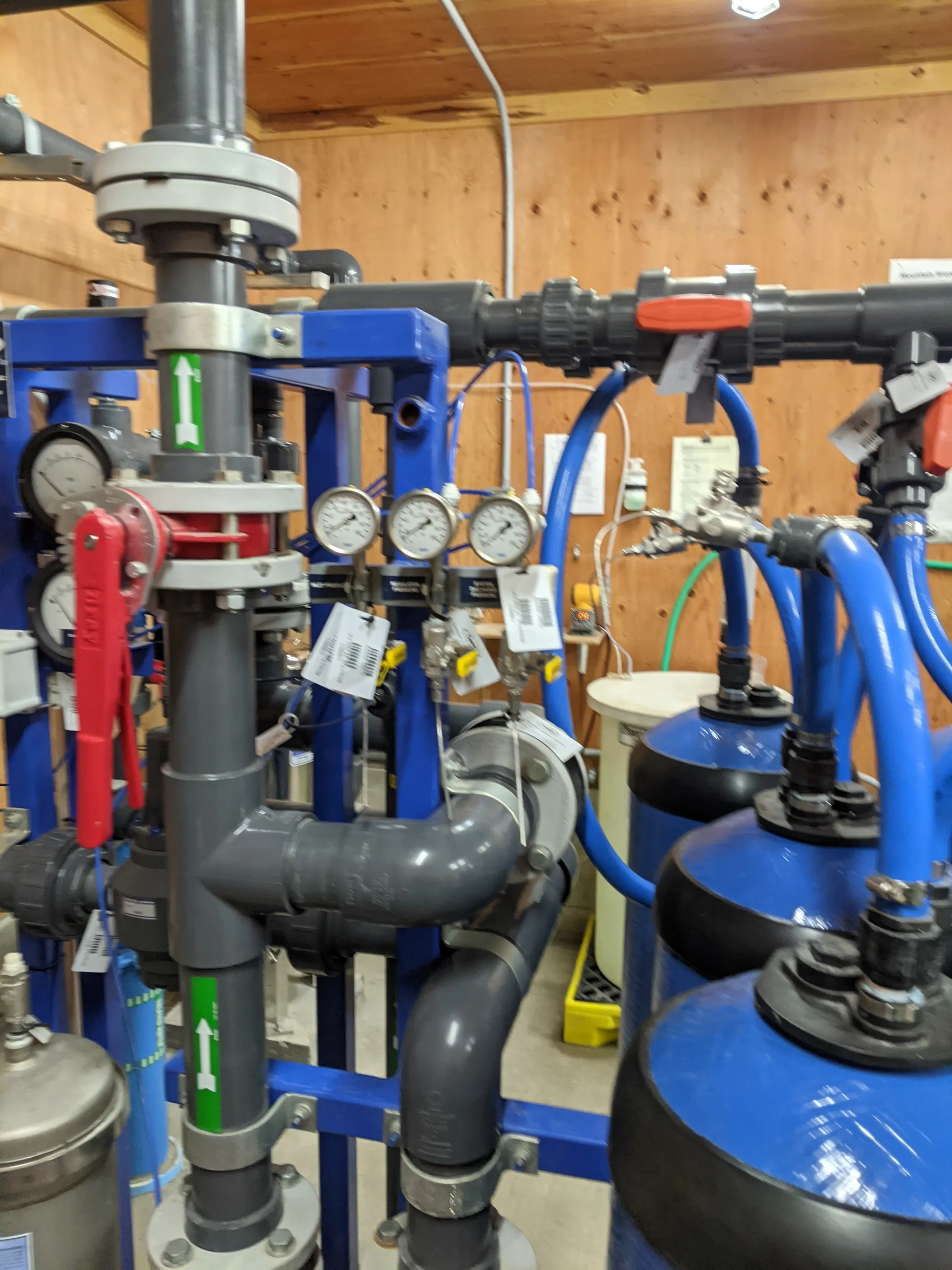
The Steamboat Mountain School Wastewater Treatment Plant (WWTP) project involved the design and construction of a new 10,000-gallon-per-day treatment facility to replace an outdated plant that could no longer meet the demands of the school’s growing operations and updated discharge requirements. The new WWTP ensures compliance with strict effluent limits, including BOD of 5 mg/L, TSS of 1 mg/L, and NH₃-N below 1 mg/L. Modern Engineering Solutions (MES) led the civil design efforts, working closely with the process engineering team to recommend improvements that enhanced performance and sustainability.
Phippsburg and Milner, CO
completed
The Phippsburg and Milner Wastewater Treatment Plants (WWTP) project involved the design and construction of two new treatment facilities to replace outdated infrastructure that could no longer meet the growing demands and discharge requirements of the communities they serve. With capacities of 32,500 gallons per day and 30,000 gallons per day respectively, the new WWTPs were designed to ensure compliance with strict effluent limits, including BOD of 5 mg/L, TSS of 1 mg/L, and NH₃-N of 50 mg/L. Modern Engineering Solutions (MES) led the civil design efforts, collaborating with process engineers to enhance the plants' performance and sustainability.
Yampa, CO
completed
The Town of Yampa Wastewater Treatment Plant (WWTP) project involved the design and construction of a new 105,000-gallon-per-day treatment facility to replace an outdated plant that no longer met the town’s wastewater needs or regulatory discharge requirements. The new WWTP ensures compliance with strict effluent limits, including BOD levels below 5 mg/L, TSS below 1 mg/L, and TIN below 21 mg/L, supporting sustainable growth and environmental stewardship. Modern Engineering Solutions (MES) led the civil design efforts, working closely with the process team to optimize system performance through strategic process recommendations.
Gypsum, CO
completed
The Riverdance RV Park Wastewater Treatment Plant (WWTP) project involved the design and construction of a new 40,000-gallon-per-day treatment plant to replace an outdated system that could no longer meet the growing demands and discharge requirements of the expanding RV park. The new WWTP was engineered to handle increased wastewater flows while ensuring compliance with strict effluent limits, including BOD of 5 mg/L, TSS of 1 mg/L, and Total Inorganic Nitrogen (TIN) of 80 mg/L. Modern Engineering Solutions (MES) led the civil design effort, collaborating with the process engineering team to recommend adjustments that optimized system performance.
Yampa, CO
completed
The Town of Yampa Collection System Improvements project focused on the rehabilitation of 20,000 feet of wastewater collection pipelines and upgrades to the community’s manholes. These improvements were designed to enhance the system’s reliability and reduce future maintenance needs. Modern Engineering Solutions (MES) took the lead on the project, working closely with local officials to develop effective engineering solutions and secure funding to support the town’s infrastructure goals.
Phippsburg & Milner, CO
completed
The Phippsburg and Milner Collection System Improvements project focused on enhancing essential wastewater infrastructure for both communities. The project involved the rehabilitation of 20,000 feet of aging collection pipelines and the lining and improvement of multiple manholes to ensure long-term durability and performance. These upgrades are critical to maintaining reliable wastewater service and reducing maintenance needs in the future. Modern Engineering Solutions (MES) led the design effort, providing technical expertise and support throughout the project lifecycle.
Florissant, CO
completed
The Florissant Lift Station and Collection System project focused on modernizing critical wastewater infrastructure for the community. This project involved the design of a new influent lift station with a capacity of 57,000 gallons per day and the rehabilitation of 35,000 feet of the existing collection system. These improvements are essential for maintaining reliable wastewater service and supporting future growth in the area. Modern Engineering Solutions (MES) led the design effort, ensuring the project met regulatory standards and aligned with funding requirements.
Milford, TX
completed
The City Limits RV Park Lift Station project was developed to support the wastewater needs of a growing RV park in Milford, TX. The lift station, with a capacity of 15,000 gallons per day, was designed to handle all three phases of the RV park’s development, ensuring long-term wastewater management and smooth operation for the facility. Modern Engineering Solutions (MES) played a key role in coordinating between stakeholders and developing engineering solutions to align with regulatory standards and local requirements.
Sasakwa, OK
completed
The Sasakwa Water Tank Improvements project addressed the challenges posed by an aging water storage tank in Sasakwa, Oklahoma. The tank had deteriorated significantly, with structural wear and coating breakdown that compromised its reliability and long-term capacity. Modern Engineering Solutions partnered with town officials to assess the tank's condition and develop a comprehensive engineering plan outlining the full scope of repairs needed. MES also supported the town's grant funding efforts by preparing a detailed engineering report documenting the tank's condition, repair requirements, and projected costs. Once funding was secured, MES prepared technical specifications for recoating and structural repairs, ensuring all work met industry standards and extended the tank's operational lifespan.
Sweetwater, TX
completed
The Bitter Creek Distribution Improvements project involves the relocation of four miles of waterlines to accommodate TxDOT improvements along the IH-20 corridor. This project ensures uninterrupted water service while supporting the infrastructure upgrades necessary for regional transportation improvements. Modern Engineering Solutions (MES) collaborated closely with stakeholders to provide on-site engineering expertise, ensuring a smooth construction process for Bitter Creek staff and seamless integration with the TxDOT project.
Martindale, Caldwell County, Texas
completed
Discharge permits in Caldwell County near the San Marcos River watershed face intense scrutiny from regional water authorities and environmental advocacy groups. Public hearings attended by Modern Engineering Solutions staff for neighboring discharge permit applications revealed highly contentious 30+ month permitting timelines. The 210E pathway bypassed this opposition entirely, securing approval in just 4 weeks by demonstrating beneficial agricultural reuse. The project’s 2.0 MGD scale, one of the largest 210E authorizations issued to date for MES, proves that flow volume does not limit 210E applicability when industrial components and viable reuse plans are present. The off-site reuse agreement with Circle G Livestock provides long-term disposal certainty while supporting local agricultural operations.
Routt County, CO
completed
MES contributed civil design services to the construction of a new 0.35 MGD wastewater treatment plant for Morrison Creek Metropolitan District. The scope covered grading, utility coordination, paving, stormwater drainage design, cut/fill calculations, and on-site construction observation, ensuring the facility was built to spec and ready for long-term reliable operation.
Teller County, CO
completed
The Arabian Acres Metropolitan District serves a disadvantaged community in Teller County, Colorado that needed significant improvements to both its water treatment and distribution infrastructure. The client qualified for SRF Loans and Grants, and Modern Engineering Solutions delivered two connected projects to address the community's water system needs from treatment through distribution.
Brighton, CO
completed
The Prairie Corner Wastewater Lift Station project in Brighton, Colorado required a full-service engineering approach covering site design, overflow piping, hydraulic calculations, and regulatory coordination. Modern Engineering Solutions contributed as a subconsultant, delivering technical expertise across multiple disciplines to ensure the lift station was designed, permitted, and built to serve the community reliably.
San Miguel County, CO
completed
Modern Engineering Solutions is proud to have played a significant role as a subconsultant in the Last Dollar PUD HOA Wastewater Treatment Improvement Project. This crucial initiative aimed at enhancing wastewater treatment facilities for the community, ensuring compliance with environmental regulations and improving overall quality of life. Our team contributed its expertise in site design, utility layout, and preparation of mechanical and process drawings to ensure the project's success.
555 S Allison Pkwy, Lakewood, CO
completed
The Belmar Library Outdoor Learning Area Expansion is a 0.05-acre civil engineering project completed for Jefferson County Public Library in Colorado. Modern Engineering Solutions was tasked with designing the grading and civil systems associated with the new outdoor learning area. The space opened in Summer 2022 and now serves as a safe, functional environment for children and families in the community.
1711 Ingalls St, Lakewood, CO
in_progress
The 1711 Single Family Homes project is a 0.75-acre residential development comprising six single-family homes in Colorado. The site presented real engineering challenges: a historically subdivided lot with tight spacing between homes, stormwater management requirements, and strict CDPHE utility line separation standards. Modern Engineering Solutions handled the full civil scope from paving and grading through utility coordination, delivering a functional and code-compliant development currently completing construction.
Storage and main sizing use peak day demand calculations that reflect Colorado's summer irrigation patterns and elevation-driven pressure requirements rather than annual average multipliers that produce systems adequate in April and inadequate in July. Contractors bid accurately because hydraulic assumptions match the conditions the system will actually operate under.
Distribution permit packages include fire flow analysis, pressure zone documentation, peak day storage calculations, and water rights confirmation assembled before CDPHE submission. Reviewers receive technically complete applications rather than submittals that satisfy filing requirements while leaving substantive hydraulic questions open for comment letters.
Tank sizing accounts for ultimate buildout demand so Phase 1 storage serves the full development without replacement when later phases add connections. Colorado's drought conditions and peak summer demand get factored into storage calculations before construction starts rather than discovered during operations when expansion wasn't in the original budget.
Distribution main routes get established with grading plans, wastewater alignments, and dry utility corridors already coordinated so Colorado terrain doesn't force expensive relocations after civil work has established grades. Service territory boundaries get confirmed before design rather than during plat recording when jurisdictional corrections delay closings.
Water treatment planning and CDPHE distribution permitting for a Colorado subdivision need to advance together rather than sequentially. Treatment planning determines the water source, treatment requirements, and system capacity. The distribution permit application documents that the proposed system meets CDPHE drinking water standards for pressure, fire flow, and storage.
MES handles both for Colorado land developers, coordinating water treatment planning with CDPHE distribution permit requirements from the first design session. Applications arrive complete rather than requiring supplemental submissions that extend review timelines past construction financing windows.
Hydraulic modeling and distribution design for a Colorado land development require an engineer familiar with both CDPHE drinking water standards and the specific terrain conditions that affect how distribution systems perform on Front Range and mountain-adjacent sites.
Distribution system hydraulic modeling for Colorado developments typically involves:
– Peak day demand calculations reflecting Colorado’s high outdoor irrigation season
– Fire flow analysis demonstrating minimum pressure at all hydrant locations
– Pressure zone design accounting for elevation changes across the development
– Storage sizing for peak demand, fire reserve, and operational requirements
– Main sizing that delivers adequate pressure at high-elevation lots without excessive pressure at low-elevation lots
MES provides hydraulic modeling and distribution design coordinated with civil grading and utility layout simultaneously, so pressure zone boundaries follow actual site topography rather than assumptions that produce pressure problems when the system goes into operation.
Colorado’s Prior Appropriation doctrine, summarized as first in time, first in right, means water rights in Colorado are allocated based on the historical date of first beneficial use, not geographic proximity to a water source.
For a land developer, this creates a due diligence requirement that doesn’t exist in most other states. A development site in Colorado does not automatically have access to water because a creek runs nearby or a district serves adjacent parcels. The serving district must have sufficient decreed rights to supply your projected demand, or augmentation plan proceedings before the State Engineer’s Office may be required.
Augmentation plan proceedings involve:
– Filing a water court application
– Engineering analysis demonstrating the augmentation plan replaces out-of-priority depletions
– Water court review and ruling, which typically takes 12-36 months
– Ongoing administration of the augmentation plan after approval
MES coordinates water rights confirmation as part of project due diligence before design begins, so developers understand what water is actually available before committing engineering resources to a system that depends on rights that haven’t been verified.
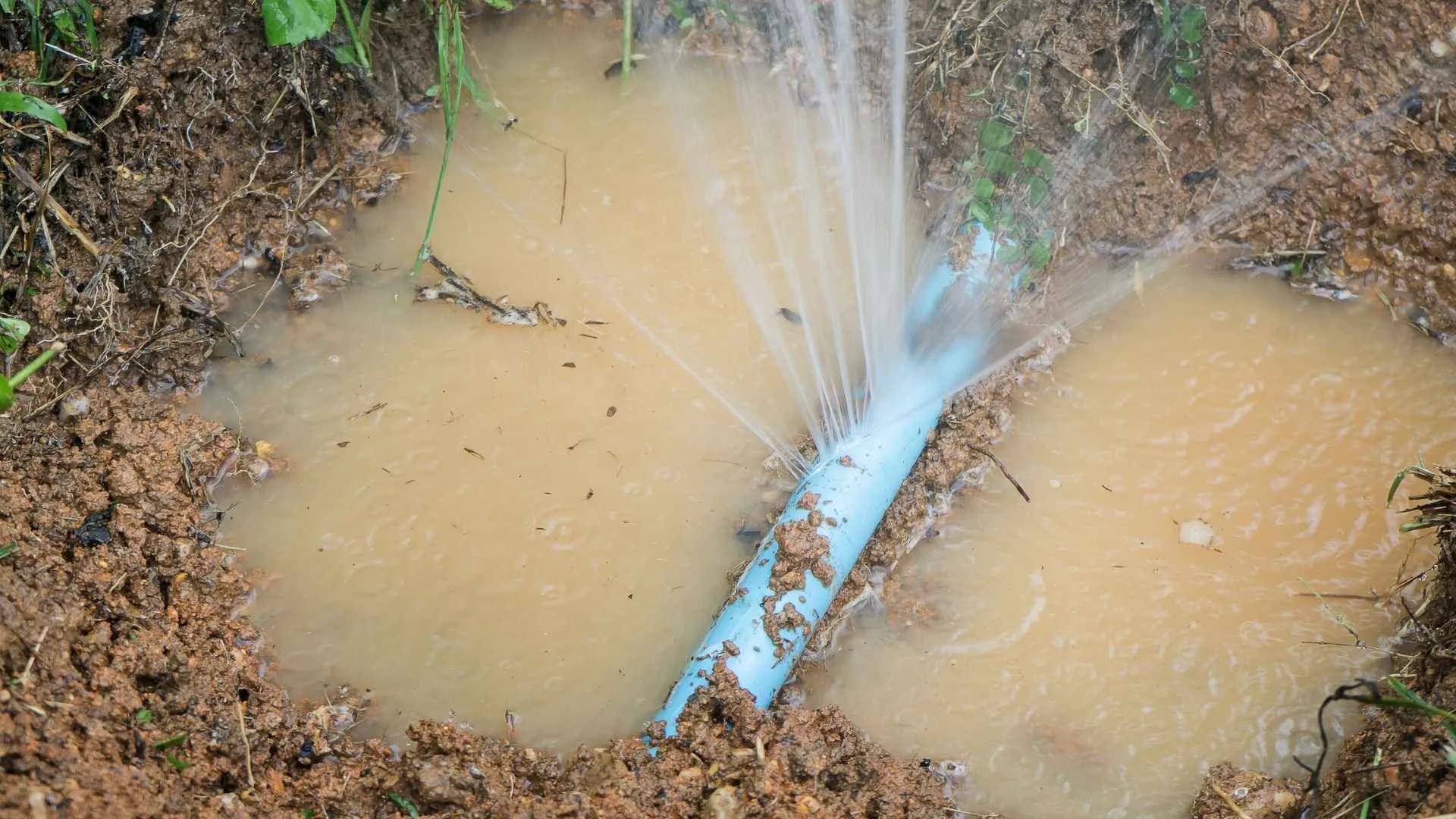
Water losses analysis evaluates the difference between water entering a distribution system and water that reaches end users, identifying losses from pipe leakage, meter inaccuracy, unauthorized connections, and system flushing.
For a new Colorado land development, water losses analysis becomes relevant in two scenarios.
The first is connecting to an existing distribution system where the serving district requires evidence that the existing system can handle additional demand without exceeding treatment and supply capacity. Districts with high existing loss rates may have less available capacity than their permitted flow suggests, affecting whether your development can connect without triggering system upgrades.
The second is new system construction where water losses analysis during startup and commissioning verifies that newly installed mains meet district leakage standards before the system is accepted for operation. Colorado districts typically require pressure testing and leakage testing that meets AWWA standards before accepting new distribution infrastructure.
MES provides water losses analysis as part of both due diligence coordination and construction administration services for Colorado land developments connecting to existing systems or constructing new ones.
Fire flow requirements for Colorado residential developments are established at the local level by the fire protection district or municipal fire department with jurisdiction over the site, with minimum standards set by the International Fire Code as adopted by Colorado.
Typical fire flow requirements for Colorado residential developments include:
– Single-family residential on lots larger than half an acre: 500-1,000 gallons per minute at 20 PSI residual pressure
– Single-family residential on smaller lots: 1,000-1,500 gallons per minute
– Attached housing, townhomes, or multifamily: 1,500-3,000 gallons per minute depending on construction type and building size
– Mixed-use or commercial components: requirements increase significantly based on occupancy type
Fire flow requirements must be satisfied simultaneously with maximum day domestic demand, meaning the distribution system has to deliver fire flow on top of peak residential use, not instead of it. Distribution designs that size mains only for domestic demand without modeling this combined condition routinely fail CDPHE hydraulic review.
MES confirms the specific fire flow requirement for your Colorado development with the applicable fire jurisdiction before distribution design begins, so the system is designed to satisfy the requirement reviewers will check rather than a generic standard that may not apply to your site.
Water storage requirements for Colorado residential developments are calculated from three separate components that get combined into a total storage volume:
– Peak day storage: the volume needed to meet maximum day demand while the supply source delivers average day flow
– Fire flow reserve: the required fire flow rate multiplied by the required duration, typically 2-4 hours for residential uses
– Operational storage: volume for pressure equalization and emergency reserve
Peak day domestic demand in Colorado residential developments typically runs 150-250 gallons per capita per day during summer irrigation season, significantly higher than the 75-100 gallons per capita per day that annual average calculations produce. Using annual averages rather than Colorado peak day demand is one of the most common storage sizing errors on Front Range developments.
For a 200-unit Colorado residential development, combined storage requirements typically range from 200,000 to 400,000 gallons depending on density, irrigation requirements, and local fire flow standards.
MES calculates storage requirements using Colorado peak day demand data rather than annual averages, so storage systems don’t run low during July when fire incidents are statistically more likely and when pressure complaints from residents are most damaging to builder reputation.
A booster pump station is a water system facility that increases pressure in a distribution zone where the existing system cannot deliver adequate pressure through gravity or the primary supply pressure alone. Colorado land developments need booster stations in two common scenarios.
The first is when a development site sits at a higher elevation than the existing distribution system’s pressure zone can serve adequately. Colorado’s terrain creates elevation differences between adjacent parcels that require pressure zone separation, with booster stations moving water from a lower pressure zone to a higher one.
The second is when distribution mains serving the development are too distant from the primary supply point to maintain adequate pressure at far reaches of the system under peak demand and fire flow conditions.
Booster station design for a Colorado development involves:
– Pump selection for the specific pressure and flow requirements
– Suction and discharge piping design
– Pressure reducing valve coordination to prevent over-pressurization downstream
– Electrical and control system design for reliable operation
– Emergency power provisions where required by the serving district
MES designs booster stations sized for full buildout demand rather than early phase flow only, so pump stations installed in Phase 1 serve the complete development without replacement when later phases increase system demand.
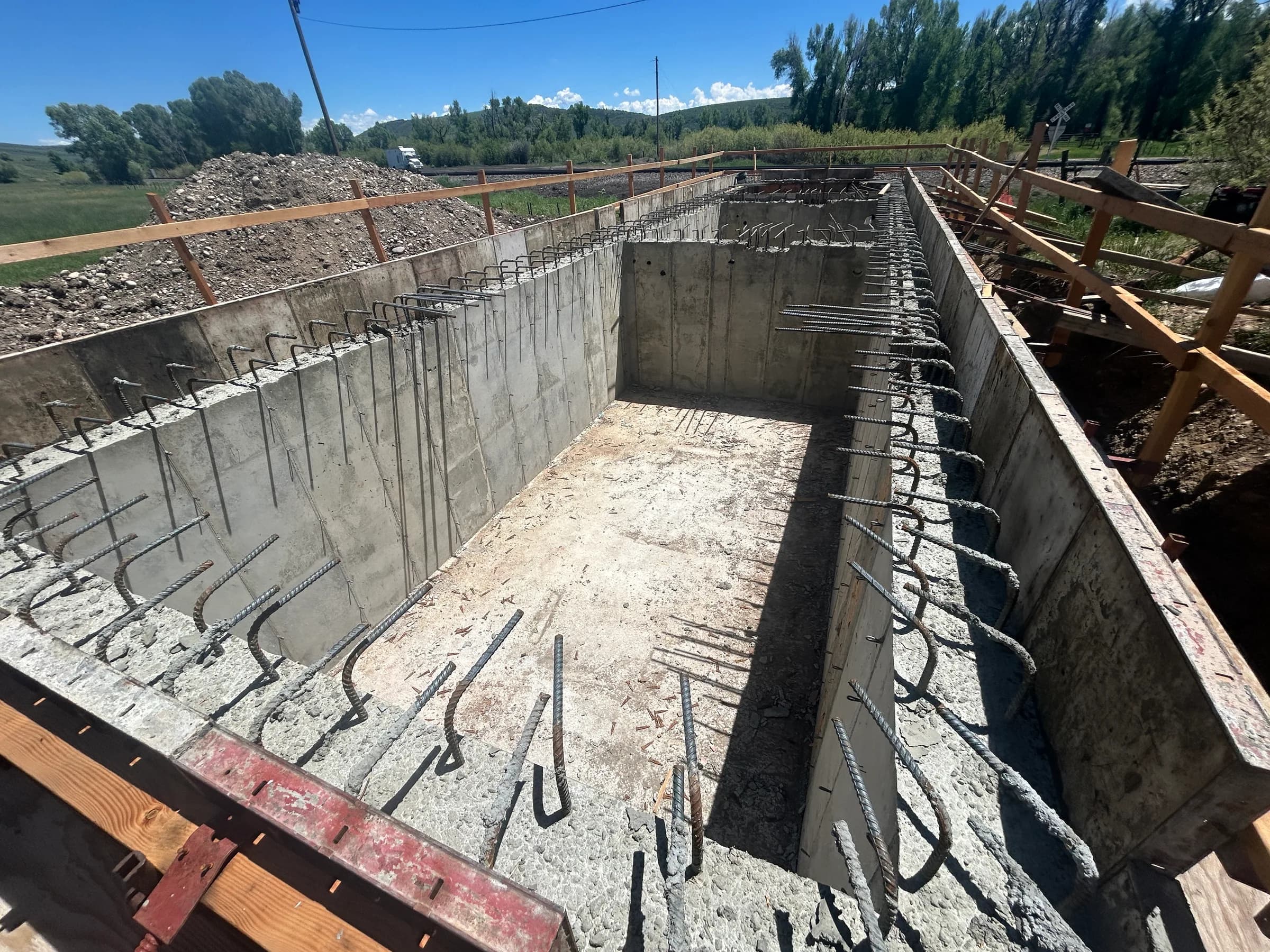
A pressure reducing vault houses pressure reducing valves that lower distribution system pressure from a higher zone to a lower zone, protecting pipes, meters, and fixtures from excessive pressure that causes leaks, meter damage, and customer complaints.
Colorado developments frequently need pressure reducing vaults when:
– The development site sits at a lower elevation than the primary supply source, creating pressure that exceeds safe operating limits for residential service
– A single development spans multiple elevation zones where the lower zone would experience excessive pressure if served from the upper zone supply
– Connections to existing high-pressure transmission mains require pressure reduction before distribution to residential services
Pressure reducing vault design involves valve sizing for the specific flow and pressure conditions, bypass configurations for maintenance access, and vault construction specifications meeting district standards. Incorrectly sized pressure reducing valves either fail to reduce pressure adequately or create excessive pressure drop that affects service quality.
MES includes pressure reducing vault design as part of distribution system design for Colorado developments where terrain creates pressure zone boundaries, coordinating vault locations with civil grading and site layout so installations don’t conflict with other site elements.
Water tank design covers the engineering of new elevated or ground storage tanks that provide pressure, fire flow reserve, and operational storage for a distribution system. Water tank rehabilitation covers the engineering of repairs, coating replacement, and structural upgrades to existing tanks that have reached the end of their original coating or structural service life.
New water tank design becomes relevant for a Colorado land development when:
– The development requires storage capacity that cannot be provided by the existing system
– The development is constructing its own distribution system requiring dedicated storage
– The serving district requires developer-funded storage as a condition of service extension
Water tank rehabilitation becomes relevant when:
– A Colorado development is acquiring land with existing water system infrastructure including aging tanks
– A serving district requires rehabilitation of existing storage as a condition of accepting additional connections
– Existing tank coating failure is causing water quality issues affecting development connectivity
MES provides water tank design for new Colorado developments requiring dedicated storage, and rehabilitation engineering for existing tanks associated with development projects. Tank sizing uses Colorado peak day demand calculations and fire flow requirements rather than generic storage formulas that undersize systems for Front Range summer demand patterns.
Construction drawings for a Colorado water distribution system typically include:
– Plan and profile sheets showing main alignments, pipe sizes, and depths
– Service lateral detail sheets showing connection requirements for individual lots
– Hydrant location and spacing plans meeting fire flow coverage requirements
– Booster station plan, section, and detail sheets where pump stations are required
– Pressure reducing vault plan and detail sheets where pressure zone separation is needed
– Water tank plan, section, and detail sheets for new storage facilities
– General notes and specifications meeting CDPHE and district construction standards
Colorado water districts often have specific construction standard requirements that supplement CDPHE standards, covering pipe materials, joint types, bedding requirements, disinfection procedures, and testing protocols. Construction drawings that don’t meet district standards require revision before the district will accept the system.
MES produces construction drawings that satisfy both CDPHE permit requirements and the specific construction standards of the Colorado district accepting the system, so drawings don’t require revision after submission to the district for review.
A complete CDPHE water distribution permit application, formally called a Permit to Construct a Water System, typically takes 6-8 weeks from submission to approval for a Colorado land development project.
That timeline assumes the application is technically complete at first submission, including:
– Hydraulic analysis demonstrating the system meets pressure and fire flow requirements under peak demand conditions
– Storage calculations showing adequate volume for peak demand and fire reserve
– Water rights documentation or service territory confirmation from the serving district
– Construction drawings meeting CDPHE standards
– Design report summarizing system design basis and regulatory compliance
Applications missing these components receive information requests from CDPHE reviewers. Each round of information requests and responses adds 4-8 weeks to the timeline. Developers whose engineers submitted preliminary applications to hold a review queue position rather than complete applications ready for technical review routinely wait 4-6 months longer than necessary.
MES assembles complete CDPHE water permit packages before first submission so the 6-8 week timeline reflects actual review time rather than the time between incomplete submission and the eventual complete resubmission.
A Colorado land development connecting to an existing water district typically does not need its own water treatment permit, because the district holds the treatment permits for its system. The developer’s permitting obligations focus on the distribution infrastructure connecting the development to the district’s existing system.
The primary permit required is the CDPHE Permit to Construct a Water System for the distribution mains, service laterals, storage facilities, and pressure control infrastructure being constructed as part of the development. This permit requires hydraulic analysis, fire flow documentation, and construction drawings demonstrating the new infrastructure meets CDPHE standards.
Additional requirements that vary by district include:
– Written service commitment letters confirming the district will accept the development’s connections
– Water rights or capacity reservation documentation
– Developer agreements specifying construction standards, inspection requirements, and system transfer conditions
– Impact fee calculations and payment schedules
Where a Colorado development is constructing its own treatment facility rather than connecting to an existing district, the regulatory requirements expand significantly to include CDPHE drinking water treatment permits, source water permits, and operator certification requirements. MES handles distribution permitting for Colorado developments connecting to existing districts, and coordinates the full treatment and distribution permit sequence for developments constructing independent water systems.