

Modern Engineering Solutions

Water Engineering
For Colorado Land Development

Colorado water engineering means confirming adequate water rights exist before you buy land, designing distribution systems that maintain pressure at 6,000 feet elevation, and protecting equipment from minus 20°F winters. We work with developers throughout the Front Range and mountain communities delivering systems that perform in Colorado’s thin air, temperature swings, and prior appropriation legal framework.

Engineering Built for Outcomes, Not Overhead

Colorado water projects fail when engineering firms treat Prior Appropriation water rights, CDPHE distribution permitting, and peak summer demand patterns as variables to address later. We engineer with those realities confirmed before design begins.

Value Over
Hours

We price Colorado water engagements around delivered outcomes: water rights confirmed, distribution permits approved, and storage systems sized for peak summer demand rather than annual averages that fail during July when pressure complaints and fire flow deficiencies surface together.

Speed as a Design Constraint 

CDPHE distribution permit timelines and water rights confirmation windows directly affect when Colorado developers can commit to builder schedules. We treat both as core design inputs from day one rather than parallel processes that create surprises when they don’t align with construction timelines.

Deep Work, Not Meeting Culture

Water rights analysis, pressure zone design, and service territory conflicts get resolved through engineering and legal coordination before applications are filed. Colorado CDPHE reviewers and the State Engineer’s Office receive complete packages because technical and legal questions were answered at the desk, not deferred to agency comment responses.

AI as Leverage, Not a Shortcut

AI handles hydraulic calculation formatting and permit documentation so licensed Colorado PEs focus on pressure zone analysis, storage sizing, and water rights coordination. Every technical decision is made and stamped by a professional engineer before it reaches CDPHE or the State Engineer’s Office.

What We Do

Modern Engineering Solutions delivers water engineering for Colorado land development including water rights analysis, high-altitude system design, CDPHE permitting, and construction oversight across Front Range and mountain communities.
Treatment selection in Colorado starts with source quality analysis showing what contaminants need removal and altitude evaluation determining how processes perform in thin air. Front Range groundwater frequently contains radionuclides like uranium requiring specialized removal. Mountain surface water carries seasonal turbidity during spring snowmelt runoff.

Biological treatment processes struggle at elevations above 7,000 feet where dissolved oxygen drops significantly. Membrane filtration operates differently at reduced atmospheric pressure. We compare treatment technologies by capital investment, long-term energy costs at Colorado utility rates, and operations complexity given operator availability in your area.

Mountain resort communities with seasonal populations may need automated systems requiring minimal daily oversight. Metro district developments with professional management can support more complex processes delivering better water quality at lower lifecycle cost.
CDPHE drinking water permits in Colorado require engineering reports documenting source sustainability, treatment capability, and monitoring plans. Applications demonstrate your water rights decree matches proposed use, source water quality testing shows what treatment addresses, and finished water projections prove compliance with primary standards. Groundwater wells need pump testing showing sustainable yield without injuring senior water rights through depletions.

Surface water diversions trigger watershed sanitary survey requirements identifying contamination risks from upstream land uses. High-altitude projects occasionally need additional disinfection analysis because reduced atmospheric pressure affects chlorine contact time effectiveness. Complete applications including all required hydrogeological analysis receive CDPHE approval within 8-12 weeks. Missing technical documentation discovered through deficiency letters extends permitting to 22-28 weeks while your project schedule stalls waiting on regulatory clearance.
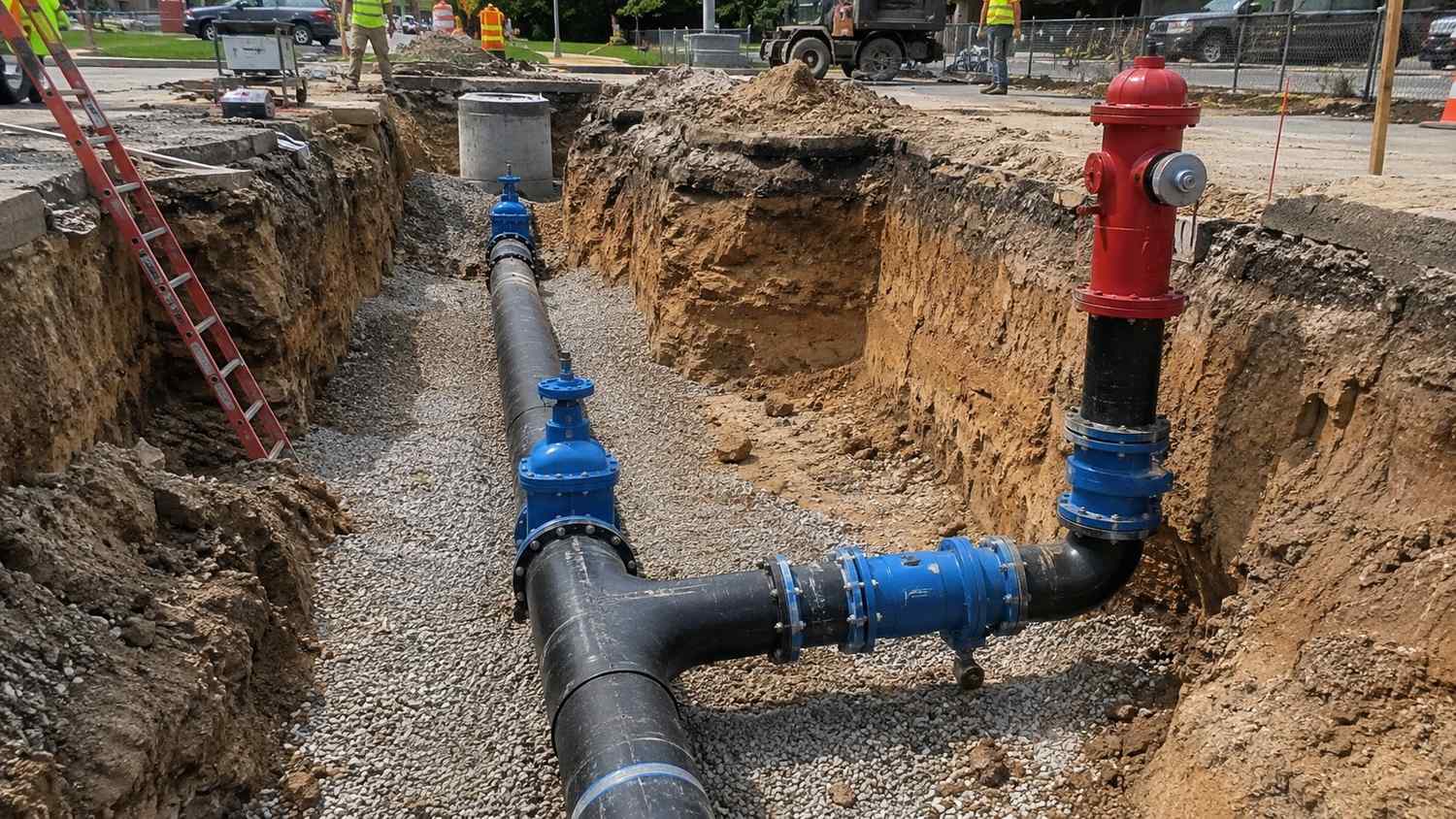
Colorado construction documents show burial depths preventing freeze damage at your specific elevation, bedrock excavation requirements from boring logs, and equipment specifications adjusted for altitude performance. Water mains bury 48 inches minimum on plains increasing to 60 inches in mountains where frost penetrates deeper.

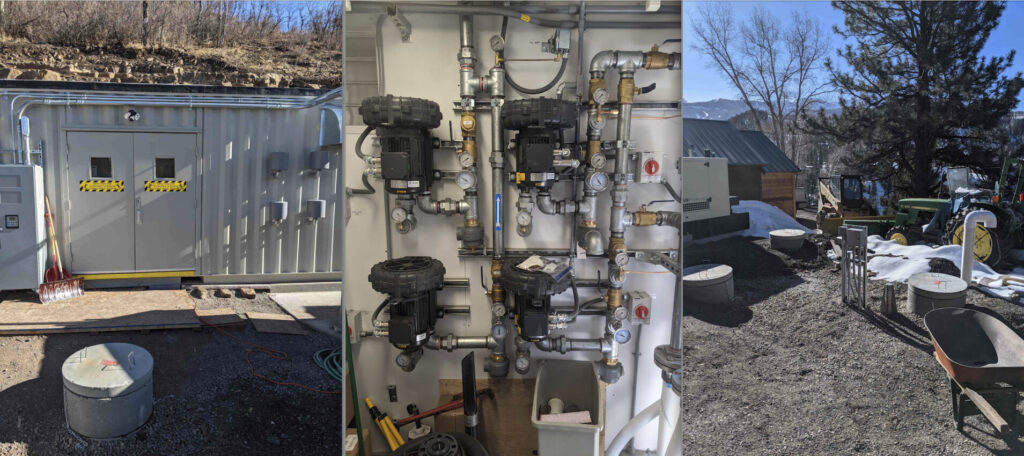
Pump curves get adjusted for elevation because atmospheric pressure at 6,000 feet significantly reduces available head compared to manufacturer specifications tested at sea level. Valve vaults include drain provisions and insulation. Pump station drawings show heated buildings maintaining interior temperatures during winter, insulated exterior piping, and heat trace for exposed connections. Treatment facilities need building designs maintaining process temperatures, backup heating during power failures, and equipment rated for subzero operation. Plans coordinate with your water rights decree showing diversion points and use locations matching legal authorizations.
Distribution networks in Colorado balance fire flow requirements against energy efficiency when pumping through significant elevation changes. Hydraulic analysis accounts for altitude reducing available pressure by roughly 1 PSI per 200 feet of elevation, steep terrain requiring pressure zone separation, and temperature extremes affecting water demand patterns seasonally. Foothill developments along Front Range often need three or four pressure zones preventing excessive pressures in lower areas while maintaining adequate supply uphill.

Valve placement considers access during winter when roads require snow removal. Pipe materials resist freeze-thaw cycles damaging brittle materials. Many Colorado developments connect to existing water providers like Denver Water, Aurora Water, or smaller municipal systems rather than developing independent sources. Each provider publishes design standards we follow from project start preventing acceptance problems after construction investment.
Hydraulic models predict how water systems perform under different demand scenarios accounting for Colorado-specific variables like altitude effects, steep slopes, and seasonal use patterns. Software calculates pressure at every junction considering elevation and atmospheric pressure interactions often overlooked in standard analysis. Fire flow modeling tests whether adequate pressure exists during emergency demand conditions.

Mountain resort developments model winter vacancy periods with minimal flow and summer peak occupancy when demand spikes. Multiple pressure zones get evaluated for transition points preventing crossover during unusual conditions. Metro districts use models demonstrating adequate capacity at each development phase supporting bond financing applications. Models also support water provider negotiations by documenting your development’s pressure and capacity impacts on their existing system helping justify connection fees and infrastructure contributions.
Water loss takes on special significance in Colorado where prior appropriation law limits available supply and buying additional water rights costs tens of thousands per acre-foot. Real losses from pipe leaks represent water you purchased but never delivered to customers. Apparent losses from meter inaccuracy mean you’re treating and pumping water you can’t bill.

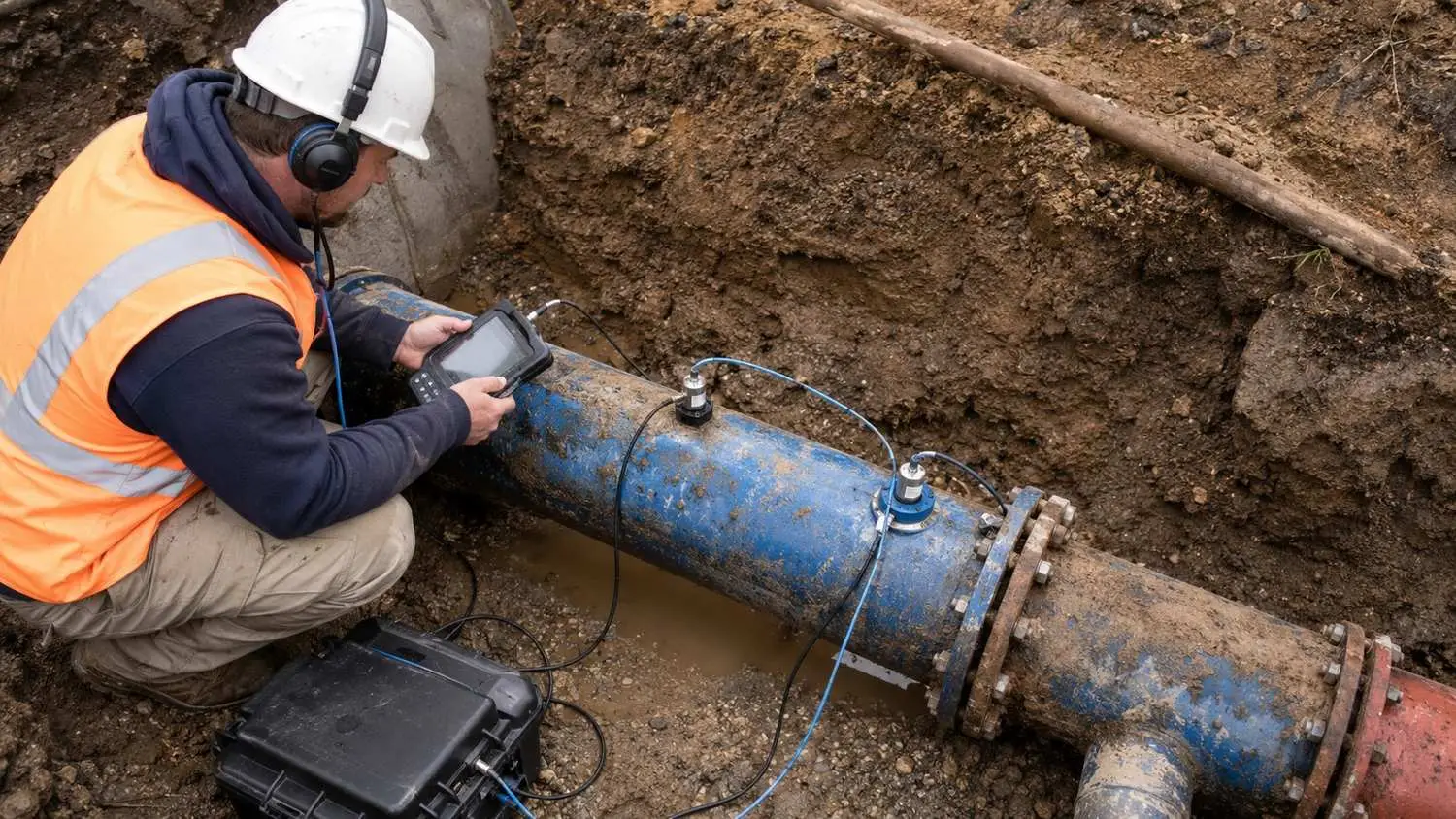
We audit systems using acoustic leak detection identifying problem areas, test meters documenting accuracy across flow ranges, and prioritize repairs by water saved per investment dollar. Colorado’s freeze-thaw cycles create more main breaks than temperate climates see annually. Older mountain community systems with galvanized steel pipes experience significant deterioration. Reducing water loss frees supply capacity for additional development without requiring expensive new water rights purchases in over-appropriated basins where rights trade at premium prices.
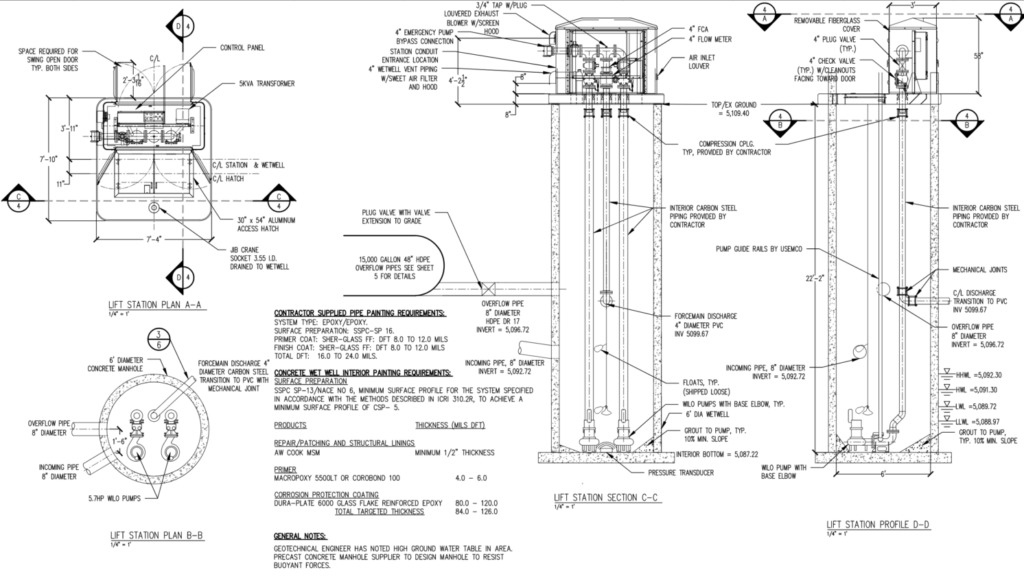
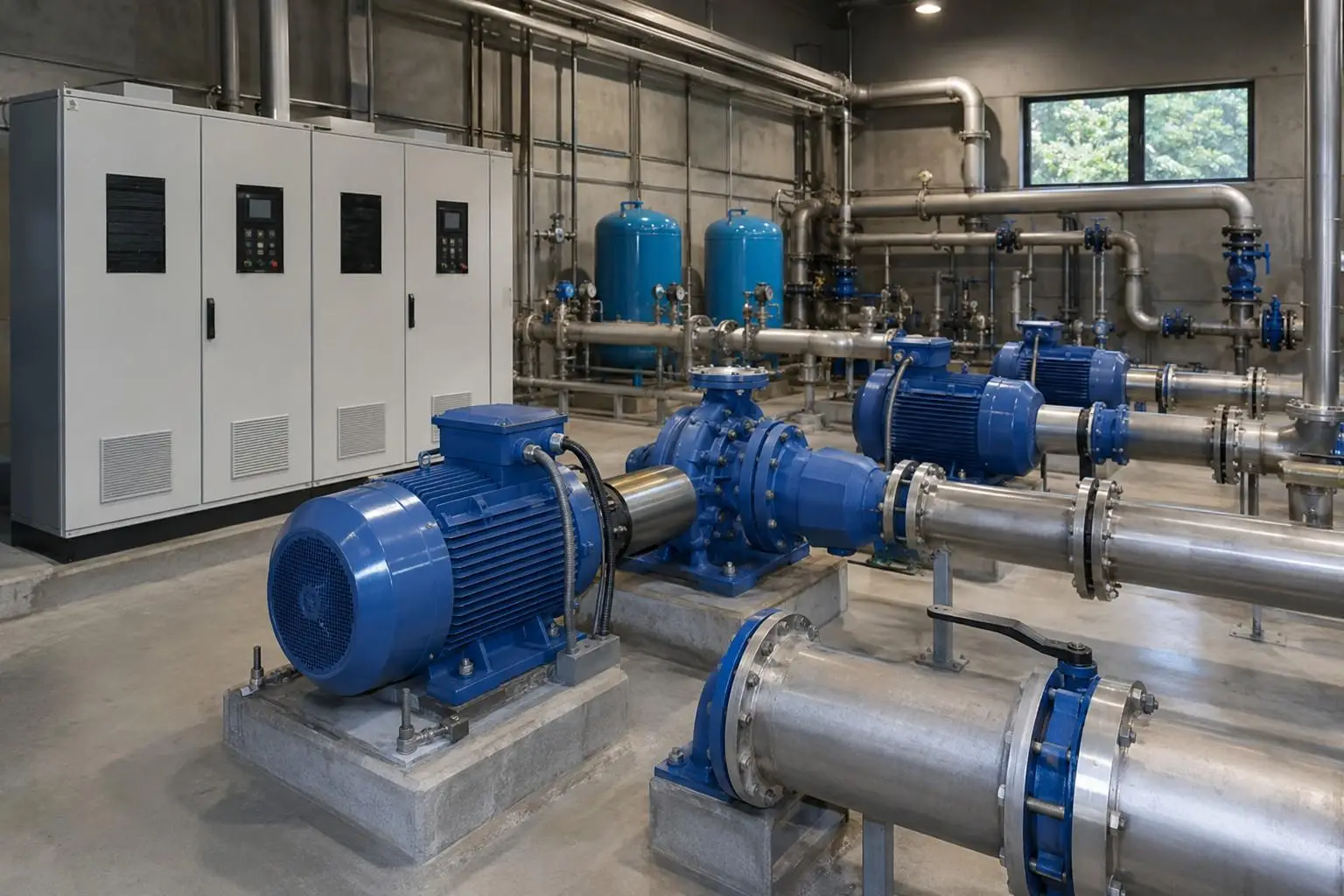
Booster stations in Colorado face unique challenges from altitude reducing pump efficiency, temperature extremes requiring robust freeze protection, and mountain power outages during winter storms. Pump selection uses manufacturer curves corrected for your site elevation because atmospheric pressure at 6,000-8,000 feet can reduce available head by 15-20% compared to sea level performance.

Variable frequency drives adjust pump speed matching system demand improving efficiency across operating ranges. Buildings need insulation and heating systems maintaining equipment above freezing year-round. Backup generators provide power during outages that can last days in mountain areas during severe winter weather. All electrical components get specified for cold temperature operation. Noise control addresses residential proximity concerns. Stations located and designed for snow removal equipment access during winter.
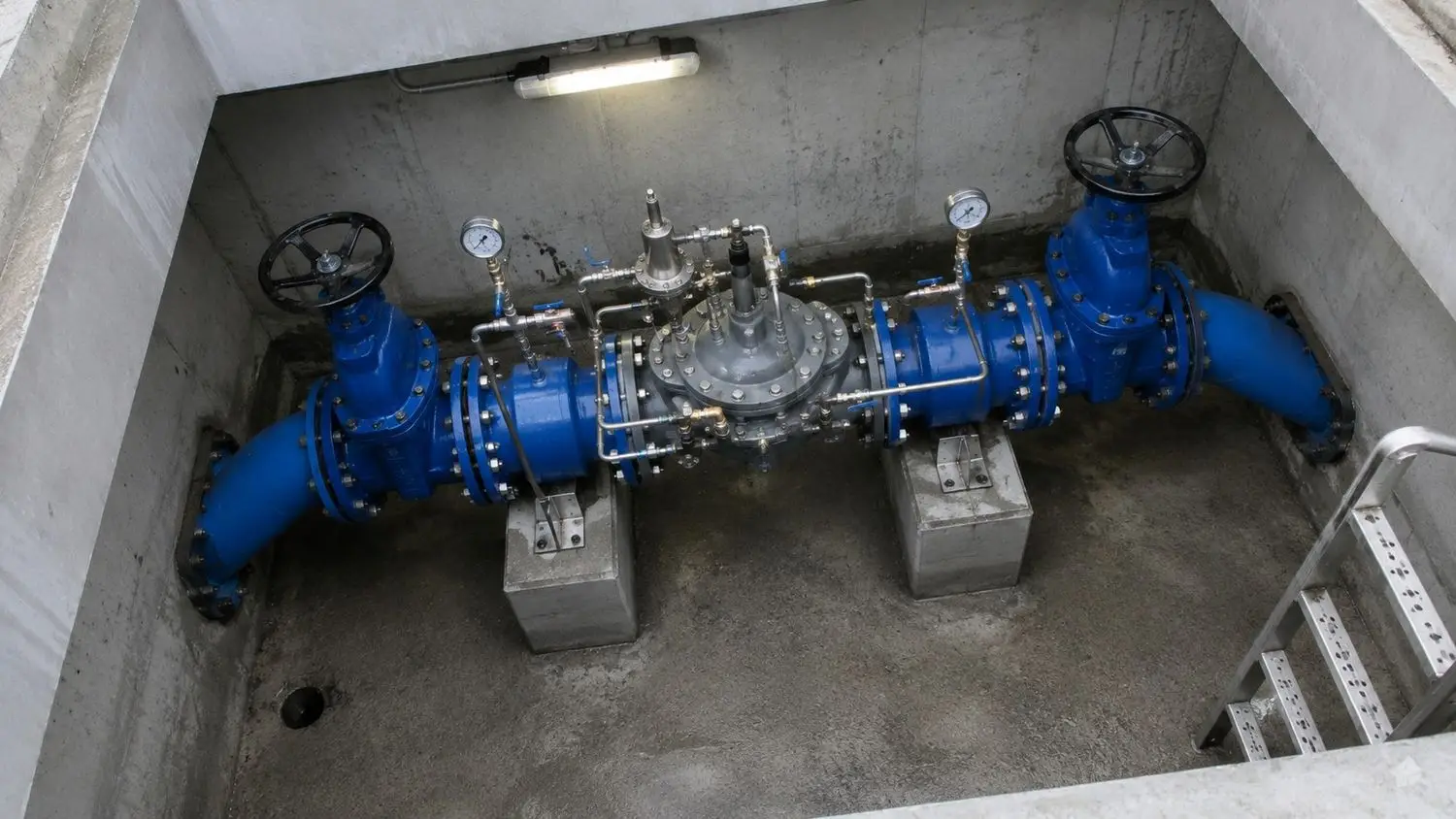
Mountain and foothill developments in Colorado frequently need pressure reducing valve stations managing dramatic elevation drops creating excessive pressures damaging pipes and plumbing. PRV sizing accounts for seasonal flow variations in resort communities, vault structures provide frost protection and maintenance access in snow conditions, and controls maintain steady downstream pressure as demand fluctuates.

A development dropping 400 feet from top to bottom might need two or three PRV stations creating separate pressure zones. Redundant valve configurations allow maintenance without system shutdown. Vault access considers winter conditions when roads require plowing and technicians need to reach equipment in emergencies. Altitude complicates pressure calculations because standard hydraulic formulas don’t automatically account for reduced atmospheric pressure effects. Proper PRV design prevents pipe failures from excessive pressure and reduces water loss.
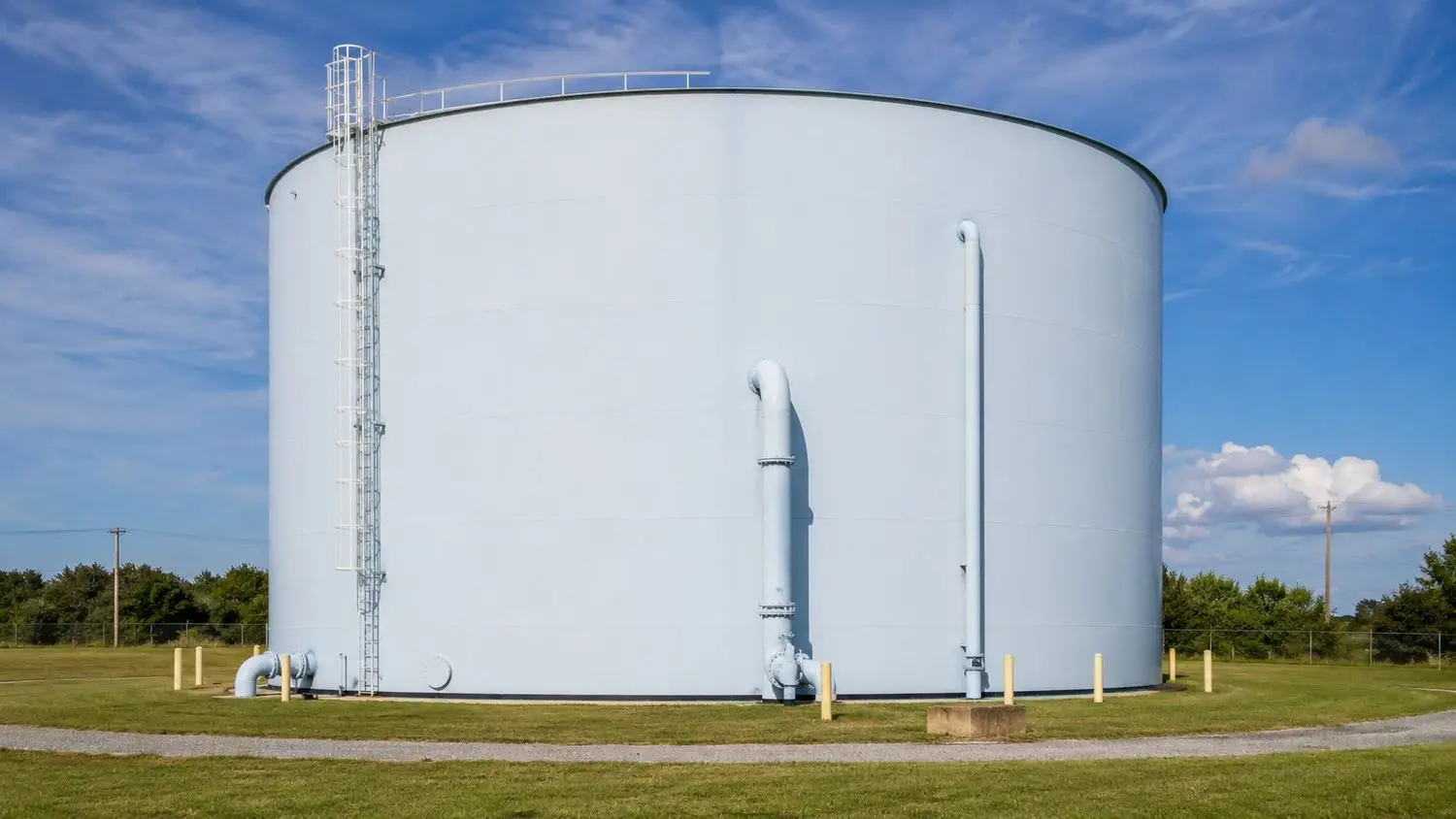
Storage tanks in Colorado require insulation preventing ice formation, structural design for occasional seismic activity near Front Range faults, and sizing accounting for fire reserves at high altitude where atmospheric pressure affects available discharge. Steel or concrete tanks meet AWWA standards with insulation packages, internal heating systems circulating water during winter, and mixing equipment preventing stagnation.

Location selection considers elevation for gravity pressure to development. Mountain tanks need year-round vehicle access for maintenance and emergency repairs. Rehabilitation projects address coating failures accelerated by temperature cycling, structural deterioration, and insulation upgrades on older uninsulated tanks. Tank draining for rehabilitation work affects customer service requiring coordination and temporary supply arrangements. Work schedules avoid winter when frozen conditions complicate construction and mountain access becomes problematic.

Our Approach

Colorado water projects begin with rights confirmation and service territory verification before distribution design opens, so systems get sized for actual demand, permitted through CDPHE without revision cycles, and connected to a water source that actually exists when your development needs it.

Water Rights and Service Territory Confirmed First

Water rights availability and service provider jurisdiction get confirmed in writing before distribution design begins. Colorado’s Prior Appropriation doctrine makes water availability a legal question before it becomes an engineering question. Design investment in distribution systems that depend on unconfirmed water rights is investment that may need to be redone when the legal question gets answered differently than assumed.

Hydraulic Modeling for Colorado Demand Patterns

Distribution mains get sized using peak day demand calculations that reflect Colorado’s high outdoor irrigation season, elevation-driven pressure zone requirements, and fire flow standards for your development’s density and use mix. Hydraulic modeling incorporates actual terrain data so pressure zone boundaries follow site topography rather than flat-terrain assumptions that produce pressure problems at high-elevation lots during peak demand periods.

CDPHE Distribution Permit Built for First-Pass Approval

Water system permits reach CDPHE with hydraulic analysis, fire flow documentation, storage calculations sized for Colorado peak demand, and service territory confirmation assembled together as one complete package. Reviewers receive applications that address their specific distribution permit criteria rather than incremental submittals that generate information requests extending timelines past construction financing windows.

System Startup Coordinated With Lot Release Schedule

Pressure testing, disinfection, and bacteriological sampling get coordinated with Colorado contractors so CDPHE certification documentation is complete before lots need to close. System startup milestones align with lot release schedules so certificates of occupancy don’t wait on water system acceptance while finished lots sit unsold and carrying costs compound.

Projects

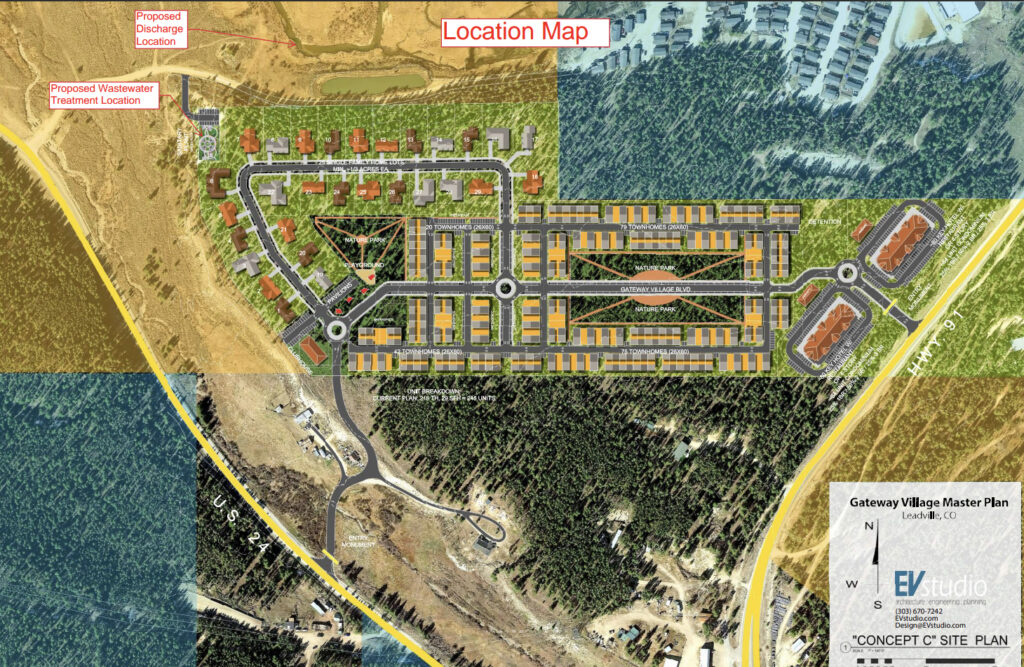
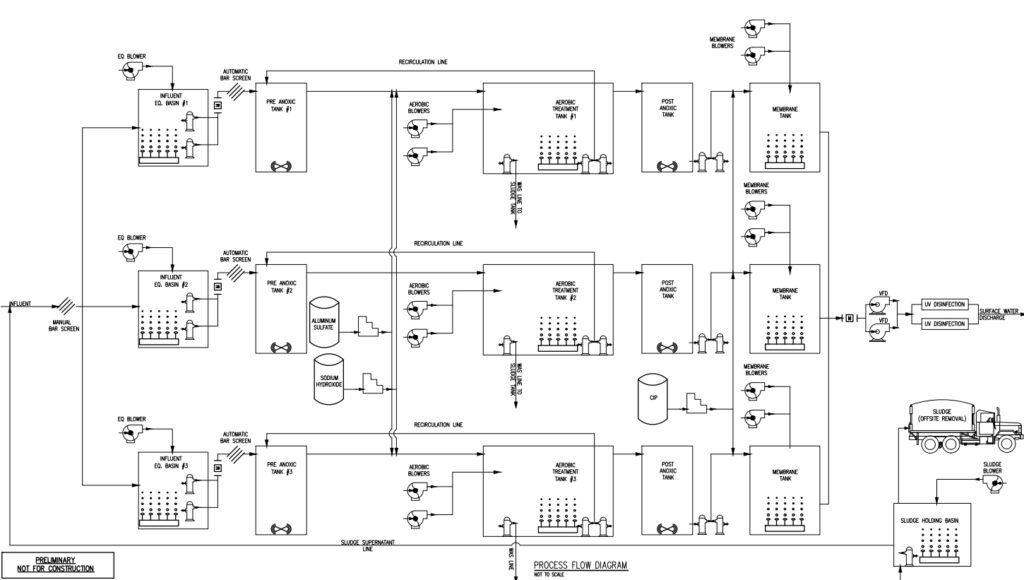
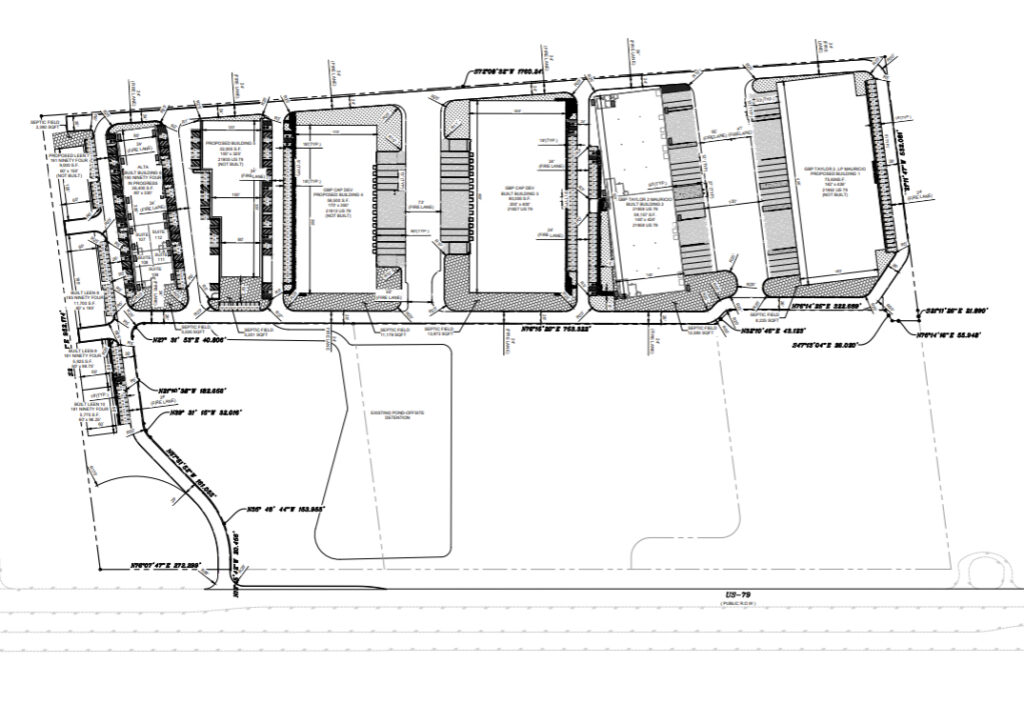
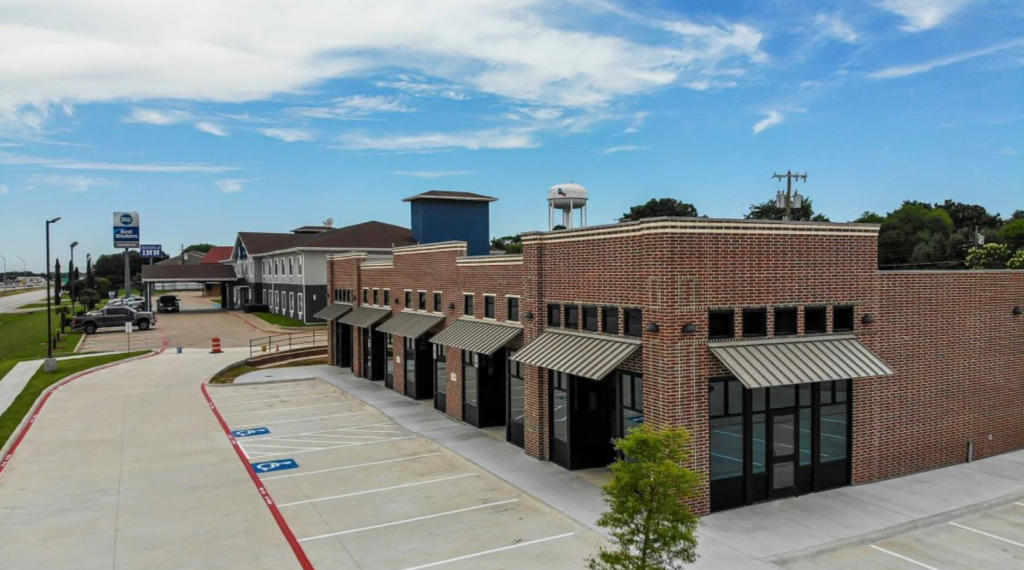
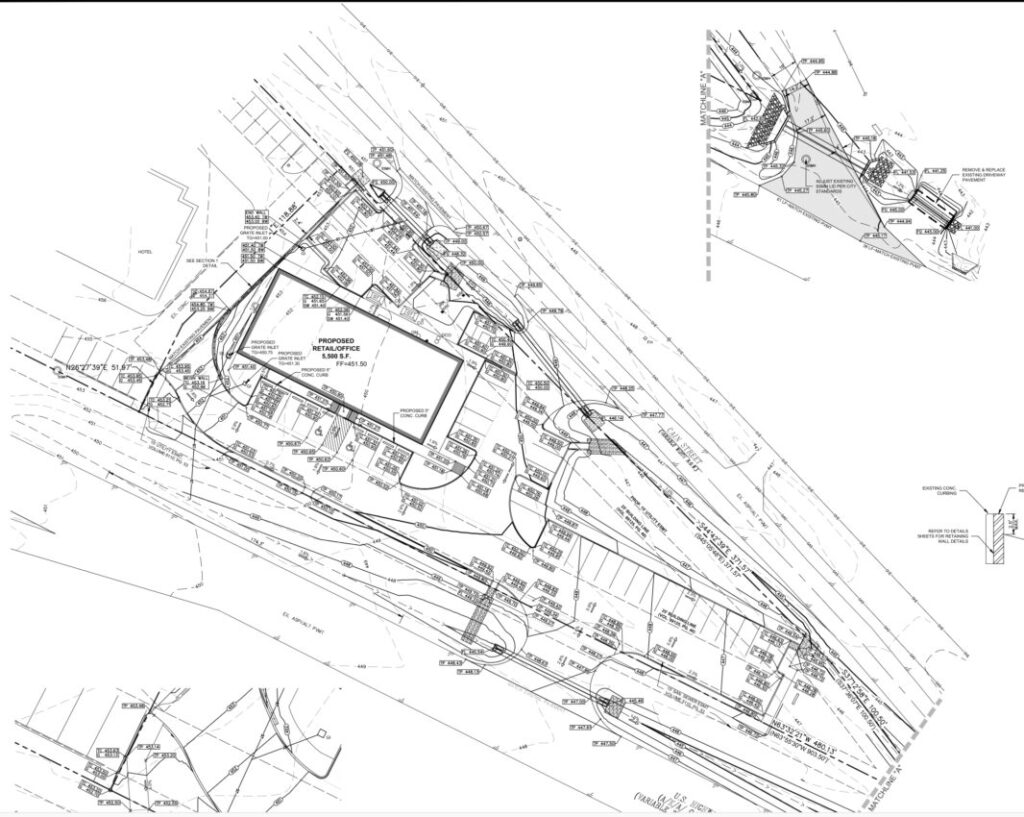
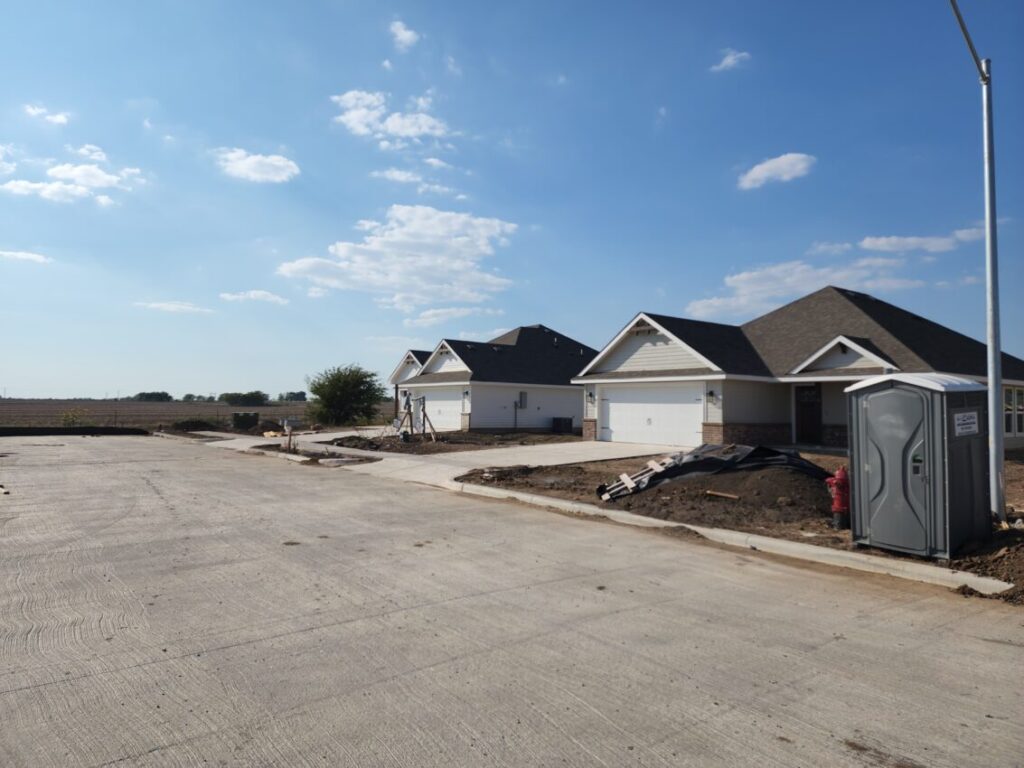
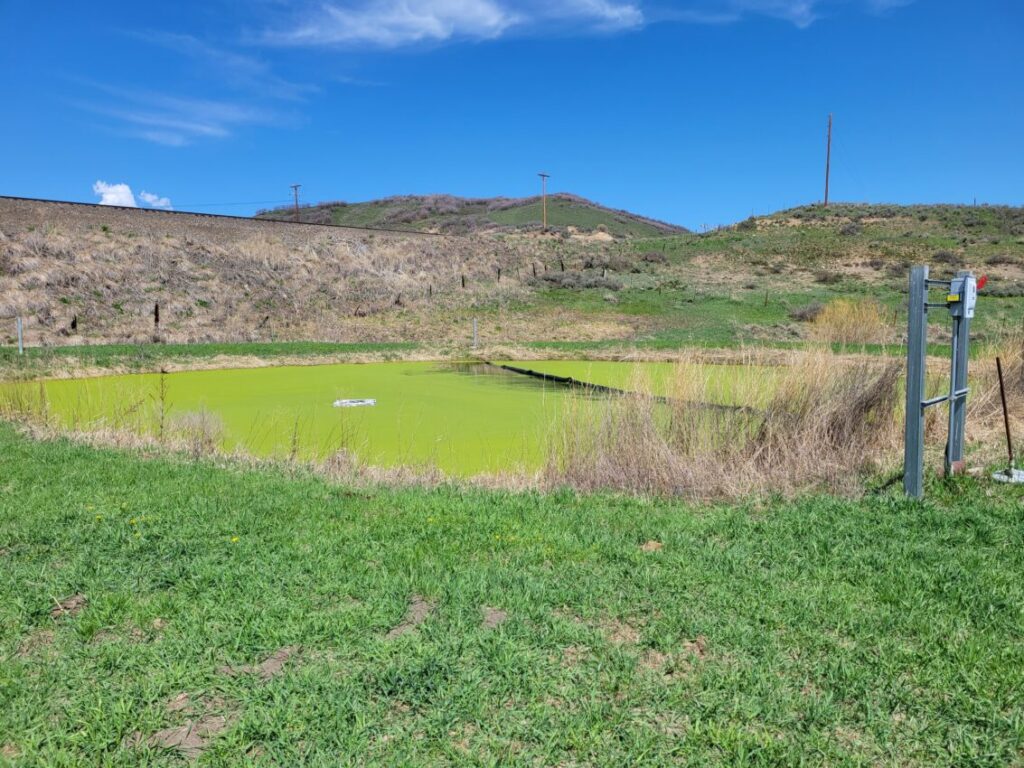
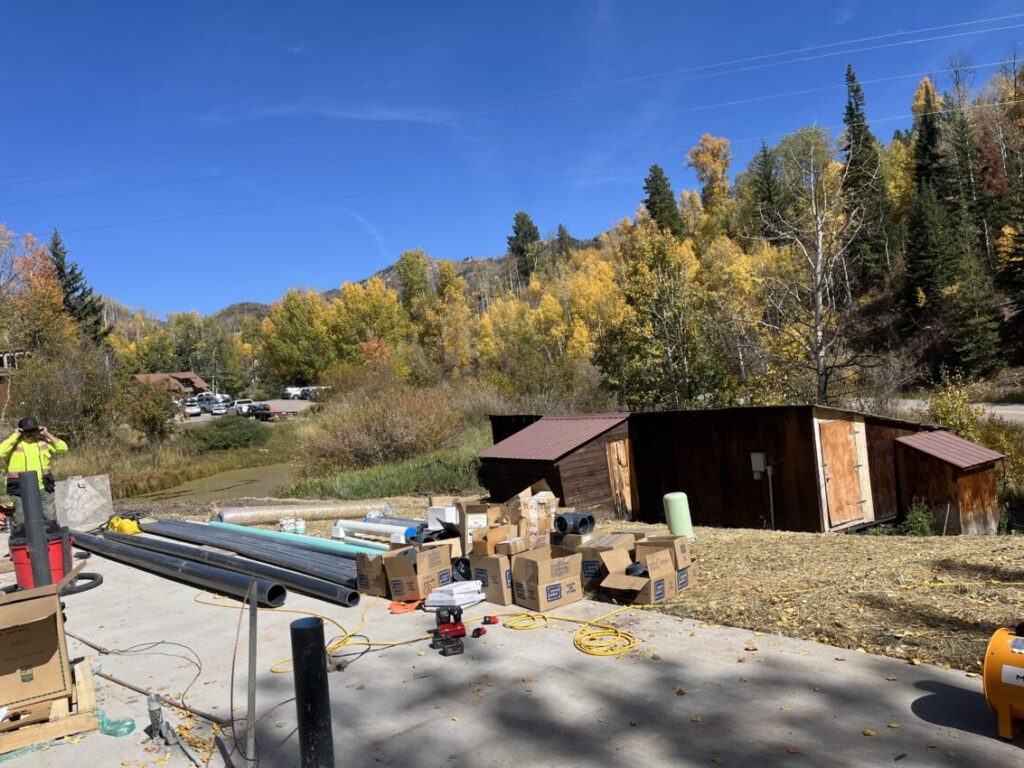
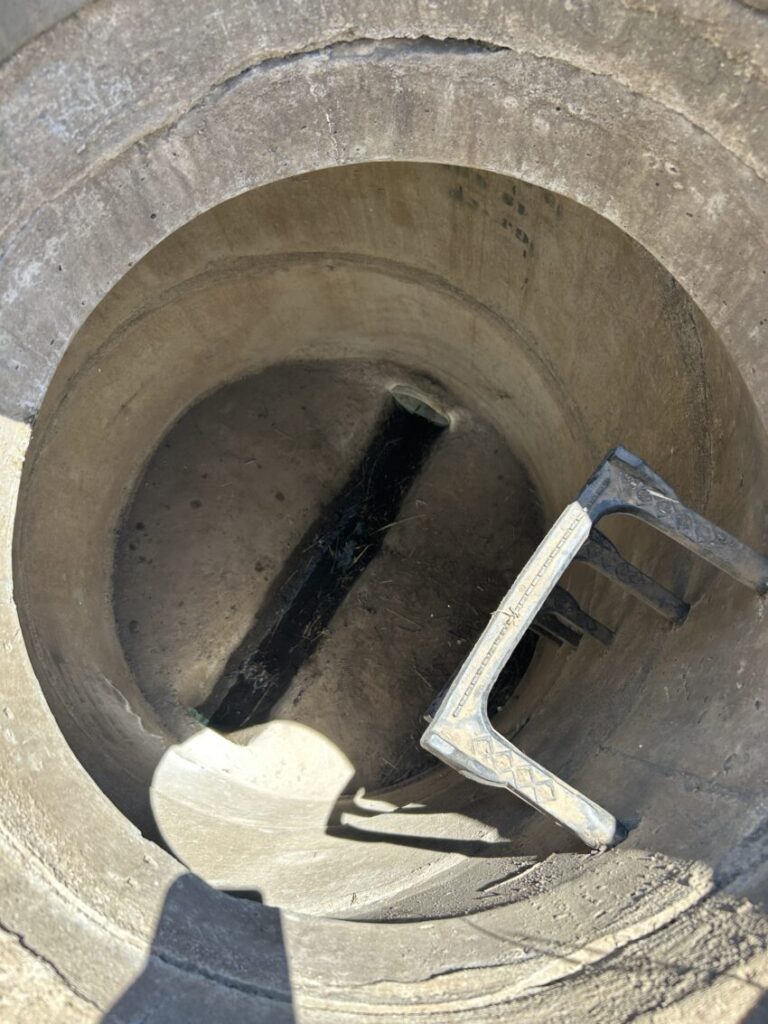
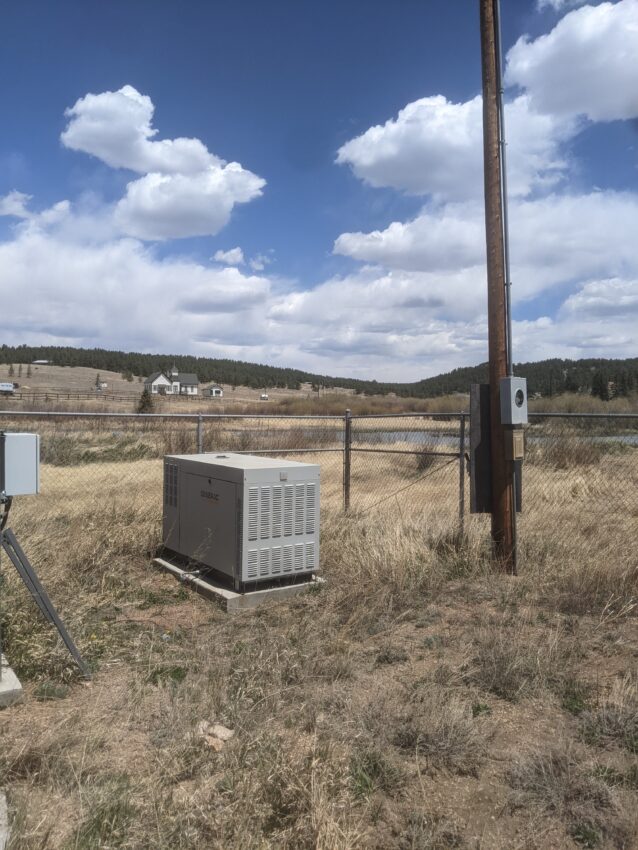
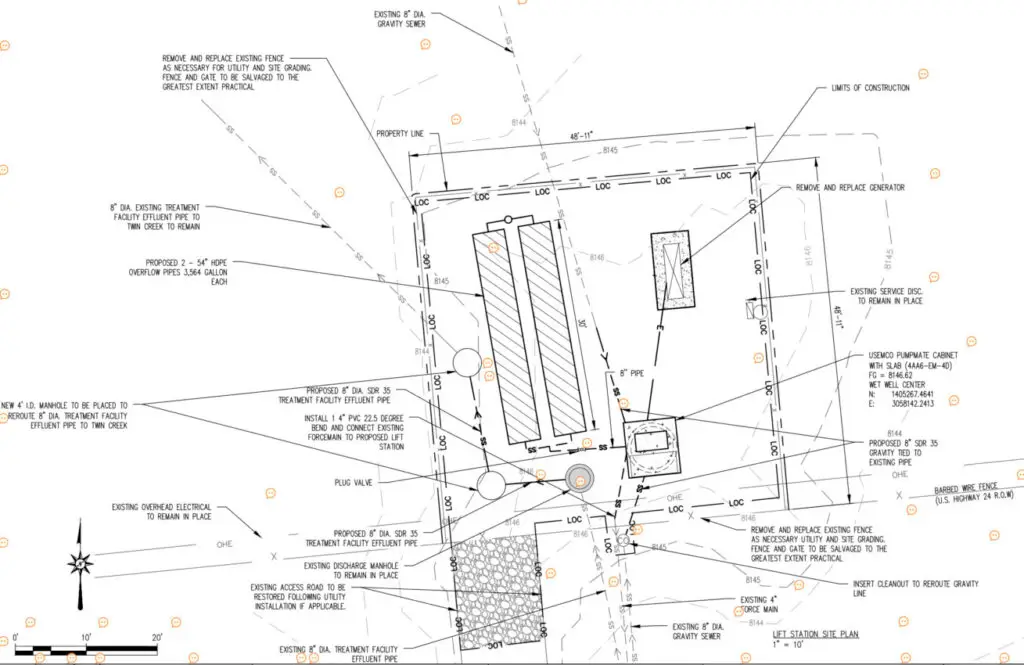
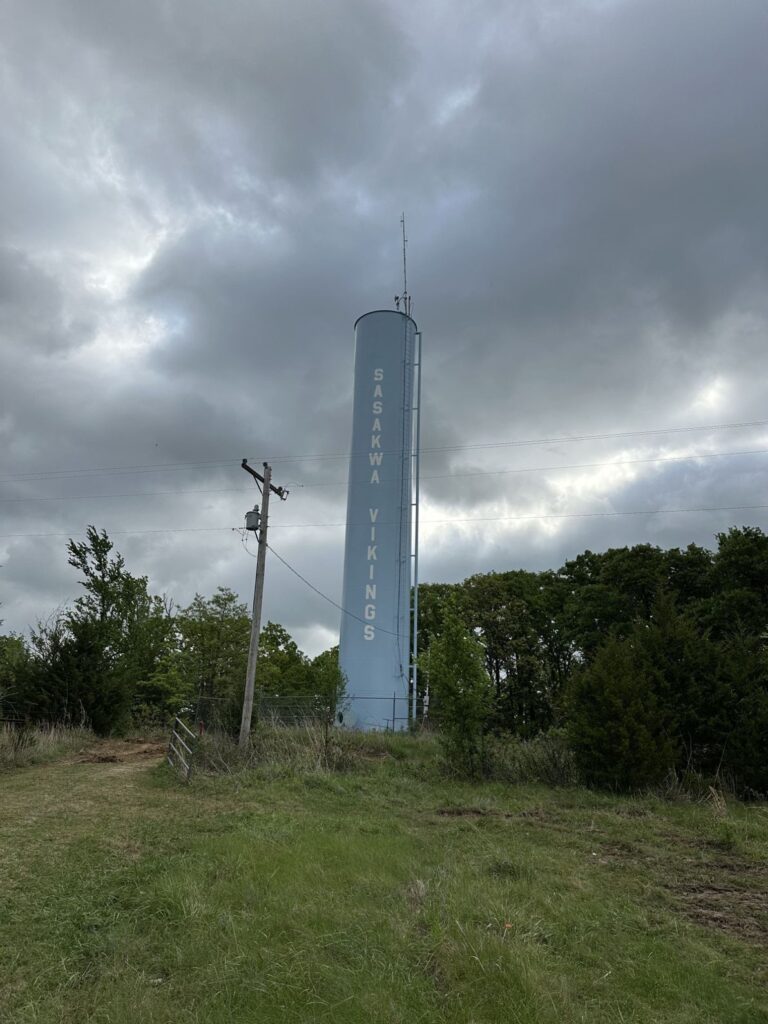
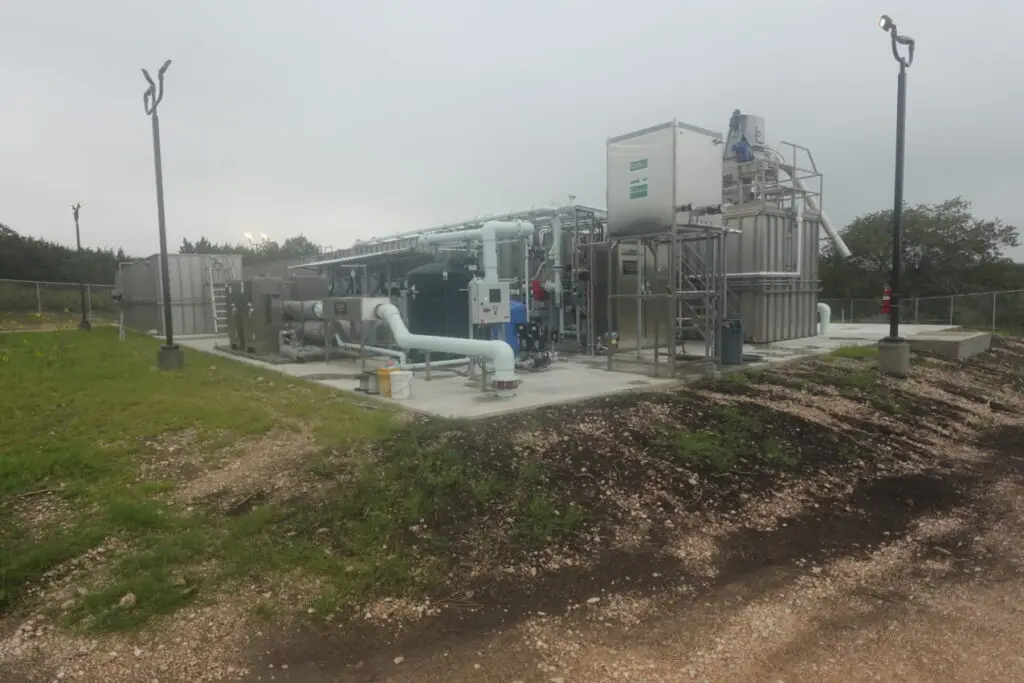
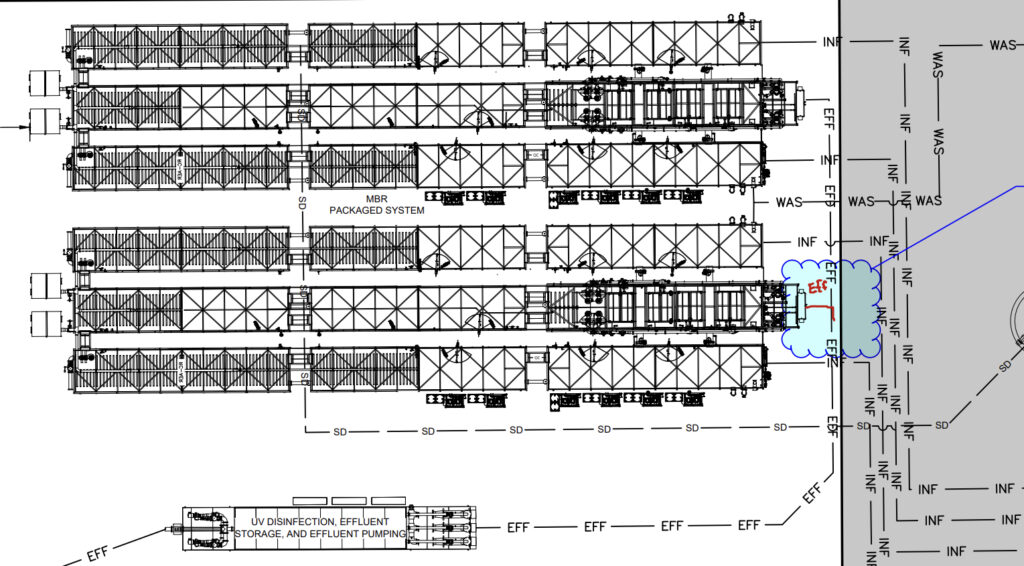
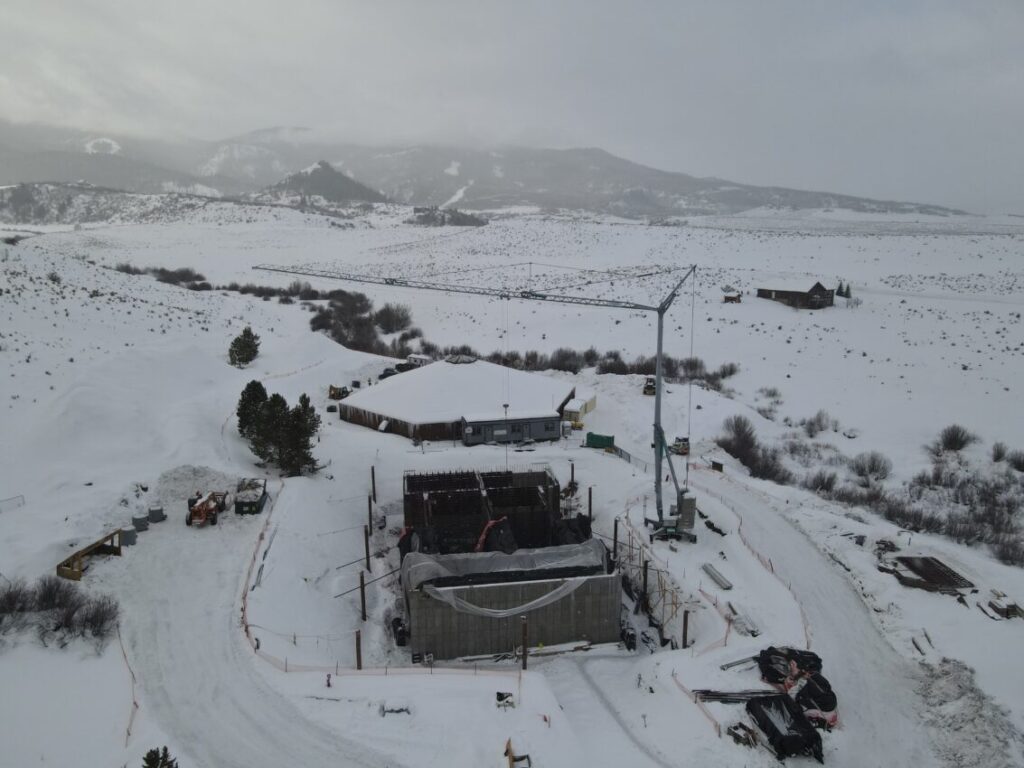
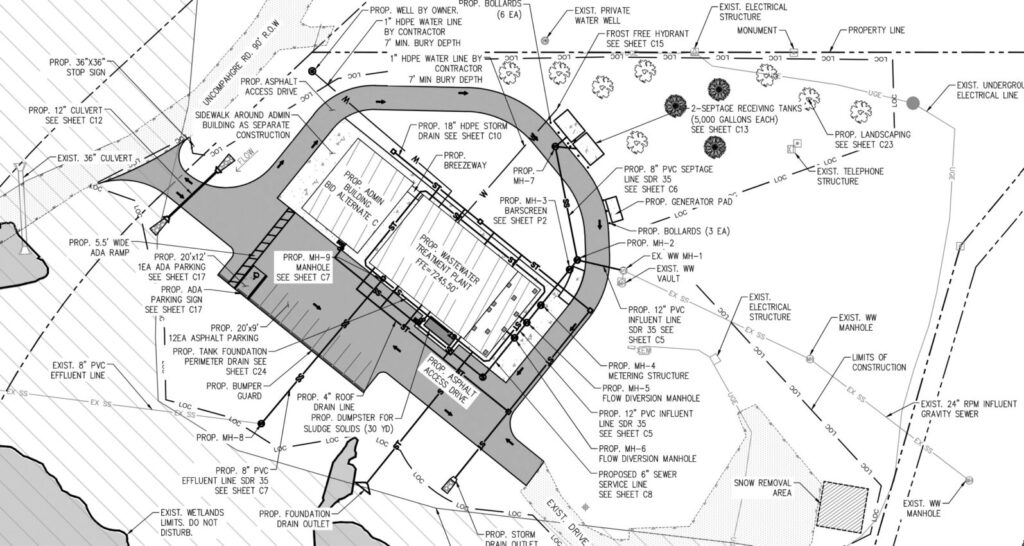
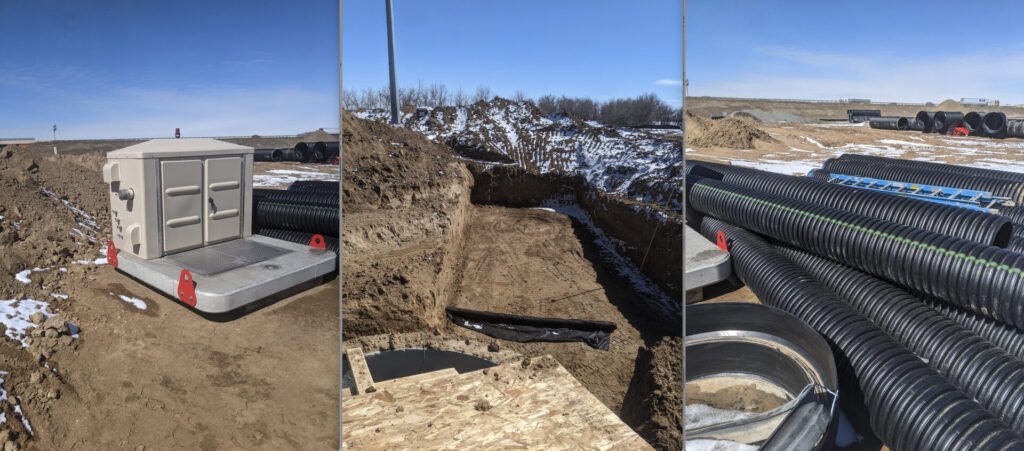
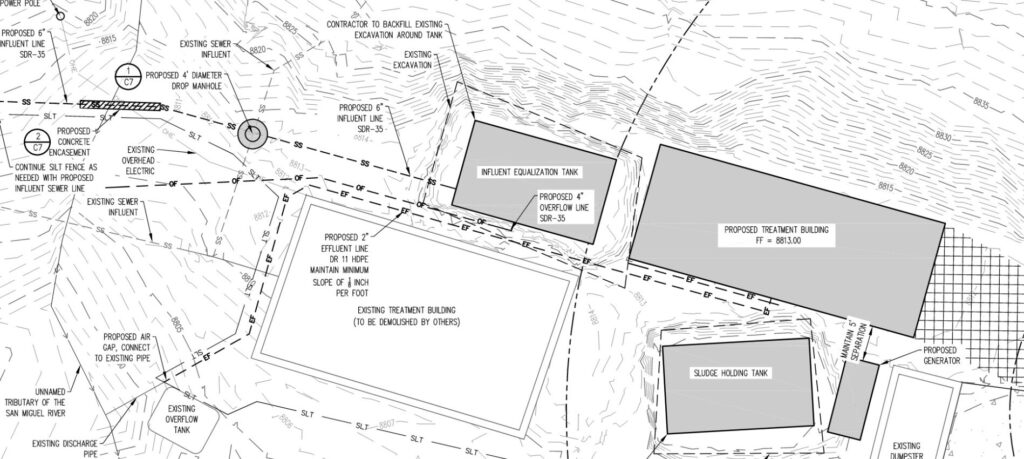
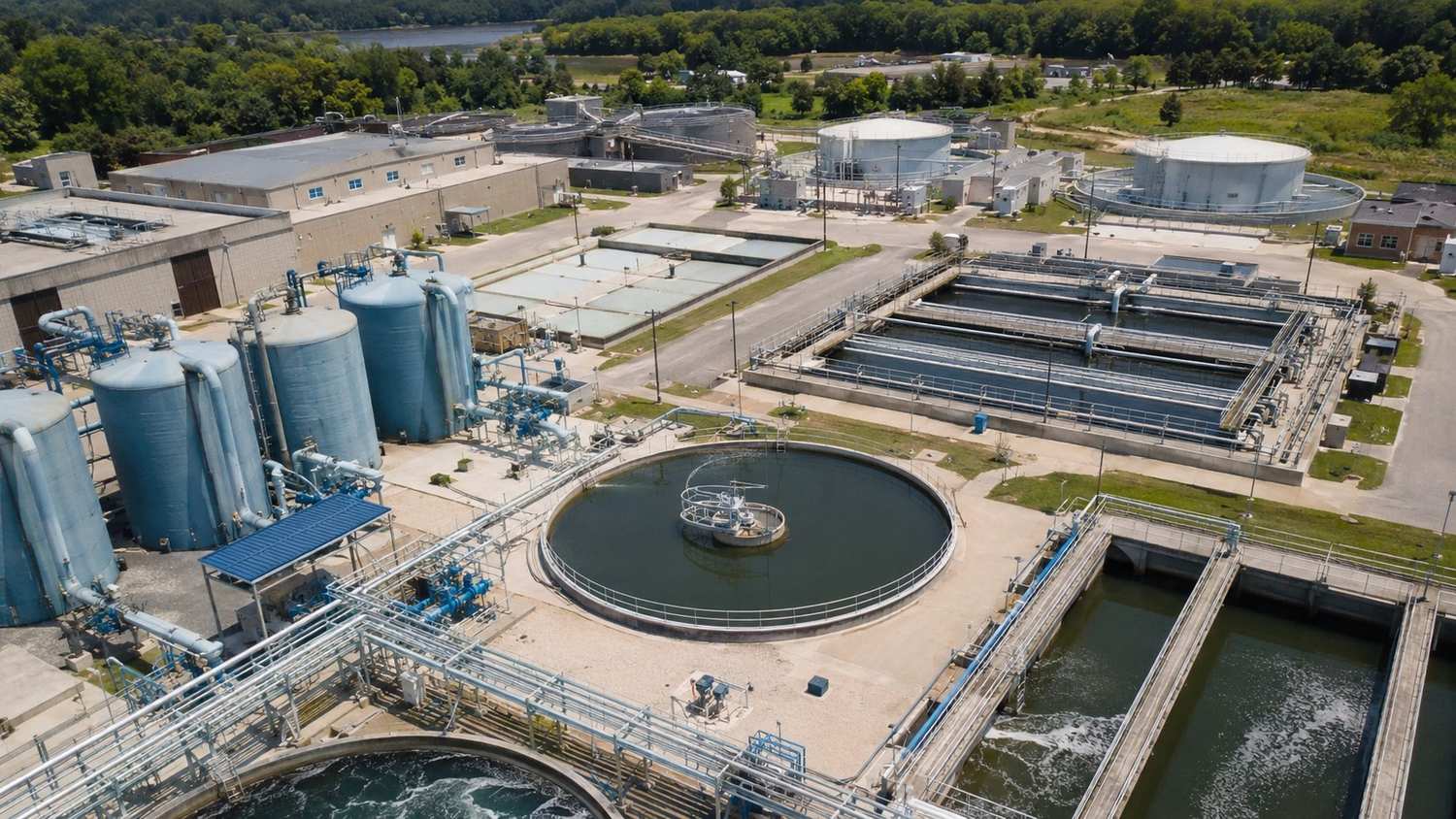
Modern Engineering Solutions delivers water and wastewater engineering across diverse regulatory environments, demonstrating efficient permitting and site-specific design expertise.

Why Choose Modern Engineering Solutions

Why Choose MES

1

Distribution Systems Built for Colorado Peak Demand

Storage and main sizing use peak day demand calculations that reflect Colorado's summer irrigation patterns and elevation-driven pressure requirements rather than annual average multipliers that produce systems adequate in April and inadequate in July. Contractors bid accurately because hydraulic assumptions match the conditions the system will actually operate under.

2

CDPHE Water Permits That Clear Without Information Requests

Distribution permit packages include fire flow analysis, pressure zone documentation, peak day storage calculations, and water rights confirmation assembled before CDPHE submission. Reviewers receive technically complete applications rather than submittals that satisfy filing requirements while leaving substantive hydraulic questions open for comment letters.

3

Storage and Phasing Matched to Your Buildout Schedule

Tank sizing accounts for ultimate buildout demand so Phase 1 storage serves the full development without replacement when later phases add connections. Colorado's drought conditions and peak summer demand get factored into storage calculations before construction starts rather than discovered during operations when expansion wasn't in the original budget.

4

Water and Civil Engineering Without Alignment Conflicts

Distribution main routes get established with grading plans, wastewater alignments, and dry utility corridors already coordinated so Colorado terrain doesn't force expensive relocations after civil work has established grades. Service territory boundaries get confirmed before design rather than during plat recording when jurisdictional corrections delay closings.

Frequently Asked Questions

Water treatment planning and CDPHE distribution permitting for a Colorado subdivision need to advance together rather than sequentially. Treatment planning determines the water source, treatment requirements, and system capacity. The distribution permit application documents that the proposed system meets CDPHE drinking water standards for pressure, fire flow, and storage.

MES handles both for Colorado land developers, coordinating water treatment planning with CDPHE distribution permit requirements from the first design session. Applications arrive complete rather than requiring supplemental submissions that extend review timelines past construction financing windows.

Hydraulic modeling and distribution design for a Colorado land development require an engineer familiar with both CDPHE drinking water standards and the specific terrain conditions that affect how distribution systems perform on Front Range and mountain-adjacent sites.

Distribution system hydraulic modeling for Colorado developments typically involves:

– Peak day demand calculations reflecting Colorado’s high outdoor irrigation season
– Fire flow analysis demonstrating minimum pressure at all hydrant locations
– Pressure zone design accounting for elevation changes across the development
– Storage sizing for peak demand, fire reserve, and operational requirements
– Main sizing that delivers adequate pressure at high-elevation lots without excessive pressure at low-elevation lots

MES provides hydraulic modeling and distribution design coordinated with civil grading and utility layout simultaneously, so pressure zone boundaries follow actual site topography rather than assumptions that produce pressure problems when the system goes into operation.

Colorado’s Prior Appropriation doctrine, summarized as first in time, first in right, means water rights in Colorado are allocated based on the historical date of first beneficial use, not geographic proximity to a water source.

For a land developer, this creates a due diligence requirement that doesn’t exist in most other states. A development site in Colorado does not automatically have access to water because a creek runs nearby or a district serves adjacent parcels. The serving district must have sufficient decreed rights to supply your projected demand, or augmentation plan proceedings before the State Engineer’s Office may be required.

Augmentation plan proceedings involve:

– Filing a water court application
– Engineering analysis demonstrating the augmentation plan replaces out-of-priority depletions
– Water court review and ruling, which typically takes 12-36 months
– Ongoing administration of the augmentation plan after approval

MES coordinates water rights confirmation as part of project due diligence before design begins, so developers understand what water is actually available before committing engineering resources to a system that depends on rights that haven’t been verified.

Water losses analysis evaluates the difference between water entering a distribution system and water that reaches end users, identifying losses from pipe leakage, meter inaccuracy, unauthorized connections, and system flushing.

For a new Colorado land development, water losses analysis becomes relevant in two scenarios.

The first is connecting to an existing distribution system where the serving district requires evidence that the existing system can handle additional demand without exceeding treatment and supply capacity. Districts with high existing loss rates may have less available capacity than their permitted flow suggests, affecting whether your development can connect without triggering system upgrades.

The second is new system construction where water losses analysis during startup and commissioning verifies that newly installed mains meet district leakage standards before the system is accepted for operation. Colorado districts typically require pressure testing and leakage testing that meets AWWA standards before accepting new distribution infrastructure.

MES provides water losses analysis as part of both due diligence coordination and construction administration services for Colorado land developments connecting to existing systems or constructing new ones.

Fire flow requirements for Colorado residential developments are established at the local level by the fire protection district or municipal fire department with jurisdiction over the site, with minimum standards set by the International Fire Code as adopted by Colorado.

Typical fire flow requirements for Colorado residential developments include:

– Single-family residential on lots larger than half an acre: 500-1,000 gallons per minute at 20 PSI residual pressure
– Single-family residential on smaller lots: 1,000-1,500 gallons per minute
– Attached housing, townhomes, or multifamily: 1,500-3,000 gallons per minute depending on construction type and building size
– Mixed-use or commercial components: requirements increase significantly based on occupancy type

Fire flow requirements must be satisfied simultaneously with maximum day domestic demand, meaning the distribution system has to deliver fire flow on top of peak residential use, not instead of it. Distribution designs that size mains only for domestic demand without modeling this combined condition routinely fail CDPHE hydraulic review.

MES confirms the specific fire flow requirement for your Colorado development with the applicable fire jurisdiction before distribution design begins, so the system is designed to satisfy the requirement reviewers will check rather than a generic standard that may not apply to your site.

Water storage requirements for Colorado residential developments are calculated from three separate components that get combined into a total storage volume:

– Peak day storage: the volume needed to meet maximum day demand while the supply source delivers average day flow
– Fire flow reserve: the required fire flow rate multiplied by the required duration, typically 2-4 hours for residential uses
– Operational storage: volume for pressure equalization and emergency reserve

Peak day domestic demand in Colorado residential developments typically runs 150-250 gallons per capita per day during summer irrigation season, significantly higher than the 75-100 gallons per capita per day that annual average calculations produce. Using annual averages rather than Colorado peak day demand is one of the most common storage sizing errors on Front Range developments.

For a 200-unit Colorado residential development, combined storage requirements typically range from 200,000 to 400,000 gallons depending on density, irrigation requirements, and local fire flow standards.

MES calculates storage requirements using Colorado peak day demand data rather than annual averages, so storage systems don’t run low during July when fire incidents are statistically more likely and when pressure complaints from residents are most damaging to builder reputation.

A booster pump station is a water system facility that increases pressure in a distribution zone where the existing system cannot deliver adequate pressure through gravity or the primary supply pressure alone. Colorado land developments need booster stations in two common scenarios.

The first is when a development site sits at a higher elevation than the existing distribution system’s pressure zone can serve adequately. Colorado’s terrain creates elevation differences between adjacent parcels that require pressure zone separation, with booster stations moving water from a lower pressure zone to a higher one.

The second is when distribution mains serving the development are too distant from the primary supply point to maintain adequate pressure at far reaches of the system under peak demand and fire flow conditions.

Booster station design for a Colorado development involves:

– Pump selection for the specific pressure and flow requirements
– Suction and discharge piping design
– Pressure reducing valve coordination to prevent over-pressurization downstream
– Electrical and control system design for reliable operation
– Emergency power provisions where required by the serving district

MES designs booster stations sized for full buildout demand rather than early phase flow only, so pump stations installed in Phase 1 serve the complete development without replacement when later phases increase system demand.

A pressure reducing vault houses pressure reducing valves that lower distribution system pressure from a higher zone to a lower zone, protecting pipes, meters, and fixtures from excessive pressure that causes leaks, meter damage, and customer complaints.

Colorado developments frequently need pressure reducing vaults when:

– The development site sits at a lower elevation than the primary supply source, creating pressure that exceeds safe operating limits for residential service
– A single development spans multiple elevation zones where the lower zone would experience excessive pressure if served from the upper zone supply
– Connections to existing high-pressure transmission mains require pressure reduction before distribution to residential services

Pressure reducing vault design involves valve sizing for the specific flow and pressure conditions, bypass configurations for maintenance access, and vault construction specifications meeting district standards. Incorrectly sized pressure reducing valves either fail to reduce pressure adequately or create excessive pressure drop that affects service quality.

MES includes pressure reducing vault design as part of distribution system design for Colorado developments where terrain creates pressure zone boundaries, coordinating vault locations with civil grading and site layout so installations don’t conflict with other site elements.

Water tank design covers the engineering of new elevated or ground storage tanks that provide pressure, fire flow reserve, and operational storage for a distribution system. Water tank rehabilitation covers the engineering of repairs, coating replacement, and structural upgrades to existing tanks that have reached the end of their original coating or structural service life.

New water tank design becomes relevant for a Colorado land development when:

– The development requires storage capacity that cannot be provided by the existing system
– The development is constructing its own distribution system requiring dedicated storage
– The serving district requires developer-funded storage as a condition of service extension

Water tank rehabilitation becomes relevant when:

– A Colorado development is acquiring land with existing water system infrastructure including aging tanks
– A serving district requires rehabilitation of existing storage as a condition of accepting additional connections
– Existing tank coating failure is causing water quality issues affecting development connectivity

MES provides water tank design for new Colorado developments requiring dedicated storage, and rehabilitation engineering for existing tanks associated with development projects. Tank sizing uses Colorado peak day demand calculations and fire flow requirements rather than generic storage formulas that undersize systems for Front Range summer demand patterns.

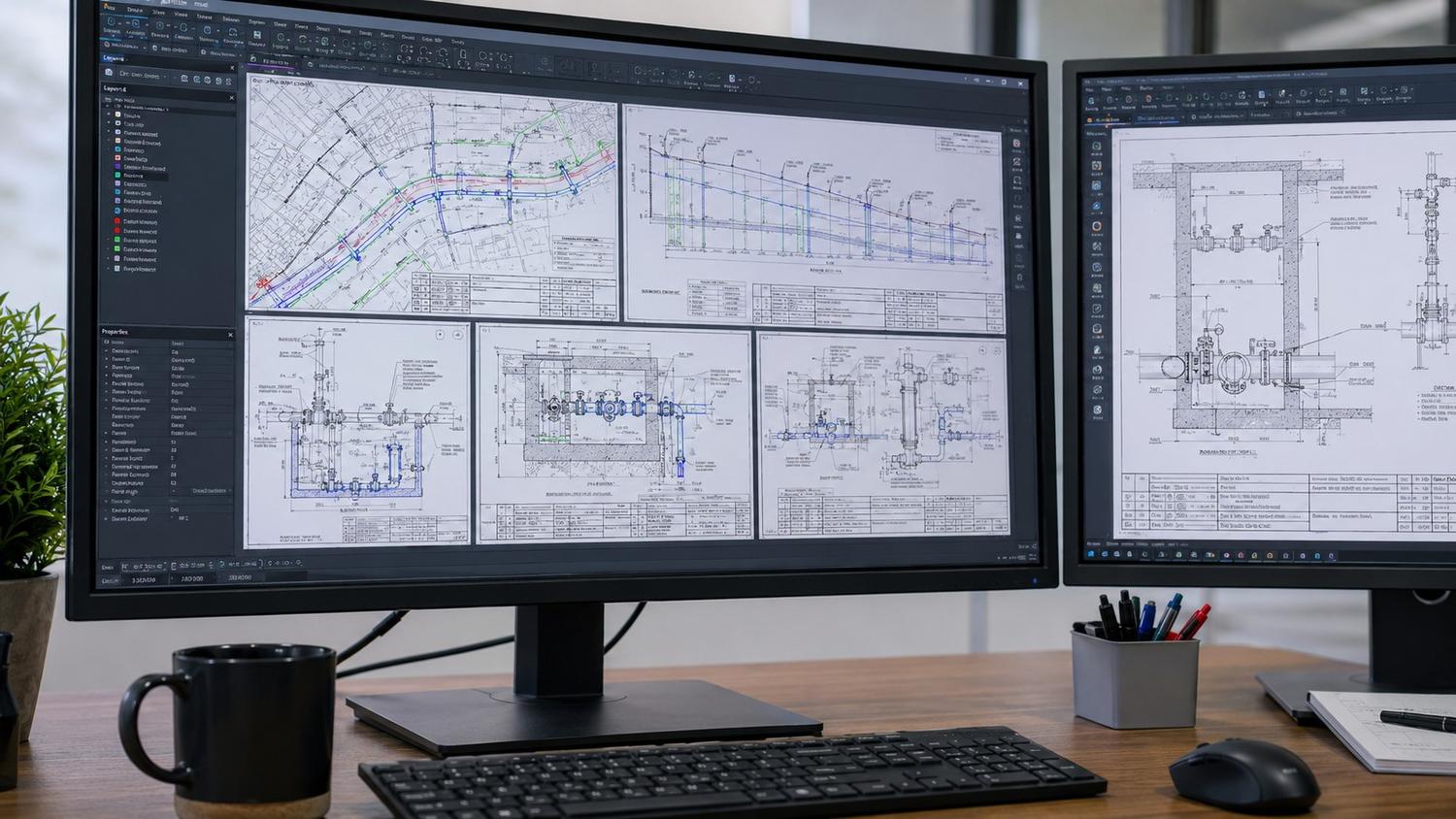
Construction drawings for a Colorado water distribution system typically include:

– Plan and profile sheets showing main alignments, pipe sizes, and depths
– Service lateral detail sheets showing connection requirements for individual lots
– Hydrant location and spacing plans meeting fire flow coverage requirements
– Booster station plan, section, and detail sheets where pump stations are required
– Pressure reducing vault plan and detail sheets where pressure zone separation is needed
– Water tank plan, section, and detail sheets for new storage facilities
– General notes and specifications meeting CDPHE and district construction standards

Colorado water districts often have specific construction standard requirements that supplement CDPHE standards, covering pipe materials, joint types, bedding requirements, disinfection procedures, and testing protocols. Construction drawings that don’t meet district standards require revision before the district will accept the system.

MES produces construction drawings that satisfy both CDPHE permit requirements and the specific construction standards of the Colorado district accepting the system, so drawings don’t require revision after submission to the district for review.

A complete CDPHE water distribution permit application, formally called a Permit to Construct a Water System, typically takes 6-8 weeks from submission to approval for a Colorado land development project.

That timeline assumes the application is technically complete at first submission, including:

– Hydraulic analysis demonstrating the system meets pressure and fire flow requirements under peak demand conditions
– Storage calculations showing adequate volume for peak demand and fire reserve
– Water rights documentation or service territory confirmation from the serving district
– Construction drawings meeting CDPHE standards
– Design report summarizing system design basis and regulatory compliance

Applications missing these components receive information requests from CDPHE reviewers. Each round of information requests and responses adds 4-8 weeks to the timeline. Developers whose engineers submitted preliminary applications to hold a review queue position rather than complete applications ready for technical review routinely wait 4-6 months longer than necessary.

MES assembles complete CDPHE water permit packages before first submission so the 6-8 week timeline reflects actual review time rather than the time between incomplete submission and the eventual complete resubmission.

A Colorado land development connecting to an existing water district typically does not need its own water treatment permit, because the district holds the treatment permits for its system. The developer’s permitting obligations focus on the distribution infrastructure connecting the development to the district’s existing system.

The primary permit required is the CDPHE Permit to Construct a Water System for the distribution mains, service laterals, storage facilities, and pressure control infrastructure being constructed as part of the development. This permit requires hydraulic analysis, fire flow documentation, and construction drawings demonstrating the new infrastructure meets CDPHE standards.

Additional requirements that vary by district include:

– Written service commitment letters confirming the district will accept the development’s connections
– Water rights or capacity reservation documentation
– Developer agreements specifying construction standards, inspection requirements, and system transfer conditions
– Impact fee calculations and payment schedules

Where a Colorado development is constructing its own treatment facility rather than connecting to an existing district, the regulatory requirements expand significantly to include CDPHE drinking water treatment permits, source water permits, and operator certification requirements. MES handles distribution permitting for Colorado developments connecting to existing districts, and coordinates the full treatment and distribution permit sequence for developments constructing independent water systems.

Talk to an Engineer

Colorado water projects need rights verification, CDPHE permits, and often provider coordination. We’ll review your decree and site specifics outlining rights adequacy and permitting in a 15-minute call. No cost, no commitment.