Modern Engineering Solutions

Civil Engineering
For Colorado Land Development

Colorado civil engineering means grading plans accounting for bedrock at shallow depths, drainage systems sized for intense summer thunderstorms, and utility layouts coordinating multiple providers in mountain terrain. We work with developers from Boulder to Castle Rock delivering site packages that work in Colorado’s geology and climate.

Engineering Built for Outcomes, Not Overhead

Colorado civil projects fail when engineering firms treat Front Range geology, CDPHE review cycles, and seasonal construction windows as variables rather than design constraints. We engineer with those realities priced in from day one.

Value Over
Hours

We price Colorado civil engagements around delivered outcomes: permits approved, grading budgets that hold through contractor bidding, and construction drawings that don’t require field revision when subsurface conditions contradict what the site plan assumed.

Speed as a Design Constraint 

Colorado’s 6-7 month Front Range construction season means permitting delays don’t just cost time. They cost an entire buildable year. We treat CDPHE and county review timelines as core design inputs, not variables to manage after drawings are complete.

Deep Work, Not Meeting Culture

Front Range geology, drainage basin complexity, and jurisdictional boundary questions get resolved through engineering analysis, not coordination calls. Complete submittals reach Colorado reviewers because technical problems were solved before applications were filed.

AI as Leverage, Not a Shortcut

AI handles documentation and drawing standardization so licensed Colorado PEs focus on geotechnical analysis, detention sizing, and utility coordination. Every technical decision on your project is made and stamped by a professional engineer, not generated and submitted.

What We Do

Modern Engineering Solutions delivers civil engineering for Colorado land development including concept planning, grading design, utility coordination, and construction management statewide.
Site planning in Colorado starts with geotechnical investigations showing bedrock depth because excavation costs vary dramatically between soil and rock. We analyze boring logs during feasibility estimating realistic grading budgets before land purchase. Steep slopes in foothills affect developable area because pads on grades exceeding 15% require expensive cut-and-fill work or retaining walls.

Drainage patterns need early evaluation because mountain sites channel runoff requiring detention systems. Metro district boundaries get verified against site plans ensuring service areas match development limits.

Environmental constraints like wetlands or habitat for threatened species get identified when alternatives exist. Concept planning quantifies site challenges with cost estimates so feasibility models reflect Colorado construction reality.
Colorado permitting coordinates multiple jurisdictions because counties control unincorporated land, cities annex development areas, and metro districts provide infrastructure. Counties review land use and building permits. Cities often require annexation agreements before utility extensions. Metro districts need state approval for service plans. CDPHE issues construction stormwater permits.

Some areas involve homeowner associations with design review authority. We identify which agencies govern your site because boundaries don’t follow intuitive lines and missing approvals derail schedules. Successful permitting means understanding agency relationships because one approval triggers requirements at another jurisdiction. Complete coordination keeps entitlements moving instead of discovering requirements sequentially through resubmittals adding months when developers assumed single-agency approval.
Civil documents show rock excavation limits from geotechnical data so contractors understand where ripping works versus requiring blasting, grading addressing frost heave from freeze-thaw cycles, and utility trenching through diverse conditions. Grading plans indicate cut-fill quantities distinguishing soil and rock because costs differ by 300%. Drainage designs account for summer thunderstorms dropping 2-3 inches hourly and spring snowmelt peaks. Erosion control addresses steep slopes and sparse vegetation at elevation where revegetation establishes slowly.

Utility coordination shows water, sewer, gas, electric, and fiber with appropriate separation protecting from freeze damage. Specifications address construction season limits because mountain work stops during winter. Plans coordinate with metro district service plans showing infrastructure phasing.
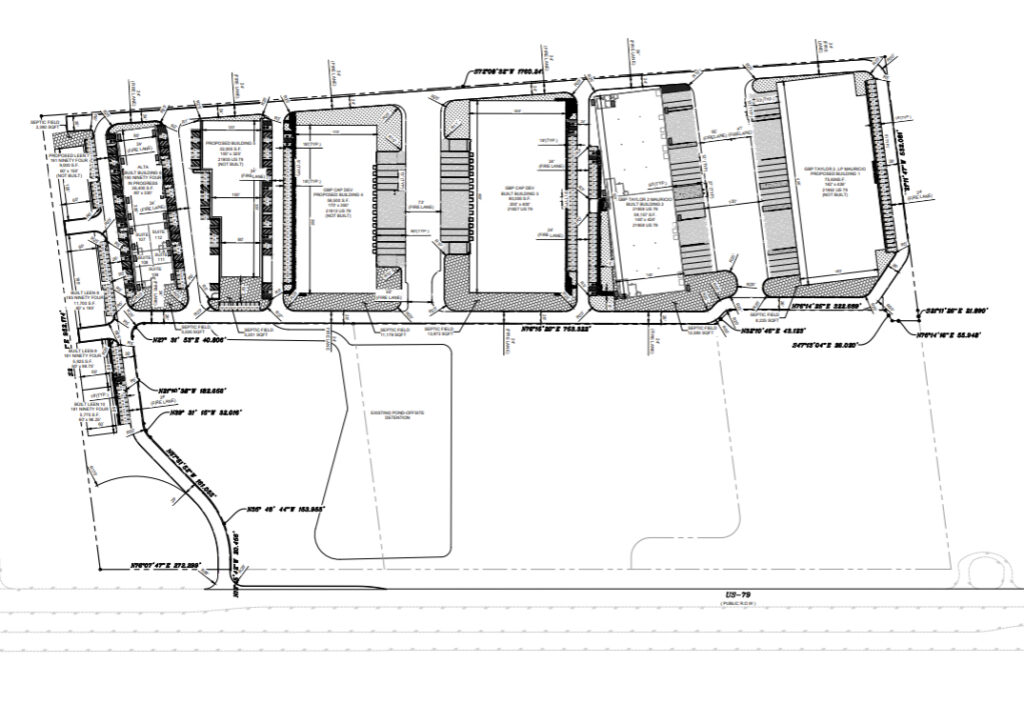
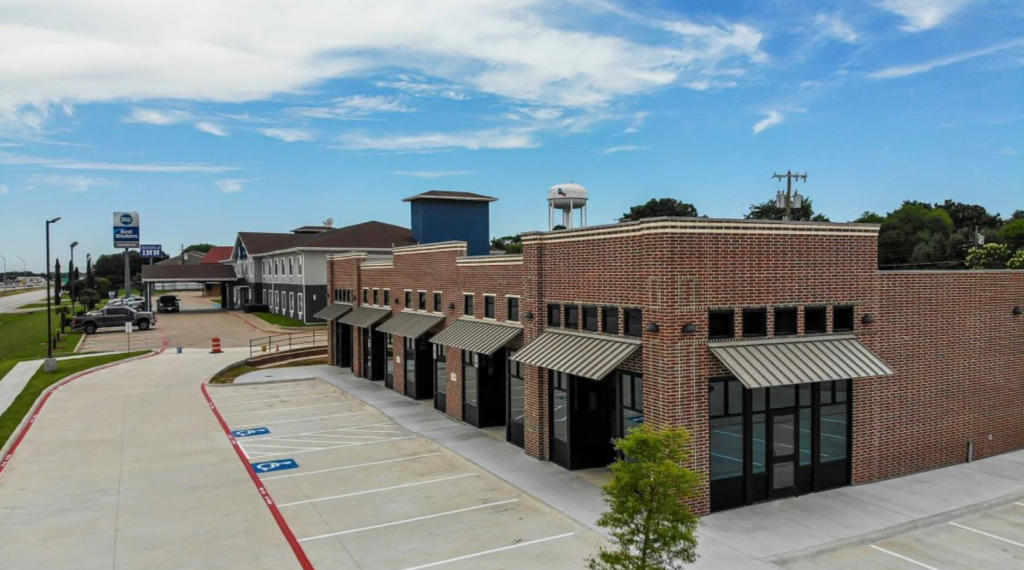
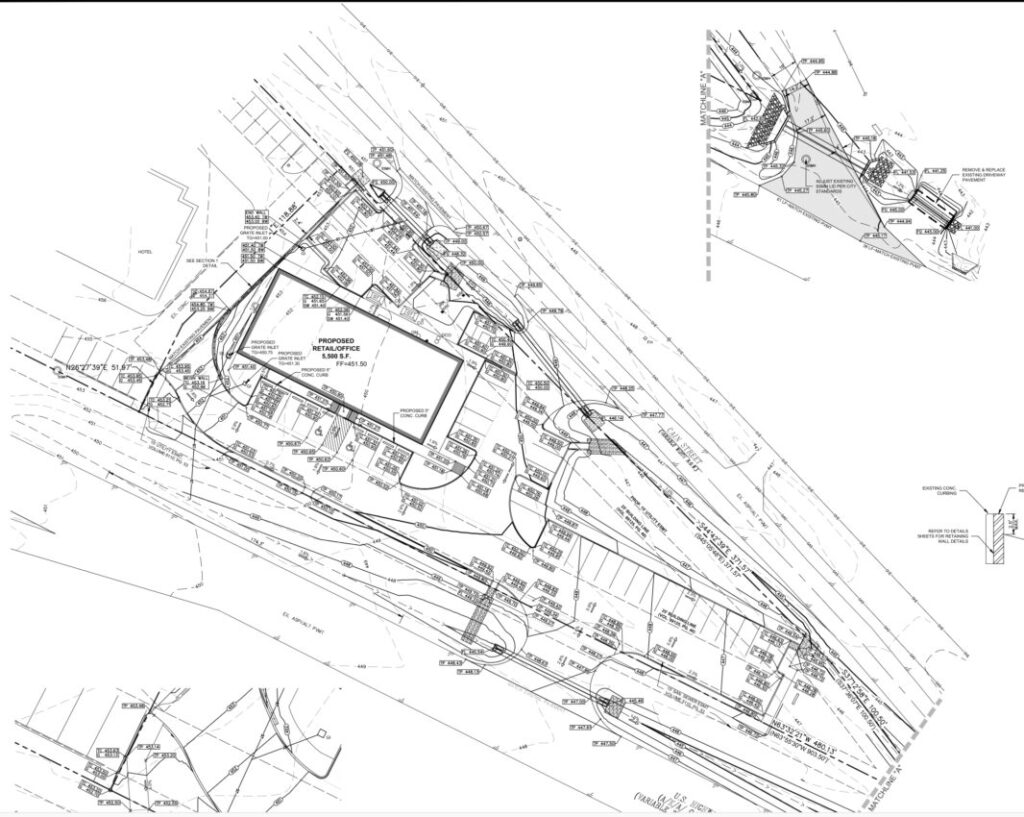
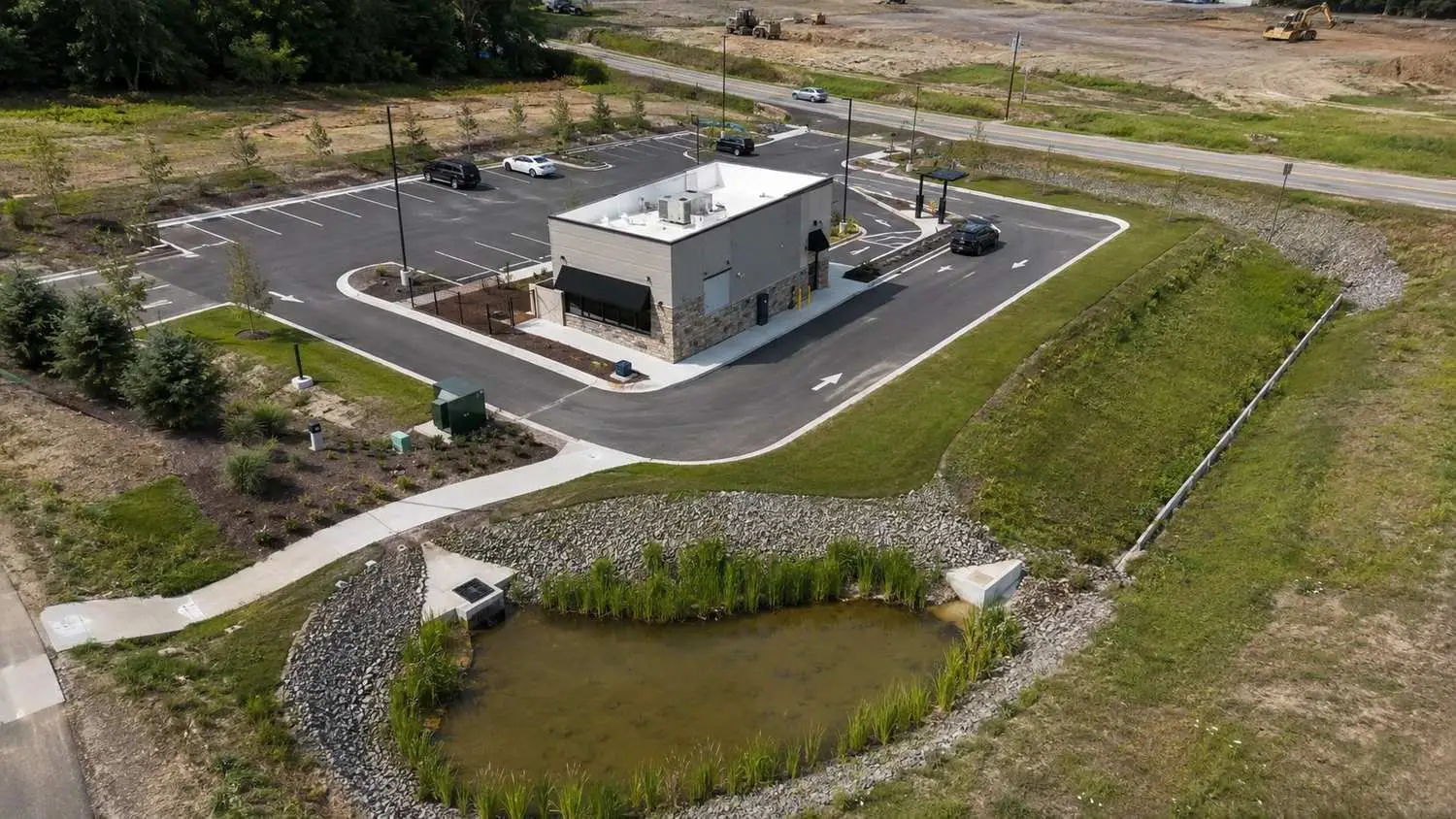
Small commercial sites require civil engineering fitting intensive use onto compact parcels efficiently. We design circulation managing drive-through queuing, parking counts, pedestrian access, and delivery movements within tight boundaries. ADA compliance ensures accessible routes from parking through entries. Fire department access meets apparatus turning and approach requirements. Stormwater management fits detention into limited space using underground systems or proprietary devices.

Utility services coordinate multiple providers bringing water, sewer, gas, electric, and telecommunications to compact sites. Grease interceptors and trash enclosures locate for hauler access meeting health spacing. Efficient design maximizes building pad and parking while satisfying regulatory requirements within constrained property. Layout optimization delivers functional sites contractors build within budget.

Our Approach

Every Colorado civil engagement starts before design opens, with the site conditions, jurisdictional boundaries, and regulatory requirements that determine whether your project holds budget and schedule through construction.

We Investigate the Site Before We Draw Anything

Geotechnical boring data, utility service territory confirmation, and jurisdictional authority mapping happen before CAD opens on your Colorado project. Sites with elevation changes, drainage basin divides, or county boundary issues get identified during due diligence, when walking away still costs less than proceeding with wrong assumptions baked into design documents that contractors will price against. The investigation phase produces the inputs that make every subsequent design decision defensible.

We Design Civil and Utility Together, Not Sequentially

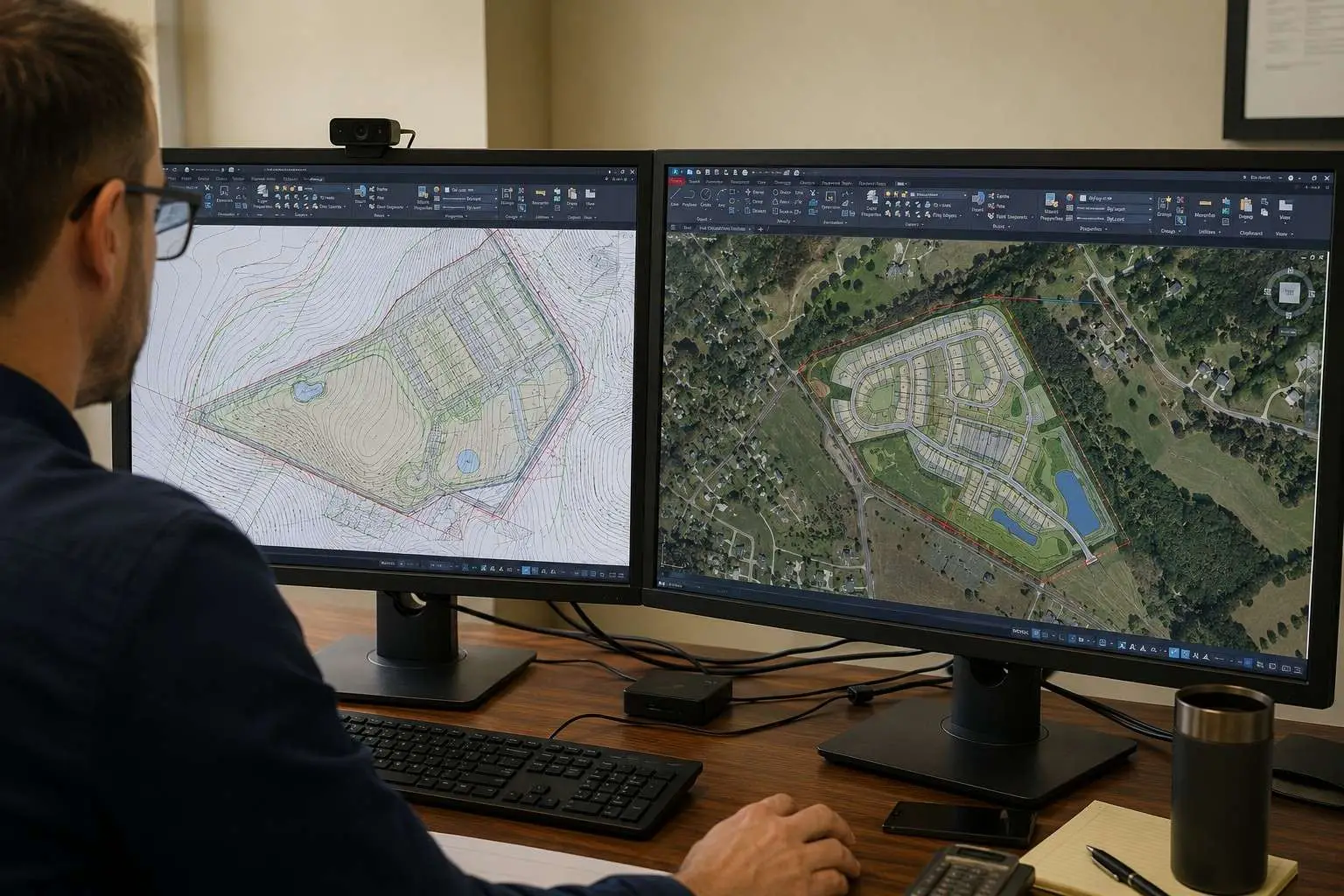
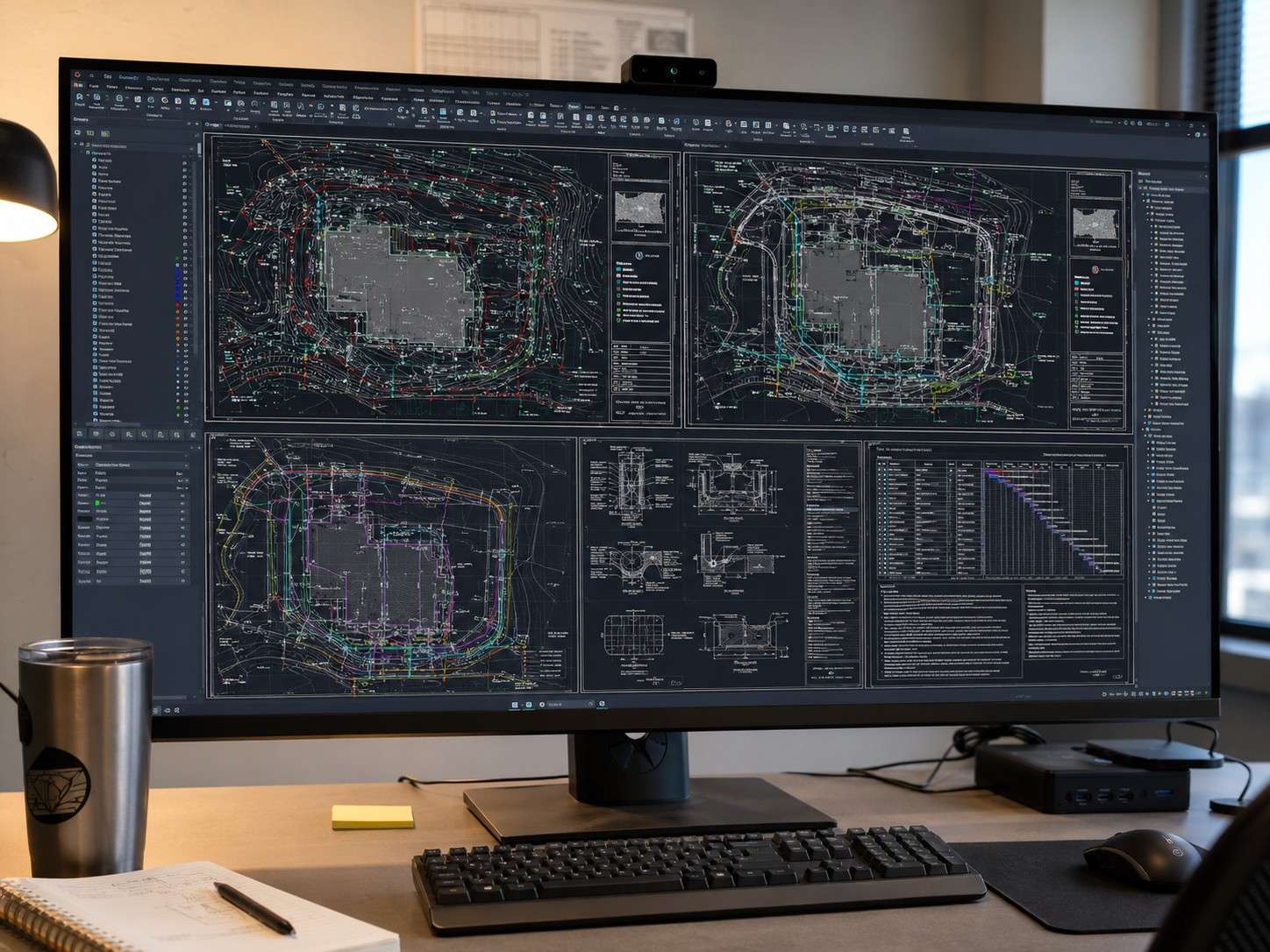
Grading, drainage, water distribution, and wastewater collection advance simultaneously in AutoCAD rather than one after another. Conflicts between civil grading elevations and utility pipe depths get resolved on screen, where fixes cost hours. Colorado’s constrained Front Range corridors and mountain-adjacent sites leave less room for field adjustments than flat suburban terrain, making design-phase coordination significantly more valuable per dollar spent on it.

We Build CDPHE and County Submittals for First-Pass Approval

Permit packages go to CDPHE and county engineering simultaneously with complete drainage calculations, grading plans, erosion control documentation, and utility coordination evidence. Colorado reviewers receive applications structured around the specific criteria their checklists require, not generic submittals that answer some questions while leaving others for comment letters. The goal is approval, not acknowledgment that an application was received.

We Stay on Your Project Through Certificate of Occupancy

Field visits confirm grading matches design intent before concrete pours lock in elevations that can’t be corrected without demolition. Contractor questions get answered the same day so Colorado’s short construction seasons don’t lose weeks to engineering response delays. Closeout documentation goes to the county as individual lots complete rather than accumulating into a backlog that delays final recording after construction is otherwise finished.

Projects

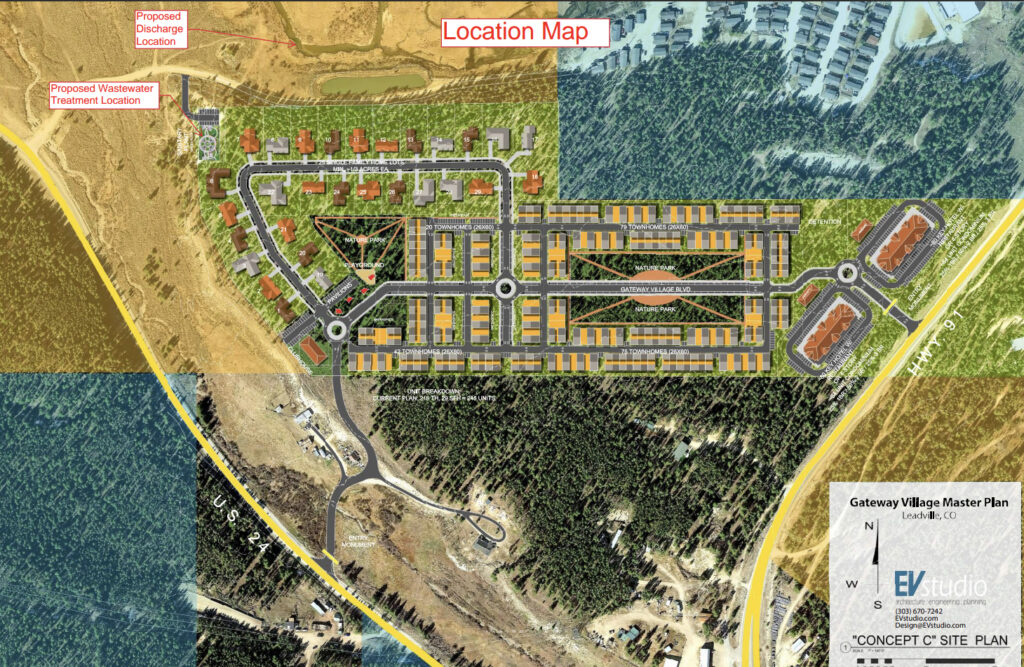
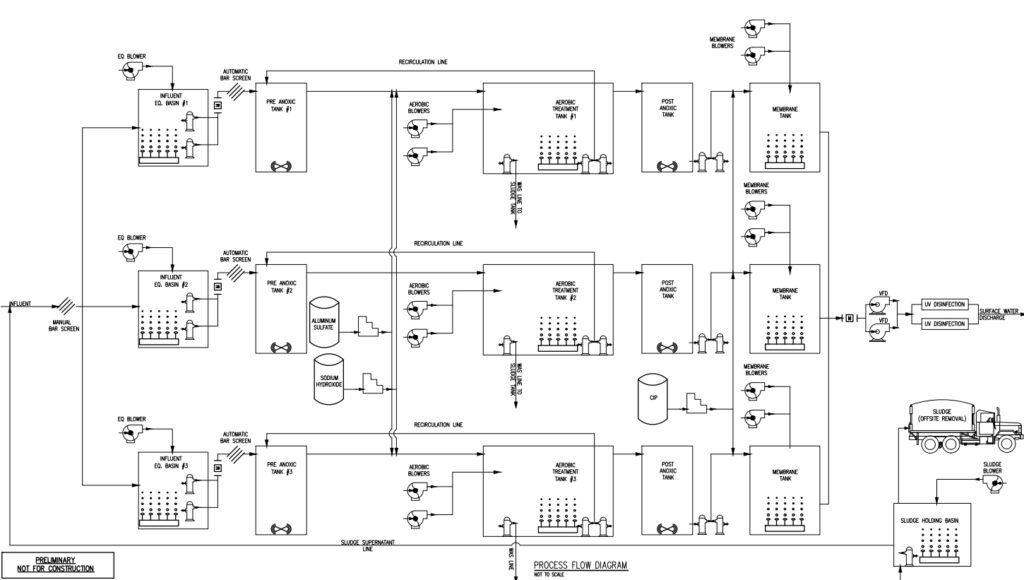
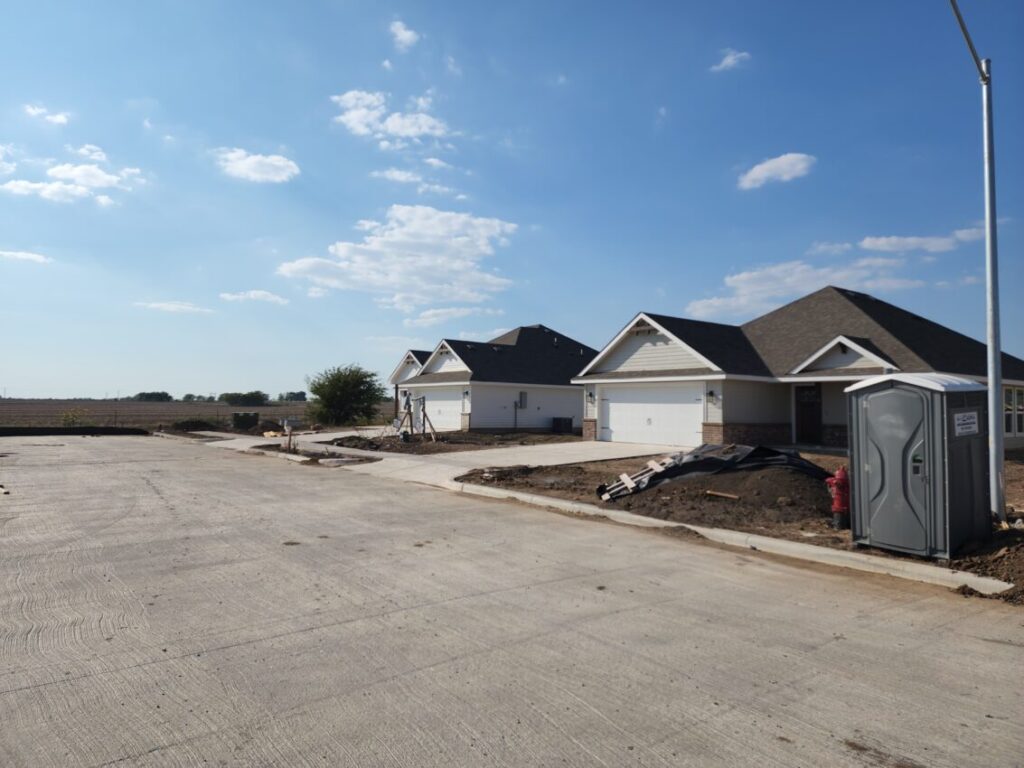
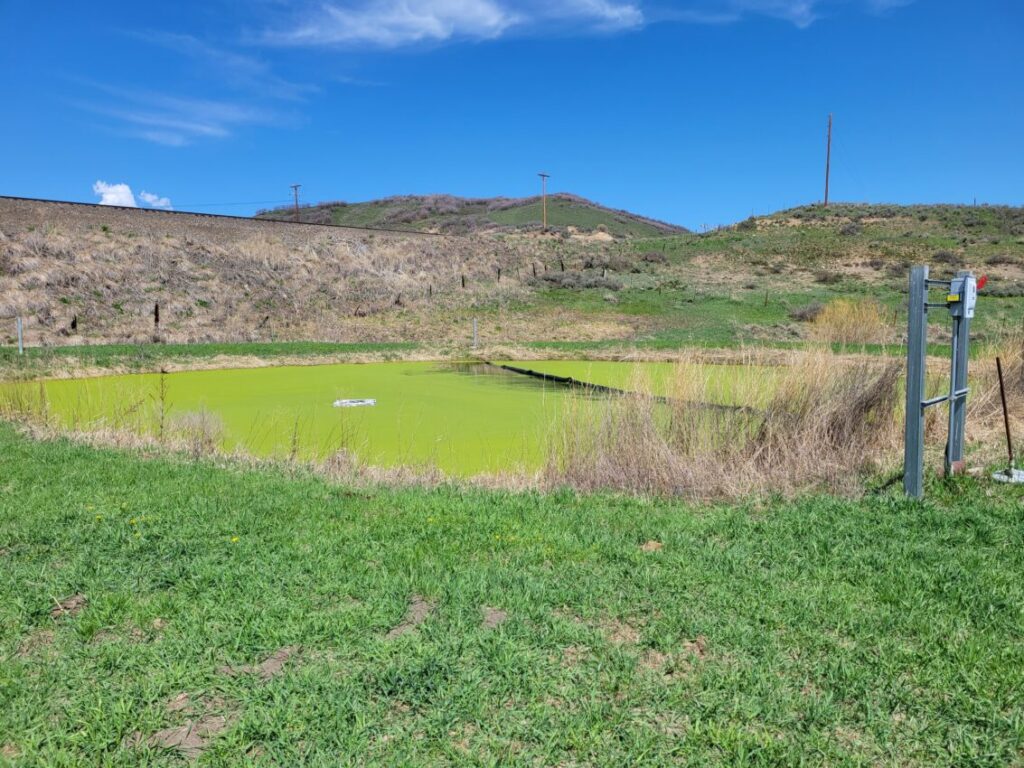
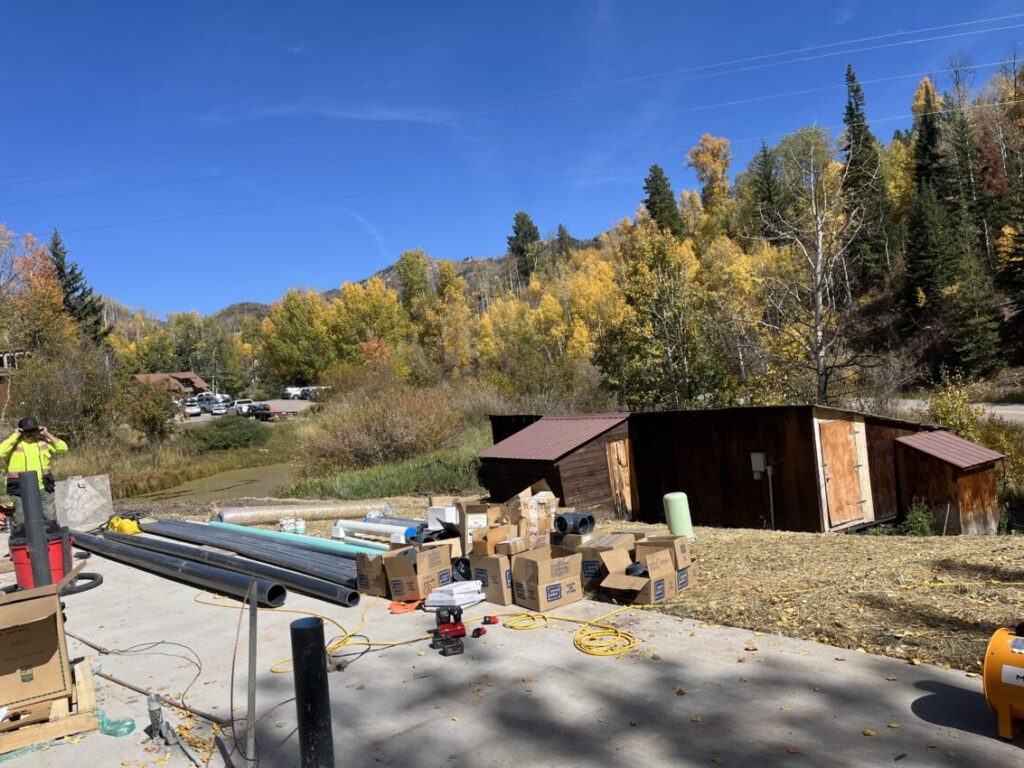
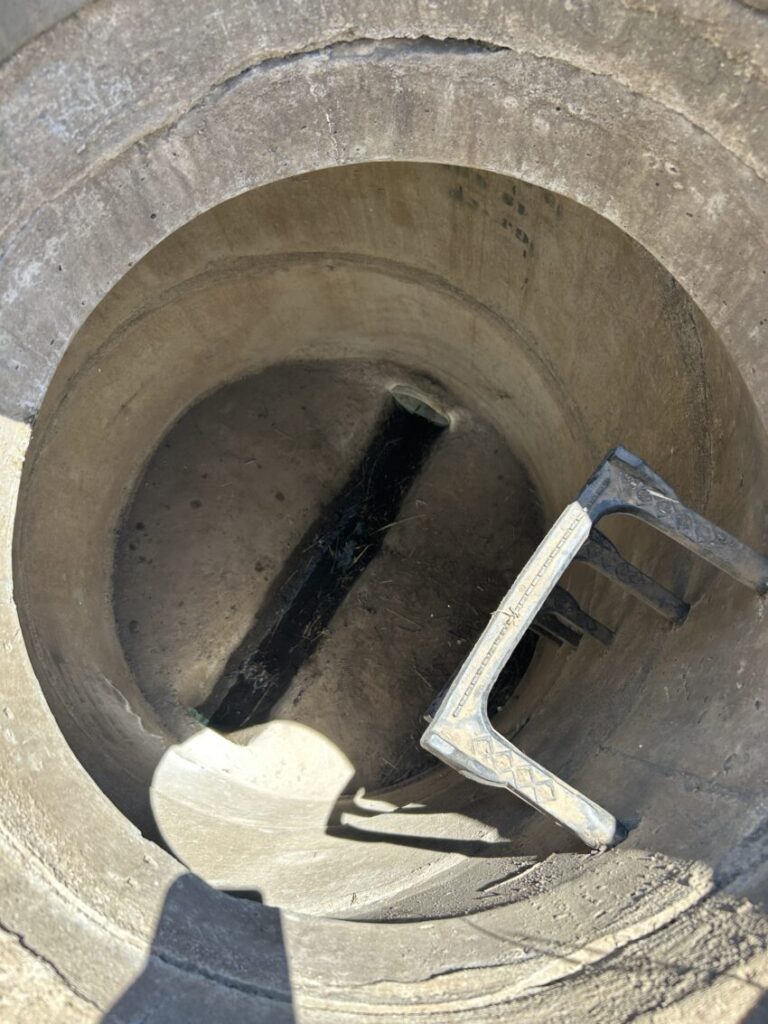
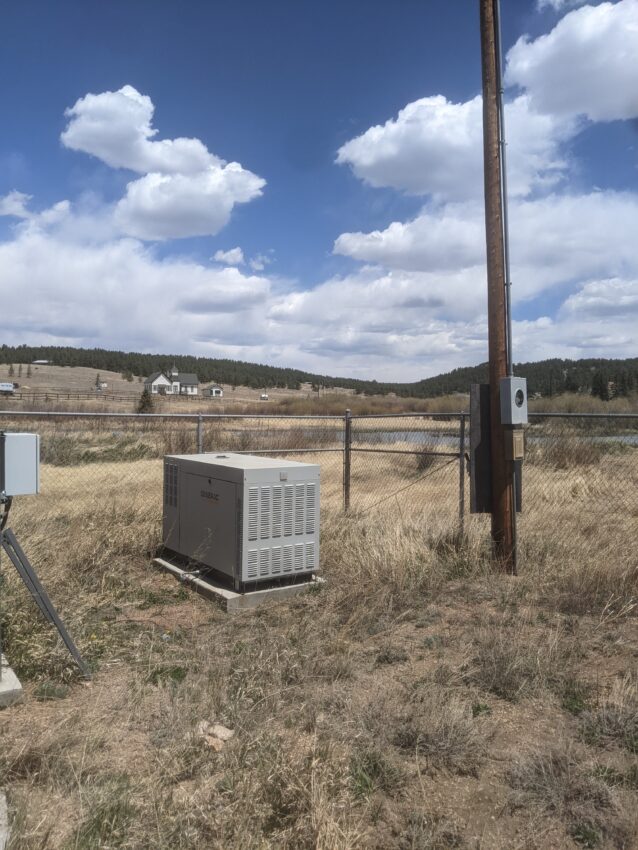
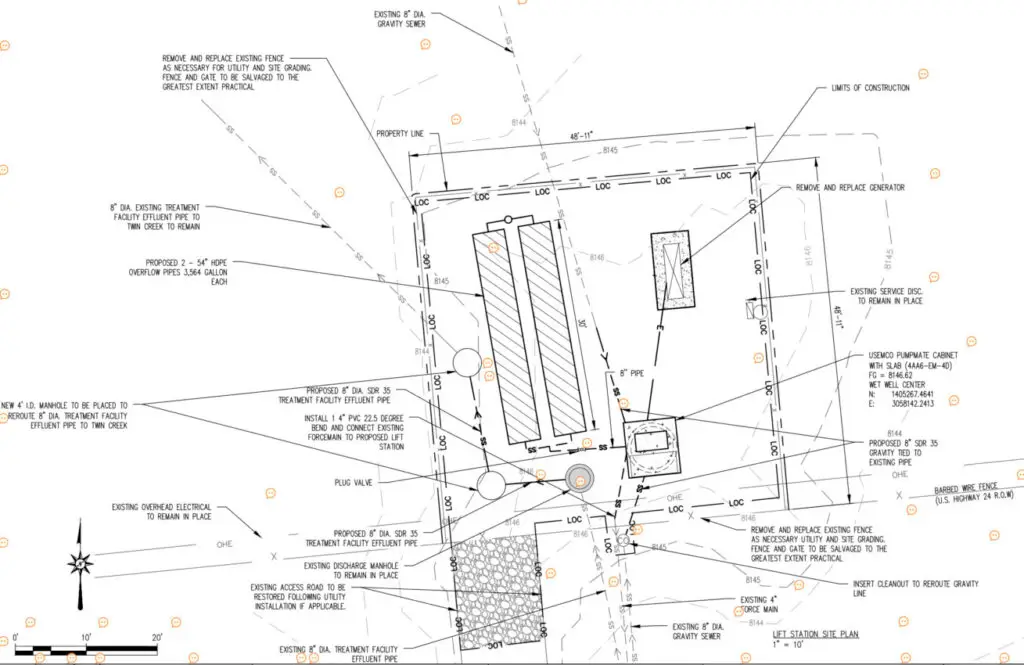
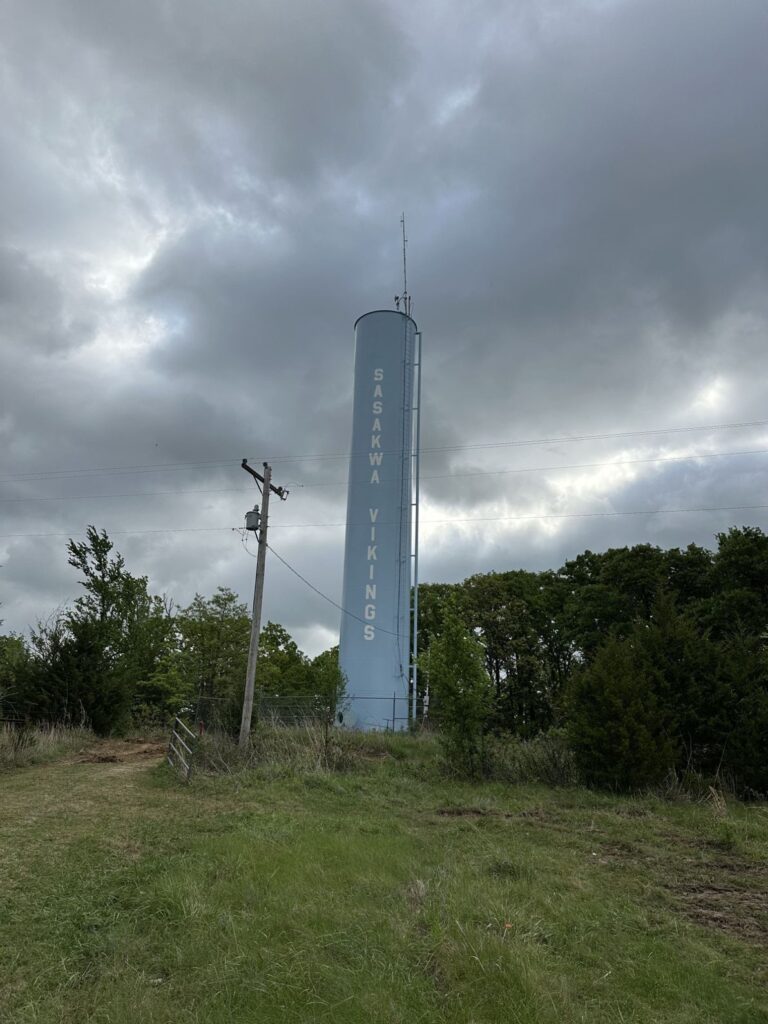
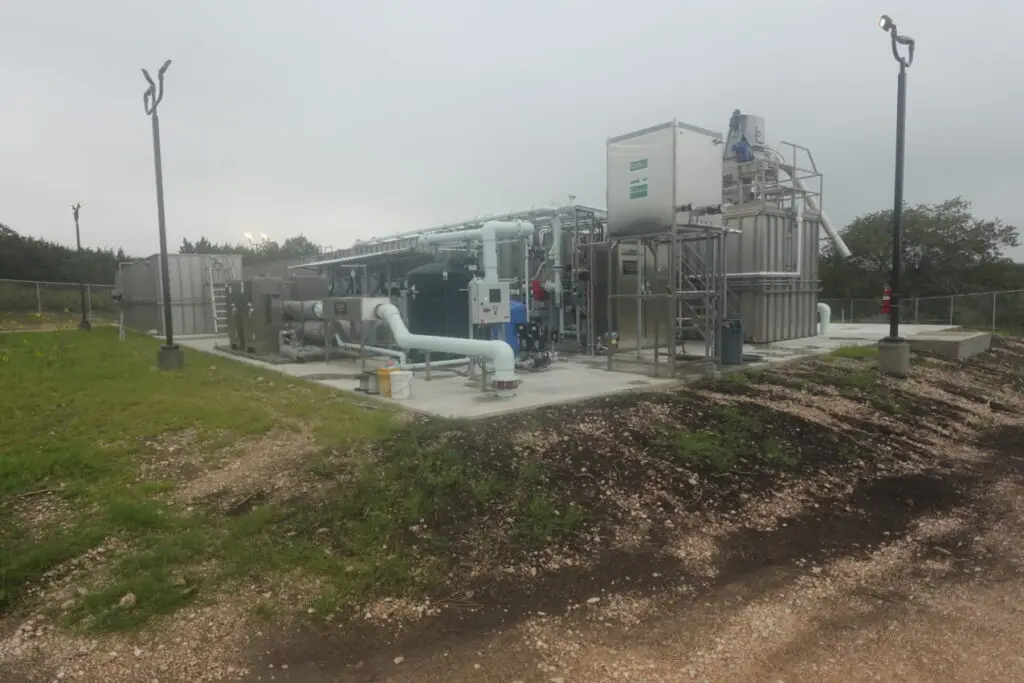
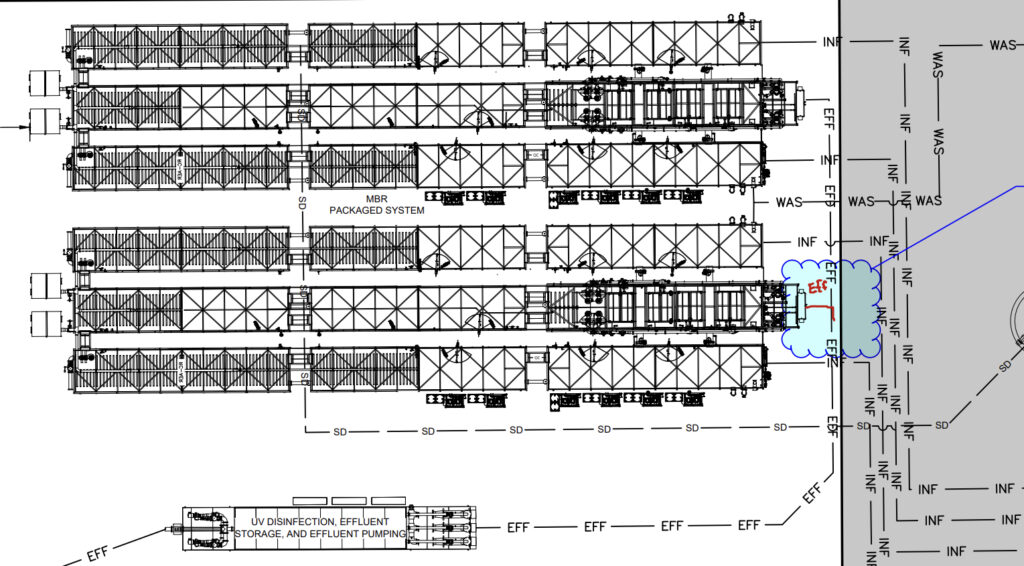
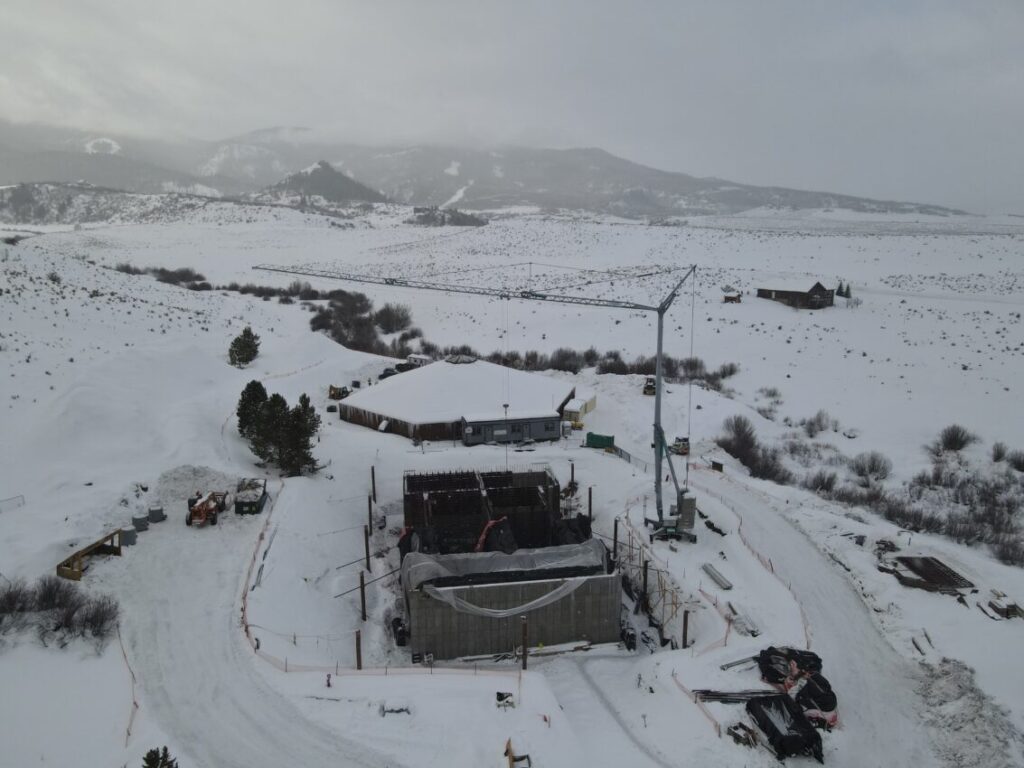
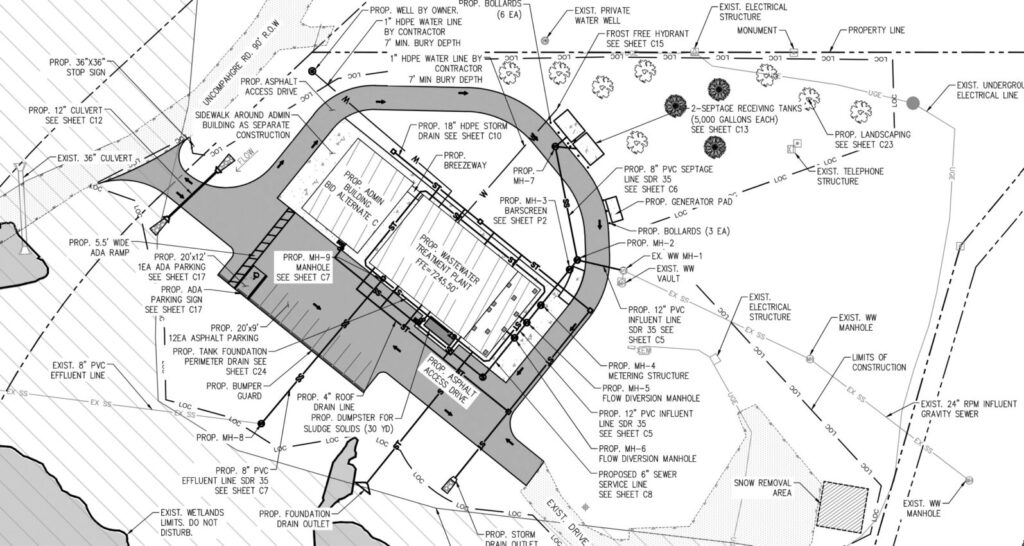
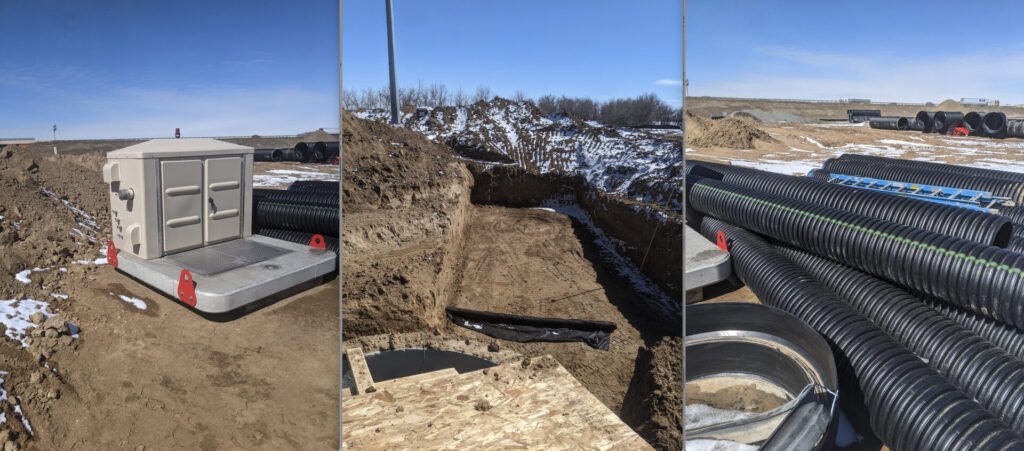
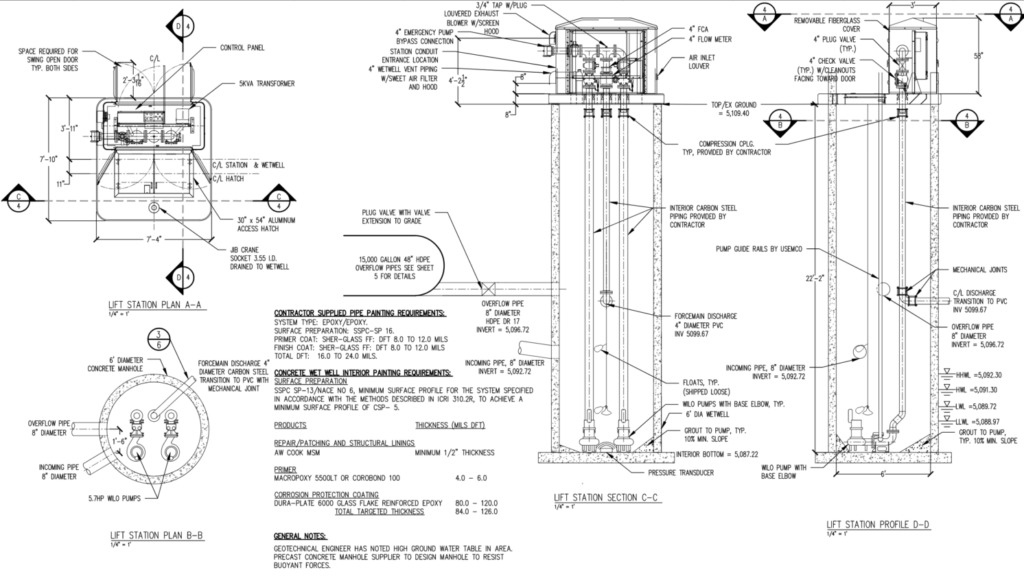
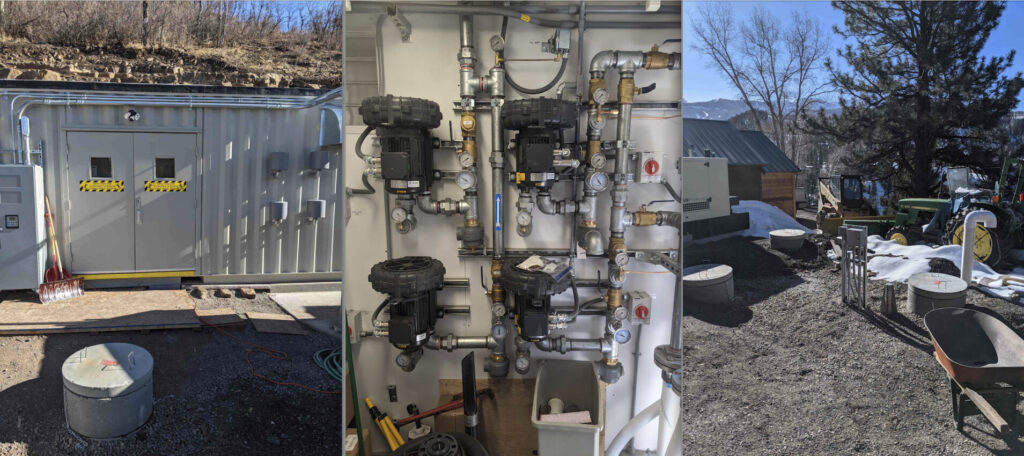
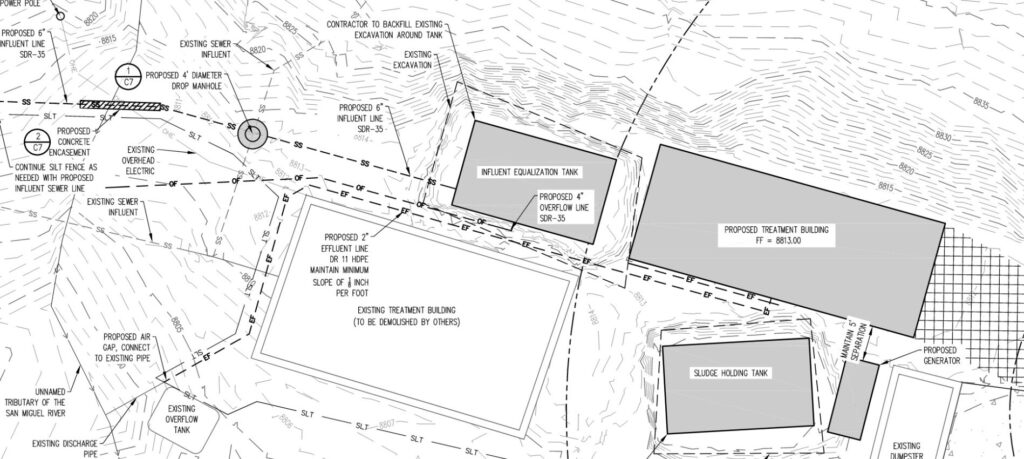
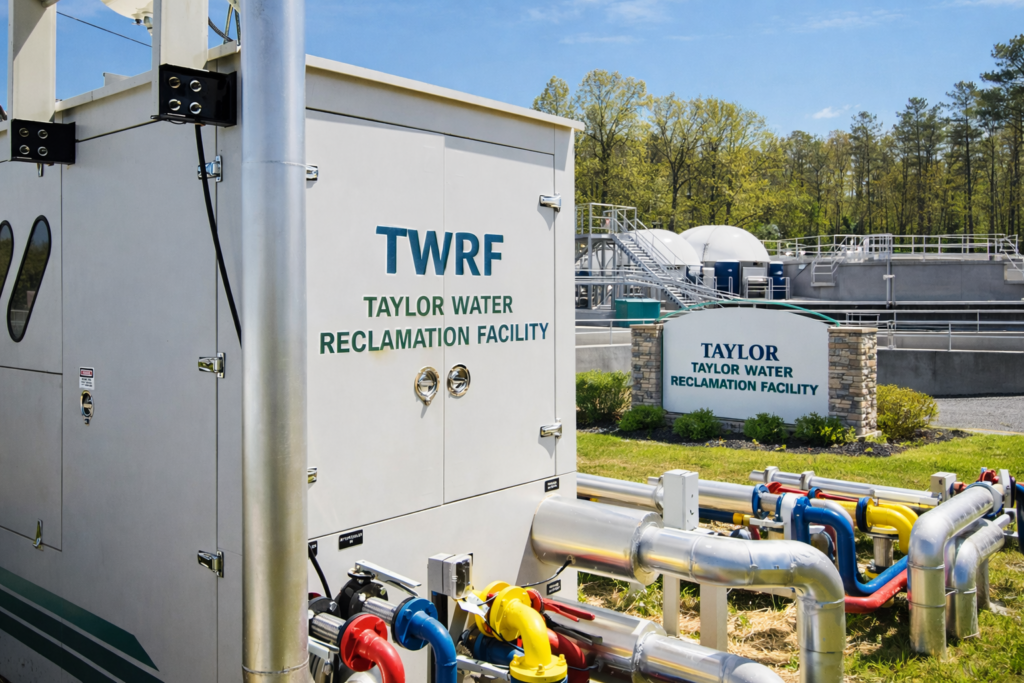
Modern Engineering Solutions delivers water and wastewater engineering across diverse regulatory environments, demonstrating efficient permitting and site-specific design expertise.

Why Choose Modern Engineering Solutions

Why Choose MES

1

Designs That Hold Budget Through Contractor Bidding

Civil plans built from actual boring data give Colorado contractors what they need to bid accurately. The difference between a budget that holds and one that doesn't is almost always what was investigated before design began.

2

CDPHE Submittals That Pass Review the First Time

Complete drainage calculations, erosion control plans, and grading documentation reach CDPHE together as one package. Reviewers receive everything needed to approve, not a starting point for comment cycles that push timelines past financing windows.

3

Phasing That Matches Your Lot Absorption Schedule

Infrastructure sequencing matches builder commitments and lot release dates, not engineering convenience. Colorado's seasonal construction windows get factored in so weather delays don't cascade into missed delivery dates.

4

Civil and Utility Engineering From One Firm, Not Two

Grading, drainage, water, and wastewater come from one team. Coordination failures that separate firms discover during construction get resolved during design, where fixes cost hours instead of change orders.

Frequently Asked Questions

Concept planning and project permitting for a Colorado subdivision need to advance together, not sequentially. Permitting agencies want to see grading, drainage, and utility concepts before approving plats. A firm that separates the two creates gaps that county reviewers flag.

MES handles both simultaneously for Colorado land developers, coordinating concept planning with CDPHE and county permitting requirements from the first design session so applications arrive complete rather than requiring supplemental submissions.

Kiosk site planning in Colorado requires civil engineering that accounts for site access, drainage, utility connections, and local jurisdiction permitting. These requirements vary significantly between Front Range municipalities and unincorporated county areas.

MES provides kiosk site planning as part of its civil engineering scope for Colorado land developers, coordinating site layout with utility connections and permitting requirements so kiosk installations don’t create conflicts with broader development plans.

Construction drawing timelines for Colorado civil site work depend on several factors:

– Project complexity and site size
– Whether geotechnical boring data is already available
– Confirmed utility service provider and available capacity
– Jurisdictional requirements (county vs. municipal)

A straightforward Front Range subdivision with boring data in hand and a clear utility provider typically takes 6-10 weeks from design kickoff to permit-ready construction documents. Sites with rock conditions, drainage basin complexity, or jurisdictional boundary issues take longer.

MES produces construction drawings coordinated with water, wastewater, and drainage design simultaneously, eliminating the revision cycles that happen when civil drawings are produced first and utility conflicts surface later.

Budget overruns of 30-40% on Colorado grading contracts almost always trace back to one root cause: inadequate subsurface investigation before design began.

Front Range and mountain-adjacent sites regularly encounter limestone, granite, or decomposed granite at depths preliminary surveys miss entirely. When site plans don’t distinguish soil from rock using actual boring data, two things happen:

– Contractors price conservatively for unknown conditions, inflating bids upfront
– Or contractors submit competitive bids they recover through change orders after mobilization

The fix for the next project is geotechnical borings completed before design opens, not after grading contracts are signed. MES coordinates subsurface investigation as part of civil due diligence so construction drawings reflect actual site conditions rather than assumptions that field reality contradicts.

Drainage review comments from Colorado county engineers most commonly flag three issues:

– Detention sizing based on regional average storm data rather than local intensity-duration-frequency curves
– Erosion control plans that don’t address site-specific slope and vegetation conditions
– Inlet calculations that don’t match the storm frequency the county requires

Colorado’s intense afternoon convective storms produce rainfall intensities that generic design references consistently undersize. MES structures drainage submittals around the specific criteria each Colorado county applies, so applications arrive with documentation reviewers need to approve rather than information they need to request.

Infrastructure phasing that matches builder commitments requires working backward from lot release dates rather than forward from engineering convenience.

Colorado’s seasonal construction windows compress the buildable calendar to roughly 6-7 months in most Front Range locations. A phasing plan that looks achievable on paper in January may not be executable if construction starts in April.

MES builds phasing plans around absorption schedules and builder commitments first, then engineers infrastructure sequencing that delivers lots when builders need them rather than when engineering finds it most efficient.

When civil grading, water distribution, and wastewater collection are designed by separate firms, conflicts between systems typically surface during construction rather than during design. Here is what that looks like in practice:

– Grading elevations establish grades that utility pipe slopes have to work within
– Detention pond locations affect where collection mains can route
– Dry utility corridors occupy subsurface space that water and wastewater mains also need

Each firm optimizes independently. The conflicts between their decisions get resolved by contractors in the field at change order rates rather than by engineers at their desks at design rates.

MES handles civil and utility engineering together specifically because Colorado’s constrained terrain makes design-phase coordination significantly cheaper than construction-phase correction.

Civil permit timelines in Colorado vary by jurisdiction and application completeness:

– County grading and drainage reviews: 4-8 weeks for complete submittals
– CDPHE stormwater and erosion control permits: 2-6 weeks depending on project size
– Incomplete applications: 6 months or longer through revision cycles

The fastest path through Colorado civil permitting is a technically complete package submitted the first time. MES structures permit applications around the specific criteria each Colorado reviewing agency applies, so submittals move through review rather than cycling back for additional information.

Separate engineers are not required, and using separate firms often creates coordination problems that cost more than any fee savings from splitting the scope.

Civil grading elevations directly affect utility pipe depths and slopes. Detention pond locations affect utility routing. Phasing decisions for civil construction affect when utilities can be installed and when lots can be released.

MES handles civil and utility engineering together because Colorado’s constrained terrain makes design-phase coordination significantly cheaper than construction-phase correction. One firm, one set of coordinated drawings, one point of accountability through construction.

Civil engineering change orders on Colorado development sites most commonly originate from three sources:

– Unforeseen subsurface conditions (rock at unexpected depths, groundwater)
– Utility conflicts not shown on plans, discovered during construction
– Plan deficiencies that field crews have to improvise around

Each source has a specific prevention:

– Subsurface conditions: geotechnical investigation before design begins
– Utility conflicts: civil and utility design advancing simultaneously
– Plan deficiencies: constructability reviews before bid packages go out

MES combines all three on Colorado civil projects, reducing change order exposure significantly compared to projects where investigation is abbreviated and design disciplines work independently.

Colorado civil engineering requirements vary significantly depending on whether your site falls under county or municipal jurisdiction.

County jurisdiction typically applies Colorado Department of Transportation drainage standards alongside local grading ordinances. Review timelines and technical criteria vary by county.

Municipal jurisdiction is more complex. Incorporated cities like Denver, Fort Collins, Aurora, and Colorado Springs maintain their own design standards that often exceed state minimums, covering:

– Detention sizing methods
– Pipe materials and installation standards
– Erosion control requirements
– Inspection and testing protocols

Developments crossing jurisdictional boundaries require coordination with multiple reviewing agencies, each applying their own standards to the portions of the site within their territory. MES confirms which standards apply before design begins, preventing revision cycles that happen when plans are submitted to the wrong reviewer or designed to the wrong standard.

Bedrock depth is one of the most significant cost variables in Colorado civil engineering, affecting grading, utility installation, detention construction, and foundation design for site amenities.

Here is what the cost difference looks like in practice:

– Soil excavation on Colorado Front Range sites: $8-15 per cubic yard
– Rock excavation requiring blasting or specialized equipment: $35-80 per cubic yard or higher

A site with rock at 4 feet rather than 8 feet can see grading costs increase by $200,000-500,000 on a 50-acre development without any change in design intent.

Geotechnical investigations completed before land acquisition allow developers to:

– Price rock excavation into pro formas accurately
– Adjust lot layouts to minimize rock removal
– Negotiate land price based on actual subsurface conditions

MES coordinates subsurface investigation as part of civil due diligence so rock conditions inform land pricing decisions rather than appearing as surprises after contracts are signed.

Talk to an Engineer

Colorado civil projects face bedrock, steep terrain, and multi-jurisdictional approvals. We’ll review your site in a 15-minute call. No cost.