Kansas civil projects stall when engineers treat agricultural land conversion, KDHE stormwater requirements, and prairie drainage patterns as afterthoughts. We account for Kansas realities before the first grading plan opens.
Modern Engineering Solutions delivers water and wastewater engineering across diverse regulatory environments, demonstrating efficient permitting and site-specific design expertise.
Taylor, Williamson County, TX
completed
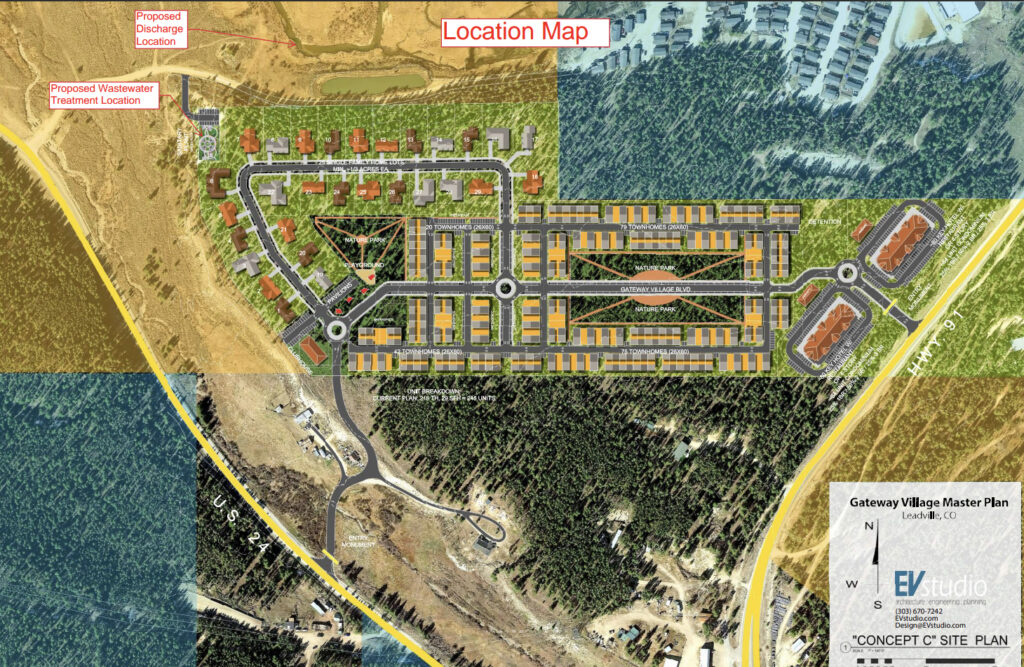
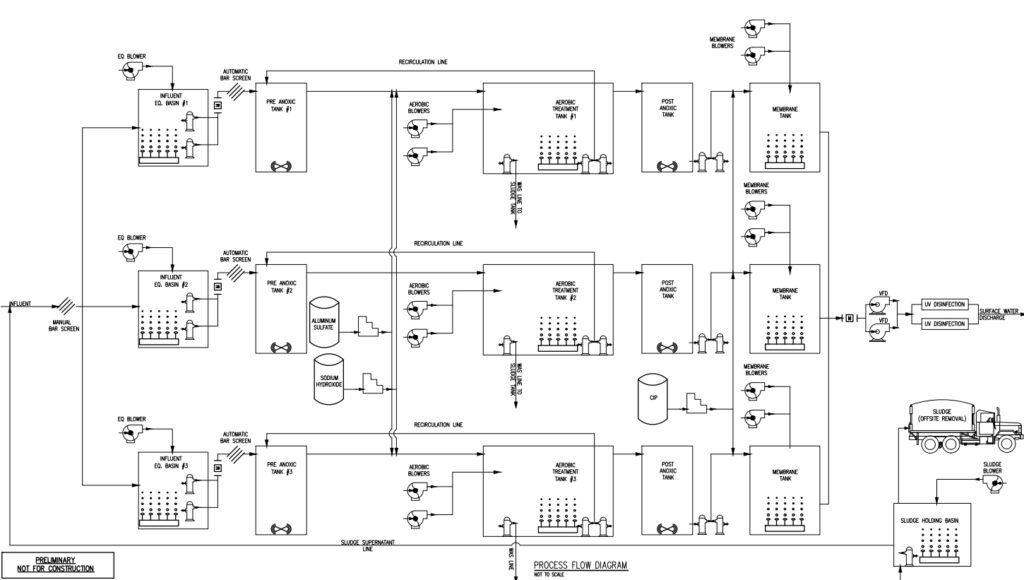
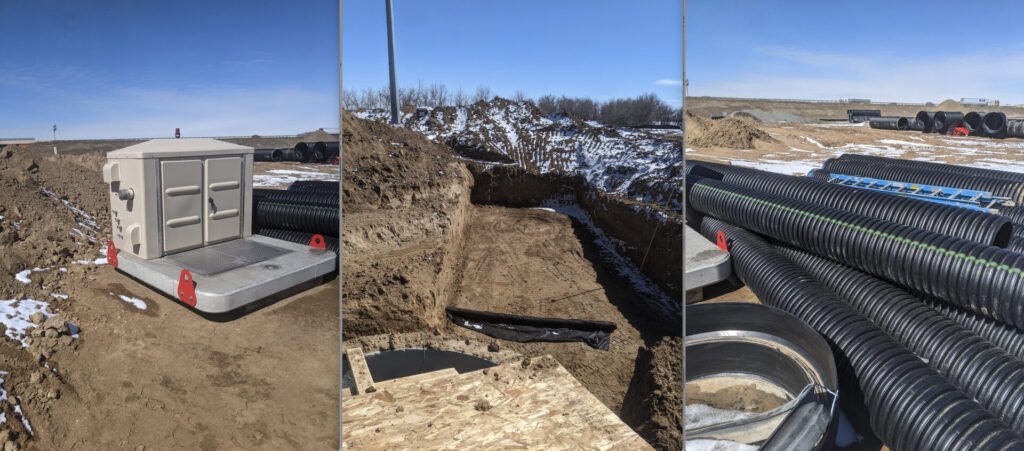
The Gateway Water Reclamation Facility serves a large-scale mixed-use development in San Marcos, Hays County, Texas, combining data center operations, commercial facilities, and supporting systems. A traditional 1.0 MGD discharge permit in this region would have faced significant opposition from environmental groups concerned about impacts to the San Marcos River and Edwards Aquifer recharge zone, with public hearing processes routinely extending timelines to 30 or more months. Modern Engineering Solutions pursued the TCEQ 210E authorization pathway instead, securing approval in just 10 weeks with a zero-discharge reclaimed water system that eliminated surface water discharge concerns entirely.
San Marcos, Hays County, TX
completed
The Gateway Water Reclamation Facility serves a large-scale mixed-use development in San Marcos, Hays County, Texas, combining data center operations, commercial facilities, and supporting systems. A traditional 1.0 MGD discharge permit in this region would have faced significant opposition from environmental groups concerned about impacts to the San Marcos River and Edwards Aquifer recharge zone, with public hearing processes routinely extending timelines to 30 or more months. Modern Engineering Solutions pursued the TCEQ 210E authorization pathway instead, securing approval in just 10 weeks with a zero-discharge reclaimed water system that eliminated surface water discharge concerns entirely.
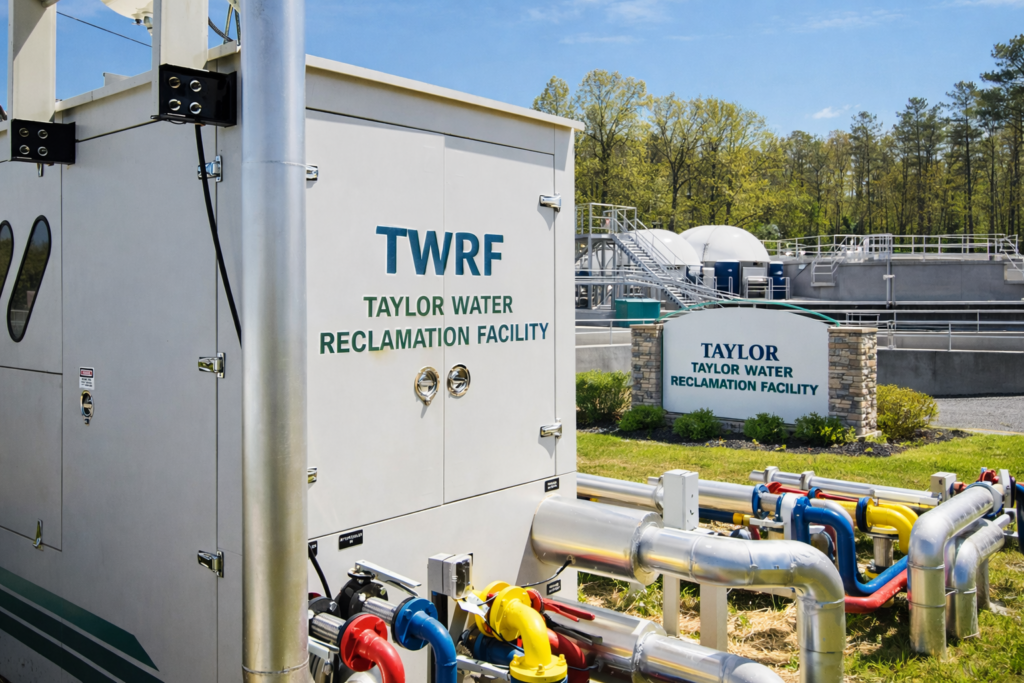
Taylor, Williamson County, Texas
completed
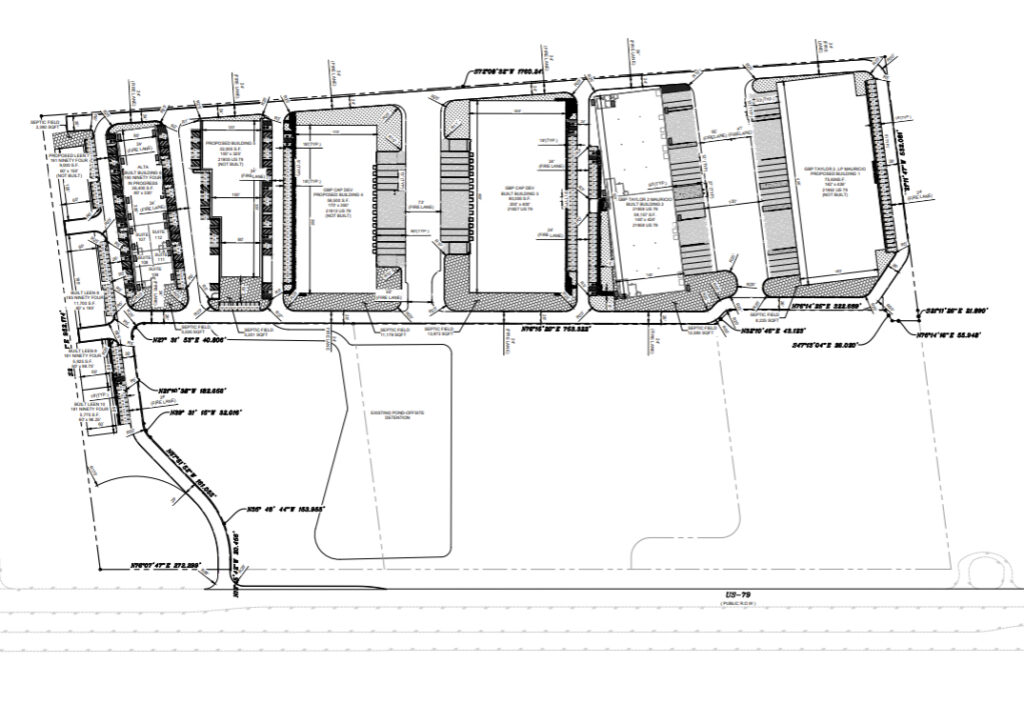
The Bradley Business Park Water Reclamation Facility required a wastewater solution for a mixed-use development in Taylor, Williamson County, Texas. When Williamson County denied the septic permit due to platting issues and site constraints that made conventional on-site treatment infeasible, Modern Engineering Solutions pursued the TCEQ 210E authorization pathway. This approach bypassed county jurisdiction entirely, placing the project under state-level TCEQ oversight with a zero-discharge reclaimed water system. The 4-week approval timeline allowed the developer to maintain construction schedules and avoid costly project delays.
Texas
completed
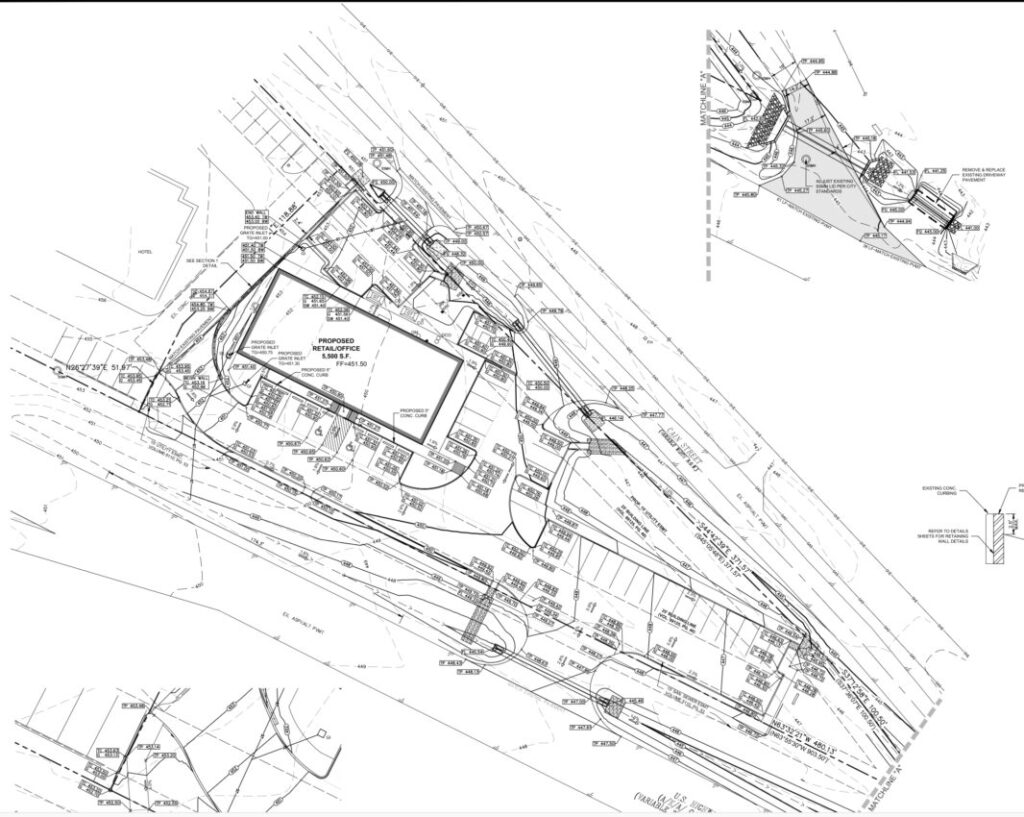
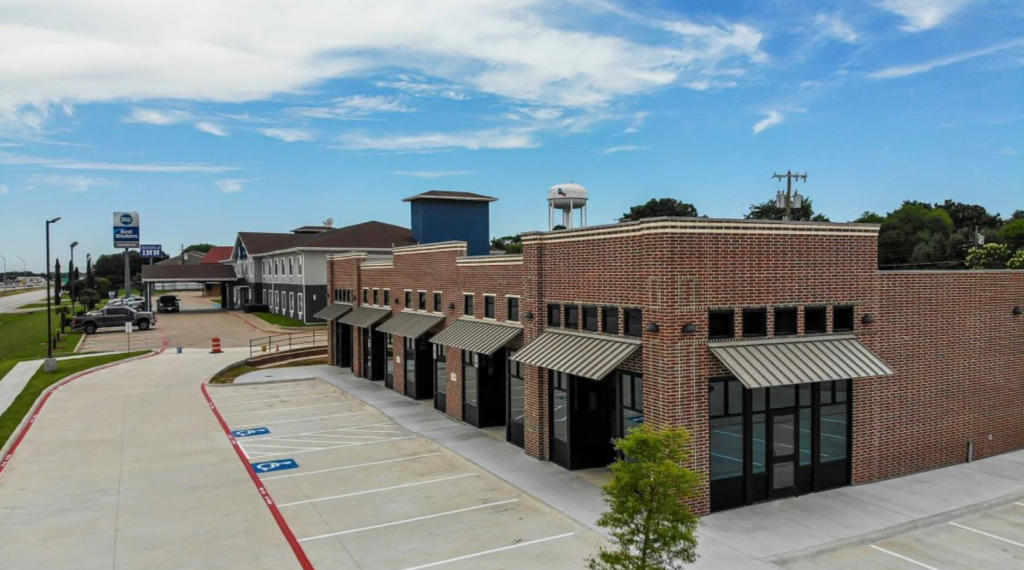
The Trinity Retail Plaza is a meticulously designed 2-acre commercial shopping plaza that seamlessly integrates high-quality retail spaces with innovative engineering solutions. Modern Engineering Solutions provided expertise in paving, grading, utility layout, and drainage design, while addressing site-specific challenges including streambank stabilization and storm drain improvements in full compliance with local and state regulations.
Lindsay, Texas
completed
The Bailey Ranch Estates is a meticulously planned 14-acre residential development featuring 48 thoughtfully designed lots alongside a 2.5-acre future industrial site. Modern Engineering Solutions provided expertise in site planning, coordination, and infrastructure design to ensure the successful execution of this project, serving the growing community in the city of Lindsay, Texas.
Magnolia Center, Corinth, Texas
completed
The Magnolia Center is a 2.67-acre mixed-use commercial development strategically located in Corinth, Texas. The project comprises a 10,800 sq. ft. office building and a 7,316 sq. ft. retail building featuring a drive-through facility. Currently in the final stages of construction, the development exemplifies the seamless integration of diverse commercial spaces designed to cater to the evolving needs of the community.
Oak Creek, CO
completed
The Town of Oak Creek faced aging water distribution and wastewater collection systems with unquantified water loss and infiltration and inflow issues. Modern Engineering Solutions conducted a comprehensive assessment of the infrastructure's age and condition, delivering a final report with clear engineering estimates and a prioritized roadmap for future system replacements and improvements.
Steamboat Springs, CO
completed
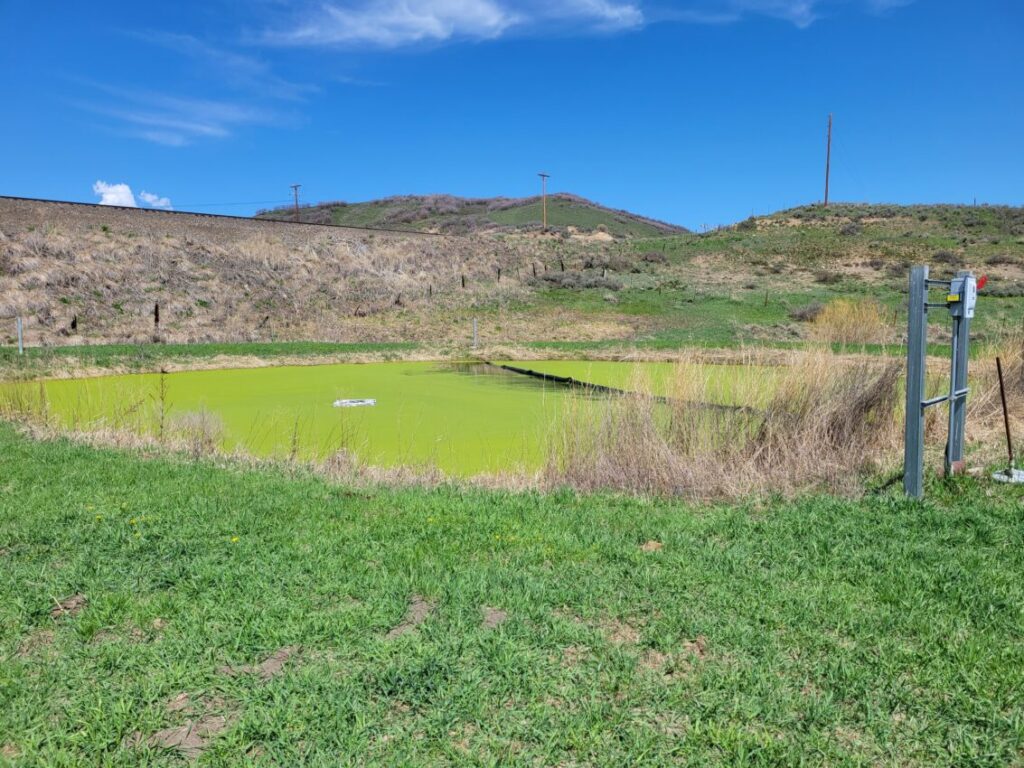
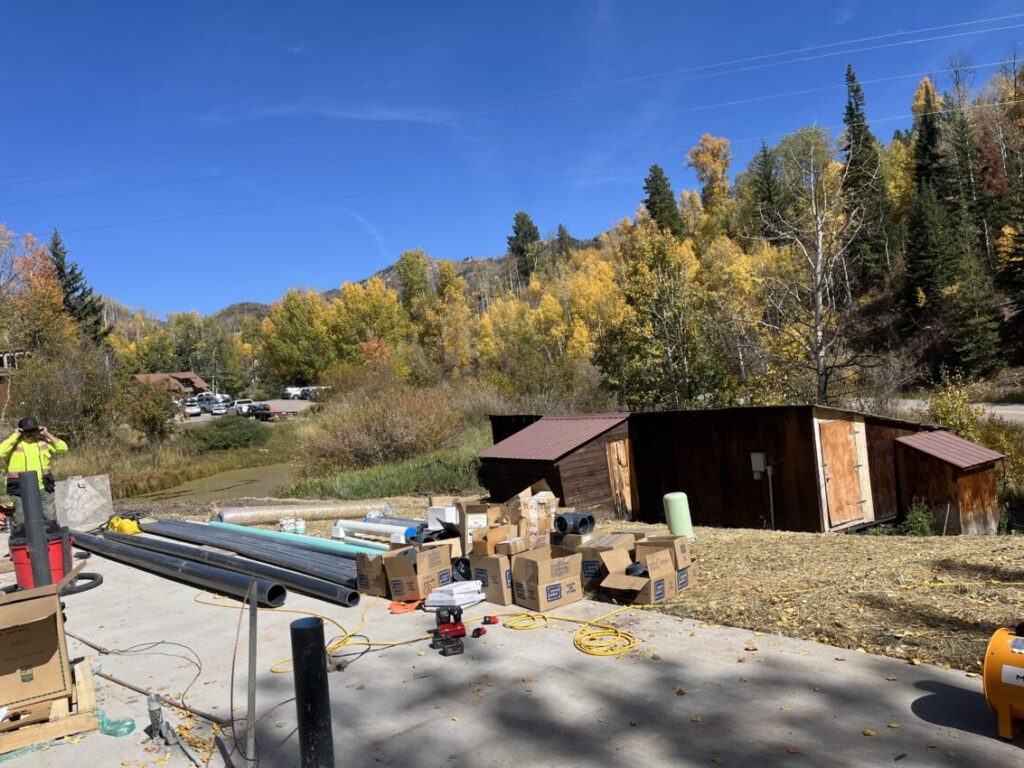
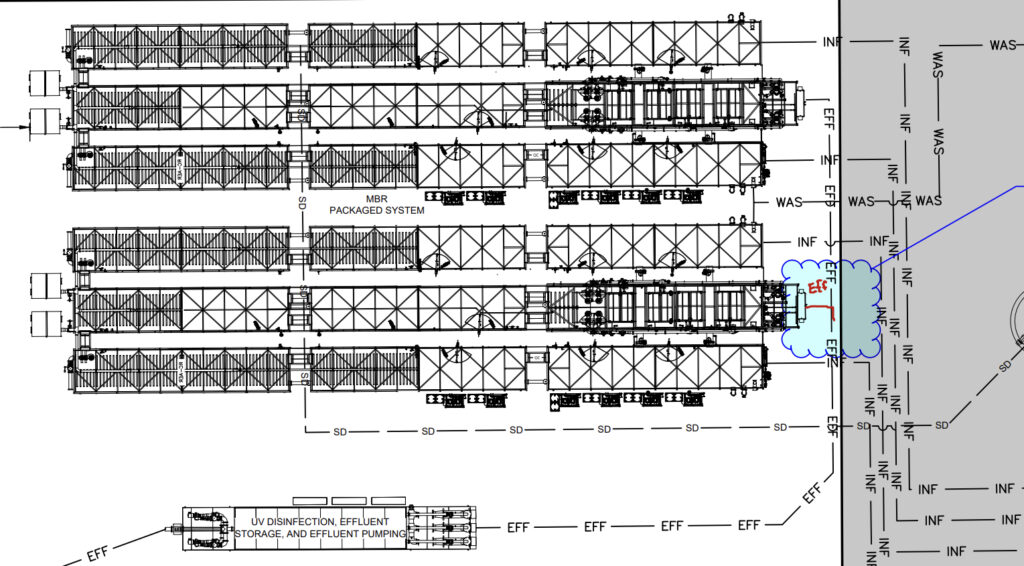
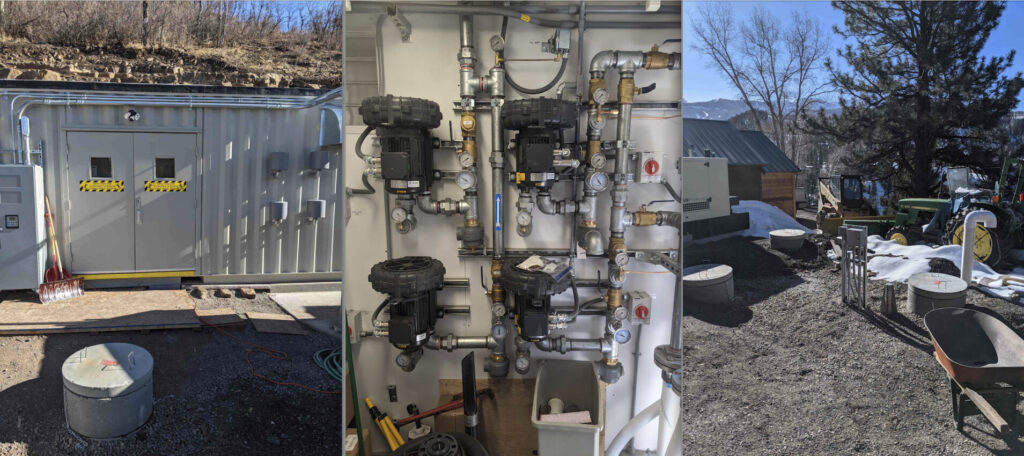
The Steamboat Mountain School Wastewater Treatment Plant (WWTP) project involved the design and construction of a new 10,000-gallon-per-day treatment facility to replace an outdated plant that could no longer meet the demands of the school’s growing operations and updated discharge requirements. The new WWTP ensures compliance with strict effluent limits, including BOD of 5 mg/L, TSS of 1 mg/L, and NH₃-N below 1 mg/L. Modern Engineering Solutions (MES) led the civil design efforts, working closely with the process engineering team to recommend improvements that enhanced performance and sustainability.
Phippsburg and Milner, CO
completed
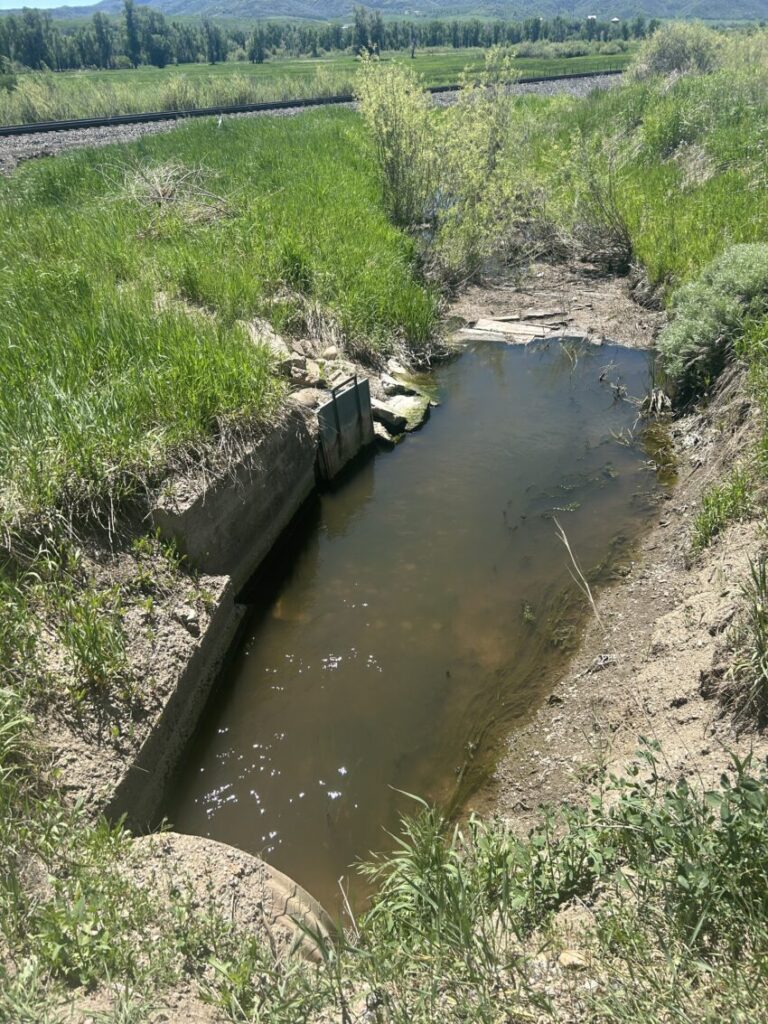
The Phippsburg and Milner Wastewater Treatment Plants (WWTP) project involved the design and construction of two new treatment facilities to replace outdated infrastructure that could no longer meet the growing demands and discharge requirements of the communities they serve. With capacities of 32,500 gallons per day and 30,000 gallons per day respectively, the new WWTPs were designed to ensure compliance with strict effluent limits, including BOD of 5 mg/L, TSS of 1 mg/L, and NH₃-N of 50 mg/L. Modern Engineering Solutions (MES) led the civil design efforts, collaborating with process engineers to enhance the plants' performance and sustainability.
Yampa, CO
completed
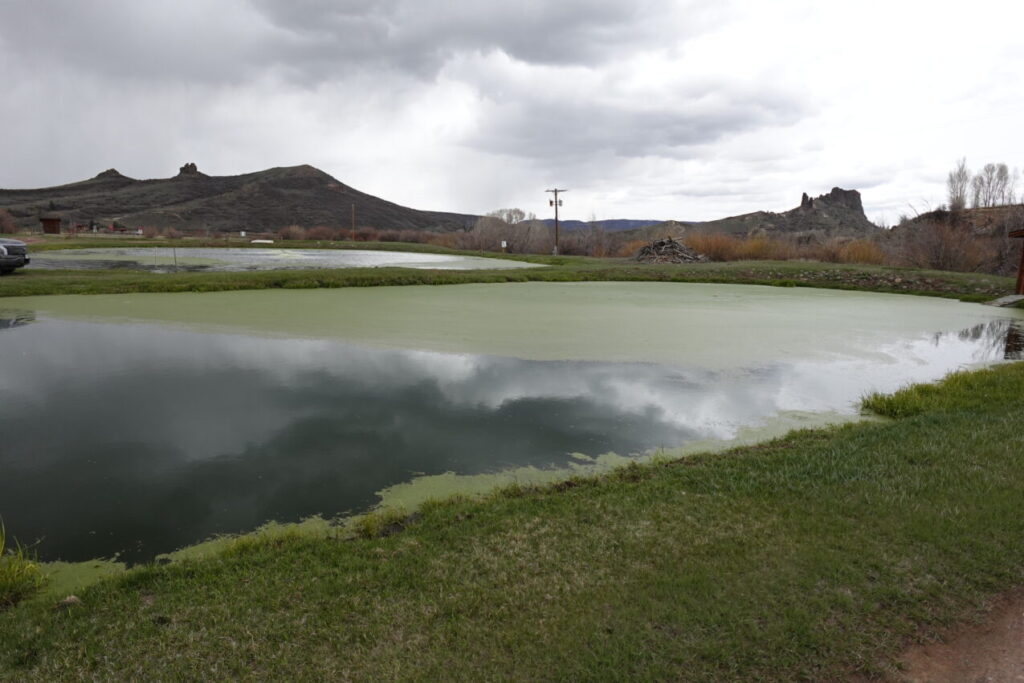
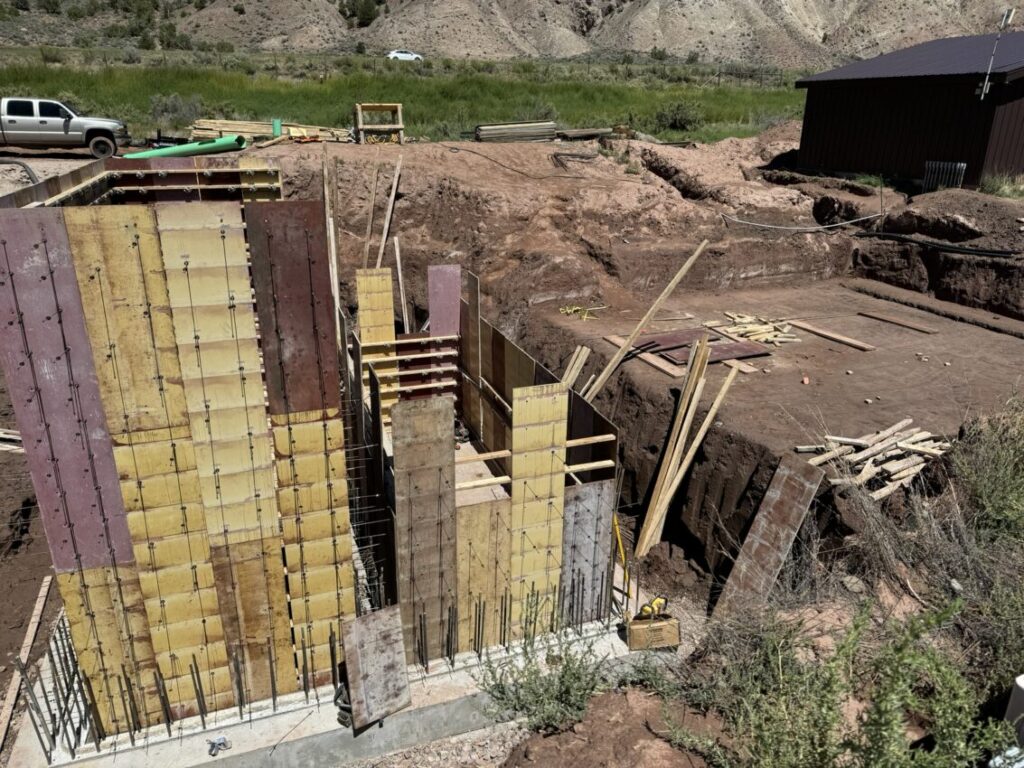
The Town of Yampa Wastewater Treatment Plant (WWTP) project involved the design and construction of a new 105,000-gallon-per-day treatment facility to replace an outdated plant that no longer met the town’s wastewater needs or regulatory discharge requirements. The new WWTP ensures compliance with strict effluent limits, including BOD levels below 5 mg/L, TSS below 1 mg/L, and TIN below 21 mg/L, supporting sustainable growth and environmental stewardship. Modern Engineering Solutions (MES) led the civil design efforts, working closely with the process team to optimize system performance through strategic process recommendations.
Gypsum, CO
completed
The Riverdance RV Park Wastewater Treatment Plant (WWTP) project involved the design and construction of a new 40,000-gallon-per-day treatment plant to replace an outdated system that could no longer meet the growing demands and discharge requirements of the expanding RV park. The new WWTP was engineered to handle increased wastewater flows while ensuring compliance with strict effluent limits, including BOD of 5 mg/L, TSS of 1 mg/L, and Total Inorganic Nitrogen (TIN) of 80 mg/L. Modern Engineering Solutions (MES) led the civil design effort, collaborating with the process engineering team to recommend adjustments that optimized system performance.
Yampa, CO
completed
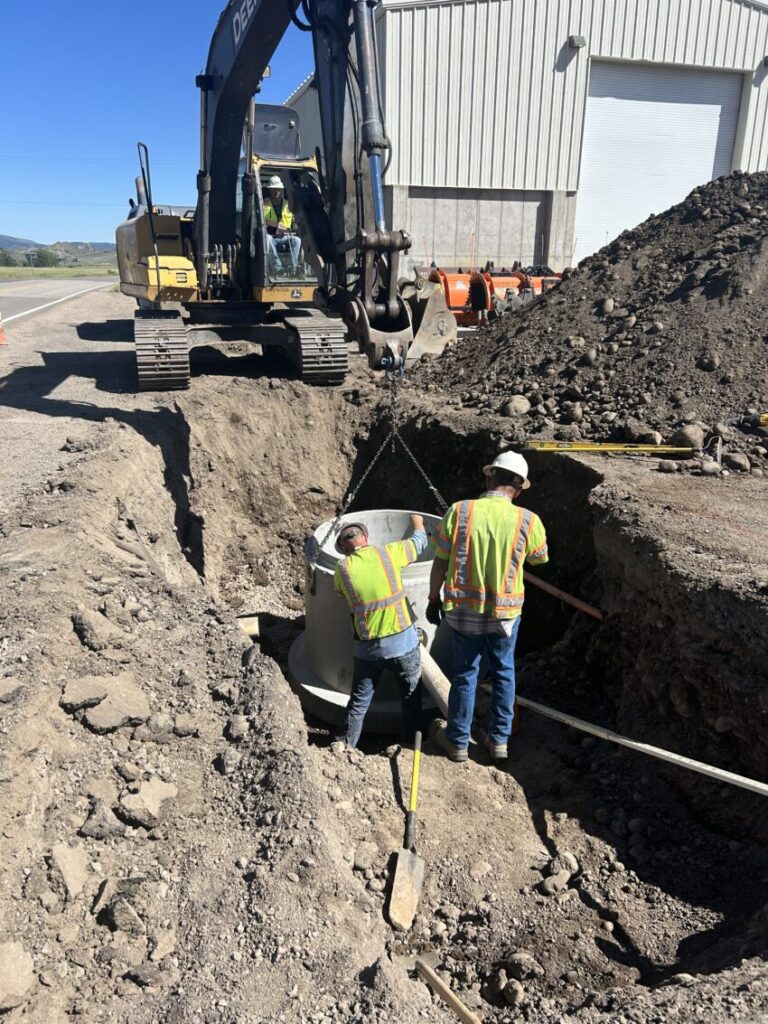
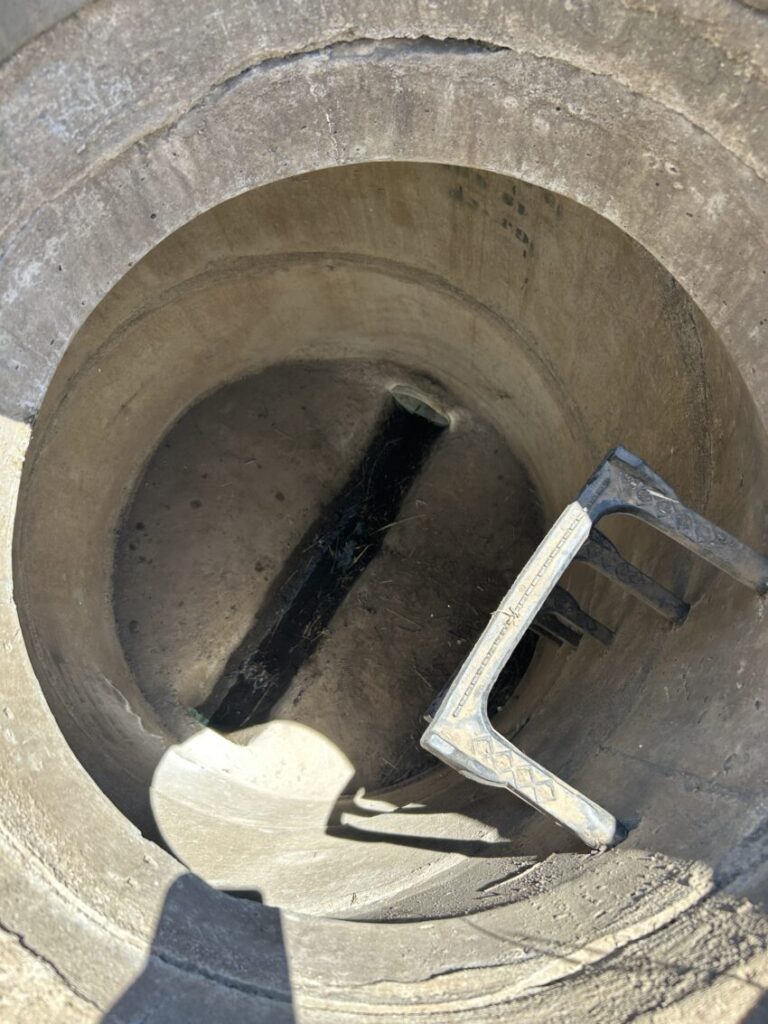
The Town of Yampa Collection System Improvements project focused on the rehabilitation of 20,000 feet of wastewater collection pipelines and upgrades to the community’s manholes. These improvements were designed to enhance the system’s reliability and reduce future maintenance needs. Modern Engineering Solutions (MES) took the lead on the project, working closely with local officials to develop effective engineering solutions and secure funding to support the town’s infrastructure goals.
Phippsburg & Milner, CO
completed
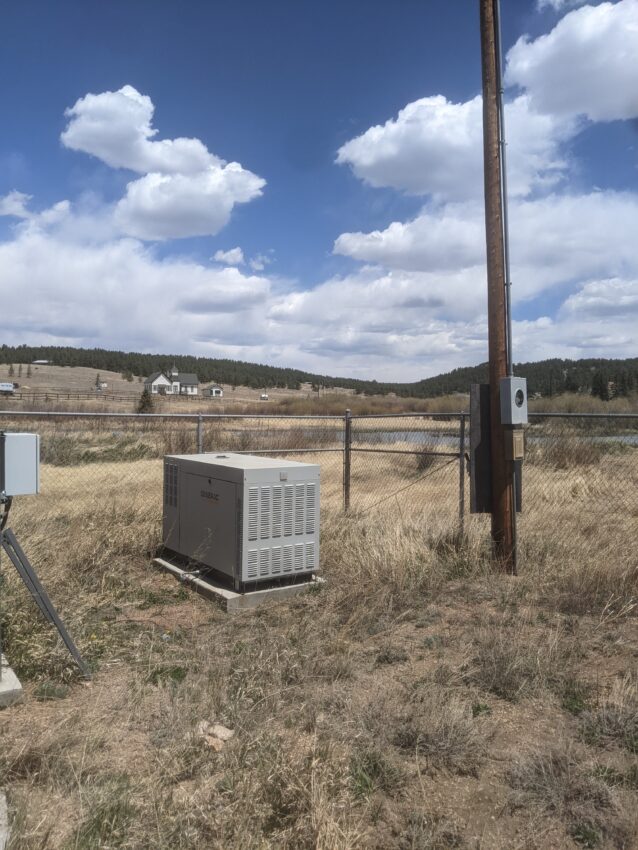
The Phippsburg and Milner Collection System Improvements project focused on enhancing essential wastewater infrastructure for both communities. The project involved the rehabilitation of 20,000 feet of aging collection pipelines and the lining and improvement of multiple manholes to ensure long-term durability and performance. These upgrades are critical to maintaining reliable wastewater service and reducing maintenance needs in the future. Modern Engineering Solutions (MES) led the design effort, providing technical expertise and support throughout the project lifecycle.
Florissant, CO
completed
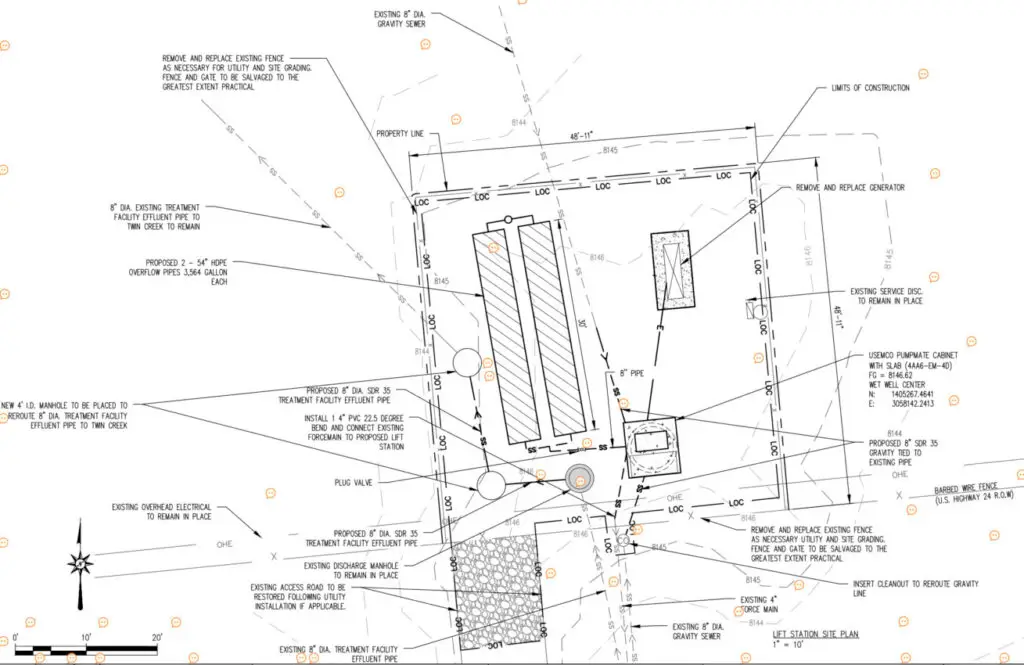
The Florissant Lift Station and Collection System project focused on modernizing critical wastewater infrastructure for the community. This project involved the design of a new influent lift station with a capacity of 57,000 gallons per day and the rehabilitation of 35,000 feet of the existing collection system. These improvements are essential for maintaining reliable wastewater service and supporting future growth in the area. Modern Engineering Solutions (MES) led the design effort, ensuring the project met regulatory standards and aligned with funding requirements.
Milford, TX
completed
The City Limits RV Park Lift Station project was developed to support the wastewater needs of a growing RV park in Milford, TX. The lift station, with a capacity of 15,000 gallons per day, was designed to handle all three phases of the RV park’s development, ensuring long-term wastewater management and smooth operation for the facility. Modern Engineering Solutions (MES) played a key role in coordinating between stakeholders and developing engineering solutions to align with regulatory standards and local requirements.
Sasakwa, OK
completed
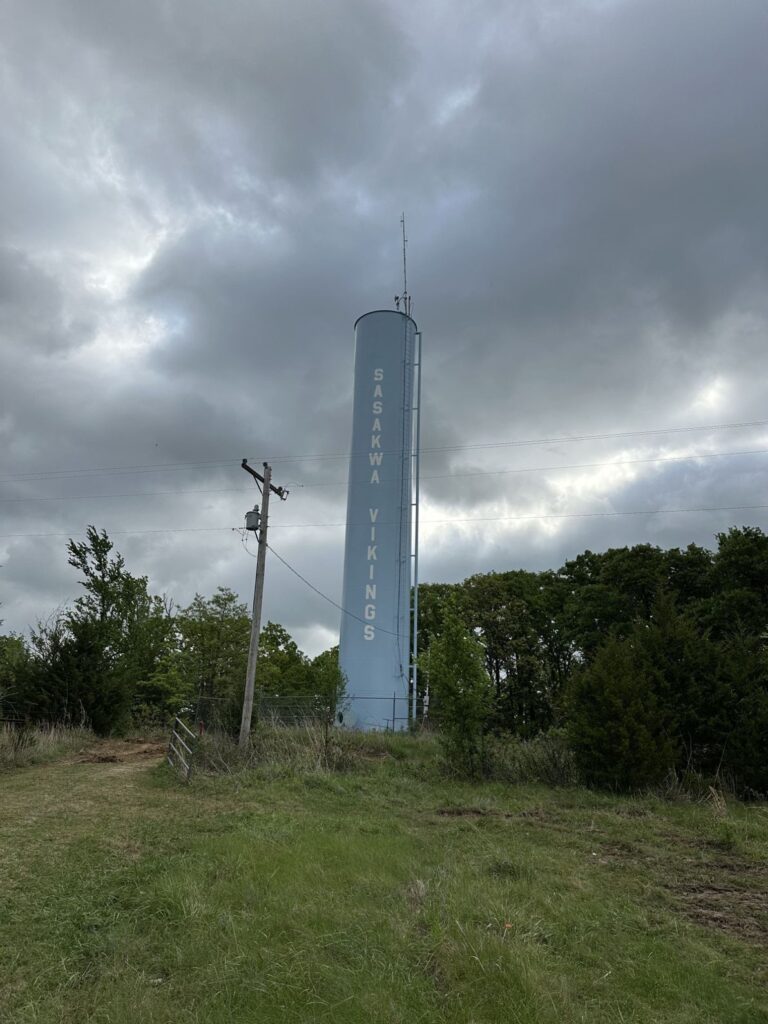
The Sasakwa Water Tank Improvements project addressed the challenges posed by an aging water storage tank in Sasakwa, Oklahoma. The tank had deteriorated significantly, with structural wear and coating breakdown that compromised its reliability and long-term capacity. Modern Engineering Solutions partnered with town officials to assess the tank's condition and develop a comprehensive engineering plan outlining the full scope of repairs needed. MES also supported the town's grant funding efforts by preparing a detailed engineering report documenting the tank's condition, repair requirements, and projected costs. Once funding was secured, MES prepared technical specifications for recoating and structural repairs, ensuring all work met industry standards and extended the tank's operational lifespan.
Sweetwater, TX
completed
The Bitter Creek Distribution Improvements project involves the relocation of four miles of waterlines to accommodate TxDOT improvements along the IH-20 corridor. This project ensures uninterrupted water service while supporting the infrastructure upgrades necessary for regional transportation improvements. Modern Engineering Solutions (MES) collaborated closely with stakeholders to provide on-site engineering expertise, ensuring a smooth construction process for Bitter Creek staff and seamless integration with the TxDOT project.
Martindale, Caldwell County, Texas
completed
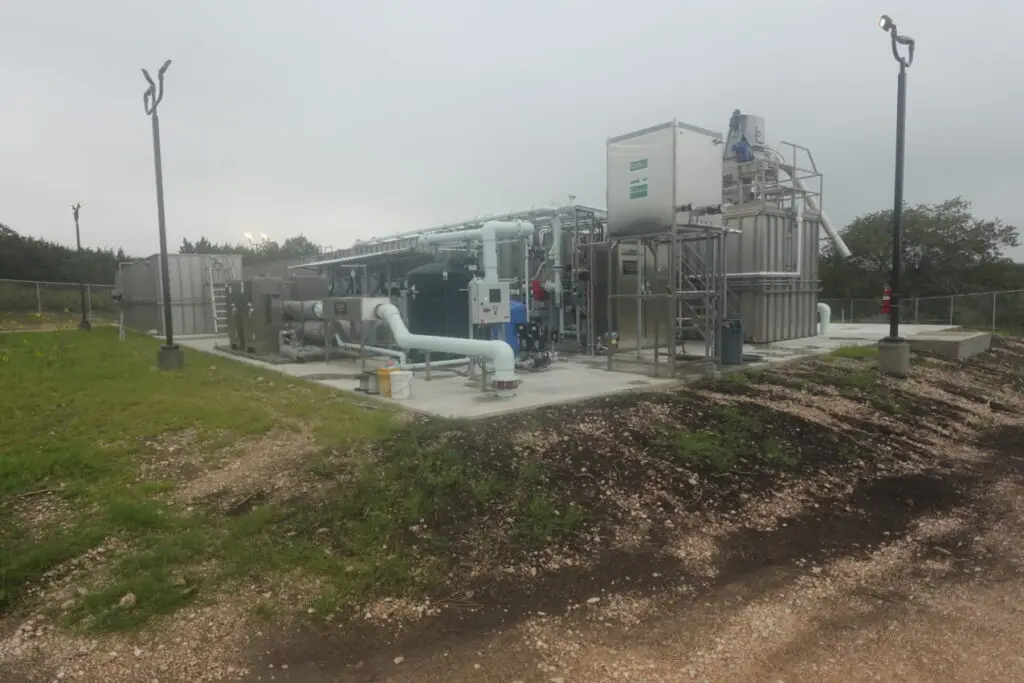
Discharge permits in Caldwell County near the San Marcos River watershed face intense scrutiny from regional water authorities and environmental advocacy groups. Public hearings attended by Modern Engineering Solutions staff for neighboring discharge permit applications revealed highly contentious 30+ month permitting timelines. The 210E pathway bypassed this opposition entirely, securing approval in just 4 weeks by demonstrating beneficial agricultural reuse. The project’s 2.0 MGD scale, one of the largest 210E authorizations issued to date for MES, proves that flow volume does not limit 210E applicability when industrial components and viable reuse plans are present. The off-site reuse agreement with Circle G Livestock provides long-term disposal certainty while supporting local agricultural operations.
Routt County, CO
completed
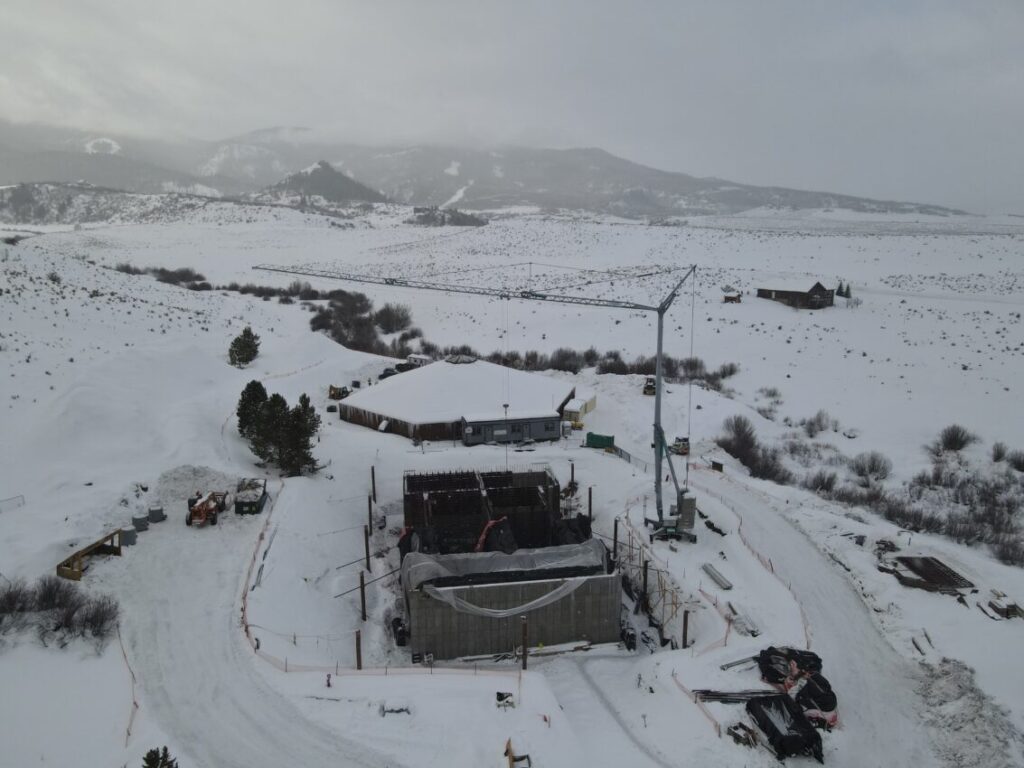
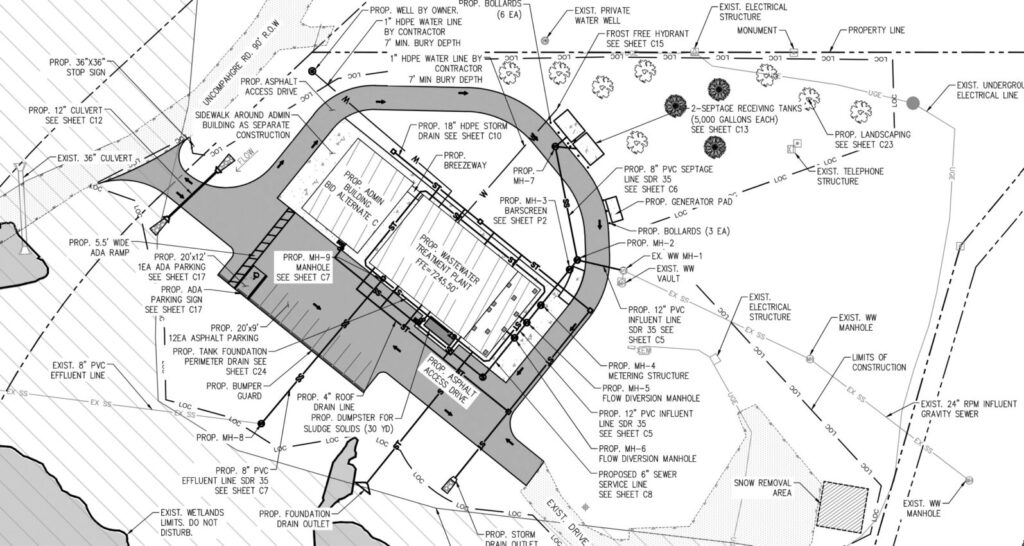
MES contributed civil design services to the construction of a new 0.35 MGD wastewater treatment plant for Morrison Creek Metropolitan District. The scope covered grading, utility coordination, paving, stormwater drainage design, cut/fill calculations, and on-site construction observation, ensuring the facility was built to spec and ready for long-term reliable operation.
Teller County, CO
completed
The Arabian Acres Metropolitan District serves a disadvantaged community in Teller County, Colorado that needed significant improvements to both its water treatment and distribution infrastructure. The client qualified for SRF Loans and Grants, and Modern Engineering Solutions delivered two connected projects to address the community's water system needs from treatment through distribution.
Brighton, CO
completed
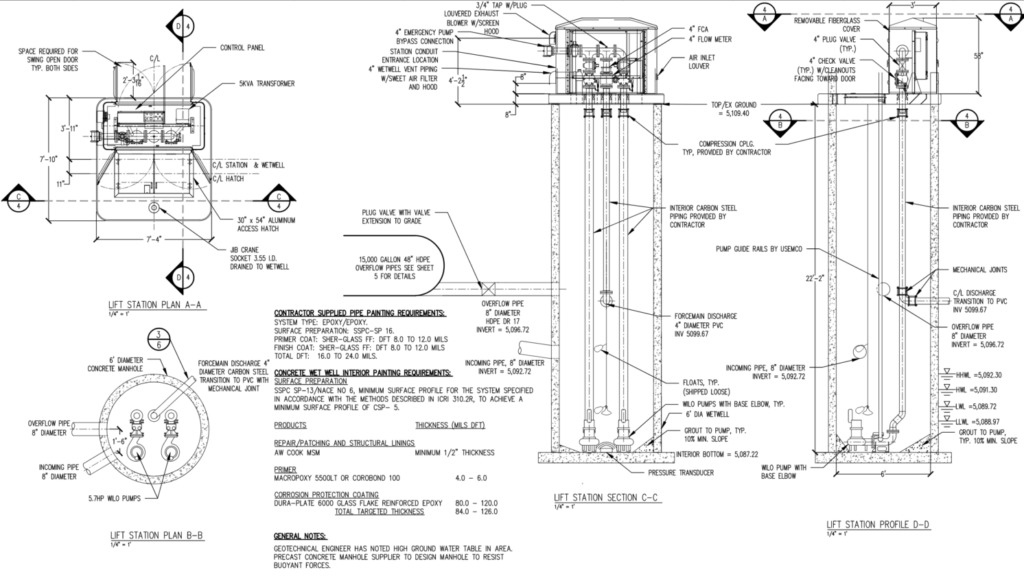
The Prairie Corner Wastewater Lift Station project in Brighton, Colorado required a full-service engineering approach covering site design, overflow piping, hydraulic calculations, and regulatory coordination. Modern Engineering Solutions contributed as a subconsultant, delivering technical expertise across multiple disciplines to ensure the lift station was designed, permitted, and built to serve the community reliably.
San Miguel County, CO
completed
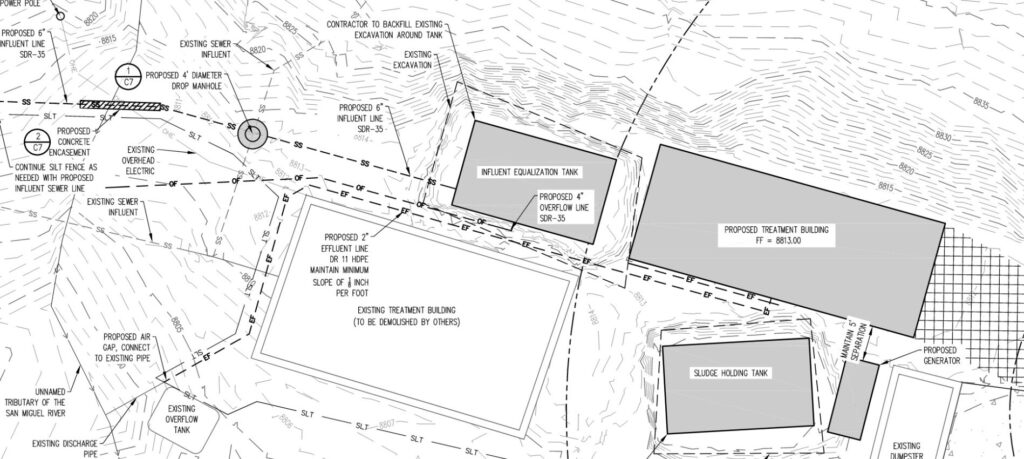
Modern Engineering Solutions is proud to have played a significant role as a subconsultant in the Last Dollar PUD HOA Wastewater Treatment Improvement Project. This crucial initiative aimed at enhancing wastewater treatment facilities for the community, ensuring compliance with environmental regulations and improving overall quality of life. Our team contributed its expertise in site design, utility layout, and preparation of mechanical and process drawings to ensure the project's success.
555 S Allison Pkwy, Lakewood, CO
completed
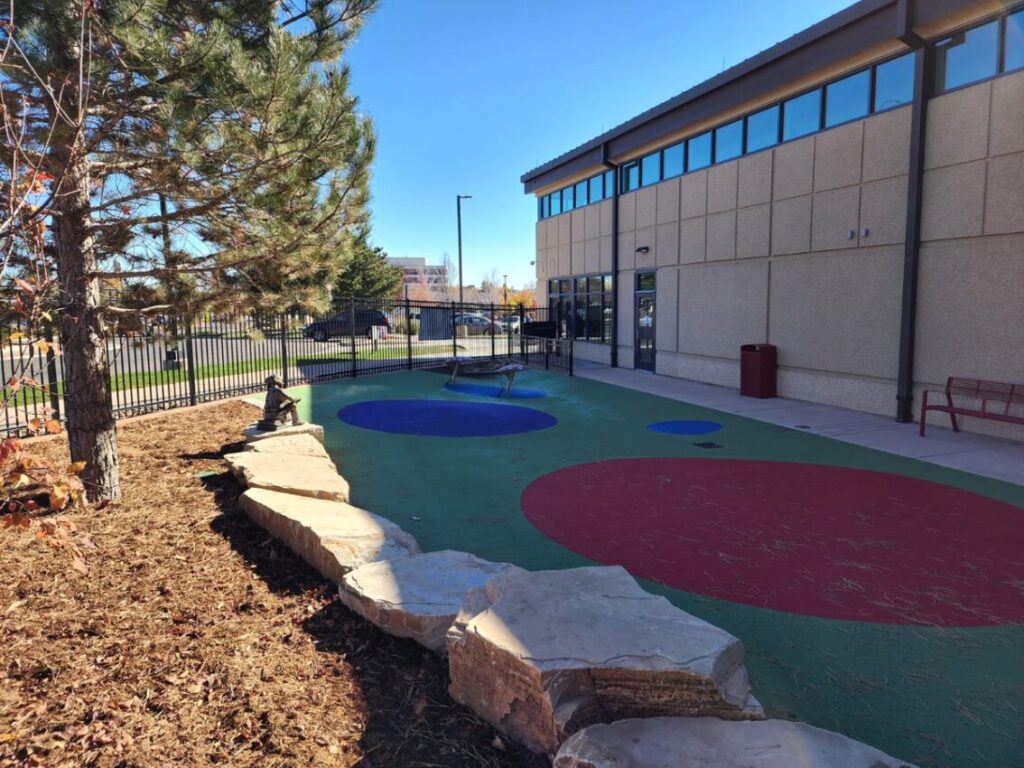
The Belmar Library Outdoor Learning Area Expansion is a 0.05-acre civil engineering project completed for Jefferson County Public Library in Colorado. Modern Engineering Solutions was tasked with designing the grading and civil systems associated with the new outdoor learning area. The space opened in Summer 2022 and now serves as a safe, functional environment for children and families in the community.
1711 Ingalls St, Lakewood, CO
in_progress
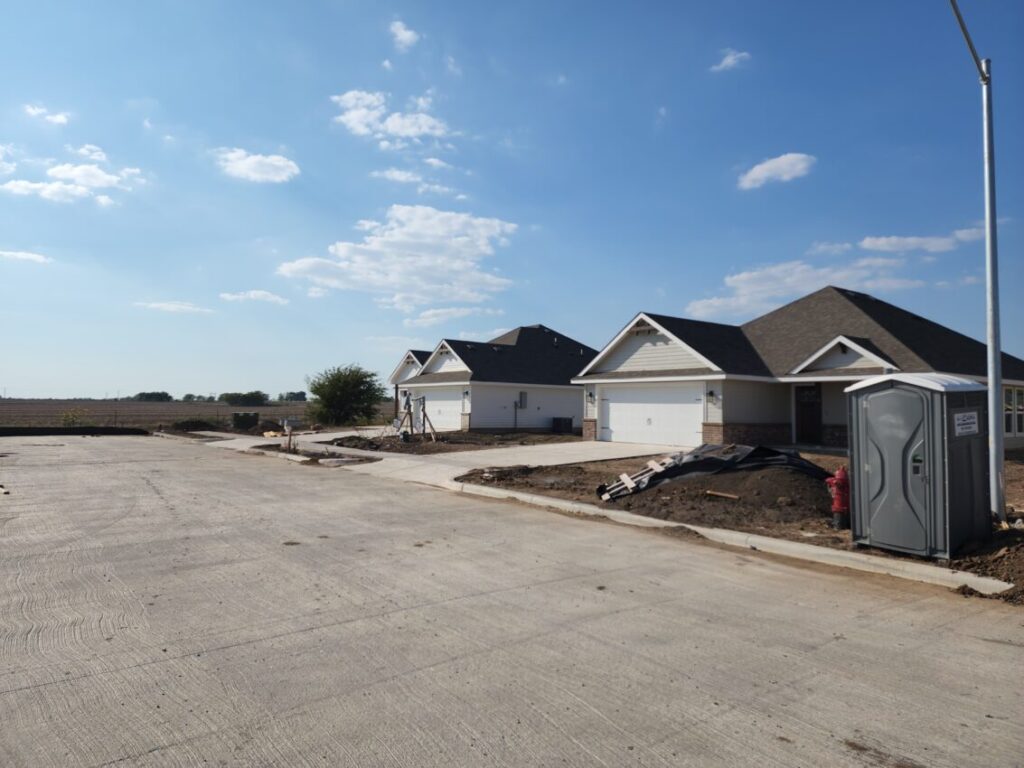
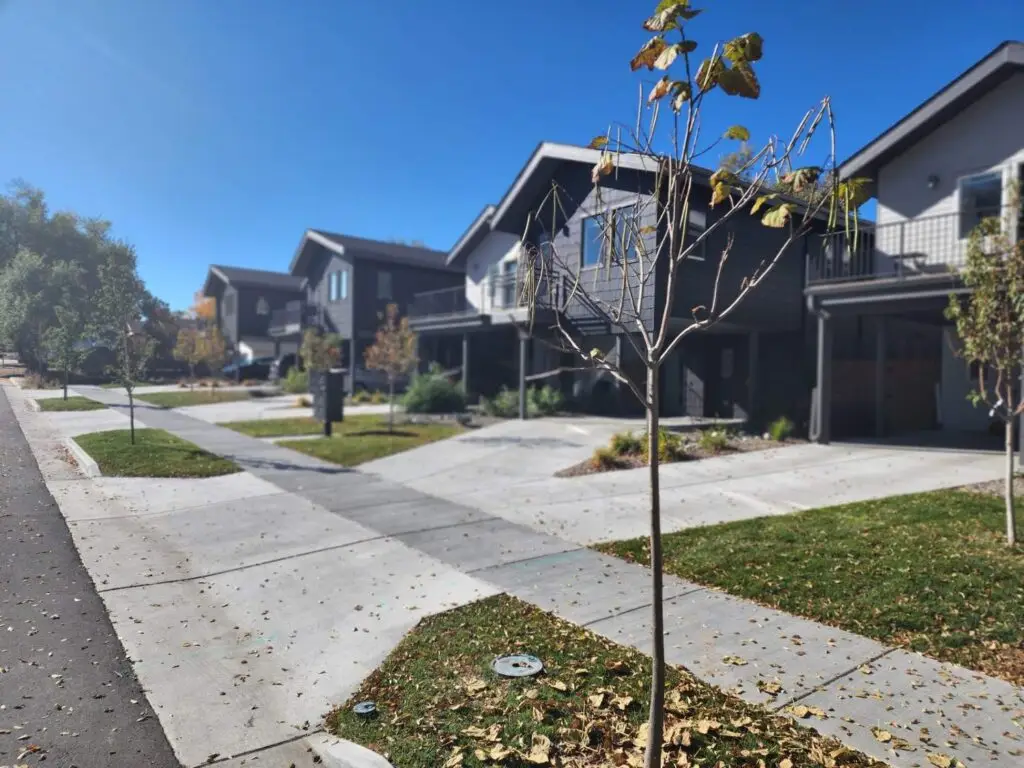
The 1711 Single Family Homes project is a 0.75-acre residential development comprising six single-family homes in Colorado. The site presented real engineering challenges: a historically subdivided lot with tight spacing between homes, stormwater management requirements, and strict CDPHE utility line separation standards. Modern Engineering Solutions handled the full civil scope from paving and grading through utility coordination, delivering a functional and code-compliant development currently completing construction.
Civil plans incorporate agricultural soil conditions, drain conflicts, and Kansas drainage requirements before contractors bid. Developers working with us don't face change orders from conversion conditions that complete site investigation should have identified.
KDHE stormwater authorizations and local agency submittals reach Kansas reviewing agencies as coordinated packages. Sedgwick County, Johnson County, and Shawnee County reviewers get applications structured around their specific criteria rather than generic submittals that generate comment cycles.
Infrastructure phasing accounts for Kansas severe weather windows and KDHE permit conditions. Lot release schedules reflect realistic Kansas construction timelines rather than assumptions that ignore tornado season and severe thunderstorm impacts on productive construction days.
Grading, drainage, water, and wastewater design advance together so utility conflicts don't surface during construction. One coordinated set of drawings prevents the gaps that happen when civil and utility permits pursue separate agency tracks.
Concept planning and KDHE stormwater permitting for a Wichita area agricultural conversion need to advance as an integrated process. Converting row crop land to residential use changes runoff characteristics enough that detention sizing, drainage infrastructure, and stormwater quality treatment all depend on concept decisions made before design begins.
Wichita area civil engineering involves coordination across jurisdictions that vary across Sedgwick County:
MES handles concept planning coordinated with KDHE stormwater requirements from the first design session, structuring concepts around agricultural conversion drainage constraints before design investment commits resources to approaches that Kansas reviewing agencies will require revision.
Project permitting and drainage design for a Johnson County development require familiarity with Johnson County’s specific drainage standards and the stormwater requirements that apply across the Kansas City metro’s Kansas side.
Johnson County civil engineering involves conditions specific to the region:
MES provides civil engineering for Johnson County land developments coordinating local agency permits with KDHE stormwater authorization simultaneously so permit applications advance through both agencies rather than sequential approvals that compress construction timelines.
Kansas civil permit timelines vary by jurisdiction and application completeness. Local agency grading and drainage reviews typically run 3-6 weeks for complete submittals. KDHE stormwater authorization for developments disturbing one acre or more runs 30-45 days for complete applications.
Common causes of Kansas civil permit delays include:
MES structures Kansas civil permit applications around each jurisdiction’s specific criteria so submittals move through review rather than cycling back for additional information.
Construction drawings for a Kansas agricultural land conversion need to address conditions specific to row crop to residential conversions that drawings from other development types consistently miss.
Kansas agricultural conversion civil construction drawings typically include:
MES produces Kansas civil construction drawings that incorporate agricultural conversion requirements from the first drawing session rather than as corrections after permit review.
Agricultural land conversion in Kansas creates civil engineering conditions that standard residential subdivision design from other markets doesn’t account for, and the differences affect both design complexity and development budgets.
Subsurface tile drain systems are the most significant Kansas-specific condition:
Agricultural drain district easements add complexity through:
MES investigates agricultural drain conditions before design begins on Kansas conversion projects so tile drain conflicts and easement restrictions inform lot layout decisions rather than appearing as change orders after grading contracts are signed.
Kansas severe weather affects civil engineering design standards and construction scheduling in ways that distinguish Kansas land development from other markets.
Severe weather impacts on civil engineering design include:
Severe weather impacts on construction scheduling include:
MES designs Kansas civil projects around severe weather realities from the first drainage calculation so detention sizing and erosion control reflect what Kansas reviewing agencies actually require.
Separate civil and utility firms on a Kansas development create coordination problems that agricultural conversion conditions make more expensive to resolve than in standard suburban markets.
Kansas-specific problems from separate civil and utility engineering include:
MES handles civil and utility engineering together on Kansas developments so tile drain investigation, drain easement constraints, and KDHE permit applications reflect a single coordinated design.
Kiosk site planning for a Kansas land development covers civil engineering for entry monument structures, sales office facilities, and amenity kiosks serving active selling communities before permanent amenity construction completes.
Kansas kiosk site planning involves agricultural conversion-specific considerations:
MES provides kiosk site planning coordinated with master grading and utility plans so temporary facility construction doesn’t create agricultural drain conflicts that permanent development infrastructure would otherwise avoid.
Civil engineering change orders on Kansas development sites include common causes and Kansas-specific sources that developers from other states encounter when working in Kansas for the first time.
Kansas-specific change order sources include:
MES combines agricultural drain investigation, drain easement mapping, and coordinated civil and utility design before Kansas bids go out, reducing change order exposure from both universal and Kansas-specific sources.
Civil engineering requirements differ significantly between Johnson County in the Kansas City metro and Sedgwick County in the Wichita area, affecting design standards, drainage criteria, and permit timelines.
Drainage standard differences:
Agricultural conversion context differences:
MES confirms which county’s standards apply before design begins and structures applications around each jurisdiction’s specific requirements.
Kansas civil engineering differs from Texas and Colorado in ways that affect design standards, agricultural conversion conditions, and permit requirements.
Compared to Texas:
Compared to Colorado:
MES applies Kansas-specific agricultural conversion analysis, drain district coordination, and KDHE permitting requirements rather than approaches from other states that don’t match Kansas’s development environment.
Yes. Wichita area developments converting agricultural land routinely require coordination with Sedgwick County’s agricultural drain district network, and the extent of that coordination affects both design and permitting timelines.
Agricultural drain district coordination requirements for Wichita area developments typically include:
Johnson County metro developments near Kansas City encounter drain district issues less frequently than Wichita area agricultural conversions, though suburban fringe developments in western Johnson County converting from agricultural uses face similar coordination requirements.
MES coordinates drain district requirements during Kansas civil due diligence so easement restrictions and discharge rights are confirmed before design commits to drainage approaches that drain district coordination may require revision.