Modern Engineering Solutions

Wastewater Engineering From Collection Through Compliance

Kansas wastewater engineering means lagoon systems performing through minus 15°F winters and 105°F summers, collection systems in expansive clay soils throughout the state, and KDHE permits addressing nutrient concerns in Cheney Reservoir and other sensitive watersheds. From Wichita area suburban growth to rural Kansas small community systems, our designs function in Kansas’s temperature extremes, clay geology, and practical regulatory approach.

Engineering Built for Outcomes, Not Overhead

Developers reach out when KDHE permit applications face questions about lagoon performance, collection systems fail from clay soil movement, or small community systems need economical solutions fitting rural Kansas budgets.

Value Over
Hours

Wastewater permits requiring nutrient analysis for Cheney Reservoir watershed protection, lagoon design approval needing cold weather performance data, or NPDES permits addressing stream classifications.

Speed as a Design Constraint 

Gravity sewers experiencing joint separation from expansive clay movement, manholes shifting from seasonal soil expansion and contraction, or infiltration problems in reactive Kansas soils.

Deep Work, Not Meeting Culture

Treatment lagoons not meeting discharge limits during extended winter cold, ice cover affecting oxygen transfer, or biological processes struggling when water temperatures drop below freezing.

AI as Leverage, Not a Shortcut

Small communities needing affordable wastewater solutions, operating budgets unable to support complex mechanical treatment, or rural developments requiring cost-effective collection and treatment approaches.

What We Do

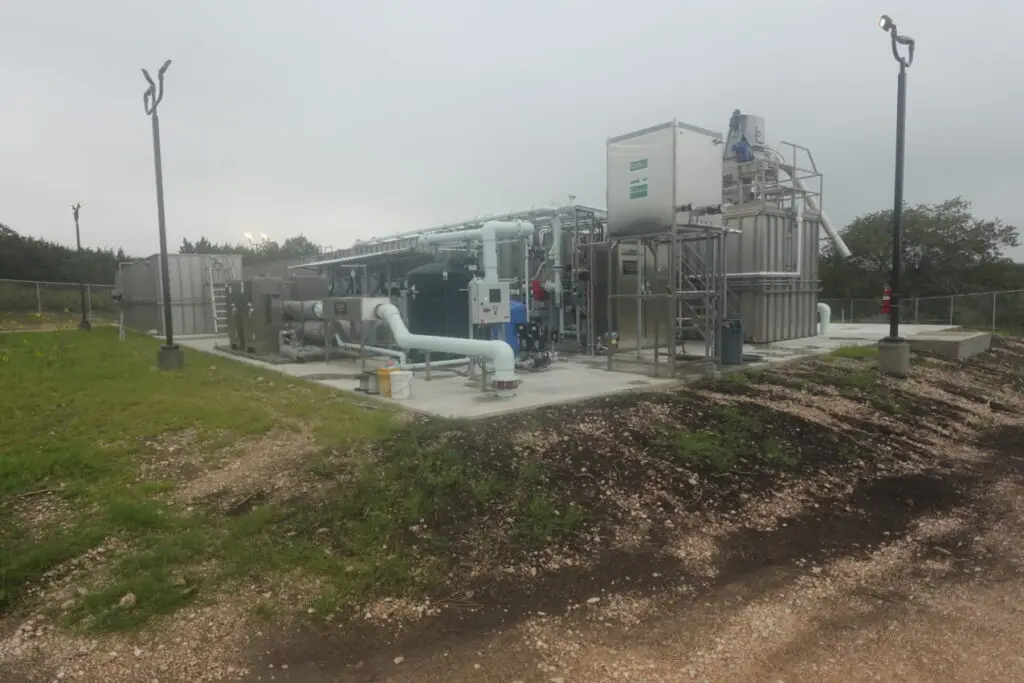
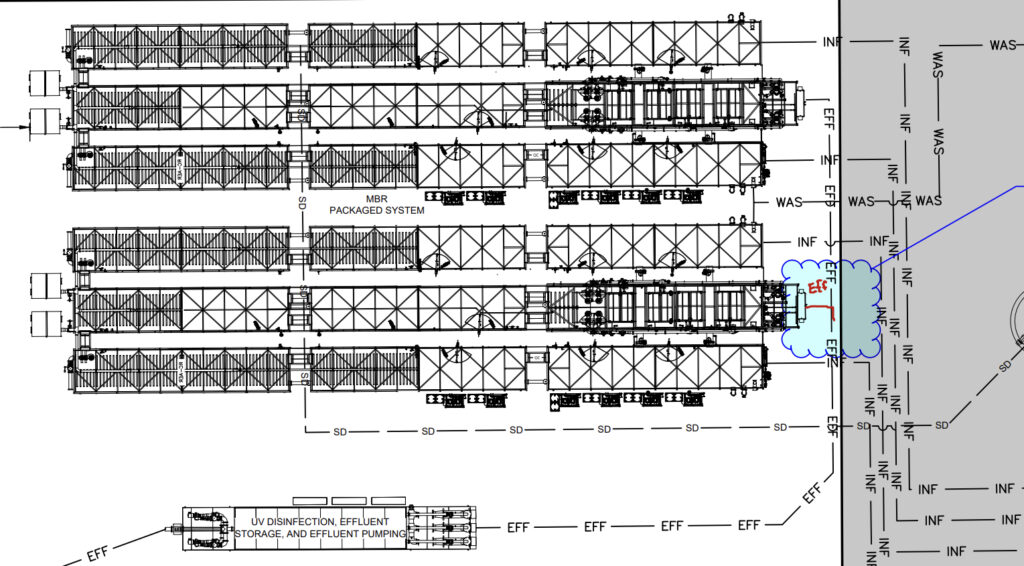
Modern Engineering Solutions delivers wastewater engineering for Kansas land development including treatment planning, KDHE permitting, collection system design, and construction oversight statewide.
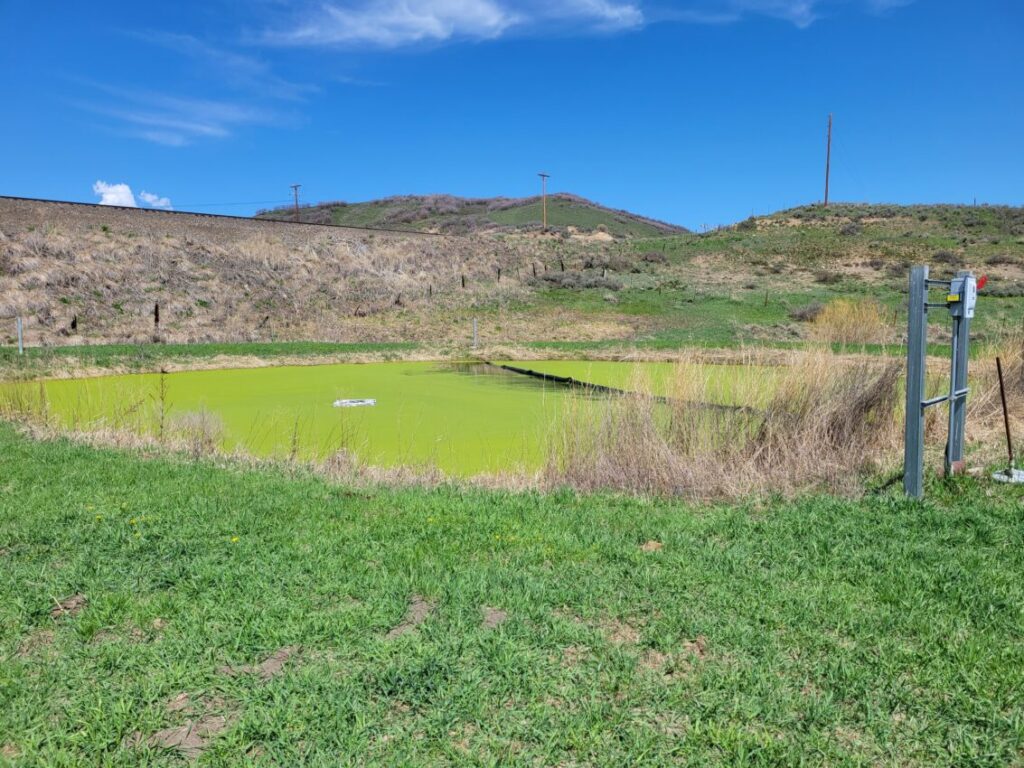
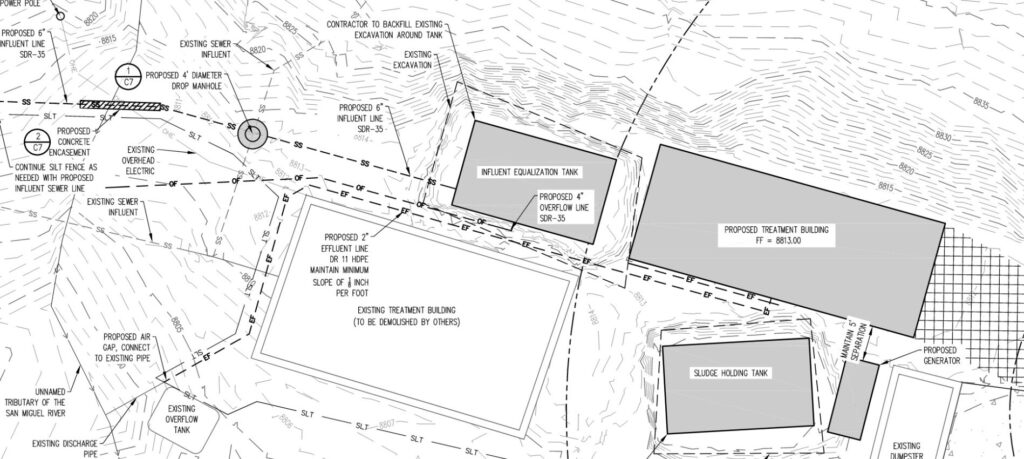
Wastewater treatment in Kansas often relies on lagoon systems because they provide reliable performance at operating costs rural communities and small developments can actually afford. Mechanical plants demand certified operators often unavailable in small towns and maintenance budgets exceeding realistic mill levy collections.

Lagoons work across Kansas temperature extremes from subzero January through 105°F July providing adequate treatment with minimal operational expertise. Developments near Wichita or Kansas City metro areas sometimes justify mechanical treatment because land costs make lagoons uneconomical. Nutrient removal becomes critical in Cheney Reservoir watershed west of Wichita where phosphorus limits protect drinking water supply.

Communities along I-70 corridor from Salina through Topeka to Kansas City see growth pressuring existing lagoon capacity requiring expansion analysis. Treatment selection balances capital costs, long-term operations budgets, operator availability, and land requirements. Kansas’s practical regulatory approach recognizes rural economic realities.
KDHE wastewater permits in Kansas require engineering reports demonstrating treatment meets stream standards, adequate land exists for lagoons if applicable, and monitoring capabilities match permit conditions. NPDES permits for surface water discharge include effluent limits based on receiving stream classification and beneficial uses.

Cheney Reservoir watershed projects face phosphorus limits protecting Wichita’s drinking water supply requiring nutrient removal beyond standard lagoon performance. Small community permits often include compliance schedules recognizing budget constraints for capital improvements. Land application permits need agronomic rate calculations showing soils can absorb applied wastewater without groundwater contamination.

KDHE staff take pragmatic approaches working with communities finding economically viable solutions rather than imposing standards small systems cannot afford. Complete permit applications including treatment performance data, site plans, and monitoring proposals receive approval in 10-14 weeks. Missing technical documentation extends review to 24-30 weeks.
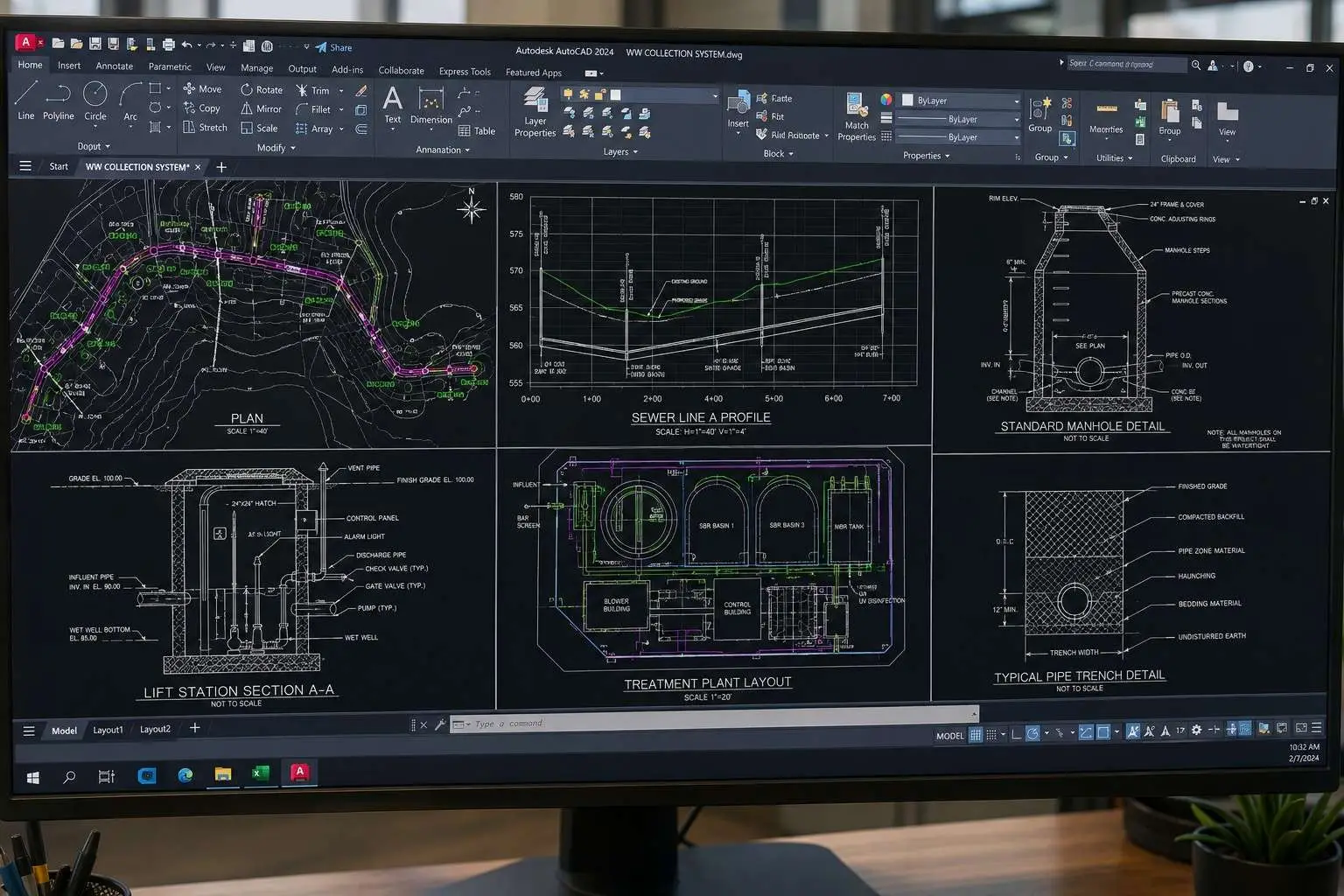
Plans for Kansas wastewater systems specify materials resistant to freeze-thaw cycles, collection system installation addressing expansive clay soils throughout most of the state, and frost protection for equipment and piping extending 36-42 inches below grade. Lagoon designs show liner construction in clay soils, berm configurations for Kansas wind conditions, and winter ice management provisions.

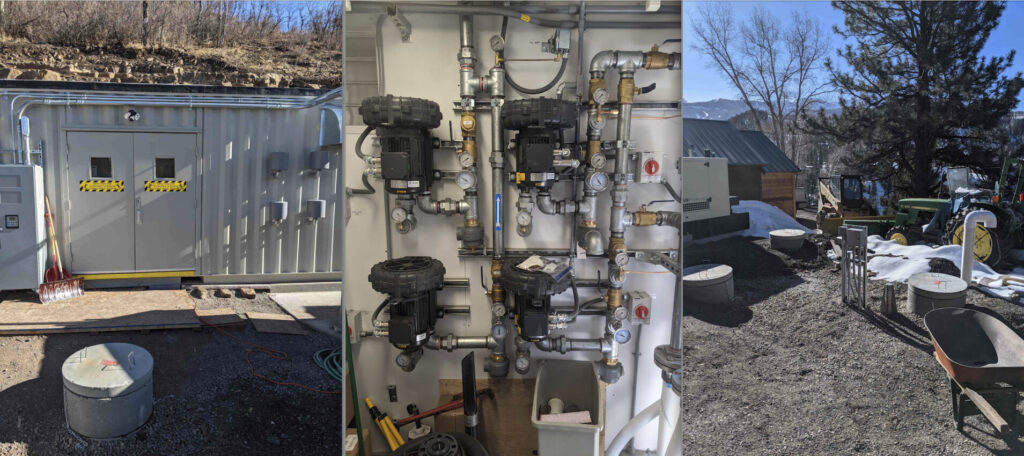
Mechanical treatment buildings need insulation and heating for subzero operations. Collection system details address joint flexibility accommodating clay soil movement from seasonal moisture changes causing expansion and contraction. Lift station wet wells bury below frost line with heated buildings for equipment protection.

Specifications address seasonal construction constraints because frozen ground prevents earthwork December through February in northern counties. Plans match KDHE permit authorizations showing treatment capacity, discharge limits, and monitoring locations exactly as approved. Kansas-specific details reflect practical construction approaches for rural locations.
Kansas collection systems experience infiltration during spring when snowmelt and rainfall saturate clay soils creating temporary high water tables, and rainfall-dependent inflow from illegal stormwater connections or cracked manholes during thunderstorm events. Expansive clay throughout most of Kansas creates joint separation as soils swell when wet and shrink during dry periods.

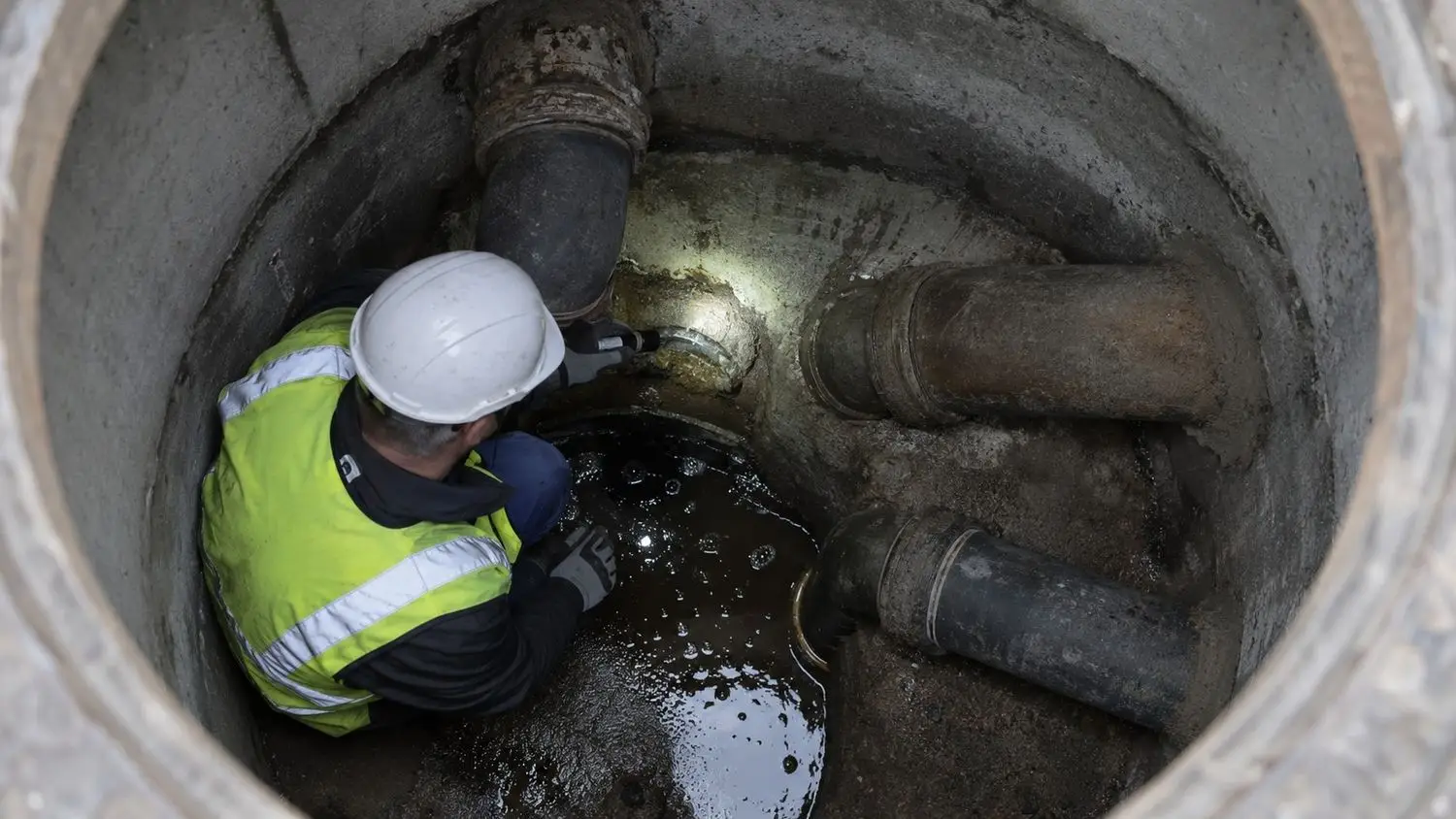
Older systems in communities like Hutchinson, Salina, or Emporia built before modern sealing standards see significant I&I. Flow monitoring during March through May captures peak infiltration when soil moisture is highest. Camera inspections identify specific pipe sections with cracks or separated joints. Smoke testing locates illegal connections from roof drains and sump pumps. Rehabilitation priorities focus on pipe sections where repair costs less than treatment plant expansion providing equivalent capacity. Small communities with limited budgets need cost-benefit analysis justifying rehabilitation investments.
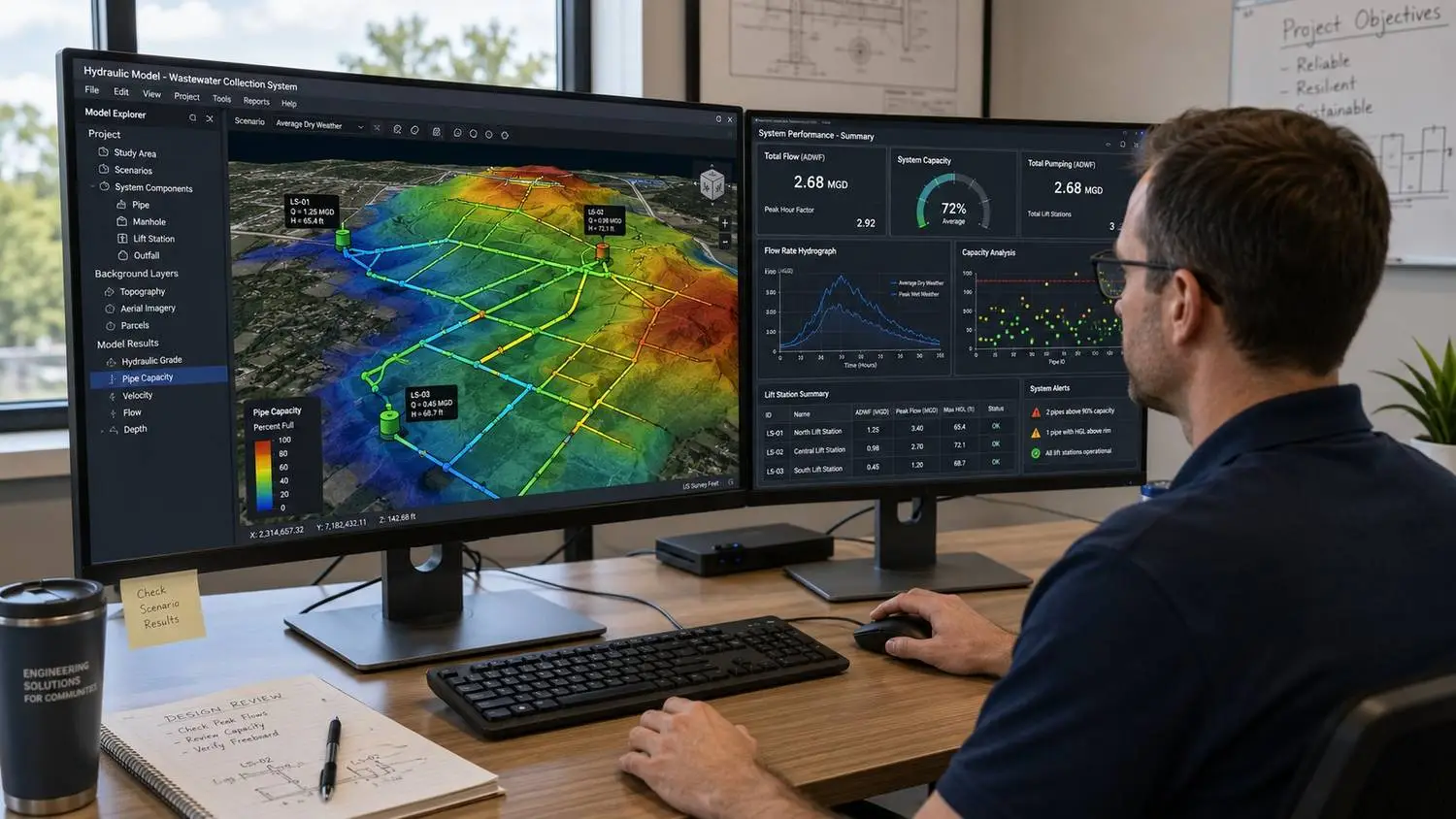
Collection system models for Kansas account for flat prairie terrain in western counties providing minimal gravity flow assistance, clay soil infiltration during wet periods, and capacity for thunderstorm events delivering 3-4 inches in short periods during spring and summer. Most Kansas terrain has slopes under 2% requiring careful velocity calculations maintaining self-cleaning flows preventing solids deposition. Clay soil infiltration gets modeled for wet season conditions.

Lift station wet well sizing accounts for spring peak flows and summer low-flow conditions when infiltration drops. Small town systems need analysis demonstrating adequate capacity for growth projections often tied to school district boundary expansions or new industry attracting population. Models support KDHE permit applications showing system capacity under various conditions. Hydraulic analysis helps communities justify infrastructure investments to city councils and bond counsel when rates face public resistance.
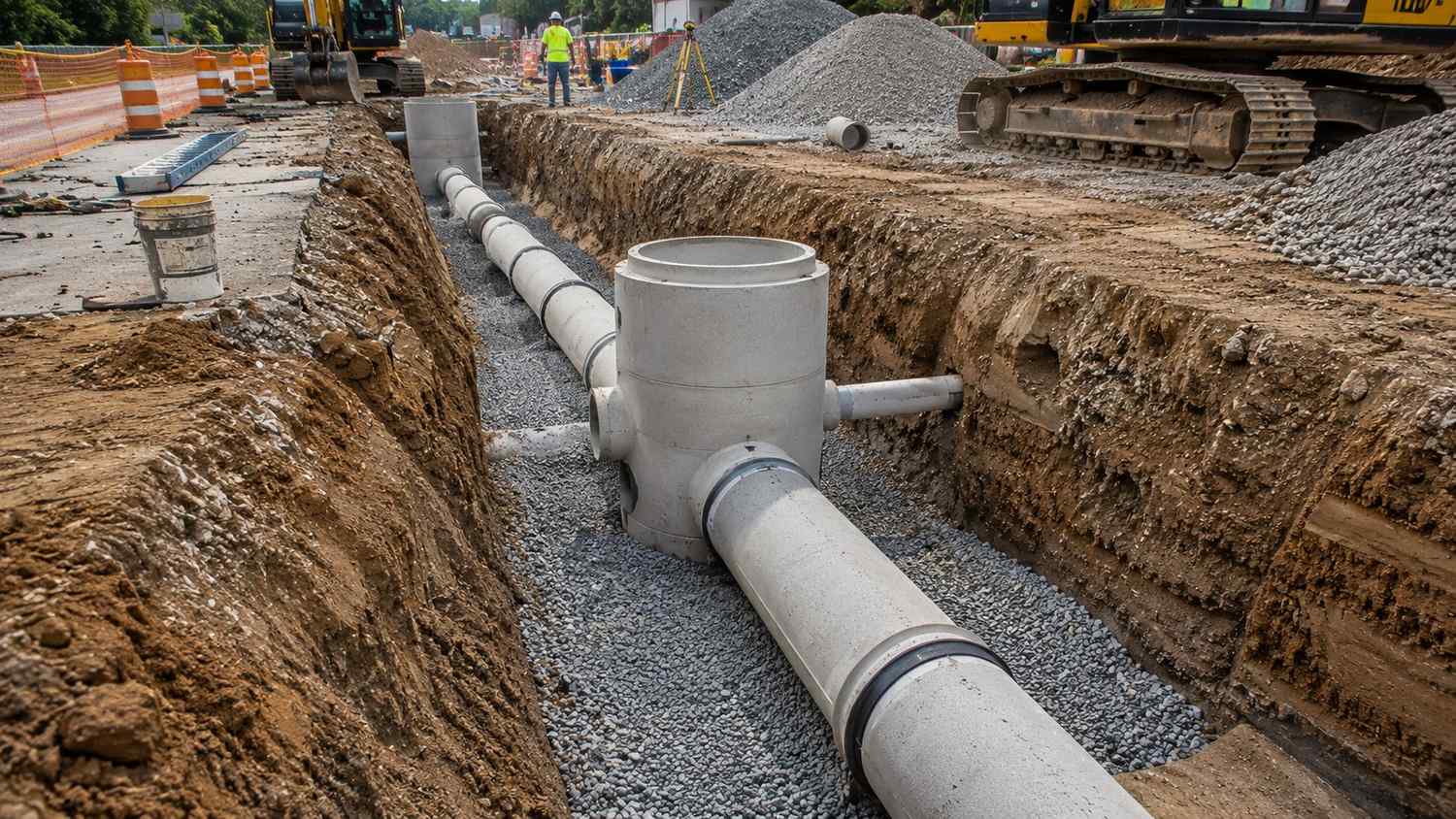
Designing gravity sewers in Kansas means addressing expansive clay soils requiring flexible joints and controlled density backfill, frost protection burying mains 36-42 inches minimum depth, and flat terrain necessitating careful slope calculations maintaining adequate velocities. Clay throughout most of the state swells when moisture increases and shrinks during dry conditions creating pipe movement stressing joints. Controlled density fill or select backfill prevents excessive movement.

Minimum slopes of 0.4% often get specified for smaller diameter pipes maintaining velocities above 2 feet per second preventing deposition. Manholes need frost protection and watertight construction. Force mains size for minimum velocities but avoid excessive pressure from long runs in flat terrain. Lift stations locate above flood zones when possible. Small community systems often use simplified designs because certified operators for complex controls may not be available. Rural developments balance performance against realistic maintenance capabilities.
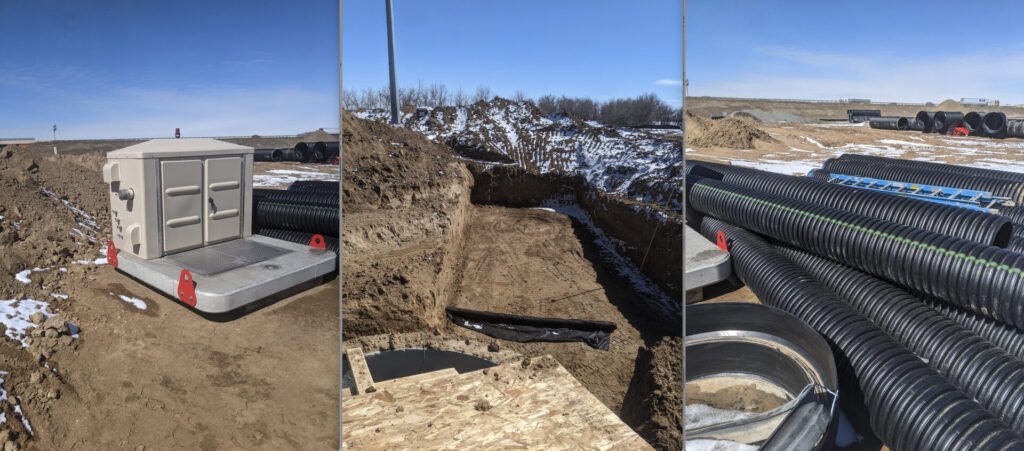
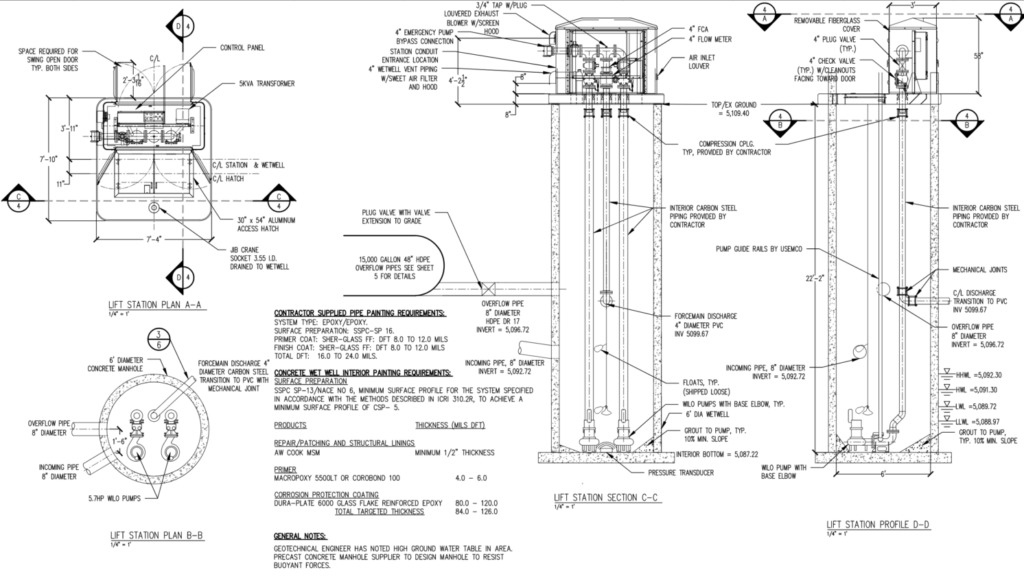
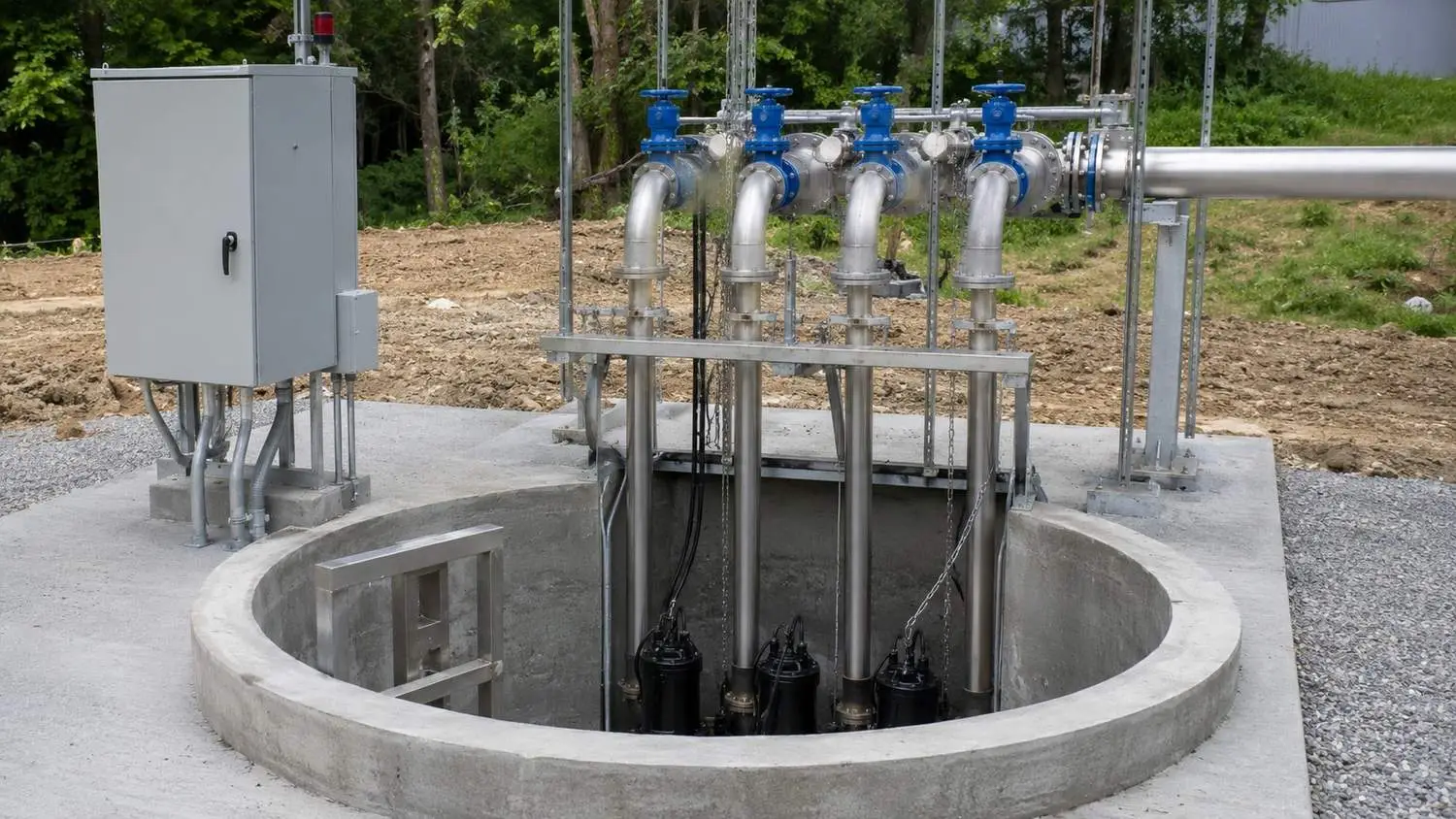
Lift stations throughout Kansas need equipment buildings protecting pumps and controls from minus 15°F winter cold and heated to prevent freezing, wet wells buried below 42-inch frost depth, and simple controls because certified operators are scarce in rural communities. Variable frequency drives provide efficient operation across flow ranges. Backup power becomes important because ice storms cause extended outages in rural areas far from repair crews.

Odor control addresses complaints in small towns where stations locate near residential areas. Wet well sizing accounts for seasonal flow variations. Pump selection considers operating costs because rural electric cooperatives charge tiered rates making efficiency important for limited city budgets. Telemetry systems allow monitoring from city hall or public works shop rather than requiring daily site visits. Stations serving developments or small communities need designs maintainable by generalist public works staff, not specialized wastewater operators.

Our Approach

Treatment gets designed for economic reality not just technical performance, collection systems account for expansive clay soil movement, and KDHE applications include data supporting lagoon performance in Kansas climate.

Economical Treatment Selection

Treatment technology balances performance against realistic operating budgets small Kansas communities can actually afford. Lagoons get evaluated fairly recognizing advantages for rural locations. You get affordable solutions, not unnecessarily complex systems.

Early KDHE Coordination

Permit requirements discussed with KDHE staff before application identifying discharge standards and lagoon design criteria. Early coordination prevents discovering issues through permit comments. Our experience with Kansas regulators smooths approval process.

Clay Soil Engineering

Collection systems designed for expansive clay movement using flexible joints and proper backfill. Installation specifications prevent joint separation from seasonal soil swelling and shrinkage. Designs address Kansas clay geology from start, not after failures occur.

Rural Practicality Focus

Systems designed for maintenance by generalist public works staff, not specialized operators unavailable in small towns. Controls remain simple. Operating costs fit realistic budgets. Engineering recognizes rural Kansas economic and workforce realities.

Projects

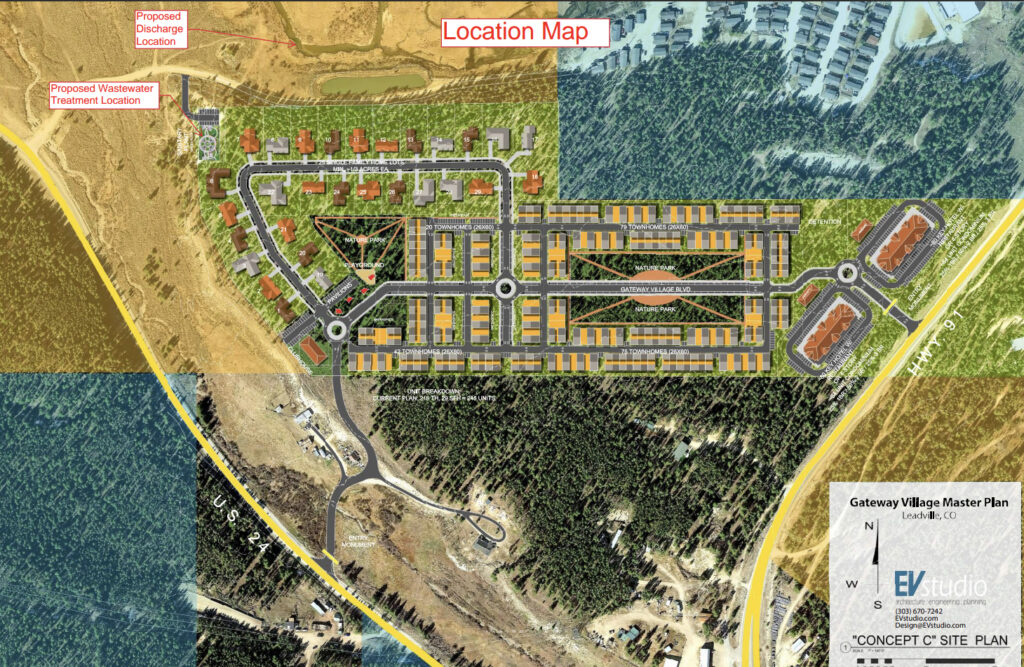
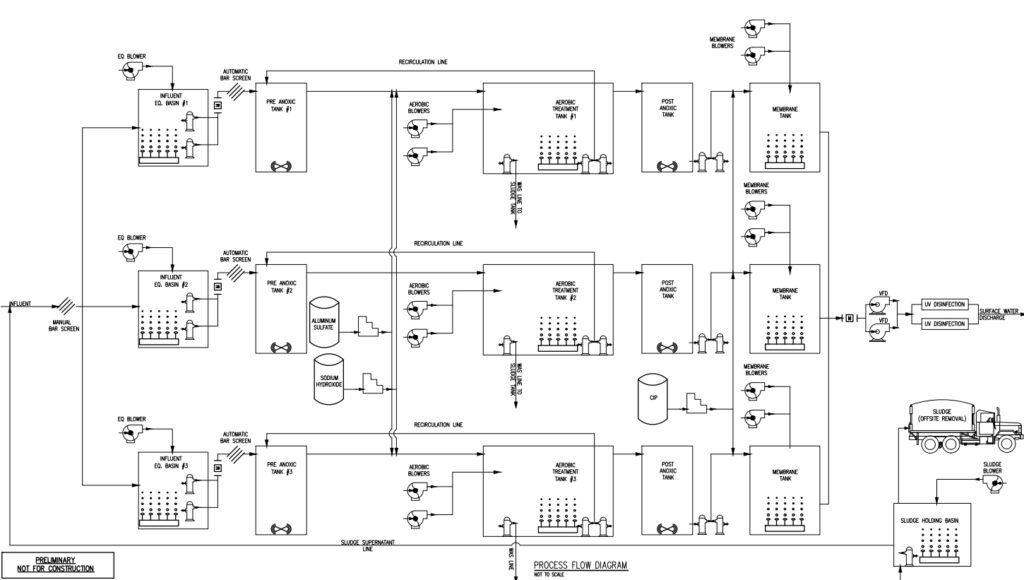
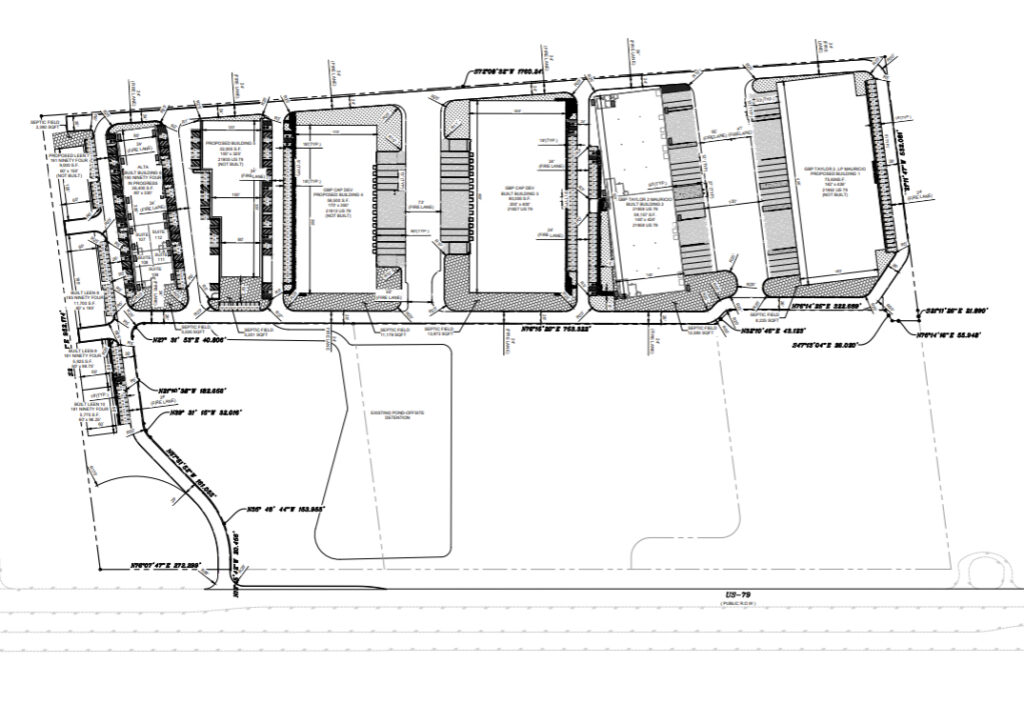
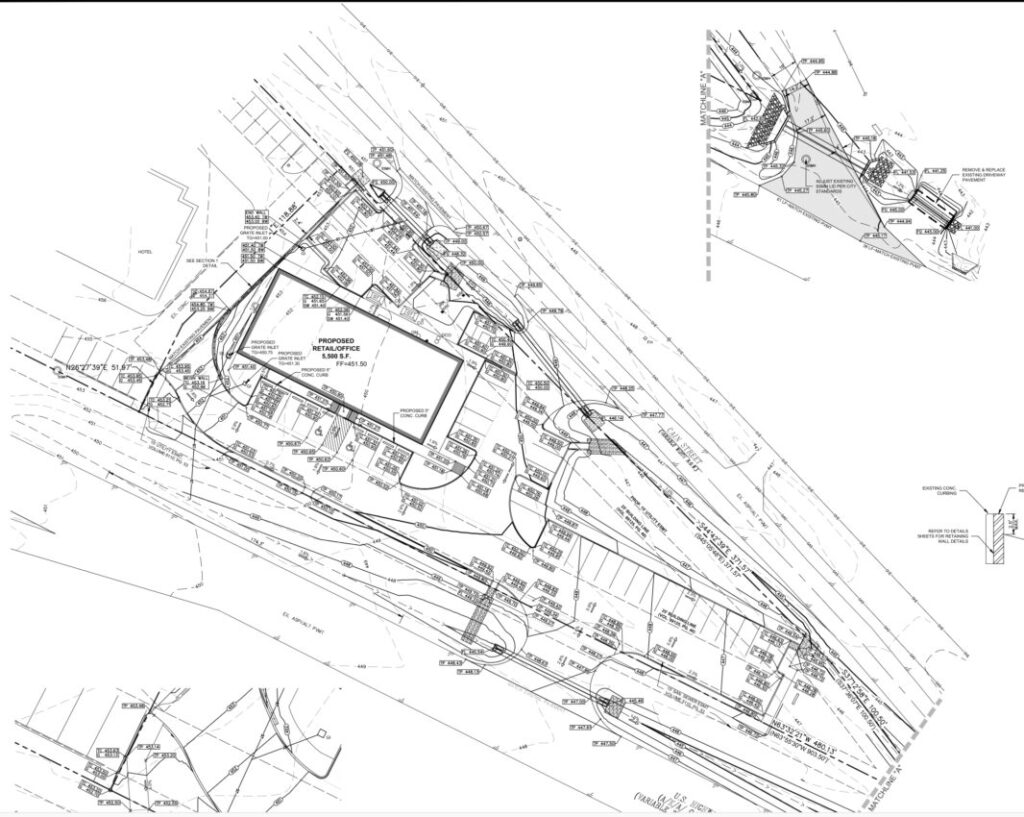
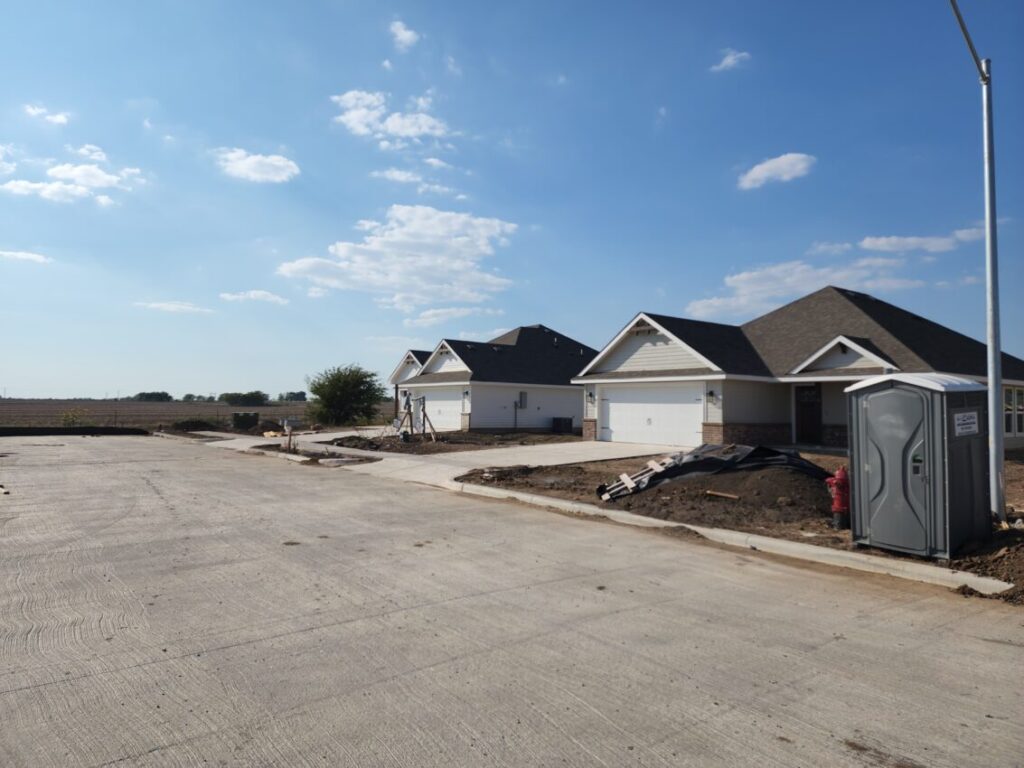
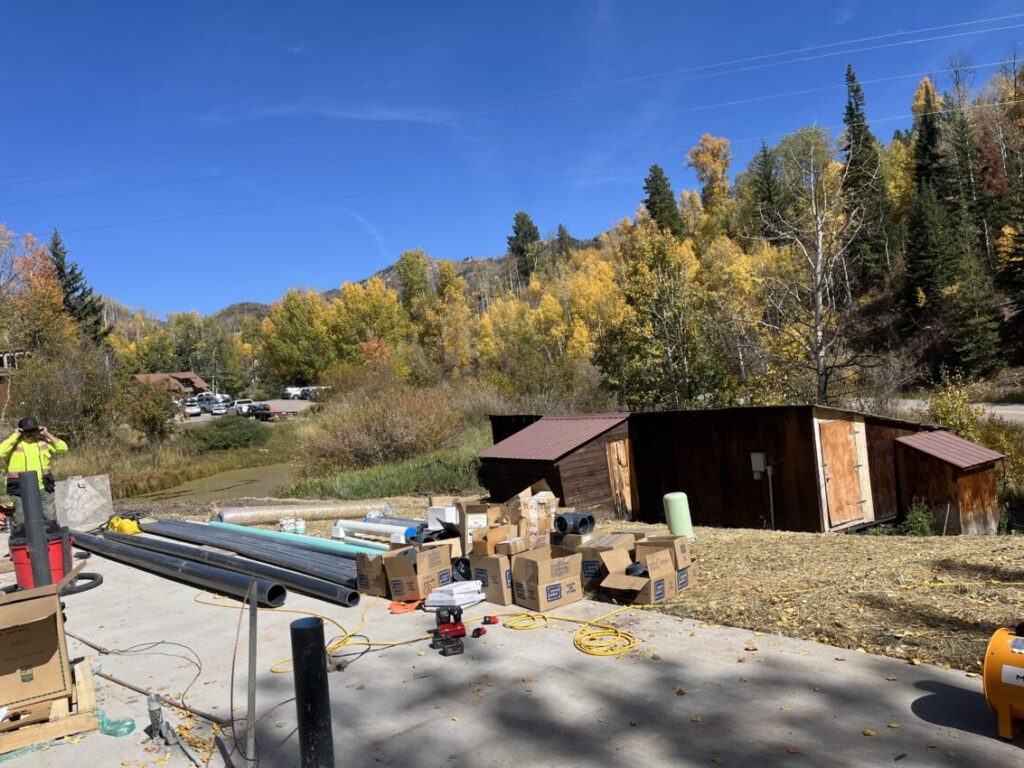
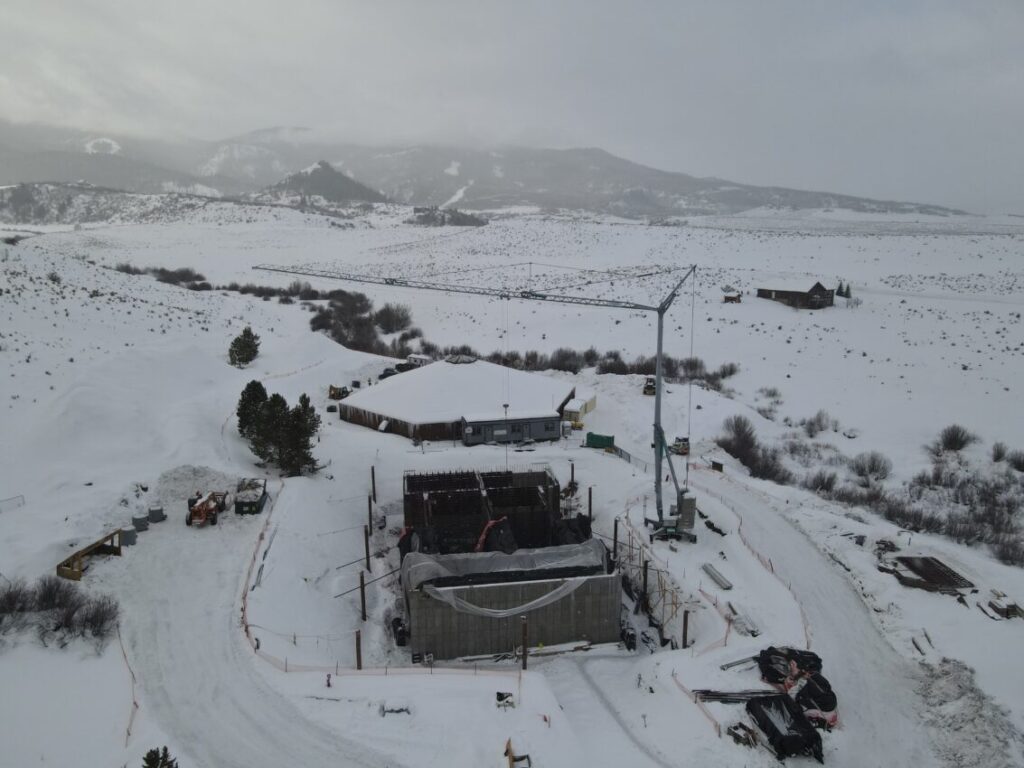
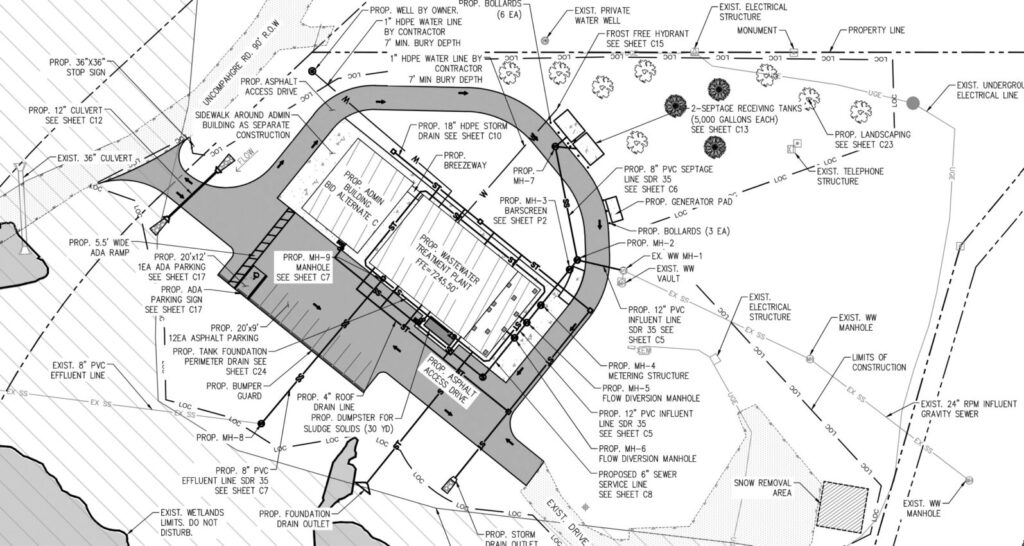
Modern Engineering Solutions delivers water and wastewater engineering across diverse regulatory environments, demonstrating efficient permitting and site-specific design expertise.

Why Choose Modern Engineering Solutions

Why Choose MES

1

Kansas-Appropriate Solutions

Wastewater systems designed for Kansas climate extremes and rural economics. Lagoons evaluated fairly. Operating costs fit small community budgets. Your solution works in Kansas reality, not just meeting textbook standards impossible to afford.

2

Complete KDHE Submittals

Permit applications include all required treatment analysis and site documentation initially. KDHE issues approvals in 10-14 weeks. Over 75% of our Kansas permits approve without technical comments requiring resubmittal extending timelines.

3

Clay Soil Expertise

Collection systems designed for Kansas expansive clay using appropriate joints and backfill. Installation procedures prevent movement damage. Your systems function reliably despite clay soil challenges throughout most Kansas counties.

4

Kansas PE Management

Licensed Kansas engineers manage wastewater projects from planning through KDHE closeout. You work with professionals experienced in lagoon systems, clay soils, and rural economics from actual Kansas community and development projects.

Talk to an Engineer

Kansas wastewater projects need KDHE permits, economical treatment selection, and clay soil collection design. We’ll review your project specifics and outline practical solutions in a 15-minute call.