Modern Engineering Solutions

Civil Engineering
For Kansas Land Development

Kansas civil engineering means grading plans accounting for expansive clay soils moving with seasonal moisture changes, drainage systems handling intense thunderstorms despite low annual rainfall, and site designs surviving minus 15°F winters and 105°F summers. From Wichita metro suburban expansion to rural Kansas agricultural conversions, our site packages work in Kansas’s clay geology, temperature extremes, and county engineering department coordination framework.

Engineering Built for Outcomes, Not Overhead

Kansas civil projects stall when engineers treat agricultural land conversion, KDHE stormwater requirements, and prairie drainage patterns as afterthoughts. We account for Kansas realities before the first grading plan opens.

Value Over
Hours

We price Kansas civil engagements around delivered outcomes: grading permits approved, drainage designs that satisfy KDHE review, and construction drawings that reflect actual agricultural soil conditions before contractors bid.

Speed as a Design Constraint 

Kansas construction seasons compress around severe weather windows. A drainage design rejected during KDHE review or a grading permit delayed by incomplete documentation doesn’t cost weeks. It costs a construction season.

Deep Work, Not Meeting Culture

Agricultural drain conflicts, prairie stormwater basin analysis, and KDHE permit criteria get resolved through engineering before applications are filed. Reviewers receive complete packages because Kansas-specific problems were solved before submission.

AI as Leverage, Not a Shortcut

AI handles KDHE documentation and drawing standardization so licensed Kansas PEs focus on drainage basin analysis, agricultural land conversion design, and multi-jurisdiction coordination across Wichita, Kansas City metro, and Topeka developments. Every decision is made and stamped by a professional engineer.

What We Do

Modern Engineering Solutions delivers civil engineering for Kansas land development including concept planning, county permitting, drainage design, and construction oversight statewide.
Site concept planning in Kansas starts with geotechnical investigations identifying expansive clay properties because soil movement from moisture changes damages pavements and structures if not addressed through proper design. Clay throughout most counties has plasticity indices indicating significant swell potential requiring special foundation and pavement approaches.

Topography typically provides minimal natural drainage requiring careful stormwater management despite annual rainfall averaging only 25-35 inches concentrated in spring and early summer thunderstorms. Agricultural tile drainage systems beneath former farmland need identification and coordination because disrupting tiles creates drainage problems affecting neighboring properties.

County road standards vary significantly between jurisdictions requiring early verification because assumptions about section widths or pavement thickness often prove incorrect. School district boundaries affect marketability because parents prioritize quality schools. Concept planning identifies Kansas-specific challenges with cost estimates so feasibility models reflect prairie development reality rather than generic assumptions.
Kansas development permitting primarily involves county planning and zoning because most growth occurs in unincorporated areas outside city limits. County engineering departments review platting, drainage, and road construction plans applying standards often based on decades-old practices reflecting rural road maintenance capabilities. Some counties like Johnson or Sedgwick near metro areas have sophisticated review processes while rural counties may have part-time staff wearing multiple hats.

KDOT involvement occurs when developments access state highways requiring permits for approach construction. Agricultural impacts get scrutinized because disrupting farm operations creates neighbor complaints affecting county commissioner opinions. Floodplain development requires FEMA coordination though Kansas has relatively few mapped floodplains compared to wetter climates. State permits rarely apply except for specific environmental features. Successful permitting requires understanding county engineering preferences because unwritten expectations often matter more than published standards.
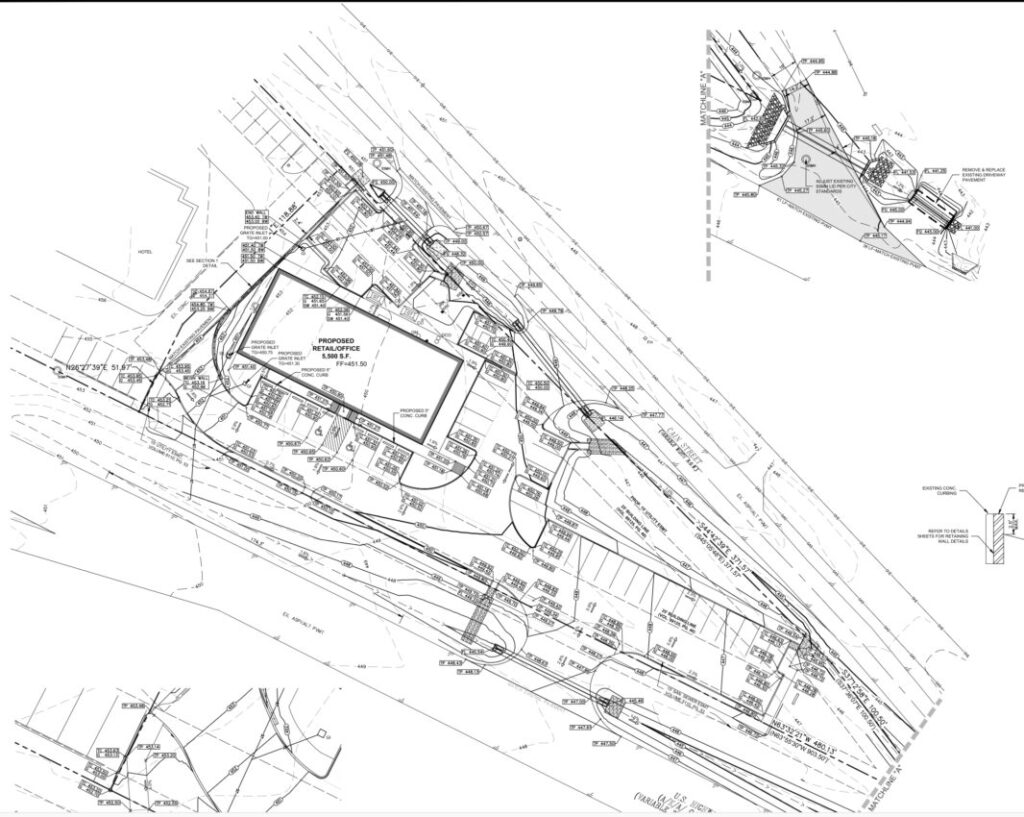
Plans for Kansas civil construction specify expansive clay treatments using moisture barriers, select fill, or soil amendments, pavement designs accounting for freeze-thaw cycles and clay soil movement, and drainage systems sized for intense thunderstorm rainfall despite low annual precipitation. Foundation recommendations address clay swelling potential through pier and beam construction or specially designed slabs.

Pavement sections include thicker bases and flexible surface materials accommodating soil movement. Detention pond designs account for 4-5 inch rainfall events during May and June thunderstorms. Erosion control addresses minimal vegetation during construction because prairie grasses require establishment time. Frost protection extends 36-42 inches below grade for utilities. Agricultural tile coordination shows connections or abandonment procedures. County road standards get met for section widths, ditch slopes, and culvert sizing. Construction phasing addresses seasonal constraints because frozen ground prevents earthwork December through February.
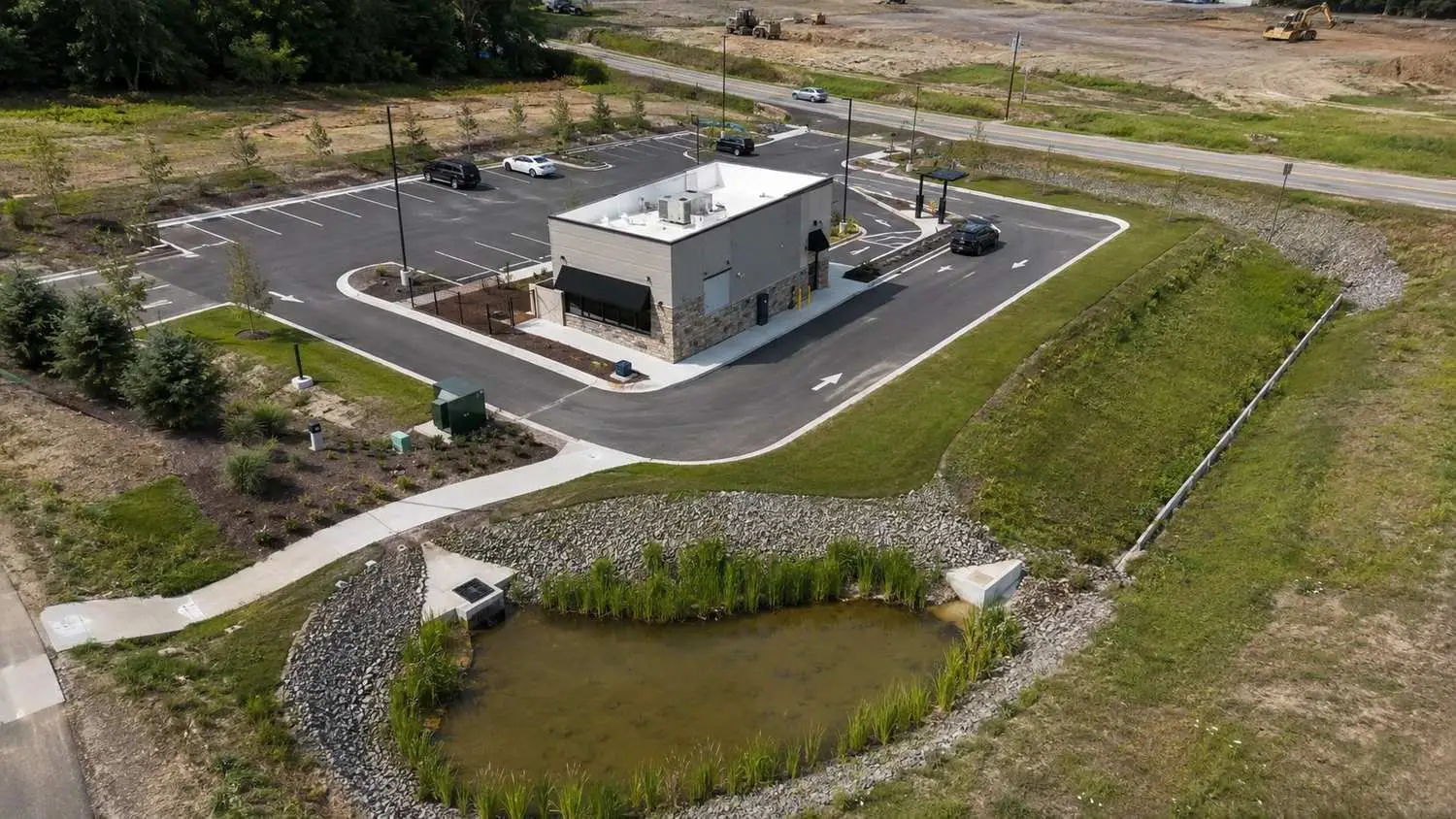
Commercial sites in Kansas require civil engineering addressing expansive clay foundation requirements, stormwater detention within compact parcels, and access coordinating with county engineering or KDOT standards. Drive-through layouts accommodate queuing and stacking requirements. Parking designs include trailer spaces because rural Kansas customers often pull stock trailers or farm equipment. Detention sizing accounts for intense thunderstorm rainfall concentrated in short periods.

Underground detention sometimes proves economical because Kansas lacks high water tables limiting excavation unlike coastal states. Pavement designs address clay soil support and freeze-thaw durability. Utilities coordinate water, sewer, electric, and gas through sites. Agricultural tile beneath former farmland gets located and addressed. Grease interceptors and dumpster enclosures locate meeting health department spacing. Efficient layouts maximize building area and parking while satisfying county drainage and road access standards. Designs recognize rural Kansas practical approach favoring function over aesthetics.

Our Approach

Kansas civil engineering starts with agricultural drain conflicts identified, KDHE stormwater requirements confirmed, and jurisdictional standards established before design opens. Those answers prevent the restarts that surface when prairie drainage and conversion constraints appear after drawings are already complete.

Site Assessment First

Agricultural drain locations, soil profiles from row crop production, and jurisdictional authority get confirmed before design begins. Wichita area Sedgwick County sites, Johnson County suburban developments in the Kansas City metro, and Topeka area Shawnee County projects each face different local agency drainage standards that site assessment establishes before design commits resources.

Prairie Drainage Integration

Drainage design uses Kansas-specific intensity data that reflects the state’s severe thunderstorm patterns rather than regional averages that undersize detention for intense prairie storms. Agricultural land conversion changes runoff characteristics significantly, and detention sizing accounts for pre- and post-development conditions specific to Kansas row crop to residential conversions.

KDHE Permit Coordination

Kansas civil permits involve local agency review and KDHE stormwater authorization running simultaneously. Applications get structured to satisfy both sets of criteria so one agency’s comment cycle doesn’t hold up the other’s approval.

Construction Through Acceptance

Grading inspections, drainage installation, and erosion control compliance get observed at Kansas construction milestones. Closeout documentation gets compiled progressively so final plat recording doesn’t wait on packages that should have been assembled during construction.

Projects

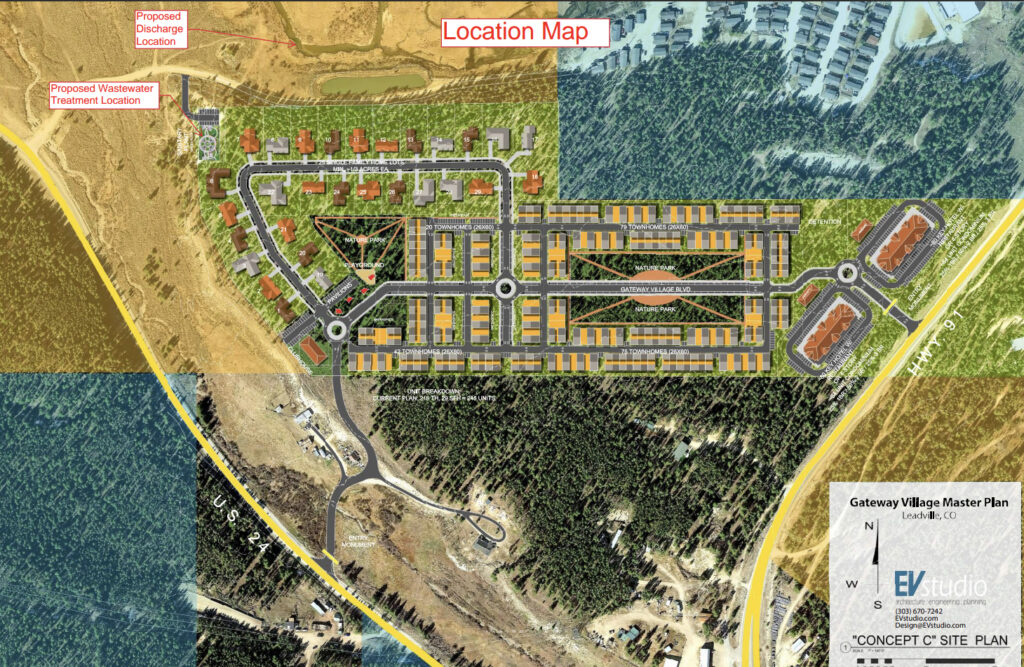
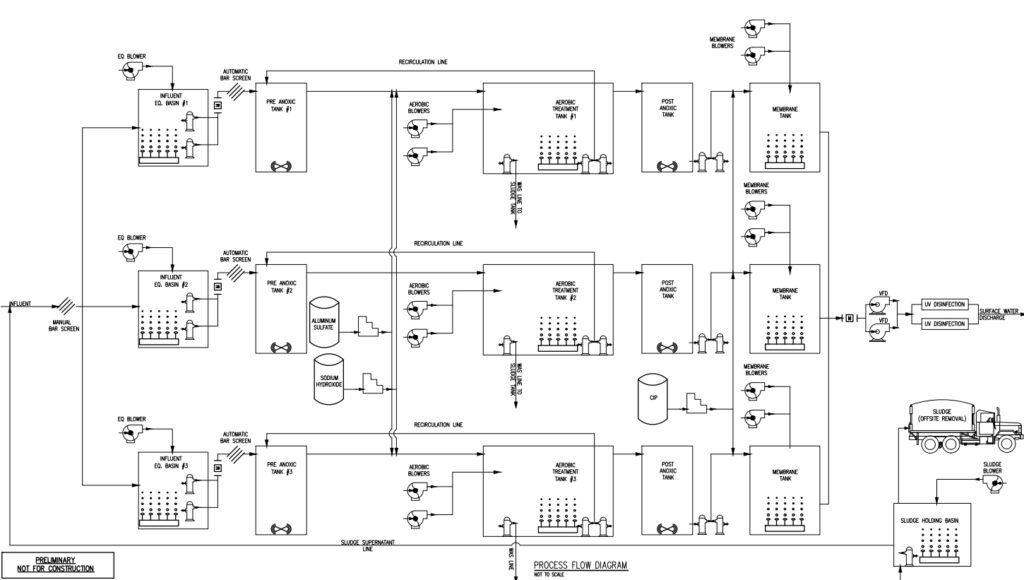
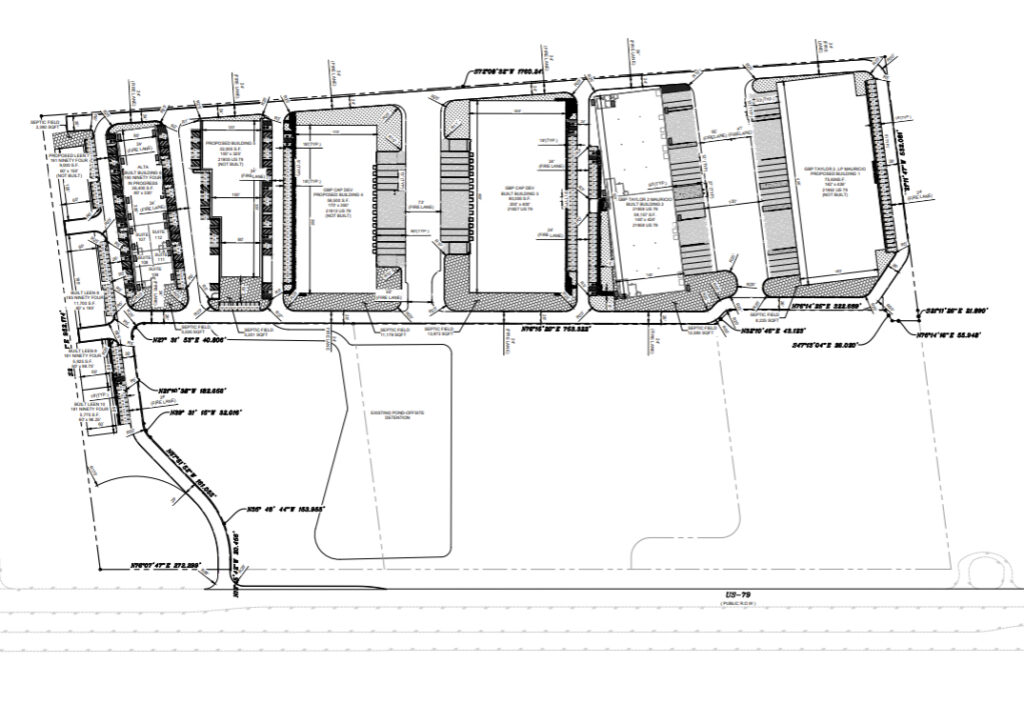
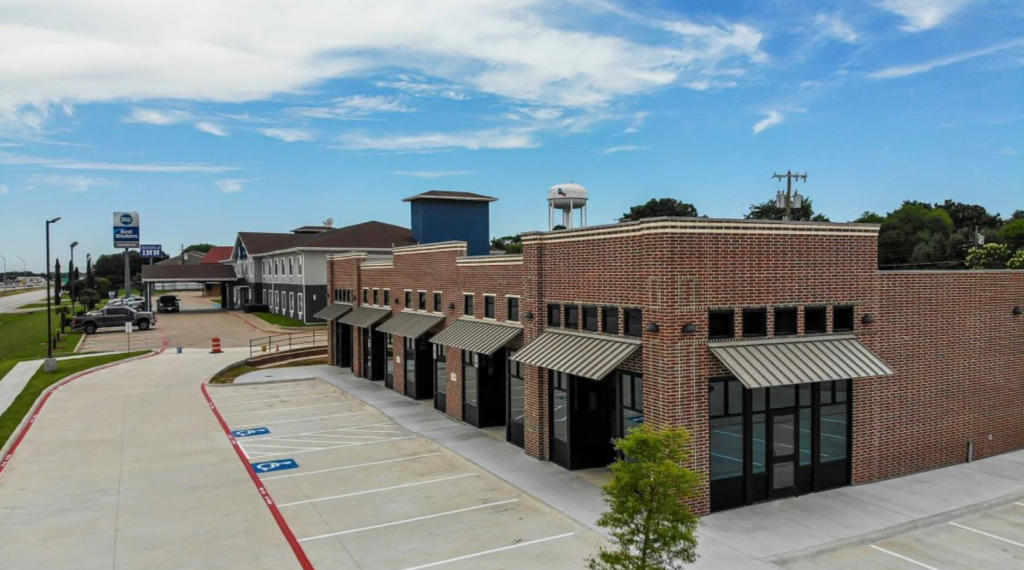
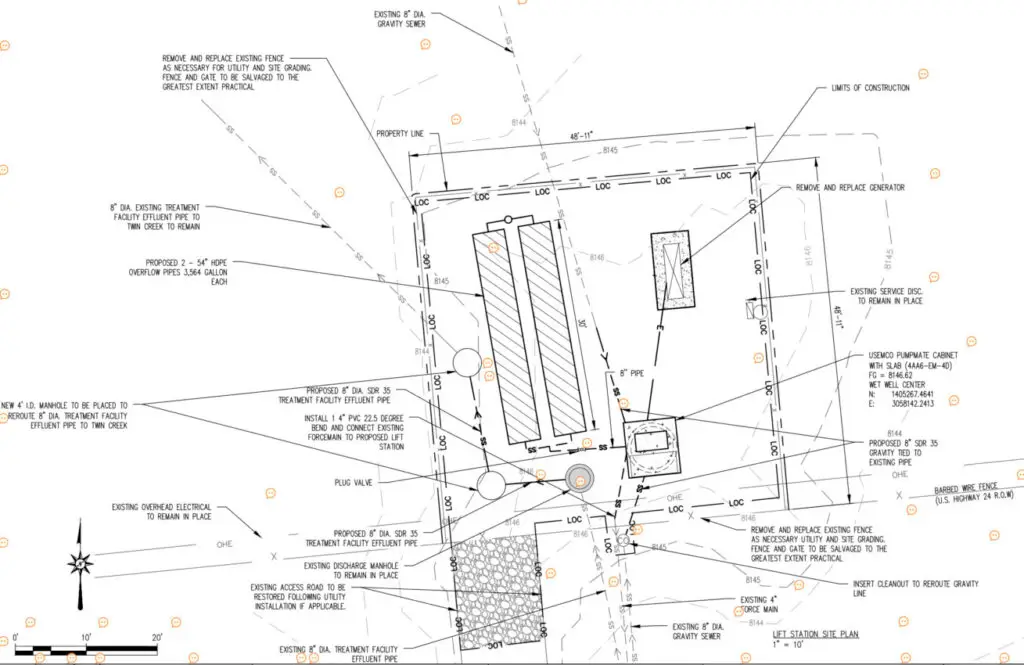
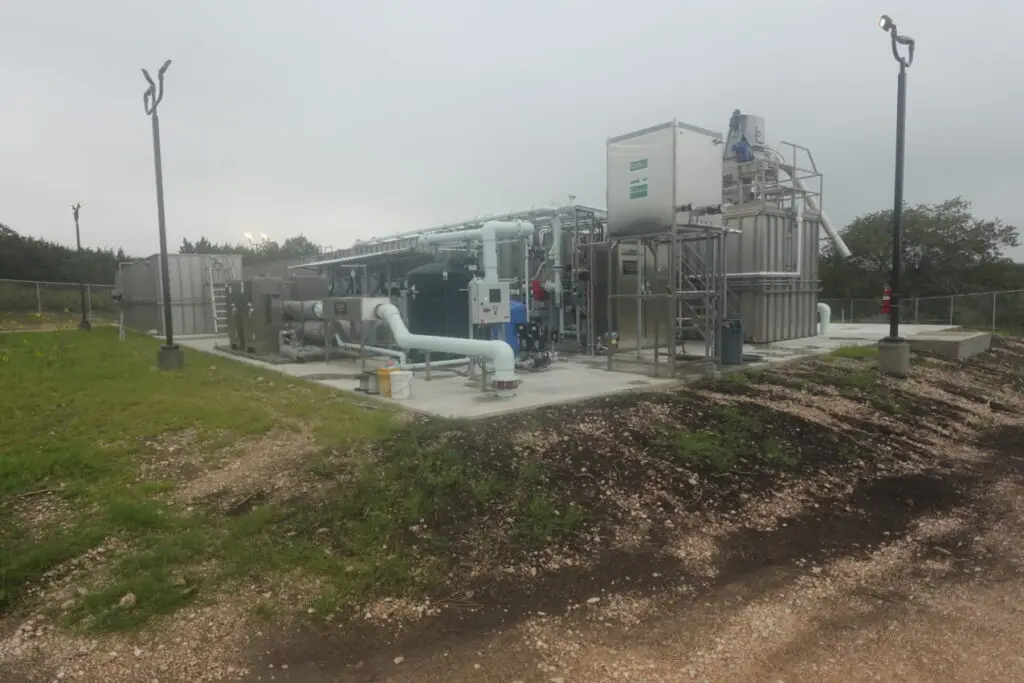
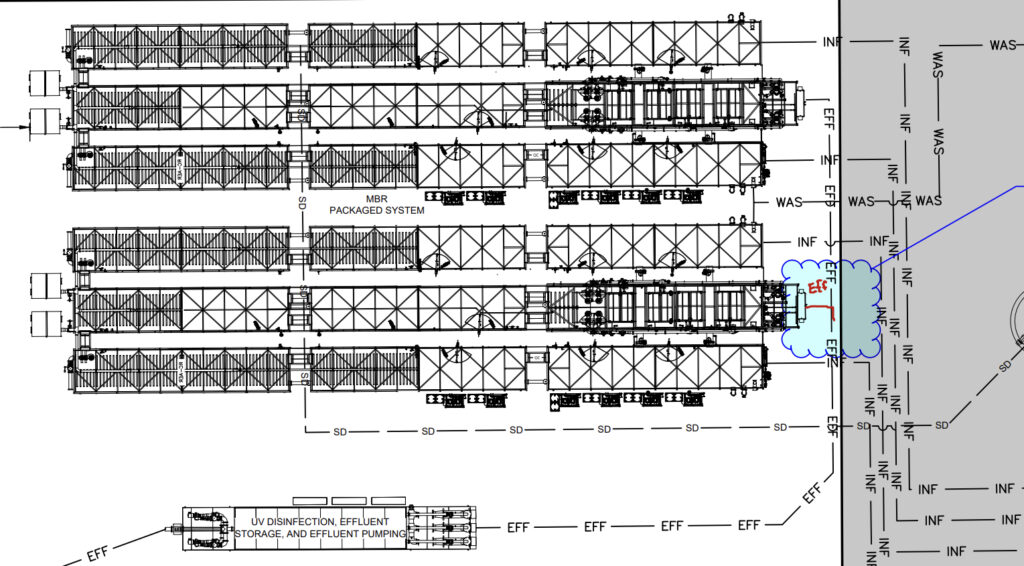
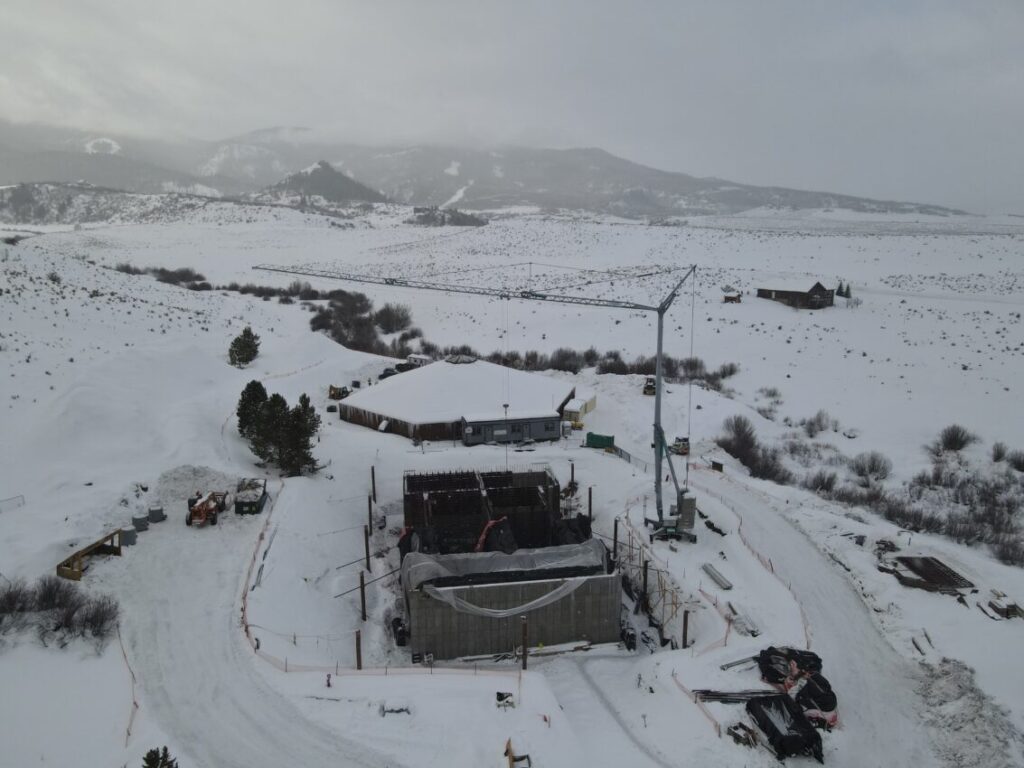
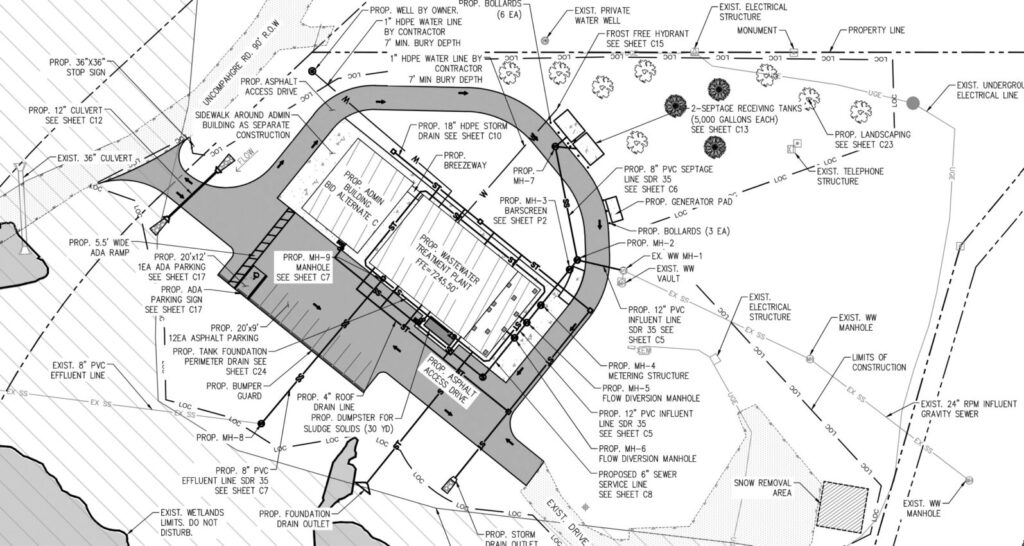
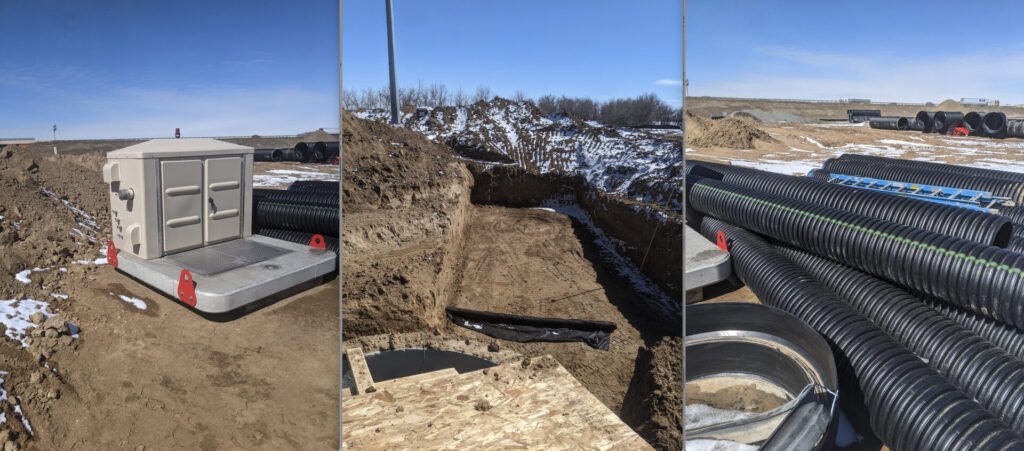
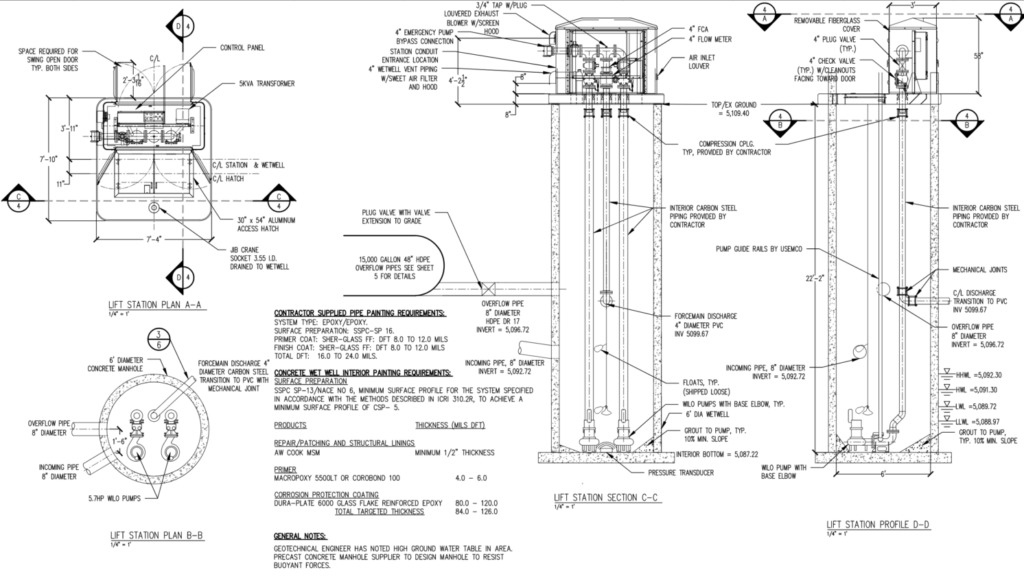
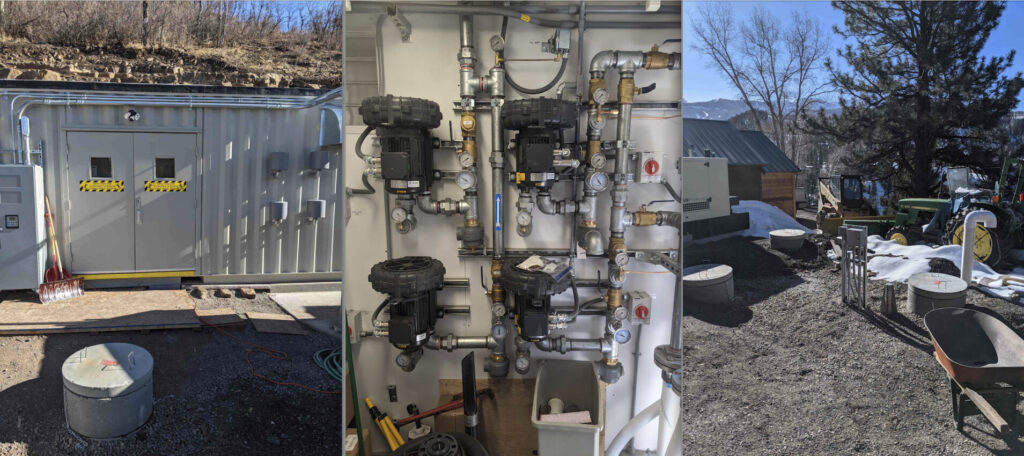
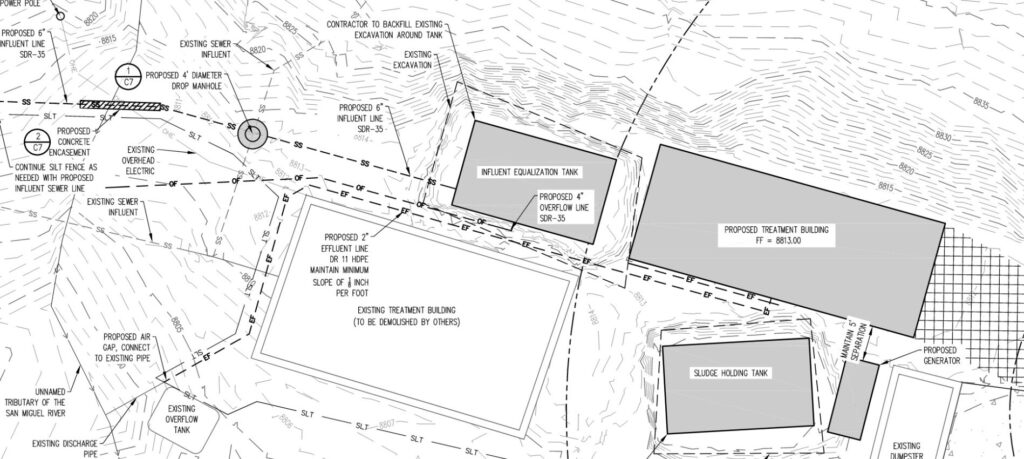
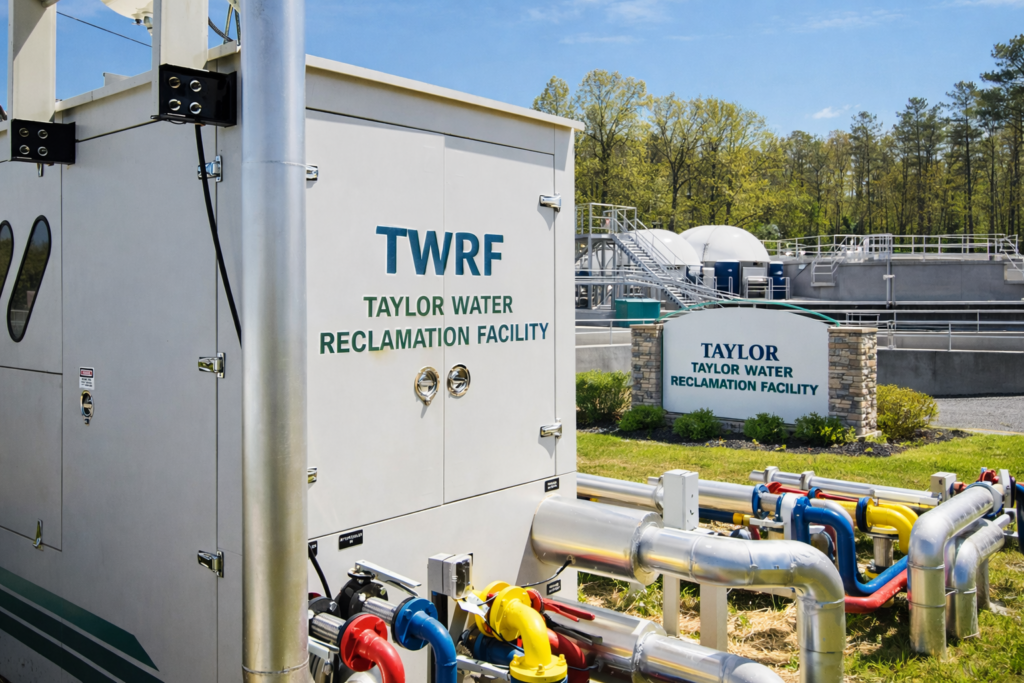
Modern Engineering Solutions delivers water and wastewater engineering across diverse regulatory environments, demonstrating efficient permitting and site-specific design expertise.

Why Choose Modern Engineering Solutions

Why Choose MES

1

Budgets That Hold

Civil plans incorporate agricultural soil conditions, drain conflicts, and Kansas drainage requirements before contractors bid. Developers working with us don't face change orders from conversion conditions that complete site investigation should have identified.

2

Permits Clear First Time

KDHE stormwater authorizations and local agency submittals reach Kansas reviewing agencies as coordinated packages. Sedgwick County, Johnson County, and Shawnee County reviewers get applications structured around their specific criteria rather than generic submittals that generate comment cycles.

3

Phasing Fits Kansas Seasons

Infrastructure phasing accounts for Kansas severe weather windows and KDHE permit conditions. Lot release schedules reflect realistic Kansas construction timelines rather than assumptions that ignore tornado season and severe thunderstorm impacts on productive construction days.

4

Civil and Utility Coordinated

Grading, drainage, water, and wastewater design advance together so utility conflicts don't surface during construction. One coordinated set of drawings prevents the gaps that happen when civil and utility permits pursue separate agency tracks.

Frequently Asked Questions

Concept planning and KDHE stormwater permitting for a Wichita area agricultural conversion need to advance as an integrated process. Converting row crop land to residential use changes runoff characteristics enough that detention sizing, drainage infrastructure, and stormwater quality treatment all depend on concept decisions made before design begins.

Wichita area civil engineering involves coordination across jurisdictions that vary across Sedgwick County:

  • City of Wichita applies its own drainage and grading standards for incorporated areas that differ from Sedgwick County standards applying to unincorporated development sites
  • KDHE administers stormwater authorization requirements that apply to Kansas developments disturbing one acre or more regardless of local jurisdiction
  • Agricultural drain districts operate across Sedgwick County with easement and flow rights that affect where civil drainage infrastructure can route

MES handles concept planning coordinated with KDHE stormwater requirements from the first design session, structuring concepts around agricultural conversion drainage constraints before design investment commits resources to approaches that Kansas reviewing agencies will require revision.

Project permitting and drainage design for a Johnson County development require familiarity with Johnson County’s specific drainage standards and the stormwater requirements that apply across the Kansas City metro’s Kansas side.

Johnson County civil engineering involves conditions specific to the region:

  • Johnson County applies drainage design standards developed for the Kansas City metro’s rolling terrain that differ significantly from western Kansas flat agricultural land requirements applying to Wichita area developments
  • MARC regional stormwater planning affects how Johnson County developments coordinate drainage across municipal boundaries within the Kansas City metro
  • Overland Park, Olathe, Lenexa, and Shawnee each maintain municipal drainage standards that apply within their incorporated boundaries alongside Johnson County requirements for unincorporated areas
  • Kansas City metro agricultural conversion sites in Johnson County face different soil profiles than Wichita area conversions, with more varied topography that creates different runoff calculation requirements

MES provides civil engineering for Johnson County land developments coordinating local agency permits with KDHE stormwater authorization simultaneously so permit applications advance through both agencies rather than sequential approvals that compress construction timelines.

Kansas civil permit timelines vary by jurisdiction and application completeness. Local agency grading and drainage reviews typically run 3-6 weeks for complete submittals. KDHE stormwater authorization for developments disturbing one acre or more runs 30-45 days for complete applications.

Common causes of Kansas civil permit delays include:

  • Drainage calculations that don’t address agricultural drain easement conflicts affecting where detention outfalls can discharge
  • Stormwater pollution prevention plans that don’t meet KDHE’s specific best management practice requirements for Kansas construction sites
  • Grading plans that don’t account for pre-development agricultural tile drain systems that affect post-development drainage patterns
  • Incomplete coordination between local agency drainage standards and KDHE stormwater authorization criteria

MES structures Kansas civil permit applications around each jurisdiction’s specific criteria so submittals move through review rather than cycling back for additional information.

Construction drawings for a Kansas agricultural land conversion need to address conditions specific to row crop to residential conversions that drawings from other development types consistently miss.

Kansas agricultural conversion civil construction drawings typically include:

  • Grading plan addressing tile drain abandonment or relocation required when subsurface agricultural drainage systems conflict with development grading and utility alignments
  • Drainage plan using Kansas-specific intensity data for detention sizing, with pre- and post-development runoff calculations that reflect agricultural to residential land use change
  • Agricultural drain conflict resolution showing how existing drain easements affect development drainage routing and detention pond siting
  • Erosion control plan addressing Kansas’s severe thunderstorm erosion potential on disturbed agricultural soils with limited vegetation cover
  • Utility coordination showing grading integrated with water, wastewater, and dry utility alignments so tile drain conflicts affect all disciplines consistently

MES produces Kansas civil construction drawings that incorporate agricultural conversion requirements from the first drawing session rather than as corrections after permit review.

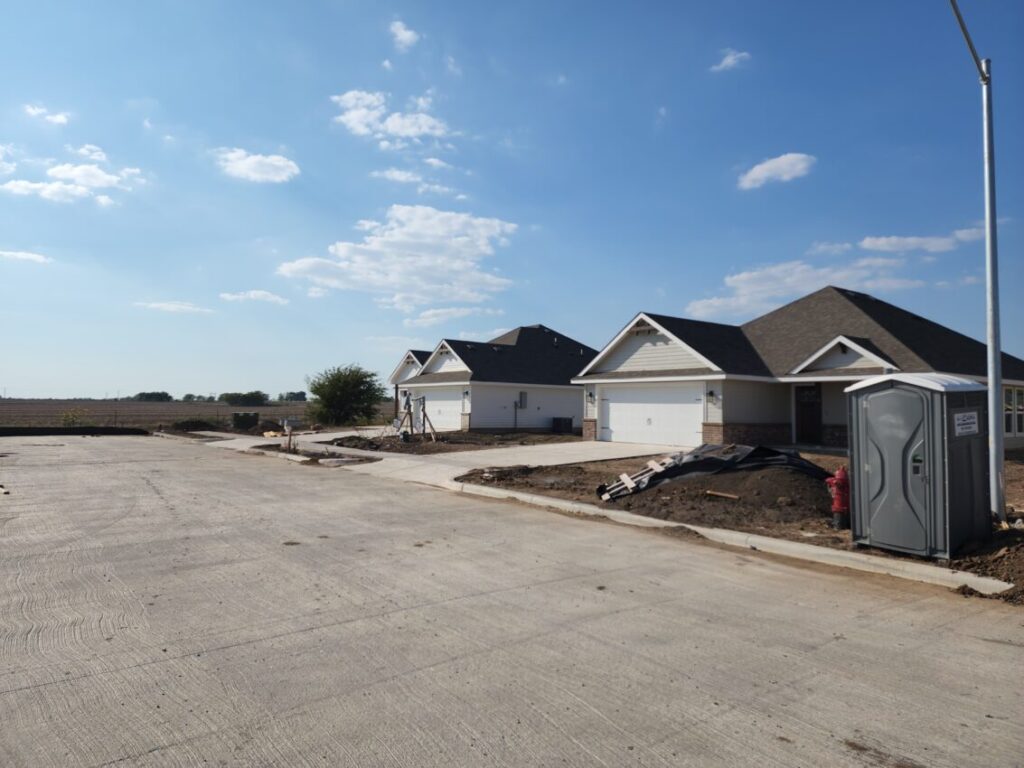
Agricultural land conversion in Kansas creates civil engineering conditions that standard residential subdivision design from other markets doesn’t account for, and the differences affect both design complexity and development budgets.

Subsurface tile drain systems are the most significant Kansas-specific condition:

  • Kansas farmland commonly has subsurface agricultural tile drain systems installed at 2-4 foot depths throughout fields to manage soil moisture for crop production
  • Tile drain locations aren’t always documented, requiring investigation before grading to identify systems that conflict with utility alignments and building pads
  • Active tile drains that get cut during grading can create drainage problems for adjacent agricultural land, creating liability that drain district easement violations compound
  • Tile drain abandonment or relocation adds cost that preliminary estimates from non-agricultural development experience don’t capture

Agricultural drain district easements add complexity through:

  • Easement widths that restrict development within their boundaries, affecting lot layout and detention pond siting
  • Discharge rights that affect where development drainage can outfall without violating drain district agreements

MES investigates agricultural drain conditions before design begins on Kansas conversion projects so tile drain conflicts and easement restrictions inform lot layout decisions rather than appearing as change orders after grading contracts are signed.

Kansas severe weather affects civil engineering design standards and construction scheduling in ways that distinguish Kansas land development from other markets.

Severe weather impacts on civil engineering design include:

  • Detention sizing for Kansas’s intense thunderstorm events that produce high short-duration rainfall intensities requiring larger detention volumes than regional average storm data produces
  • Erosion control design for Kansas’s combination of intense rainfall, disturbed agricultural soils, and prairie winds that accelerate erosion on construction sites between storm events
  • Drainage outfall protection for concentrated runoff velocities that Kansas thunderstorms generate on developments converting flat agricultural land to impervious surfaces

Severe weather impacts on construction scheduling include:

  • Tornado season and severe thunderstorm frequency during spring and early summer compress productive grading windows that Kansas developers work around when scheduling earthwork contracts
  • KDHE stormwater compliance requires rapid erosion control deployment after storm events that contractors unfamiliar with Kansas conditions don’t price into bids

MES designs Kansas civil projects around severe weather realities from the first drainage calculation so detention sizing and erosion control reflect what Kansas reviewing agencies actually require.

Separate civil and utility firms on a Kansas development create coordination problems that agricultural conversion conditions make more expensive to resolve than in standard suburban markets.

Kansas-specific problems from separate civil and utility engineering include:

  • Tile drain conflicts that grading engineers identify but don’t share with utility engineers, resulting in utility alignments that cut active tile drains and create drain district liability that coordinated design would have routed around
  • Detention pond siting conflicts where civil engineers place detention facilities over subsurface tile drain systems that utility engineers need for wastewater or water main alignments passing through the same site area
  • Agricultural drain easement conflicts where utility alignments cross drain easements that civil plans show but utility plans don’t reflect, creating permit conflicts when both applications reach reviewing agencies simultaneously

MES handles civil and utility engineering together on Kansas developments so tile drain investigation, drain easement constraints, and KDHE permit applications reflect a single coordinated design.

Kiosk site planning for a Kansas land development covers civil engineering for entry monument structures, sales office facilities, and amenity kiosks serving active selling communities before permanent amenity construction completes.

Kansas kiosk site planning involves agricultural conversion-specific considerations:

  • Grading and drainage design accounting for Kansas’s thunderstorm runoff intensity even for small disturbed areas that contribute runoff to adjacent agricultural drain systems
  • KDHE stormwater authorization thresholds that trigger permit requirements if temporary facility construction disturbs one acre or more including associated parking and access areas
  • Tile drain coordination confirming kiosk grading doesn’t conflict with subsurface agricultural drainage systems that serve adjacent unconverted farmland

MES provides kiosk site planning coordinated with master grading and utility plans so temporary facility construction doesn’t create agricultural drain conflicts that permanent development infrastructure would otherwise avoid.

Civil engineering change orders on Kansas development sites include common causes and Kansas-specific sources that developers from other states encounter when working in Kansas for the first time.

Kansas-specific change order sources include:

  • Undocumented tile drain systems encountered during grading that require emergency abandonment or relocation not included in original bids
  • Agricultural drain easement conflicts discovered during construction when utility or drainage alignments cross easement boundaries that weren’t fully investigated before design
  • KDHE stormwater compliance response costs for severe thunderstorm events that contractors from other states don’t price into bids because Kansas storm frequency and intensity exceed what other markets require
  • Detention pond outlet conflicts where agricultural drain district easements restrict outfall options that preliminary designs assumed were available

MES combines agricultural drain investigation, drain easement mapping, and coordinated civil and utility design before Kansas bids go out, reducing change order exposure from both universal and Kansas-specific sources.

Civil engineering requirements differ significantly between Johnson County in the Kansas City metro and Sedgwick County in the Wichita area, affecting design standards, drainage criteria, and permit timelines.

Drainage standard differences:

  • Johnson County applies drainage design standards developed for the Kansas City metro’s rolling terrain with natural drainage patterns that Sedgwick County’s flat agricultural landscape doesn’t produce
  • Sedgwick County’s agricultural drain district infrastructure affects how development drainage must route and outfall in ways that Johnson County’s more developed suburban drainage network doesn’t impose
  • Johnson County metro municipalities including Overland Park and Olathe maintain independent drainage standards that exceed Johnson County minimums, while Wichita applies its own standards within city limits that differ from Sedgwick County unincorporated requirements

Agricultural conversion context differences:

  • Sedgwick County development sites converting from active row crop production more frequently encounter tile drain systems and drain district easements than Johnson County’s more suburban development context
  • Johnson County’s topography creates different pre-development runoff conditions than Sedgwick County’s flat farmland, affecting detention sizing calculations significantly

MES confirms which county’s standards apply before design begins and structures applications around each jurisdiction’s specific requirements.

Kansas civil engineering differs from Texas and Colorado in ways that affect design standards, agricultural conversion conditions, and permit requirements.

Compared to Texas:

  • Kansas agricultural tile drain systems create subsurface conflicts that Texas blackland prairie and Houston Gulf Coast developments don’t produce in the same way
  • Kansas drain district easement systems impose development constraints that Texas MUD and municipal utility district structures don’t replicate
  • KDHE stormwater authorization requirements are similar in scope to Texas TCEQ construction permits but with Kansas-specific agricultural conversion criteria that TCEQ applications don’t address

Compared to Colorado:

  • Kansas lacks Colorado’s bedrock grading conditions and snowmelt drainage requirements, replacing them with agricultural drain conflicts and prairie thunderstorm detention sizing
  • Kansas’s flat terrain creates drainage design challenges around minimal grade differences similar to some Colorado Eastern Plains developments but without Colorado’s mountain terrain complications
  • KDHE stormwater timelines compare favorably to CDPHE review periods for similar development types

MES applies Kansas-specific agricultural conversion analysis, drain district coordination, and KDHE permitting requirements rather than approaches from other states that don’t match Kansas’s development environment.

Yes. Wichita area developments converting agricultural land routinely require coordination with Sedgwick County’s agricultural drain district network, and the extent of that coordination affects both design and permitting timelines.

Agricultural drain district coordination requirements for Wichita area developments typically include:

  • Drain easement identification and mapping confirming which drain district easements cross the development site and what restrictions apply to development within those easements
  • Discharge rights confirmation establishing whether development drainage can outfall to existing drain district infrastructure and under what conditions
  • Tile drain abandonment or relocation agreements when active tile drains conflict with development grading or utility alignments
  • Drain district review of development drainage plans where district infrastructure accepts development stormwater discharge

Johnson County metro developments near Kansas City encounter drain district issues less frequently than Wichita area agricultural conversions, though suburban fringe developments in western Johnson County converting from agricultural uses face similar coordination requirements.

MES coordinates drain district requirements during Kansas civil due diligence so easement restrictions and discharge rights are confirmed before design commits to drainage approaches that drain district coordination may require revision.

Talk to an Engineer

Kansas civil projects face expansive clay challenges, intense thunderstorm drainage, and county standard compliance. We’ll review your site specifics and outline design considerations in a 15-minute call.