
Modern Engineering Solutions

Construction Administration
For Oklahoma Land Development

Oklahoma construction administration means field observations during tornado warnings and spring severe weather, managing contractor RFIs about red clay conditions differing from geotechnical predictions, and coordinating inspections across county engineering departments with practical rural standards. From Oklahoma City metro growth to Tulsa area development, our oversight keeps construction moving through Oklahoma’s severe weather season, clay soil challenges, and county coordination framework.

Engineering Built for Outcomes, Not Overhead

Oklahoma construction administration fails when oversight treats red clay expansive soil compliance, ODEQ stormwater requirements, and tornado season construction constraints as variables to manage after contractors mobilize rather than protocols established before grading begins.

Value Over
Hours

We price Oklahoma construction administration around delivered outcomes: ODEQ stormwater conditions satisfied, expansive soil treatment verified, and closeout packages assembled during construction rather than after finished lots wait on certificates of occupancy.

Speed as a Design Constraint 

Oklahoma’s tornado season and severe thunderstorm frequency compress productive construction windows. An ODEQ stormwater violation or expansive soil compliance failure doesn’t cost days. It costs weeks of the construction calendar that Oklahoma development budgets can’t recover.

Deep Work, Not Meeting Culture

Expansive soil treatment verification, ODEQ stormwater compliance, and severe storm drainage performance get managed through engineering discipline in the field rather than routed through coordination chains that delay decisions Oklahoma contractors need same morning during active storm events.

AI as Leverage, Not a Shortcut

AI handles ODEQ reporting, submittal tracking, and closeout documentation so licensed Oklahoma PEs focus on field observation, expansive soil compliance, and agency inspection management across Oklahoma City metro, Tulsa, Norman, and Edmond developments.

What We Do

Modern Engineering Solutions delivers construction administration for Oklahoma land development from pre-construction coordination through county final inspections and utility acceptance statewide.
Coordination before Oklahoma construction begins addresses spring severe weather season timing affecting schedules, red clay soil special inspection requirements, and county engineering expectations often based on unwritten local practices. Submittal reviews catch foundation designs inadequate for clay swell potential or signage not meeting tornado wind load requirements. Shop drawing reviews verify utility installations include frost protection and erosion control surviving spring thunderstorm intensity.

Schedule coordination addresses March through June severe weather season when thunderstorms and tornadoes disrupt work repeatedly. Preconstruction meetings establish clay soil moisture testing protocols and severe weather work stoppage procedures because safety during tornado warnings takes priority. County inspector coordination gets arranged because rural areas may have limited staff availability. Early coordination prevents discovering requirements during construction when changes cost significantly more and severe weather delays compound existing schedule pressure creating adversarial dynamics.
Observations throughout Oklahoma construction seasons mean documenting progress despite spring severe weather, monitoring red clay compaction and moisture control, and verifying work meets county engineering expectations varying between jurisdictions. Contractor RFIs receive same-day responses because severe weather already limits productive work windows making delays especially costly. Change order evaluation determines whether clay conditions genuinely exceed geotechnical predictions or contractor failed adequate investigation during bidding.

Progress payments verify completed work matches requests. Daily reports document severe weather impacts, soil test results, tornado warnings affecting work, and county inspector comments. Clay soil moisture content needs continuous monitoring because expansive soils at improper moisture create long-term pavement and foundation problems. Erosion control gets inspected before spring severe weather season intensifies. Regular developer communication prevents surprises about schedule impacts from weather or soil issues discovered weeks later when recovery options disappear.
Starting utility systems in Oklahoma temperature extremes requires verifying equipment operates through cold winters and hot summers. Pump performance testing validates operation accounting for seasonal variations. Treatment system commissioning confirms processes work across temperature ranges. Control programming tests backup operation during power outages common after tornadoes and ice storms. DEQ pre-startup inspections coordinate with county final approvals.

Operations training prepares staff for Oklahoma-specific challenges including severe weather impacts and red clay soil effects on buried utilities. Equipment warranty documentation protects against premature failures from temperature cycling. Simple control systems get verified because rural communities often lack certified operators for complex automation. Tornado shelter procedures get established for critical facilities. Startup during moderate weather allows system establishment before severe weather season or winter cold tests performance under extreme Oklahoma conditions.
Oklahoma closeout requires coordinating county engineering final inspections, DEQ approvals for utility systems, and potentially Rural Water District acceptance with each demanding different documentation. Record drawings show as-built utility locations, red clay treatment areas, and tornado debris protection installations. Final inspections require scheduling with county inspectors covering large geographic areas with limited staff availability.

Closeout packages include operations manuals, warranty documentation, testing certifications, soil compaction reports, and utility acceptance records. County road acceptance involves performance periods because clay soil movement may not appear immediately after construction. Tornado damage documentation if applicable shows repairs completed properly. Incomplete closeout prevents certificate of occupancy blocking builder closings. Our management ensures documentation reaches counties and agencies simultaneously preventing sequential delays when one approval blocks entire project completion despite other items being satisfied.

Our Approach

Oklahoma construction administration starts before contractors mobilize and ends after agency acceptance documentation is filed, because red clay conditions and ODEQ stormwater obligations create field problems that engineering oversight prevents far more cheaply than contractors resolve.

Pre-Construction Review

Constructability reviews, red clay condition briefings, and contractor coordination happen before mobilization. Oklahoma City metro contractors working Oklahoma County sites, Tulsa area teams in Tulsa County, Norman developments in Cleveland County, and Edmond projects each face different local agency inspection sequences and expansive soil compliance requirements that pre-construction review establishes before schedules commit.

Field Observation

Red clay lime stabilization, drainage installation conditions, erosion control performance, and utility installation get observed at Oklahoma construction milestones when corrections cost hours rather than change orders. Severe weather response documentation gets managed as storm events occur rather than reconstructed from contractor records after ODEQ requests compliance verification.

Startup and Commissioning

Pressure testing, disinfection, and system performance verification get coordinated with Oklahoma contractors so ODEQ and local agency acceptance documentation is complete before lots need to close. Startup milestones align with lot release schedules so certificates of occupancy issue when construction finishes.

Project Closeout

ODEQ stormwater permit closeout, expansive soil treatment records, as-built drawings, and agency acceptance packages get compiled as construction milestones complete. Oklahoma local agencies receive complete acceptance packages immediately after construction completion so final plat recording happens on schedule.

Projects

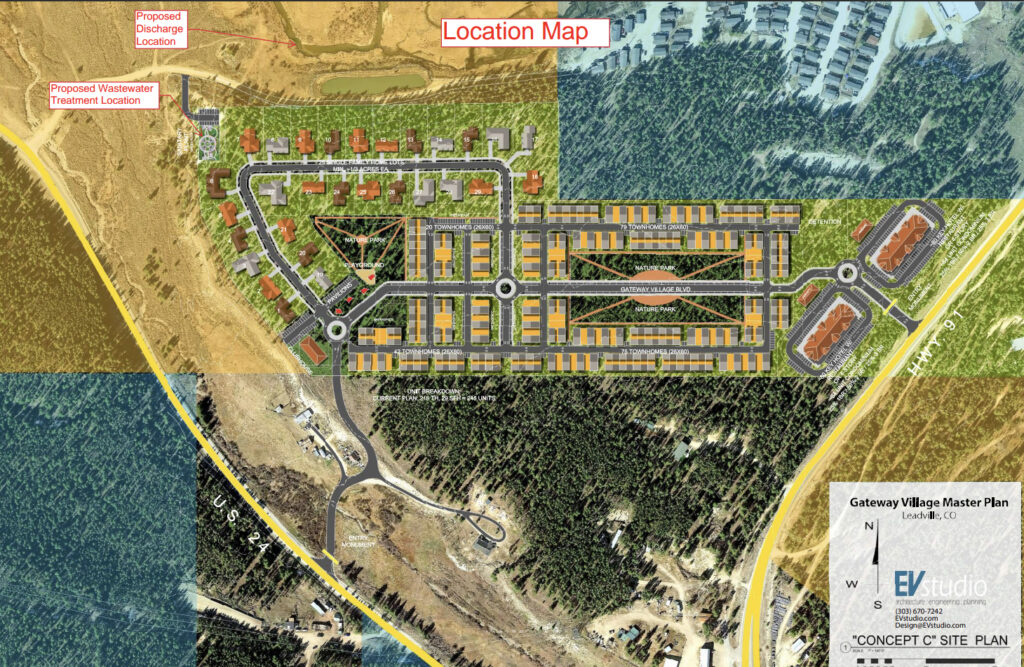
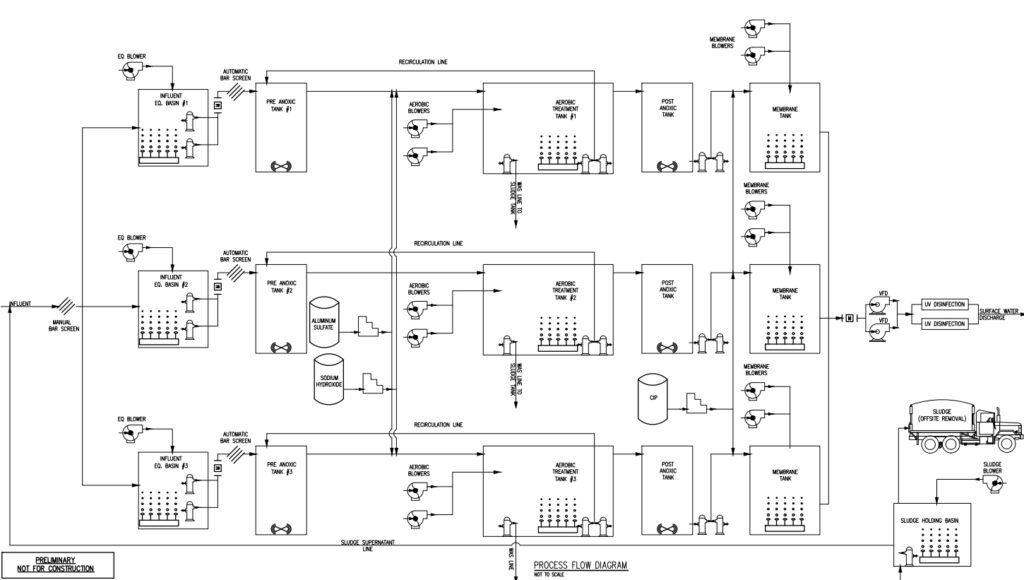
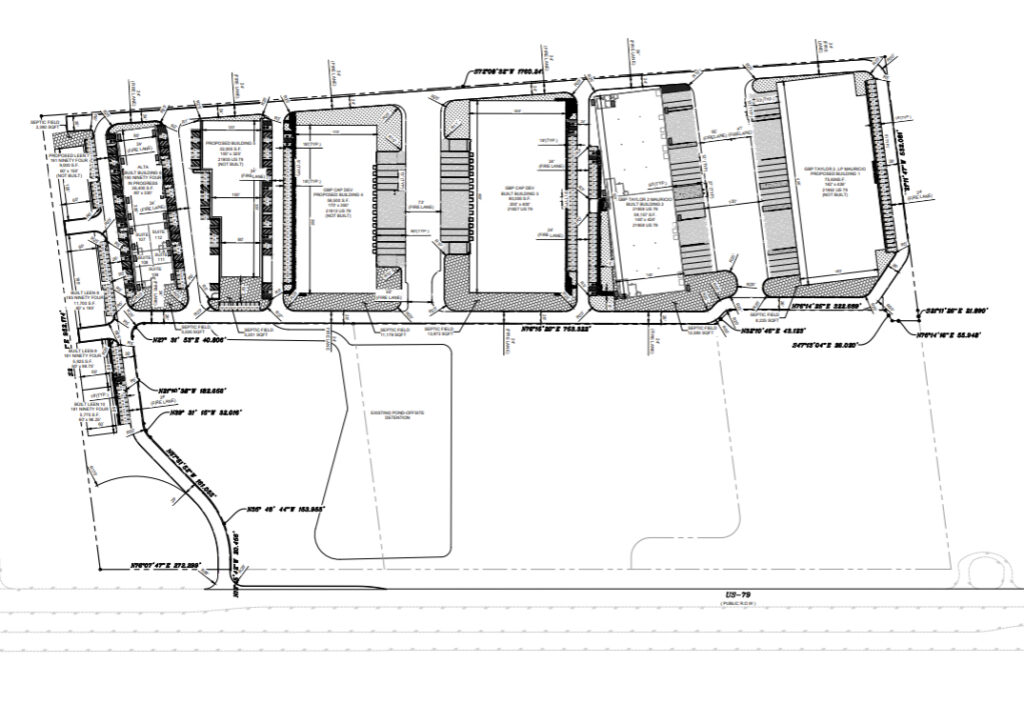
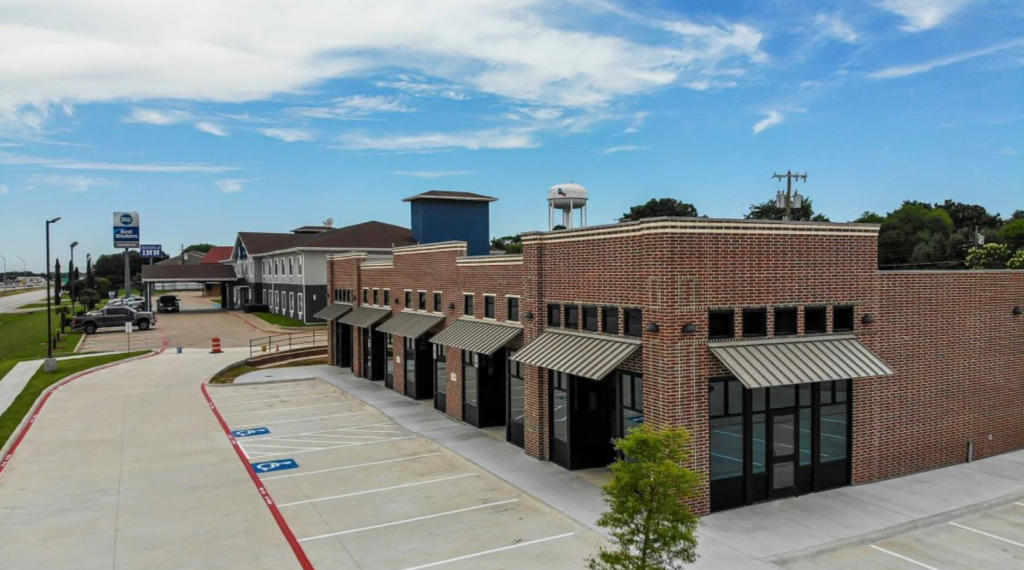
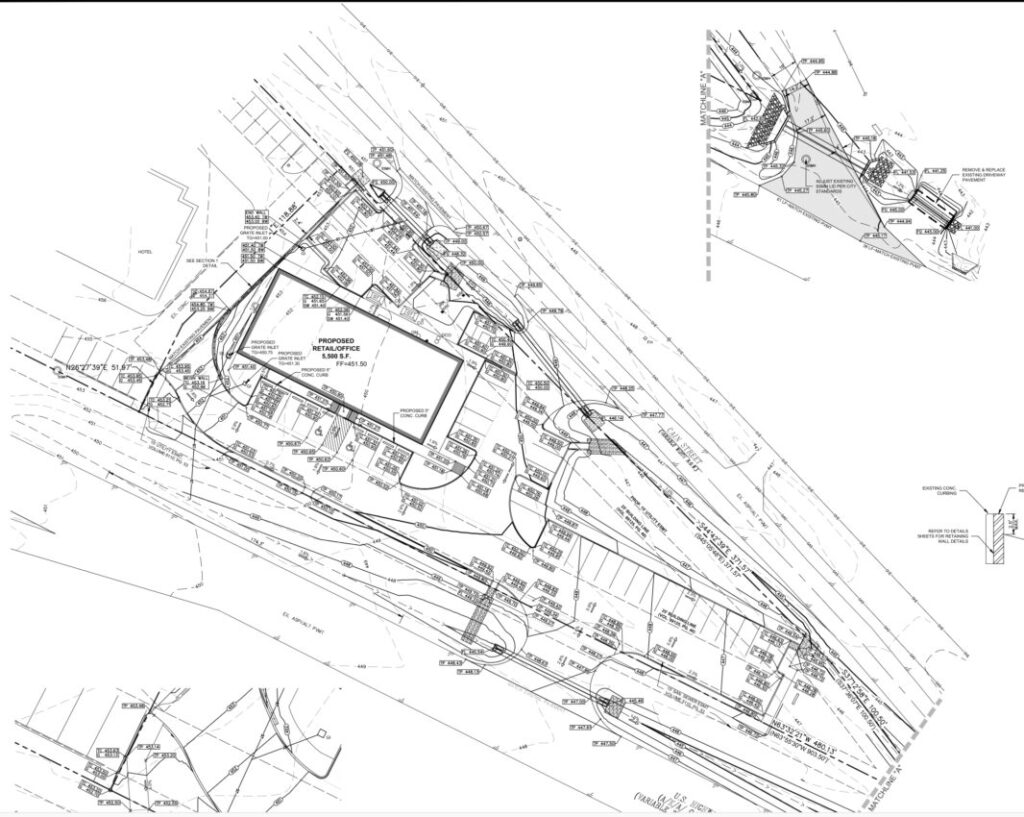
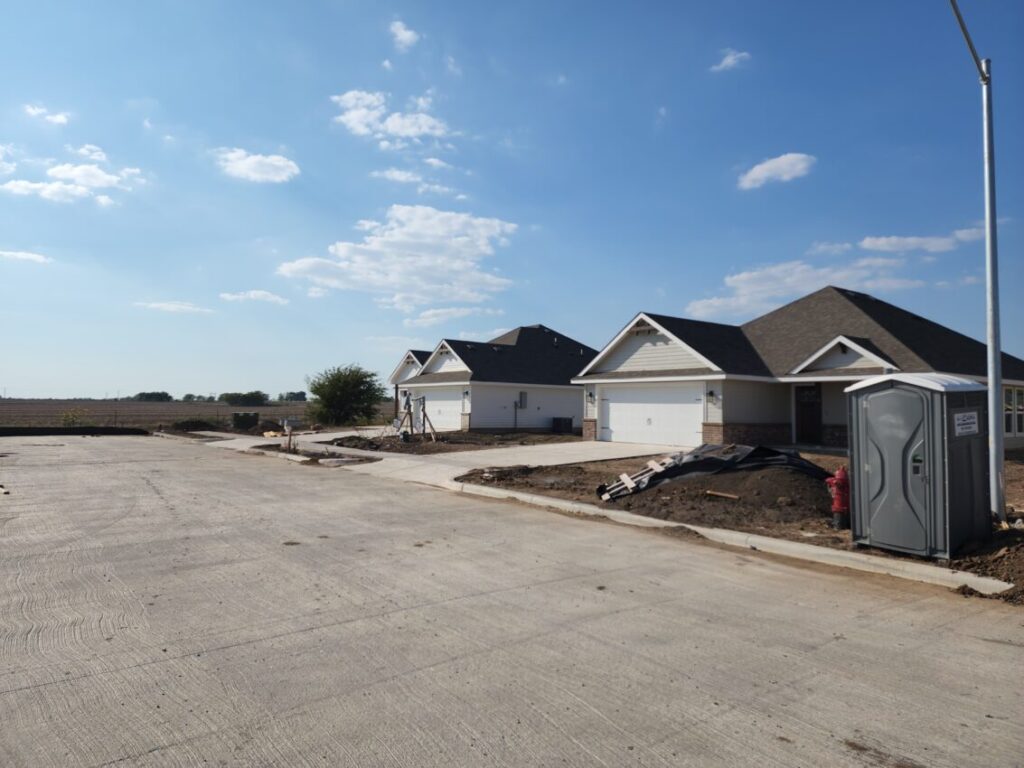
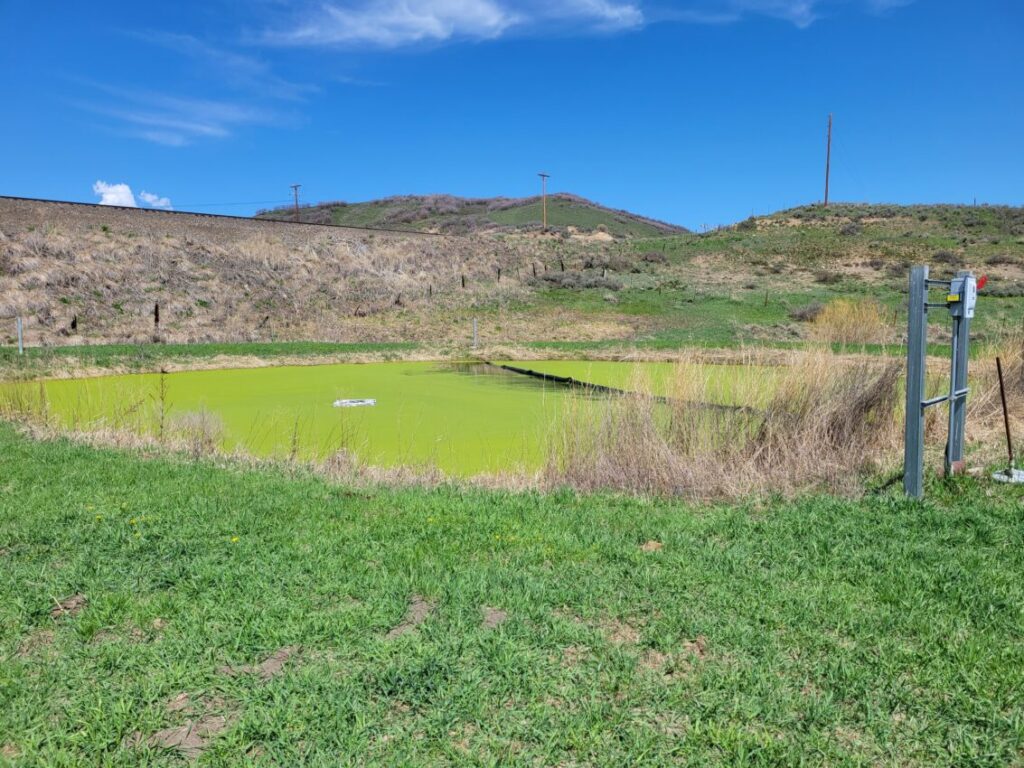
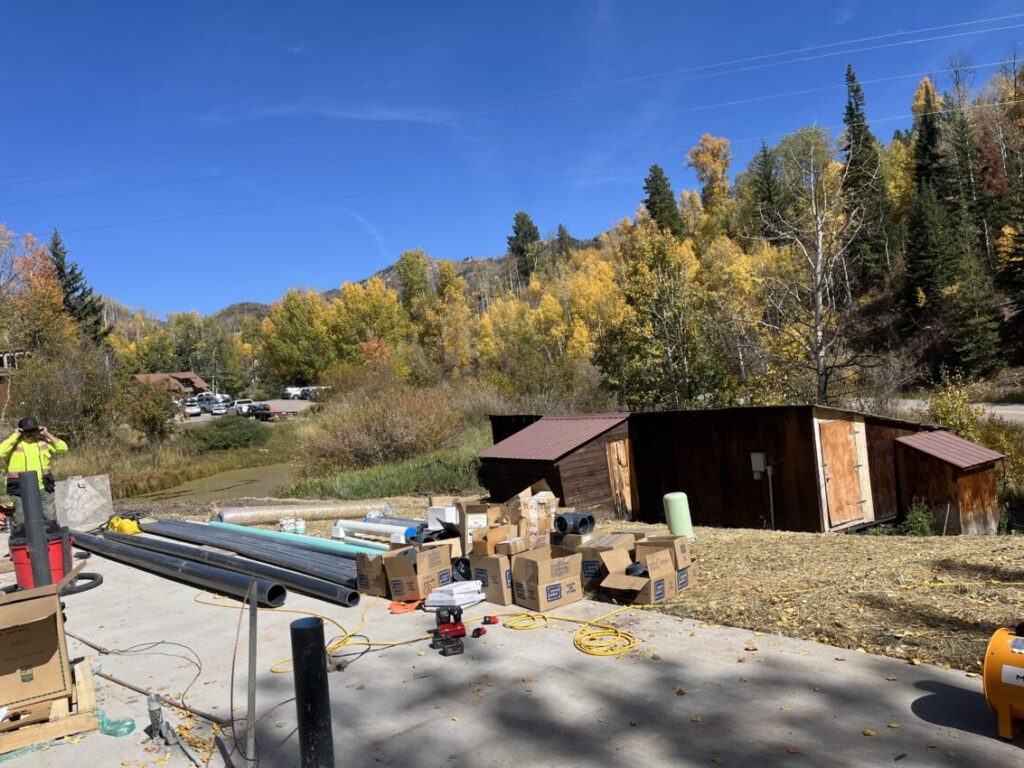
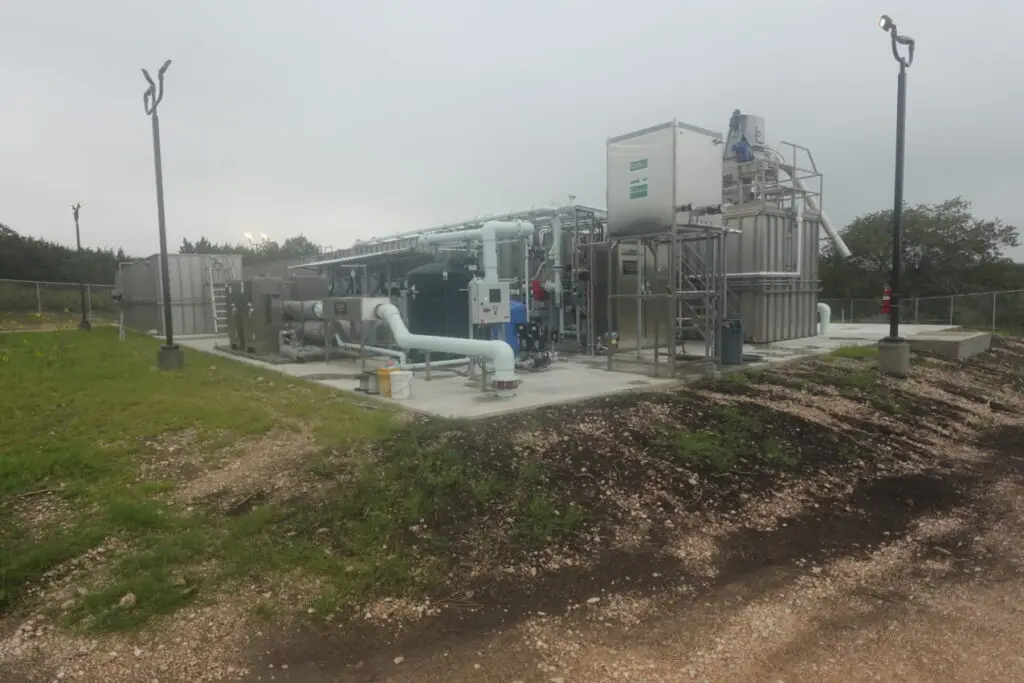
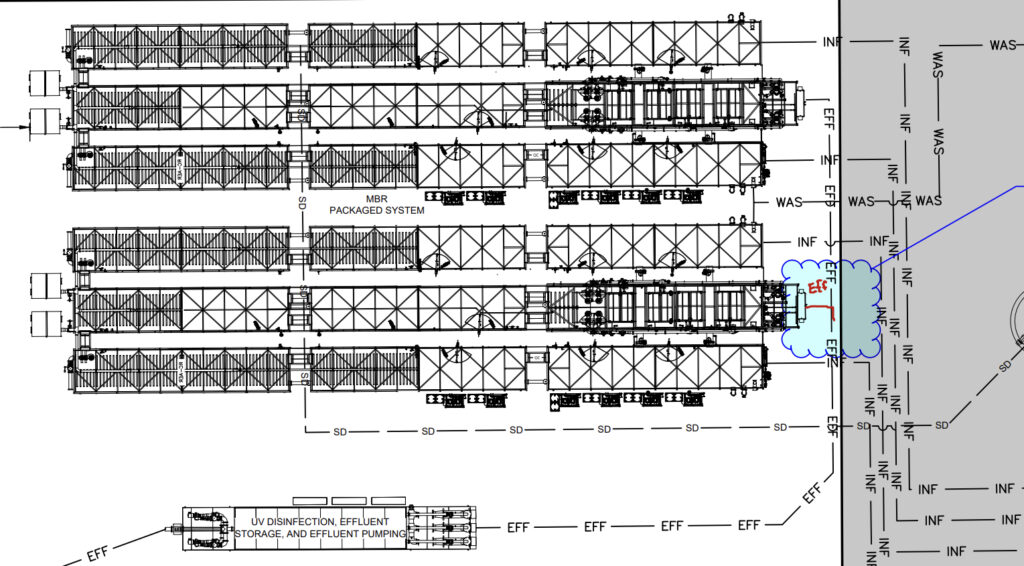
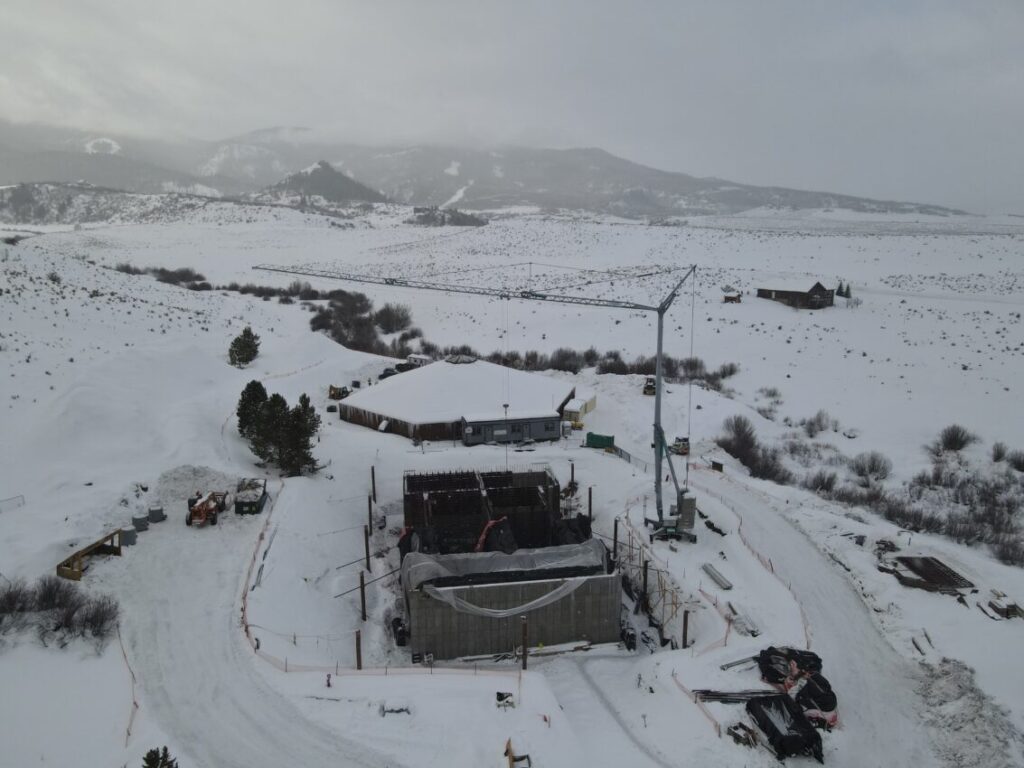
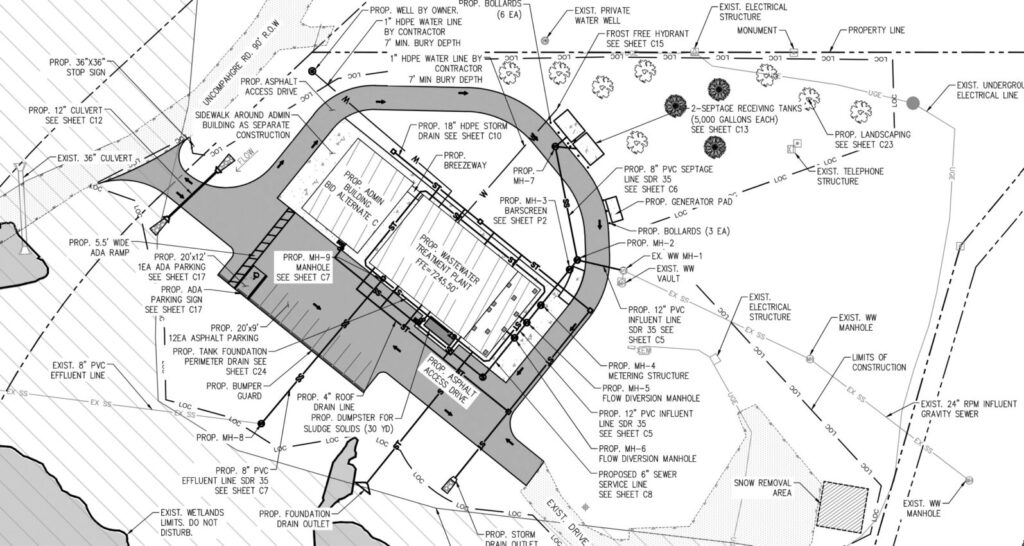
Modern Engineering Solutions delivers water and wastewater engineering across diverse regulatory environments, demonstrating efficient permitting and site-specific design expertise.

Why Choose Modern Engineering Solutions

Why Choose MES

1

Budgets That Hold

Pre-construction reviews identify red clay conditions, expansive soil treatment scope, and sequencing constraints before contractors commit to prices. Oklahoma developers working with us don't negotiate change orders for soil conditions that complete pre-construction coordination should have addressed.

2

Inspections Pass First Time

Critical construction phases get observed before Oklahoma County, Tulsa County, and ODEQ inspection points. Expansive soil treatment failures and stormwater violations that trigger stop-work orders get caught during construction rather than at inspection, because field engineers verify compliance before agency staff arrive.

3

Schedules Survive Tornado Season

Construction sequencing accounts for Oklahoma's tornado season constraints, severe thunderstorm frequency, and ODEQ stormwater inspection obligations. Phase boundaries match what contractors can complete within Oklahoma's productive construction windows rather than year-round assumptions that ignore severe weather calendar impacts.

4

One Team, Full Accountability

The engineers who designed Oklahoma civil and utility systems observe their construction and compile acceptance documentation. Contractors get design intent questions answered by the people who made the design decisions rather than construction administrators learning Oklahoma's red clay conditions from drawings rather than field experience.

Frequently Asked Questions

Pre-construction and construction oversight for an Oklahoma City metro development are most effectively provided by engineers familiar with Oklahoma County’s inspection requirements, red clay compliance obligations, and the ODEQ stormwater requirements that distinguish Oklahoma construction from other markets.

Pre-construction services for Oklahoma City metro developments typically include:

  • Red clay condition review confirming geotechnical findings match field conditions before lime stabilization scope is finalized in contractor bids
  • ODEQ stormwater pollution prevention plan implementation briefing establishing contractor obligations for severe weather response and erosion control maintenance
  • Expansive soil treatment protocol development confirming lime application rates, moisture conditioning requirements, and compaction standards before grading begins
  • Pre-construction meeting coordinating Oklahoma County inspection sequencing and utility district acceptance protocols before mobilization

MES provides pre-construction and construction oversight for Oklahoma land developments where we produced civil and utility design and for developments where another firm produced design documents but the developer needs qualified engineering oversight.

Construction phase services for a Tulsa County development cover oversight activities between contractor mobilization and project completion, with northeastern Oklahoma-specific requirements reflecting Tulsa area’s Arkansas River basin drainage context and limestone bedrock conditions.

Tulsa County-specific construction phase services include:

  • ODEQ stormwater compliance oversight for Tulsa area’s severe thunderstorm conditions and Arkansas River basin drainage requirements
  • Rock excavation monitoring for Tulsa area developments where limestone and shale bedrock below red clay profiles creates excavation conditions that surface investigation sometimes misses
  • Red clay lime stabilization verification confirming treatment meets Tulsa area geotechnical specifications before pavement base and foundation construction proceeds
  • City of Tulsa and Tulsa County inspection sequencing coordination where development straddles jurisdictional boundaries

MES structures Tulsa County construction phase services around northeastern Oklahoma’s specific requirements rather than applying Oklahoma City metro protocols that don’t match what Tulsa area inspectors enforce.

Startup and commissioning covers engineering activities required to bring water and wastewater systems from construction completion to ODEQ and local utility acceptance in Oklahoma.

For water distribution systems, startup involves pressure testing at required test pressures meeting ODEQ drinking water standards, disinfection using ODEQ-approved chlorination procedures, and bacteriological sampling demonstrating absence of total coliform before service connections activate.

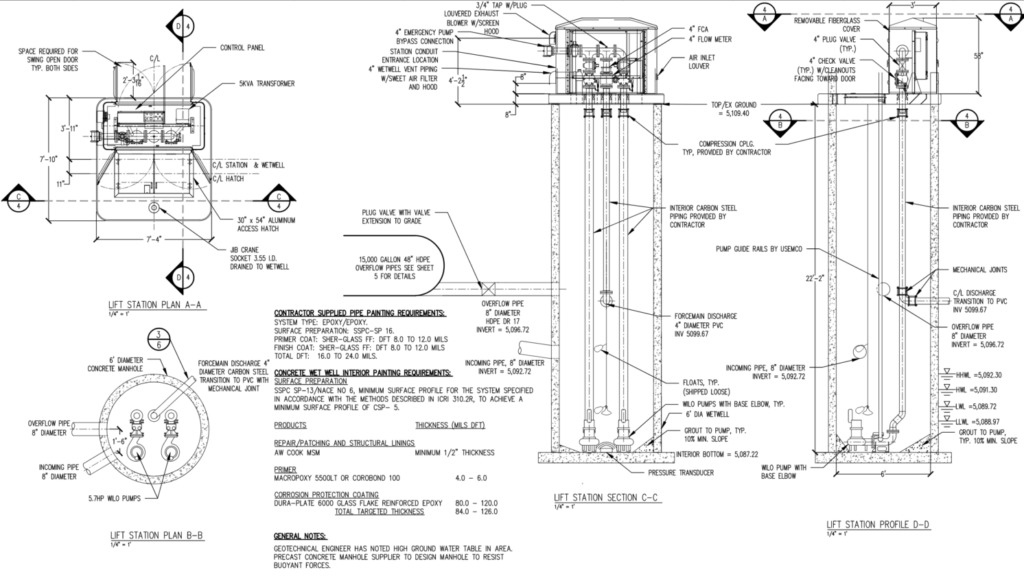
For wastewater collection systems, startup involves mandrel testing or video inspection of gravity sewer mains, air testing verifying watertightness, and lift station performance testing before utility acceptance.

MES coordinates startup milestones with Oklahoma contractors and aligns testing with lot release schedules so acceptance documentation is complete before certificates of occupancy are needed.

Oklahoma-specific construction delay sources include:

  • Red clay expansive soil conditions requiring additional lime stabilization beyond what geotechnical borings predicted, extending subgrade preparation timelines that schedules didn’t account for
  • ODEQ stormwater violation responses triggered by Oklahoma’s severe thunderstorms that produce erosion control failures faster than contractors from drier states anticipate
  • Tornado season ground saturation that reduces productive grading days below what schedules assumed based on experience in other markets
  • Rock excavation in Tulsa area developments where limestone and shale encountered below red clay profiles requires specialized equipment that wasn’t in original bids

MES addresses Oklahoma-specific delay sources through pre-construction coordination that establishes red clay protocols, ODEQ compliance systems, and severe weather response procedures before contractors mobilize.

Oklahoma’s severe weather season, particularly spring tornado season and summer thunderstorm frequency, creates construction administration obligations that distinguish Oklahoma from most other development markets.

Severe weather construction administration obligations include:

  • ODEQ stormwater response after significant rain events including site inspection, erosion control performance documentation, and corrective action implementation before construction resumes
  • Red clay moisture management during severe weather periods when excessive soil moisture affects lime stabilization timing and compaction quality control
  • Detention basin performance monitoring after storm events verifying outlet function and erosion control performance before scheduled agency inspections

MES maintains active construction administration presence during Oklahoma’s severe weather season, providing field response to storm events that creates the documentation record ODEQ compliance requires.

ODEQ requires specific inspection and testing milestones for water and wastewater systems before they can be placed in service in Oklahoma.

For water distribution systems, required milestones include pressure testing at 150 PSI for two hours with no measurable pressure drop, disinfection meeting ODEQ chlorination standards, and bacteriological sampling demonstrating absence of total coliform.

For wastewater collection systems, ODEQ requires mandrel testing or video inspection of gravity sewer mains, air testing verifying watertightness, and lift station performance testing before district acceptance.

Oklahoma local utility districts add their own inspection requirements beyond ODEQ minimums. MES coordinates ODEQ and district inspections simultaneously so they occur when construction is ready rather than becoming bottlenecks that idle Oklahoma construction crews.

Oklahoma development project closeout runs 4-8 weeks when documentation is assembled during construction and 3-5 months when assembled after construction finishes.

Oklahoma closeout documentation includes civil grading as-builts, ODEQ stormwater permit Notice of Termination with site stabilization documentation, red clay lime stabilization records, water and wastewater system acceptance packages, and local agency grading permit closeout with engineer certification.

MES compiles Oklahoma closeout documentation progressively during construction so acceptance packages are ready immediately after construction milestones complete rather than creating a backlog that delays final plat recording.

As-built documentation for an Oklahoma land development satisfies requirements from ODEQ, local agencies, and utility districts before public improvements can be accepted.

Required as-built documentation for Oklahoma land developments includes:

  • Civil grading as-builts showing finished grades, detention basin dimensions, and drainage outfall conditions as constructed
  • Red clay lime stabilization records documenting treatment areas, application rates, and compaction test results
  • Water distribution as-builts showing main alignments, valve locations, and service connections as installed
  • Wastewater collection as-builts showing gravity main alignments, manhole locations, and lift station equipment as installed
  • Pressure test records, bacteriological results, and pipe inspection results for ODEQ and utility acceptance

MES compiles Oklahoma as-built documentation progressively during construction producing more accurate records and preventing the documentation backlog that delays final plat recording.

Oklahoma-specific change order prevention requires addressing red clay and severe weather conditions before contractors mobilize:

  • Expansive soil investigation at representative site locations confirming lime stabilization requirements before contractor scope is finalized, so treatment costs are priced into original bids rather than discovered during subgrade preparation
  • ODEQ severe weather scope definition clearly establishing stormwater compliance obligations in contractor documents so storm response costs are priced into original bids
  • Coordinated civil and utility design so expansive soil treatment quantities account for both grading and utility trench requirements in a single integrated scope
  • Rock investigation in Tulsa area developments where surface geotechnical sampling may not reveal limestone and shale bedrock that grading and utility installation will encounter

MES combines these prevention practices with coordinated civil and utility design on Oklahoma projects, reducing change order exposure from both universal and red clay-specific causes.

The same firm that produced design documents isn’t required for Oklahoma construction administration, but using the design engineer produces better outcomes in Oklahoma’s red clay and severe weather environment.

Specific advantages in Oklahoma include:

  • Red clay treatment interpretation: engineers who specified lime stabilization requirements understand treatment intent when field conditions require adjustment of application rates or treatment depths based on actual soil moisture and clay content encountered during construction
  • Severe weather compliance: engineers who prepared ODEQ stormwater authorizations understand permit conditions when severe thunderstorm events require documentation of compliance measures that general construction administrators may not recognize as permit obligations
  • Drainage performance verification: engineers who designed detention basins recognize when post-storm drainage performance indicates compliance concerns before agency inspectors arrive

MES provides construction administration for Oklahoma developments where we produced the design and for developments where another firm produced documents but the developer needs qualified oversight during Oklahoma construction.

Failed inspections on Oklahoma development projects require corrective work and reinspection before construction can proceed, with consequences that vary by agency and violation type.

ODEQ stormwater inspection failures generate stop-work orders for grading activity until corrective best management practices are installed and ODEQ verifies compliance. Repeated violations generate escalating penalties and can affect ODEQ permit standing for future Oklahoma developments.

Local agency inspection failures for water and wastewater systems require identifying and repairing the source of test failures before retesting, adding time between construction completion and utility acceptance. Failed bacteriological samples require flushing, re-disinfection, and re-sampling that adds weeks to startup timelines.

MES addresses inspection failure risk through field observation at critical milestones before inspection points so compliance gaps get corrected at a fraction of the cost of failed inspection corrective work.

Compared to Texas, Oklahoma shares expansive clay soil conditions but red clay profiles create different lime stabilization requirements than Texas blackland prairie or Houston Gulf Coast conditions. ODEQ stormwater compliance requirements are similar in scope to Texas TCEQ construction permits but with Oklahoma-specific severe thunderstorm response obligations. Oklahoma lacks Texas’s MUD district infrastructure complexity while sharing similar severe weather construction challenges.

Compared to Kansas, Oklahoma’s red clay expansive soil conditions are more prevalent and require more extensive lime stabilization than Kansas agricultural soil profiles. Oklahoma shares similar severe thunderstorm construction compliance obligations with Kansas while facing tornado season construction constraints that Kansas experiences similarly but with different regional frequency patterns.

MES applies Oklahoma-specific red clay compliance protocols, ODEQ stormwater requirements, and severe weather construction management rather than approaches from Texas or Kansas.

Talk to an Engineer

Oklahoma construction administration coordinates contractors, county inspectors, and red clay testing through severe weather season and seasonal constraints. We’ll review your project status and outline engineering support in a 15-minute call.