
Modern Engineering Solutions

Wastewater Engineering
For Oklahoma Land Development

Oklahoma wastewater engineering means treatment plants surviving EF4 tornadoes with 200 MPH winds, collection systems in red clay soils prone to expansion and contraction, and lagoon systems serving rural communities across the state’s agricultural landscape. From Oklahoma City metro growth to Tulsa corridor development, our systems function in Oklahoma’s severe weather, clay geology, and DEQ regulatory framework across diverse municipal and rural settings.

Engineering Built for Outcomes, Not Overhead

Oklahoma wastewater projects stall when engineers apply collection system design from other states to an environment where red clay soil conditions, ODEQ discharge permitting, and severe storm infiltration and inflow patterns create challenges that generic approaches miss.

Value Over
Hours

We price Oklahoma wastewater engagements around confirmed outcomes: ODEQ permits approved, treatment capacity secured in writing, and collection systems designed for Oklahoma’s red clay excavation conditions before contractors encounter them during grading.

Speed as a Design Constraint 

ODEQ discharge permit timelines directly affect when Oklahoma developers can break ground. Complete applications clear review faster than incomplete ones, protecting construction windows that Oklahoma’s tornado season and severe thunderstorm frequency have already shortened.

Deep Work, Not Meeting Culture

Treatment capacity constraints, red clay collection system routing, severe storm I&I analysis, and ODEQ technical criteria get resolved through engineering before applications are filed. Reviewers receive complete packages because Oklahoma-specific wastewater problems were solved before submission.

AI as Leverage, Not a Shortcut

AI handles ODEQ documentation and calculation formatting so licensed Oklahoma PEs focus on collection system design, lift station sizing, and red clay coordination across Oklahoma City metro, Tulsa, Norman, and Edmond developments.

What We Do

Modern Engineering Solutions delivers wastewater engineering for Oklahoma land development including treatment planning, DEQ permitting, collection system design, and construction oversight statewide.
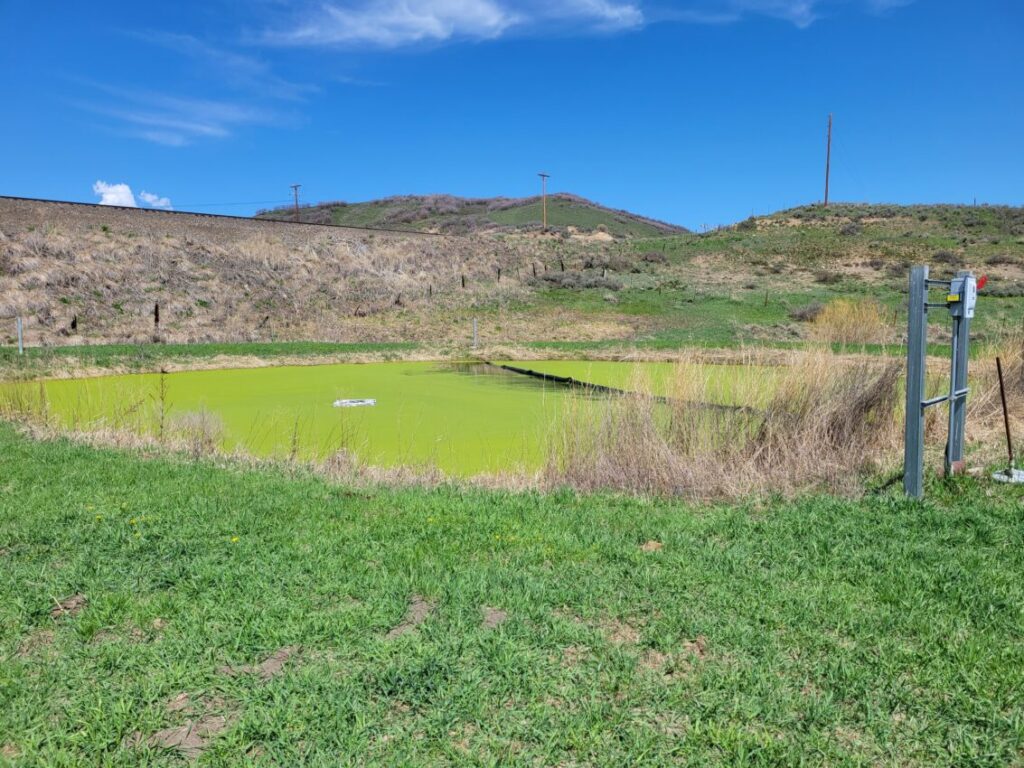
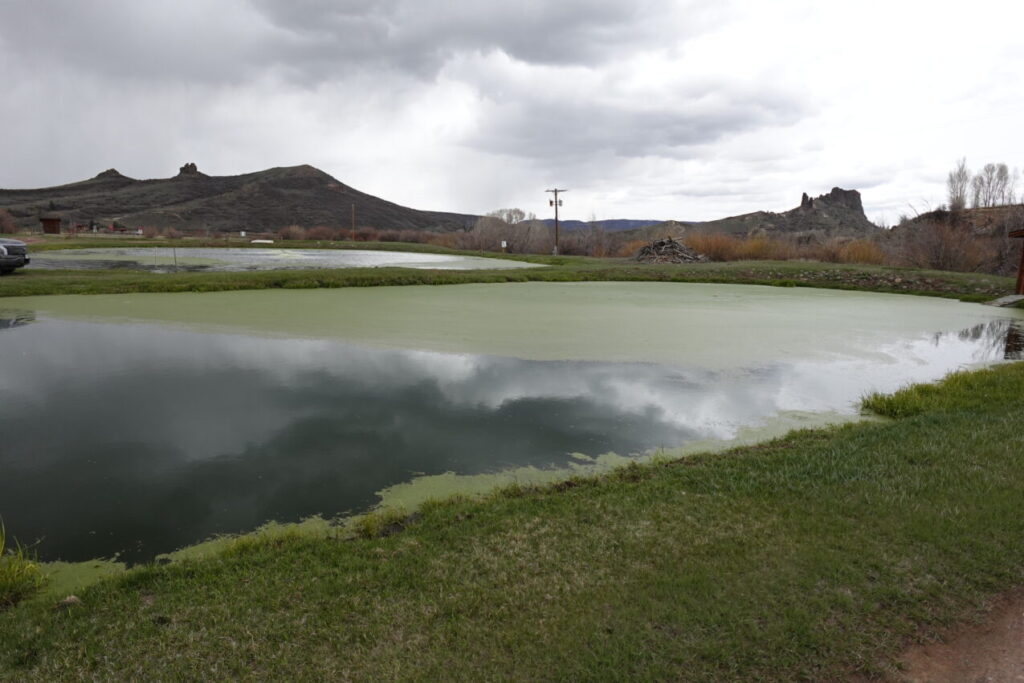
Wastewater treatment throughout Oklahoma often relies on stabilization lagoons because they provide reliable performance at operating costs rural communities can afford and withstand severe weather including tornadoes better than mechanical facilities with vulnerable equipment. Small towns across central and western Oklahoma lack certified operators making mechanical plants impractical.

Lagoons function across Oklahoma temperature extremes from subzero January through 100°F July providing adequate treatment with minimal oversight. Developments near Oklahoma City or Tulsa metro areas sometimes justify mechanical treatment because land costs make lagoons uneconomical and municipal connections provide alternatives. Discharge to streams requires meeting Oklahoma Water Quality Standards varying by beneficial use classification.

Communities along I-35 and I-40 corridors see growth pressuring existing lagoon capacity requiring expansion analysis. Treatment selection balances capital costs, long-term operations budgets, tornado resilience, and operator availability. Oklahoma’s practical regulatory approach recognizes rural economic realities and severe weather challenges.
DEQ wastewater permits in Oklahoma require engineering reports demonstrating treatment meets stream standards, adequate land exists for lagoons if applicable, and facilities can withstand severe weather including tornado wind loads. Oklahoma Pollutant Discharge Elimination System permits for surface water discharge include effluent limits based on receiving stream classification. Small community permits often include compliance schedules recognizing budget constraints.

Land application permits need agronomic rate calculations showing soils can absorb applied wastewater without groundwater contamination. Lagoon designs address ice cover during winter affecting performance and algae growth during summer impacting discharge quality.

DEQ staff work pragmatically with communities finding economically viable solutions rather than imposing standards small systems cannot afford. Applications including complete treatment performance data, site plans, and severe weather resilience documentation receive approval in 12-16 weeks. Missing technical components or inadequate tornado protection analysis extends review to 26-32 weeks.
Plans for Oklahoma wastewater systems specify tornado-resistant construction for critical structures, materials handling red clay soil movement and freeze-thaw cycles, and equipment anchoring surviving severe weather. Treatment plant buildings need reinforced construction or below-grade placement protecting equipment from EF3-EF5 tornadoes capable of generating 200+ MPH winds. Lagoon designs show berm construction in red clay soils, emergency overflow provisions for intense rainfall events, and winter ice management.

Collection system details address joint flexibility accommodating clay soil expansion and contraction from seasonal moisture changes. Lift stations bury wet wells and place critical controls below grade when possible. Specifications address tornado debris impact resistance. Frost protection extends 24-30 inches below grade. Plans match DEQ permit conditions showing treatment capacity, discharge limits, and severe weather protection exactly as approved. Oklahoma-specific details reflect Tornado Alley construction realities.
Oklahoma collection systems experience infiltration during spring when intense thunderstorms and occasional flooding saturate red clay soils creating temporary high water tables, and rainfall-dependent inflow from illegal connections during severe weather events. Red clay throughout most of Oklahoma swells when wet and shrinks during dry periods creating joint separation allowing groundwater entry. Older systems in communities like Norman, Stillwater, or Lawton built before modern sealing standards see significant infiltration.

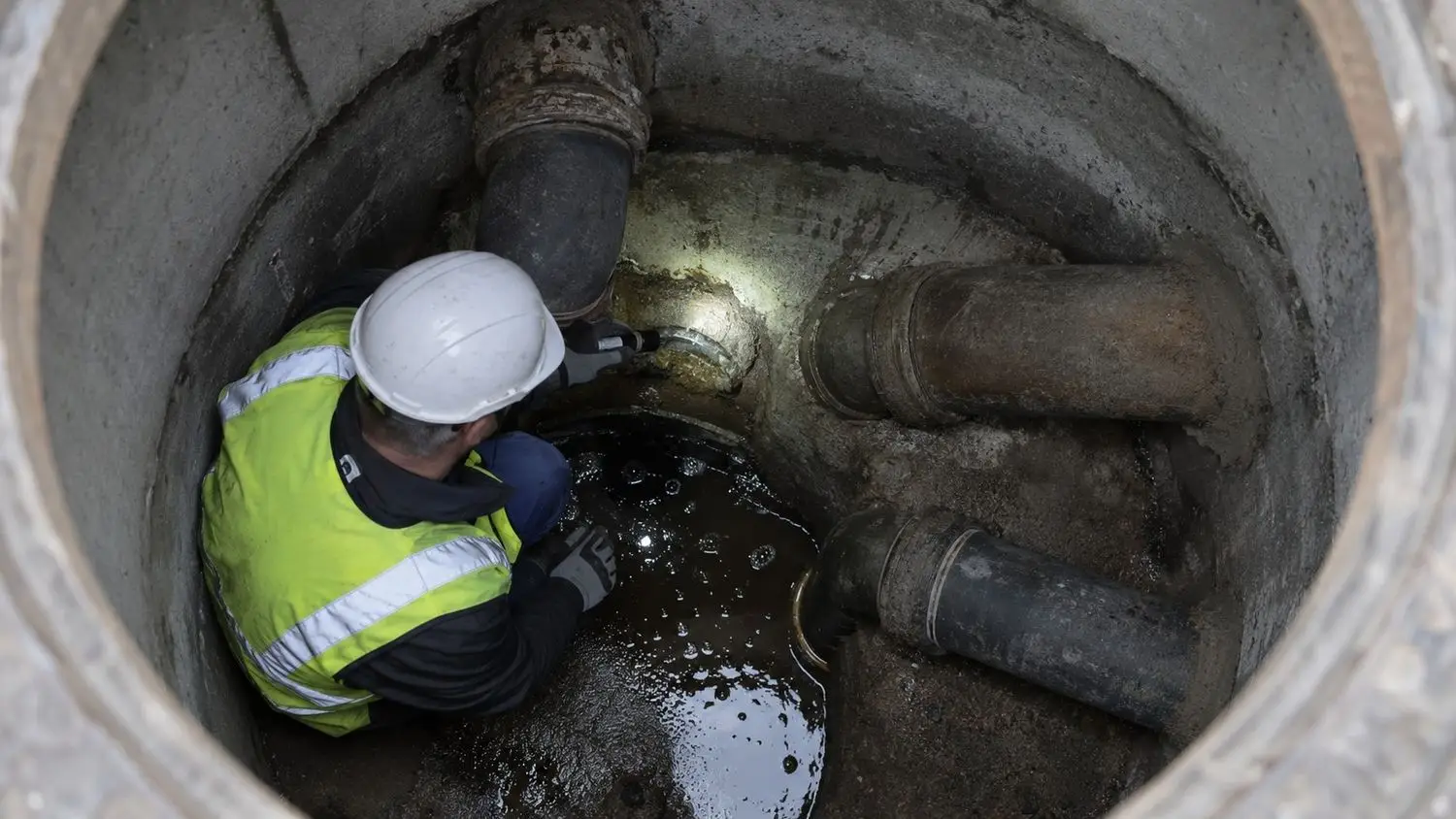
Flow monitoring during March through June captures peak infiltration when spring storms dominate weather patterns. Camera inspections identify pipe sections with cracks or separated joints from clay movement. Smoke testing locates illegal stormwater connections. Rehabilitation focuses on sections where repair costs less than treatment plant expansion. DEQ increasingly scrutinizes infiltration because treating groundwater wastes capacity and energy needed for actual sewage treatment.
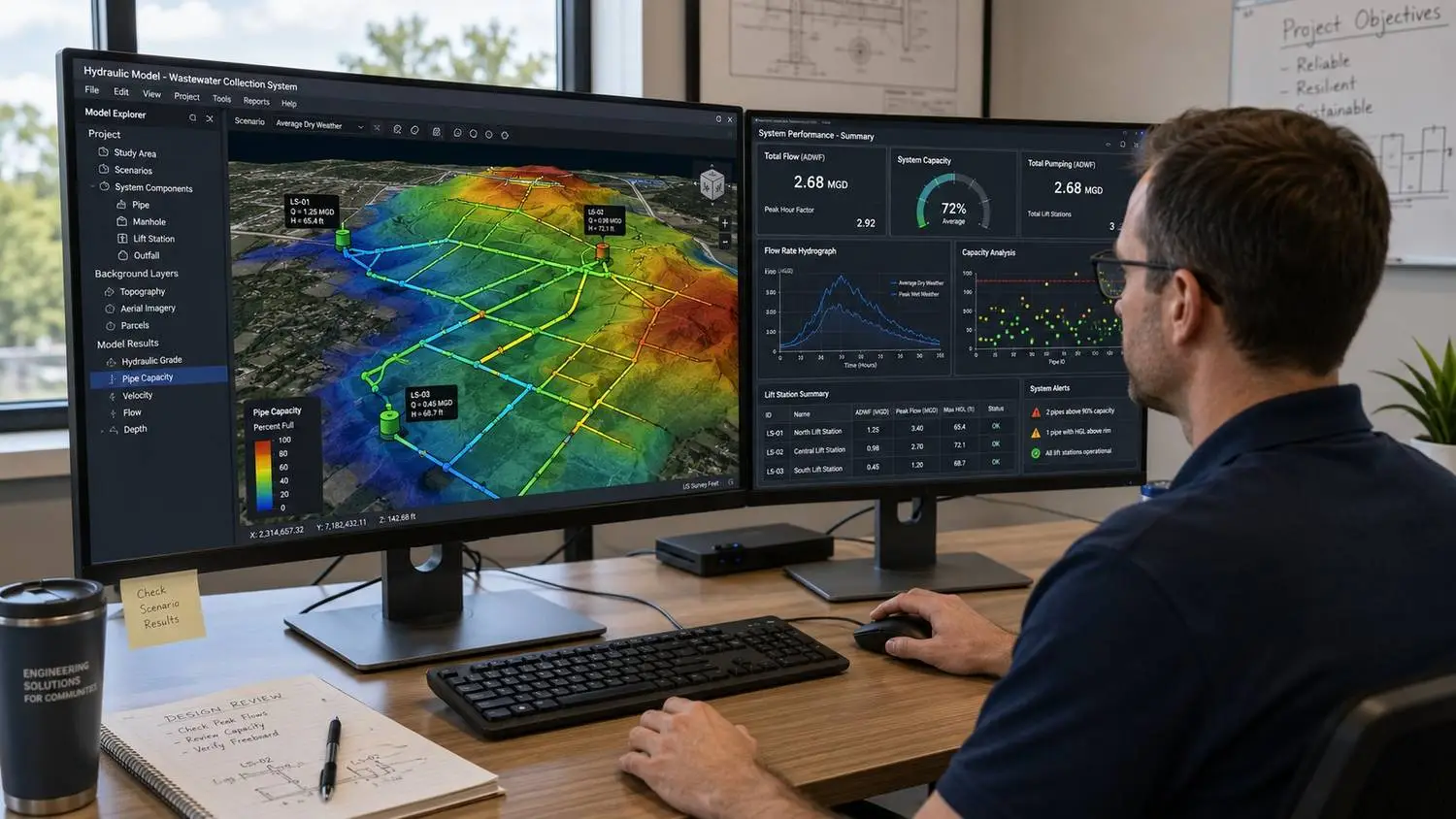
Collection system models for Oklahoma account for relatively flat terrain in western areas versus rolling hills in eastern counties, red clay infiltration during wet periods, and capacity for intense thunderstorm events delivering 4-5 inches in short periods during spring severe weather season. Most terrain provides moderate slopes requiring careful velocity calculations maintaining self-cleaning flows. Clay soil infiltration gets modeled for spring wet conditions.

Lift station wet well sizing accounts for seasonal flow variations. Small town systems need analysis demonstrating adequate capacity for growth often tied to nearby highway improvements or casino developments attracting population. Tornado scenarios test whether backup power provides adequate runtime during extended utility outages following severe weather. Models support DEQ permit applications showing system capacity under various conditions. Hydraulic analysis helps communities justify infrastructure investments to city councils when rates face resistance.
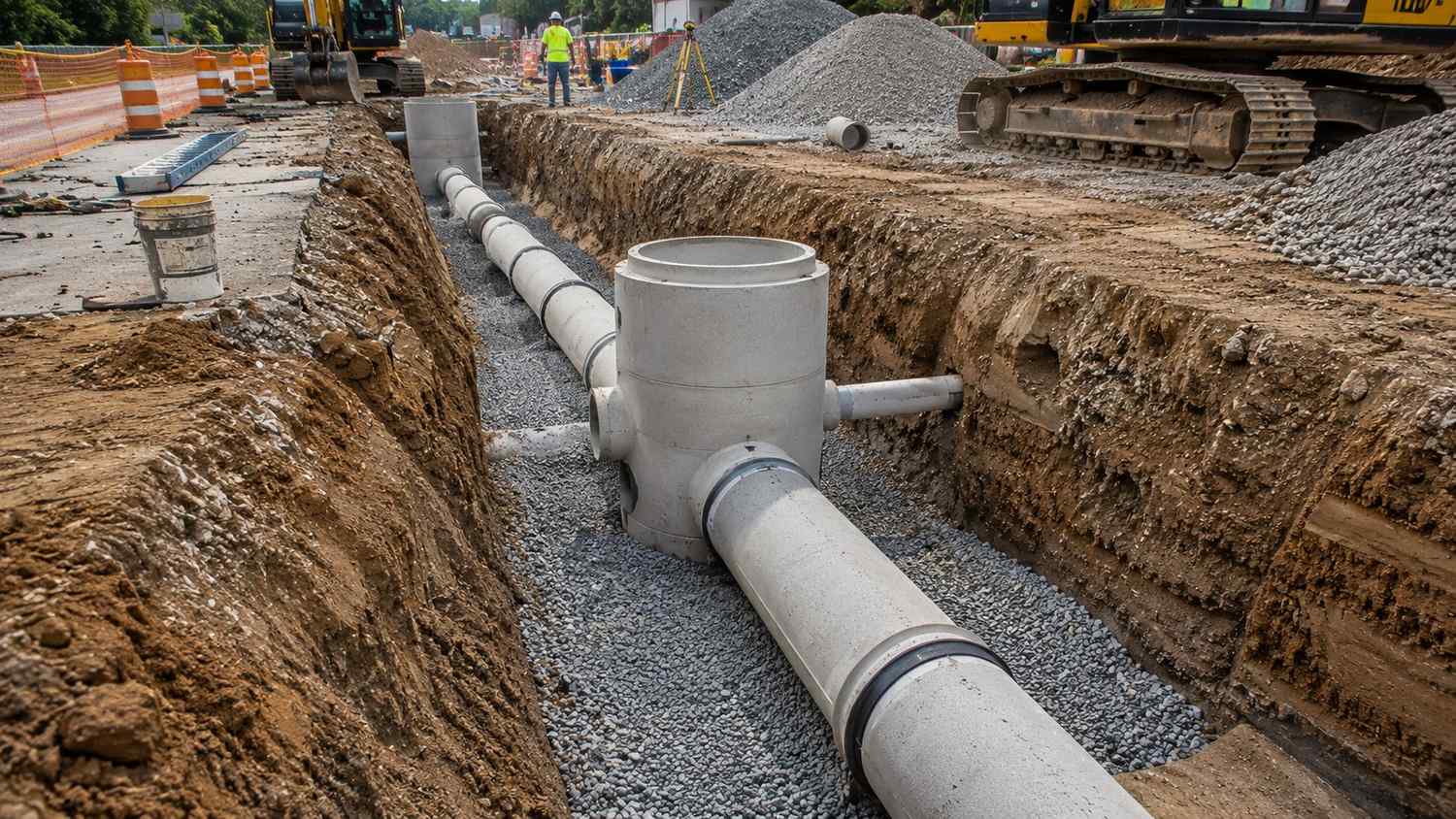
Designing gravity sewers in Oklahoma means addressing red clay soils requiring flexible joints and controlled density backfill, frost protection burying mains 24-30 inches minimum depth, and tornado debris impact considerations for exposed appurtenances. Red clay swells when moisture increases and shrinks during dry periods creating pipe movement stressing joints without proper installation. Controlled density fill prevents excessive settlement.

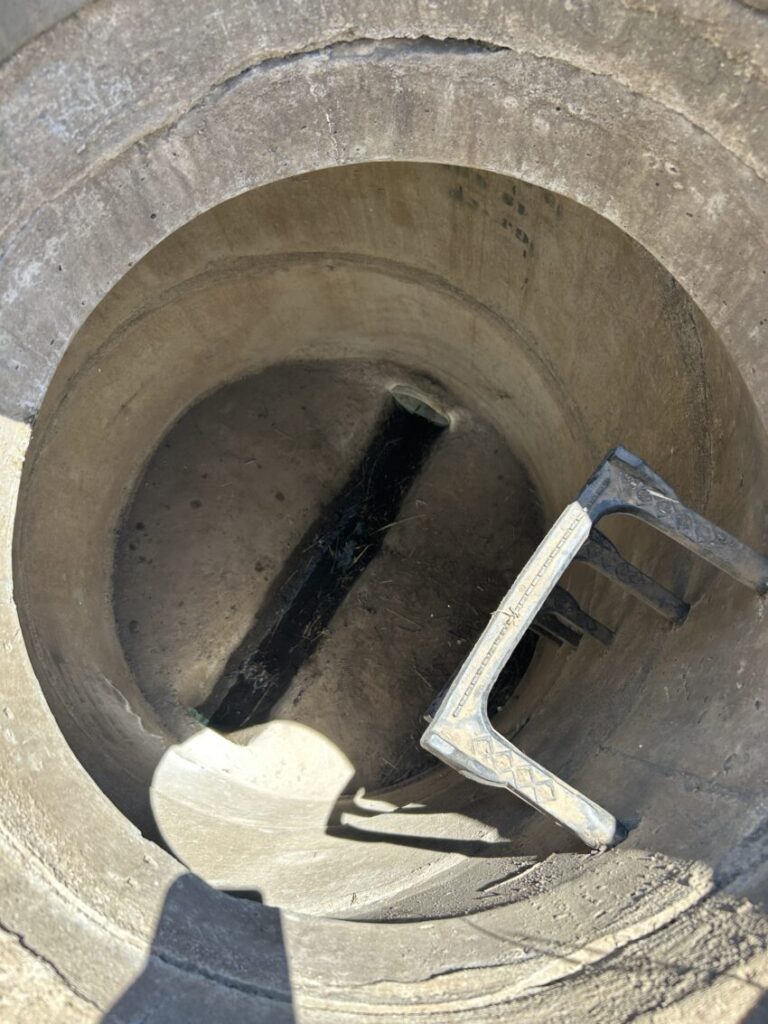
Minimum slopes maintain velocities preventing deposition. Manholes need watertight construction and tornado-resistant frames because severe weather can displace standard castings. Force mains size for minimum velocities but avoid excessive pressure from pumping across flat terrain.

Lift stations locate considering tornado shelter provisions when possible. Small community systems use simplified designs because certified operators for complex controls remain unavailable in rural areas. Rural developments balance performance against realistic maintenance capabilities available across Oklahoma’s agricultural landscape.
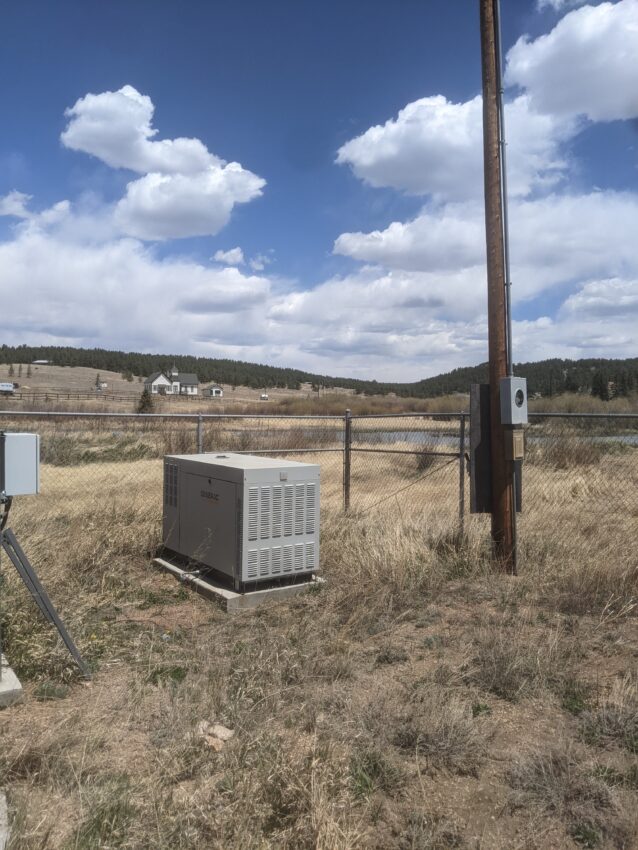
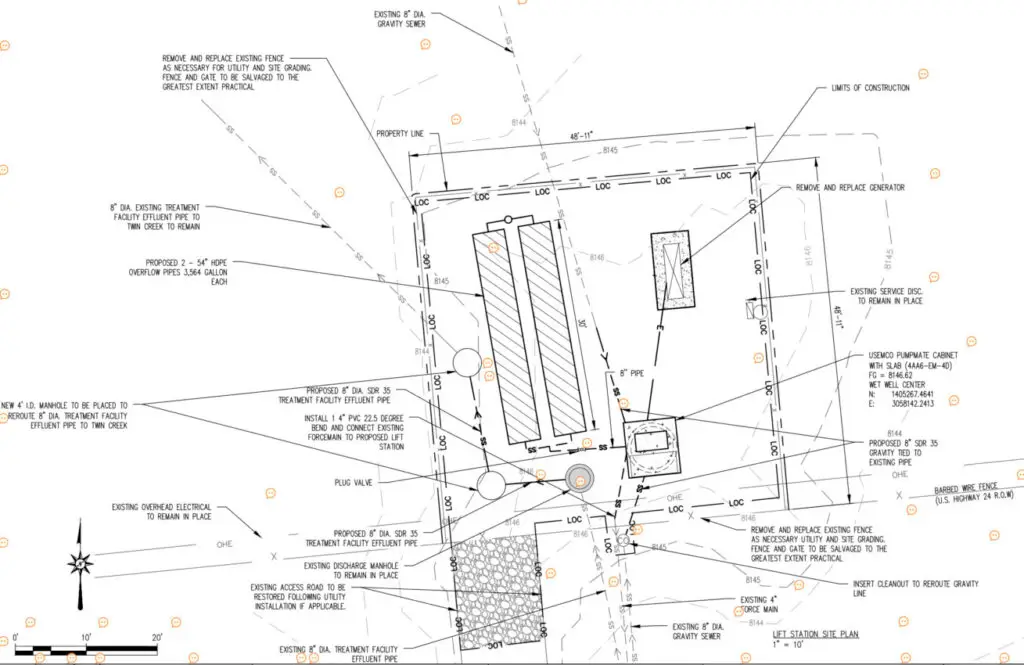
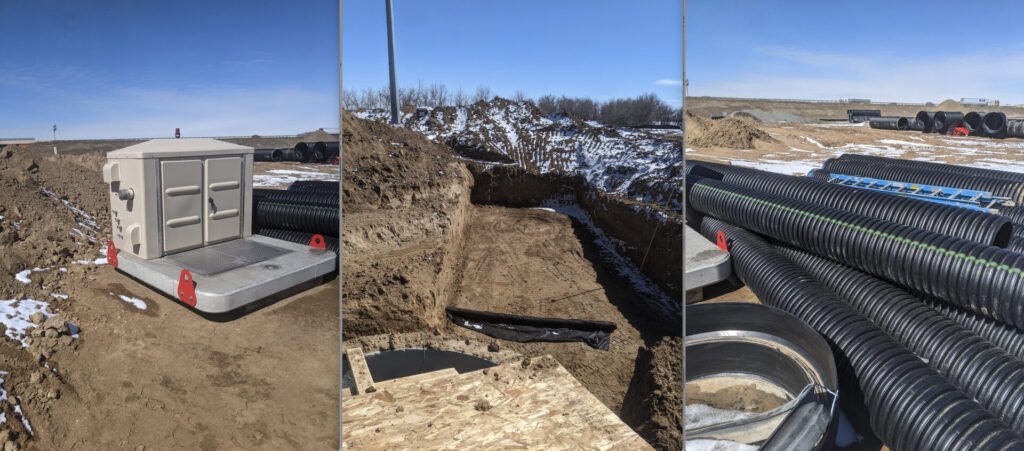
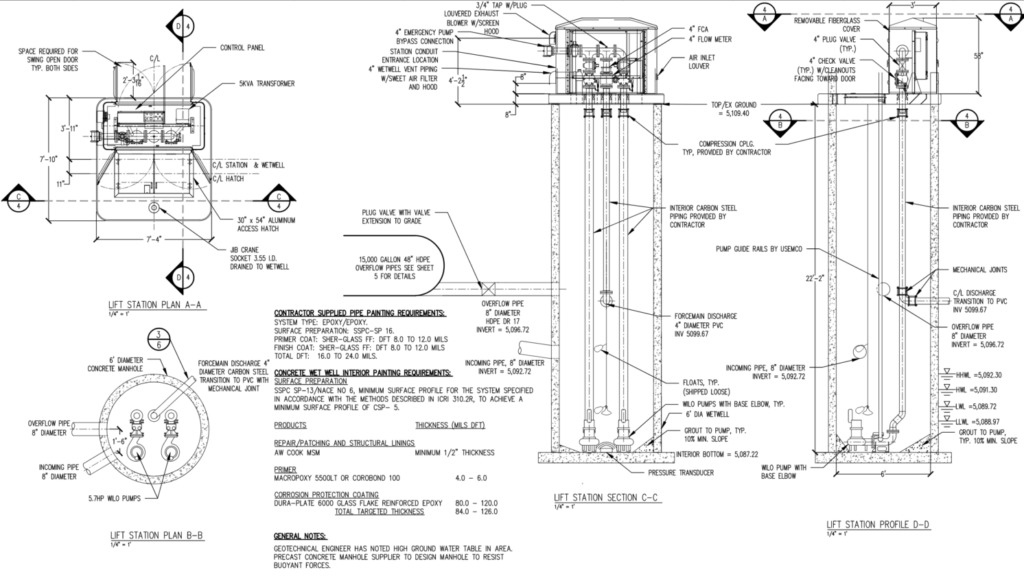
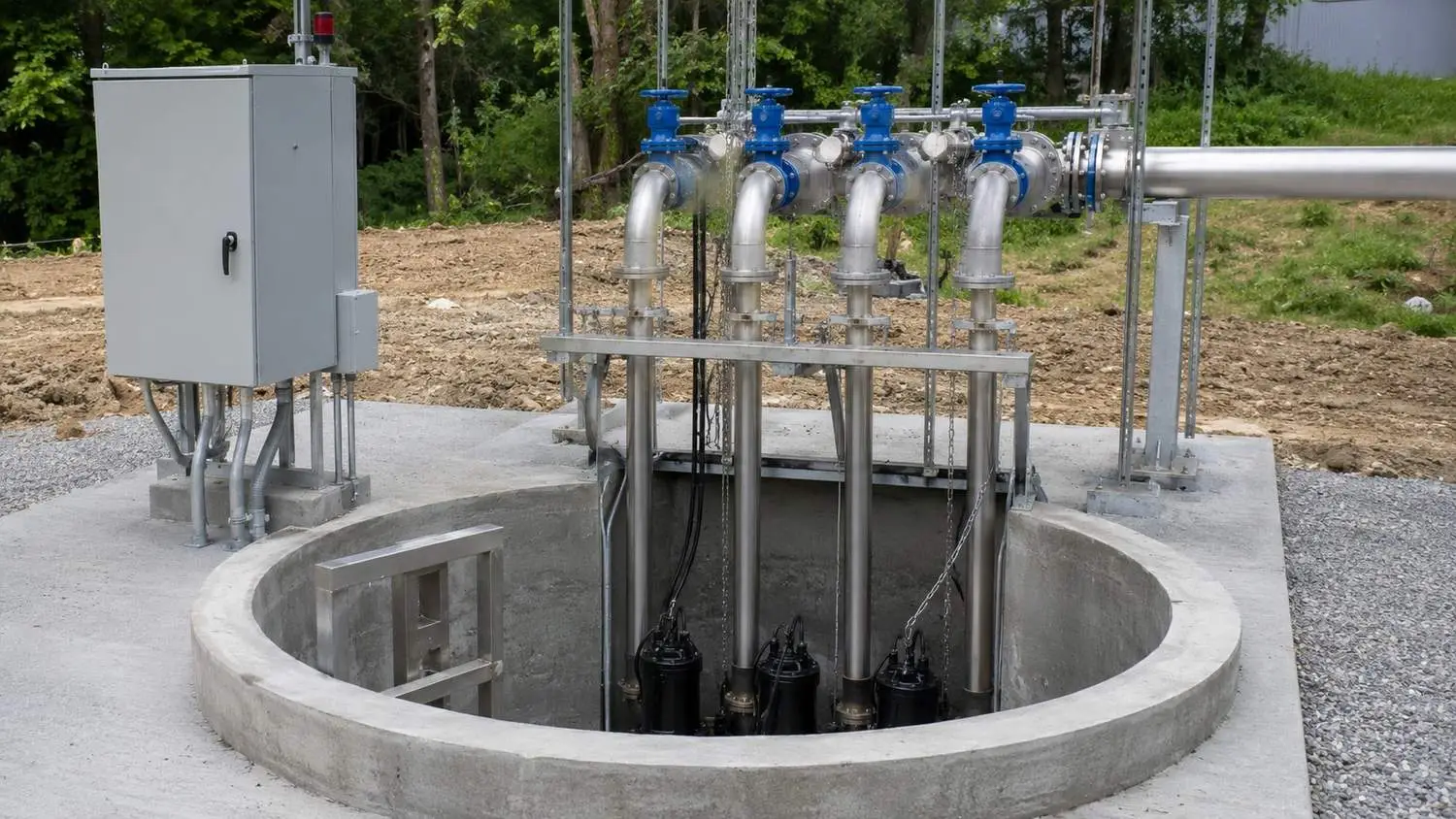
Oklahoma lift stations require tornado-resistant construction protecting critical equipment from EF3-EF5 winds, wet wells buried below grade, and backup power with protected fuel storage surviving severe weather. Buildings need reinforced construction or below-grade placement. Variable frequency drives provide efficient operation. Backup generators require tornado-resistant enclosures or below-grade installation because above-grade equipment becomes projectiles during tornadoes.

Odor control addresses complaints in small towns where stations locate near homes. Wet well sizing accounts for seasonal flow variations. Pump selection considers operating costs because rural electric cooperatives charge tiered rates. Telemetry systems allow monitoring during tornado warnings when personnel shelter. Stations serving small communities need simple designs maintainable by generalist public works staff because certified wastewater operators are scarce across rural Oklahoma. Tornado protection takes priority because Oklahoma experiences more tornadoes per square mile than any state.

Our Approach

Oklahoma wastewater projects start with treatment capacity confirmed and ODEQ requirements established before design begins.

Capacity Confirmed First

Available treatment allocation gets confirmed in writing with the serving utility before collection system design begins. Oklahoma City metro, Tulsa area, Norman, and Edmond utility districts each face different capacity constraints that written confirmation establishes before engineering resources commit to systems that depend on capacity that hasn’t been formally reserved.

Hydraulic Modeling From Day One

Collection mains get sized using hydraulic modeling based on your actual Oklahoma development program. Oklahoma City metro’s varied terrain creates different gravity sewer slope opportunities than Tulsa area’s more rolling topography, and severe storm I&I patterns in older Oklahoma collection systems require wet weather flow factors that dry weather models miss.

ODEQ Permit Assembly

Discharge permit applications reach ODEQ with complete hydraulic calculations, collection system plans, lift station documentation, and treatment capacity confirmation assembled as one package. Applications get structured around ODEQ’s specific permit criteria rather than generic submittals that generate information requests extending timelines.

Construction Through Acceptance

Pipe installation depths, red clay conditions during trenching, and lift station connections get observed in the field before backfill covers conditions inspection won’t catch. Acceptance documentation gets compiled progressively so utility district acceptance doesn’t hold up certificates of occupancy.

Projects

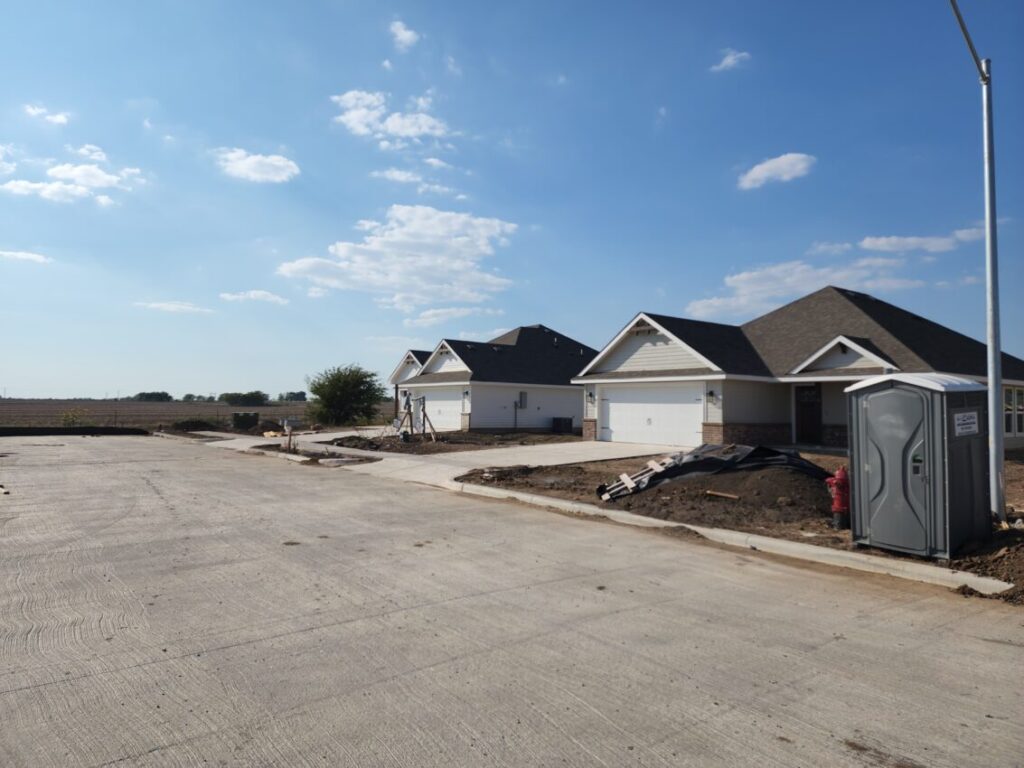
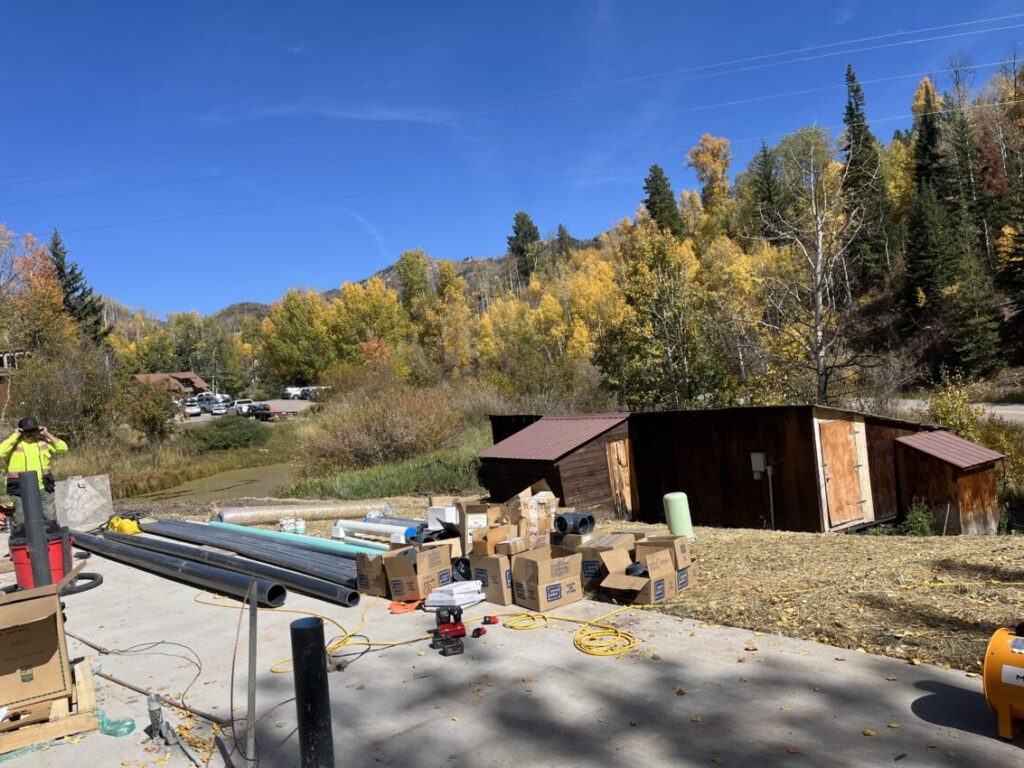
Modern Engineering Solutions delivers water and wastewater engineering across diverse regulatory environments, demonstrating efficient permitting and site-specific design expertise.

Why Choose Modern Engineering Solutions

Why Choose MES

1

Systems Sized for Buildout

Flow projections use your actual Oklahoma development program rather than assumptions that undersize systems when later phases add demand. Lift stations get designed for ultimate buildout capacity so Phase 1 infrastructure serves Phase 4 without replacement.

2

Permits Clear First Time

ODEQ discharge permit applications include complete hydraulic documentation, pipe sizing calculations, and treatment capacity confirmation assembled before first submission. Developers working with us don't discover a permit timeline extended by months because the original application was incomplete.

3

Phasing Matches Capacity

Lot release schedules get checked against treatment plant expansion timelines before absorption commitments go to builders. Oklahoma utility districts expanding capacity have construction timelines that phasing schedules have to account for before builder contracts are signed.

4

No Coordination Gaps

Collection system alignments get routed with grading elevations, red clay conditions, and utility corridors already established. Oklahoma's varied terrain between Oklahoma City metro and Tulsa area creates different gravity sewer slope opportunities that coordinated design optimizes rather than leaving to field adjustment during construction.

Frequently Asked Questions

Wastewater treatment planning and ODEQ discharge permitting for an Oklahoma City metro subdivision need to advance together. Treatment planning determines system type, sizing, and discharge location. The ODEQ permit documents that the proposed system meets Oklahoma water quality standards.

MES handles both for Oklahoma City metro land developers, coordinating treatment planning with ODEQ permit requirements from the first design session so applications arrive complete rather than generating information requests that reset the review clock.

Hydraulic modeling and collection system design for a Tulsa County development require familiarity with Tulsa area utility standards and the collection system conditions that northeastern Oklahoma’s Arkansas River basin hydrology creates.

Tulsa area collection system design involves:

  • Flow projections reflecting Tulsa County’s residential and commercial development patterns
  • Pipe slope design accounting for Tulsa area’s rolling terrain that provides more gravity sewer grade than Oklahoma City metro’s flatter development areas
  • Severe storm I&I factors for wet weather flows that Oklahoma’s intense thunderstorms generate in older Tulsa area collection systems
  • Red clay and shale soil conditions specific to Tulsa County that affect collection main excavation costs differently than Oklahoma City metro red clay profiles

MES provides hydraulic modeling and collection system design for Tulsa County developments coordinated with civil grading simultaneously.

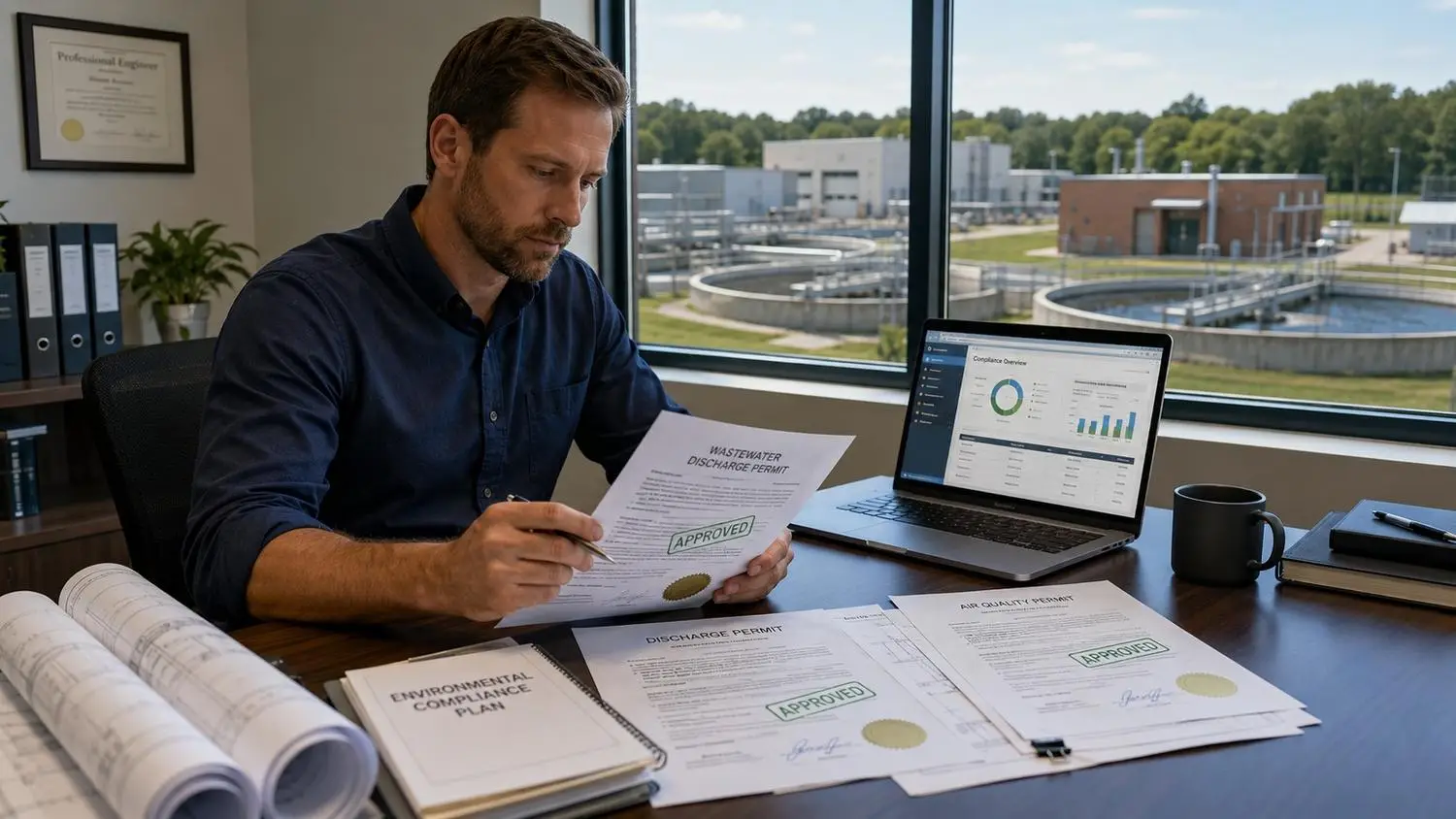
Complete ODEQ wastewater discharge permit applications typically take 30-60 days from submission to approval. A complete application includes hydraulic calculations demonstrating collection system capacity, collection system design drawings, treatment capacity confirmation from the serving utility, and lift station documentation where pump stations are required.

MES assembles complete ODEQ permit packages before first submission so baseline review timelines reflect actual agency processing rather than information request cycles that add months to schedules.

Infiltration and inflow analysis evaluates how much groundwater and stormwater enters a wastewater collection system through pipe defects and improper connections. Oklahoma developments may need I&I analysis when connecting to older Oklahoma City metro or Tulsa area collection systems where Oklahoma’s severe thunderstorm events create significant stormwater inflow through manhole lids and improper service connections that exceed system capacity during storm events.

MES evaluates I&I requirements during Oklahoma wastewater due diligence, confirming whether connecting utilities have capacity restrictions affecting connection feasibility before design investment is committed.

Confirming treatment capacity in Oklahoma requires written allocation commitment from the serving utility, not verbal assurance. Oklahoma City metro, Tulsa area, Norman, and Edmond utility districts have capacity constraints that change as projects commit allocations between your due diligence and connection application.

MES coordinates written capacity confirmation during Oklahoma wastewater due diligence so developers know what’s available before committing design resources to systems that depend on capacity that hasn’t been formally reserved.

Collection system change orders on Oklahoma development sites most commonly come from:

  • Red clay conditions along collection main alignments requiring lime stabilization of trench backfill that wasn’t included in original bids because soil treatment scope wasn’t fully defined before bidding
  • Rock encountered below red clay profiles in Tulsa area developments where limestone and shale bedrock creates excavation costs that surface soil sampling doesn’t reveal
  • Grade conflicts where collection mains designed without civil grading coordination require field redesign when finished grades don’t provide adequate gravity flow slope

MES advances wastewater and civil engineering together on Oklahoma projects, resolving red clay treatment scope and grade conflicts during design when fixes cost hours rather than during construction.

A lift station pumps wastewater from a lower elevation to a higher elevation where gravity flow becomes achievable. Oklahoma developments need lift stations when terrain prevents gravity collection from reaching the connection point. Oklahoma City metro’s generally flat terrain creates more frequent lift station requirements than Tulsa area’s more rolling topography, which provides better natural gravity sewer grade opportunities.

Oklahoma-specific lift station considerations include severe storm wet weather flow sizing that Oklahoma’s intense thunderstorms generate through I&I in collection systems, emergency power provisions ODEQ requires for stations serving significant populations, and red clay foundation conditions affecting wet well structural design. MES designs Oklahoma lift stations sized for full buildout flow including wet weather I&I factors.

Yes. Red clay conditions affect both grading design and collection system excavation simultaneously, and lime stabilization scope that grading engineers calculate needs to account for utility trench areas that wastewater engineers define. When civil and wastewater design advance independently, lime stabilization quantities get calculated without utility trench areas included, producing contractor bids that require revision after coordination reveals the full treatment scope.

MES advances wastewater and civil engineering simultaneously on Oklahoma projects because red clay conditions make design-phase coordination significantly cheaper than post-bid scope revision.

Running out of treatment capacity before buildout completes creates a direct block on certificates of occupancy for finished lots. Oklahoma utility districts at permitted capacity cannot accept new connections until expansion comes online, and treatment plant expansions typically require 18-30 months from design through construction.

MES coordinates capacity confirmation and phasing alignment during Oklahoma wastewater due diligence rather than after the problem surfaces mid-project.

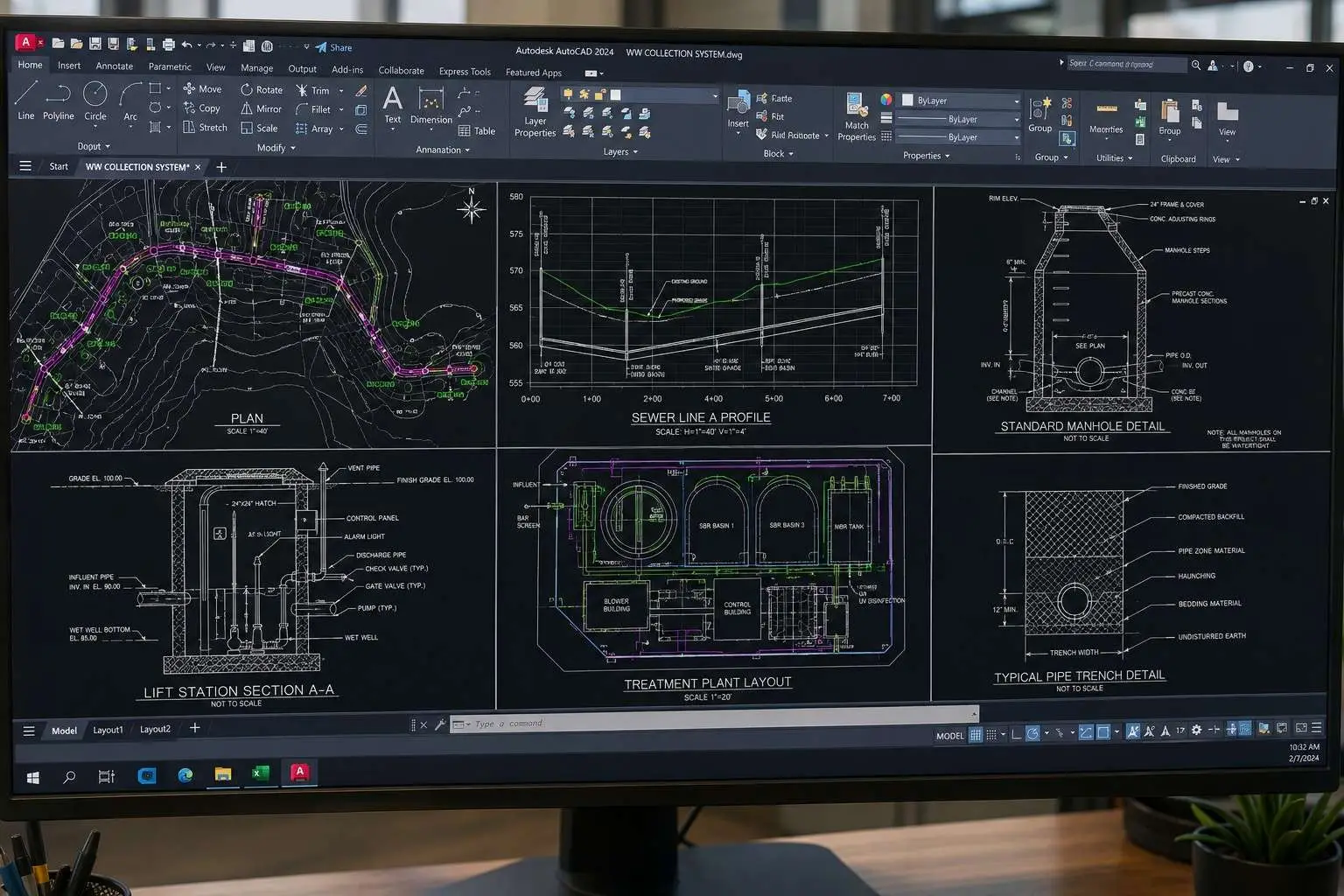
Construction drawings for an Oklahoma wastewater collection system typically include:

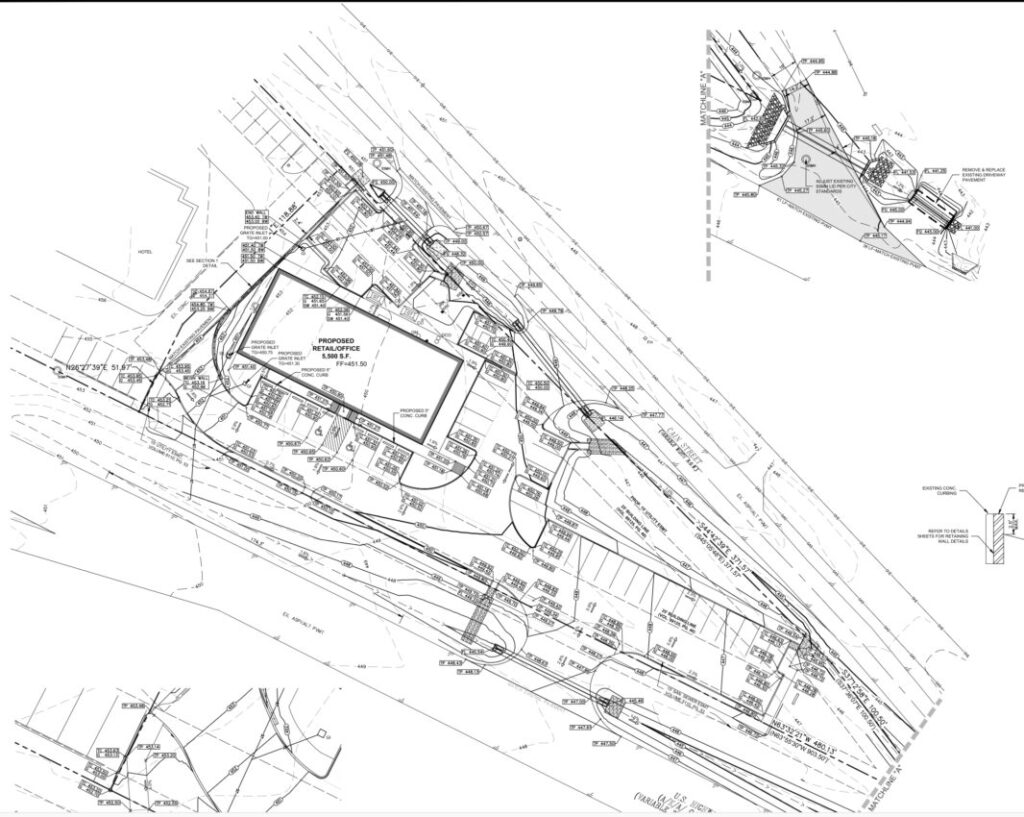
  • Plan and profile sheets showing gravity main alignments, pipe sizes, slopes, and depths with red clay condition notes and lime stabilization trench backfill specifications
  • Manhole detail sheets meeting serving utility construction standards
  • Lift station plan and detail sheets sized for Oklahoma severe storm wet weather flows
  • Force main plan and profile sheets
  • Service lateral detail sheets for individual lot connections

MES produces construction drawings satisfying both ODEQ permit requirements and serving utility construction standards simultaneously.

ODEQ requires construction drawings as part of wastewater permit applications. However, permit preparation and drawing development can advance simultaneously. MES structures Oklahoma wastewater permitting to advance permit preparation alongside drawing development, compressing the overall timeline without sacrificing the technical completeness ODEQ requires for first-pass approval.

Compared to Texas, Oklahoma shares expansive clay soil conditions but red clay profiles create different collection system trench backfill treatment requirements than Texas blackland prairie or Gulf Coast clay conditions. ODEQ discharge permit timelines of 30-60 days compare similarly to TCEQ but with Oklahoma-specific severe storm I&I analysis requirements for connections to older collection systems.

Compared to Kansas, Oklahoma’s red clay conditions create more extensive lime stabilization requirements for collection system trench backfill than Kansas agricultural soil profiles. Oklahoma shares similar severe thunderstorm I&I patterns with Kansas while facing more prevalent expansive soil treatment requirements that Kansas’s agricultural conversion sites don’t produce as consistently.

MES applies Oklahoma-specific red clay coordination, severe storm I&I analysis, and ODEQ permitting requirements rather than approaches from Texas or Kansas.

Talk to an Engineer

Oklahoma wastewater projects need DEQ permits, tornado-resistant design, and red clay collection systems. We’ll review your project specifics and outline engineering requirements in a 15-minute call.