
Modern Engineering Solutions

Water Engineering
For Oklahoma Land Development

Oklahoma water engineering means distribution systems surviving EF4 tornadoes with 200 MPH winds, treatment plants removing iron and manganese from groundwater, and supply planning in areas where Rural Water Districts dominate service provision. From Oklahoma City metro expansion to Tulsa area growth, our systems function in Oklahoma’s severe weather, red clay geology, and DEQ regulatory framework coordinating with numerous rural water authorities.

Engineering Built for Outcomes, Not Overhead

Oklahoma water projects fail when engineers overlook OWRB water rights allocation requirements, red clay distribution main bedding conditions, and severe storm peak demand patterns that annual average calculations consistently miss.

Value Over
Hours

We price Oklahoma water engagements around confirmed outcomes: ODEQ distribution permits approved, OWRB water rights confirmed, and storage sized for Oklahoma’s summer peak demand rather than annual averages that fail when Oklahoma City metro and Tulsa area outdoor irrigation and cooling demand peaks simultaneously.

Speed as a Design Constraint 

OWRB water rights confirmation and ODEQ permit timelines affect when Oklahoma developers can commit to builder presales. We treat both as schedule inputs from the first project meeting rather than parallel processes that create surprises when they don’t align with construction timelines.

Deep Work, Not Meeting Culture

Water rights analysis, red clay pipe bedding design, pressure zone coordination, and ODEQ technical criteria get resolved through engineering before applications are filed. OWRB and ODEQ reviewers receive complete packages because supply questions and hydraulic gaps were answered before submission.

AI as Leverage, Not a Shortcut

AI handles ODEQ documentation and hydraulic calculation outputs so licensed Oklahoma PEs focus on water rights confirmation, distribution design, and red clay coordination across Oklahoma City metro, Tulsa, Norman, and Edmond developments.

What We Do

Modern Engineering Solutions delivers water engineering for Oklahoma land development including supply evaluation, treatment planning, DEQ permitting, and distribution system design statewide.
Oklahoma groundwater typically contains elevated iron and manganese requiring removal preventing fixture staining and consumer complaints, hardness often exceeding 350 mg/L necessitating softening for acceptance, and occasional radium in some aquifer formations. Treatment technology selection balances capital costs for aeration and filtration systems against long-term operations budgets small communities can afford. Developments near Oklahoma City or Tulsa may connect to municipal supplies avoiding independent treatment costs.

Rural areas often rely on Rural Water District extensions when available because districts consolidated supply from multiple towns achieving economies of scale. Package plants offer simplicity but mechanical systems need operators scarce in rural Oklahoma. Simple aeration with pressure filters sometimes suffices for iron removal at costs maintainable by limited rate revenue. Treatment planning recognizes Oklahoma rural economic reality and tornado resilience requirements because above-grade facilities become vulnerable to severe weather damage.
Public Water System permits from DEQ require engineering reports documenting source capacity through aquifer testing, treatment meeting primary and secondary drinking water standards, and distribution providing adequate pressure and fire flow. Groundwater sources need pump testing demonstrating sustainable yield without depleting aquifer or interfering with nearby wells. Treatment designs address iron, manganese, and hardness removal common throughout Oklahoma.

Fire flow calculations satisfy local fire districts. Small systems serving under 500 people face simplified requirements recognizing limited technical capacity. Tornado-resistant design documentation shows critical infrastructure can survive severe weather. DEQ staff work pragmatically with rural communities finding compliant solutions within economic constraints. Applications including complete aquifer testing, water quality analysis, and tornado protection documentation receive approval in 14-18 weeks. Missing pump test data or inadequate severe weather analysis extends permitting to 28-34 weeks while development financing windows close.
Plans for Oklahoma water systems specify tornado-resistant construction for critical structures, frost protection burying mains 24-30 inches below grade, and materials handling red clay soil movement and freeze-thaw cycles. Water towers need enhanced wind load design because Oklahoma experiences more tornadoes per square mile than any state with EF4-EF5 events generating 200+ MPH winds. Treatment facility buildings require reinforced construction or below-grade placement protecting equipment from tornado damage.

Distribution system installation details address red clay soils requiring controlled backfill and flexible joints. Service connections show proper depth preventing frost damage. Valve vaults need tornado-resistant covers because debris impacts during severe weather displace standard castings. Fire hydrants use robust anchoring surviving wind forces. Backup power equipment requires protected enclosures. Plans match DEQ permit conditions showing treatment capacity, distribution pressure, and severe weather protection exactly as approved.
Water distribution in Oklahoma addresses relatively flat terrain in western counties versus rolling topography in eastern areas, red clay soils stressing pipe joints, and tornado debris impact resistance for exposed components. Terrain throughout most of the state provides moderate natural pressure requiring supplemental pumping. Pipe materials accommodate clay soil movement and freeze-thaw cycling. Burial depth of 24-30 inches protects from frost penetration during winter cold snaps.

Fire flow requirements often exceed available source capacity in small systems necessitating storage or booster pumps. Many developments connect to Rural Water Districts when lines exist nearby because independent systems face regulatory complexity, tornado resilience requirements, and operating costs. District connection requires capacity verification and impact fee negotiations. Independent systems need simple designs because certified operators for complex controls remain scarce across rural Oklahoma’s agricultural landscape with dispersed population.
Distribution models account for Oklahoma terrain providing moderate slopes in most areas, red clay infiltration affecting system performance during wet periods, and seasonal demand variations from agricultural landscape with limited residential irrigation. Topographic relief creates opportunities for gravity pressure in some developments. Fire flow scenarios test whether adequate pressure exists during emergency demand given limited well capacity typical in rural systems.

Storage sizing accounts for fire reserves, emergency supply during power outages following tornadoes, and pressure stabilization. Small town systems model growth scenarios because casino developments or highway improvements can dramatically affect population. Water age analysis identifies areas where extended retention times risk quality degradation. Models support DEQ applications and help communities justify infrastructure investments to city councils when rate increases face resistance from residents accustomed to low Rural Water District costs.
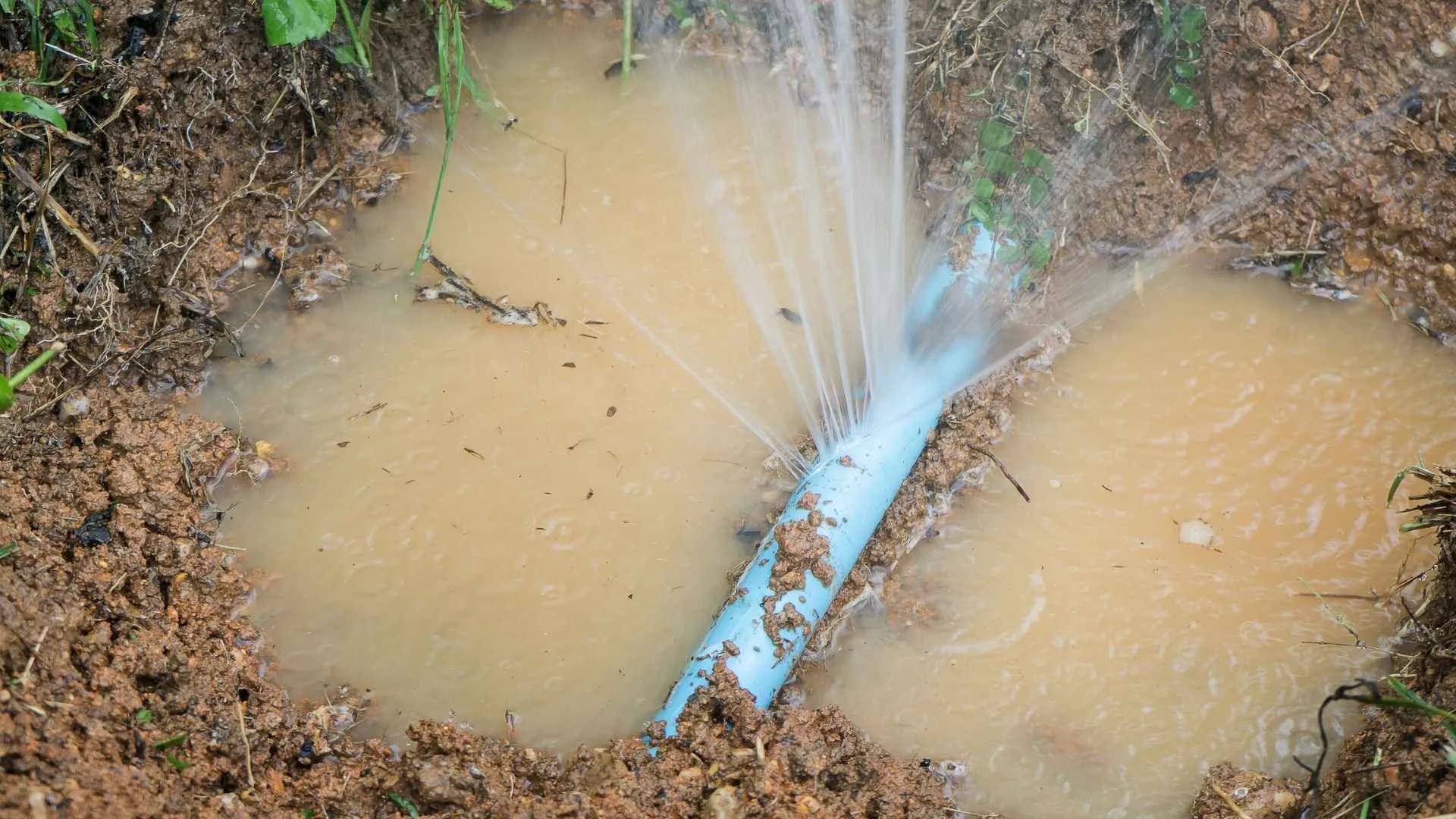
Reducing water losses in Oklahoma small systems becomes important when source capacity limits growth potential and Rural Water District rates increase with consumption. Real losses from main breaks or service line leaks represent water pumped but not delivered. Apparent losses from aging meters mean water supplied but not billed reducing revenue. Red clay soil movement creates joint separation allowing leaks. Tornado damage to above-grade components causes sudden significant losses.

Leak detection in small communities relies on listening surveys and billing analysis because sophisticated equipment exceeds budgets. Rural Water Districts face challenges because long distribution runs between scattered rural customers make leak location difficult across miles of pipeline. Meter replacement programs improve billing accuracy. Leak repair prioritizes locations where fixes cost less than purchasing additional Rural Water District capacity or drilling deeper wells developing alternative sources.
Oklahoma booster stations require tornado-resistant construction protecting equipment from EF4-EF5 winds, below-grade placement of critical components when possible, and backup power with protected fuel storage surviving severe weather. Buildings need reinforced construction or earth-bermed designs. Variable frequency drives provide efficient operation important for community electric budgets. Equipment rooms protect pumps and controls from tornado debris.

Pump selection considers energy costs because rural electric cooperatives charge tiered rates making efficiency important. Controls remain simple because certified water operators are scarce in towns under 2,000 population. Telemetry allows monitoring during tornado warnings when personnel take shelter. Backup generators require tornado-resistant enclosures because above-grade equipment becomes projectiles during severe weather. Stations serving small communities need designs maintainable by generalist public works staff handling multiple responsibilities across Oklahoma’s dispersed rural landscape.
Pressure zones in Oklahoma sometimes become necessary in developments with rolling topography though most terrain remains relatively flat. PRV sizing accounts for seasonal demand. Vault construction addresses red clay soils and frost protection requirements. Above-grade installations with tornado-resistant enclosures sometimes provide better severe weather protection than buried vaults vulnerable to debris impacts on access covers.

Controls maintain steady downstream pressure as demand varies. Redundant valves allow maintenance without system shutdown. Installation in clay soils requires proper bedding and backfill preventing structure movement. PRVs locate for maintenance access because rural public works departments cover large geographic areas with limited staff. Tornado-resistant covers protect vaults from debris. Proper pressure control prevents main breaks from excessive pressure and extends system component service life reducing capital replacement needs straining small community budgets.
Storage tanks throughout Oklahoma require enhanced tornado wind load design for EF4-EF5 events, frost protection for piping and appurtenances, and water quality protection preventing excessive temperatures promoting bacterial growth. Steel or concrete tanks meet AWWA standards with designs specifically addressing Oklahoma’s severe weather. Elevated tanks need robust wind resistance because tornadoes generate extreme lateral forces exceeding standard design assumptions.

Ground storage with tornado-resistant superstructures provides alternative. Tank sizing accounts for fire reserves, emergency storage during power outages following tornadoes, and pressure stabilization. Rehabilitation addresses tornado damage, coating failures from freeze-thaw cycles, and structural upgrades meeting current severe weather codes. Access occurs during moderate weather avoiding tornado season peak or winter cold. Oklahoma leads nation in tornadoes per square mile making wind resistance paramount consideration for exposed water storage structures.

Our Approach

Oklahoma water engineering starts with water rights confirmed through OWRB and ODEQ requirements established before distribution design opens.

Water Rights Confirmed First

Water rights availability and OWRB confirmation get established before distribution design begins. Oklahoma City metro developments on Oklahoma City municipal supply, Tulsa area developments on Tulsa Metropolitan Utility Authority connections, Norman developments on City of Norman water system, and rural Oklahoma developments on groundwater each face different rights frameworks that written confirmation establishes before engineering commits resources.

Hydraulic Modeling for Oklahoma

Distribution mains get sized using peak day demand calculations reflecting Oklahoma’s summer outdoor irrigation season, pressure zone requirements across Oklahoma City metro’s varied terrain, and fire flow standards for your development’s density. Tulsa area developments on more rolling terrain require different pressure zone design than Oklahoma City metro’s flatter development areas.

ODEQ Permit Assembly

Water system permits reach ODEQ with hydraulic analysis, fire flow documentation, peak day storage calculations, and water rights confirmation assembled as one complete package. Applications get structured around ODEQ’s specific drinking water criteria rather than generic submittals that generate information requests extending timelines.

Startup Through Certification

Pressure testing, disinfection, and bacteriological sampling get coordinated with Oklahoma contractors so ODEQ certification is complete before lots need to close. Startup milestones align with lot release schedules so certificates of occupancy issue when construction finishes.

Projects

Modern Engineering Solutions delivers water and wastewater engineering across diverse regulatory environments, demonstrating efficient permitting and site-specific design expertise.

Why Choose Modern Engineering Solutions

Why Choose MES

1

Rights Confirmed, Not Assumed

Water rights confirmation in Oklahoma means written OWRB determination or municipal provider commitment, not verbal assurance from a utility representative. Oklahoma City metro developers on municipal supply, Tulsa area developers on TMUA connections, and rural Oklahoma developers on groundwater each face different rights frameworks that affect project feasibility before a single main is sized.

2

ODEQ Permits Clear Fast

ODEQ water permit packages include hydraulic analysis, fire flow documentation, peak day storage calculations, and water rights confirmation assembled before first submission. Developers working with us don't discover a permit timeline extended by months because the original application left technical questions open for information request cycles.

3

Storage Sized for Oklahoma

Tank sizing uses Oklahoma peak day demand calculations reflecting summer outdoor irrigation patterns in Oklahoma City metro and Tulsa area rather than annual averages that produce systems adequate in April and inadequate in July when fire incidents are most likely and pressure complaints from residents most damaging.

4

Civil and Water Coordinated

Distribution main routes get established with grading plans, wastewater alignments, and red clay conditions already coordinated. Lime stabilization scope for distribution main trenches and utility corridor conflicts get resolved during design rather than during construction when corrections cost change orders instead of engineering hours.

Frequently Asked Questions

Water treatment planning and ODEQ distribution permitting for an Oklahoma City area subdivision need to advance together alongside OWRB water rights confirmation where applicable. Treatment planning determines water source, treatment requirements, and system capacity. The ODEQ permit documents that the proposed system meets Oklahoma drinking water standards.

MES handles both for Oklahoma City metro land developers, coordinating treatment planning with ODEQ permit requirements and OWRB confirmation from the first design session so approvals arrive together rather than one holding up the others.

Distribution design and hydraulic modeling for a Tulsa County development require familiarity with Tulsa Metropolitan Utility Authority supply system dynamics, ODEQ drinking water standards, and the terrain conditions that affect pressure zone design across northeastern Oklahoma’s rolling topography.

Tulsa area water engineering involves:

  • Hydraulic modeling reflecting Tulsa area peak day demand patterns including Oklahoma’s summer outdoor irrigation season
  • Pressure zone design for Tulsa area’s rolling terrain where elevation differences require zone separation that Oklahoma City metro’s flatter development areas need less frequently
  • Red clay bedding conditions specific to Tulsa County that affect distribution main installation costs and pipe material selection
  • Coordination with City of Tulsa, Broken Arrow, Owasso, and other Tulsa County municipal water system standards

MES provides distribution design and hydraulic modeling for Tulsa County developments coordinated with civil grading and wastewater design simultaneously.

The Oklahoma Water Resources Board administers water rights allocation under Oklahoma’s permit system for both surface water and groundwater use. For land developers, OWRB water rights confirmation matters most for projects in rural Oklahoma connecting to systems dependent on permitted water rights rather than municipal supply with established rights portfolios.

OWRB water rights affect Oklahoma development through:

  • Groundwater permits required before new wells can be drilled in Oklahoma’s designated groundwater basins, adding a regulatory approval step for rural Oklahoma developments not served by municipal providers
  • Surface water appropriation permits required for new surface water diversions, relevant for Oklahoma developments constructing independent water supply systems in rural areas
  • Municipal provider rights portfolios that OWRB has issued to Oklahoma City, Tulsa, and other major providers, which developers connecting to these systems benefit from without requiring independent rights confirmation

MES coordinates OWRB water rights confirmation during Oklahoma water due diligence for developments where rights availability affects feasibility, confirming supply status before design investment is committed.

Water losses analysis evaluates the difference between water entering a distribution system and water reaching end users. Oklahoma developments may need water losses analysis when connecting to older Oklahoma City metro or Tulsa area systems where aging infrastructure and red clay soil movement from expansive soil conditions has accelerated pipe joint deterioration and leakage beyond what newer systems experience.

MES evaluates water losses analysis requirements during Oklahoma water due diligence, confirming whether connecting utilities have loss-related constraints affecting connection feasibility before design investment is committed.

Oklahoma residential storage requirements combine peak day storage, fire flow reserve, and operational reserve sized for Oklahoma conditions. Peak day demand during Oklahoma’s summer outdoor irrigation and evaporative cooling season significantly exceeds annual average calculations, and storage sized on annual averages fails during July and August when peak consumption and severe weather fire hazard conditions coincide.

MES calculates Oklahoma storage requirements using regional peak day demand data so systems hold pressure during summer months when demand peaks and Oklahoma’s wildfire risk in rural development areas is most acute.

A booster pump station increases distribution pressure in zones where existing supply pressure can’t deliver adequate service. Tulsa area developments on more rolling terrain encounter pressure zone separation requirements more frequently than Oklahoma City metro’s flatter development areas. Rural Oklahoma developments distant from primary supply points also require booster stations where distribution main length creates pressure drops at system extremities under peak demand conditions.

MES designs Oklahoma booster stations sized for full buildout demand with emergency power provisions that ODEQ requires for stations serving significant populations, incorporating red clay foundation conditions into structural design from initial engineering.

A pressure reducing vault lowers distribution pressure from a higher supply zone to a lower service zone. Oklahoma developments need pressure reducing vaults when connecting to transmission mains operating at pressures exceeding safe residential distribution limits, or when Tulsa area rolling terrain creates elevation drops within single developments requiring pressure zone separation.

MES includes pressure reducing vault design as part of Oklahoma distribution system engineering, coordinating vault locations with civil grading and red clay conditions so installations account for Oklahoma’s expansive soil environment from initial design.

Water tank design covers new storage tanks for Oklahoma distribution systems. Tank rehabilitation covers repairs and coating replacement for existing tanks reaching end of service life in Oklahoma’s climate where temperature cycling and severe weather exposure affect coating longevity.

New tank design becomes relevant when developments construct independent water systems or when serving utilities require developer-funded storage expansion as a service condition. Oklahoma-specific tank considerations include red clay foundation design addressing expansive soil movement that affects tank structural performance differently than stable soil foundations, and ODEQ review requirements for public water system storage. MES sizes Oklahoma tanks using peak summer demand calculations so storage adequacy holds during July and August when demand peaks.

Construction drawings for an Oklahoma water distribution system typically include:

  • Plan and profile sheets showing main alignments, pipe sizes, and depths with red clay condition notes and lime stabilization trench backfill specifications
  • Service lateral detail sheets meeting the serving utility’s construction standards
  • Hydrant location plans meeting Oklahoma fire authority requirements
  • Booster station plan and detail sheets with emergency power provisions
  • Pressure reducing vault detail sheets where terrain requires pressure zone separation
  • Water tank plan and detail sheets meeting ODEQ standards and red clay foundation design

MES produces drawings satisfying both ODEQ permit conditions and serving utility construction standards simultaneously.

ODEQ requires a construction permit before building new water distribution systems serving 25 or more people or 15 or more connections. Complete applications typically take 30-60 days to process. A complete ODEQ construction permit application includes hydraulic analysis demonstrating pressure and fire flow compliance, peak day storage calculations, water rights documentation where applicable, and construction drawings.

MES assembles complete ODEQ permit packages before first submission so baseline review timelines reflect actual agency processing rather than information request cycles that extend timelines when applications arrive incomplete.

Insufficient capacity from the serving Oklahoma utility is a feasibility issue requiring resolution before design investment, not a permitting obstacle to work around after land closes. Options include identifying alternative providers where adjacent service territories exist, participating in utility capacity expansion programs, or adjusting development timing to align with planned supply expansions.

MES evaluates supply constraints and alternatives during Oklahoma water due diligence before land acquisition rather than after design investment has been made on a project that capacity constraints make infeasible without solutions the developer didn’t know were available.

Compared to Texas, Oklahoma shares expansive clay soil conditions but red clay profiles create different distribution main bedding and trench backfill treatment requirements than Texas blackland prairie or Houston Gulf Coast conditions. ODEQ distribution permit timelines of 30-60 days compare similarly to TCEQ but with Oklahoma-specific OWRB water rights confirmation requirements for developments not served by established municipal providers.

Compared to Kansas, Oklahoma’s red clay expansive soil conditions create more extensive distribution main trench treatment requirements than Kansas agricultural soil profiles. Both states apply Prior Appropriation-influenced water rights frameworks through OWRB and KDHE respectively, but Oklahoma’s red clay foundation conditions affecting tank and booster station structural design create requirements that Kansas’s more varied soil conditions don’t consistently produce.

MES applies Oklahoma-specific red clay coordination, OWRB water rights analysis, and ODEQ permitting requirements rather than approaches from Texas or Kansas.

Talk to an Engineer

Oklahoma water projects need DEQ permits, tornado-resistant design, and source capacity verification. We’ll review your site specifics and outline engineering requirements in a 15-minute call.