
The Four Layers Under MES, Top Down
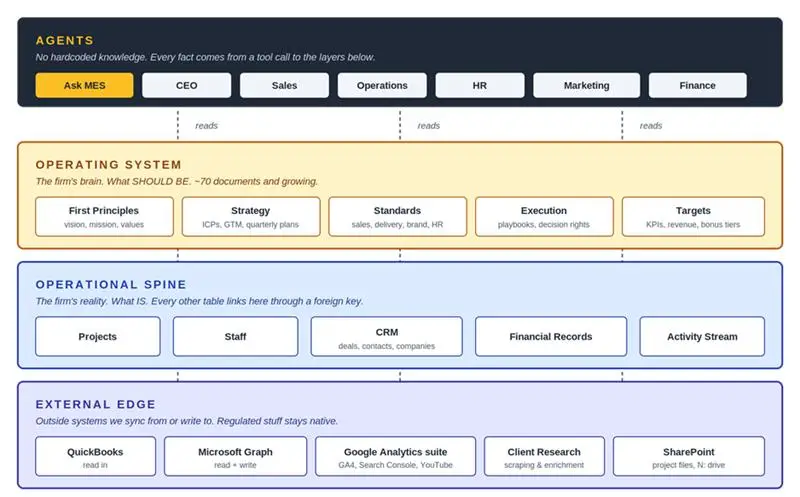
Last month I wrote that AI is architecture, not a feature, and showed you the project at the relational core. Several of you wrote back asking the next question.
What is actually inside the database, and how do the layers connect?
Top down, four of them. The rest of this article walks them in order.
How Did I Get to a Point Where Someone Else Has Complete Control Over My Career Trajectory?

The question I asked myself standing in a dusty field in Guernsey, Wyoming, moments after my boss told me “No” to a career-advancing opportunity.
Engineer Your Freedom is the practical roadmap from zero to $1M in revenue, covering when you’re truly ready, the business fundamentals engineers aren’t taught in school, finding your ideal clients, pricing for value, your first critical hires, systems that scale, and common traps that kill most practices before they start.
No fluff. No theory. Just honest, engineer-to-engineer guidance from someone who has built the exact business you are trying to create.
Why Speed Is a Design Constraint: How Modern Engineering Firms Deliver Infrastructure Faster

Traditional firms are organized around billing time. Modern firms are organized around delivering outcomes. That difference shows up as weeks, sometimes months, on every project.
When the Math Doesn’t Move: Water Pressure, Affordable Housing, and the Infrastructure Gap Nobody Wants to Pay For
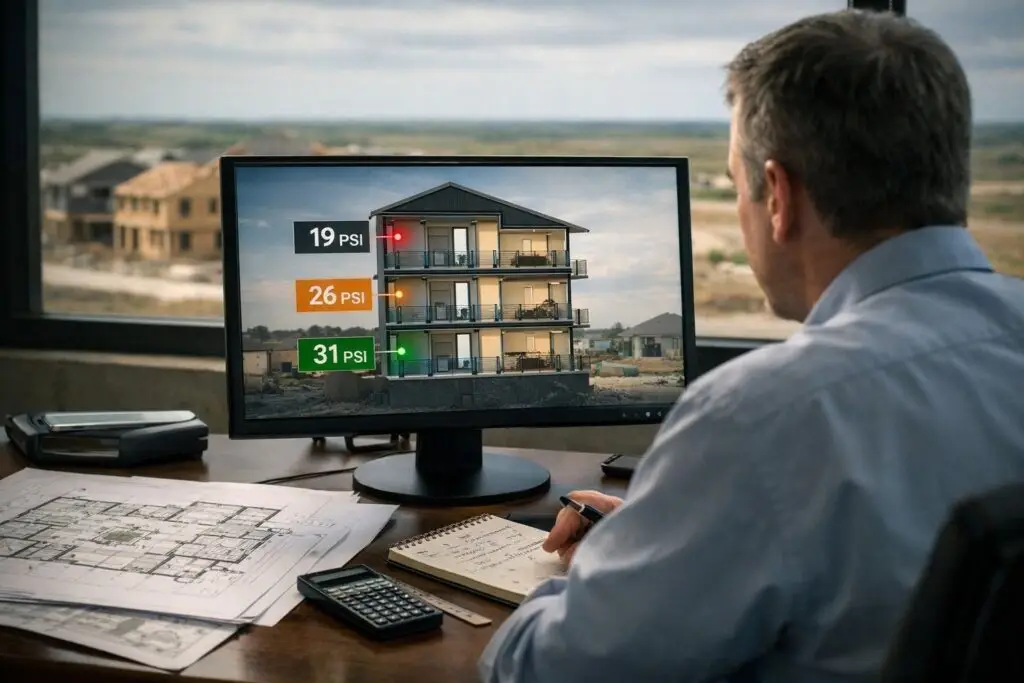
Texas needs $154 billion to fix its water infrastructure but committed only $20 billion. With 186 billion gallons lost annually and pipes dating to the 1890s, developers face serious project risks from aging municipal systems.
Approved Plans Aren’t Always Optimized Plans. The Difference Can Cost $1.5 Million
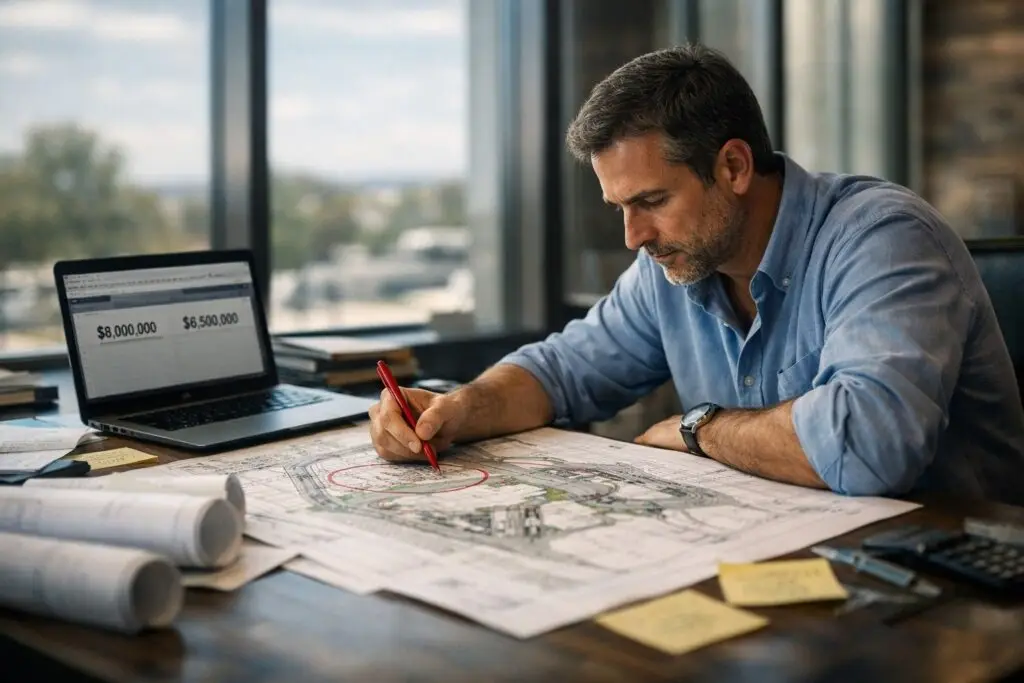
Texas needs $154 billion to fix its water infrastructure but committed only $20 billion. With 186 billion gallons lost annually and pipes dating to the 1890s, developers face serious project risks from aging municipal systems.
The Cheapest Engineering Decision on Your Texas Pro Forma Isn’t the Low Bid
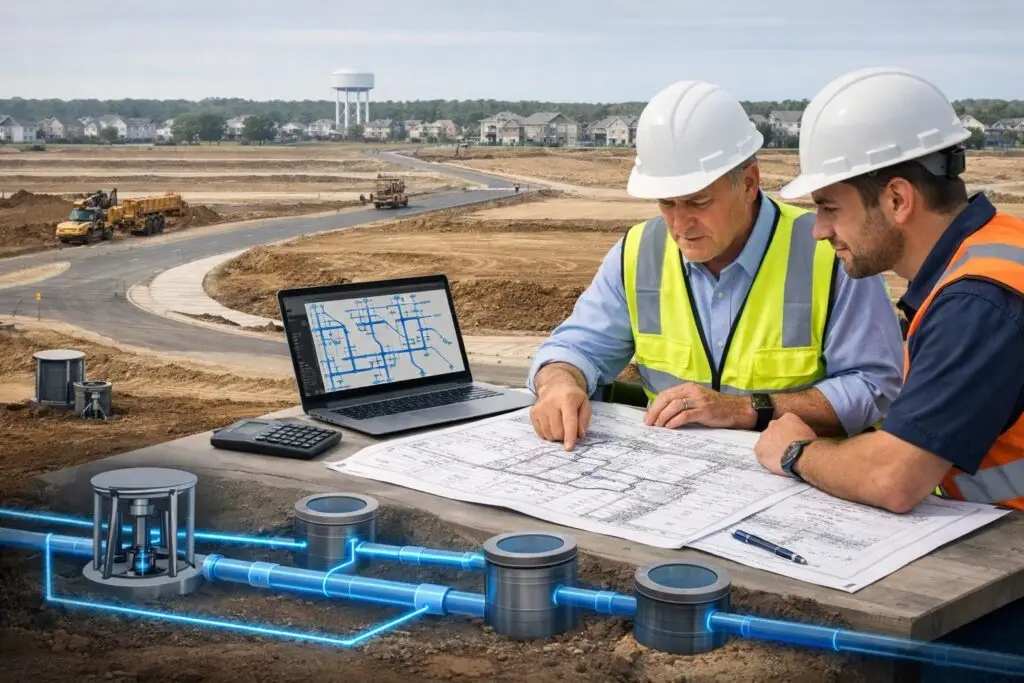
Texas needs $154 billion to fix its water infrastructure but committed only $20 billion. With 186 billion gallons lost annually and pipes dating to the 1890s, developers face serious project risks from aging municipal systems.
A TCEQ Redesign Isn’t Just a Delay. It’s a Compounding Loss
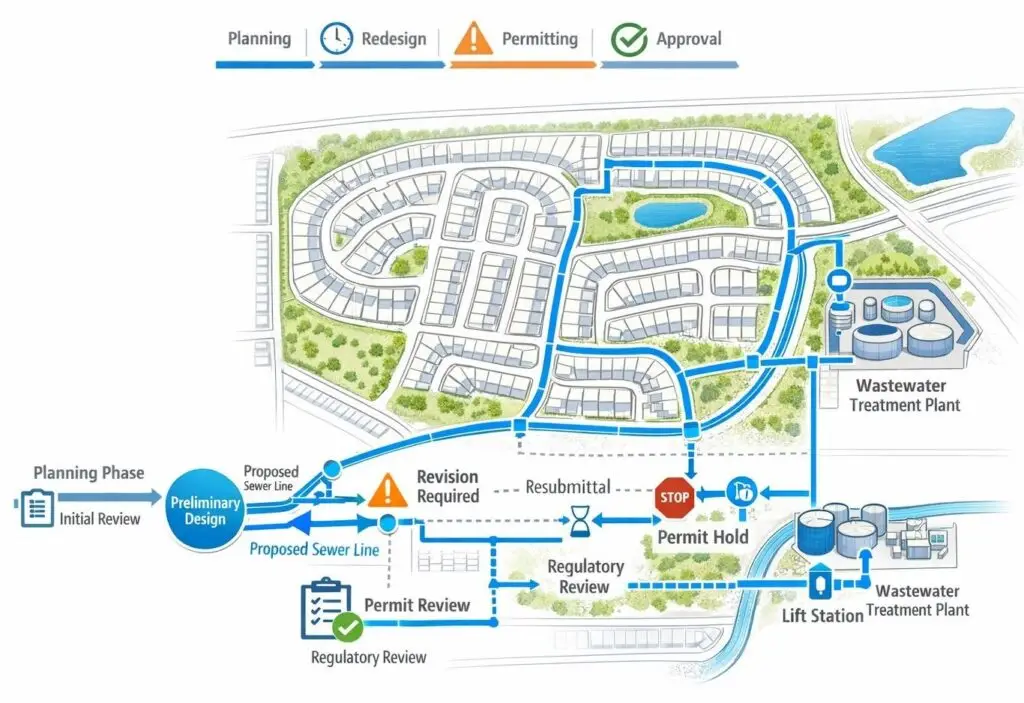
Texas needs $154 billion to fix its water infrastructure but committed only $20 billion. With 186 billion gallons lost annually and pipes dating to the 1890s, developers face serious project risks from aging municipal systems.
Texas Water Infrastructure Crisis: $134 Billion Funding Gap
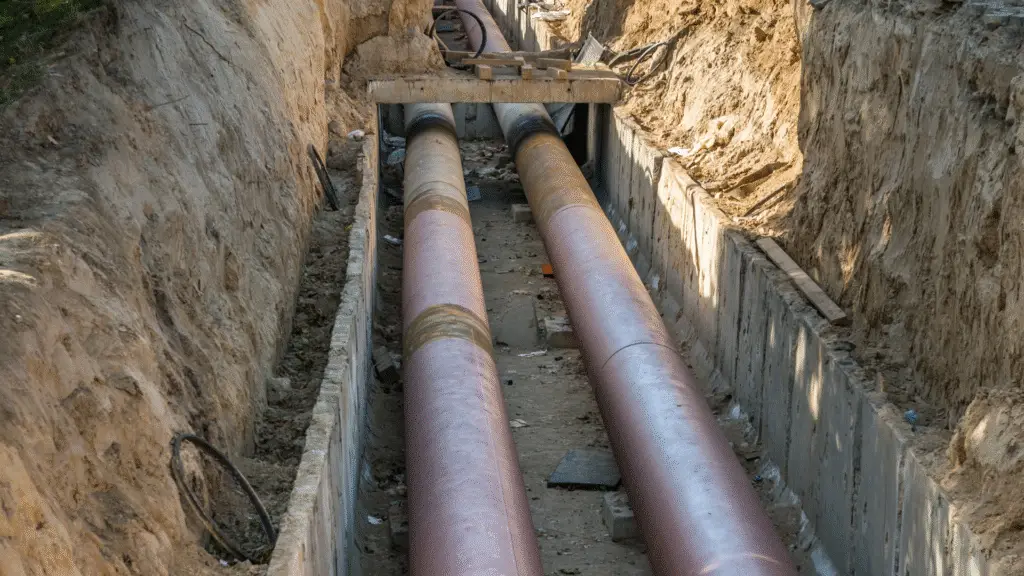
Texas needs $154 billion to fix its water infrastructure but committed only $20 billion. With 186 billion gallons lost annually and pipes dating to the 1890s, developers face serious project risks from aging municipal systems.
MUD Formation Costs Texas Developers $2.7M Before Breaking Ground: Faster Wastewater Alternatives Exist
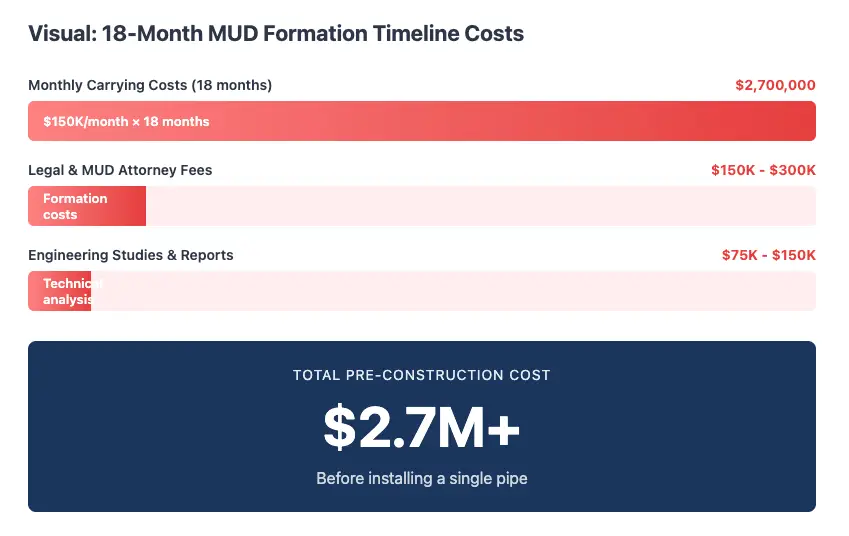
Municipal Utility District formation consumes 18-24 months and significant capital before developers install a single pipe. For Texas development projects in extraterritorial jurisdiction areas requiring wastewater infrastructure, the traditional MUD pathway creates timeline risk that increasingly threatens project viability.
How to Access $2 Billion in Senate Bill 7 Funding for Texas Water Reuse Projects

Senate Bill 7 (SB7) makes $2 billion available for Texas water reuse and new water supply projects over the next 22 years.
How to Cut TCEQ Wastewater Permit Timeline from 12 Months to 6-8 Weeks Using Reuse Authorization

Most Texas developers accept 12-month TCEQ permitting timelines as unavoidable, building substantial carrying costs into every project pro forma. The reality: this timeline is not a regulatory requirement. Strategic permit selection, particularly reuse authorizations instead of traditional discharge permits, can reduce approval timelines to 6-8 weeks.
Land Application Permits for Treated Wastewater: A Texas Developer’s Guide
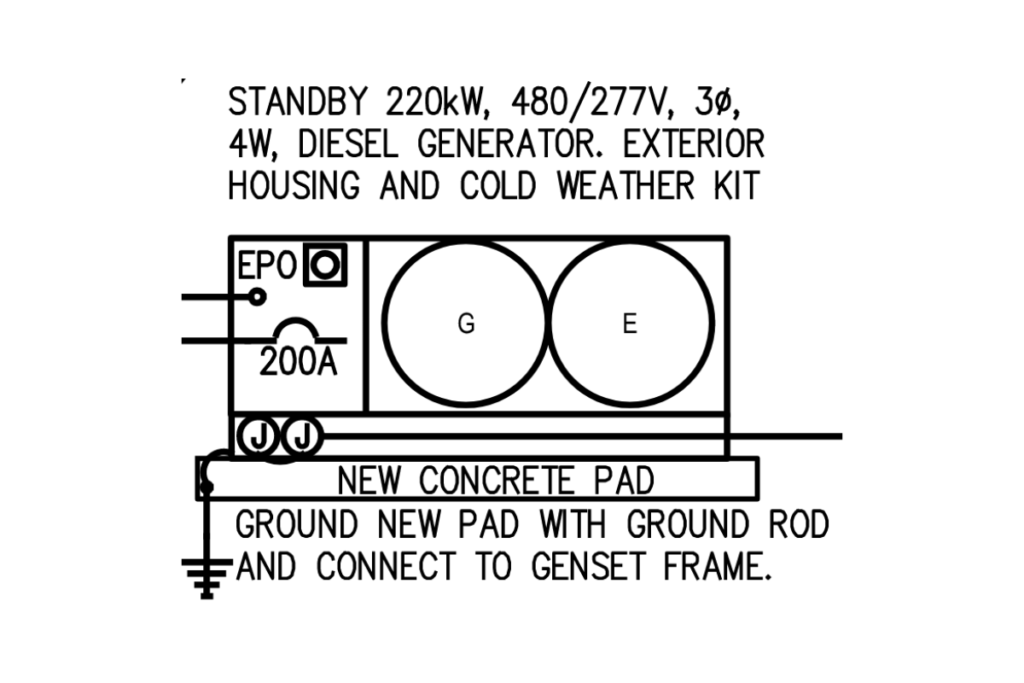
The Texas Commission on Environmental Quality (TCEQ) requires every regulated water and wastewater facility to demonstrate that essential systems will continue to operate during an electrical outage. This requirement is not just a formality; without backup power, a distribution system can lose pressure in a matter of minutes, disinfection can stop, and wastewater lift stations can overflow. Any of these conditions can create a direct public health hazard and, at the same time, put the utility in violation of its permit.
We Just Told a Client Their $15,000 Project Wasn’t Worth Our Time—They Thanked Me for It
The Texas Commission on Environmental Quality (TCEQ) requires every regulated water and wastewater facility to demonstrate that essential systems will continue to operate during an electrical outage. This requirement is not just a formality; without backup power, a distribution system can lose pressure in a matter of minutes, disinfection can stop, and wastewater lift stations can overflow. Any of these conditions can create a direct public health hazard and, at the same time, put the utility in violation of its permit.
TCEQ’s Power Reliability Requirements: Generator vs. Dual Feed Design
The Texas Commission on Environmental Quality (TCEQ) requires every regulated water and wastewater facility to demonstrate that essential systems will continue to operate during an electrical outage. This requirement is not just a formality; without backup power, a distribution system can lose pressure in a matter of minutes, disinfection can stop, and wastewater lift stations can overflow. Any of these conditions can create a direct public health hazard and, at the same time, put the utility in violation of its permit.
Reuse vs. Discharge: Which Wastewater Strategy Fits Your Texas Development?
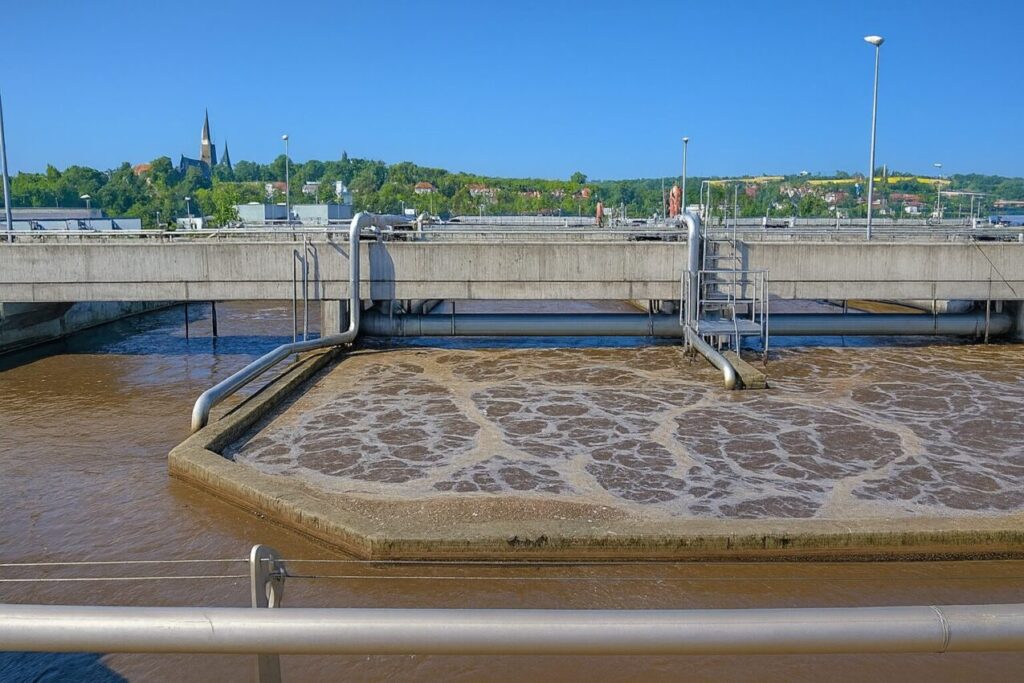
Every Texas developer faces the same critical decision: discharge treated wastewater into streams or set up reuse for local farms and businesses. This choice impacts everything from permit timelines to project costs. Getting it wrong can destroy your timeline and budget.
Cloacina’s Integrated Wastewater Solutions: How Developer-Focused Design Creates Better Treatment Systems
Manholes collapsing in your community is one of those infrastructure nightmares that keeps public works directors up at night. When residents see emergency crews digging up streets and sewage backing up into their neighborhoods, they understandably demand answers. The truth is, most manhole failures come from predictable deterioration that we can prevent with the right approach. Understanding these problems helps communities fix them before they become expensive emergencies.
When Experience Isn’t Enough: Why Current Civil Engineering Standards Matter More Than Years of Practice
During a routine plan review for a California water infrastructure project last week, our team encountered something that made us pause. The cover sheet didn’t just have minor issues—it was fundamentally non-compliant with current California engineering standards.
These emergencies hit small Colorado communities particularly hard. Emergency repairs cost tens of thousands in contractor overtime and regulatory fines. Traditional solutions require upsizing collection systems or upgrading treatment plants that most communities can’t afford. The choice becomes impossible – face financial ruin or continue risking environmental disasters that bring state regulators to your door.
Real-Time Water Quality Monitoring Using Proteus Fluorescence Technology
In this episode, we engage with Michael Malone from Proteus, who provides comprehensive insights into advanced water quality monitoring solutions that transform environmental assessment and regulatory compliance. We explore how fluorescence-based sensor technology brings proven laboratory analysis capabilities directly to field applications, enabling real-time monitoring across diverse water systems. These innovations eliminate traditional sampling delays while providing continuous data streams essential for process control, regulatory reporting, and pollution source identification. Join us as we examine how Proteus technology addresses critical monitoring challenges facing municipal operators, environmental consultants, regulatory agencies, and industrial facility managers.
5 Common Wastewater Hydraulic Modeling Mistakes That Kill Project Budgets
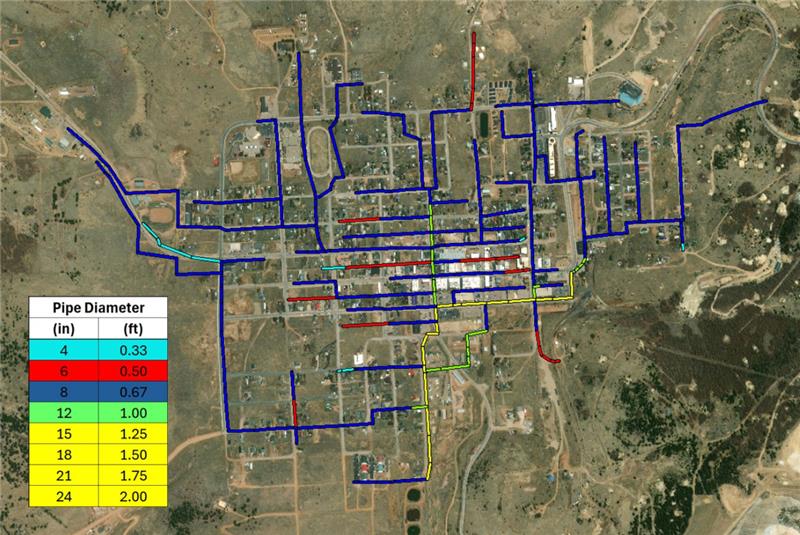
Wastewater hydraulic modeling failures create some of the worst emergencies communities can face. Unlike water system problems that develop gradually, wastewater modeling mistakes reveal themselves during peak flow events when collection systems overflow into streets or treatment plants can’t handle incoming flows. Raw sewage backups trigger immediate environmental violations and can shut down entire developments within hours.
These emergencies hit small Colorado communities particularly hard. Emergency repairs cost tens of thousands in contractor overtime and regulatory fines. Traditional solutions require upsizing collection systems or upgrading treatment plants that most communities can’t afford. The choice becomes impossible – face financial ruin or continue risking environmental disasters that bring state regulators to your door.
How WaterOperator.org Solves Small Water System Crisis: Free Resources That Actually Work
In this episode of Engineers for Communities, we spoke with Steve Wilson from WaterOperator.org about tackling one of today’s most critical infrastructure challenges: supporting small water systems serving under 10,000 people. These rural communities face unique operational, financial, and technical hurdles that larger utilities never encounter. Steve shared insights into these problems and practical solutions that can make a real difference.
Gravity Sewer vs. Pressure Sewer: Choosing the Right System for Your Community
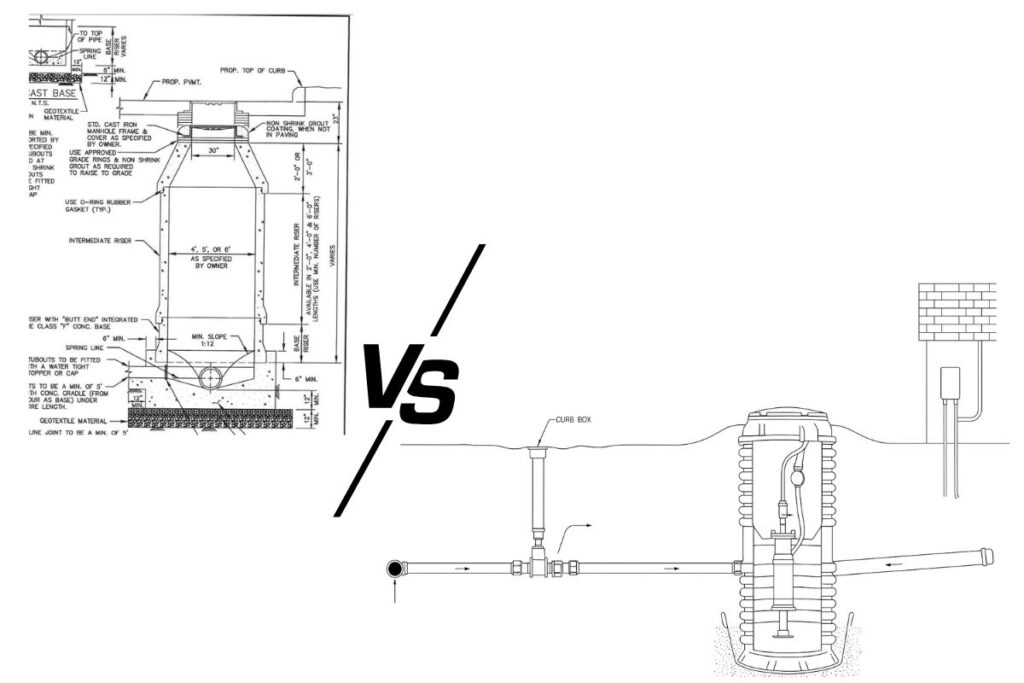
Planning sewer infrastructure isn’t the most exciting part of development, but getting it wrong can be expensive. The choice between gravity and pressure sewer systems will impact your project for decades, from what you spend upfront to how much maintenance crews will be dealing with down the road.
When Lift Station Force Mains Fail: Your Colorado Community’s CIPP Solution
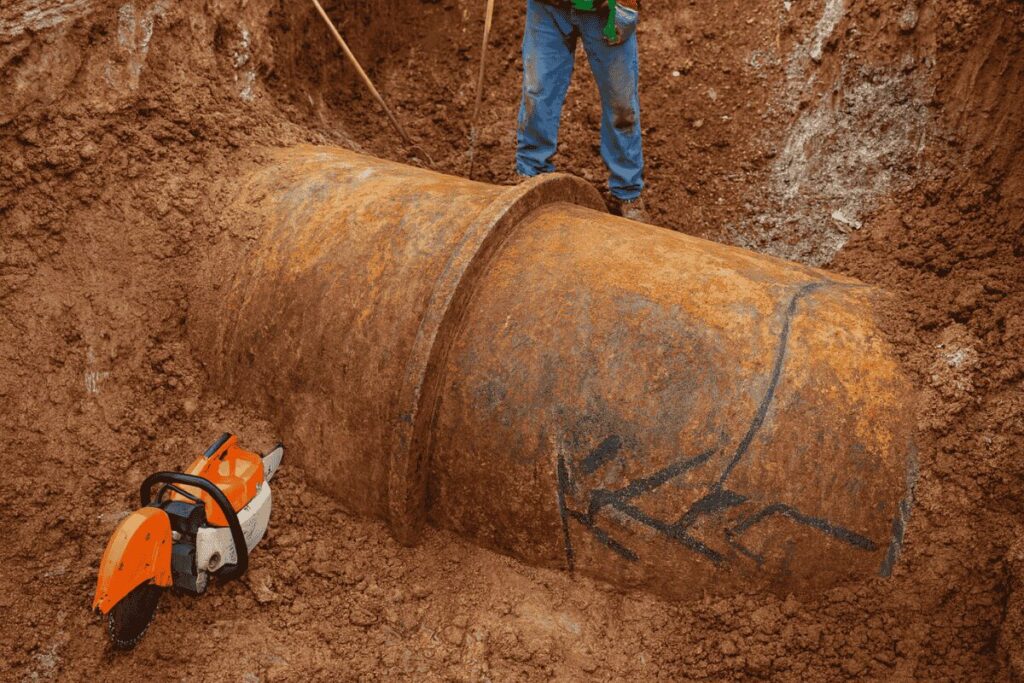
Force main failures in lift station systems create some of the worst emergencies small communities can face. Unlike gravity sewer problems that develop gradually, pressurized force main breaks happen fast and cause immediate disasters. Raw sewage backs up into pump stations, triggers environmental violations, and can shut down entire wastewater systems within hours.
Why EPANET Is the First Choice for Water Network Modeling
Ever wonder why water pressure stays consistent whether you live downtown or up in the foothills? That reliability comes from careful engineering using specialized computer tools. EPANET modelling software lets engineers test water systems digitally before spending millions on actual pipes and pumps. This EPA-developed program has become the go-to tool for water professionals who need to figure out pipe sizes, predict pressure problems, and track how water quality changes as it travels through miles of underground infrastructure. Small communities and large urban areas both depend on this modeling technology to keep water flowing properly while satisfying state health department requirements.
Fire Flow Analysis: Engineering Solutions for Municipal Water Distribution Systems
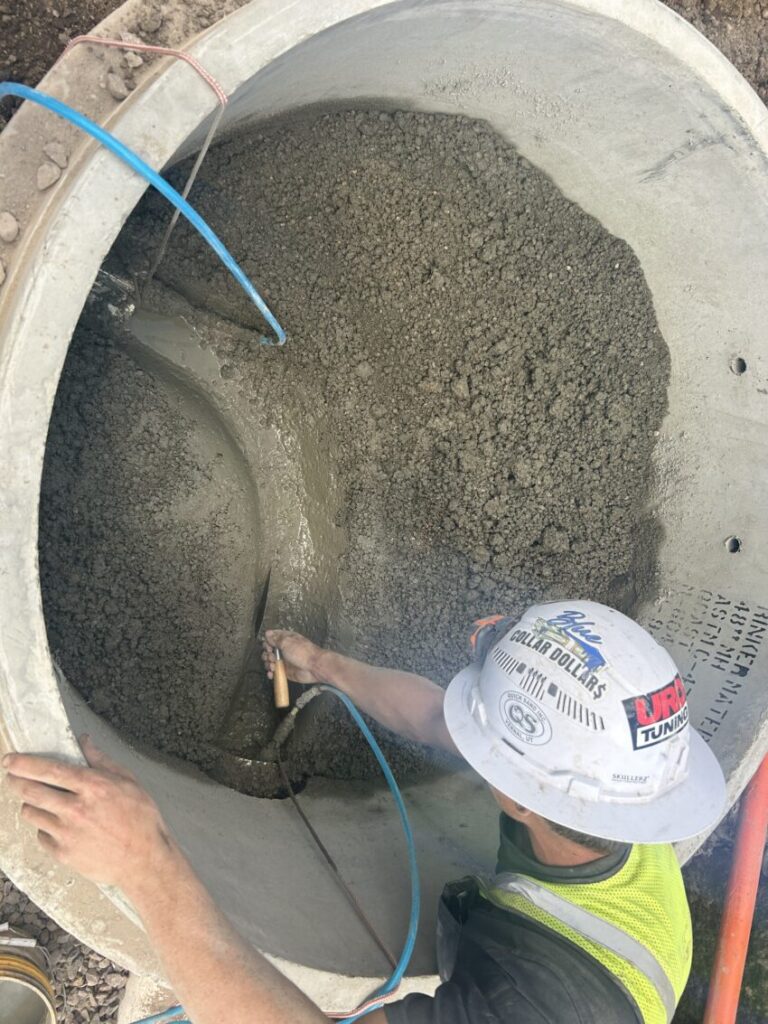
Manholes collapsing in your community is one of those infrastructure nightmares that keeps public works directors up at night. When residents see emergency crews digging up streets and sewage backing up into their neighborhoods, they understandably demand answers. The truth is, most manhole failures come from predictable deterioration that we can prevent with the right approach. Understanding these problems helps communities fix them before they become expensive emergencies.
Why Colorado Manholes Fail: Engineering Solutions That Work
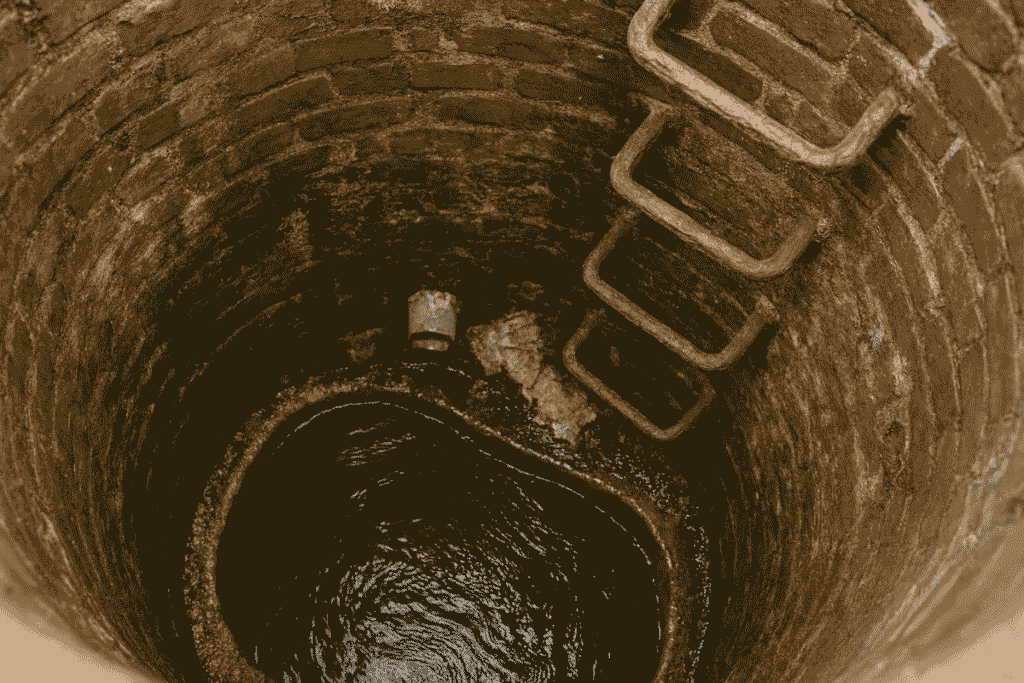
Manholes collapsing in your community is one of those infrastructure nightmares that keeps public works directors up at night. When residents see emergency crews digging up streets and sewage backing up into their neighborhoods, they understandably demand answers. The truth is, most manhole failures come from predictable deterioration that we can prevent with the right approach. Understanding these problems helps communities fix them before they become expensive emergencies.
I&I Analysis: Finding and Fixing Your Worst Sections

A practical guide to prioritizing infiltration and inflow repairs for maximum ROI
If you’re managing a wastewater collection system, you already know the drain that infiltration and inflow (I&I) puts on your budget. During wet weather events, clean groundwater and stormwater flood into your sanitary sewers, overwhelming treatment plants and driving up operational costs. But here’s the challenge: with limited budgets and miles of pipe to maintain, how do you identify which sections to fix first?
Why Does My Community Have Brown Water?
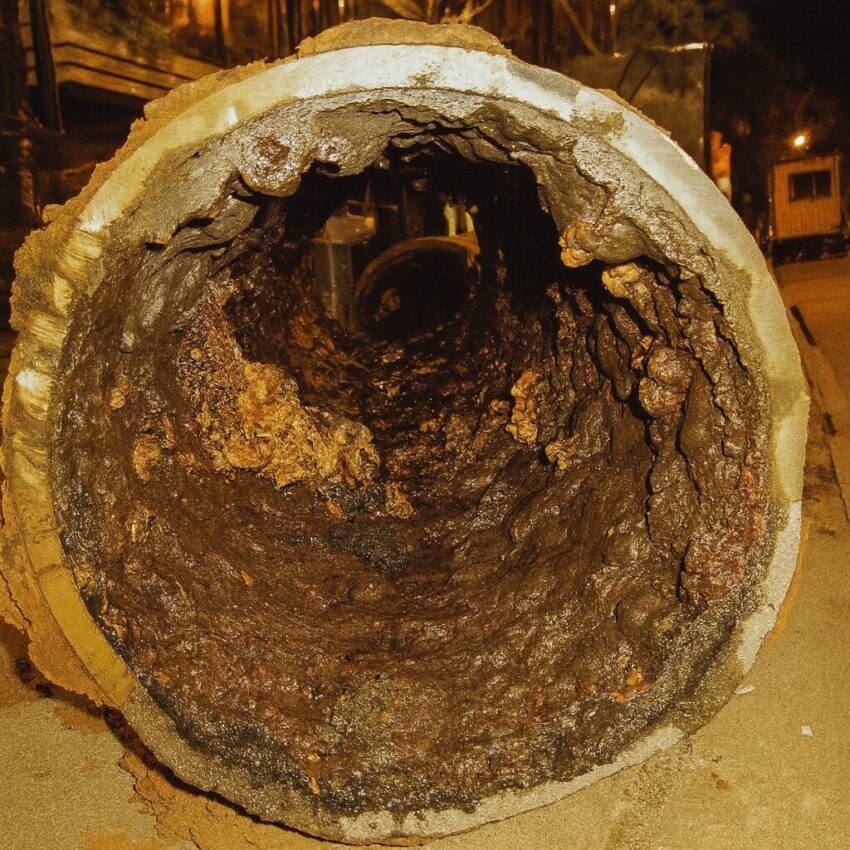
Complete guide to wastewater discharge permits in Colorado. Understand CDPHE requirements, avoid violations, and streamline your permit application today
Colorado’s Wastewater Discharge Permit Rules: What Communities Need to Know
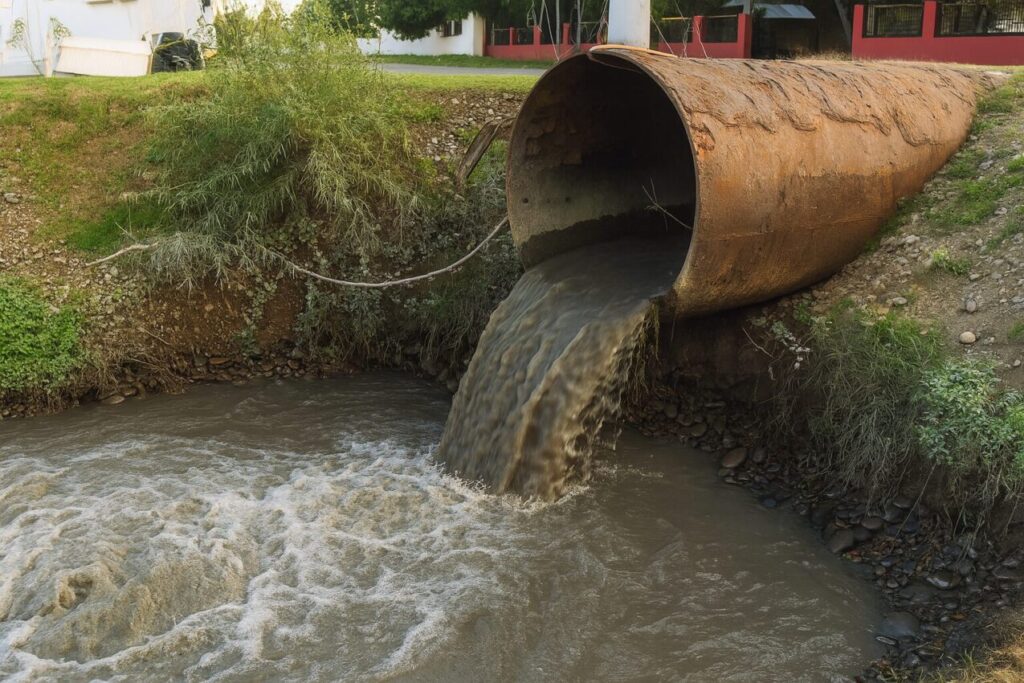
Complete guide to wastewater discharge permits in Colorado. Understand CDPHE requirements, avoid violations, and streamline your permit application today
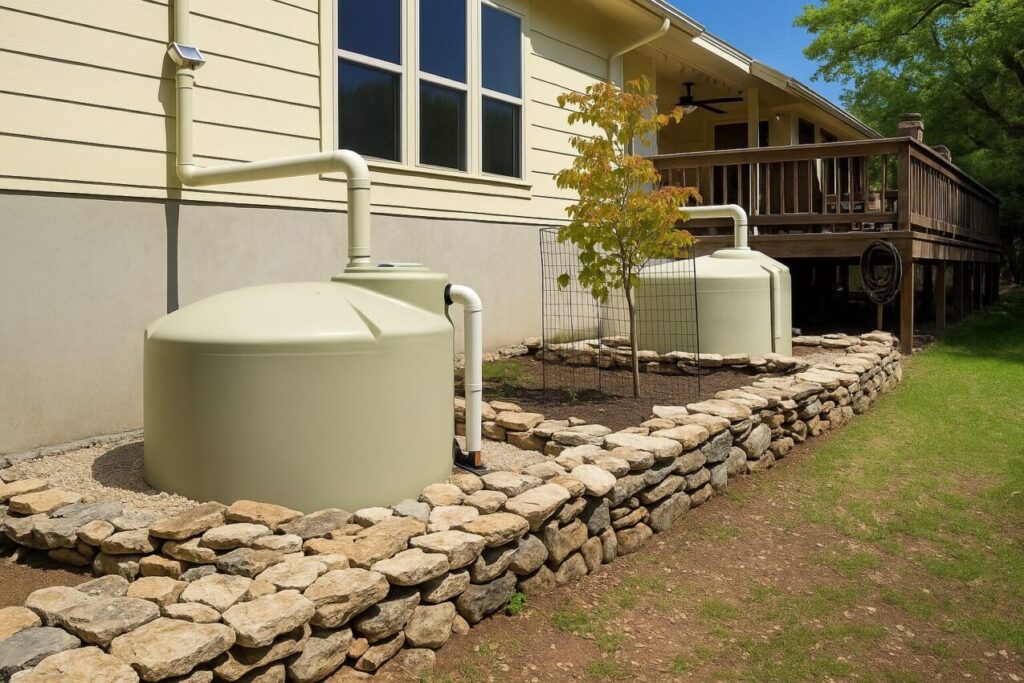
What You Should Know About Rainwater Collection Systems for Texas Communities
Marble Falls, Big Spring, and El Paso have something in common – they stopped treating their water systems like three different problems. One Water means connecting what used to be separate: the drinking water plant, the wastewater plant, and stormwater management all work together now.
How Texas Communities Are Solving Water Shortages with Direct Potable Reuse
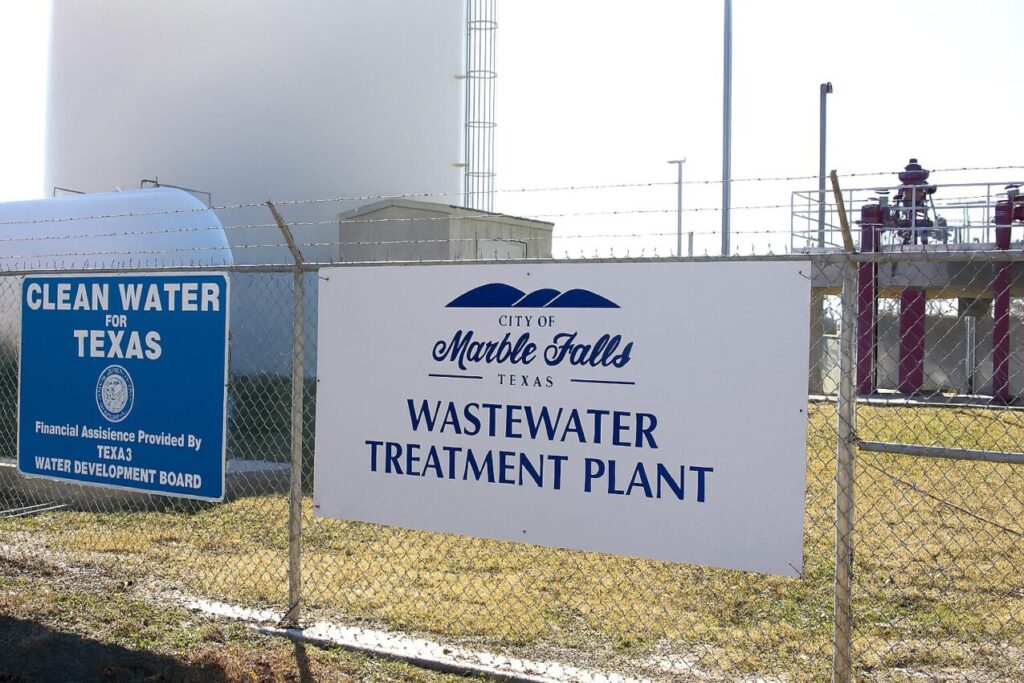
Marble Falls, Big Spring, and El Paso have something in common – they stopped treating their water systems like three different problems. One Water means connecting what used to be separate: the drinking water plant, the wastewater plant, and stormwater management all work together now.
Understanding Your Community’s Wastewater Collection System
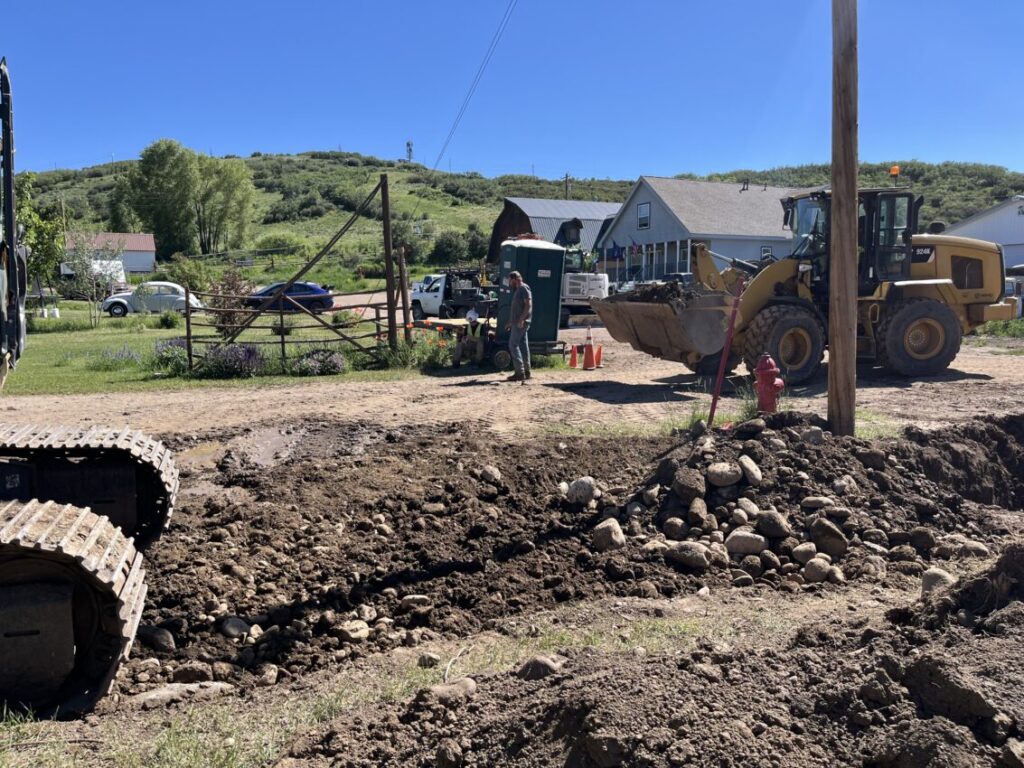
In today’s world, protecting water resources is more critical than ever. At the heart of this mission are environmental engineers, the professionals who design, implement, and refine systems that manage wastewater safely and sustainably. Their work not only protects public health but also preserves the environment for future generations.
Texas Governor Opens $22.5 Billion Water Fund For Wastewater Developers
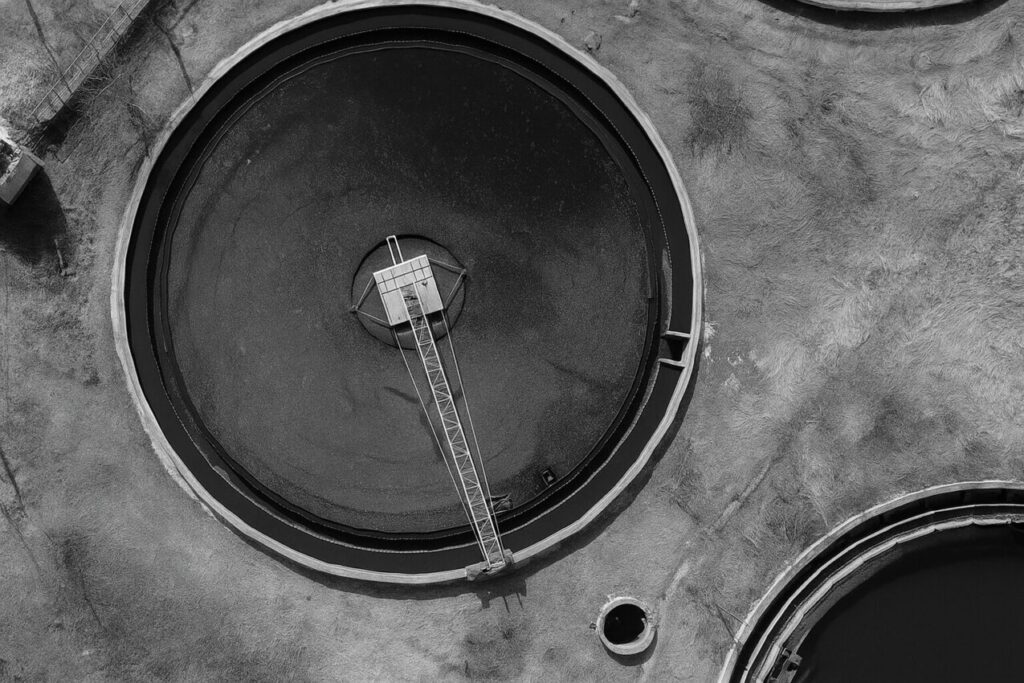
Texas wastewater permitting requires developers to obtain TCEQ approval before constructing or operating wastewater treatment facilities. The process involves three main permit types: TPDES (surface water discharge), TLAP (land application), and Chapter 210 (reclaimed water reuse).
Texas Wastewater Permitting Guide For Developer
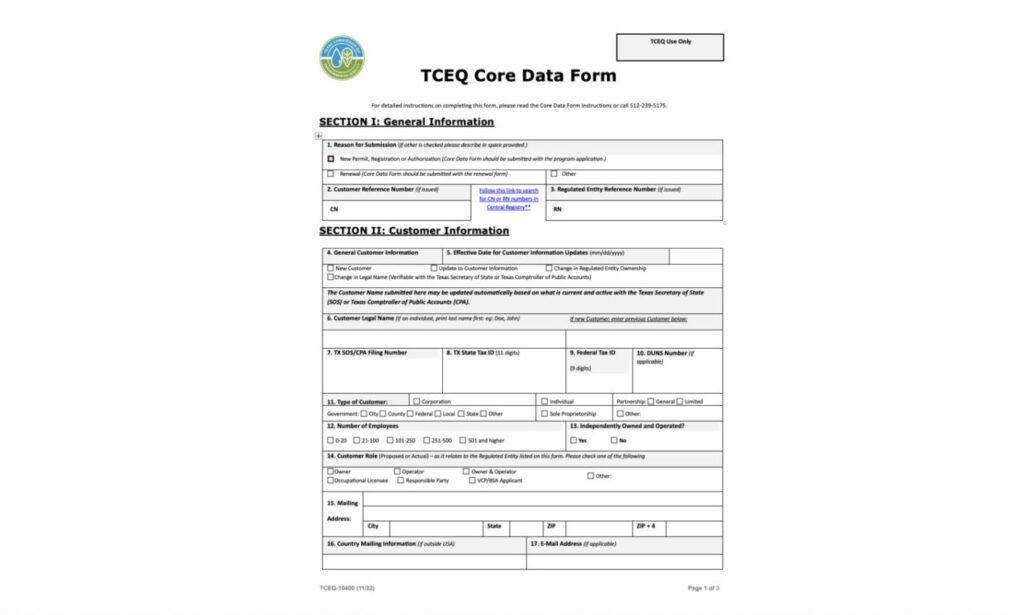
Texas wastewater permitting requires developers to obtain TCEQ approval before constructing or operating wastewater treatment facilities. The process involves three main permit types: TPDES (surface water discharge), TLAP (land application), and Chapter 210 (reclaimed water reuse).
How We Use Microsoft Apps to Accelerate Your Civil Engineering Project Success

Let’s face it – civil engineering projects are messy. There are dozens of people involved, mountains of paperwork, and strict deadlines that never seem to move. Many engineering firms are finding that Microsoft’s apps can cut through this chaos and make projects run smoother. Here’s how they’re doing it.
Understanding Water System Design Quotes: What You’re Really Paying For

When developers receive proposals for water system design, they’re often confronted with surprisingly wide price variations—sometimes differing by a factor of ten. We recently spoke with a developer who had received quotes ranging from $10,000 to $100,000 for what appeared to be the same scope of work.
Managing Colorado’s Aging Water Infrastructure Using Key Strategies
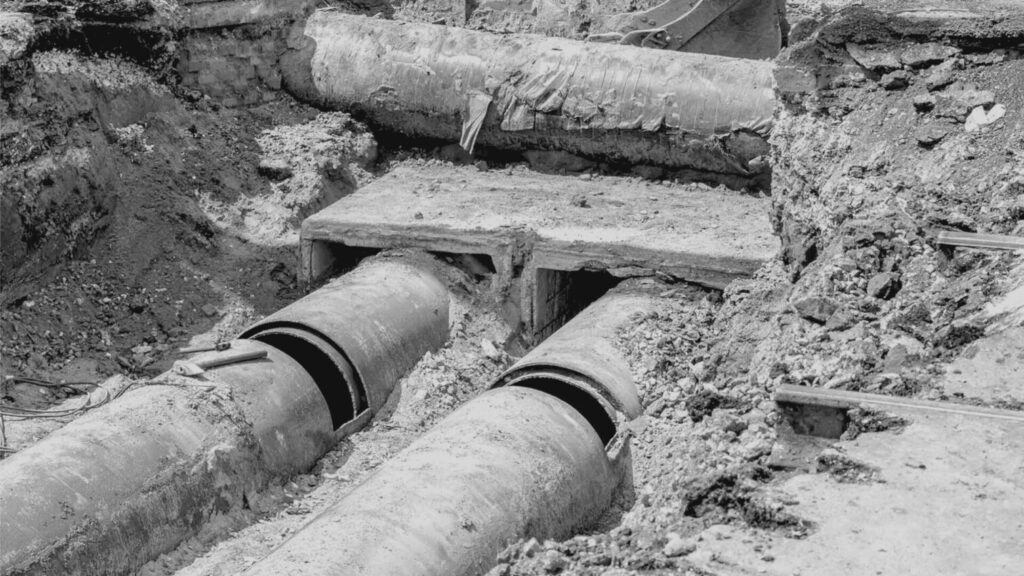
In communities across America, water infrastructure installed during the Johnson and Nixon administrations continues to serve as the backbone of local water supply systems.
Public Water System Design and Implementation in Texas

Designing a new public water system in Texas requires a careful balance of hydraulic design, regulatory compliance, and construction best practices.
What Is Water and Wastewater Engineering?

In today’s world, protecting water resources is more critical than ever. At the heart of this mission are environmental engineers, the professionals who design, implement, and refine systems that manage wastewater safely and sustainably. Their work not only protects public health but also preserves the environment for future generations.
The Role of Environmental Engineers in the Wastewater
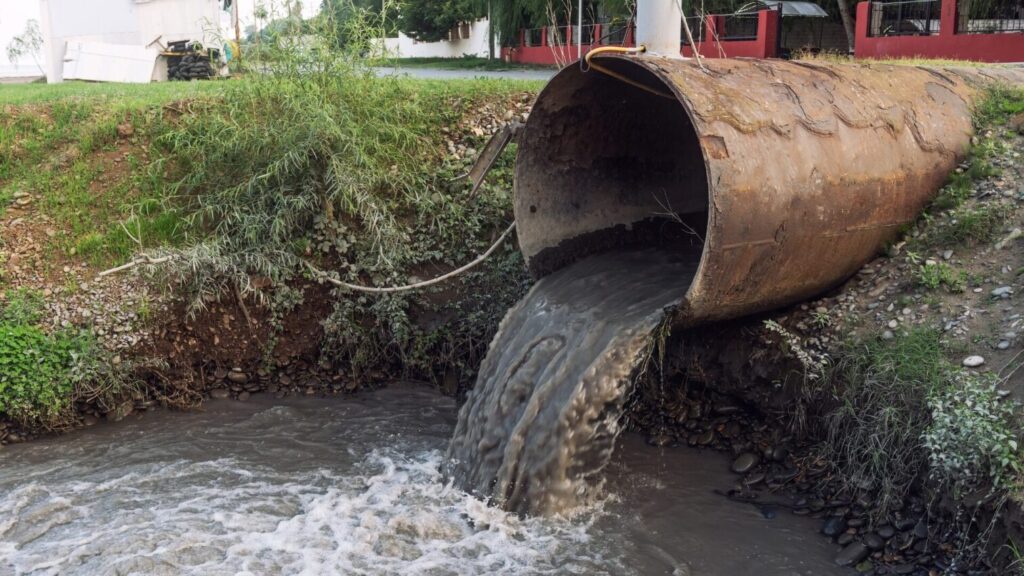
In today’s world, protecting water resources is more critical than ever. At the heart of this mission are environmental engineers, the professionals who design, implement, and refine systems that manage wastewater safely and sustainably. Their work not only protects public health but also preserves the environment for future generations.
Guide to Design a Wastewater Treatment Plant in AutoCAD
Guide to Design a Wastewater Treatment Plant in AutoCAD Introduction Designing a wastewater treatment plant layout requires both engineering insight and careful CAD drafting. This guide provides a step-by-step approach to creating an AutoCAD wastewater treatment plant design that is accurate, organized, and optimized for collaboration. Tailored as a civil engineering AutoCAD guide for city […]
How BioLargo’s Aqueous Electrostatic Concentration Solves PFAS Contamination
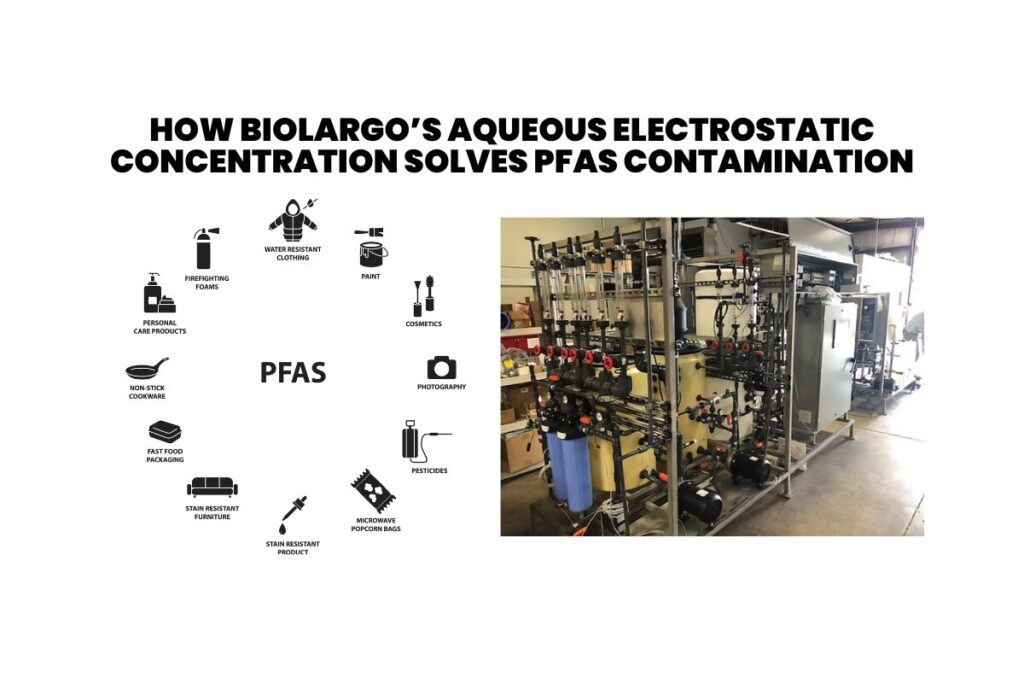
In this episode of Engineers for Communities, we spoke with Tanya Chandler and Sally Gutierrez from BioLargo about tackling one of today’s most critical environmental challenges: PFAS contamination. Known as “forever chemicals,” PFAS are widespread in U.S. water systems, posing serious risks to health and the environment. Tanya and Sally shared insights into the issue and groundbreaking solutions that can make a difference.
Optimizing Collection Systems: Advanced Solutions for I&I Challenges in Rural Communities
In today’s episode of Engineers for Communities, we delve into a pressing issue facing many rural municipalities: inflow and infiltration (I&I). I’m joined by R.H. Borden, who introduces remarkably simple, yet effective technology designed to tackle I&I challenges efficiently. This device, easily installed in manholes, offers a promising solution to accurately locate and address I&I issues within a matter of feet.
Aging Infrastructure and Regulatory Changes in Small Water Systems
These new rules demand significant updates in their operational practices to meet the October 2024 deadline. For smaller water systems, this presents a tough challenge as many lack the necessary resources and data to seamlessly adapt to these requirements.
Importance of Managing Water Loss in Rural Areas
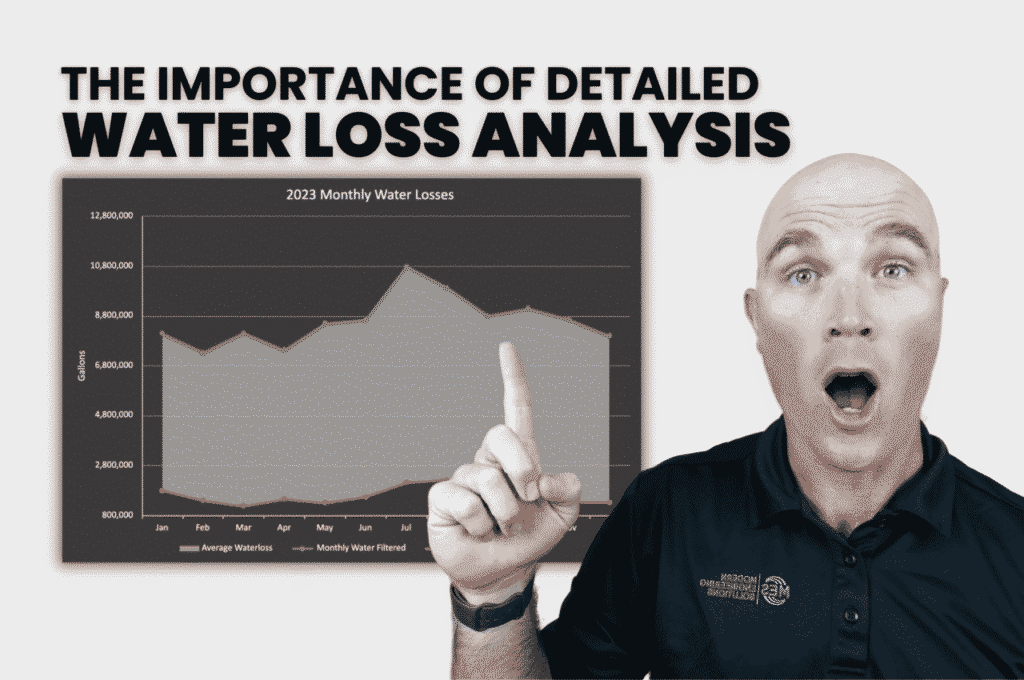
Water loss in small towns wastes resources and puts a strain on their economies and environments. This article looks at why understanding and managing water loss is essential and how it leads to better management and saves money.
Water and Wastewater Technical Assistance for Rural Communities with RCAP
The Rural Community Assistance Partnership (RCAP) is a national network of nonprofit partners with over 350 technical assistance providers across the country. RCAP is dedicated to enhancing the quality of life in rural and tribal communities through various environment-focused programs.
PFAS Polluters to Pay $14.75 Billion Settlement Direct to Public Water Systems
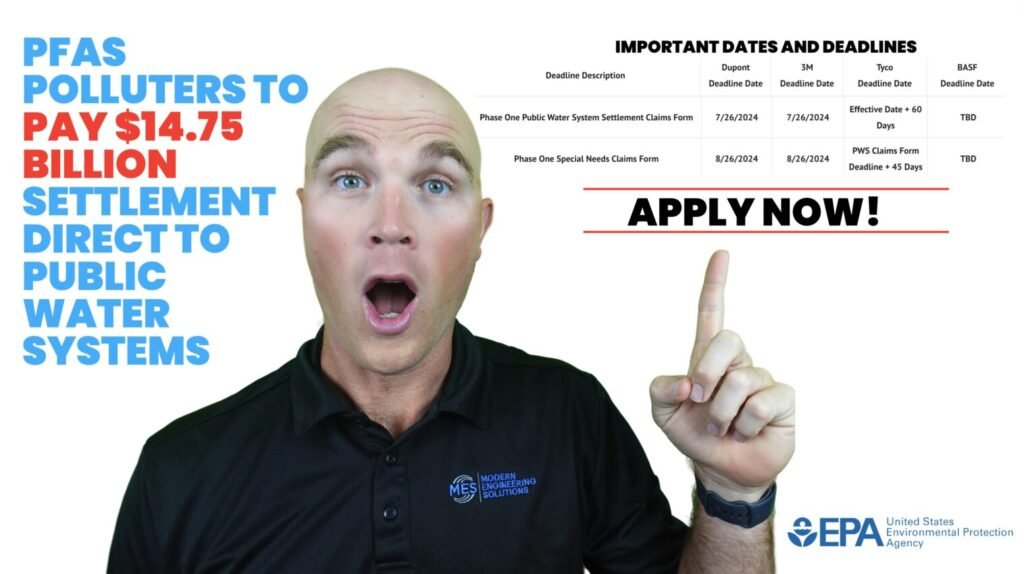
Today, we’re diving deep into the subject with insights from Sam Wade, former CEO of the National Rural Water Association, and current Water Consultant to Napoli Shkolnik Law to understand the legal landscape and financial opportunities available to utilities grappling with PFAS contamination.
Mechanical Wastewater Treatment: Simple Solutions for Solids Management
Welcome to another episode of “Engineers for Communities,”, where we delve into innovative solutions that impact rural communities, developers, and engineers.
Biden-Harris: Taking a Stand Against PFAS Pollution
The Biden-Harris administration is making gigantic steps in the fight against PFAS pollution which degrades our environment and health.
Advancements in Wastewater Treatment: Screen Technologies and Grit Removal Innovations

n this episode, we engage with Simon Randle, who brings light to the latest advancements in wastewater treatment technologies. We delve into diverse solutions that are reshaping how wastewater is managed, from intricate screen technologies at the very beginning of the treatment process to advanced grit removal systems.
Cutting-Edge Water Treatment Solutions: Mixers, Polymers, and Chloramines

Welcome to our recent episode of ‘Engineers for Communities,‘ where we dive into innovative water treatment technologies. Today, we’re excited to share our conversation with David Stanton from Cleanwater1. David introduced us to some fantastic tools that are changing the game for water utilities, big and small.