
Blog
Leveraging the State Water Implementation Fund for Texas (SWIFT) for Rural Water and Sewer Communities: An Exploration
SWIFT is a program designed to offer financial assistance to projects included in the Texas state water plan. Read more!
SWIFT is a program designed to offer financial assistance to projects included in the Texas state water plan. Passed by the Texas Legislature and approved by the state voters, SWIFT is dedicated to developing and optimizing water supplies at cost-effective rates. The program offers low-interest loans, extended repayment terms, deferral of loan repayments, and incremental repurchase terms for projects with state ownership aspects.
The beneficiaries of the SWIFT program are any political subdivisions or non-profit water supply corporations with a project included in the most recent state water plan. These entities include municipalities, counties, river authorities, and special law districts, amongst others.
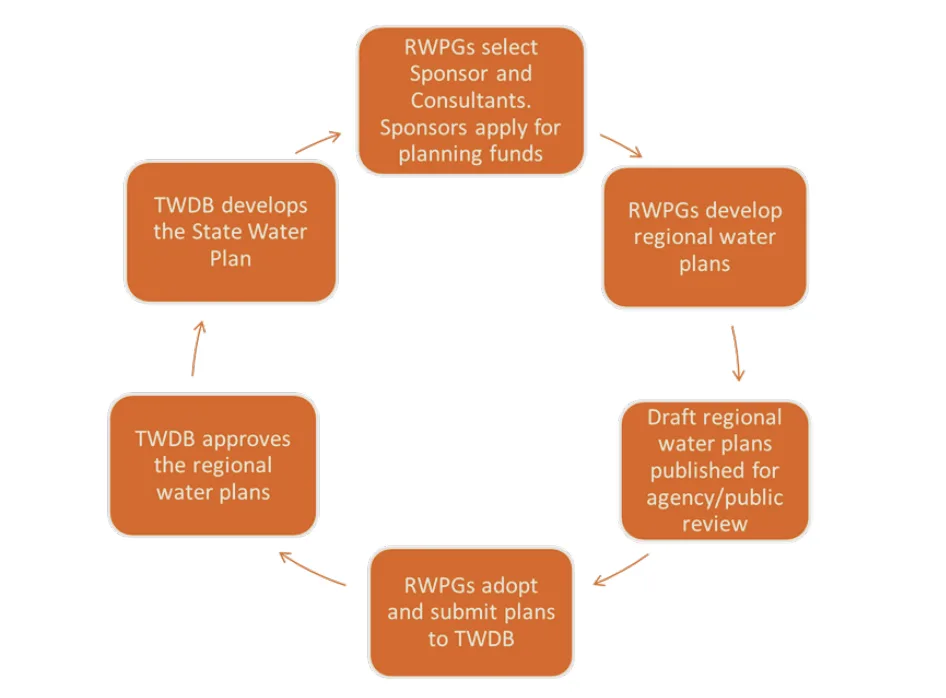
Not all projects are eligible for SWIFT funding. Only recommended water management strategy projects with an associated nonzero capital cost in the most recent state water plan are eligible. These projects can encompass a wide range of water and wastewater solutions including conservation and reuse, desalination, construction of new pipelines, development of reservoirs and well fields, and purchase of water rights.
For instance, if a rural community plans to construct a well field, but the pipeline for water delivery isn’t listed in the plan, the pipeline wouldn’t be eligible for SWIFT financing. However, the legislation encourages SWIFT funding for rural communities, agricultural water conservation, water conservation, and reuse projects.
As an example, consider a rural community that has been grappling with water shortages due to an aging distribution system. After conducting a water audit, they determined the need for a new pipeline to bolster their water supply. With a project included in the state water plan, they were eligible for a low-interest SWIFT loan. This loan allowed the community to invest in new infrastructure, thereby increasing the efficiency of their water distribution and reducing water losses.
The SWIFT program offers various types of assistance such as Low-interest Obligations, Deferred Obligations, Board Participation, and Multi-Year Commitments, providing entities with the flexibility to finance their projects. It’s worth noting that grants are not available in this program.
Depending on the nature of the project and the community, the percentage of subsidy on the interest rates can vary. For example, a project serving a population of 10,000 or less and situated entirely outside of urbanized areas, proposing a project that provides agricultural water conservation or irrigation benefits can qualify for a Rural/Agriculture Low-Interest Obligation, where the subsidy on the interest rate can be up to 50%.
By leveraging the SWIFT program, rural water and sewer providers can significantly reduce their financial burdens and invest more effectively in necessary water and wastewater infrastructure improvements. Moreover, as the SWIFT program encourages conservation and reuse projects, rural communities have the opportunity to build sustainable, long-term water solutions that meet their unique needs and circumstances.
In conclusion, the SWIFT program is a valuable resource for rural water and sewer providers, offering affordable financial assistance for important infrastructure projects. By understanding and leveraging this program, you can make meaningful, cost-effective improvements to your community’s water and sewer systems that will benefit everyone for generations to come.
Keep reading
More to read.
Talk to an engineer
Tell us about your project.
An engineer reads it
Not a salesperson. Someone who can tell you whether the pathway is real.
You get a first answer
Your options, the agencies involved and the questions that decide cost and schedule.
You decide
No commitment to have the first call.
Prefer the phone? (214) 833-6748