
Blog
Key Take Aways From EP11: “How Inflow and Infiltration Impacts Your Collection System and Wastewater Treatment Plant”
Inflow and infiltration impacts hit both your sewers and your treatment plant: lost capacity, overflows, dilute influent and early expansion triggers.
Inflow and infiltration impacts land in two places. In the collection system, rain and groundwater take pipe capacity and cause surcharging, backups and overflows. At the wastewater treatment plant, the same clear water uses up permitted capacity, dilutes the influent and can start an expansion clock early. Measure it before you build for it.
These takeaways come from Episode 11 of our live show, checked against current EPA and Texas rules.
What is inflow and infiltration?
Inflow and infiltration (I&I) is water that is not wastewater getting into a sanitary sewer. Infiltration seeps in from the ground. Inflow pours in from the surface.
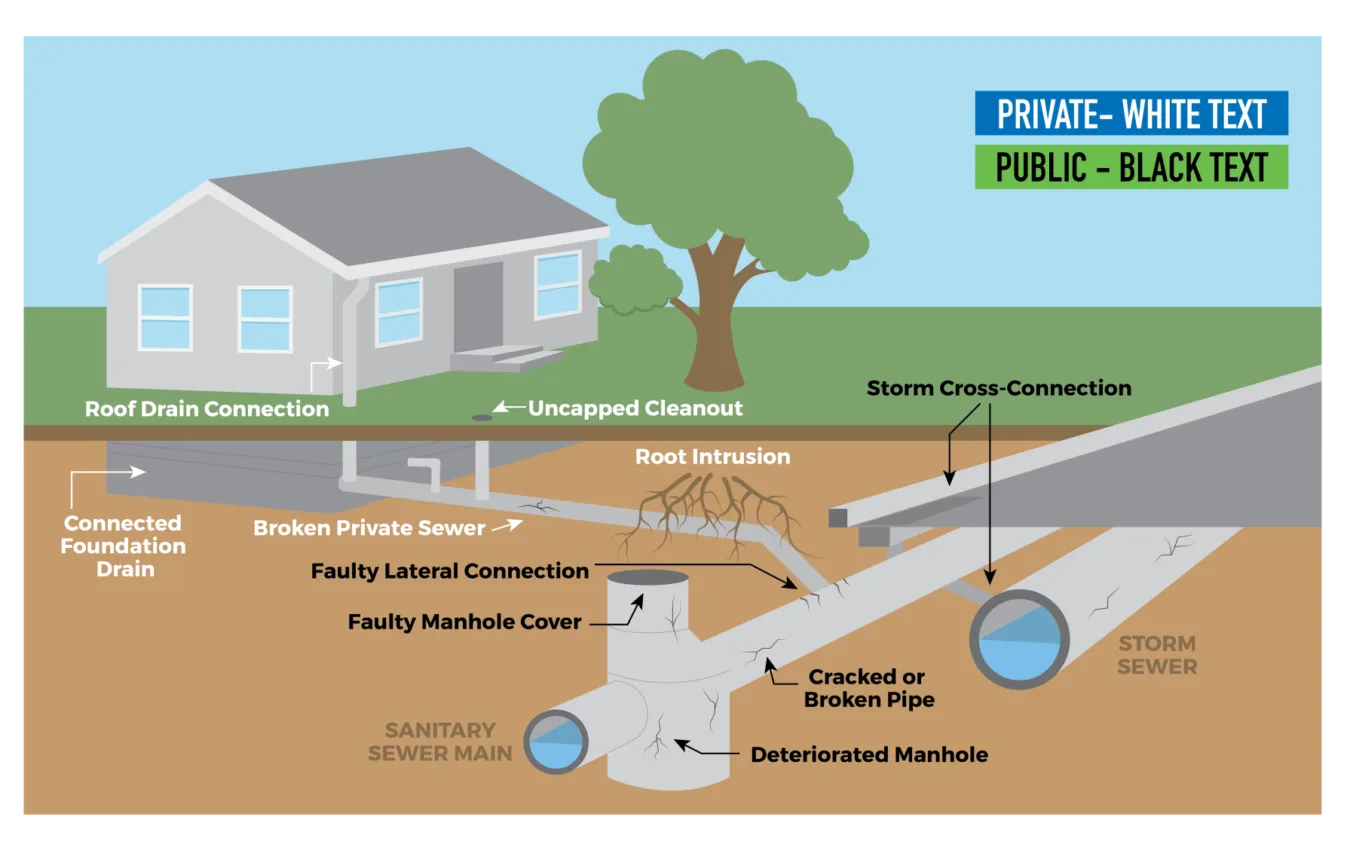
EPA's definitions in 40 CFR 35.2005 draw the line. Infiltration enters from the ground through defective pipes, pipe joints, connections or manholes, and the rule counts service connections and foundation drains as part of the sewer. Inflow comes from sources such as roof leaders, cellar, yard and area drains, manhole covers, cross connections with storm sewers and catch basins.
How does I&I affect your collection system?
It takes capacity the pipes were sized to give sewage. When a storm adds more than a line can carry, the line surcharges, and sewage backs up into buildings or spills from manholes.
EPA's guide for evaluating CMOM programs (2005) says high I&I during wet weather can cause sanitary sewer overflows, even in systems designed to industry standards. EPA's sanitary sewer overflow page lists sewer defects that let stormwater and groundwater overload the system among the common causes.
EPA New England's Guide for Estimating Infiltration and Inflow (June 2014, archived by EPA) adds that surcharging, backups and overflows all need emergency response and disrupt operations. And clear water that gets in upstream of a lift station is pumped there along with the sewage.
How does I&I affect your wastewater treatment plant?
It uses up hydraulic capacity, adds operating cost and makes treatment harder. You pay to pump and treat water that never needed treatment.
The New England guide says excess storm and groundwater robs the system of capacity, burdens operation and maintenance, and reduces the life expectancy of the treatment facility. EPA's definition of nonexcessive inflow asks whether storm flow causes chronic operational problems from hydraulic overloading of the treatment works, or pushes total flow above 275 gallons per person per day.
Dilution is the quieter problem. EPA's secondary treatment standard, 40 CFR 133.102, requires a 30-day average removal of at least 85 percent for BOD5 and suspended solids. Watered-down influent makes that percentage harder to hit. The dilute influent exception in 40 CFR 133.103(d) can allow a lower removal or a mass limit for separate sewers, but only if the dilution is not the result of excessive I&I.
When does I&I push a plant into an expansion?
When measured flow, clear water included, crosses your state's planning trigger. In Texas that starts at 75 percent of permitted flow for three consecutive months.
Under TCEQ's additional standard permit conditions, 30 TAC §305.126, a permittee at 75 percent of permitted flow for three consecutive months must start engineering and financial planning to expand or upgrade. At 90 percent for three consecutive months, it must get TCEQ authorization to begin construction of the added treatment or collection facilities. If the planned population or waste load is not expected to exceed the plant's design, the permittee submits an engineering report, and TCEQ may waive these requirements in writing. Other states set their own triggers.
The flow meter does not know rain from sewage. A wet spring can put three high months on the record with no new connections. Our guide to knowing when a treatment plant needs an upgrade covers the rest of that decision. The New England guide says I&I may be considered excessive when it causes overflows or bypasses, or when transporting and treating it costs more than removing it.
How do you tell if I&I is eating your plant's capacity?
Start with numbers you already keep. Compare plant flow with permitted flow and rainfall, then compare flow per person with your state's standard.
Your permit already makes you monitor effluent volume, under EPA's permit conditions rule, 40 CFR 122.44(i). EPA's ECHO Effluent Charts plot what permittees report on discharge monitoring reports against their permit limits. Where your permit reports flow, you can see how close the plant runs to its limit and which months jump.
Then size it. The New England guide says to examine at least a year of influent flow. Divide plant flow by sewered population: the guide puts state screening standards at 100 to 150 gallons per person per day. Dry weather night flows at seasonal high groundwater estimate infiltration. A spike that rises soon after rain starts and drops quickly points to direct inflow.
Which tests show where I&I gets into the collection system?
Flow monitoring tells you which area has the problem. Manhole inspections, smoke testing, dye testing and CCTV tell you which pipe, manhole or connection.
- Flow monitoring, per the CMOM guide, pairs permanent meters at pump stations and key junctions with temporary meters, typically left in for 30 to 90 days and moved around to find high wet weather flow.
- Manhole inspections, typically every one to five years, record cracks and clear water in the manhole. For a very small system, looking into manholes during low flow can be a low cost first pass.
- Smoke testing is a relatively inexpensive, quick way to find inflow sources such as downspouts, yard drains and faulty service connections. Notify the public first.
- Dye testing confirms whether a fixture or drain connects to the sewer, and flooding around a suspect manhole with dyed water shows where it leaks.
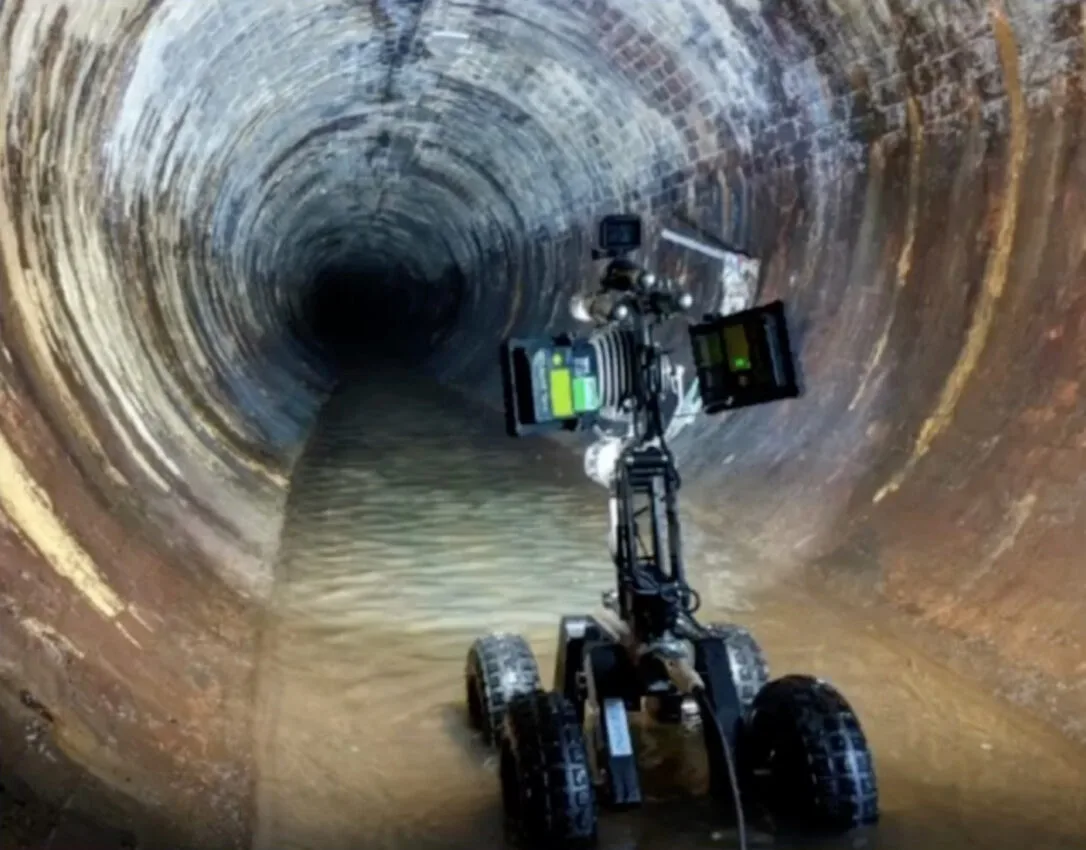
- CCTV records the inside of the pipe and leaves a permanent visual record.
Do not skip the manholes. The CMOM guide notes that covers often sit in the path of runoff, and cracked barrels let groundwater in. We wrote more on why Colorado manholes fail and what fixes them.
How does a master plan turn I&I data into a repair program?
It ranks the problems, puts each fix in a year and a budget, and gives you the record funders want to see.
The CMOM guide asks whether an owner has a capital improvement plan for repair and replacement on a prioritized basis. The New England guide notes that State Revolving Fund applicants are generally required to evaluate I&I, and that building I&I work into the normal public works budget can allow an incremental approach and help defer capacity expansion.
The point from the episode still holds. A 30-year view is not about fixing every pipe this year. It is about knowing which defects cost you the most capacity and working through them in order. Our page for utilities and municipalities covers I&I studies for small and mid-sized systems.
Is your utility ready to start an I&I study?
You are ready if you can answer yes to the first three. If not, closing those gaps is step one.
- Do you have at least 12 months of daily plant influent flow?
- Do you have rainfall records for the same period?
- Do you know your sewered population or connection count?
- Is there a current map of mains and manholes with IDs?
A note on limits: this is general education from public sources, current as of October 2026. The Texas rule applies in Texas, and your permit, your engineer and your regulator have the final word.
Frequently asked questions
Is inflow or infiltration worse for a treatment plant?
Both cost capacity. Inflow drives sharp wet weather peaks that can overload the plant hydraulically. Infiltration raises base flow through the seasonal high groundwater period, which the New England guide says usually follows snowmelt and soil thaw.
Does I&I count against my permitted flow?
Yes. The meter counts every gallon that reaches the plant, sewage or not. The Texas triggers in 30 TAC §305.126 are based on flow measurements, so wet months count.
I run public works for a small Texas city, and our plant ran above 75 percent of permitted flow for three wet months in a row. Do we have to plan an expansion even though we have not grown?
The rule is based on flow measurements, not on why flow rose, so the planning requirement applies unless TCEQ waives it in writing after reviewing your engineering report. Either way, sizing your I&I tells you whether fixing pipes or adding capacity is the better answer.
I'm the operator at a Colorado sanitation district, and our percent removal drops every spring when snowmelt hits the plant. Could I&I be the cause, and is there any relief?
It could. Dilute influent pulls percent removal down even when effluent concentrations look fine. The 40 CFR 133.103(d) relief is not available when the dilution comes from excessive I&I, so measure how much clear water is in that spring flow first.
Related resources
- I&I Analysis: Finding and Fixing Your Worst Sections
- Optimizing Collection Systems: Advanced Solutions for I&I Challenges in Rural Communities
- Understanding Your Community's Wastewater Collection System
- Sanitary Sewer Overflow Risk in Dallas's Older Watersheds: What White Rock and Turtle Creek I&I History Means for Infill Developers
Is I&I eating your plant's capacity?
We help utilities size their I&I, find where it gets in and turn the results into a ranked repair plan before a planning trigger forces the question.
Modern Engineering Solutions, McKinney, Texas, with offices in Golden, Colorado and San Jose, California. 525+ projects completed.
Talk to an engineer about your collection system or call (214) 833-6748.
Keep reading
More to read.
Talk to an engineer
Tell us about your project.
An engineer reads it
Not a salesperson. Someone who can tell you whether the pathway is real.
You get a first answer
Your options, the agencies involved and the questions that decide cost and schedule.
You decide
No commitment to have the first call.
Prefer the phone? (214) 833-6748