
Blog
3 Important Lessons on Upgrading Community Development: The Role of Lift Stations
Lift stations keep wastewater moving where gravity can't. Learn how they work, what maintenance keeps them reliable and how long pumps and wet wells last.
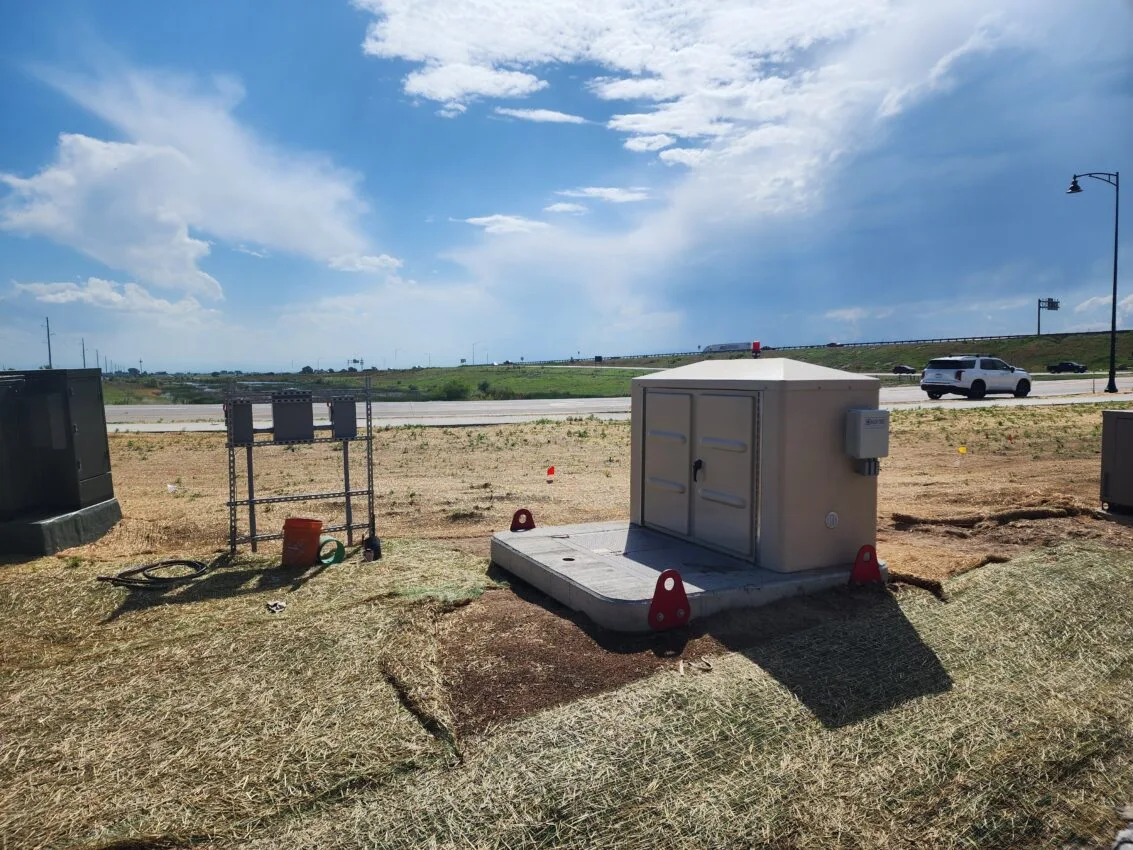
Lesson 1: Understanding Lift Stations and Their Role in Sewer Systems
In this episode, Mike breaks down the concept of lift stations, also known as pump stations, and their vital role in the sewer system or wastewater collection system. They collect and store water in basins until a specific point, where they pump it to a higher elevation, ensuring efficient wastewater treatment. The episode emphasizes their significance in flat or hilly terrains where gravity flow is not feasible. Understanding lift stations helps in better infrastructure planning and development for your community.
Lesson 2: Importance of Operation and Maintenance
Maintaining lift stations is critical for ensuring their smooth and reliable functioning. The episode highlights the need for well-documented operation and maintenance manuals, along with comprehensive training for operators. Regular monitoring and scheduled maintenance play a crucial role in extending the lifespan of various components, such as pumps, control panels, and float switches. Additionally, having a robust emergency response plan prepares your community to handle unexpected events effectively.
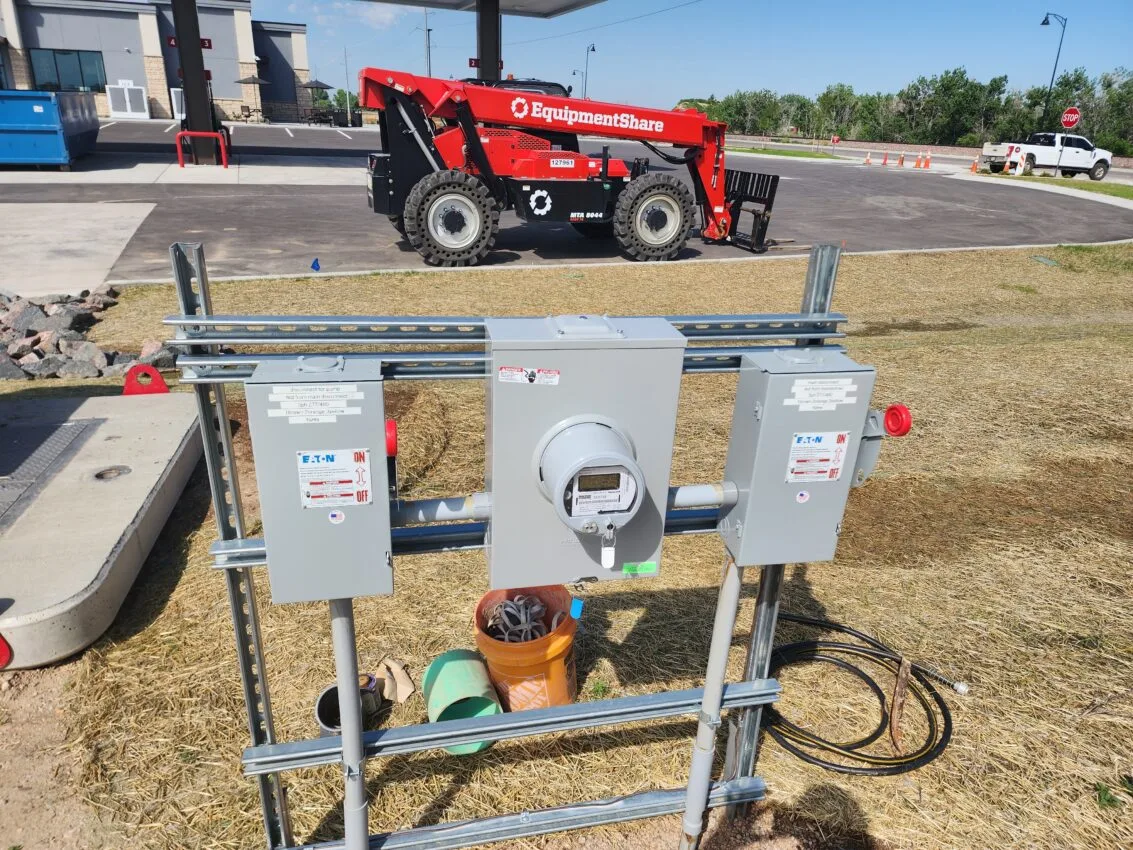
Lesson 3: Key Components and Lifespan Expectancy
The episode delves into the key components of a lift station and provides insights into their expected lifespan. Pumps generally last between 10 to 15 years, and proper inspection and maintenance can significantly impact their performance. Control panels and float switches should be monitored every 15 to 20 years, while pipes and wet wells, if well-maintained, can last up to 100 years or more. Understanding these lifespans helps in budgeting for replacements and avoiding costly breakdowns.
Conclusion
In this episode, we shed light on the importance of lift stations in modern infrastructure. By grasping the concepts, emphasizing operation and maintenance, and understanding key components’ lifespans, communities can ensure efficient wastewater management, public health, and cost-effectiveness. Implementing the lessons from this episode can lead to better community development and a sustainable future for all.
We hope this blog post has been informative and insightful. Stay tuned for more exciting new episodes and valuable content from Engineers for Communities!
Keep reading
More to read.
Talk to an engineer
Tell us about your project.
An engineer reads it
Not a salesperson. Someone who can tell you whether the pathway is real.
You get a first answer
Your options, the agencies involved and the questions that decide cost and schedule.
You decide
No commitment to have the first call.
Prefer the phone? (214) 833-6748