
Speed to Permit
The Development Playbook for Faster Approvals in Texas
Learn which approvals run longest, and start them all on day one.
Written by a licensed engineer who has completed 525+ projects
The problem
Delay is the most expensive line item you never budgeted
In the book's worked example, a 150,000 sq ft build-to-suit warehouse costs about $216,000 for every month it waits, and a six-month slip runs about $1.3 million. Most of the delay comes from the order approvals are started in.
Start the slow lane first, and pick the fastest path the law allows for your site.
Illustrative example from the book. Your numbers will differ.
The lanes
Eight lanes, one schedule
Each lane has its own agency, its own review clock and its own way of stalling a project. Each chapter ends with a first-week checklist.
Platting, zoning and the hearing
Whether you need a plat or a rezone, and the clocks that come with it.
Water
City service, your own system, or an alternative supply.
Sewer
City connection, TCEQ authorization or on-site treatment.
Fire
Hydrant, tap or tank, and how the fire code official decides.
Roads and access
Driveway and access permits from TxDOT or the county.
Floodplain, grading and environmental
Mapped flood areas, drainage and environmental review.
Power
What it takes to get service to the site, and when.
Paying for it
Impact fees, special districts and who pays for what.
Who it's for
Built for people who answer to a project schedule
Checklists and letters
Start the first week with the right documents.
- First-week checklist in every lane
- Sample petition and notice
- Sample water, sewer and fire letters
Playbooks by project type
Which lanes run long for your kind of site.
- Warehouse and data center
- Car wash and drive-thru
- Battery storage and rural parks
Worksheet and quick reference
Put a number on delay and find the right agency.
- What a month costs worksheet
- Quick reference by agency
- Day-one launch list
What's inside
Sixteen chapters, one clear path
Start with the site screen, work through the lanes, then pick the playbook for your kind of project.
- Chapter 1: Buy or walk: the option-period site screen
- Chapter 2: Platting, zoning and the hearing
- Chapter 3: Water
- Chapter 4: Sewer
- Chapter 5: Fire
- Chapter 6: Roads and access
- Chapter 7: Floodplain, grading and environmental
- Chapter 8: Power
- Chapter 9: Paying for it
- Chapter 10: Warehouse and industrial park
- Chapter 11: Data center campus
- Chapter 12: Express car wash
- Chapter 13: Drive-thru and pad sites
- Chapter 14: Battery storage (BESS)
- Chapter 15: Rural business park and flex
- Chapter 16: Buying from a family ranch
Free sample
Read a chapter before you buy
Enter your email and we will send the sample, plus a note when the book is live.

FAQ
Questions about the book
Is this legal advice?
No. The book is based on publicly available law, regulations and agency guidance as of November 2026. It is not legal or engineering advice. Check current rules with a licensed Texas P.E. and, for legal questions, a Texas-licensed attorney.
Does it cover every Texas jurisdiction?
No. It explains how Texas law and the main agencies work, and where cities and counties differ. Local rules vary, so confirm with the city or county before you rely on a timeline.
Who is it for?
Developers of warehouses, data centers, car washes, drive-thru sites, battery storage and rural business parks, plus landowners and the people who advise them.
How current is it?
It reflects law and agency guidance as of November 2026, including the 2025 legislative changes. Rules change, so verify before you act.
Where do I buy it?
On Amazon. This site does not sell books or take payments.
Can MES help with my project?
Yes. MES is a civil engineering firm for water, wastewater and site utilities. Use Talk to an engineer to start a conversation.
More from MES
Also on the shelf
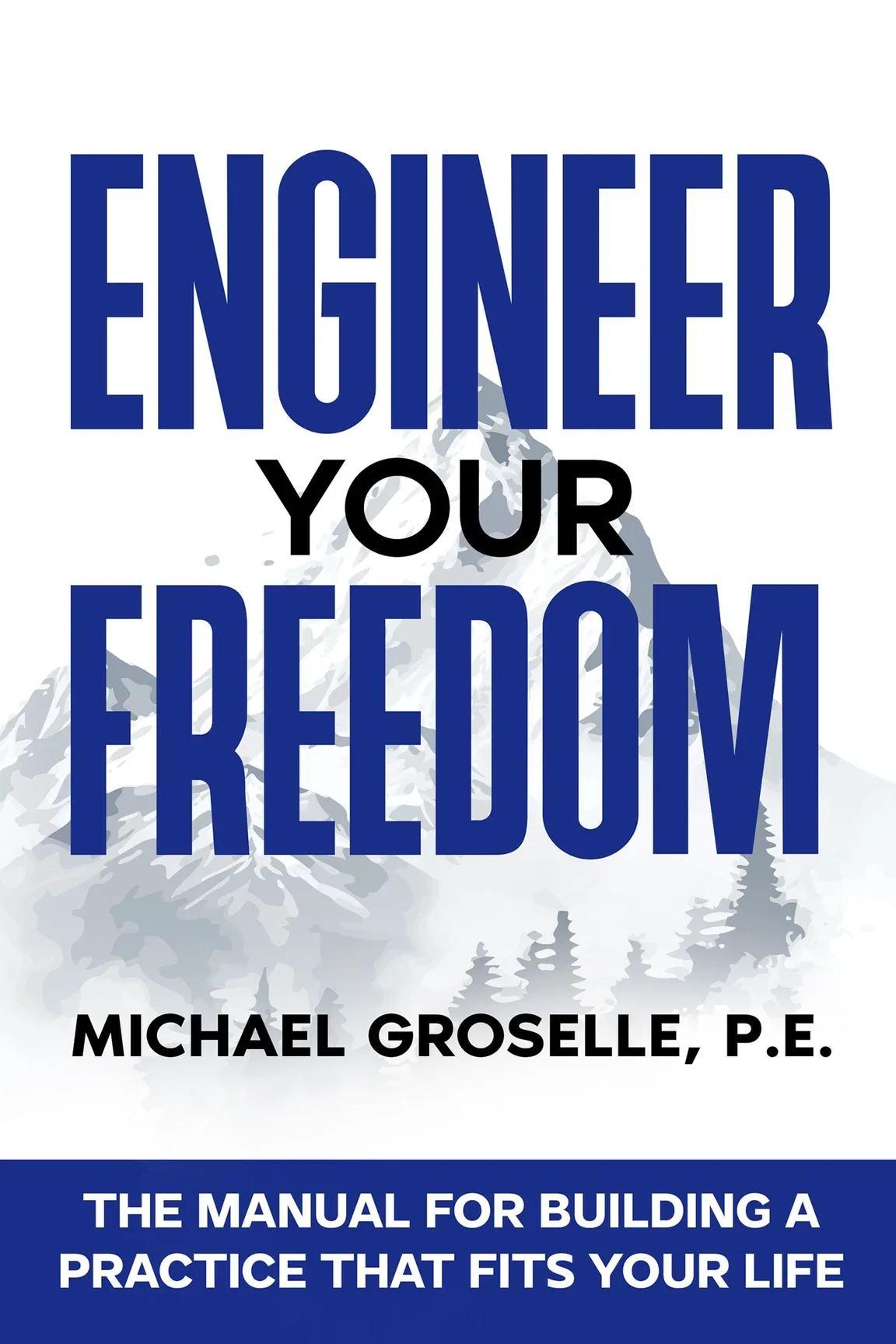
Engineer Your Freedom
How engineers build a consulting practice, from first client to $1 million and beyond.
Back to the book shelf
Every MES book in one place.
Get moving
Get your approvals moving
The book is coming soon. Talk to the engineers who wrote it in the meantime.