Modern Engineering Solutions

Wastewater Engineering
For Texas Land Development

We plan and engineer wastewater solutions for Texas developers that fit site conditions, satisfy TCEQ requirements the first time, and deliver approvals in weeks, because complete, accurate designs move through review without delays.

Engineering Built for Outcomes, Not Overhead

Texas wastewater projects stall when engineers treat TCEQ 30 TAC Chapter 217 permitting, treatment capacity constraints, and collection system design as variables rather than design foundations across DFW, Houston, Austin, San Antonio, and smaller Texas markets.

Value Over
Hours

We price Texas wastewater engagements around confirmed outcomes: TCEQ permits approved, treatment capacity secured in writing, and collection systems sized for full buildout rather than early phases that require replacement when later absorption exceeds initial design assumptions.

Speed as a Design Constraint 

Traditional TPDES discharge permits take 24-36 months. Our 210E industrial reclaimed water authorizations under 30 TAC Chapter 210 Subchapter E close in 4-10 weeks. We identify the fastest viable permit path before design begins, not after submittals are already in review.

Deep Work, Not Meeting Culture

Treatment capacity constraints, collection system hydraulics, and TCEQ 30 TAC Chapter 217 technical criteria get resolved through engineering before applications are filed. TCEQ reviewers in Austin receive complete packages because Texas-specific wastewater problems were solved before submission, not flagged during review.

AI as Leverage, Not a Shortcut

AI handles TCEQ documentation and calculation formatting so licensed Texas PEs focus on collection system design, lift station sizing, and treatment process selection across DFW, Houston, Austin, San Antonio, and smaller Texas markets. Every technical decision is made and stamped by a professional engineer.

What We Do

From treatment planning through TCEQ permitting, construction drawings, and system startup, every wastewater sub-service gets structured around the specific conditions and regulatory requirements your Texas development faces.
Texas wastewater treatment planning starts with a question most engineers defer until design is already underway: what permit path is actually available for this site? Traditional TPDES discharge permits take 24-36 months. 210E reclaimed water authorizations under 30 TAC Chapter 210 close in weeks. Getting this wrong at the start costs more than the engineering fee for the entire project.

We evaluate connection to existing utility, on-site treatment, and regional solutions against your Texas site conditions, timeline, and budget. Treatment processes get selected based on effectiveness, operational simplicity, and lifecycle cost, not what’s easiest to design.

The result is a treatment plan that reflects the fastest viable path to TCEQ approval, sized correctly for Texas growth, and practical for operators to run without constant troubleshooting.
TCEQ wastewater permitting under 30 TAC Chapter 217 requires complete engineering documentation before review begins. Incomplete applications generate information requests that reset the review clock and consume financing windows Texas developers can’t hold open while revision cycles run.

We assemble permit packages structured around the specific criteria TCEQ Austin reviewers check, including hydraulic calculations, process design documentation, collection system drawings, and treatment capacity confirmation. Applications go in complete the first time because problems get resolved during engineering, not during review.

For developments where 210E reclaimed water authorization applies, we structure submittals around 30 TAC Chapter 210 Subchapter E requirements that close in 4-10 weeks rather than the 24-36 months that traditional TPDES permits require.
Wastewater construction drawings that don’t reflect Texas soil conditions, TCEQ Chapter 217 standards, and serving utility requirements produce contractor bids that don’t hold and field conflicts that generate change orders after mobilization.

We produce construction drawings coordinated across collection mains, manholes, lift stations, force mains, and service laterals simultaneously with civil grading design. Expansive clay backfill treatment requirements, caliche excavation notes, and Texas utility district construction standards get built into drawings from the first session rather than added as corrections after plan check comments.

Contractors receive complete, biddable drawings sealed by a Texas-licensed PE. No clarification delays, no scope gaps, no field conflicts that coordinated design would have resolved during engineering.
Infiltration and inflow above acceptable thresholds reduces collection system capacity for new development connections and creates TCEQ compliance exposure for Texas utilities operating near permitted treatment capacity. Texas severe thunderstorm events drive inflow into older Houston area, DFW, and San Antonio collection systems at rates that dry weather flow monitoring consistently underestimates.

We evaluate wet weather flow data, smoke testing results, and pipe inspection records to quantify I&I, identify primary sources, and prioritize rehabilitation based on capacity recovery per dollar invested. Texas utilities facing TCEQ capacity compliance pressure benefit from I&I analysis that identifies the most cost-effective path to creating capacity headroom for new development connections.

Developers connecting to Texas utilities with documented high I&I rates benefit from analysis during due diligence, confirming whether available capacity figures account for wet weather flow that reduces effective capacity below what dry weather measurements suggest.
Hydraulic modeling that uses incorrect flow assumptions or fails to account for Texas peak wet weather conditions produces collection systems that appear adequate on paper and overflow in the field when severe thunderstorms drive inflow beyond what dry weather models predicted.

We model collection systems under peak dry weather demand, wet weather inflow, and lift station failure scenarios using Texas-specific flow data. Pipe sizing, lift station wet well volumes, and force main capacity get verified under worst-case Texas conditions rather than average conditions that don’t reveal system deficiencies until a storm exposes them.

TCEQ permit applications include hydraulic analysis results that demonstrate 30 TAC Chapter 217 compliance under the conditions reviewers check, so permits move through review rather than generating requests for additional hydraulic documentation.
Collection system design that doesn’t account for Texas soil conditions, utility district construction standards, and TCEQ Chapter 217 requirements produces contractor bids that don’t reflect actual installation costs and field conflicts that change orders resolve after mobilization.

We design gravity mains, manholes, and service laterals coordinated with civil grading so pipe slopes work with finished grades rather than requiring field redesign when grading establishes elevations the collection system can’t accommodate. Expansive clay bedding requirements, caliche excavation conditions, and Texas utility district pipe material standards get incorporated from the first drawing session.

DFW, Houston, Austin, San Antonio, and smaller Texas markets each apply different utility construction standards that collection system drawings address specifically rather than relying on generic Texas minimums that may not match what the serving utility requires.
Undersized lift stations starve downstream collection systems during peak flows. Oversized stations short-cycle pumps, accelerate wear, and create septicity problems that Texas utility operators weren’t staffed to manage when the development was permitted.

We design lift stations sized for full buildout flow rather than Phase 1 demand, with wet well volumes, pump selection, and force main sizing verified under peak Texas flow conditions. Emergency power provisions, TCEQ 30 TAC Chapter 217 operational requirements, and Texas utility district construction standards get incorporated from initial design rather than as corrections during permit review.

Lift station siting gets coordinated with civil grading and site layout so installations don’t create conflicts with other utility corridors that field corrections would have to resolve at change order rates rather than during engineering when fixes cost hours.

Our Approach

Texas wastewater projects start with feasibility confirmed, capacity secured in writing, and the fastest TCEQ permit path identified before design begins.

Wastewater Feasibility First

Connection to existing utility, on-site treatment, or regional solutions get evaluated against your Texas site conditions, timeline, and budget before capital is committed. Developers learn what’s feasible, what’s not, and what it will cost before design investment locks in an approach that field reality may not support.

Complete TCEQ Submittals

Engineering packages meet TCEQ requirements under 30 TAC Chapter 217 the first time. We know what Austin reviewers expect because we’ve been through the process hundreds of times across Texas, and fewer comments and revisions mean fewer delays that push financing windows and construction schedules.

Fastest Permit Path Identified

210E industrial reclaimed water authorizations under 30 TAC Chapter 210 Subchapter E close in 4-10 weeks during TCEQ’s busiest periods. Traditional TPDES discharge permits take 24-36 months. Identifying which path applies to your Texas project before submittals begin is the single most impactful schedule decision in Texas wastewater development.

Systems Built for Texas Growth

Collection systems, lift stations, and treatment facilities get designed for full buildout demand rather than Phase 1 flow, so infrastructure installed early serves the complete development without replacement when later phases add connections and Texas market absorption continues beyond initial projections.

Projects

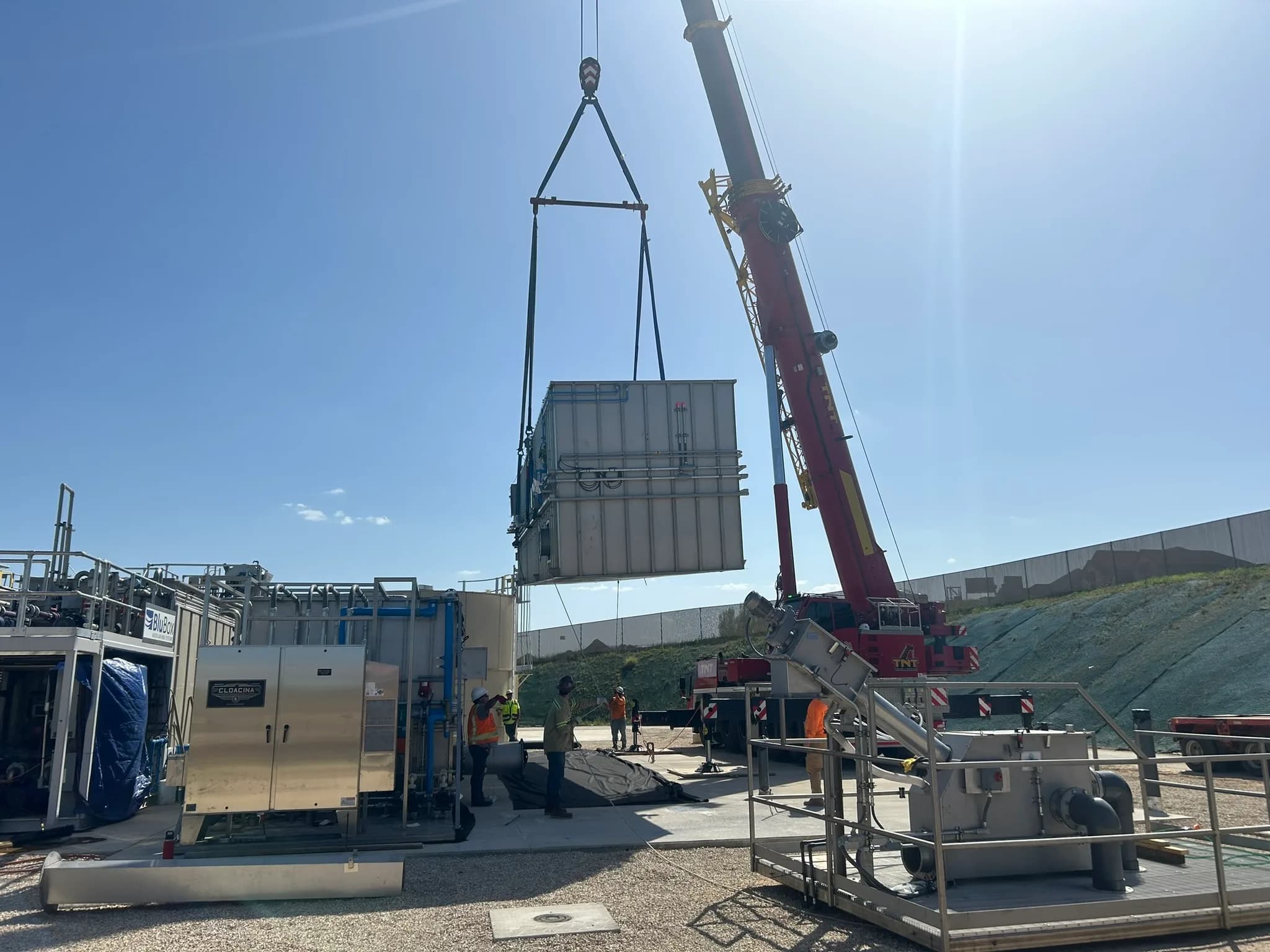
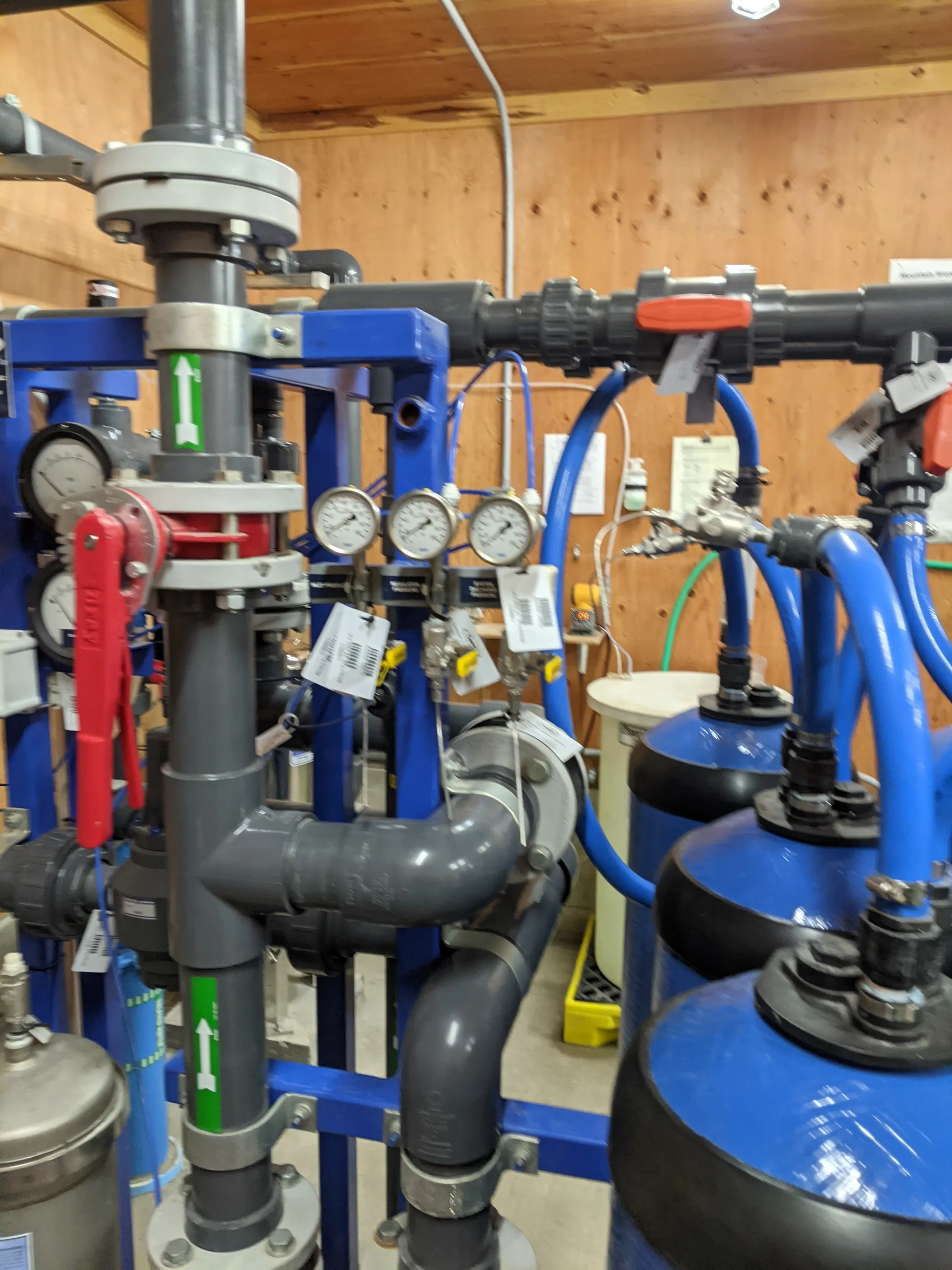
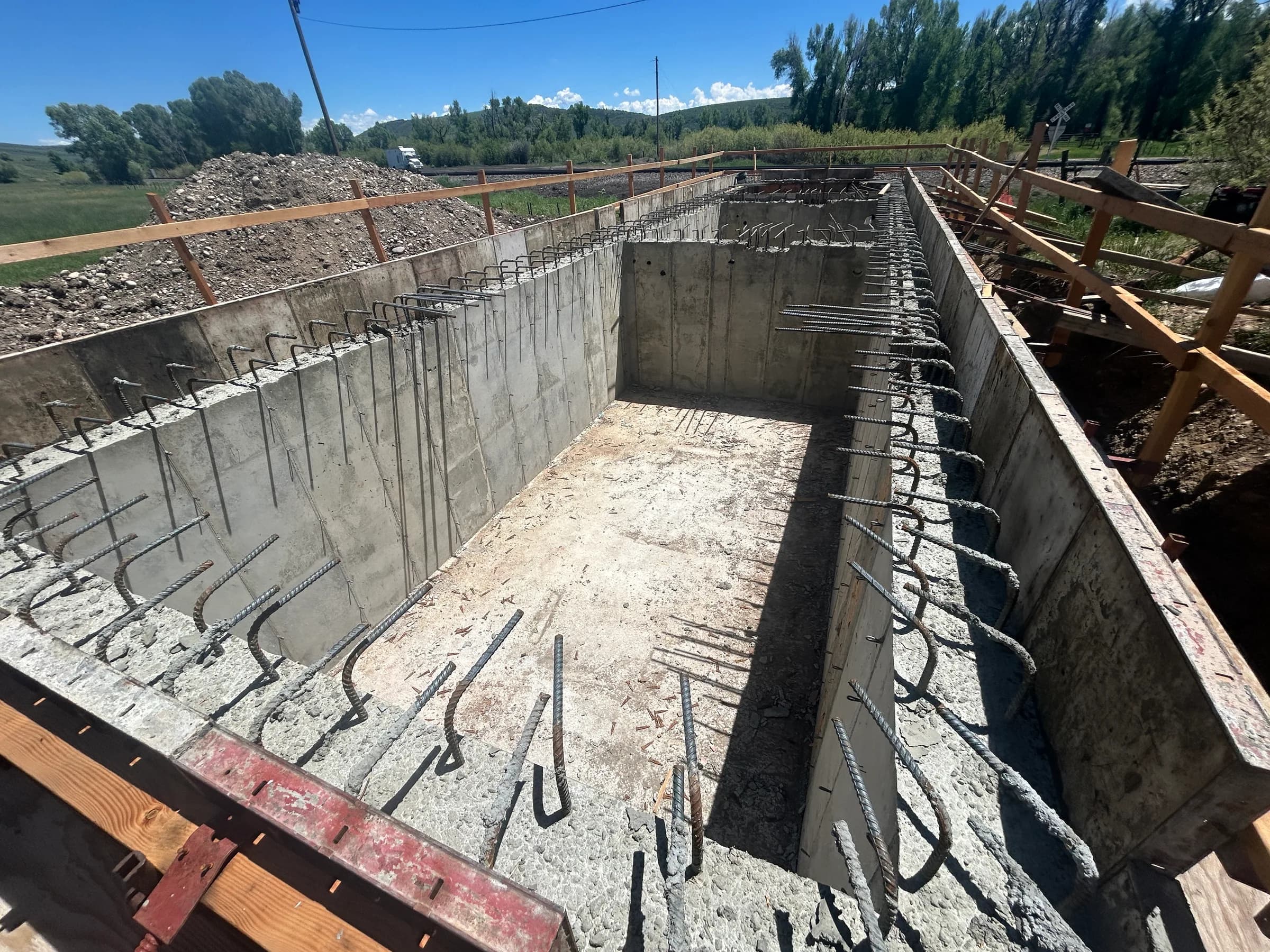
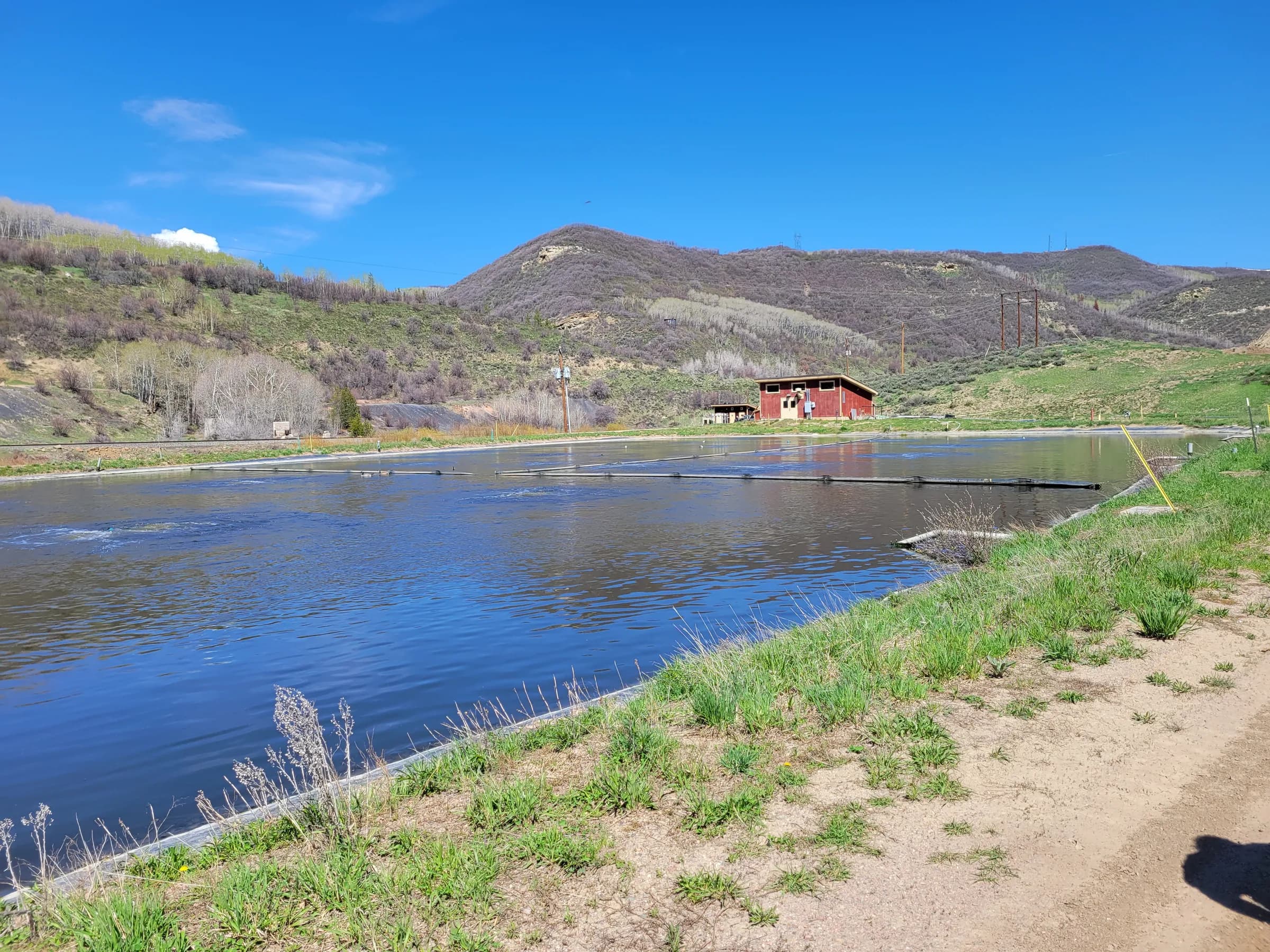
Modern Engineering Solutions delivers water and wastewater engineering across diverse regulatory environments, demonstrating efficient permitting and site-specific design expertise.

Why Choose Modern Engineering Solutions

Why Choose MES

1

Risks Identified Early

Wastewater capacity limitations, unclear TCEQ permit paths, and utility requirement conflicts get identified during feasibility rather than after land closes and design investment has been made. Developers working with us get clear go or no-go answers before capital is committed to approaches that Texas regulatory reality won't support.

2

TCEQ Permits Without Revision Cycles

Wastewater permit applications include hydraulic documentation, collection system design, treatment process documentation, and capacity confirmation assembled before first submission. TCEQ reviewers receive technically complete packages rather than applications that satisfy filing requirements while leaving substantive engineering questions open for comment letters.

3

Systems That Handle Texas Growth

Rapidly growing Texas markets including North Texas suburbs, Houston area MUD districts, and Central Texas corridors absorb lots faster than conservative phasing plans assume. Collection systems, lift stations, and force mains sized for ultimate buildout protect developers from the infrastructure replacement costs that early-phase-only sizing produces when absorption accelerates.

4

Engineering Partner, Not Paper Pusher

We act as an engineering partner focused on delivery. Wastewater risks get flagged before they affect timelines. Permit paths get confirmed before design begins. Field problems get resolved before they become change orders. Texas developers working with us maintain project momentum from feasibility through TCEQ closeout.

Frequently Asked Questions

Wastewater treatment planning and TCEQ permitting for a DFW subdivision need to advance together with the permit path confirmed before design begins. Traditional TPDES discharge permits take 24-36 months. 210E reclaimed water authorizations under 30 TAC Chapter 210 close in 4-10 weeks. Identifying which path applies to your DFW development before submittals begin is the most impactful schedule decision in Texas wastewater development.

DFW wastewater permitting involves coordination across several agencies:

  • TCEQ Austin reviews discharge permits and 210E authorizations under 30 TAC Chapters 217 and 210 respectively
  • North Texas municipal utility districts and city utilities each apply different collection system construction standards and capacity reservation processes
  • Fast-growing North Texas cities including Frisco, McKinney, Prosper, and Celina have utility service territories with capacity constraints that change as development absorption commits available treatment allocation

MES handles wastewater treatment planning coordinated with TCEQ permit requirements for DFW land developers, confirming permit path and treatment capacity before design investment is made.

Hydraulic modeling and collection system design for a Harris County development require familiarity with Houston area MUD district collection system standards and the flat Gulf Coast terrain conditions that affect gravity sewer design across the Houston metro differently than DFW or Central Texas.

Houston area wastewater engineering involves:

  • Flat Harris County terrain that creates minimal pipe slope margins requiring careful hydraulic verification to maintain self-cleaning velocities that North Texas developments achieve with natural grade
  • Houston area’s high water table conditions that affect pipe joint integrity requirements and lift station buoyancy design differently than DFW or Austin developments
  • MUD district collection system standards that vary by district and apply alongside TCEQ Chapter 217 requirements for new development infrastructure
  • Severe thunderstorm I&I patterns in older Harris County collection systems that affect capacity calculations for new development connections during wet weather periods

MES provides hydraulic modeling and collection system design for Harris County developments coordinated with civil grading design simultaneously.

A 210E authorization under 30 TAC Chapter 210 Subchapter E authorizes the use of treated wastewater effluent for industrial purposes including land application, irrigation of non-food crops, and other non-potable uses. For Texas land developers, 210E authorizations provide a significantly faster path to wastewater system approval than traditional TPDES discharge permits when site conditions and intended reuse meet Chapter 210 requirements.

Key differences between 210E authorizations and TPDES permits include:

  • Timeline: 210E authorizations close in 4-10 weeks during TCEQ’s busiest periods. Traditional TPDES discharge permits take 24-36 months from application through issuance
  • Process: 210E authorizations involve TCEQ administrative review without the public notice and comment period that TPDES permits require, eliminating a significant source of timeline uncertainty
  • Discharge restrictions: 210E authorizations govern effluent reuse rather than surface water discharge, which affects treatment standards and site design requirements for the land application or reuse system
  • Applicability: not every Texas development site qualifies for 210E authorization. Site conditions, treatment system type, and intended effluent use determine whether 210E is available as an alternative to TPDES permitting

MES evaluates 210E authorization eligibility during Texas wastewater feasibility analysis, confirming which permit path applies before design investment is committed to an approach that may require a longer permit timeline than the development schedule assumes.

TCEQ wastewater permit timelines in Texas vary significantly by permit type. 210E reclaimed water authorizations under 30 TAC Chapter 210 typically take 4-10 weeks for complete applications. Traditional TPDES discharge permits under 30 TAC Chapter 217 take 24-36 months from application through issuance.

A complete TCEQ wastewater permit application includes:

  • Hydraulic calculations demonstrating collection system capacity for the development’s full buildout flow projections
  • Collection system design drawings meeting 30 TAC Chapter 217 standards
  • Treatment process documentation demonstrating compliance with applicable effluent standards
  • Treatment capacity confirmation from the serving utility or facility design documentation for independent systems
  • Lift station documentation where pump stations are required

MES assembles complete TCEQ wastewater permit packages before first submission so baseline review timelines reflect actual agency processing rather than information request cycles that add months to schedules financing commitments assumed would be shorter.

Confirming treatment capacity in Texas requires written allocation commitment from the serving utility, not verbal assurance from utility staff. Fast-growing Texas markets including North Texas suburbs, Houston area MUD districts, and Central Texas corridor utilities have capacity constraints that change as development absorption commits available allocation between your due diligence and connection application.

MES coordinates written capacity confirmation with the serving Texas utility during wastewater due diligence so developers know what’s available and under what conditions before committing design resources to systems that depend on capacity that hasn’t been formally reserved.

Collection system change orders on Texas development sites most commonly originate from three sources:

  • Expansive clay conditions along collection main alignments requiring lime stabilization of trench backfill that wasn’t included in original bids because soil treatment scope wasn’t fully defined before bidding
  • Grade conflicts where collection mains designed without civil grading coordination require field redesign when finished grades don’t provide adequate gravity flow slope, particularly on flat Houston area and DFW development sites
  • Utility conflicts where collection mains, water mains, and dry utilities designed by separate firms intersect in ways that coordinated design would have resolved during drawing production rather than in the field at change order rates

MES advances wastewater and civil engineering together on Texas projects, resolving grade conflicts, soil treatment scope, and utility coordination during design when fixes cost hours rather than during construction.

A lift station pumps wastewater from a lower elevation to a higher elevation where gravity flow to the treatment system becomes achievable. Texas developments need lift stations when terrain prevents gravity collection from reaching the connection point, which occurs more frequently in flat Houston area and DFW developments than in Central Texas Hill Country sites where natural grade provides more gravity sewer slope opportunities.

Texas-specific lift station design considerations include:

  • Wet well sizing accounting for Texas severe thunderstorm I&I flows that increase wet weather demand beyond dry weather projections in established collection system service areas
  • Emergency power provisions that TCEQ requires under 30 TAC Chapter 217 for lift stations serving significant populations
  • Expansive clay foundation conditions affecting wet well structural design differently than stable soil foundations in other states
  • High water table conditions in Houston area developments requiring buoyancy calculations for below-grade wet well construction

MES designs Texas lift stations sized for full buildout flow so early phase pump stations serve the complete development without replacement when later phases increase system demand.

Yes. Wastewater collection mains depend on gravity flow, which means pipe slopes have to work within finished grades that civil grading establishes. When civil and wastewater design advance independently on a Texas development, collection mains designed without grading data often require field redesign when finished grades don’t accommodate the slopes the collection system needs, particularly on flat Houston area and DFW sites where grade margins are minimal.

Texas expansive clay conditions compound the problem. Lime stabilization scope calculated for grading without accounting for utility trench areas produces contractor bids that require revision after coordination reveals the full treatment scope. MES advances wastewater and civil engineering simultaneously on Texas projects because coordinated design is significantly cheaper than construction-phase correction in Texas’s expansive clay development markets.

Running out of wastewater treatment capacity before buildout completes creates a direct block on certificates of occupancy for finished lots that cannot connect to a full treatment system. Texas utilities operating at permitted treatment capacity cannot legally accept new connections until expansion capacity comes online.

Treatment plant expansions in Texas typically require 18-36 months from planning through construction, and fast-growing North Texas, Houston area, and Central Texas utilities have experienced capacity constraints as development absorption outpaced expansion timelines. Developers who discover capacity gaps when Phase 3 lots complete face carrying finished lots without revenue for potentially years while waiting on infrastructure that phasing confirmation before builder commitments would have prevented.

MES coordinates capacity confirmation and phasing alignment during Texas wastewater due diligence rather than after the problem surfaces mid-project when solutions are significantly more expensive.

Construction drawings for a Texas wastewater collection system typically include:

  • Plan and profile sheets showing gravity main alignments, pipe sizes, slopes, and depths with Texas expansive clay backfill treatment notes and caliche excavation documentation where applicable
  • Manhole detail sheets meeting serving utility construction standards that vary by Texas MUD district and municipality
  • Lift station plan, section, and detail sheets sized for Texas peak flow conditions with emergency power and TCEQ 30 TAC Chapter 217 operational provisions
  • Force main plan and profile sheets from lift stations to gravity system connections
  • Service lateral detail sheets showing connection requirements for individual lots meeting the applicable Texas utility district standards

MES produces construction drawings satisfying both TCEQ 30 TAC Chapter 217 permit requirements and serving utility construction standards simultaneously, sealed by a Texas-licensed PE.

TCEQ requires construction drawings as part of wastewater permit applications under 30 TAC Chapter 217. Applications submitted without complete drawings generate information requests that extend review timelines beyond baseline processing periods.

Permit preparation and drawing development can advance simultaneously rather than sequentially. Preliminary hydraulic calculations and collection system layout support application preparation while construction details are finalized. MES structures Texas wastewater permitting to advance permit preparation alongside construction drawing development, compressing the overall timeline between design kickoff and TCEQ permit issuance without sacrificing the technical completeness that TCEQ Austin reviewers require for first-pass approval.

Texas wastewater engineering differs from other states in ways that affect permit timelines, design standards, and construction costs.

Compared to Colorado and Arizona, Texas’s 210E reclaimed water authorization pathway provides a significantly faster alternative to traditional discharge permitting that CDPHE and ADEQ don’t offer in the same form. Texas expansive clay conditions create collection system trench backfill treatment requirements that Colorado’s rock conditions and Arizona’s caliche profiles don’t produce as consistently across the state.

Compared to California and Florida, Texas TCEQ permitting under 30 TAC Chapter 217 moves faster than California’s Regional Water Quality Control Board discharge permit framework and Florida’s FDEP permitting process. Texas lacks California’s CEQA environmental review requirements and Florida’s high water table buoyancy design obligations, though Texas’s expansive clay conditions and severe thunderstorm I&I patterns create design challenges those states don’t consistently produce.

MES applies Texas-specific 210E authorization analysis, TCEQ 30 TAC Chapter 217 permitting, and Texas soil condition design standards rather than approaches from other states that don’t match what Texas agencies and utility districts actually require.

Talk to an Engineer

If your Texas project depends on wastewater approvals, we can define the fastest viable path forward in a 15-minute call. No cost.