Modern Engineering Solutions

Water Engineering
For Texas Land Development

We partner with Texas municipalities to design treatment plants and distribution systems that meet TCEQ standards, deliver consistent water quality, and operate efficiently, practical solutions engineered for real-world conditions.

Engineering Built for Outcomes, Not Overhead

Texas water projects fail when engineers treat TCEQ 30 TAC Chapter 290 permitting, source water variability across Texas aquifers, and peak summer demand patterns as variables rather than design foundations.

Value Over
Hours

We price Texas water engagements around confirmed outcomes: TCEQ distribution permits approved, supply confirmed from providers whose capacity accounts for Texas drought variability, and storage sized for peak summer demand rather than annual averages that fail when July outdoor irrigation and cooling demand peaks simultaneously.

Speed as a Design Constraint 

TCEQ water permit timelines and utility service confirmation affect when Texas developers can commit to builder presales. We treat both as non-negotiable schedule inputs from the first project meeting rather than parallel processes that create surprises when they don’t align with construction timelines.

Deep Work, Not Meeting Culture

Source water analysis, pressure zone design across Texas’s varied terrain, and TCEQ 30 TAC Chapter 290 technical criteria get resolved through engineering before applications are filed. Reviewers receive complete packages because supply questions and hydraulic gaps were answered before submission.

AI as Leverage, Not a Shortcut

AI handles TCEQ documentation formatting and hydraulic calculation outputs so licensed Texas PEs focus on supply confirmation, distribution design, and treatment process selection across DFW, Houston, Austin, San Antonio, and smaller Texas markets. Every sizing decision is made and stamped by a professional engineer.

What We Do

We partner with utilities and plant operators to plan and design water treatment systems that fit the source water, the community, and the operating budget.
Getting treatment right from the start saves millions over the life of your system.
Iron and manganese staining fixtures. Hardness scaling pipes. Arsenic pushing you toward TCEQ violations. We evaluate your raw water quality and match it to treatment that works: conventional, membrane, ion exchange, or oxidation. Selection based on capital cost, operating cost, and what your operators can realistically maintain.
For new systems, we size to actual demand, not worst-case projections. For existing systems, we find upgrades that solve compliance without replacing infrastructure that’s still working.
Every Texas public water system needs TCEQ approval before serving customers.
New sources, treatment upgrades, capacity expansion: each requires detailed plans under 30 TAC Chapter 290, Subchapter D. Miss something and you’re looking at weeks of back-and-forth while your project sits.
We prepare applications that satisfy TCEQ the first time. Preliminary engineering reports through construction approvals. Plans sealed by a Texas-licensed PE.
Our clients typically see approval in 60-90 days. Those who came after failed submittals had already burned 6+ months.
Your contractor can only build what’s on the drawings.
We produce complete plan sets in AutoCAD Civil 3D: treatment facilities, pump stations, storage tanks, distribution systems. Plans, profiles, sections, specifications meeting TCEQ and AWWA standards. Structural, mechanical, electrical, instrumentation coordinated before drawings leave our office.
Stamped by a Texas-licensed PE. Biddable documents that move projects from paper to construction without the back-and-forth that kills schedules.
Deliver adequate pressure and fire flow to every customer, every time.
TCEQ requires 35 psi minimum at service connections under normal conditions, 20 psi during fire flow per 30 TAC 290.44(d). In North Texas where 50-100 foot elevation changes between pressure zones are common, meeting these numbers requires more than pipe sizing tables.
We design mains, services, valves, and hydrants sized to actual demands. Hydraulic analysis for proper sizing. Looping for reliability. Valve placement for maintenance and emergency isolation. Fire hydrant spacing that satisfies your fire marshal.
Know your system works before you build it.
We build detailed models using EPANET and WaterCAD calibrated to Texas conditions: high summer demand peaks, drought scenarios, TCEQ capacity requirements under 30 TAC 290.45. Normal demands, peak hour, fire flow, emergency situations.
The modeling catches undersized mains, inadequate fire flows, and low pressure zones when they’re cheap to fix. By construction, you know the system performs.
High water loss means higher costs, wasted capacity, and TCEQ asking uncomfortable questions.
We perform audits following AWWA M36: real losses (leaks) versus apparent losses (meter inaccuracy, unauthorized use). Production records, billing data, system operations. For utilities facing TCEQ scrutiny, this identifies whether to invest in leak detection, meter replacement, or pressure management. For developers inheriting systems, it shows what you’re buying before you close.
When your system serves different elevations or long transmission mains, booster stations must maintain pressure reliably.
In Texas developments where 50-100 foot elevation changes are common, getting this right isn’t optional. We design stations with proper sizing, redundant pumps, variable frequency drives, and controls that maintain target pressures automatically. Suction conditions, discharge protection, backup power, maintenance access all addressed.
Stations that run for years without problems.
High-pressure zones at lower elevations cause main breaks, service line failures, and wasted water.
PRVs control downstream pressures, but only if designed correctly. Undersized valves chatter and fail. Oversized valves can’t maintain control at low flows.
We design PRV vaults with proper sizing for your flow range, bypass provisions, monitoring instrumentation, and operator access per TCEQ requirements under 30 TAC 290.46(r).
Storage tanks sized on annual average demand run low in July and August when Texas peak consumption and fire flow requirements coincide. Tanks sized correctly from the start avoid the emergency storage expansion projects that catch utilities short during Texas drought conditions.

For new tank design, we size storage using Texas peak day demand calculations, wind load requirements for Texas severe weather exposure, and TCEQ standards under 30 TAC Chapter 290. Foundation design accounts for expansive clay conditions common across DFW and Central Texas that affect tank structural performance over time.

For rehabilitation, we assess existing coating condition, structural integrity, and capacity adequacy before recommending repair scope. Texas heat and UV exposure accelerate coating degradation beyond what moderate climate tanks experience, and rehabilitation timed before coating failure prevents the interior contamination that failed coatings create in public water systems.

Our Approach

Texas water engineering starts with source water analysis completed, supply confirmed, and TCEQ requirements established before distribution design opens.

Source Water Analysis First

Raw water quality including hardness, organics, iron, manganese, turbidity, and contaminants of concern gets evaluated before treatment or distribution design begins. Texas groundwater and surface water sources each present different treatment requirements that define system design before a single pipe is sized or a treatment process is selected.

Hydraulic Modeling for Texas

Distribution mains get sized using peak day demand calculations reflecting Texas’s extreme summer outdoor irrigation season, elevation-driven pressure zone requirements, and fire flow standards for your development’s density. DFW’s varied terrain creates different pressure zone design requirements than Houston’s flat Gulf Coast or Austin’s Hill Country topography.

TCEQ Permit Assembly

Water system permits reach TCEQ with hydraulic analysis, fire flow documentation, storage calculations, and supply confirmation assembled as one complete package. Applications get structured around 30 TAC Chapter 290 criteria rather than generic submittals that generate information requests extending timelines past construction financing windows.

Startup Through Certification

Pressure testing, disinfection, and bacteriological sampling get coordinated with Texas contractors so TCEQ certification documentation is complete before lots need to close. Startup milestones align with lot release schedules so certificates of occupancy issue when construction finishes rather than weeks later.

Projects

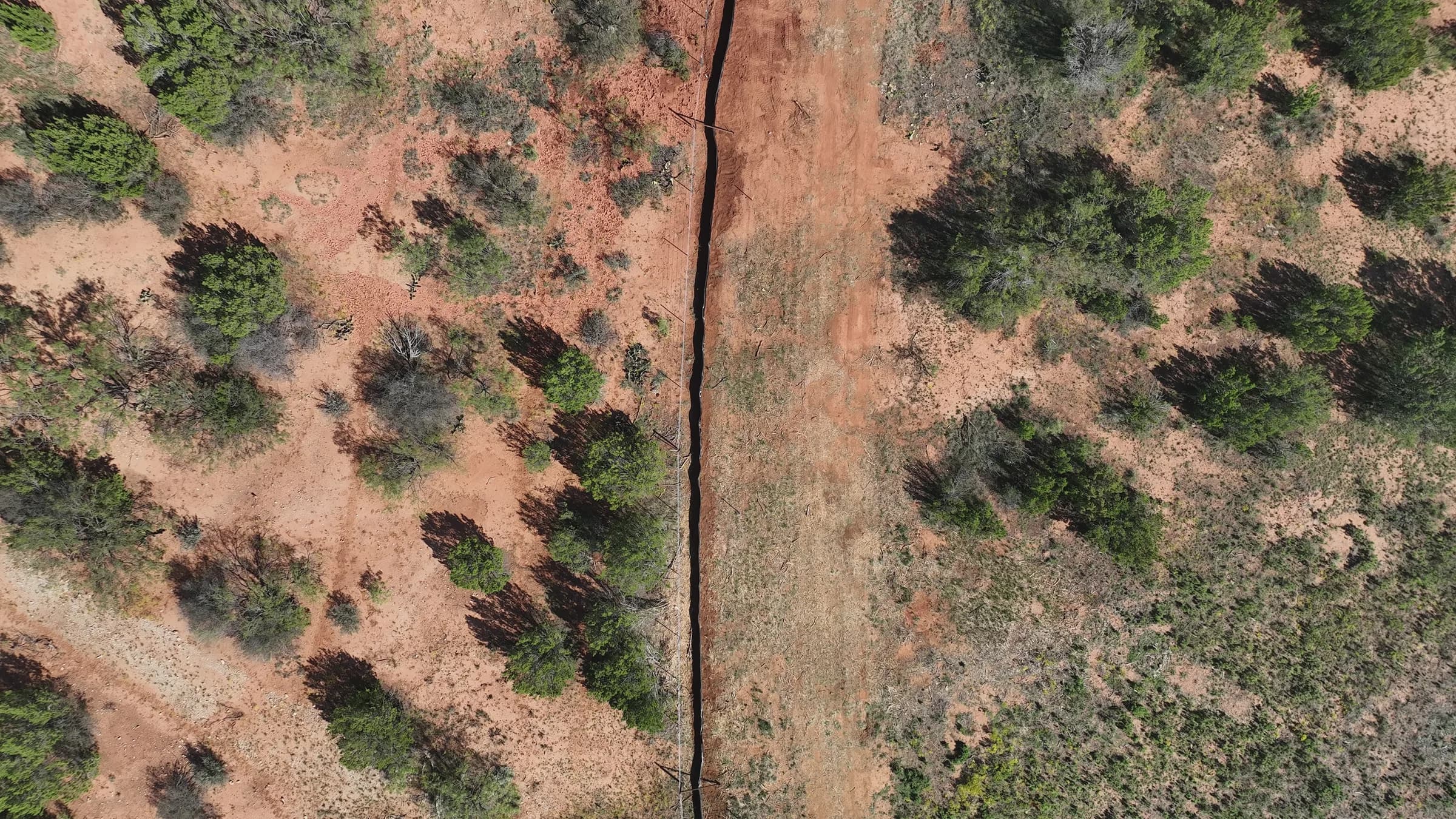
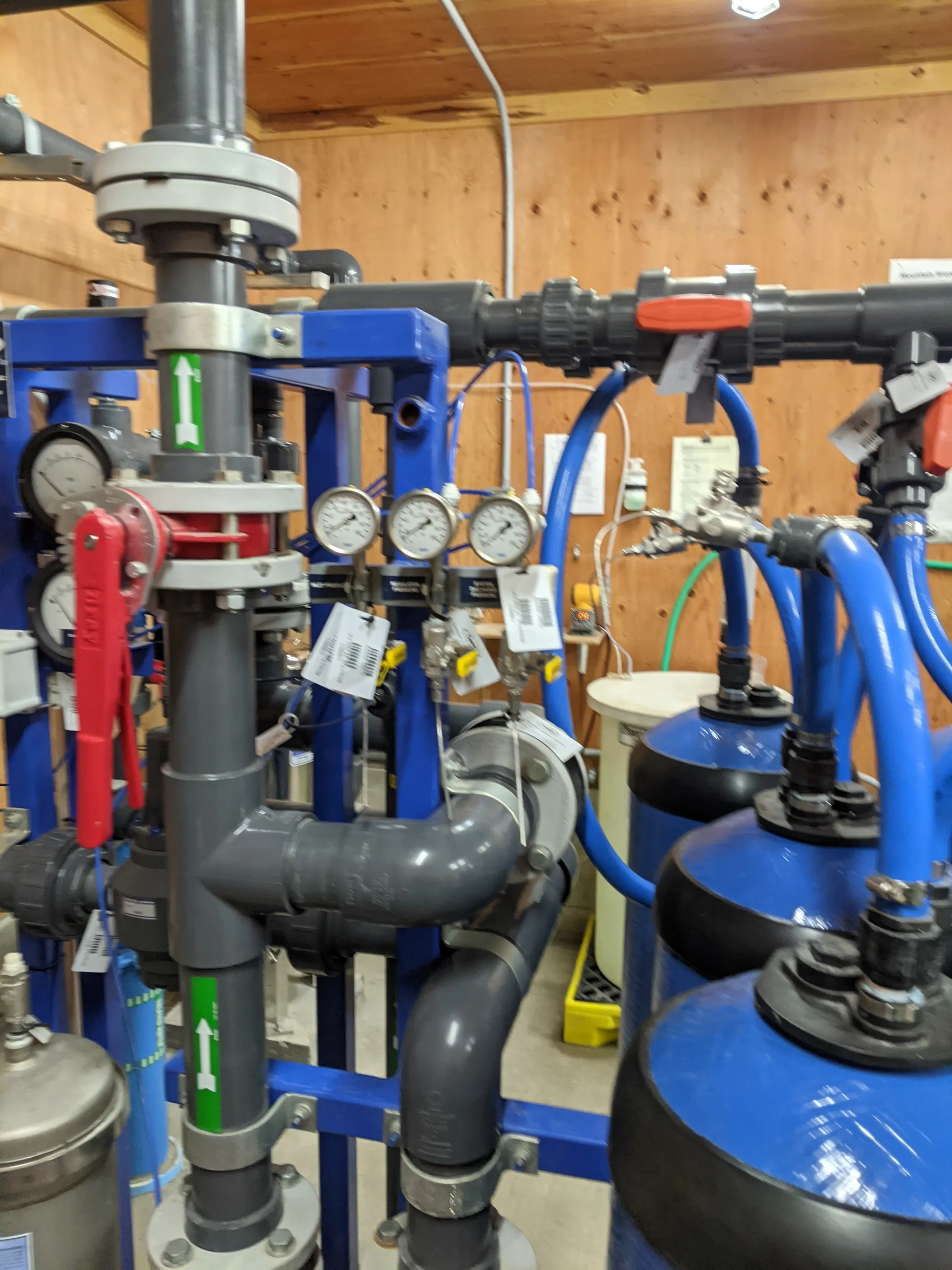
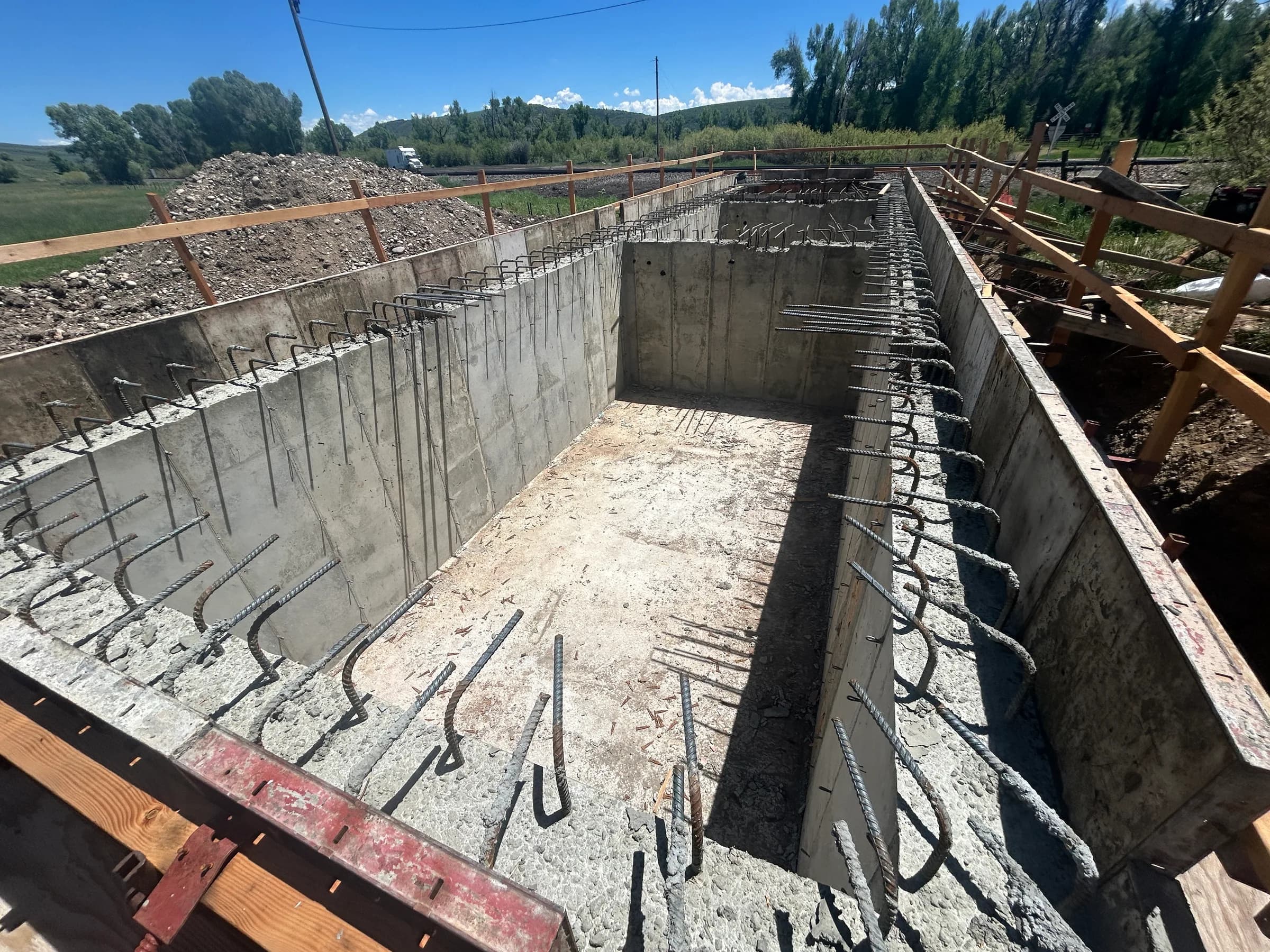
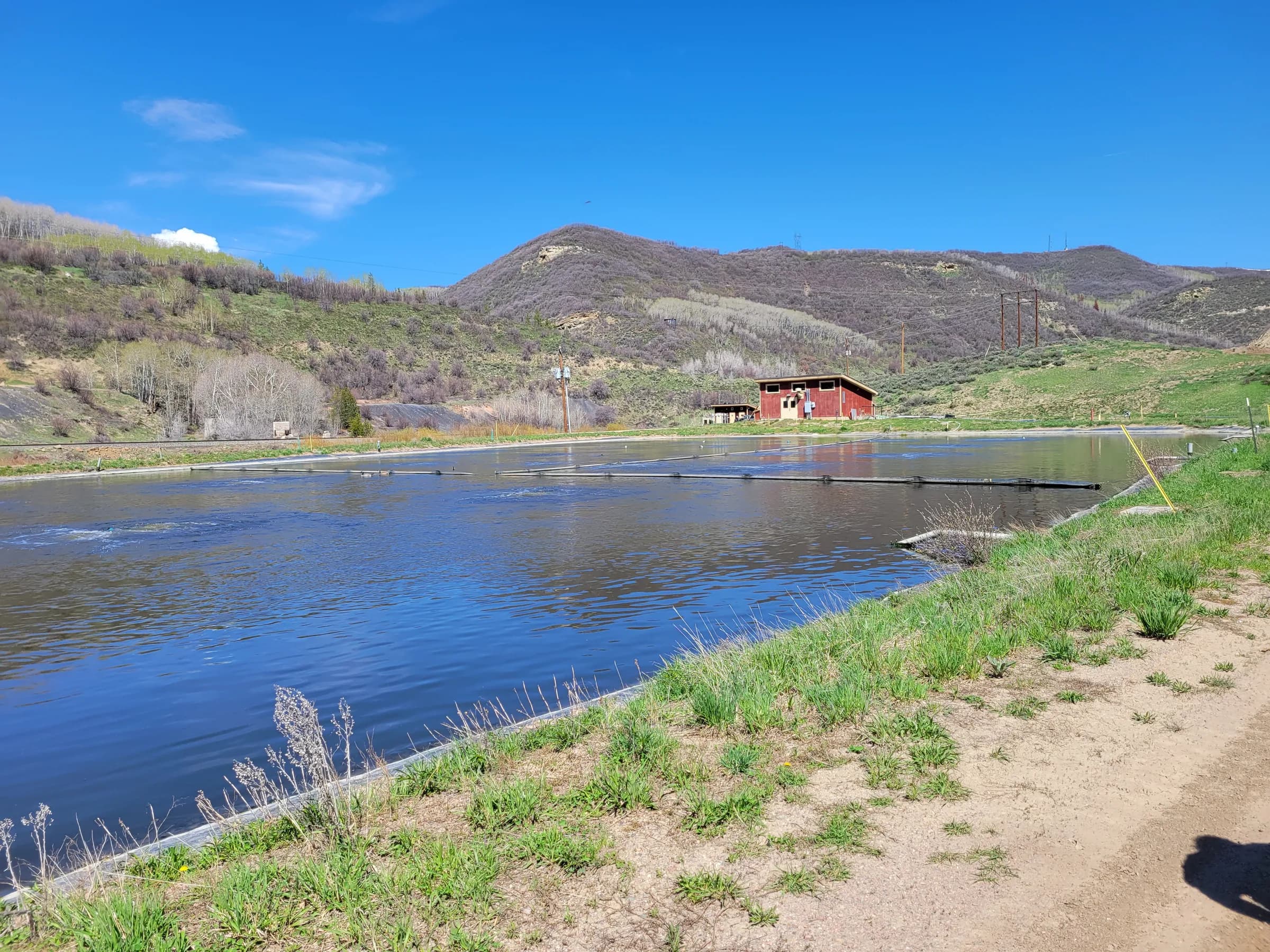
Modern Engineering Solutions delivers water and wastewater engineering across diverse regulatory environments, demonstrating efficient permitting and site-specific design expertise.

Why Choose Modern Engineering Solutions

Why Choose MES

1

Supply Confirmed, Not Assumed

Water supply confirmation in Texas means written commitment from the serving utility, not verbal assurance. DFW metro developers on municipal supply, Houston area developers on MUD district water systems, and rural Texas developers on groundwater-dependent providers each face different supply reliability realities that affect project feasibility before a single main is sized.

2

TCEQ Permits Clear Fast

TCEQ water permit packages include hydraulic analysis, fire flow documentation, peak day storage calculations, and supply confirmation assembled before first submission. Submittals get structured to reduce TCEQ review cycles so developers working with us don't discover a permit timeline extended by months because the original application left technical questions open.

3

Storage Sized for Texas

Tank sizing uses Texas peak day demand calculations reflecting summer outdoor irrigation and evaporative cooling patterns rather than annual averages that produce systems adequate in March and inadequate in July when peak consumption and fire risk coincide across Texas's hot summer months.

4

Civil and Water Coordinated

Distribution main routes get established with grading plans, wastewater alignments, and dry utility corridors already coordinated. TCEQ permit tracks and utility service confirmation advance simultaneously so supply adequacy and distribution permit approvals arrive together rather than one holding up the other at plat recording.

Frequently Asked Questions

Water treatment planning and TCEQ distribution permitting for a DFW subdivision need to advance together alongside utility service confirmation. Treatment planning determines water source, treatment requirements, and system capacity. The TCEQ permit documents that the proposed system meets 30 TAC Chapter 290 drinking water standards.

DFW metro water supply involves coordination that varies by project location:

  • North Texas Municipal Water District, Tarrant Regional Water District, and Dallas Water Utilities each serve different portions of the DFW metro with different connection processes and capacity reservation requirements
  • Fast-growing North Texas cities including Frisco, McKinney, Prosper, and Celina have utility service territories that sometimes overlap, requiring service provider confirmation before distribution design commits to a system configuration
  • TCEQ’s Austin office reviews distribution permits for DFW developments under 30 TAC Chapter 290 Subchapter F requirements that apply to all Texas public water systems

MES handles water treatment planning coordinated with TCEQ permit requirements for DFW land developers, confirming utility service provider and capacity before design investment is made.

Distribution design and hydraulic modeling for a Harris County development require familiarity with Houston area MUD district water system standards and the flat Gulf Coast terrain conditions that affect pressure zone design across the Houston metro differently than DFW or Central Texas.

Houston area water engineering involves:

  • MUD district water systems serving Houston area developments each maintain independent construction standards and connection requirements that distribution designs need to address specifically
  • Flat Harris County terrain creates long distribution main runs without natural pressure zone breaks, requiring careful hydraulic modeling to maintain adequate pressure at system extremities during peak demand
  • Houston area’s Beaumont clay soil conditions affect distribution main bedding requirements and trench backfill treatment differently than DFW’s black clay or Central Texas caliche conditions
  • High water table conditions in portions of Harris County affect below-grade vault and pump station structural design in ways that North Texas developments don’t encounter

MES provides distribution design and hydraulic modeling for Harris County developments coordinated with civil grading and wastewater design simultaneously.

TCEQ’s 30 TAC Chapter 290 establishes the technical standards that all Texas public water systems must meet, and its requirements directly affect how distribution systems get designed and permitted for Texas land developments.

Key 30 TAC Chapter 290 requirements that affect Texas development water system design include:

  • Subchapter F establishes minimum pressure requirements, pipe material standards, and design criteria for distribution systems that TCEQ reviewers check permit applications against
  • Surface water systems must achieve minimum 2-log removal of Cryptosporidium, 3-log removal of Giardia, and 4-log removal of viruses, defining treatment process selection for developments on surface water sources
  • Storage requirements specify minimum volumes for operational reserve, fire flow, and emergency storage that distribution system tank sizing must satisfy
  • Construction permit applications require hydraulic analysis demonstrating compliance with pressure and fire flow requirements under peak demand conditions

MES structures Texas water permit applications around 30 TAC Chapter 290 criteria specifically so TCEQ reviewers receive technically complete packages that address the standards they’ll check rather than generic applications that generate comment cycles.

Water losses analysis evaluates the difference between water entering a distribution system and water reaching end users. In Texas, water losses analysis matters for land developments connecting to systems where TCEQ has identified non-revenue water concerns or where drought conditions have made supply efficiency a regulatory priority for the serving utility.

Texas-specific water losses considerations include aging distribution infrastructure in established Houston area MUD districts and older Texas municipal systems where pipe corrosion and joint deterioration create loss rates that affect available supply capacity for new development connections.

MES evaluates water losses analysis requirements during Texas water due diligence, confirming whether connecting utilities have loss-related constraints affecting connection feasibility before design investment is committed.

Texas residential storage requirements combine peak day storage, fire flow reserve, and operational reserve sized for Texas conditions. Peak day demand during Texas’s summer outdoor irrigation and evaporative cooling season significantly exceeds annual average calculations, and storage sized on annual averages runs low during July and August when peak consumption and wildfire risk in rural Texas areas coincide.

Storage requirements vary by Texas region:

  • DFW metro developments with large lot residential and significant landscape irrigation require larger peak day storage than dense urban infill developments with smaller irrigated areas
  • Houston area developments factor high humidity conditions that reduce evaporative cooling demand compared to DFW or West Texas while maintaining high landscape irrigation requirements during dry months
  • Central Texas and Hill Country developments in areas near wildfire risk zones may require enhanced fire flow storage beyond standard residential minimums

MES calculates Texas storage requirements using regional peak day demand data so systems hold pressure during summer months when demand peaks.

A booster pump station increases distribution pressure in zones where existing supply pressure can’t deliver adequate service. Texas developments need booster stations when terrain elevation differences exceed what the primary pressure zone can serve, when distribution main length from the primary supply point creates pressure drops at system extremities, or when connecting to existing systems at pressures inadequate for the development’s elevation.

Texas situations commonly requiring booster stations include Hill Country developments in Central Texas where terrain elevation changes are significant, DFW developments at higher elevations relative to the serving utility’s primary pressure zone, and large suburban developments where site area spans elevation bands requiring zone separation.

MES designs Texas booster stations sized for full buildout demand with emergency power provisions that TCEQ requires for stations serving significant populations.

A pressure reducing vault lowers distribution pressure from a higher supply zone to a lower service zone, protecting pipes, meters, and fixtures from excessive pressure. Texas developments need pressure reducing vaults when connecting to transmission mains operating at pressures exceeding safe residential distribution limits, or when terrain elevation differences within a development create pressure zone separation requirements.

Houston area developments connecting to high-pressure regional transmission mains, Hill Country developments where elevation drops create excessive pressure in lower zones, and DFW developments connecting to regional water authority transmission infrastructure commonly require pressure reducing vaults.

MES includes pressure reducing vault design as part of Texas distribution system engineering, coordinating vault locations with civil grading and utility corridors from initial design.

Water tank design covers new storage tanks for Texas distribution systems. Tank rehabilitation covers repairs and coating replacement for existing tanks reaching end of service life in Texas’s climate where extreme summer heat and UV exposure accelerate coating degradation beyond what moderate climate tanks experience.

New tank design becomes relevant when developments construct independent water systems, when serving utilities require developer-funded storage expansion as a service condition, or when existing system storage is inadequate for the pressure zone the development occupies.

Texas-specific tank considerations include extreme summer heat effects on coating specifications, wind load design for Texas severe weather exposure, foundation design for expansive clay soil conditions common across DFW and Central Texas, and TCEQ review requirements for public water system storage. MES sizes Texas tanks using peak summer demand calculations rather than annual averages.

Construction drawings for a Texas water distribution system typically include:

  • Plan and profile sheets showing main alignments, pipe sizes, and depths with Texas soil condition notes and expansive clay or caliche bedding specifications where applicable
  • Service lateral detail sheets meeting the serving utility’s construction standards, which vary by Texas MUD district and municipality
  • Hydrant location plans meeting the applicable Texas fire authority’s requirements
  • Booster station plan and detail sheets with Texas heat ventilation and emergency power provisions
  • Pressure reducing vault detail sheets where terrain requires pressure zone separation
  • Water tank plan and detail sheets meeting TCEQ standards and Texas wind and soil conditions

MES produces drawings satisfying both TCEQ permit conditions and serving utility construction standards simultaneously, sealed by Texas-licensed Professional Engineers.

TCEQ requires a construction permit before building new water distribution systems serving 25 or more people or 15 or more connections under 30 TAC Chapter 290. Complete applications typically take 6-8 weeks to process.

A complete TCEQ construction permit application includes hydraulic analysis demonstrating pressure and fire flow compliance under peak demand conditions, storage calculations meeting 30 TAC Chapter 290 minimums, water supply documentation, and construction drawings sealed by a Texas-licensed PE.

Incomplete applications generate information requests from TCEQ reviewers that reset the review clock. MES assembles complete TCEQ permit packages before first submission so baseline review timelines reflect actual agency processing rather than information request cycles that extend timelines past construction financing windows.

Insufficient capacity from the serving Texas utility is a feasibility issue requiring resolution before design investment, not a permitting obstacle to work around after land closes. Options include identifying alternative providers where adjacent service territories exist, participating in utility capacity expansion programs common in fast-growing North Texas MUD districts, or phasing development timing to align with planned utility expansion timelines.

MES evaluates supply constraints and alternatives during Texas water due diligence before land acquisition rather than after design investment has been made on a project that capacity constraints make infeasible without solutions the developer didn’t know were available.

Texas water engineering differs from other states in ways that affect design standards, permit timelines, and construction costs.

Compared to Colorado and Arizona:

  • Texas lacks Prior Appropriation water court proceedings that Colorado water rights sometimes require and Arizona’s Active Management Area Certificate of Assured Water Supply that gates plat recording. Texas water supply confirmation happens through utility service agreements rather than state water rights administrative processes
  • Texas’s expansive clay soil conditions create distribution main bedding and trench backfill treatment requirements that Colorado’s mountain terrain and Arizona’s caliche-dominant profiles don’t produce as consistently across the state

Compared to Florida and California:

  • Texas lacks Florida’s high water table buoyancy design requirements and California’s SWRCB DDW district office complexity, making TCEQ permitting more straightforward than either state’s multi-agency framework while applying Texas-specific 30 TAC Chapter 290 technical criteria that differ from other states’ drinking water standards

MES works across all nine states where MES is licensed, applying Texas-specific 30 TAC Chapter 290 criteria, Texas soil conditions, and TCEQ permitting requirements rather than approaches from other states that don’t match what Texas reviewers actually require.

Talk to an Engineer

Texas water systems face supply constraints, TCEQ permitting requirements, and peak summer demand that annual averages don’t capture. We’ll review your project in a 15-minute call. No cost.