
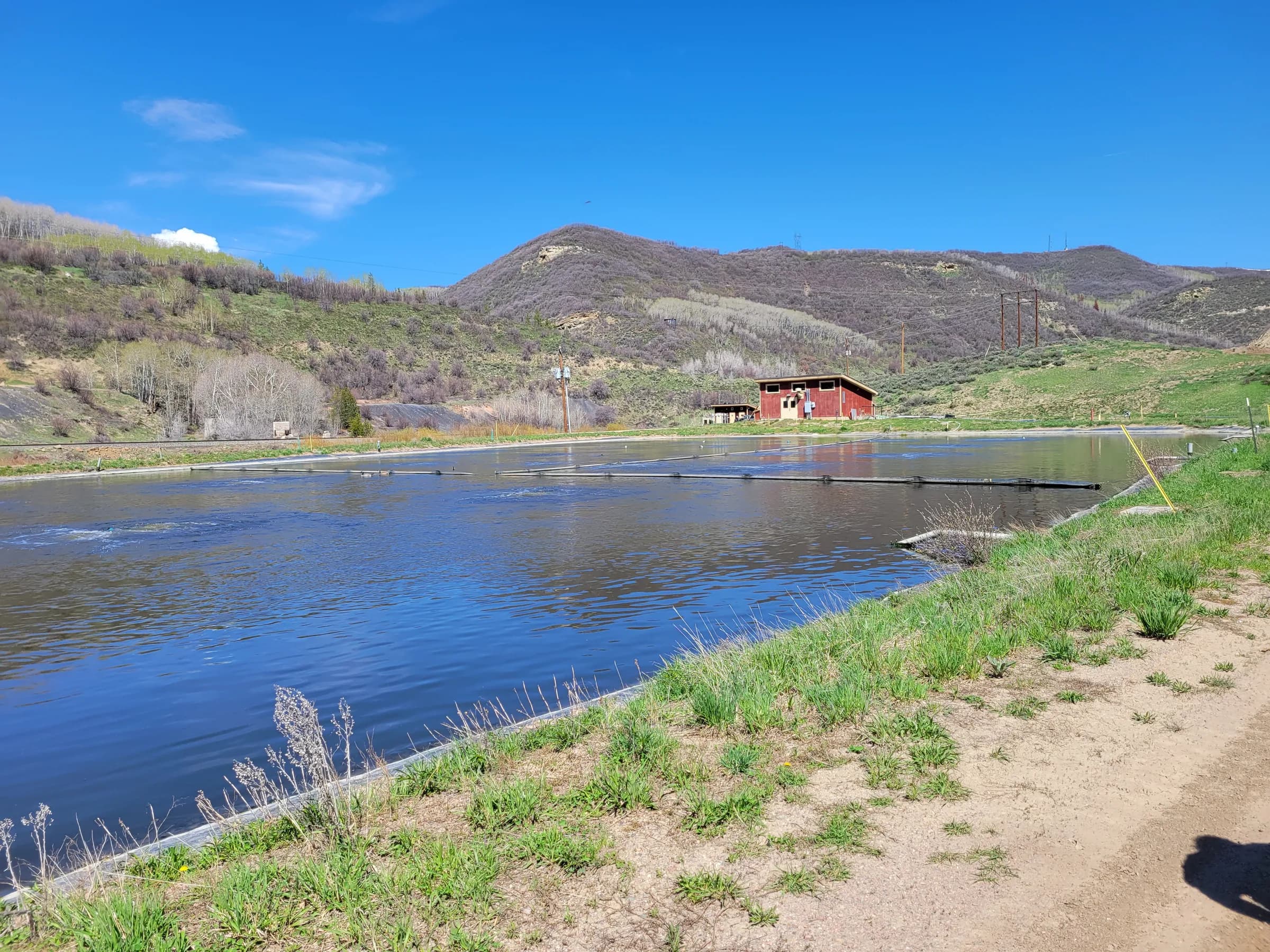
MES quantified water loss and I&I for the town and delivered a final report with engineering estimates and a prioritized roadmap in 2024; follow-up work continues in 2026.
Town of Oak Creek I&I and water loss analysis
Services
A written answer before your option period ends: can it be served, how, and at what cost. Or walk.
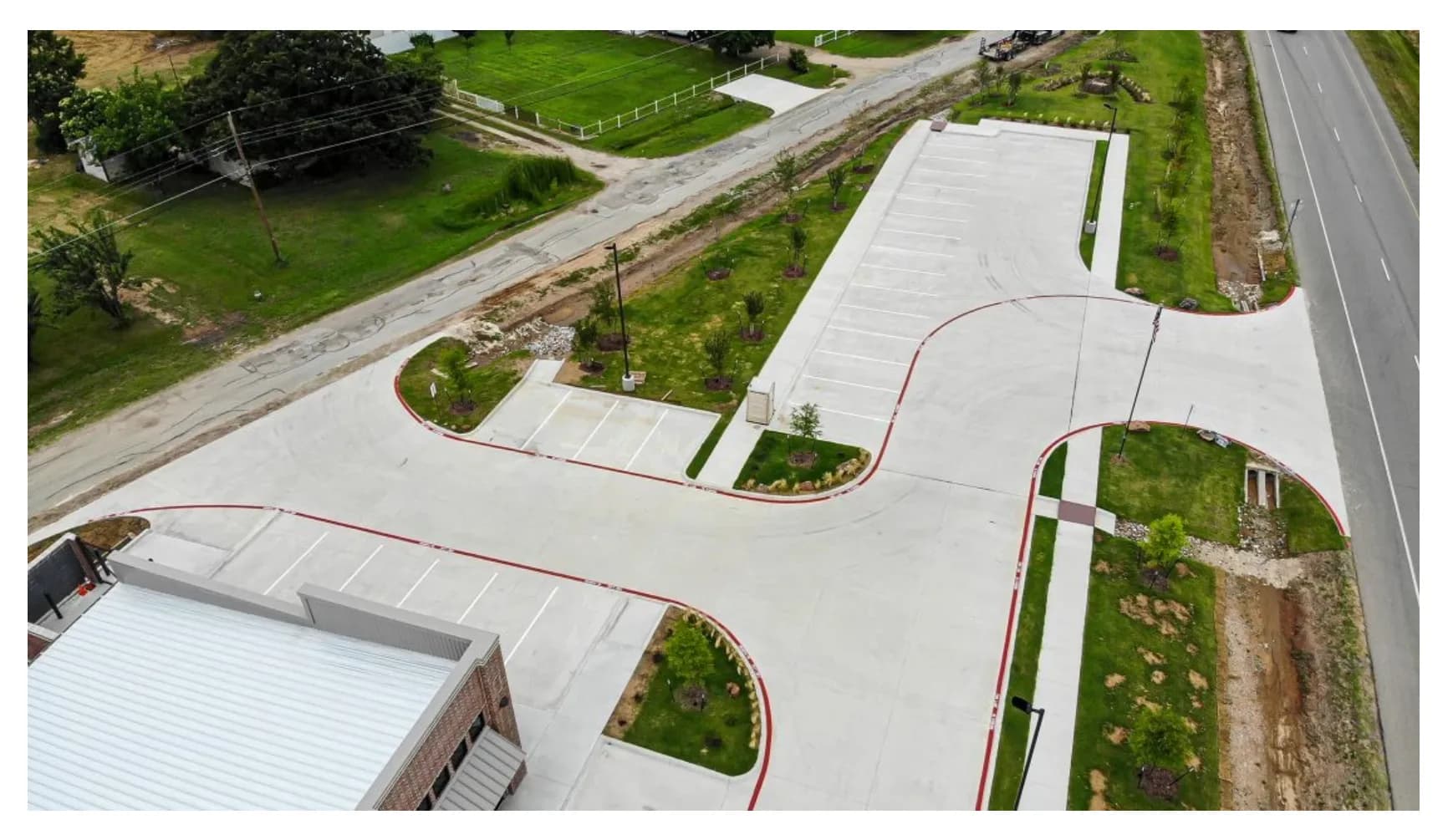
Paving, drainage and landscape islands on a finished retail site, Texas
Title work and a Phase I do not tell you whether a tract can be served. They do not check for a discharge point, who holds the service rights, or whether the nearest plant has room. That answer often arrives after closing, when the carry is already running.
We answer those questions inside your due diligence window, for water, wastewater, fire flow and permits together. If the site can’t be served on your schedule, you hear it before you close.
An engineer reads your note and tells you the pathway, the agencies involved and what decides cost and schedule.
Get a feasibility reviewTry it
Three questions. A first read, not a determination.
Answer the three questions to see which pathways fit this site.
Possible
A capacity or will-serve request, a main extension, and sometimes a lift station and force main.
Who decides: The city or utility district
Possible
A new treatment plant permitted to discharge (TPDES): public notice, the chance of a contested hearing, and a look at whether a regional system could serve the site instead.
Who decides: TCEQ
Possible
Treated effluent is applied to land under a TCEQ permit instead of discharged to a stream, so the site needs enough suitable acreage.
Who decides: TCEQ
Possible
Treated water goes to an approved reuse under TCEQ’s Chapter 210 rules, such as irrigation or an industrial use. Eligibility depends on the reuse and the user.
Who decides: TCEQ
Possible
A petition to take the tract out of a city’s ETJ, or out of a utility’s CCN when the holder can’t or won’t serve it, which can open the other pathways.
Who decides: The city (ETJ) or the PUC (CCN)
A first look, not a determination. A licensed PE confirms the pathway, the agencies and the cost range in writing. Texas pathways shown; in Colorado and other states, tell us the site.
Get a feasibility reviewProjects
Town of Oak Creek I&I and water loss analysis
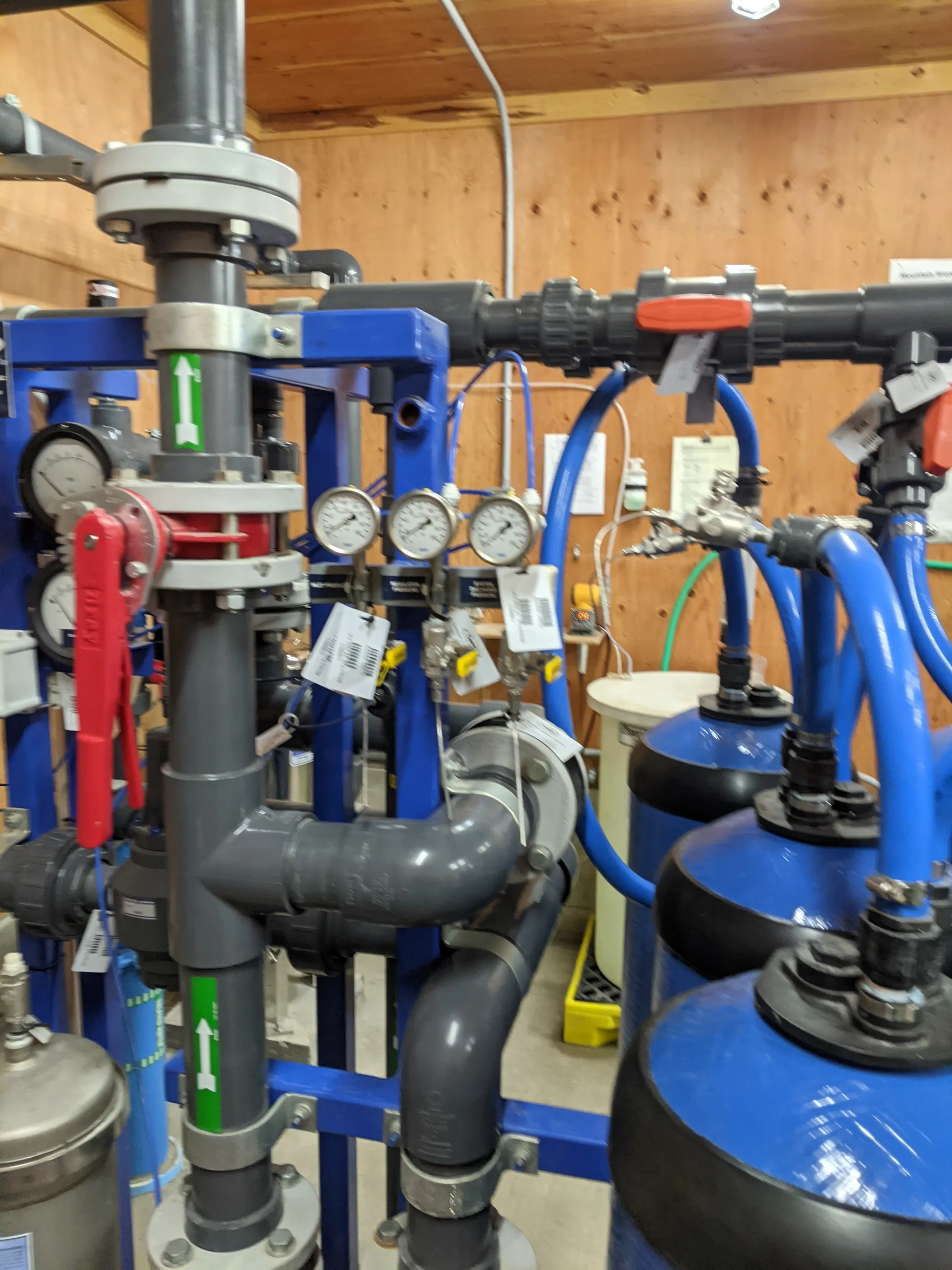
Mountain Water and Sanitation District plant upgrades and line rehabilitation
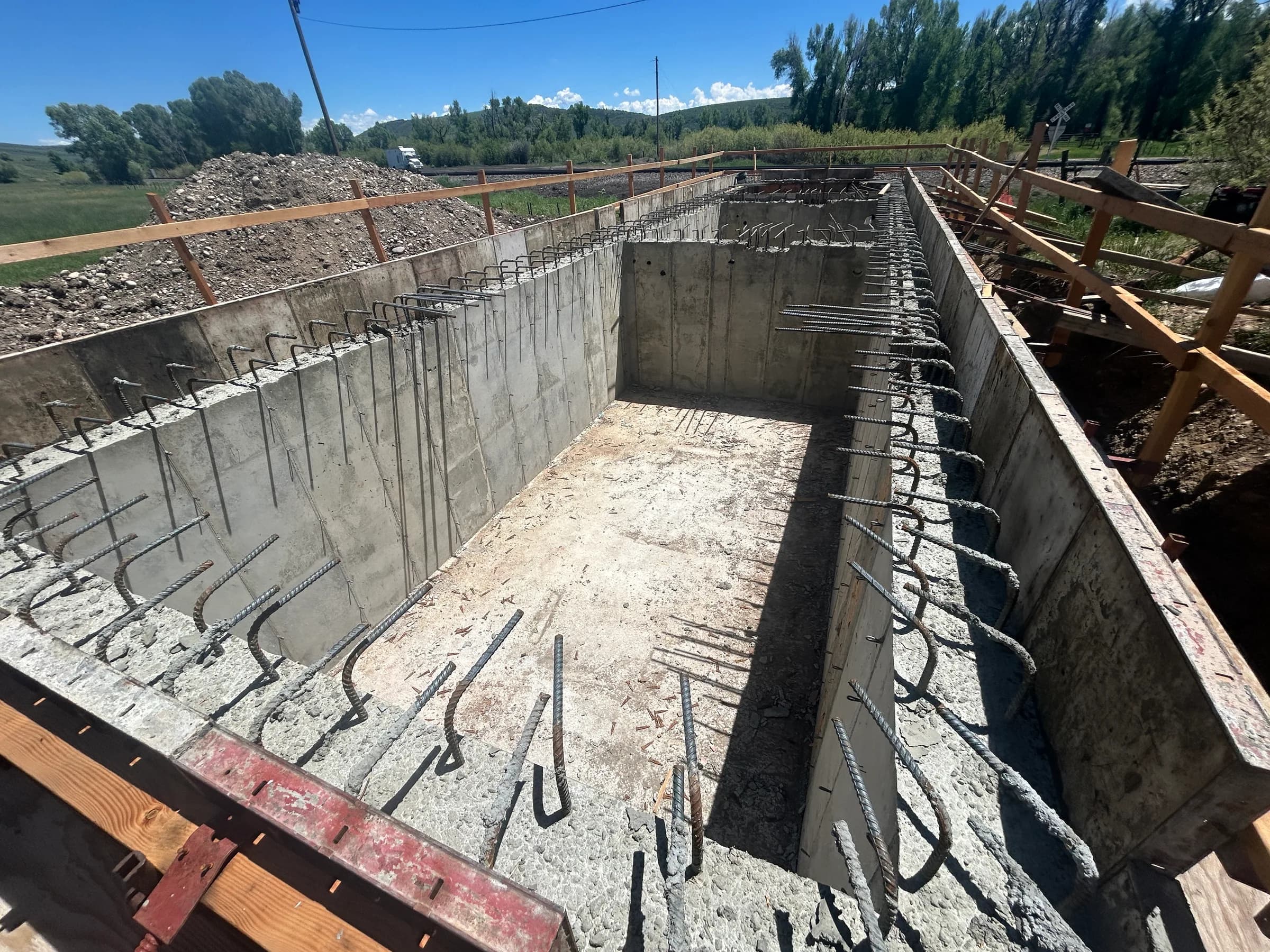
Phippsburg and Milner wastewater plants and collection system
Questions
Keep them. We can take only the water and wastewater piece, or check their pathway.
A fixed fee per site, credited toward our design and permitting if you go ahead.
Talk to an engineer
Not a salesperson. Someone who can tell you whether the pathway is real.
Your options, the agencies involved and the questions that decide cost and schedule.
No commitment to have the first call.
Prefer the phone? (214) 833-6748