

Water engineering
Supply, storage and distribution, designed around the source, growth and budget.
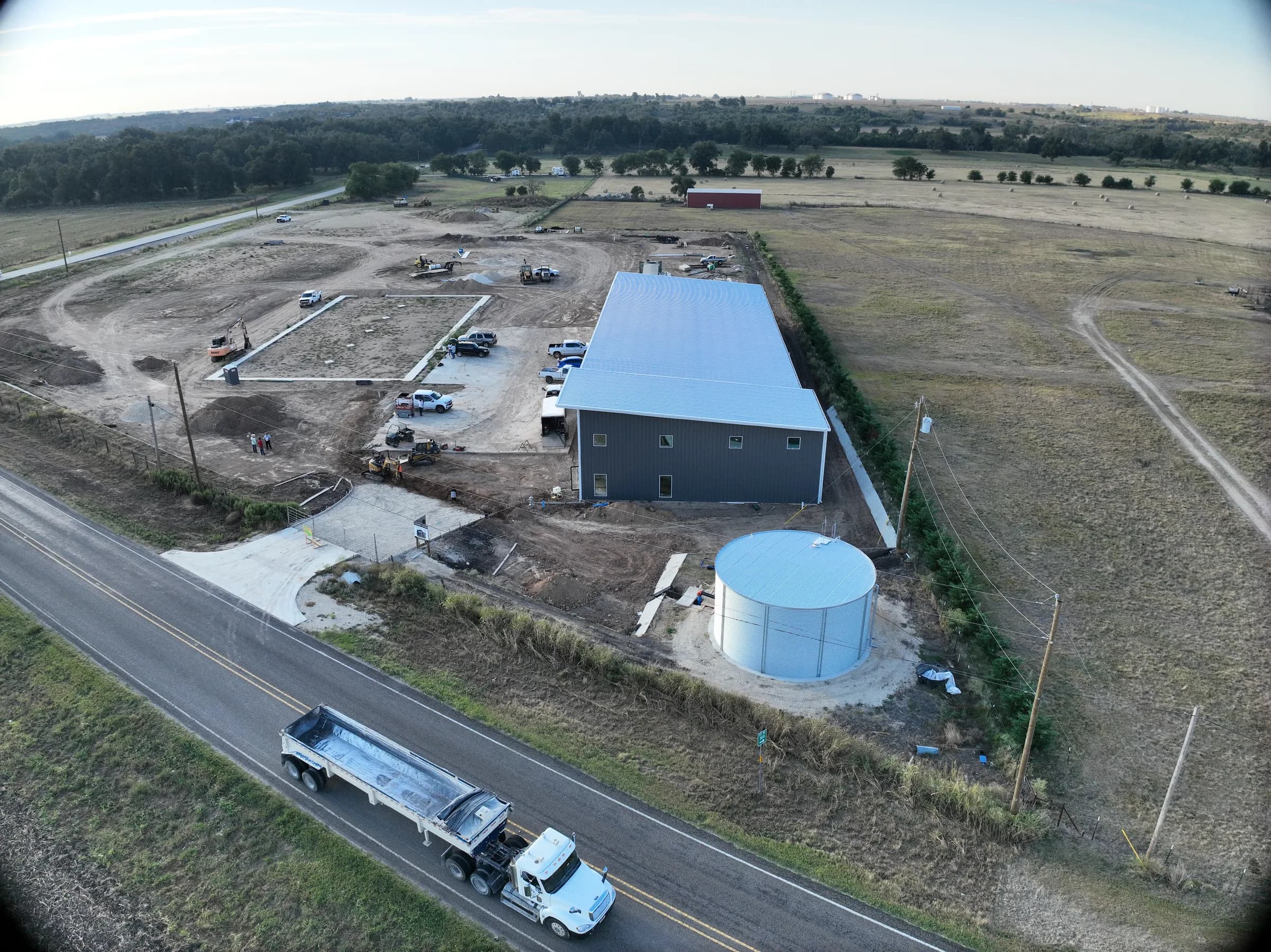
Water, sewer and site under one roof.
What we do
Supply, storage and distribution, designed around the source, growth and budget.
Collection, lift stations and treatment, with the permit path chosen before design.
Concept plan to plat to construction, with drainage and access solved early.
Water and sewer in your next bid: a lead, a scope and a fixed fee. We never contact your client.
A written answer before your option period ends: can it be served, how, and at what cost. Or walk.
Send your next five LOI sites. We flag the permit and utility risks before the leases go hard.
Your EPC designs your site. It doesn't get your permits. We do, on a date you can give your investors.
What the floodplain means for your site, from the team designing your grading.
A sealed, decision-grade site screen before you commit design money. Draft report within 3 business days after the site walk.
A playbook is our step-by-step path through one approval that often decides whether a site can be served.
How we work
We price the outcome: the permit, the schedule, the right-sized system. Not the hours.
Time to permit matters as much as hydraulics, so schedule is a design input from day one.
Fewer handoffs and revisions mean cleaner submittals and faster reviews.
We use AI to reduce admin overhead, so our engineers can focus on getting you results. A licensed PE makes every technical call.
Questions
Usually three: a force main to a public system, a package plant with a discharge permit, or land application or reuse. We compare the cost, schedule and upkeep of each before you commit.
Yes. We prepare the engineering for State Revolving Fund and grant applications: flow monitoring, I&I studies, feasibility reports and the technical narrative.
No. Our headquarters is in McKinney, and we work statewide in Texas.
Talk to an engineer
Not a salesperson. Someone who can tell you whether the pathway is real.
Your options, the agencies involved and the questions that decide cost and schedule.
No commitment to have the first call.
Prefer the phone? (214) 833-6748