Quick Answer
A capital improvement plan is a documented, prioritized schedule of infrastructure projects a community needs to complete over a defined planning horizon, typically five to ten years, along with the estimated cost of each project and the funding mechanism for each. For small municipalities, water districts, and utility providers, a realistic capital improvement plan is the difference between proactive management and reactive emergency spending. It is also the document that grant agencies, state revolving fund programs, and lenders want to see before they commit funding. Without it, communities compete for funding at a structural disadvantage.
Why Small Communities Skip This Step and What It Costs
The pattern in small communities is consistent. Infrastructure is managed reactively. A lift station fails. An emergency repair is made. Rates are raised to cover the cost. Residents are frustrated. The board is under pressure. The manager is exhausted.
The emergency that just happened was visible on any honest assessment of the system five years ago. The problem was not the equipment. The problem was the absence of a plan that identified the failure risk, scheduled a replacement, and built the cost into the budget before the failure occurred.
Emergency repairs cost significantly more than planned replacements. Emergency procurement, after-hours labor, temporary pumping, and accelerated project timelines all add cost that a planned replacement would not have carried. For small systems with limited reserves, a single emergency can consume an entire year’s capital budget and delay every other improvement that was in the queue.
What a Capital Improvement Plan Actually Contains
A useful capital improvement plan for a small municipality or water district is not a wish list. It is a realistic, prioritized document that reflects the actual condition of the system and the community’s actual financial capacity.
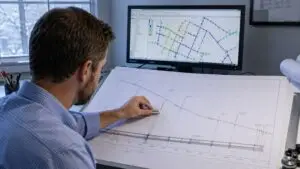
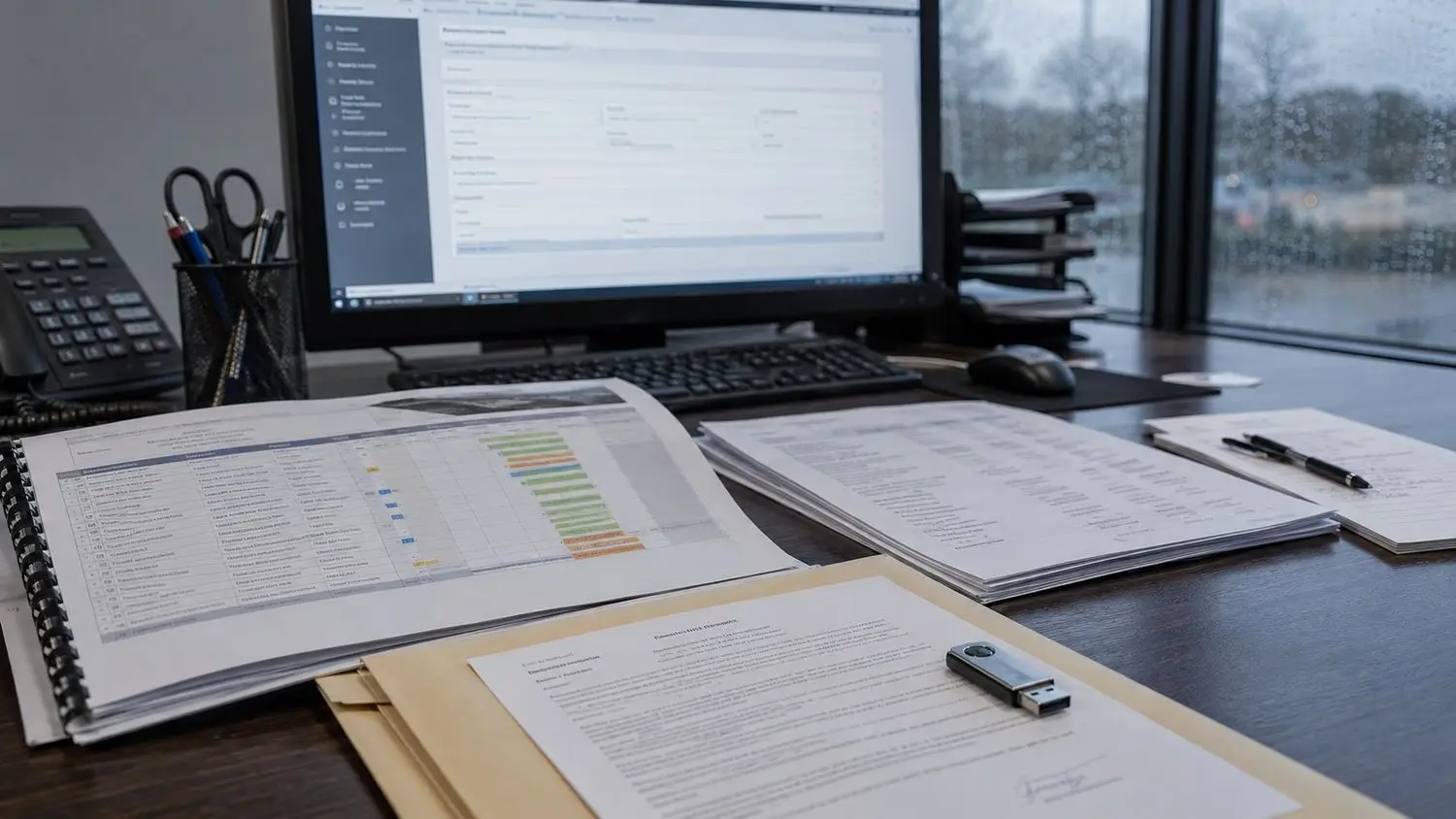
The plan starts with an honest inventory of assets: treatment plant components and their remaining useful life, distribution and collection mains sorted by age and condition, lift stations and their maintenance history, storage tanks and their inspection records, and any outstanding compliance requirements from the state regulatory agency.
Each asset is then evaluated against its expected remaining service life and the consequence of failure. A lift station with one pump, no backup, and a failure history that has been managed through emergency repairs for three years is a higher priority than a distribution main that is aging but performing. Priority is a function of both likelihood and consequence.
The prioritized project list is then matched against a realistic funding analysis. What can the community fund through rates and reserves? What requires outside funding? Which projects are eligible for State Revolving Fund loans, USDA Rural Development grants, CDBG infrastructure funding, or state-specific programs? The plan sequences projects to match funding availability, not just engineering priority.
How the Plan Supports Funding Applications
Grant agencies and revolving fund programs fund projects, not emergencies. A community that applies for SRF funding with a documented capital improvement plan, an asset inventory, and a project that was identified and prioritized in advance is in a fundamentally stronger position than a community applying after a failure occurred.
Most SRF programs in Texas and Colorado score applications based on documented planning, public health impact, and community financial need. A well-prepared capital improvement plan is direct evidence of the planning criterion. Communities that maintain current plans and submit complete applications consistently score higher than communities applying reactively.
The planning document also supports the engineering work that follows. When a project reaches the design phase, the engineer has the background information, the system data, and the scope definition that allows design to start efficiently rather than spending early phase time reconstructing what should have been documented already.
Common Projects That Belong in a Small Community Capital Plan
Treatment plant upgrades and expansions are typically the highest-cost items in a small system’s capital plan. Treatment plants designed in the 1970s and 1980s are reaching the end of their useful life, and effluent limits from state agencies have tightened significantly since those plants were built. Compliance-driven treatment upgrades often come with deadlines attached, which makes them the highest-priority items in any plan.
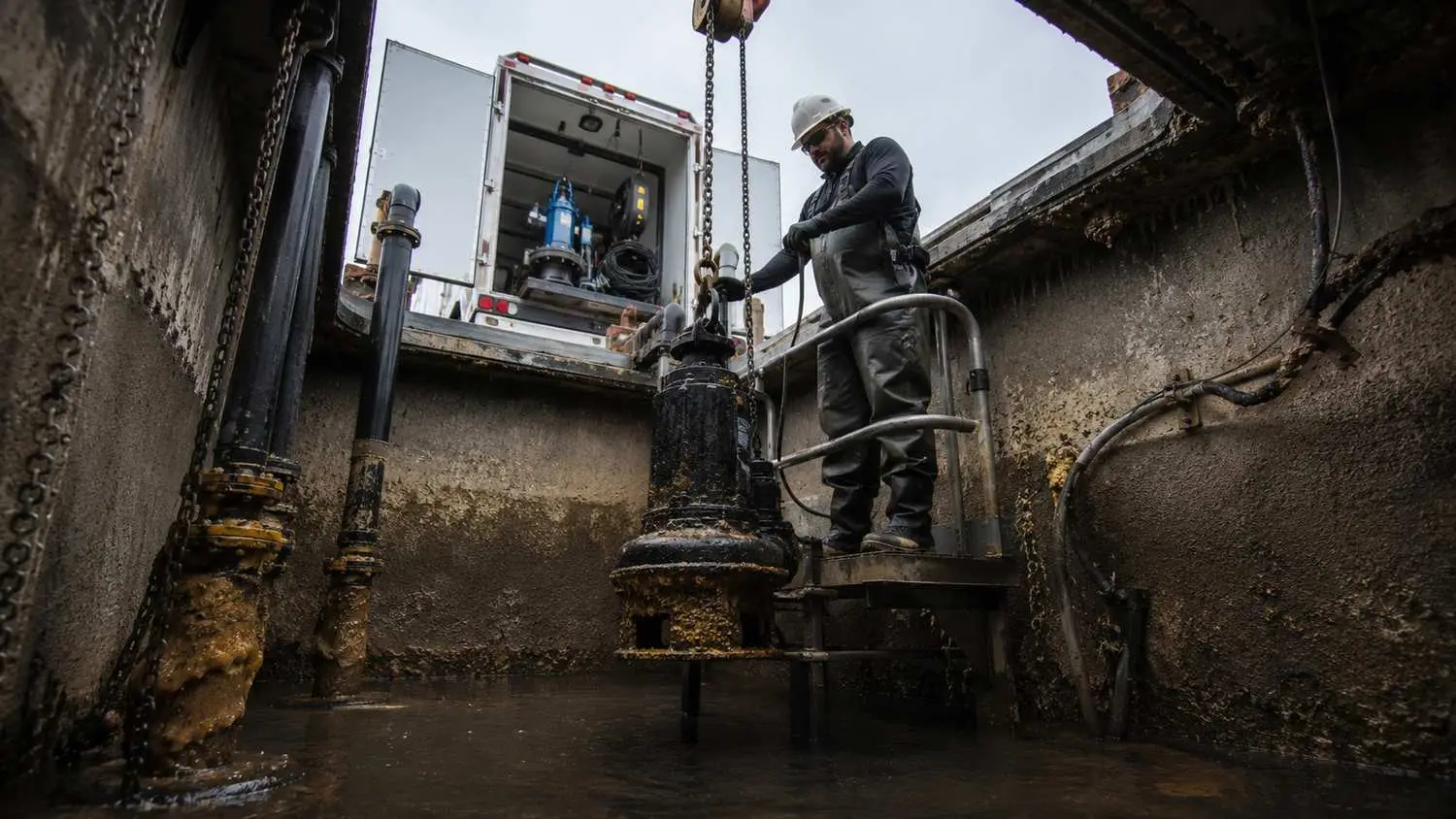
Lift station rehabilitations and replacements are the most common projects in collection system capital plans. A lift station that was installed 25 years ago with one pump and a manual backup is an operational risk. Wet well rehabilitation, pump replacement, and control system upgrades are predictable, plannable projects that should not be managed as emergencies.
Pipeline replacements target the oldest and most failure-prone segments of the distribution or collection system. A water main that accounts for 40% of the system’s annual leak repair calls is a capital project, not a maintenance problem. Identifying those segments through water loss analysis and repair history turns a pattern of reactive spending into a planned replacement.
Storage tank rehabilitation is frequently deferred because tanks are not visible failures until they are. A tank that is 30 years old with no documented inspection in ten years is a capital risk. Inspection, coating rehabilitation, and structural repairs are significantly less expensive than tank replacement, but only if they happen before deterioration reaches the replacement threshold.
Frequently Asked Questions
How long does it take to develop a capital improvement plan?
For a small community with an existing asset inventory, a focused capital improvement plan can be developed in eight to twelve weeks. For communities starting without organized asset records, the inventory phase adds time but produces a permanent operational benefit beyond the plan itself.
Does a capital improvement plan require engineering to produce?
The planning document itself can be developed by the community with guidance, but the project cost estimates, condition assessments for treatment and mechanical systems, and hydraulic evaluations that underpin prioritization require engineering input. A plan built on rough estimates rather than engineering analysis will not support competitive grant applications.
How often should a capital improvement plan be updated?
Annual review with a full update every three to five years is the standard practice for small systems. Major changes in system condition, regulatory requirements, or funding availability are triggers for an early update regardless of the schedule.
Need a Capital Improvement Plan for Your Community?
Modern Engineering Solutions works with small municipalities, water districts, and rural utility providers to develop realistic capital improvement plans that reflect actual system conditions and support competitive grant and revolving fund applications.
We specialize in:
- Capital improvement plan development for small municipalities and water districts
- Asset condition assessment and remaining useful life analysis
- Treatment plant, lift station, and pipeline project scoping and cost estimation
- SRF, USDA, and state grant application engineering support
- Phased infrastructure improvement planning aligned with community budgets and funding cycles
Modern Engineering Solutions, McKinney, Texas and Golden, Colorado. Contact: (214) 833-6748 or mod-eng.com
Share via: