
Municipal Utility Districts in Houston Suburbs: When to Form One and When to Use a Developer-Owned Treatment Plant Instead
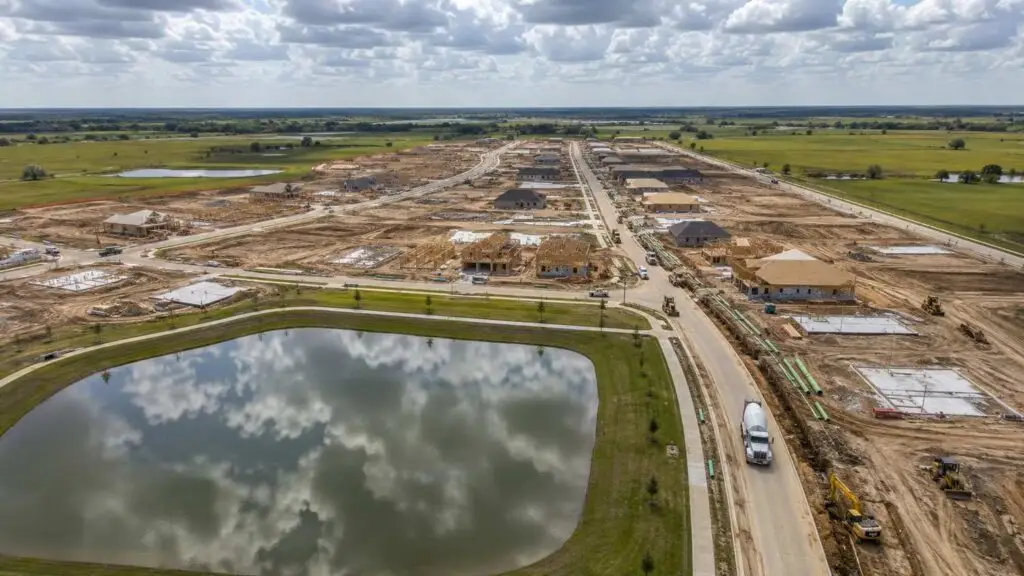
Ask a Houston area developer what infrastructure vehicle they’re using for a new suburban project, and the reflexive answer is often a MUD, because Municipal Utility Districts are so deeply embedded in how greater Houston has grown for the past several decades that forming one can feel like the default rather than a decision. It’s a reasonable default in a lot of cases. It is not the right answer for every project, and developers who treat MUD formation as an assumption rather than a choice sometimes commit years of process and real money to a structure that a smaller, faster, or differently-phased project didn’t actually need.
Lift Station Design in Houston’s High Groundwater Zones: Why Standard Specs Fail in Clay-Heavy Soils
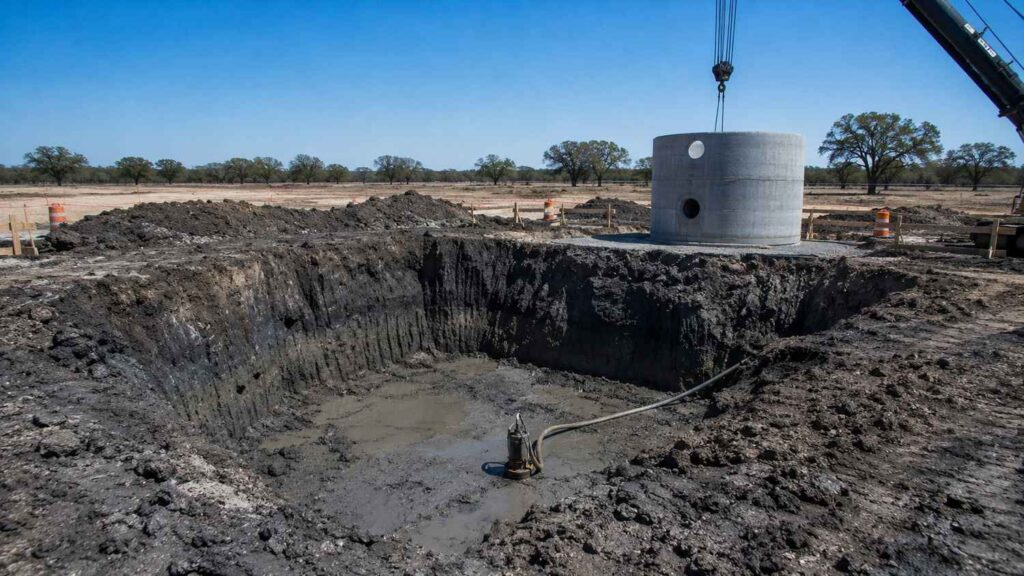
A lift station design that performs well in North Texas or the Hill Country can run into real trouble once it hits a Houston area construction site. The pumps might be identical, the wet well dimensions might match a standard detail that has worked on a dozen other projects, and the design can still fail during construction or, worse, during operation, because Houston’s subsurface conditions are not a variation on a theme. High groundwater, expansive clay soils, flat terrain with poor natural drainage, and flood exposure combine to create a set of structural and constructability challenges that a standard lift station detail, borrowed from a different region’s soil and groundwater conditions, simply doesn’t account for.
Harris County Flood Control Requirements and Your Wastewater System: How Detention Design Affects Treatment Plant Siting
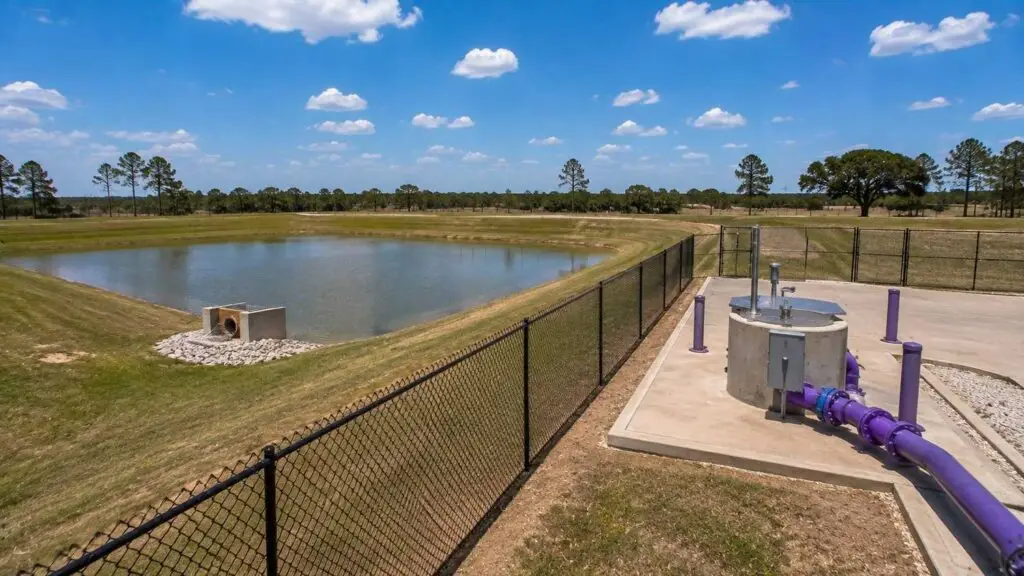
A Houston-area developer can have a wastewater treatment plant sized correctly, permitted appropriately, and budgeted realistically, and still end up relocating it midway through design because nobody checked what the Harris County Flood Control District’s detention requirements would do to the site’s usable footprint. Drainage and wastewater are treated as separate disciplines on too many project teams, handled by separate consultants who coordinate late if at all. In Harris County, where detention pond sizing, floodplain mapping, and drainage routing can consume a large share of a site’s developable area, that separation is exactly what produces the late-stage conflicts that force a treatment plant, lift station, or force main to move after the site plan is already substantially designed.
Water Reuse for Austin Area Golf Courses and HOA Irrigation: How Chapter 210 Creates a Revenue Stream

Most developers evaluating a private wastewater treatment plant think about disposal. Where does the treated effluent go, how much land does it require, and what does TCEQ demand before they’ll approve it. That framing misses the more interesting question for a master planned community with a golf course, an amenity lake, or acres of HOA maintained common area: treated effluent isn’t only a disposal problem to solve. Under Texas’s Chapter 210 rules, it’s an irrigation supply that would otherwise have to come from potable water, and in the right project, that substitution is worth planning for on its own merits, not just as a byproduct of solving a permitting requirement.
The 330 Day Timeline: Why Texas Wastewater Permits Take Longer Than Developers Expect
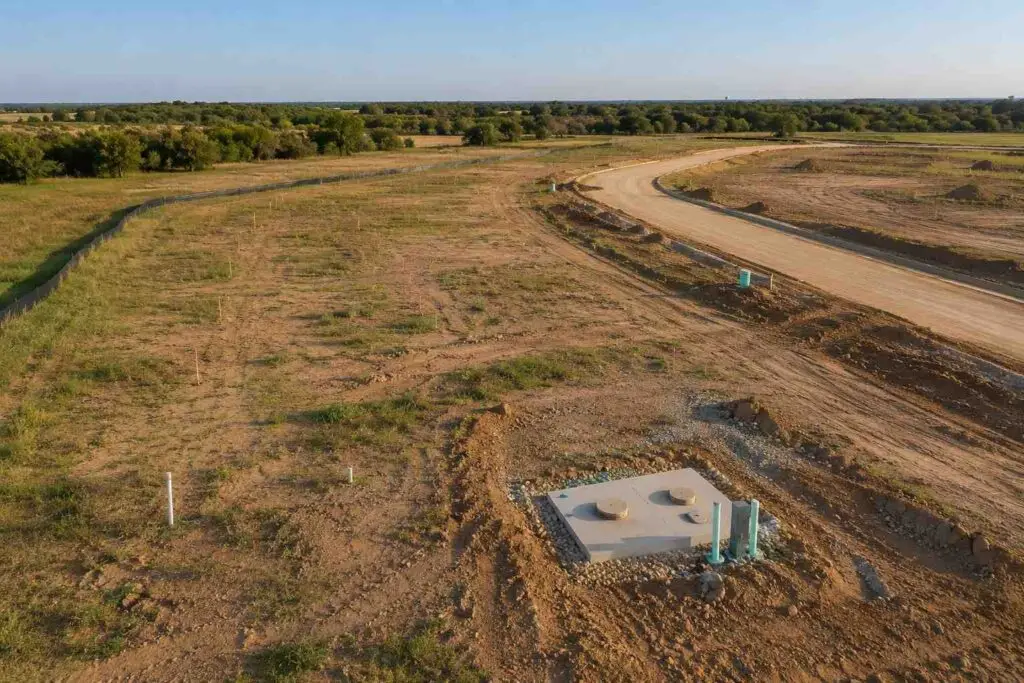
Most Texas developers who have not been through a private wastewater permitting process assume it works something like a building permit. You submit the application, the agency reviews it, you get approval, and you build. The timeline and the financial reality are significantly different from that assumption.
I-35 Corridor Development Wastewater Feasibility: How to Avoid the Most Common TCEQ Errors in Hays County
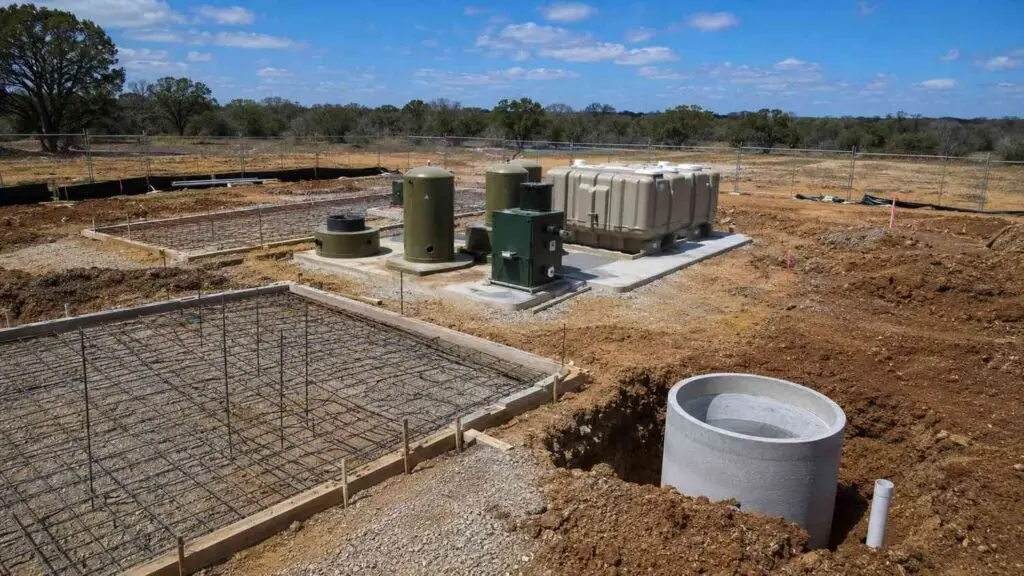
Hays County is growing faster than its wastewater infrastructure can keep pace with, and the I-35 corridor between Austin and San Antonio is the epicenter of that pressure. Developers who have permitted projects successfully elsewhere in Texas are discovering that a wastewater strategy assembled quickly and submitted to TCEQ without the level of technical rigor the agency now expects for this corridor comes back with deficiency letters, requests for additional information, and months of delay that were entirely avoidable. The mistakes are not exotic. They are the same handful of errors showing up project after project, and they are almost all preventable with the right feasibility work done before the application is submitted, and ideally before the land closes.
LCRA Water Rights and New Development: What You Need to Know Before Breaking Ground East of Austin
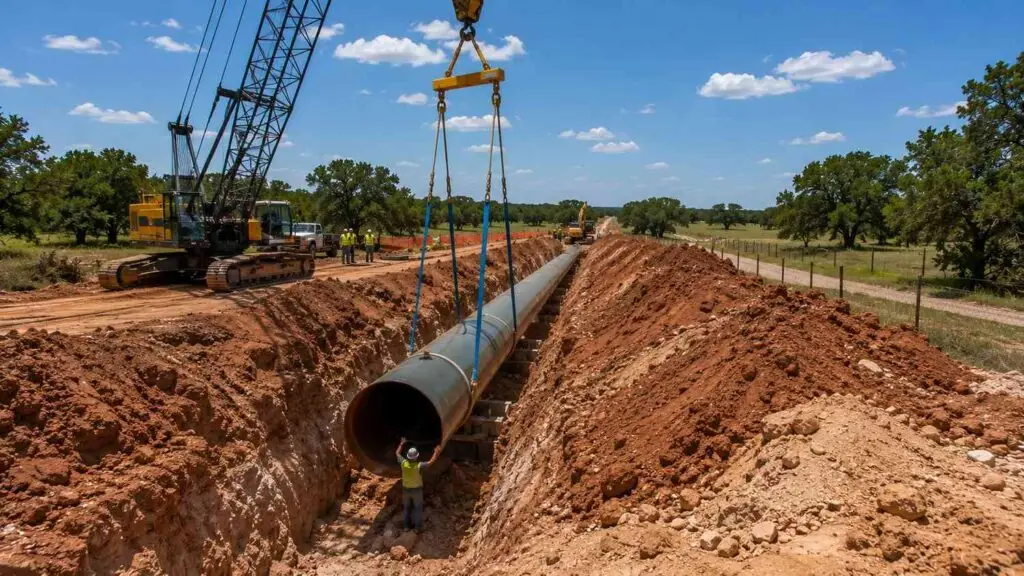
The growth corridor east of Austin, running through Bastrop, Caldwell, and eastern Travis County, is absorbing development pressure that the region’s water supply and utility infrastructure was not originally built to handle. Unlike a purely municipal water question where the answer usually comes down to distribution system capacity, water supply feasibility in this corridor frequently runs through the Lower Colorado River Authority, a regional river authority with its own water rights, wholesale contracts, and drought management priorities that operate on a timeline and logic distinct from any individual developer’s project schedule. A tract that looks straightforward on paper can turn out to depend on water supply arrangements that take years to negotiate and are subject to conditions the developer has no ability to control.
Edwards Aquifer Recharge Zone Development: What Austin Area Developers Must Do Differently for Wastewater
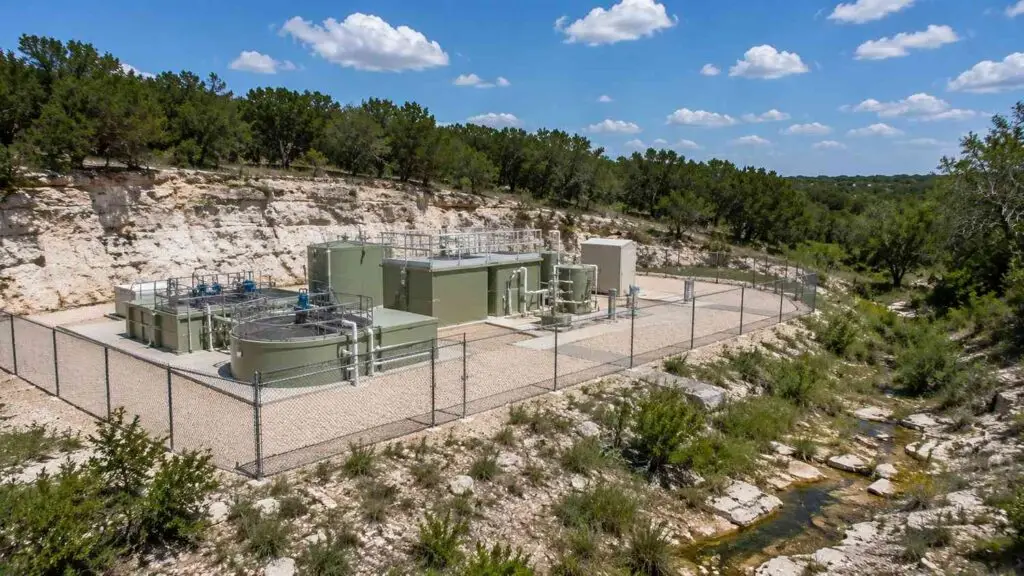
An Austin area developer who has permitted wastewater systems successfully in other parts of Texas can still get a rude introduction to the Edwards Aquifer Recharge Zone. The same TLAP or TPDES strategy that would move through TCEQ review in six months in a typical Central Texas county can face a fundamentally different level of technical scrutiny, additional design requirements, and, in some cases, outright disposal restrictions once a site sits within the recharge zone boundary. The Edwards Aquifer is not treated by TCEQ as just another groundwater resource. It is the primary drinking water source for well over a million Central Texans, it recharges through exposed karst limestone with minimal natural filtration, and the regulatory framework governing development within its recharge zone reflects that sensitivity directly in how wastewater infrastructure is reviewed and approved.
Wastewater Capacity in Fort Worth’s ETJ: What Happens When the City Won’t Annex Your Development
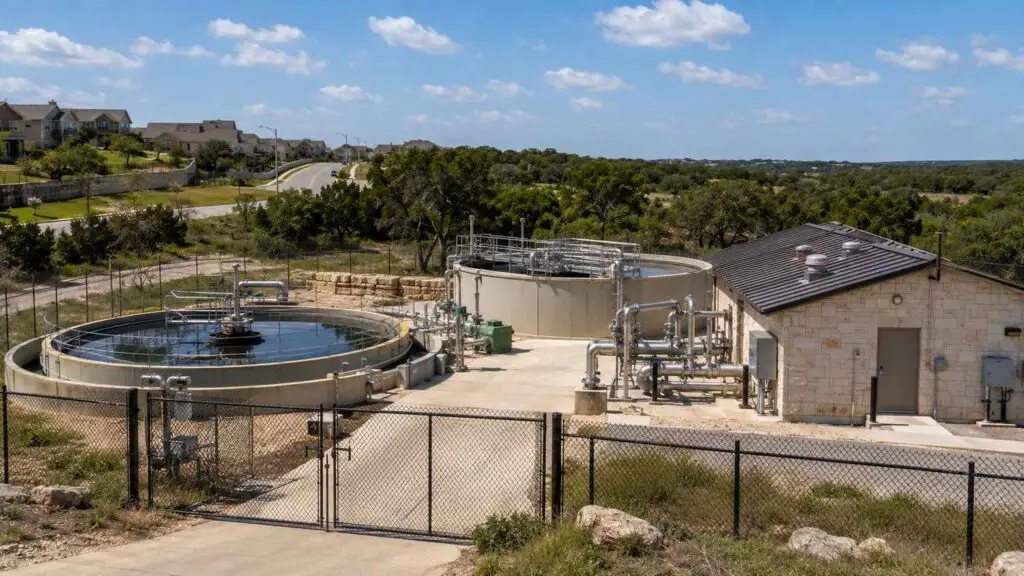
Fort Worth is one of the fastest growing cities in the country, and its extraterritorial jurisdiction stretches across a wide arc of land that developers reasonably assume will eventually get city sewer service, city annexation, and city level infrastructure investment. Reasonably, but not automatically, and not necessarily on the timeline a development’s financing and phasing plan requires. A land tract sitting inside Fort Worth’s ETJ is not the same thing as a land tract with confirmed sewer service, and the gap between those two conditions has derailed more than a few master-planned community pro formas that assumed proximity to a major city was itself a form of infrastructure guarantee.
Water Supply Planning for Master Planned Communities in Tarrant County: What Developers Get Wrong
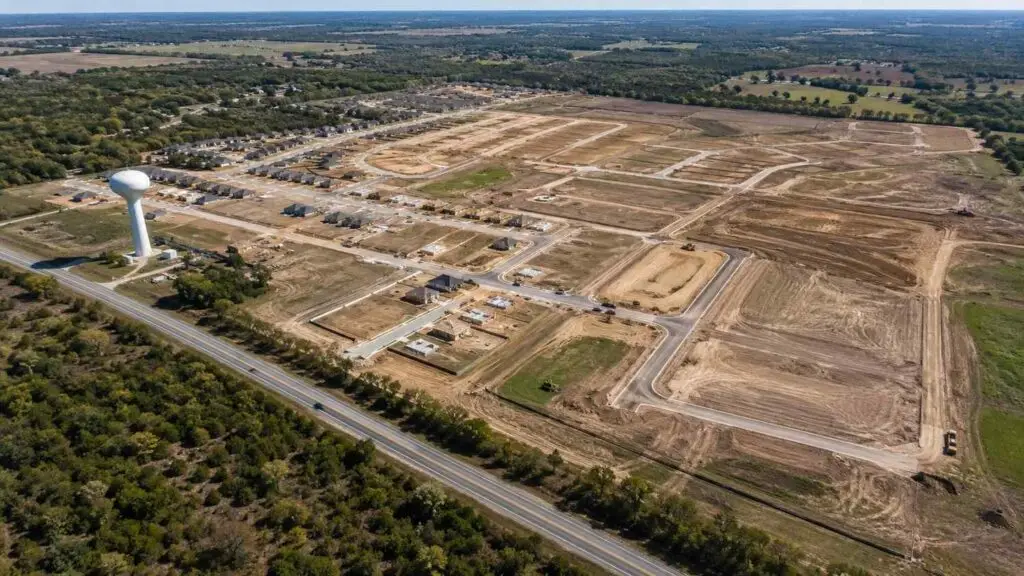
Tarrant County is absorbing some of the fastest residential growth in Texas, and master planned community developers are competing hard for large land tracts in growth corridors stretching from Fort Worth’s western edge through Aledo, Willow Park, Azle, and the county’s rural to suburban transition zones. The land acquisition team that closes fastest often wins the tract. But speed on the acquisition side creates a specific and recurring failure mode: water supply assumptions get made quickly, verified loosely, and locked into a phasing plan and pro forma before anyone has confirmed what the serving utility can actually deliver. By the time the gap surfaces, it is usually attached to a lot yield reduction, a phasing delay, or an unplanned capital cost that was never in the underwriting.
Hydraulic Modeling for Dallas High Rise Developments: Why Pressure Zone Design Matters More Than You Think
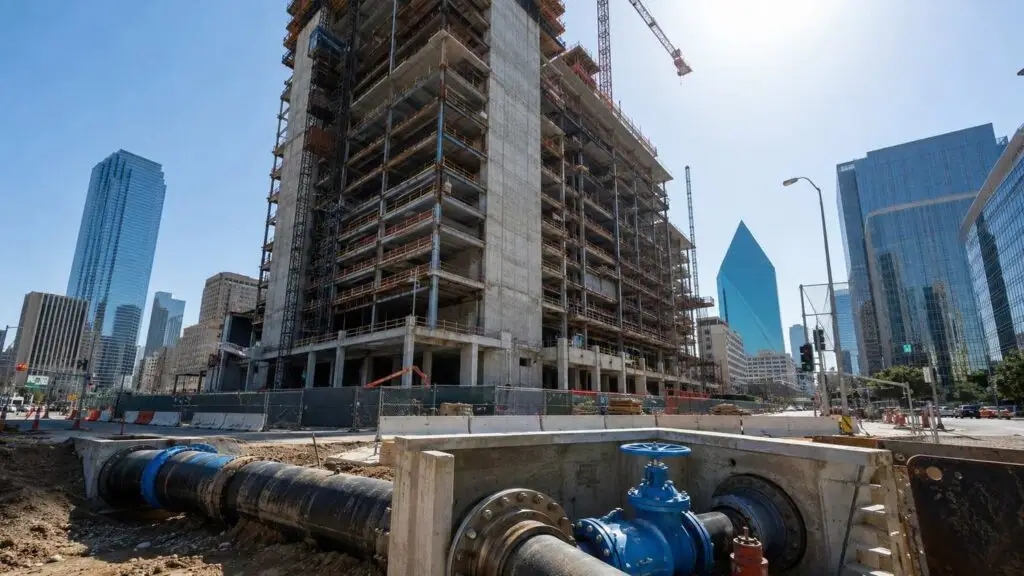
A high rise project can have its architecture finalized, its financing closed, and its general contractor selected, and still run into a fire marshal review comment that stops the permit in its tracks because nobody modeled whether the existing water main can deliver adequate pressure to the twenty second floor. Pressure zone design is one of the least visible and most consequential engineering decisions in a dense urban development, and it is consistently the discipline that gets the least attention during early design when attention would actually save money.
TCEQ Permit Timelines for Dallas Area Industrial Facilities: What Food & Beverage Manufacturers Need to Know
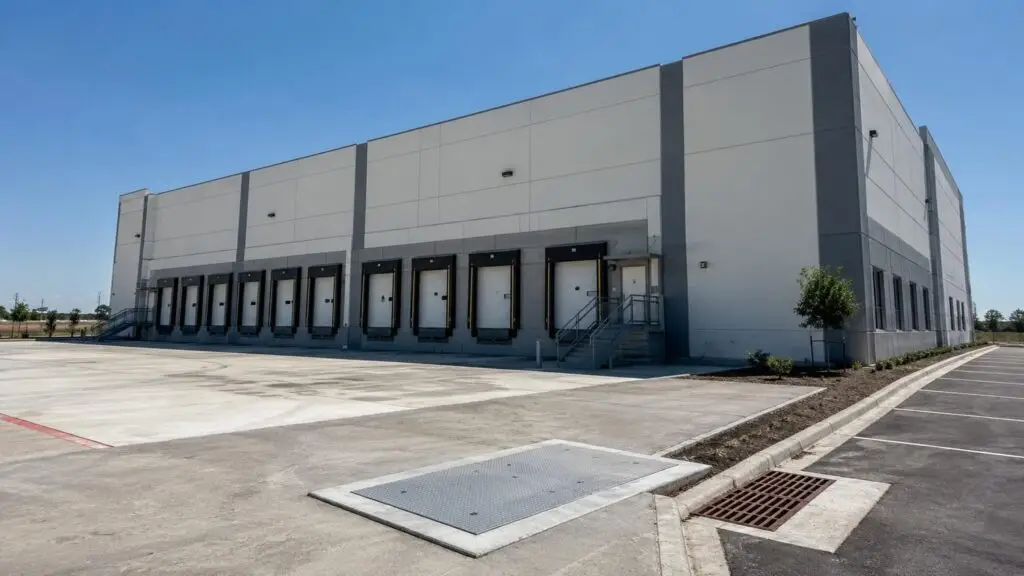
A food or beverage manufacturer signing a lease on a Dallas area industrial building is usually focused on ceiling height, dock door count, power capacity, and how fast production equipment can be installed. Wastewater permitting rarely makes the top of that list, and that is exactly the problem. The permit that governs what the plant is allowed to discharge, whether from the local publicly owned treatment works or from TCEQ directly, can take longer to secure than the tenant improvement buildout, and a facility that is otherwise ready to run product can sit idle waiting on a pretreatment approval that nobody budgeted time for.
Dallas Subdivision Wastewater Planning: When City Sewer Isn’t an Option in ETJ Growth Areas
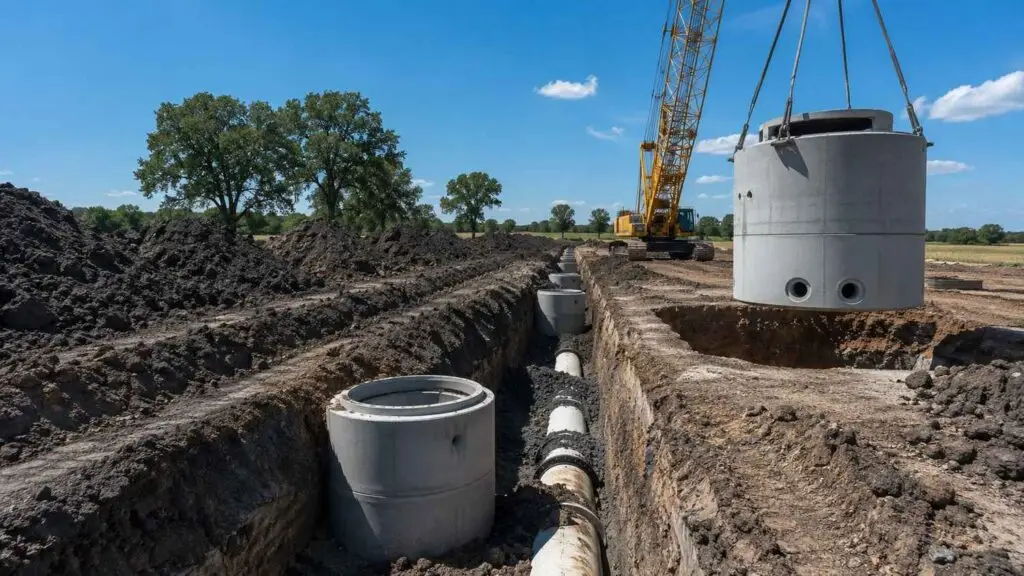
Every Dallas area growth corridor eventually runs out of city sewer. The line stops somewhere, and beyond that point a developer is working in extraterritorial jurisdiction or unincorporated county land where the assumption that municipal sewer will simply be available is one of the most expensive assumptions in Texas land development. A subdivision layout drawn before the wastewater strategy is confirmed is a layout that may need to be redrawn, sometimes after lots have already been marketed and sometimes after a lender has already approved a construction loan based on a lot yield that the actual wastewater solution cannot support.
Water Line Replacement in Dallas: How Developers Navigate Aging Trinity River Authority Infrastructure
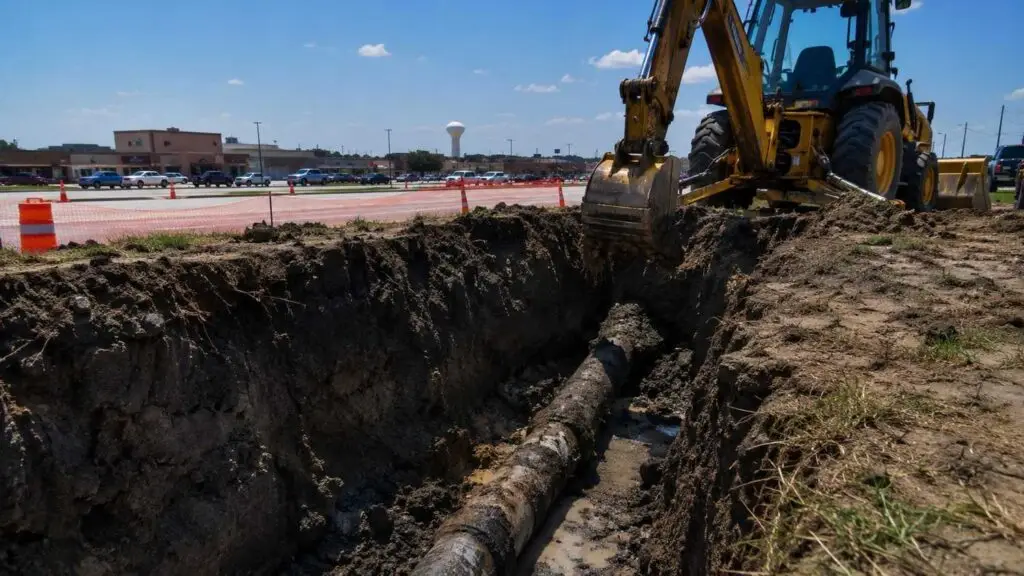
A site in the Dallas Fort Worth growth corridor can look completely developable on paper. Zoning is right, the pro forma works, and the water line running along the frontage road appears to solve the utility question before it is even asked. Then the utility capacity inquiry comes back, and the answer is that the existing line is forty years old, undersized for the proposed density, and any connection will require an offsite line replacement that the developer did not budget, did not schedule, and did not know was coming until the site plan was already deep into design. This is one of the most common and most avoidable sources of late stage schedule risk in Dallas-area development, and it deserves the same due diligence attention as zoning, environmental, and title work.
Every Month You Wait on TCEQ, Costs You $50,000 to $200,000
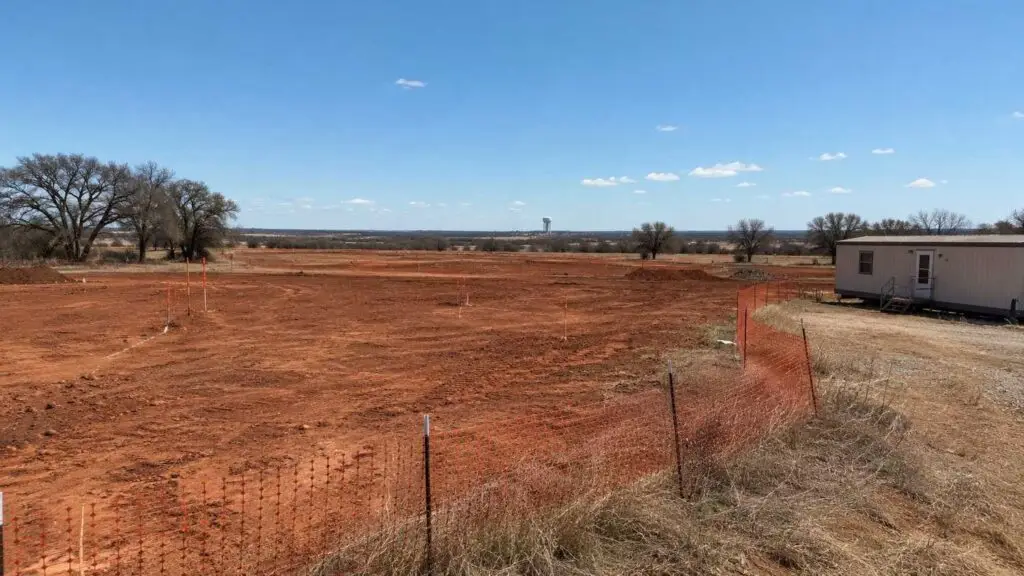
Developers across Texas are losing months, and millions, to permit queues that a faster pathway can sidestep entirely. Here is what your engineers should be telling you before you break ground.
Designing Water Systems for Arizona Battery Energy Storage Facilities
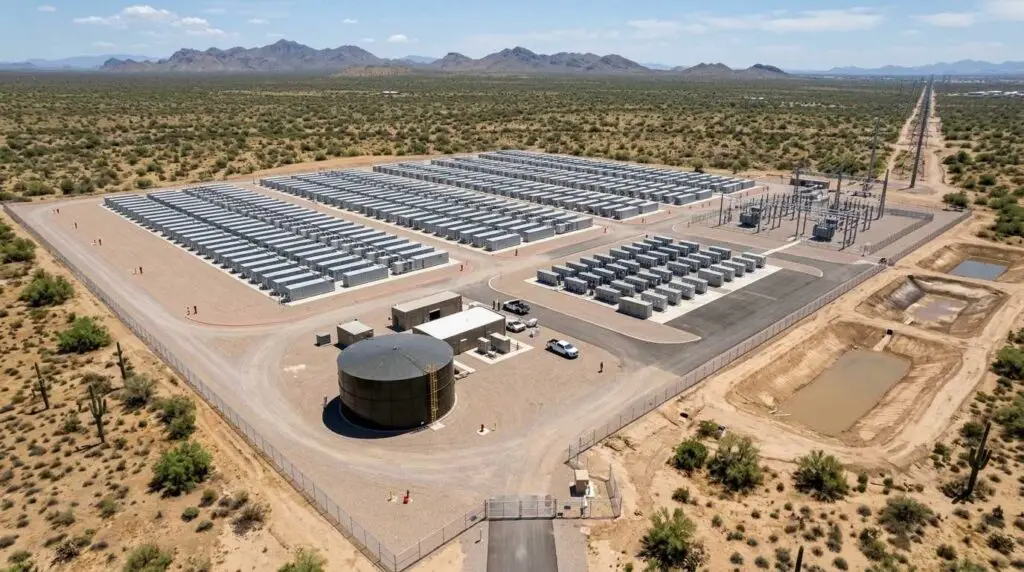
Battery energy storage facilities look simple on a site plan. Rows of containerized battery units, an inverter yard, a substation connection, and a gravel pad. The water infrastructure requirement appears minimal compared to a data center or a manufacturing plant. That appearance is misleading, and the developers who discover it too late are the ones dealing with fire marshal rejections, permit holds, and redesigns that push construction timelines into the next fiscal year. Water system design for a BESS facility in Arizona is not a background utility detail. It is a site feasibility and safety planning question that must be answered before entitlements are filed.
ADEQ Permitting for Wastewater Systems in Arizona: What Developers Need to Know Before Breaking Ground
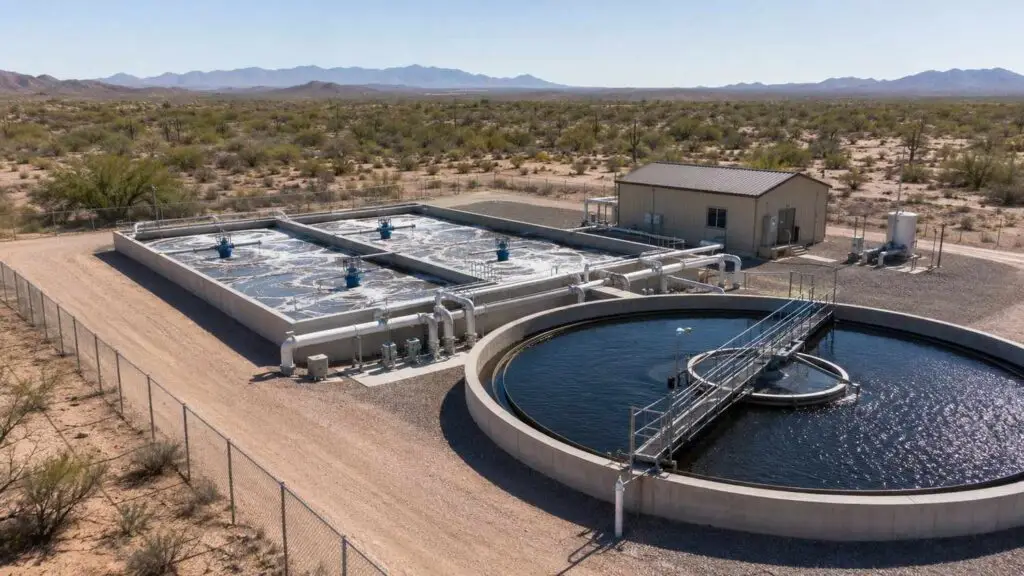
Arizona developers who treat wastewater permitting as something to sort out after the site plan is approved and the financing is closed are the ones who end up explaining to their investors why the construction start date moved six months. ADEQ wastewater permitting is not a formality that gets resolved in a few weeks once the entitlement work is done. It is a technical review process with specific documentation requirements, defined timelines, and compliance obligations that must be understood and planned for before any credible construction schedule is committed to.
Water Scarcity Engineering in Arizona: How Developers Are Planning for a Drier Future
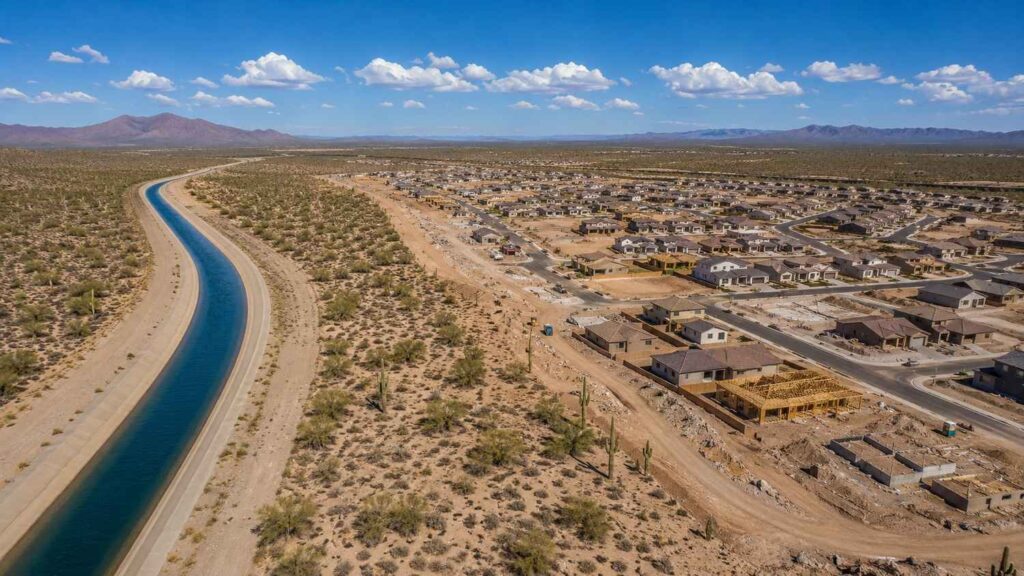
Arizona is one of the fastest growing states in the country and one of the most water stressed. Those two facts are in direct tension with each other, and the developers, municipalities, and infrastructure planners who are navigating that tension successfully are the ones who treat water availability as a feasibility question rather than a utility service question. In Arizona, water is not a commodity that arrives when you connect to the system. It is a finite resource with a legal framework, a supply constraint, and a planning horizon that must be evaluated before any serious development commitment is made.
Force Main Corrosion in Florida’s Coastal Environment: Design Strategies That Last
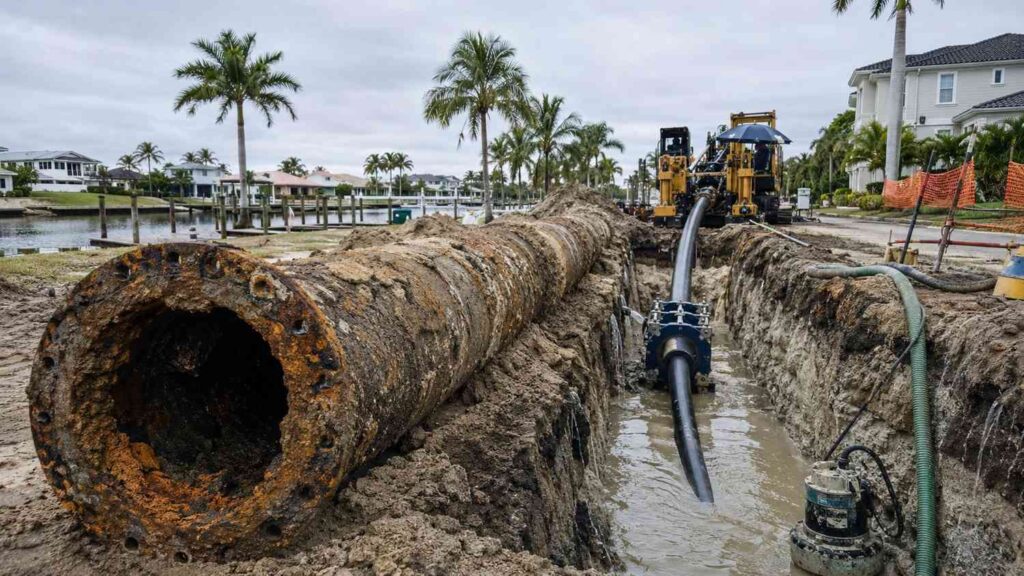
A force main failure in a coastal Florida community is not a minor maintenance event. It is a spill into an environmentally sensitive receiving environment, a mandatory FDEP notification, a public relations problem, a traffic disruption, and an emergency repair cost that typically arrives at the worst possible time with the least possible preparation. The difference between a force main that fails at year twelve and one that performs reliably for thirty or forty years is not luck. It is material selection, hydraulic design, corrosion protection, and a maintenance program that treats the asset as the critical piece of infrastructure it actually is.
Water Reuse in Florida: How the State’s Progressive Rules Are Shaping Infrastructure Design
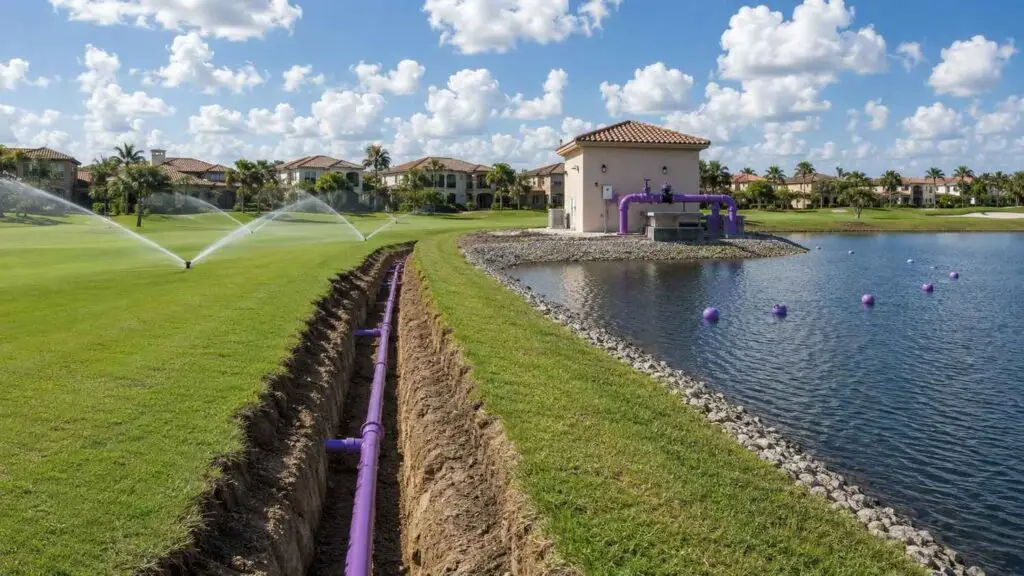
Florida treats reclaimed water as a resource, not a waste product. That distinction is embedded in the state’s regulatory framework, its utility planning culture, and the infrastructure decisions that shape how Florida communities manage their water and wastewater simultaneously. Developers, municipalities, and utility planners who understand how Florida’s reuse rules work and what they require will make better infrastructure decisions than those who encounter the reuse regulatory framework for the first time during a permitting process that is already underway.
How to Navigate FDEP’s OSTDS Upgrade Program: A Guide for Florida Property Owners and Developers
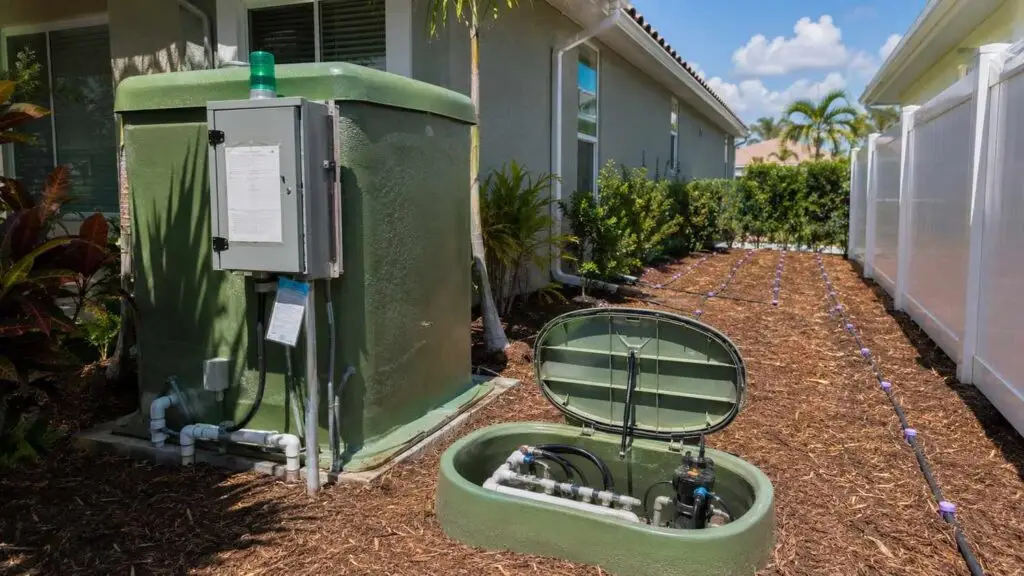
Florida’s septic system landscape is changing faster than most property owners and developers realize. The state has approximately 2.6 million onsite sewage treatment and disposal systems in active service, and a significant portion of them are in areas where their nutrient output is a documented contributor to water quality degradation in springs, coastal waters, and inland lakes. FDEP’s regulatory posture toward these systems has shifted from passive management to active remediation, and property owners and developers who have not tracked that shift are discovering its implications at the worst possible time in a project.
Florida’s Red Tide and Water Quality Crisis: What It Means for Coastal Wastewater Engineers
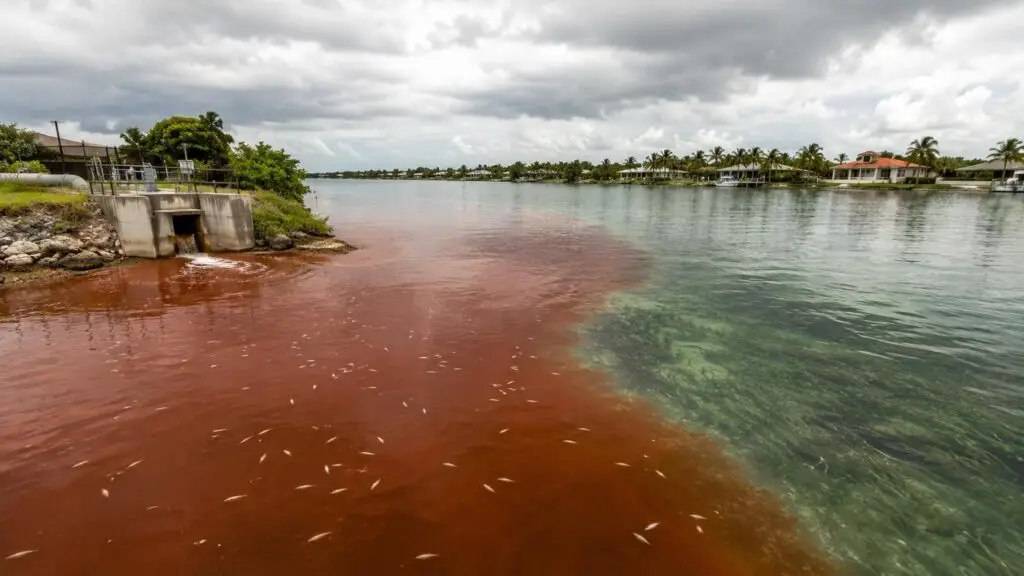
Red tide events on Florida’s coastlines are not purely natural phenomena that engineers watch from the sideline. The nutrients that feed harmful algal blooms come from somewhere, and the wastewater infrastructure decisions that Florida coastal communities make or fail to make are part of that story. For engineers, municipalities, and developers working near Florida’s bays, estuaries, and nearshore waters, the connection between wastewater management and coastal water quality is not an abstract environmental concern. It is a regulatory, economic, and operational reality that shapes infrastructure planning, permitting strategy, and public accountability in ways that are only becoming more pronounced.
Lift Station Design for Florida’s Flat Topography: Challenges Every Developer Should Understand
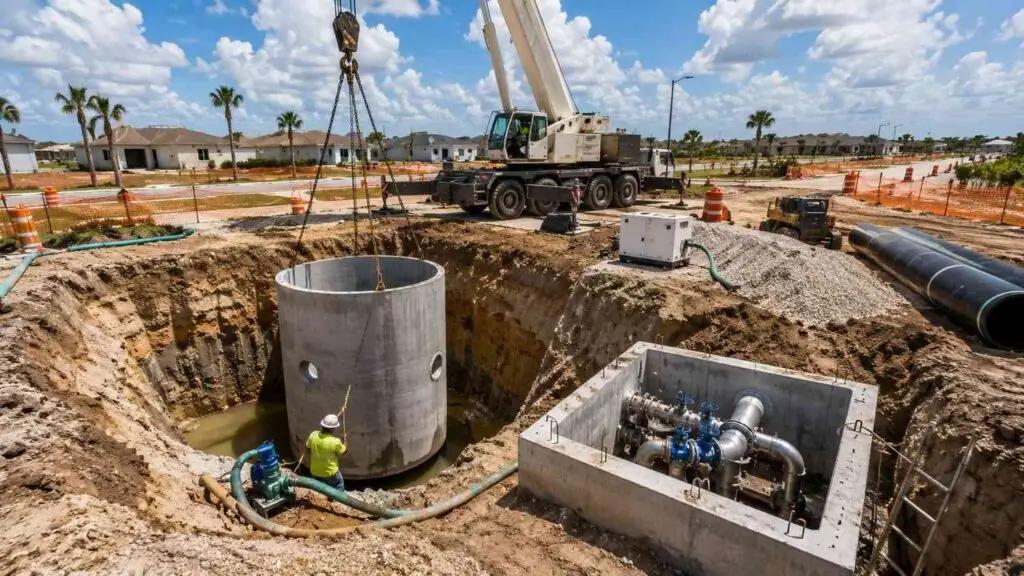
Florida’s flat terrain looks like an easy civil engineering environment until you try to move wastewater across it by gravity. Without meaningful grade changes to drive flow, gravity sewers in Florida require depths that quickly become impractical, expensive, and in some cases impossible given the state’s high groundwater table. Lift stations are not a design preference in Florida. For most developments, they are a physical necessity, and the decisions made about their design, location, and long term operation affect the project far beyond the utility plan sheet they appear on.
Florida’s Exploding Growth vs. Aging Wastewater Infrastructure: What Engineers Are Facing Right Now
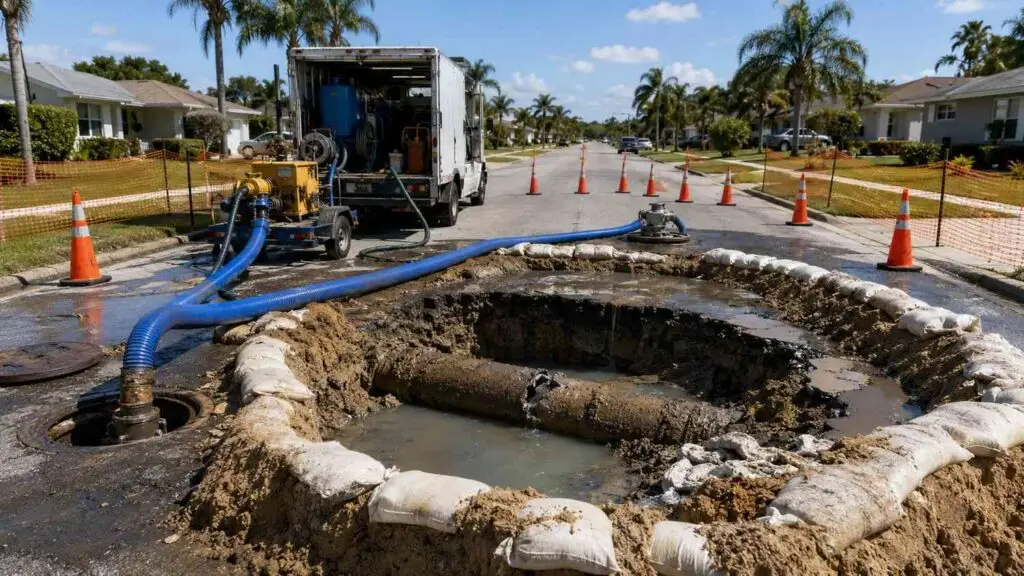
Florida added more than 525,000 new residents between 2022 and 2023 and another 664,000 between 2023 and 2025, making it one of the fastest-growing states in the country for consecutive years. Every one of those residents needs water, and every one of them generates wastewater. The infrastructure that handles that wastewater in many Florida communities was designed for a fraction of its current load, and the gap between what the system was built to handle and what it is being asked to handle today is where the most serious engineering problems in Florida water and wastewater are concentrated right now.
FDEP Permitting for Wastewater Systems in Florida: A Practical Guide for Developers
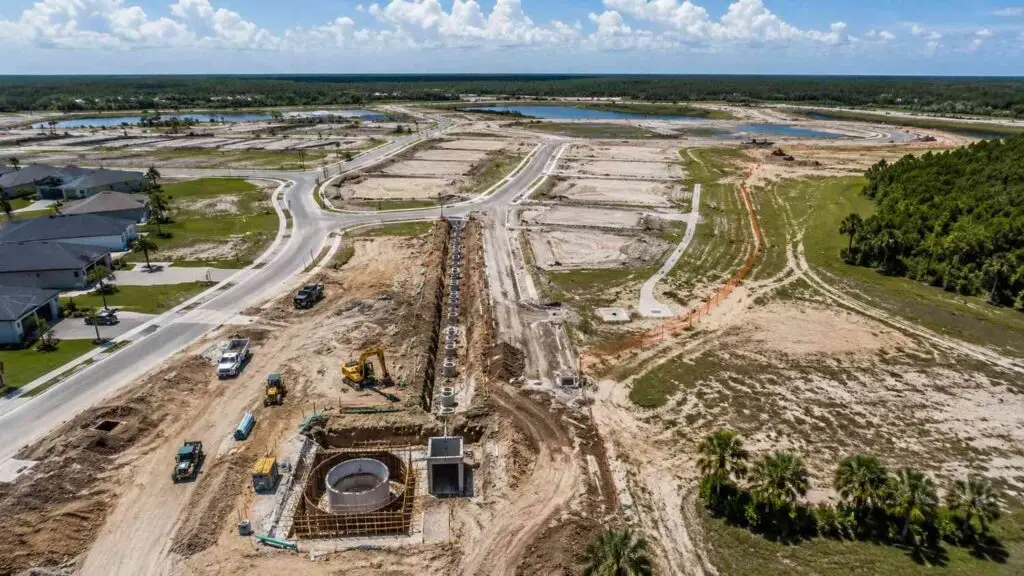
Florida developers who treat wastewater permitting as something the engineer handles after the site plan is approved are the ones who end up with projects stalled at the construction start line. FDEP permitting for wastewater systems is not a formality that gets resolved quickly once the entitlement work is done. It is a technical review process that requires engineering documentation, utility coordination, discharge or reuse strategy, and in some cases environmental constraint evaluation that must begin months before a construction timeline can be stated with any credibility.
Colorado Water Rights and Discharge Permits: Integrating Water Rights into Wastewater Permitting Strategy
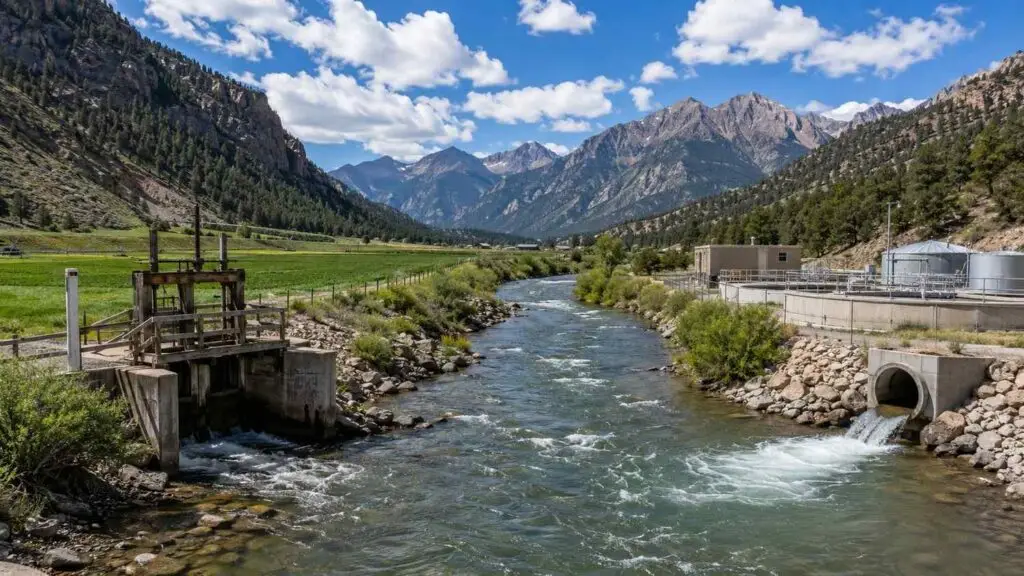
A Colorado developer or municipality that designs its wastewater permitting strategy without accounting for water rights is planning in a vacuum. Water rights in Colorado are not a separate legal domain that can be addressed after the discharge permit is issued and the treatment plant is built. They are an integrated part of the water management framework that determines what you can legally do with your wastewater after it is treated, where you can discharge it, and what constraints apply if you want to reuse it rather than return it to a stream. Getting the engineering right without getting the water rights analysis right produces projects that are permitted on paper but unworkable in practice.
Antidegradation Policy in Colorado Water Permits: What It Means for New Discharge Permits

A developer or municipality that selects a discharge location without evaluating the antidegradation status of the receiving water is making a permitting decision without the most important variable. Colorado’s antidegradation policy is not a formality that gets resolved during permit review. It is a threshold question that can determine whether a proposed discharge is feasible at all, what treatment level will be required, whether alternatives must be formally evaluated, and how long the permitting process will take. Getting the answer wrong at the beginning of a project costs far more than getting it right.
Public Notice and Citizen Petition in Colorado Water Quality Permitting: Preparing for Opposition

A Colorado discharge permit application that triggers community opposition is not just a regulatory problem. It is a project schedule problem, a budget problem, and in some cases a project viability problem. The public notice and citizen petition process built into Colorado water quality permitting exists to give affected parties a meaningful opportunity to challenge permit decisions they believe are inadequate. For developers and municipalities who have not prepared for that process, the opposition that arrives during public comment can extend timelines by twelve to twenty four months and consume engineering and legal resources that were not in the original project budget.
Colorado CDPHE Discharge Permit Process: Timeline, Requirements, and How It Differs from Texas
A developer or municipality that has successfully navigated Texas TCEQ discharge permitting and then assumes Colorado will follow the same general path is going to be surprised, and those surprises tend to show up as schedule delays, redesign costs, and funding gaps that were not in the original project budget. Colorado and Texas both regulate wastewater discharge under the federal Clean Water Act framework, but the agencies, the review culture, the water quality standards, and the practical timeline for getting a permit issued are different enough that they require a genuinely separate planning approach.
Plan of Reuse vs. Direct Discharge: Strategic Wastewater Disposal Decisions in Colorado
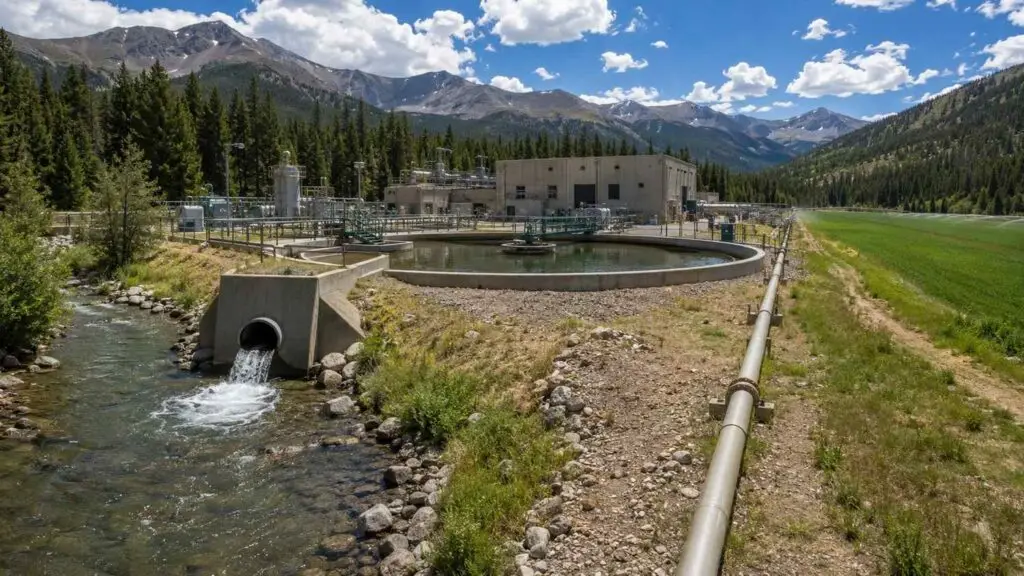
The question of what to do with treated wastewater in Colorado is not a permit category decision. It is a project strategy decision that affects land requirements, water rights, treatment levels, operating costs, regulatory review timeline, and long-term project feasibility. Developers and municipalities that treat wastewater disposal as a detail to resolve after the treatment plant is designed consistently discover that the disposal pathway they assumed was available either does not work for their site or costs far more than they planned.
Seasonal Flow and Snowmelt: Designing Colorado Discharge Permits for Extreme Hydrologic Variation
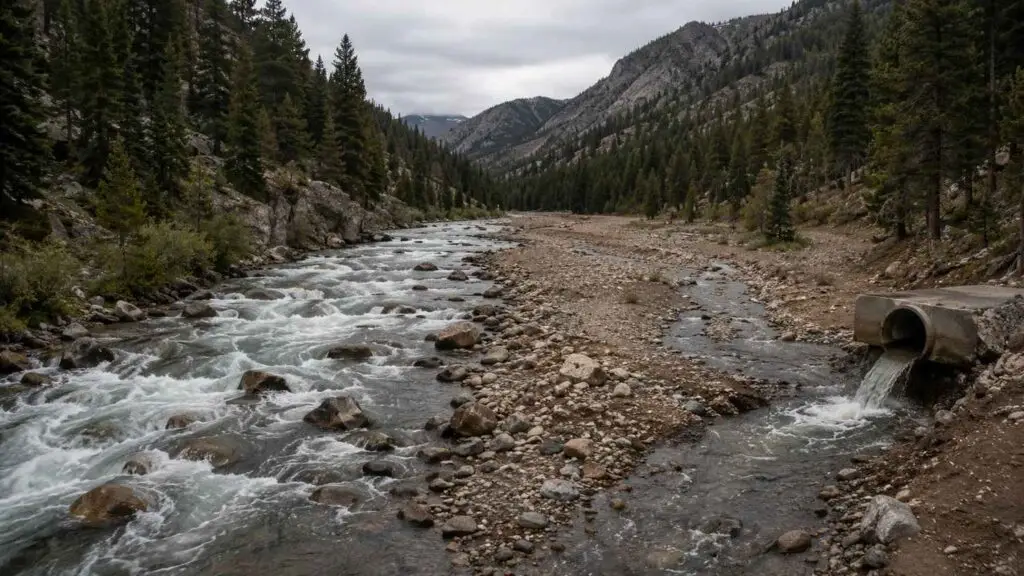
Colorado hydrology does not behave like a steady state engineering assumption. A mountain stream that runs at several hundred cubic feet per second during spring snowmelt can drop to a fraction of that flow by late summer and fall to a trickle in winter. A wastewater discharge that looks feasible and well-diluted during April runoff can become the dominant flow contribution to the same stream by September. If your discharge permit strategy was developed without accounting for that range of conditions, the permit limits you receive and the compliance challenges you face will reflect that oversight.
Colorado Package Wastewater Treatment Plant Permitting: CDPHE Approval, Operations, and Compliance
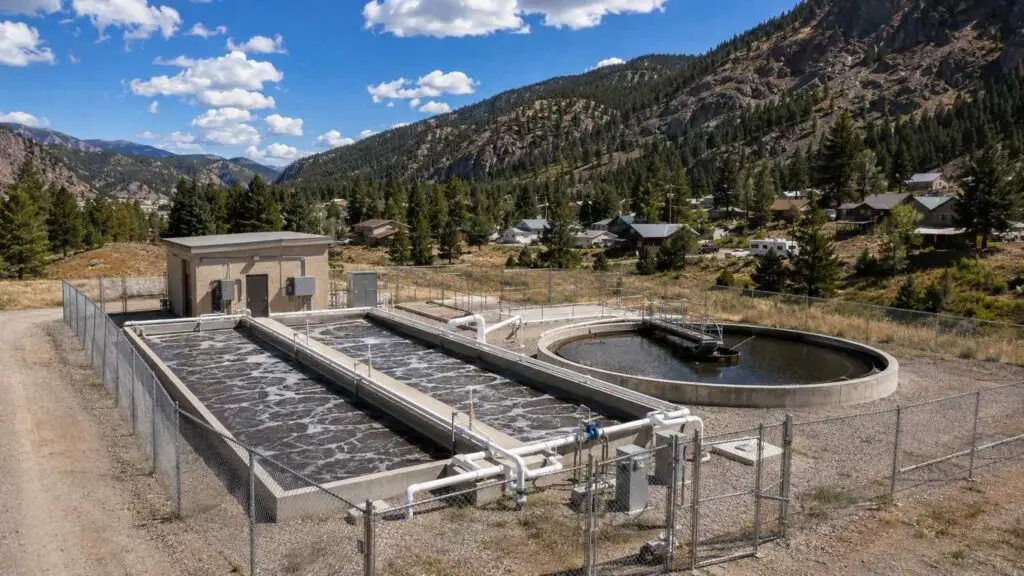
A package wastewater treatment plant sounds like a practical solution for a rural Colorado development or small district that cannot connect to an existing sewer system. In many cases it is. But the decision to install a package plant is not a purchasing decision. It is an engineering decision that must account for permit requirements, site constraints, seasonal loading variation, operator capacity, long term maintenance obligations, and the effluent quality the receiving water will demand. Getting those factors wrong before the equipment is ordered is an expensive and time consuming problem to correct after it arrives on site.
How to Conduct a Fire Flow Analysis for a Texas Development or Subdivision
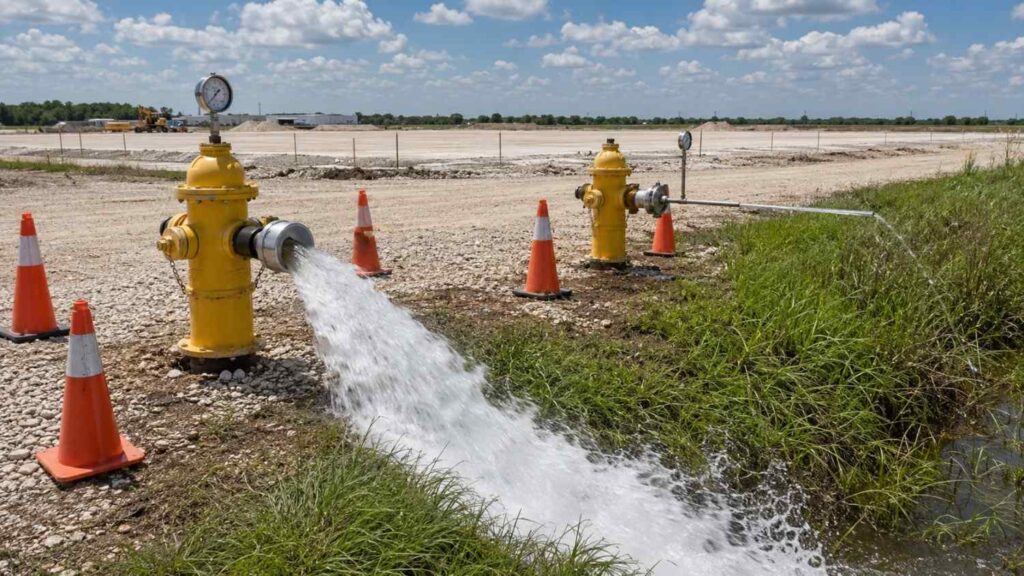
Fire flow is one of the most consequential water system requirements a Texas development can face and one of the most consistently underestimated until plan review comments arrive and the site design is already locked in.
Stormwater Discharge Permitting for Industrial Facilities: TPDES Industrial Stormwater Permits Explained
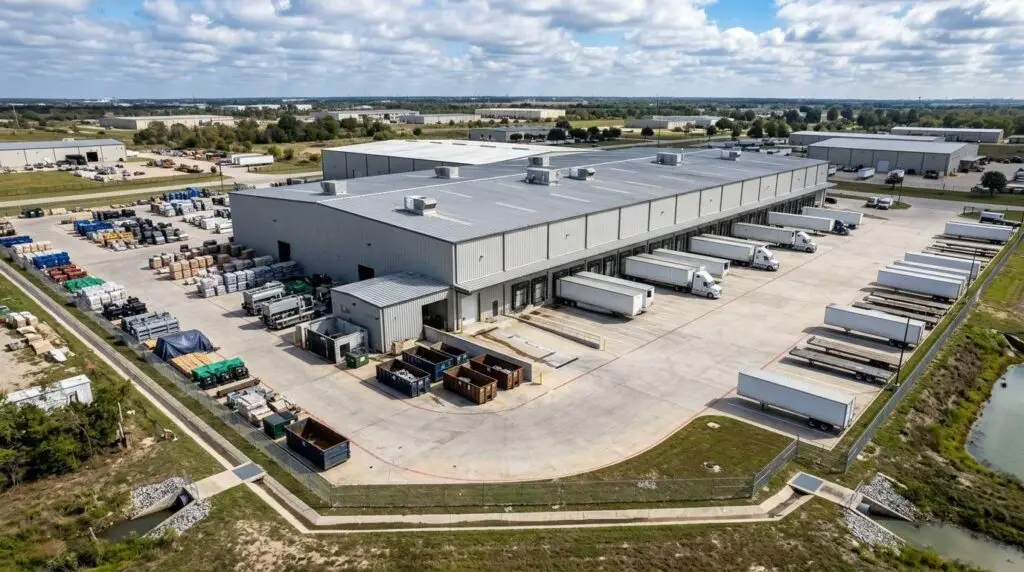
An industrial facility that has never applied for a stormwater permit is not necessarily in compliance. It may simply not have been inspected yet. When stormwater contacts exposed industrial materials, equipment, process areas, or waste handling zones and then runs off the site, that discharge is regulated under the Texas Pollutant Discharge Elimination System regardless of whether anyone at the facility knows it.
How TCEQ Sets Effluent Limits: Understanding Receiving Water Quality Standards and Permit Conditions
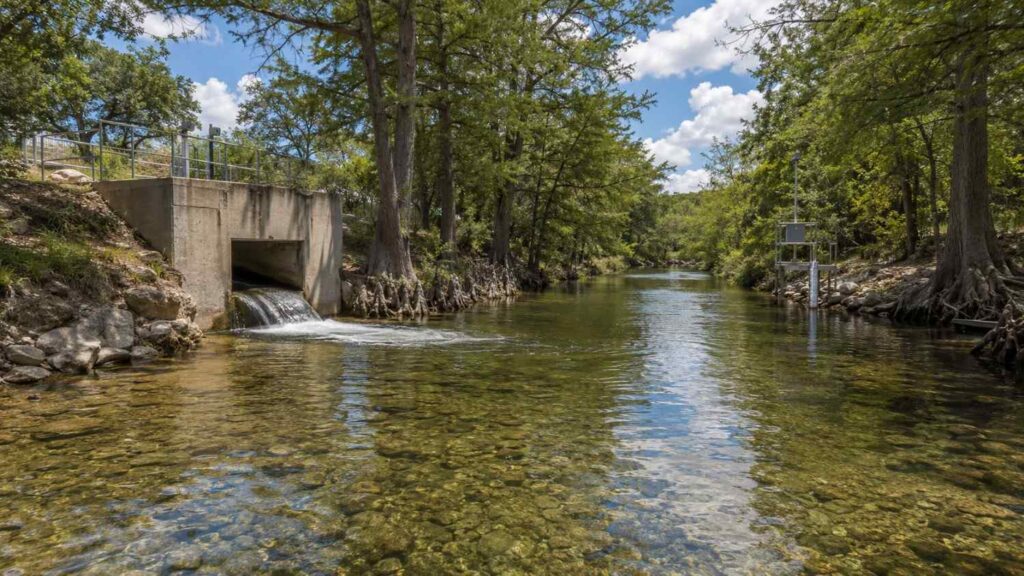
The effluent limits in your TPDES permit are not arbitrary. Every number in that permit reflects a calculation tied to the quality of the stream, lake, or creek receiving your discharge, the designated uses assigned to that water body, and the cumulative load that water body can absorb before it fails to meet state water quality standards. If you are designing a treatment plant without understanding why those limits exist, you are designing blind.
Industrial vs. Municipal Discharge Permits in Texas: Different Standards, Monitoring, and Compliance
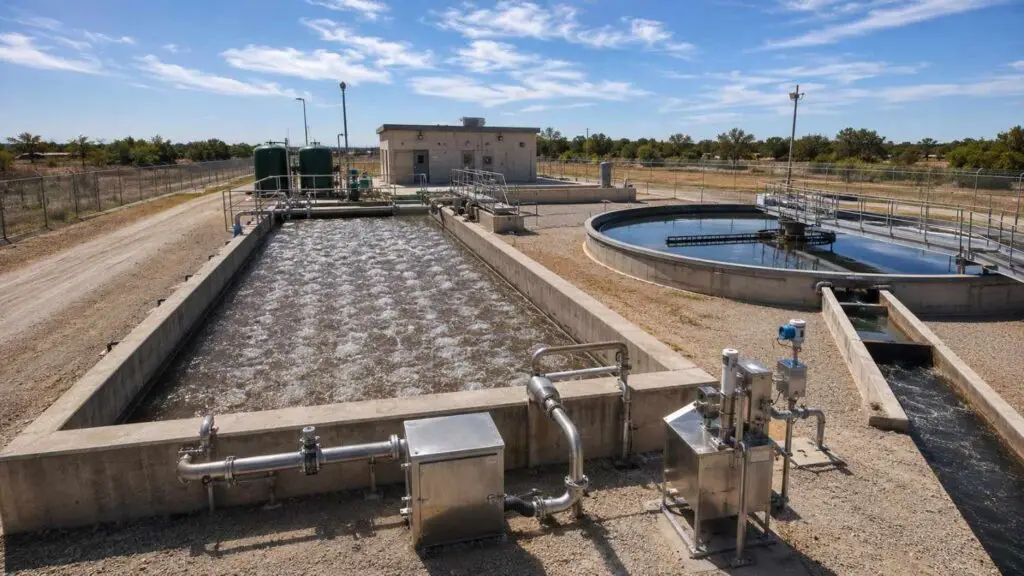
A developer who assumes that any wastewater discharge in Texas follows the same permitting path as a municipal treatment plant will eventually learn otherwise at significant cost. Industrial and municipal TPDES permits share the same regulatory umbrella, but they operate under different standards, different monitoring frameworks, and different compliance expectations. Confusing the two at the start of a project creates problems that are expensive to undo.
Permit Modification vs. Renewal vs. Amendment: When You Need to Change Your Discharge Permit
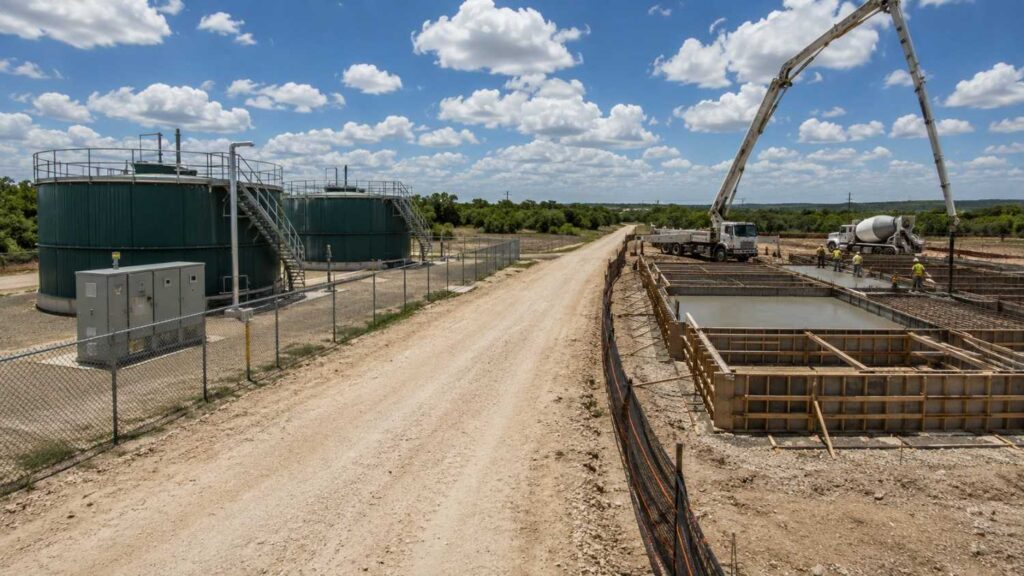
The permit sitting in your file drawer has an expiration date, a set of conditions, and a flow authorization that may no longer match what your facility actually needs. When that gap opens up between what your permit says and what your operation requires, the question is not whether you need to act. The question is which type of permit action applies and how much time you have before that gap becomes a compliance problem.
Biosolids Land Application from Private Wastewater Treatment Facilities in Texas
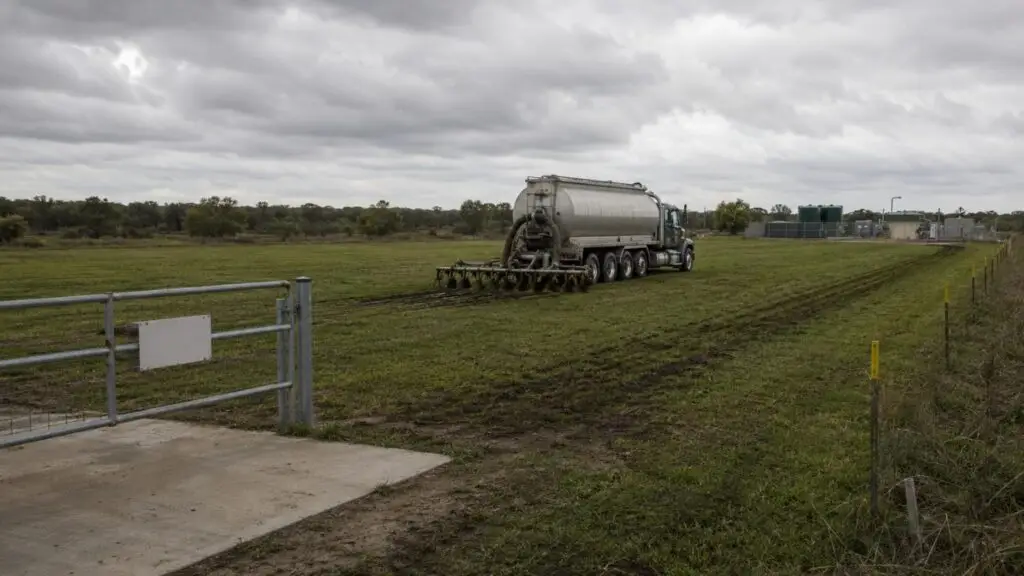
Most developers who build a private wastewater treatment plant spend their engineering budget on the TPDES permit, the treatment train design, and the TLAP or 210E authorization for effluent disposal. Almost none of them spend equal attention on what happens to the sludge. That oversight does not stay invisible for long. The first time a certified operator calls to report that the sludge holding tank is full and there is no permitted disposal pathway in place, the project has a compliance problem that should have been solved before the plant went online.
How to Size a Package Wastewater Treatment Plant for a New Texas Development
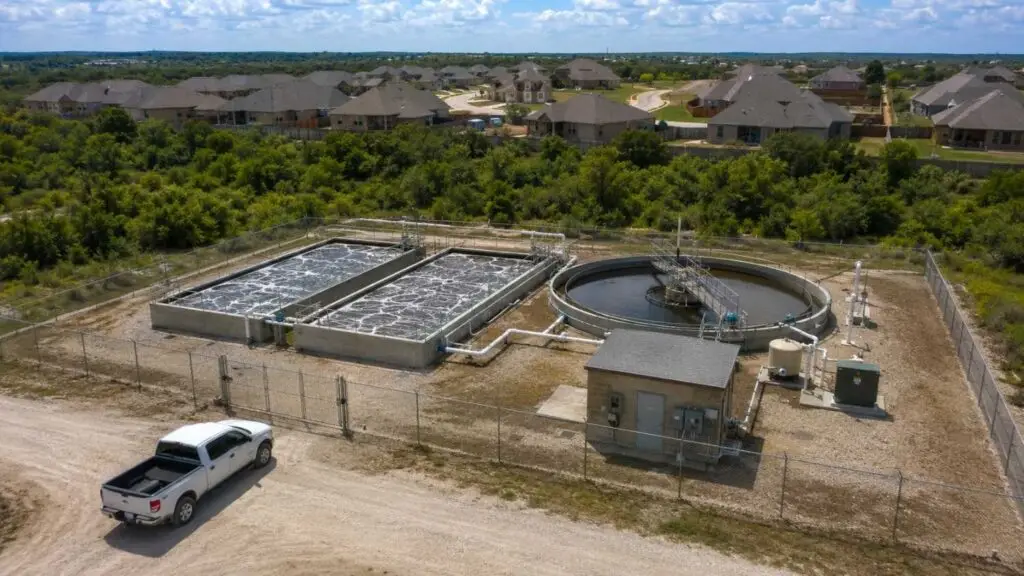
The most expensive mistake a Texas developer can make on private wastewater infrastructure is picking a plant size before doing the engineering that justifies it. A package WWTP that is undersized cannot accept the development’s actual flow without a permit amendment. One that is oversized costs more to build and more to operate than the project ever needed. Both outcomes were avoidable.
Municipal TPDES Individual Permits: What Texas Cities and Utility Providers Need to Know
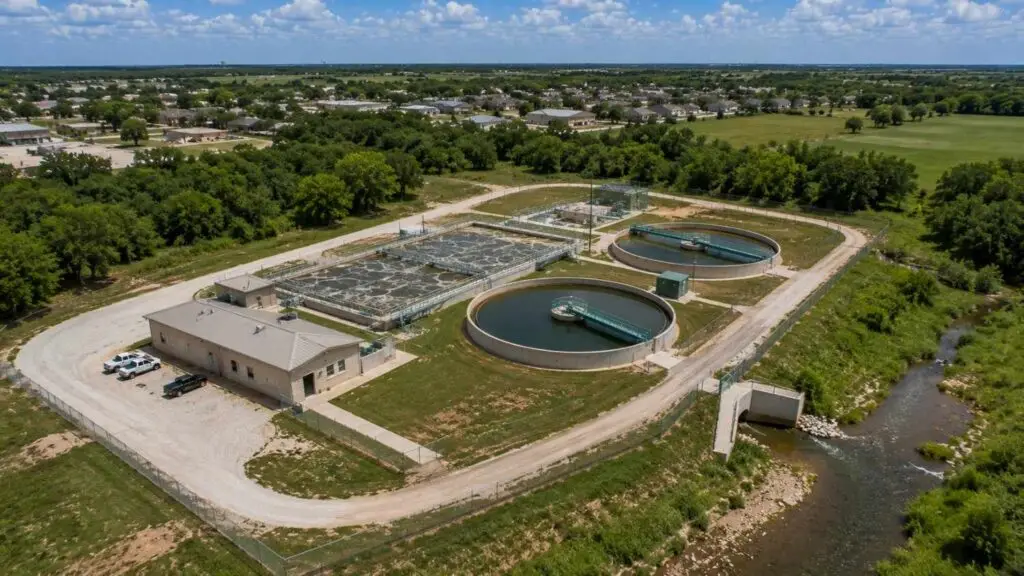
Every Texas city and utility district that operates a wastewater treatment plant and discharges treated effluent to a creek, river, or other surface water is operating under a TPDES individual permit. That permit is not simply a piece of paper from TCEQ confirming the plant exists. It is the document that sets every operational parameter the plant must meet, every sample that must be taken, every report that must be filed, and every capital decision that has to happen before the permit allows the community to grow.
Hydrostatic Test Water: What Texas Developers and Contractors Need to Know Before Discharge
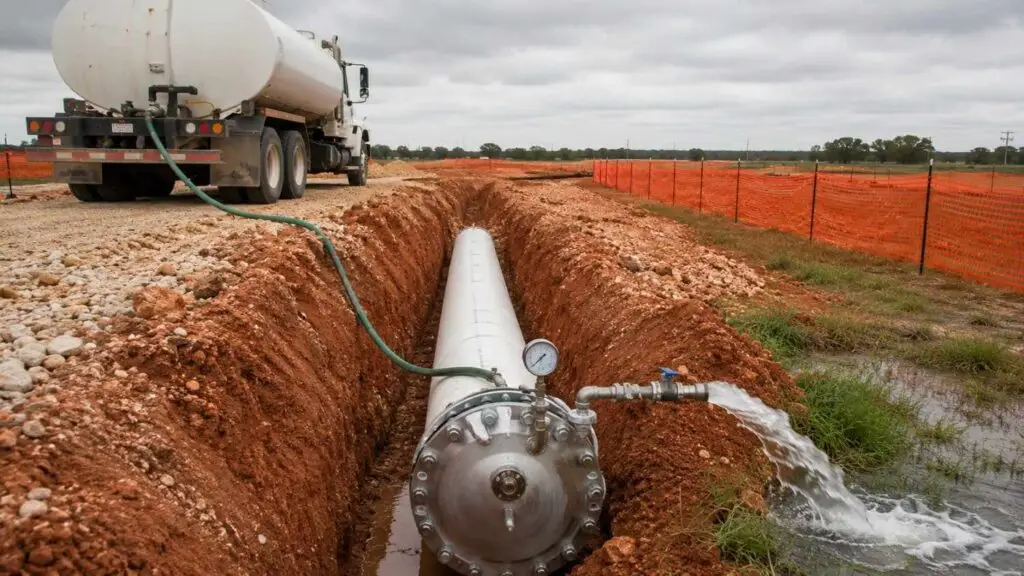
The water that filled your pipeline during pressure testing does not have the same regulatory status as rain falling off a roof. Before it leaves the site, someone needs to have answered the question of where it is going and under what authorization it is being discharged. Most project teams that discover this question on the day of testing are discovering it too late.
Private Wastewater Treatment Plants in Texas: When Developers Need Their Own TPDES Permit
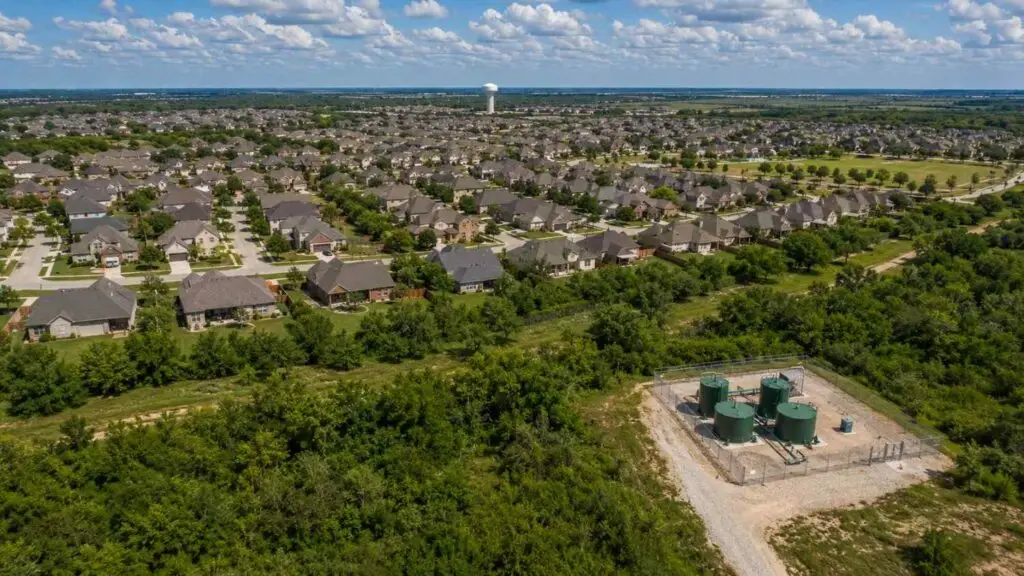
Texas has over 771 active domestic wastewater permits for privately owned treatment systems. That number exists because Texas keeps growing into land that municipal sewer systems have not reached, cannot serve at reasonable cost, or simply do not have capacity to accept. When public sewer is not a realistic option, private wastewater treatment is not unusual. It is how Texas development gets done.
Texas Wastewater Pretreatment Permits: What Industrial Facilities Discharging to a POTW Must Know
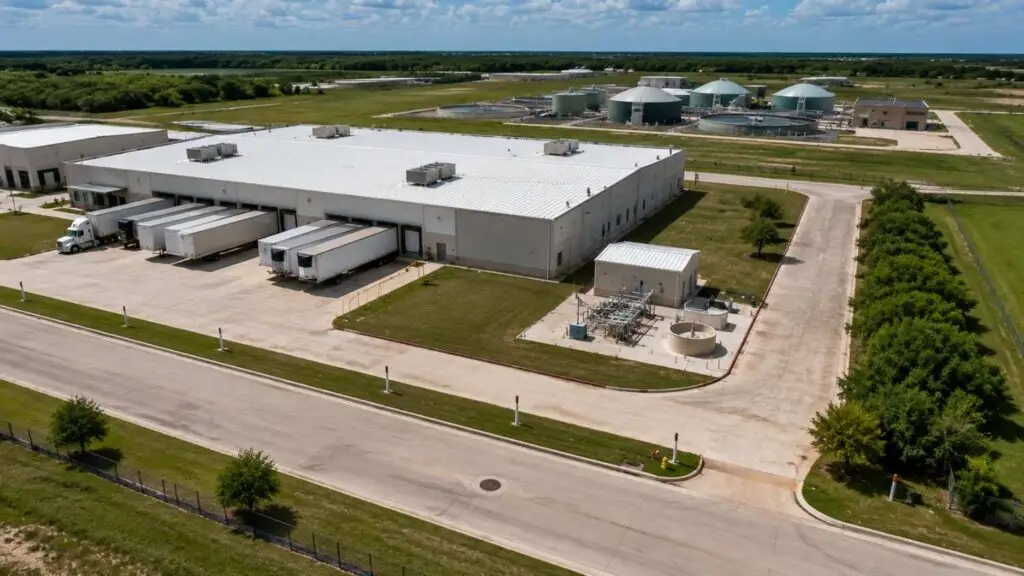
Signing a lease near city sewer service and assuming the wastewater problem is solved is one of the most common and most expensive mistakes industrial facilities and food processors make in Texas. The city connection resolves the physical routing of the wastewater. It does not automatically resolve what the wastewater contains, what the city will accept, or what the facility must do before anything reaches the city’s collection system.
Texas Land Application Permits Explained: Spray Irrigation, Subsurface Drip, and Evaporation Ponds
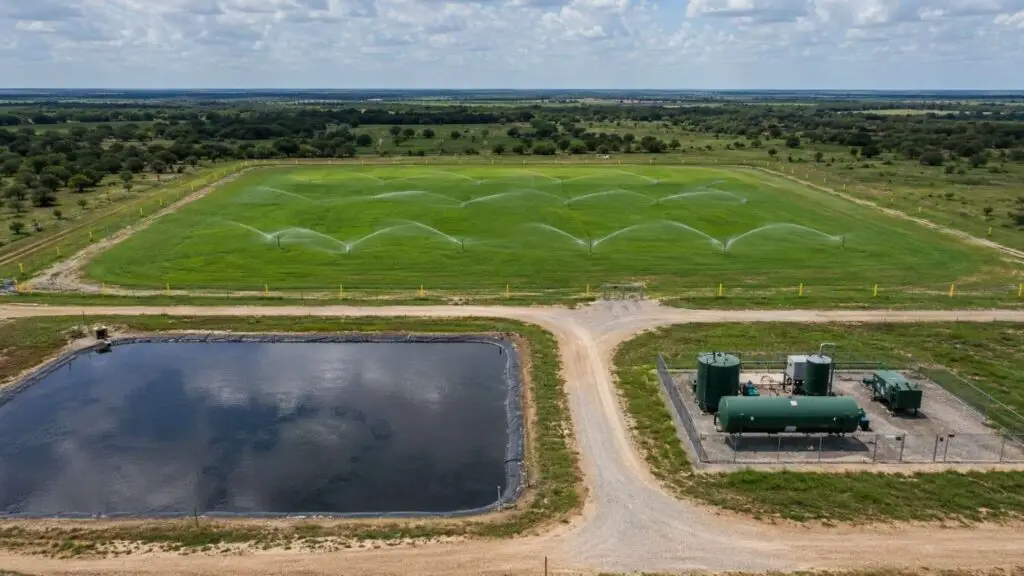
Not every Texas site has a creek nearby. Not every project can support a receiving water analysis. And not every developer wants to spend 24 to 36 months in TCEQ’s discharge permit queue. A Texas Land Application Permit offers a different path: one that keeps treated effluent on the land, avoids surface water discharge, and bypasses the receiving water review that drives discharge permit timelines. But TLAP is not a single solution. It is a family of methods, each with specific site requirements, engineering constraints, and operational realities that must be matched to the project before engineering begins.
Sewage Sludge and Biosolids Land Application Permits in Texas: Rules, Fees, and Common Mistakes
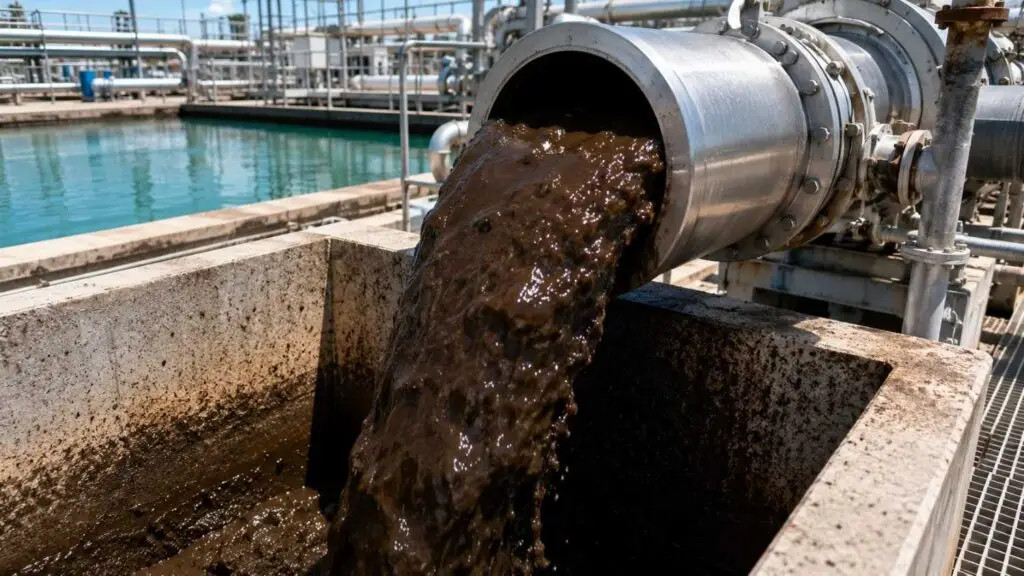
Most municipal wastewater treatment plant operators in Texas have a solid handle on their discharge limits, effluent sampling schedules, and monthly reporting to TCEQ. The part of the compliance picture that consistently has gaps is the back end of the treatment process: what happens to the sludge after it leaves the digester, where the biosolids go, who tracks the application records, and whether the permit authorizing all of it is current and complete.
Why Our Senior Engineers Are Not Expensive CAD Operators
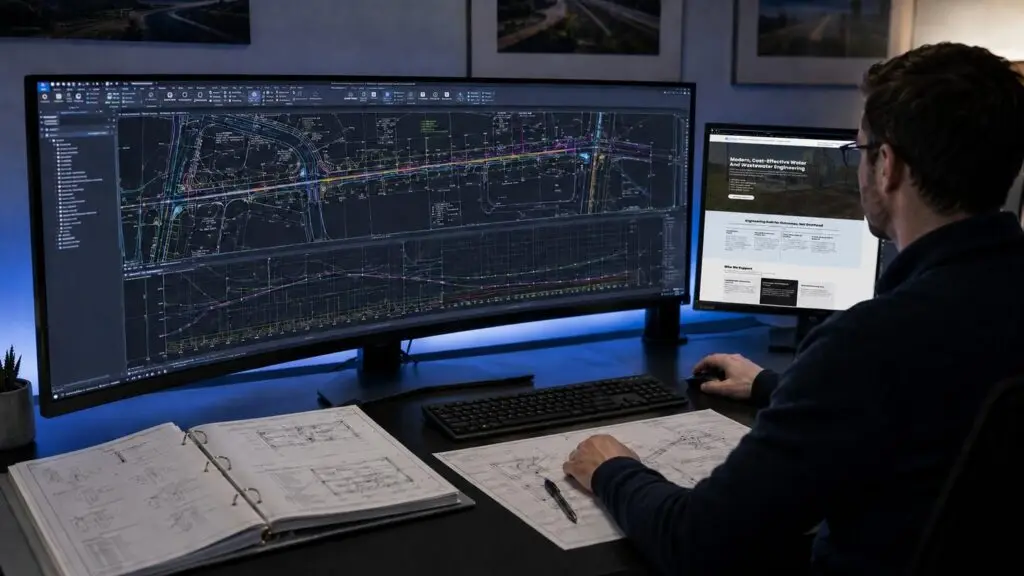
At most engineering firms, senior engineers spend a significant portion of their week on drawing cleanup, redline markups, and CAD production tasks that a drafter should be handling. We built MES around a different structure from day one.
Texas Chapter 210 Reclaimed Water Permits: Type I vs. Type II and When You Need One
Texas is running out of water. Not next century. Now.
Aquifers supplying Dallas, San Antonio, and hundreds of smaller communities are being drawn down faster than they recharge. State population projections show millions of new residents arriving over the next two decades, and the infrastructure to serve them is already strained.
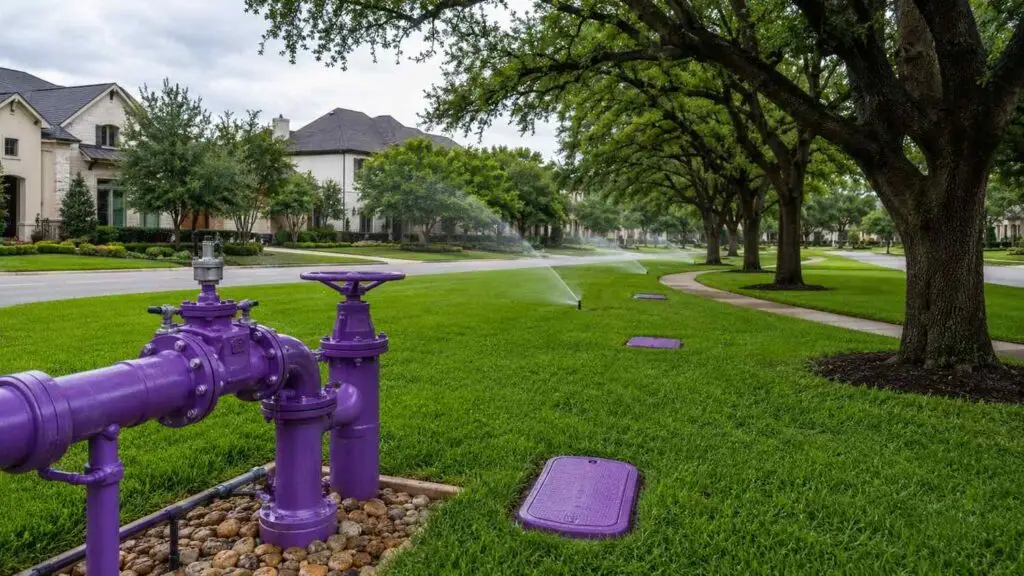
One solution has been on the books since 1997. Under 30 TAC Chapter 210, Texas authorizes the treatment and beneficial reuse of domestic and municipal wastewater for non-potable applications including residential irrigation, golf course maintenance, dust control, and industrial cooling. It is one of the most practical tools available to developers, municipalities, and utilities navigating Texas water scarcity, and one of the most overlooked.
The framework splits permitted uses into two categories: Type I and Type II. The category your project falls into determines your treatment standards, your operational restrictions, and whether your TCEQ application moves quickly or stalls. Here is what you need to know.
Construction General Permit TXR150000: What Texas Developers Need to Know Before Moving Dirt
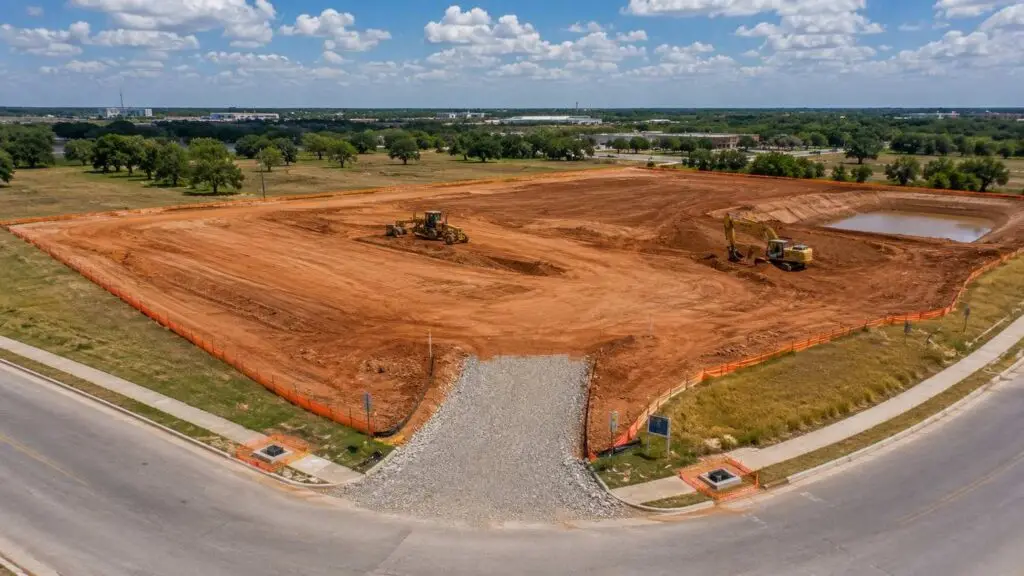
Most Texas developers know they need a building permit before construction starts. Many do not realize they also need stormwater construction permit coverage before a single acre of dirt is disturbed. Moving dirt without that coverage is a TCEQ violation. It is also preventable.
Industrial TPDES vs. TLAP: Which Wastewater Permit Path Fits Your Texas Facility?
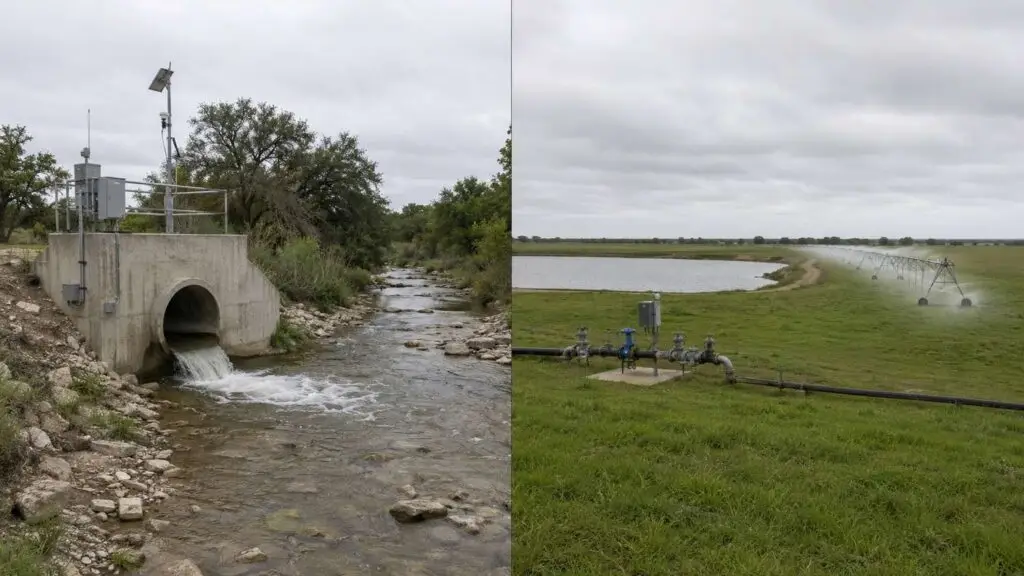
The permit path your industrial facility chooses for wastewater disposal is not a procedural decision. It determines the treatment system you build, the land you need, the compliance obligations you carry for the life of the facility, and how long it takes before you can operate. Getting it right before investing in equipment or site work saves time, money, and the frustration of discovering you chose the wrong path after the engineering is already complete.
Chapter 210 Reclaimed Water: What Texas Developers Need to Know About Water Reuse
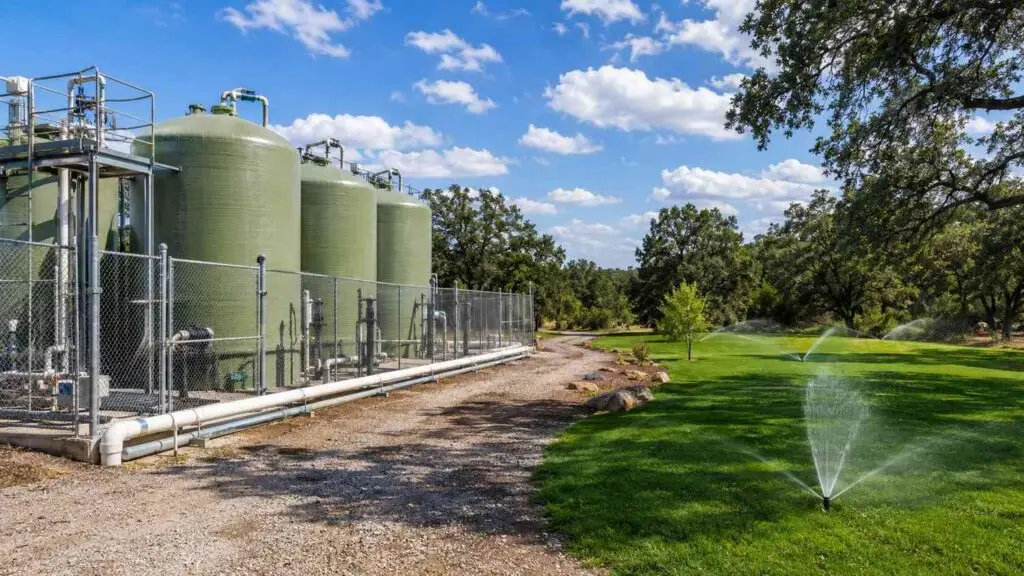
Water reuse in Texas is not a future trend. It is an active regulatory pathway that is already determining whether development projects move forward, what they cost to build, and how long they take to permit. Understanding what Chapter 210 reclaimed water actually requires before site plans, utility layouts, and amenity areas are locked in is one of the most practical things a Texas developer can do for their project.