
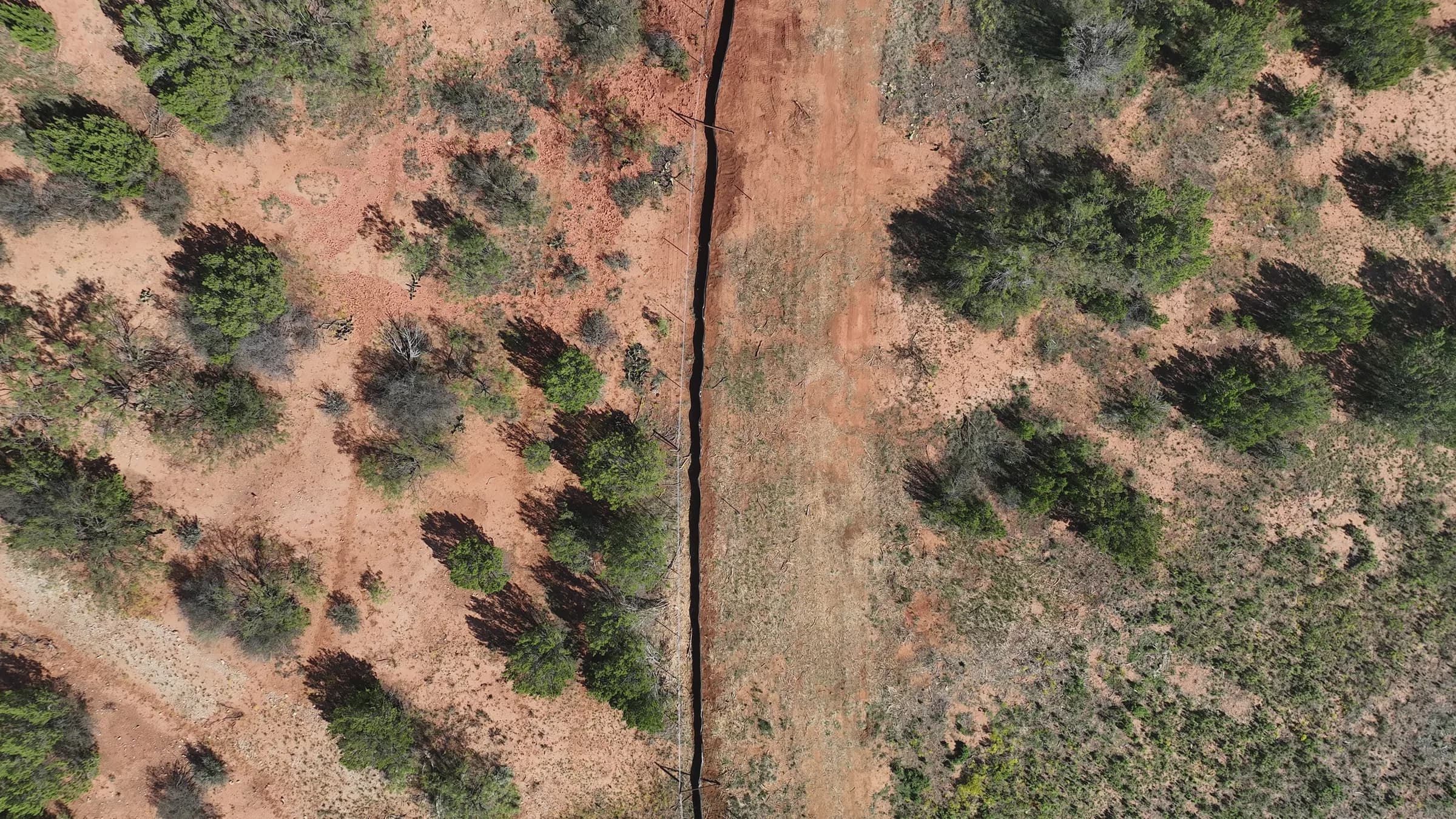
Four miles of waterline moved clear of TxDOT IH-20 work while Bitter Creek customers kept water service.
Bitter Creek Water Supply IH-20 waterline relocation
Where we work
Water distribution engineering in Texas: mains, fire flow, hydraulic models, booster stations and TCEQ Chapter 290 review for utilities and developers.
A water distribution system carries treated water from the well, plant or tank to every customer and fire hydrant. It includes mains, valves, hydrants, storage tanks, booster pump stations and pressure reducing valves.
MES designs and models distribution systems for Texas utilities, municipalities and developers. We extend mains to new subdivisions and commercial sites, size lines for fire flow, and study how existing systems hold up as they grow. It is part of our water engineering work in Texas.
TCEQ regulates public water systems under 30 TAC Chapter 290. Section 290.44 covers distribution:
A new public water system needs written TCEQ approval of its plans before construction. An existing system must notify TCEQ before a significant change. It must submit plans when a distribution change moves its connection count by more than 10%, leaves it short of required capacity, or ties into another public water system. In some cases, a city or other public body with its own review engineers can certify line work instead.
Local rules sit on top. The utility sets its own pipe materials and details. The fire code official sets the fire flow a site needs. Certificates of convenience and necessity from the Public Utility Commission of Texas set who may serve the land.
Low pressure as the system grows. New demand at the far end of a system, or on high ground, can pull pressure below 35 psi. We model the system with the new demand and size the fix: a larger main, a loop, a booster station or more storage.
Fire flow that falls short. A main can serve homes well and still fail a fire flow test. We flow test hydrants near the connection, add the project to the model, and size the main or booster to hold 20 psi at the required flow. See how a fire flow analysis works for a Texas development.
Pressure that runs too high. Low ground below a tall tank can see high pressure, which strains pipe and plumbing. Pressure reducing valves and separate pressure planes bring it back into range.
Water that never reaches a meter. Older systems lose water to leaks and meter error. We compare what the system produces with what customer meters record, find where losses concentrate and plan the repairs.
Near Sweetwater, we provided construction-phase engineering while four miles of waterline moved clear of TxDOT work on IH-20. Customers kept water service through the work. We work across Texas, from the Panhandle to the Rio Grande Valley.
It must be designed for at least 35 psi at every point, at 1.5 gallons per minute per connection. Where it provides fire protection, it must also hold 20 psi under combined fire and drinking water flow, under 30 TAC 290.44(d).
It depends. A new public water system needs written approval before construction. For an existing system, plans are required when the change moves its connection count by more than 10%, leaves it short of required capacity, or ties into another public water system.
Before the layout is fixed. A hydraulic model shows pressure and fire flow with the new demand added, so pipe sizes and any booster or storage needs are known before design. Call (214) 833-6748 to talk about your system.
Projects
Bitter Creek Water Supply IH-20 waterline relocation
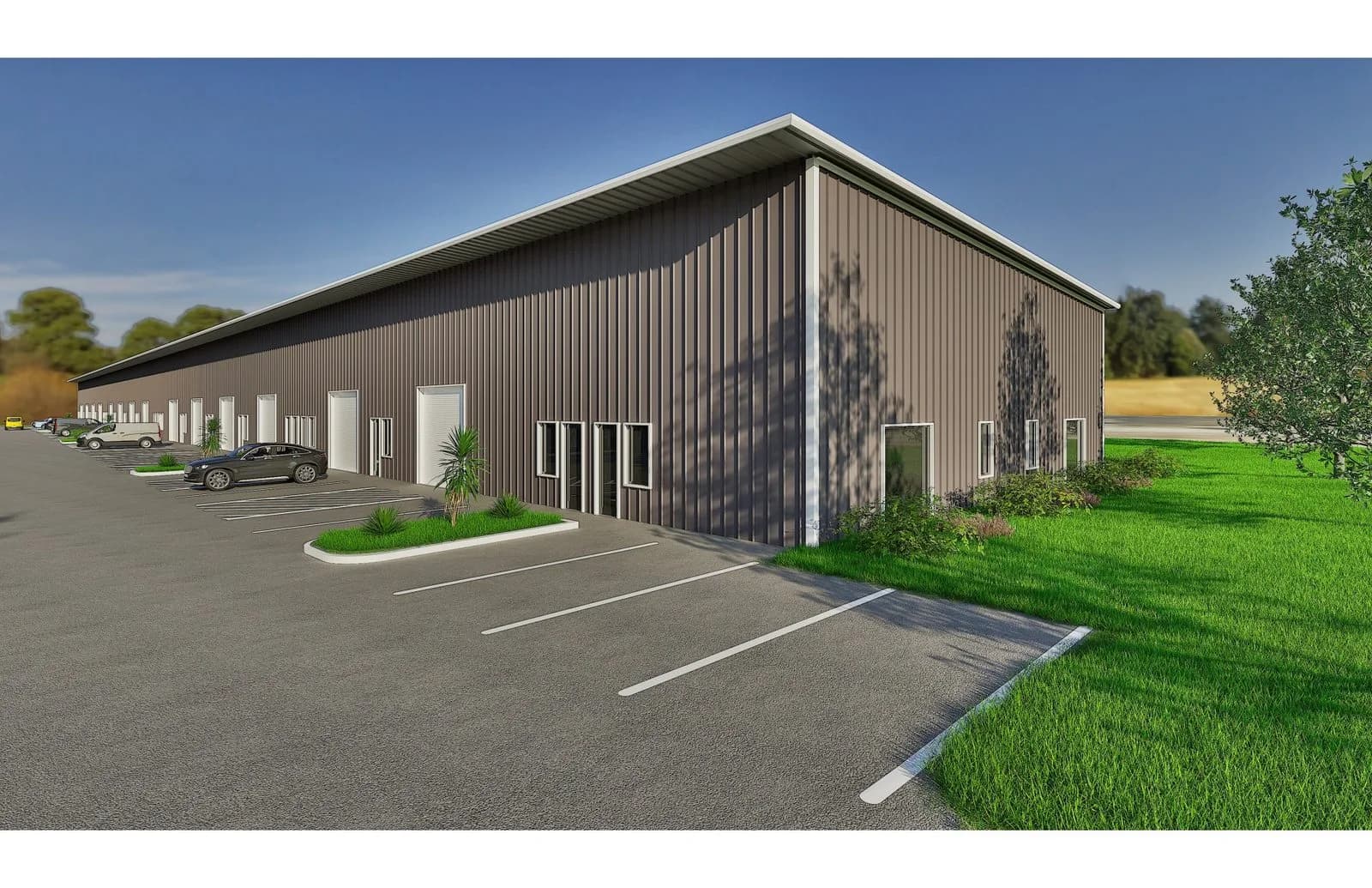
Mini-warehouse site entitlements and civil design in Georgetown, Texas
Site master plan and phase 1 civil set for a concrete contractor
Car wash site civil design in Fate, Texas
Industrial zero-discharge reuse in Taylor, TX, approved within 6 weeks of submission
1.0 MGD zero-discharge reuse for a mixed-use data center development
Talk to an engineer
Not a salesperson. Someone who can tell you whether the pathway is real.
Your options, the agencies involved and the questions that decide cost and schedule.
No commitment to have the first call.
Prefer the phone? (214) 833-6748