Quick Answer
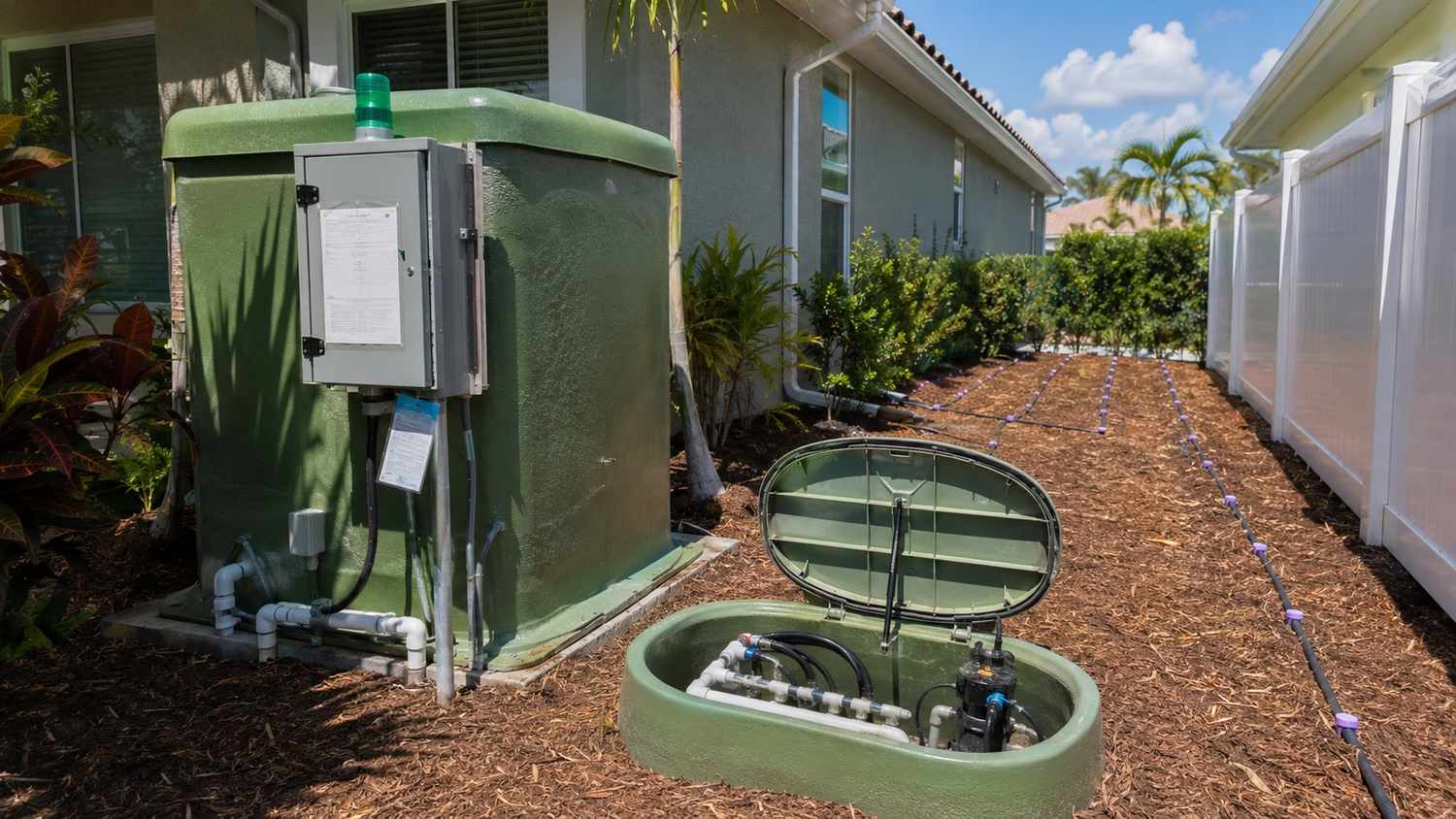
An onsite sewage treatment and disposal system, commonly called an OSTDS or septic system, is a private wastewater treatment system that treats domestic sewage on the property where it is generated, typically through a septic tank and a soil absorption drain field. In Florida, OSTDS are regulated by FDEP and by county health departments operating under delegation from FDEP. Upgrades to existing OSTDS may be required when a system is failing, when a property is being modified in a way that triggers a new permit, when the system is located in a designated nutrient priority area, or when FDEP’s adopted rule changes require performance upgrades by a defined deadline. Developers and property owners in areas with OSTDS upgrade requirements need to evaluate those requirements before acquisition, before redevelopment planning, and before making infrastructure commitments that assume the existing septic system will remain in service.
What an OSTDS Is and Why Florida Has So Many of Them
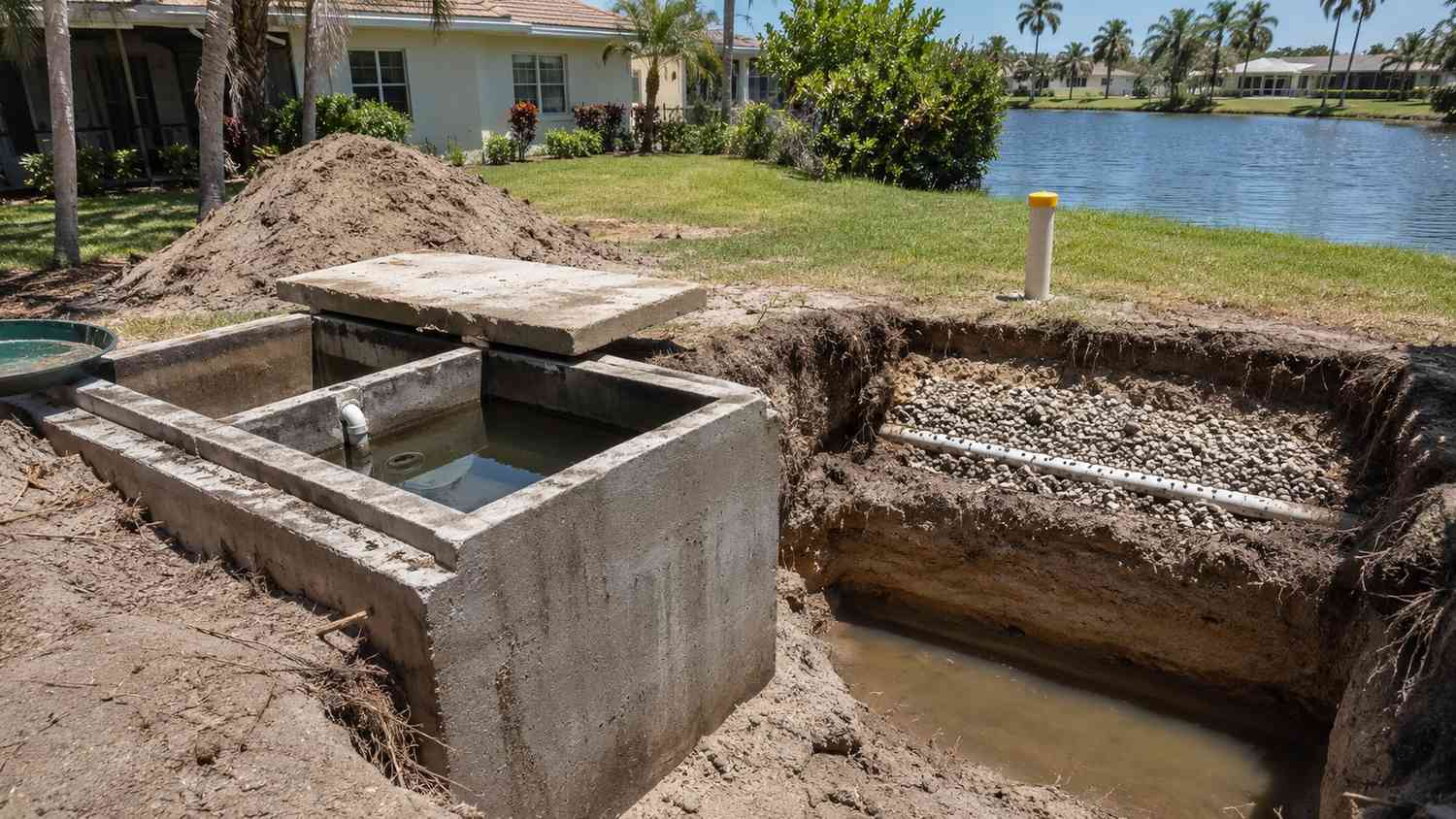
Florida’s septic system prevalence is a legacy of the state’s development pattern. Large portions of Florida were developed before municipal sewer systems were extended to serve suburban and rural areas, and septic systems were the practical and permitted solution for managing domestic wastewater in those areas. A conventional OSTDS consists of a septic tank that provides primary treatment through settling and anaerobic digestion of solids, followed by a drain field where the liquid effluent is distributed through perforated pipes in a gravel bed and infiltrates into the native soil. The soil treatment process reduces pathogens and some organic compounds, but it does not remove nitrogen effectively, and in Florida’s sandy soils with shallow water tables, the nitrate laden effluent from a drain field can reach groundwater and surface water relatively quickly.
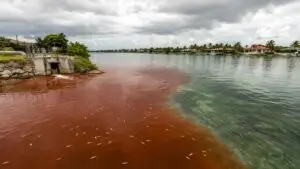
The combination of flat topography, high water tables, sandy soils with high hydraulic conductivity, and proximity to water bodies makes Florida one of the states where septic system nitrogen loading to water resources is most direct and most consequential. In areas where the density of septic systems is high relative to the size of the receiving water body, the cumulative nitrogen loading can be significant enough to drive measurable water quality degradation. Florida’s springs are among the most visible examples of this problem. Monitoring data from spring systems throughout Central and North Florida show nitrogen concentrations that have increased over decades of surrounding development on septic systems, and the regulatory framework that FDEP has developed in response reflects the seriousness with which the state now treats OSTDS nitrogen loading as a water quality threat.
The Nutrient Priority Focus Areas and What They Mean for Property Owners
FDEP’s Onsite Sewage Treatment and Disposal Systems Nitrogen Management Framework, enacted following legislative direction in recent years, establishes a process for designating Nutrient Priority Focus Areas where the density of septic systems and the sensitivity of the receiving waters create priority conditions for remediation. In designated Nutrient Priority Focus Areas, property owners with existing OSTDS may be required to upgrade their systems to advanced nitrogen reducing treatment technology, or in areas where municipal sewer is available, to connect to the sewer system by a specified deadline.
The upgrade requirements in Nutrient Priority Focus Areas are not immediate in all cases. The rule establishes a phased implementation framework with timelines that vary based on the proximity of the property to a water body, the age and condition of the existing OSTDS, and the availability of sewer service as an alternative. However, the direction of the regulatory framework is clear, and property owners and developers in designated areas or in areas likely to be designated in future rule cycles should evaluate their OSTDS status as part of any acquisition or development planning process rather than assuming the existing system is grandfathered indefinitely.
For developers, the Nutrient Priority Focus Area designation or potential designation of a project site creates several planning considerations. A development that proposes to retain existing OSTDS for individual lots may face regulatory opposition, conditions requiring upgrade to advanced treatment technology, or requirements to connect to municipal sewer at a defined future date. A redevelopment project that proposes to add units or increase impervious surface may trigger a new OSTDS permit that cannot be issued under the current system configuration, requiring a system upgrade or a sewer connection as a condition of the development approval.
System Replacement, Upgrade Technology, and Performance Standards
When an OSTDS upgrade is required rather than a connection to municipal sewer, the upgrade technology selected must meet the performance standard established by FDEP for the applicable area and system type. FDEP recognizes several categories of advanced OSTDS technology that can achieve lower nitrogen effluent concentrations than a conventional septic tank and drain field. Performance based treatment systems that include enhanced aerobic treatment, recirculating sand filters, or nitrogen-reducing media can achieve total nitrogen effluent concentrations in the range of ten to twelve milligrams per liter or lower, compared to the forty to fifty milligrams per liter typical of conventional septic tank effluent. Some proprietary systems designed specifically for the Florida market can achieve total nitrogen concentrations below ten milligrams per liter under controlled conditions.
The selection of an upgrade technology must account for site conditions including lot size, setback requirements from wells and water bodies, soil characteristics, water table depth, and the available area for the drain field component of the upgraded system. A property with a small lot, high water table, and limited setback distances may not be able to accommodate a conventional drain field for an upgraded system, requiring consideration of alternative drain field designs including mound systems, above-grade systems, or drip irrigation systems that distribute effluent at shallow depths through pressure-dosed tubing. These alternative configurations carry higher capital costs than conventional drain fields but may be the only technically feasible option for constrained sites.
The permitting process for an OSTDS upgrade or replacement in Florida is managed by the county health department operating under delegation from FDEP. A permit is required for any new system installation, any system modification, and any repair that goes beyond routine maintenance. The application requires a site evaluation by a licensed soil evaluator or environmental health professional, a system design prepared by a licensed engineer or certified OSTDS contractor, and documentation that the proposed system meets the applicable performance standard. Review timelines for OSTDS permits vary by county but are generally faster than the FDEP domestic wastewater program timelines for larger permitted systems.
Septic to Sewer Connection: When It Is Required and What It Involves
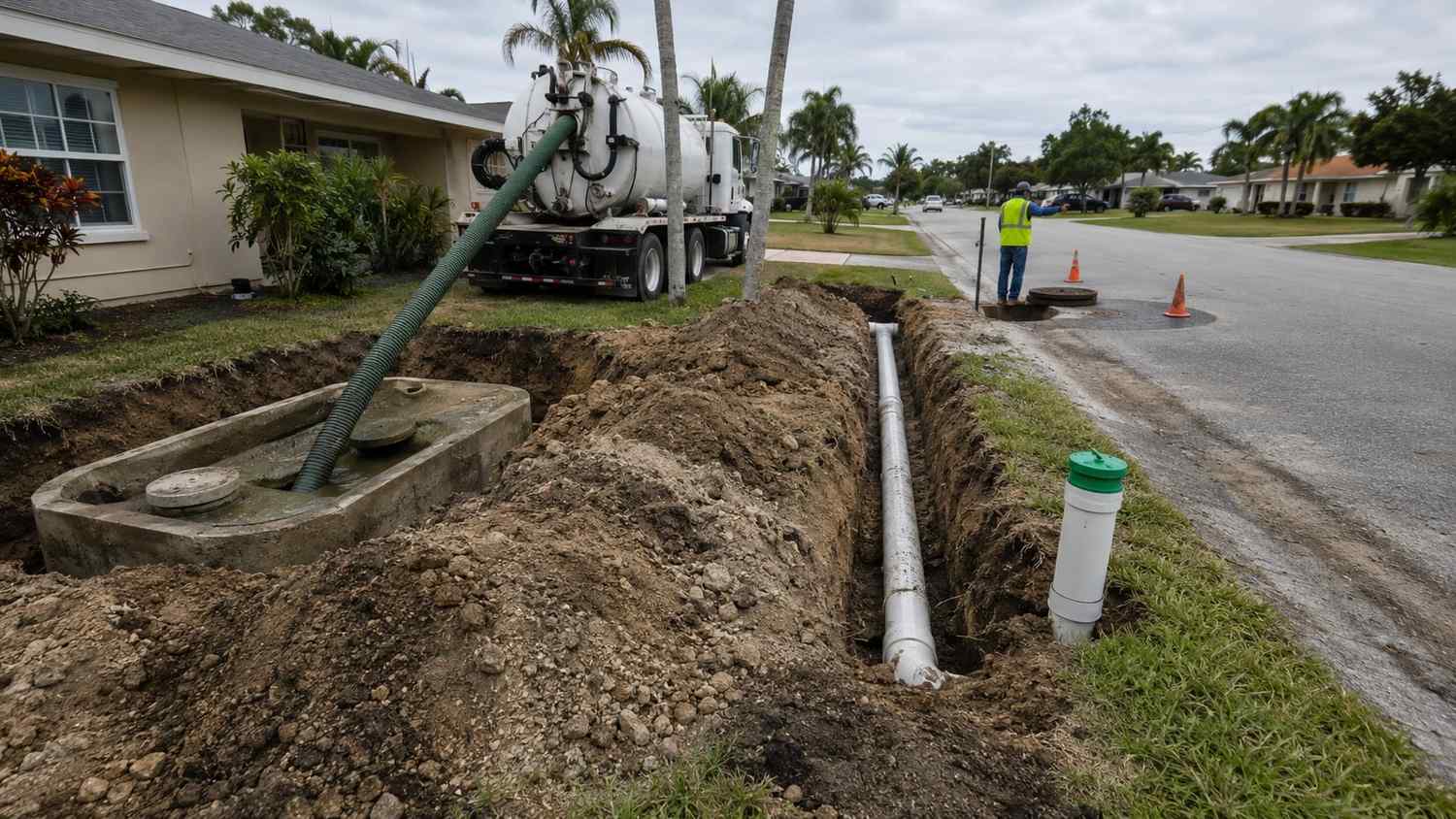
In areas where municipal sewer service is available within a defined distance of the property, FDEP and local ordinances may require connection to the sewer system rather than upgrade of the existing OSTDS. Florida law and many local utility ordinances require connection to a publicly available sewer system when it is extended to within a certain distance of the property, typically ranging from one hundred to two hundred feet depending on the jurisdiction. For property owners in areas where sewer has recently been extended, this means the option to remain on septic may no longer exist regardless of the condition of the existing OSTDS.
The cost of a septic to sewer connection includes the sewer connection fee charged by the utility, which in Florida utility districts can range from several thousand dollars to tens of thousands of dollars depending on the utility and the development type, the cost of the lateral connection from the property line to the building, the cost of abandoning the existing septic system including pumping and proper decommissioning of the tank, and any site restoration required after construction. For property owners who were not anticipating this expense, the total cost of connection can be a significant financial event, and awareness of it before acquiring a property in a sewer extension area is preferable to discovering it after closing.
For developers, septic to sewer conversion requirements in a project area can be an opportunity rather than only a constraint. A developer who is extending sewer infrastructure as part of a larger development project may be able to negotiate with the local utility to provide cost sharing for connection of adjacent septic dependent properties, which creates goodwill with the community and may be required as a condition of development approval in nutrient priority areas. The incremental cost of designing the collection system to serve adjacent properties is often small relative to the infrastructure investment already being made for the development itself.
Funding Opportunities for OSTDS Upgrades and Sewer Connections
The cost of OSTDS upgrades and septic-to-sewer connections in Florida is partially addressable through state and federal funding programs that have been developed in response to the recognized water quality impact of nitrogen loading from septic systems. The Florida Legislature has appropriated funding for septic upgrade and sewer connection assistance programs administered through FDEP and the Florida Department of Health, with eligibility criteria that typically prioritize lower income property owners in nutrient priority areas. The EPA’s Clean Water State Revolving Fund and the Bipartisan Infrastructure Law have also directed funding to Florida for nutrient reduction projects including septic to sewer conversion programs in priority areas.
For municipalities implementing community scale septic to sewer conversion programs, the FDEP State Revolving Fund provides low interest loans for eligible infrastructure projects, and the application process rewards municipalities that have documented the water quality benefit of the proposed conversion through nutrient loading analysis and receiving water monitoring data. The documentation required to support a successful funding application is engineering work that must be performed before the application is submitted, which means municipalities that are considering conversion programs should be engaging engineers to develop that documentation concurrent with their planning process rather than after funding decisions are made.
Frequently Asked Questions
We are buying a Florida property with an existing septic system. How do we know if the system will need to be upgraded or if we will be required to connect to sewer?
The starting point is a review of the property’s location relative to FDEP’s designated Nutrient Priority Focus Areas and relative to any existing or planned municipal sewer extension in the area. The county health department records for the property will show the age and permitted configuration of the existing OSTDS. The local utility serving the area can confirm whether sewer is currently available within the connection threshold distance or whether a sewer extension is planned that would make connection mandatory within a defined timeframe. A site visit to assess the condition of the existing system is advisable for any property where the OSTDS is a significant operational or compliance consideration. Performing this due diligence before closing is consistently less expensive than discovering a mandatory upgrade or connection requirement after the purchase is complete.
Our Florida development project includes individual lots that we planned to serve with individual OSTDS. Are there conditions where that strategy will not work?
Yes. OSTDS are not a viable solution for lots below minimum size thresholds established by FDEP and county health departments, for lots with soil or water table conditions that cannot support a compliant drain field, for lots in areas where nutrient loading restrictions preclude conventional system installation, or for developments in areas where sewer service is available and connection is required. For a subdivision project, the feasibility of individual OSTDS must be evaluated through soil surveys and site evaluations of each lot before the plat is finalized, because lots that cannot support a compliant system cannot be developed for residential use without an alternative wastewater strategy. Discovering that a significant portion of the platted lots in a subdivision cannot support OSTDS after the plat is recorded is an expensive and time consuming problem to resolve.
What is the difference between an OSTDS repair permit and a new OSTDS permit, and does it matter for our project?
A repair permit covers corrections to a failing or malfunctioning component of an existing system, such as replacement of a drain field that has failed due to soil saturation or replacement of a deteriorated septic tank. A new permit is required when the existing system is being replaced entirely, when the system configuration is being changed, or when a new structure is being added to the property that requires additional system capacity. The distinction matters for developers because a new permit application requires a full site evaluation, a compliant system design meeting current standards, and approval under the current OSTDS rule requirements, which may be more stringent than the standards under which the existing system was originally permitted. A property with an existing OSTDS that was installed thirty years ago under older standards may face a significantly different compliance picture when a new permit is required to accommodate a redevelopment project than the existing system suggests.
Evaluating OSTDS Requirements for Your Florida Property or Development Project?
MES is licensed in Florida and works with property owners, developers, municipalities, and land acquisition teams to evaluate OSTDS related constraints, compare septic upgrade and sewer connection options, coordinate technical documentation for permits and funding applications, and develop practical wastewater strategies that align with Florida’s evolving regulatory requirements for onsite sewage systems.
We specialize in:
- OSTDS upgrade feasibility evaluation and advanced treatment technology comparison for Florida properties in nutrient priority areas
- Septic to sewer connection planning and cost analysis for Florida developers and property owners facing conversion requirements
- Site evaluation coordination and OSTDS permit application support for Florida development and redevelopment projects
- Collection system design for septic to sewer conversion programs serving Florida coastal and springs-adjacent communities
- FDEP State Revolving Fund application support and nutrient loading documentation for Florida municipal conversion programs
- Wastewater strategy development for Florida developments evaluating OSTDS, sewer connection, or private treatment alternatives