
Designing Water Systems for Arizona Battery Energy Storage Facilities
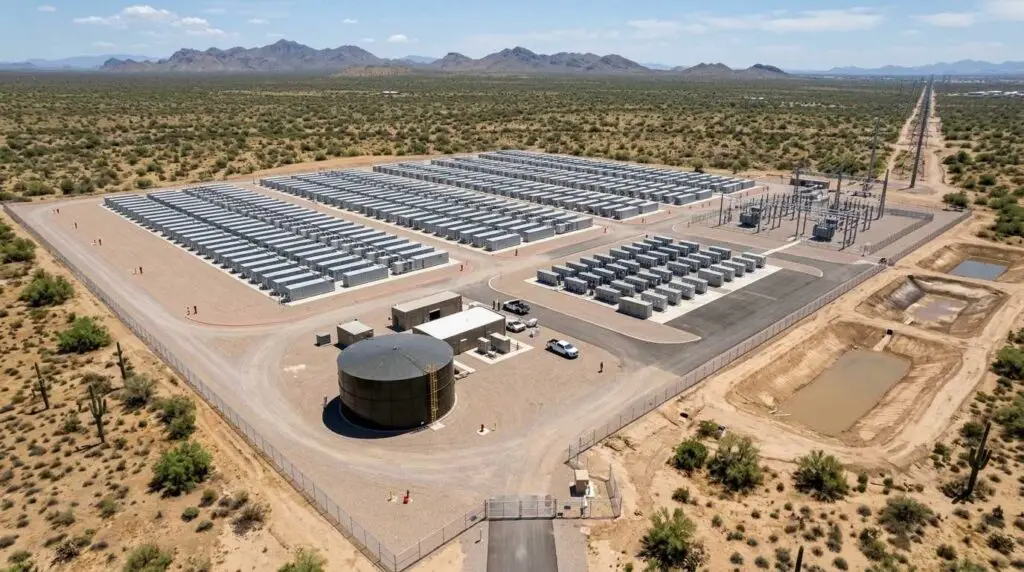
Battery energy storage facilities look simple on a site plan. Rows of containerized battery units, an inverter yard, a substation connection, and a gravel pad. The water infrastructure requirement appears minimal compared to a data center or a manufacturing plant. That appearance is misleading, and the developers who discover it too late are the ones dealing with fire marshal rejections, permit holds, and redesigns that push construction timelines into the next fiscal year. Water system design for a BESS facility in Arizona is not a background utility detail. It is a site feasibility and safety planning question that must be answered before entitlements are filed.
Water Reuse in Florida: How the State’s Progressive Rules Are Shaping Infrastructure Design
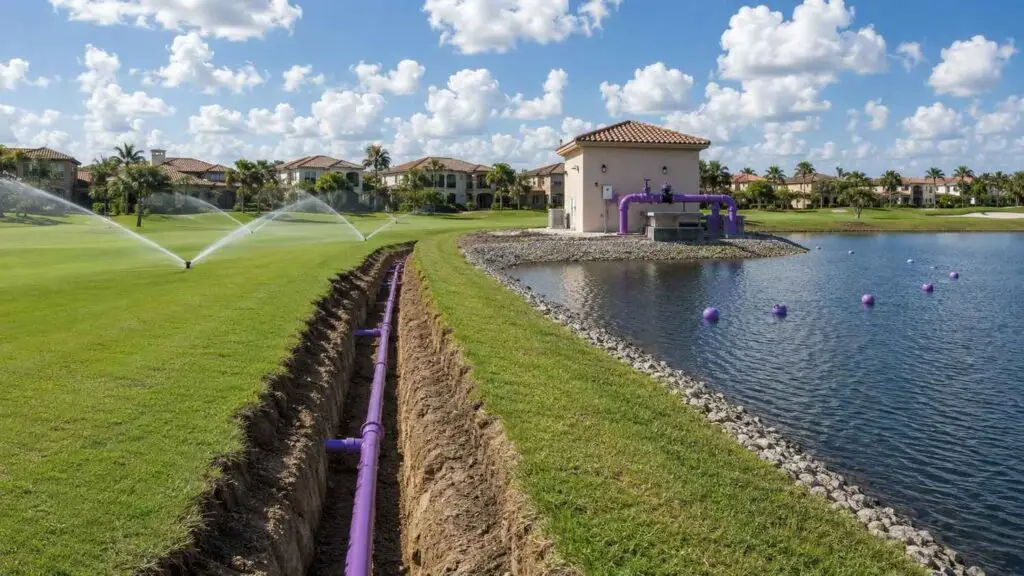
Florida treats reclaimed water as a resource, not a waste product. That distinction is embedded in the state’s regulatory framework, its utility planning culture, and the infrastructure decisions that shape how Florida communities manage their water and wastewater simultaneously. Developers, municipalities, and utility planners who understand how Florida’s reuse rules work and what they require will make better infrastructure decisions than those who encounter the reuse regulatory framework for the first time during a permitting process that is already underway.
How to Navigate FDEP’s OSTDS Upgrade Program: A Guide for Florida Property Owners and Developers
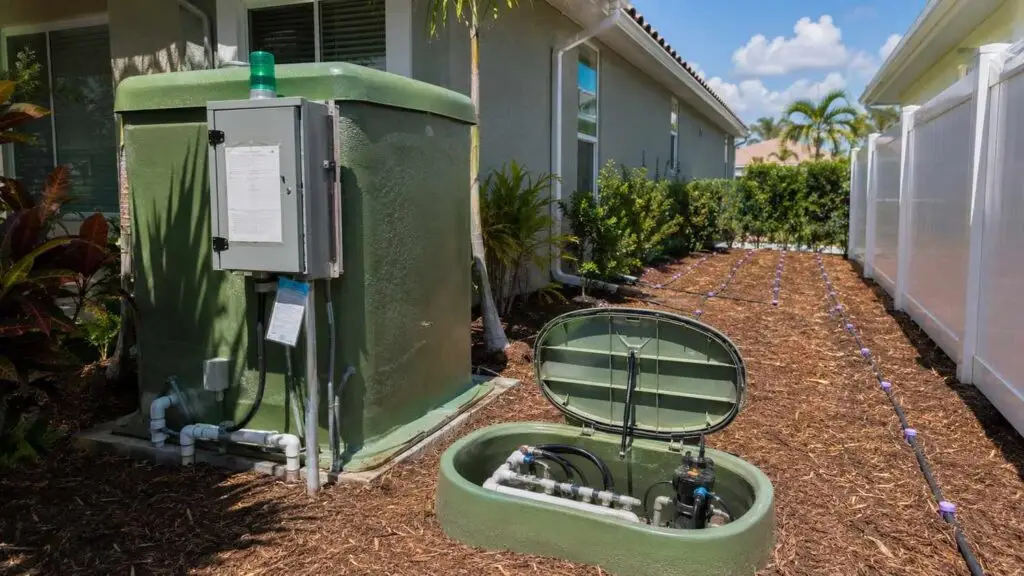
Florida’s septic system landscape is changing faster than most property owners and developers realize. The state has approximately 2.6 million onsite sewage treatment and disposal systems in active service, and a significant portion of them are in areas where their nutrient output is a documented contributor to water quality degradation in springs, coastal waters, and inland lakes. FDEP’s regulatory posture toward these systems has shifted from passive management to active remediation, and property owners and developers who have not tracked that shift are discovering its implications at the worst possible time in a project.
Florida’s Red Tide and Water Quality Crisis: What It Means for Coastal Wastewater Engineers
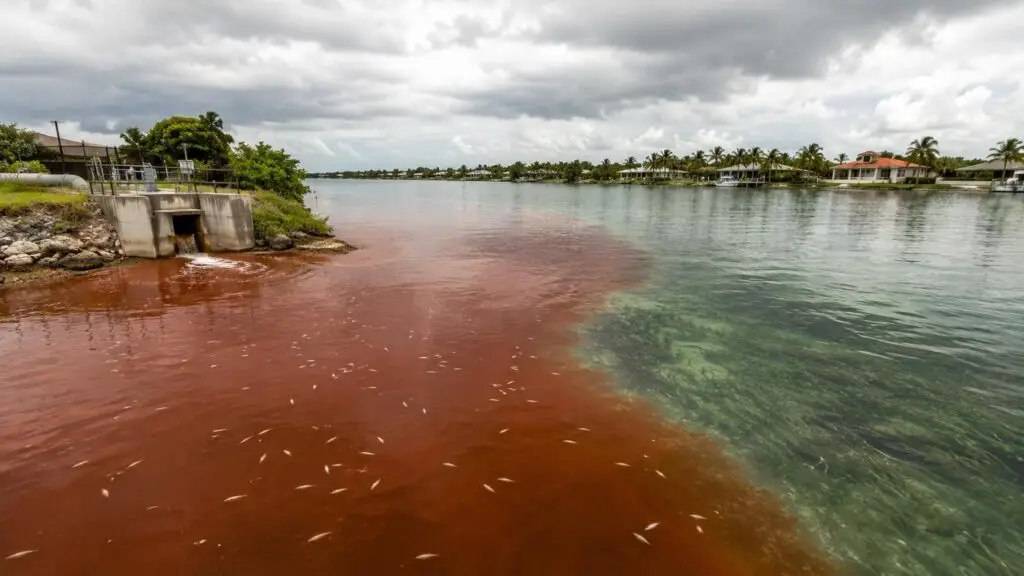
Red tide events on Florida’s coastlines are not purely natural phenomena that engineers watch from the sideline. The nutrients that feed harmful algal blooms come from somewhere, and the wastewater infrastructure decisions that Florida coastal communities make or fail to make are part of that story. For engineers, municipalities, and developers working near Florida’s bays, estuaries, and nearshore waters, the connection between wastewater management and coastal water quality is not an abstract environmental concern. It is a regulatory, economic, and operational reality that shapes infrastructure planning, permitting strategy, and public accountability in ways that are only becoming more pronounced.
FDEP Permitting for Wastewater Systems in Florida: A Practical Guide for Developers
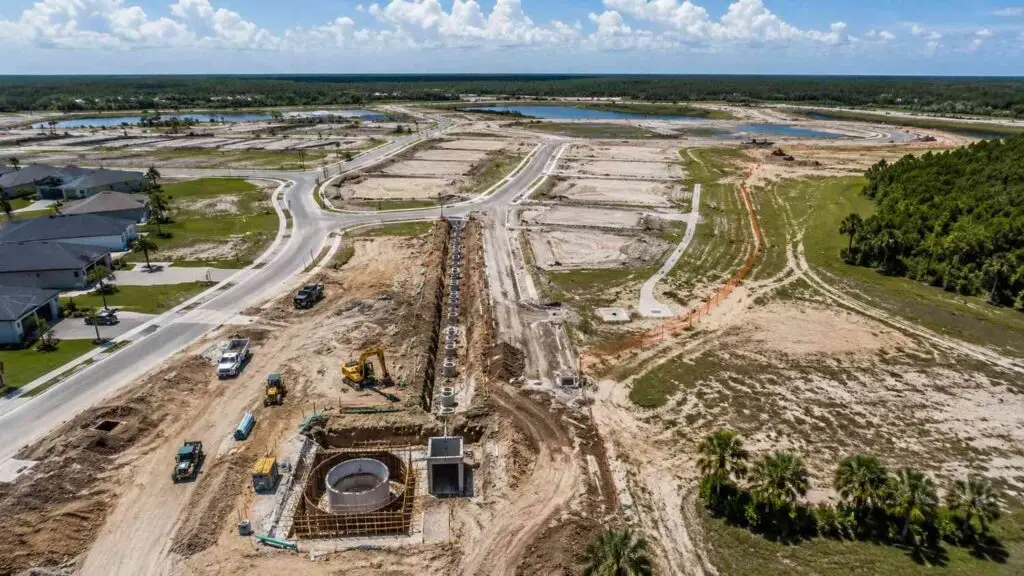
Florida developers who treat wastewater permitting as something the engineer handles after the site plan is approved are the ones who end up with projects stalled at the construction start line. FDEP permitting for wastewater systems is not a formality that gets resolved quickly once the entitlement work is done. It is a technical review process that requires engineering documentation, utility coordination, discharge or reuse strategy, and in some cases environmental constraint evaluation that must begin months before a construction timeline can be stated with any credibility.
Colorado Water Rights and Discharge Permits: Integrating Water Rights into Wastewater Permitting Strategy
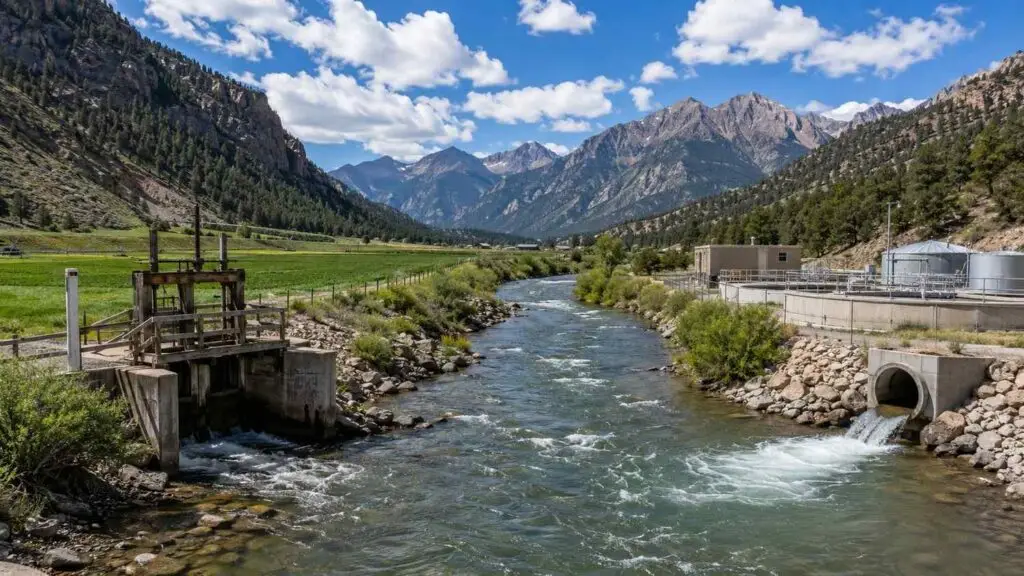
A Colorado developer or municipality that designs its wastewater permitting strategy without accounting for water rights is planning in a vacuum. Water rights in Colorado are not a separate legal domain that can be addressed after the discharge permit is issued and the treatment plant is built. They are an integrated part of the water management framework that determines what you can legally do with your wastewater after it is treated, where you can discharge it, and what constraints apply if you want to reuse it rather than return it to a stream. Getting the engineering right without getting the water rights analysis right produces projects that are permitted on paper but unworkable in practice.
Antidegradation Policy in Colorado Water Permits: What It Means for New Discharge Permits

A developer or municipality that selects a discharge location without evaluating the antidegradation status of the receiving water is making a permitting decision without the most important variable. Colorado’s antidegradation policy is not a formality that gets resolved during permit review. It is a threshold question that can determine whether a proposed discharge is feasible at all, what treatment level will be required, whether alternatives must be formally evaluated, and how long the permitting process will take. Getting the answer wrong at the beginning of a project costs far more than getting it right.
Public Notice and Citizen Petition in Colorado Water Quality Permitting: Preparing for Opposition

A Colorado discharge permit application that triggers community opposition is not just a regulatory problem. It is a project schedule problem, a budget problem, and in some cases a project viability problem. The public notice and citizen petition process built into Colorado water quality permitting exists to give affected parties a meaningful opportunity to challenge permit decisions they believe are inadequate. For developers and municipalities who have not prepared for that process, the opposition that arrives during public comment can extend timelines by twelve to twenty four months and consume engineering and legal resources that were not in the original project budget.
Colorado CDPHE Discharge Permit Process: Timeline, Requirements, and How It Differs from Texas
A developer or municipality that has successfully navigated Texas TCEQ discharge permitting and then assumes Colorado will follow the same general path is going to be surprised, and those surprises tend to show up as schedule delays, redesign costs, and funding gaps that were not in the original project budget. Colorado and Texas both regulate wastewater discharge under the federal Clean Water Act framework, but the agencies, the review culture, the water quality standards, and the practical timeline for getting a permit issued are different enough that they require a genuinely separate planning approach.
Plan of Reuse vs. Direct Discharge: Strategic Wastewater Disposal Decisions in Colorado
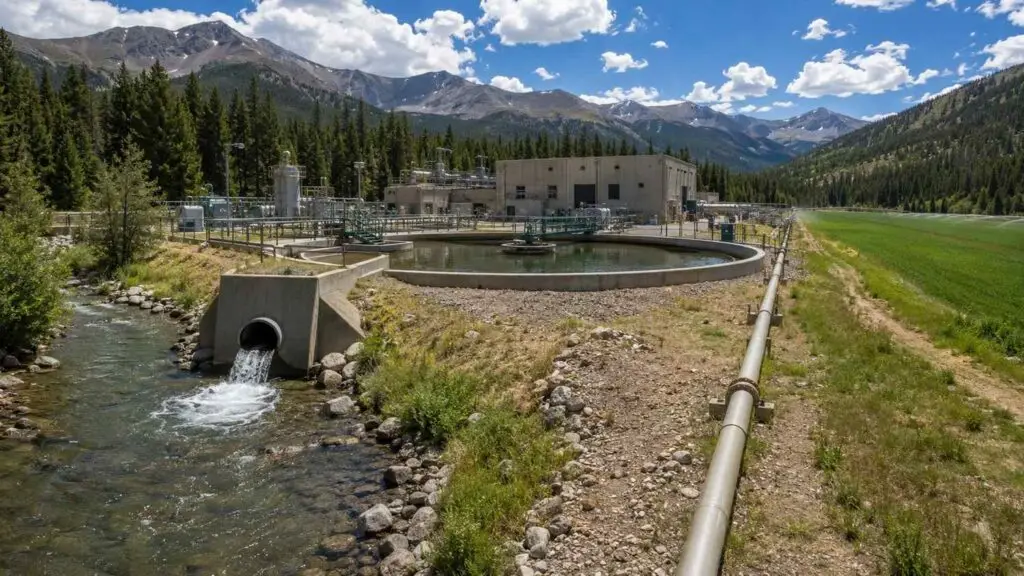
The question of what to do with treated wastewater in Colorado is not a permit category decision. It is a project strategy decision that affects land requirements, water rights, treatment levels, operating costs, regulatory review timeline, and long-term project feasibility. Developers and municipalities that treat wastewater disposal as a detail to resolve after the treatment plant is designed consistently discover that the disposal pathway they assumed was available either does not work for their site or costs far more than they planned.
Seasonal Flow and Snowmelt: Designing Colorado Discharge Permits for Extreme Hydrologic Variation
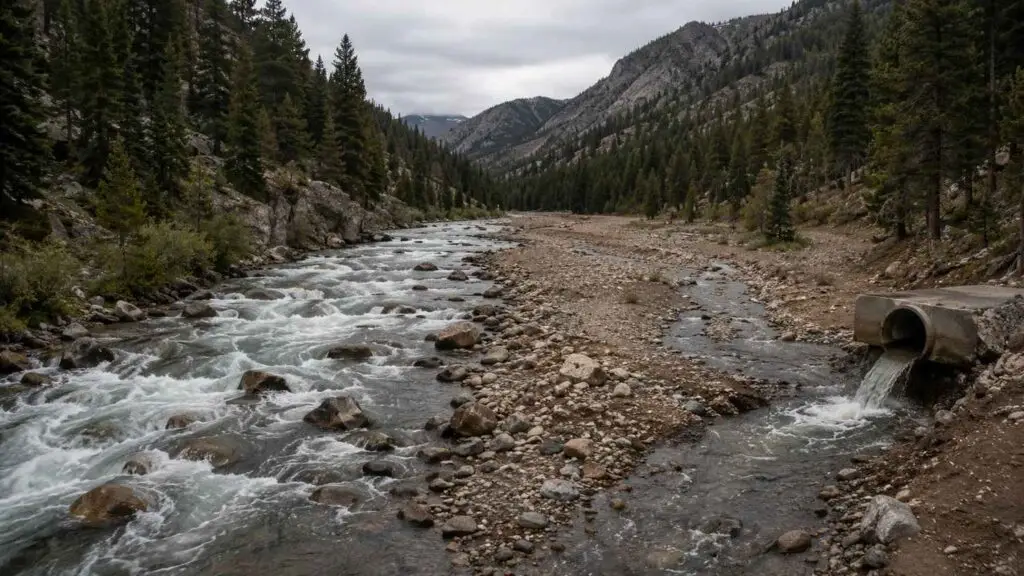
Colorado hydrology does not behave like a steady state engineering assumption. A mountain stream that runs at several hundred cubic feet per second during spring snowmelt can drop to a fraction of that flow by late summer and fall to a trickle in winter. A wastewater discharge that looks feasible and well-diluted during April runoff can become the dominant flow contribution to the same stream by September. If your discharge permit strategy was developed without accounting for that range of conditions, the permit limits you receive and the compliance challenges you face will reflect that oversight.
Stormwater Discharge Permitting for Industrial Facilities: TPDES Industrial Stormwater Permits Explained
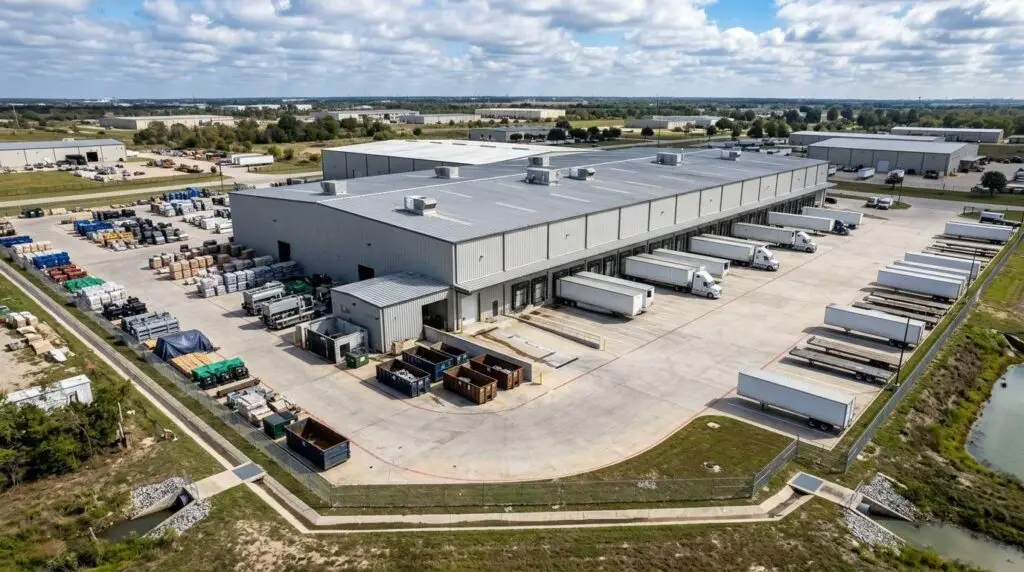
An industrial facility that has never applied for a stormwater permit is not necessarily in compliance. It may simply not have been inspected yet. When stormwater contacts exposed industrial materials, equipment, process areas, or waste handling zones and then runs off the site, that discharge is regulated under the Texas Pollutant Discharge Elimination System regardless of whether anyone at the facility knows it.
How TCEQ Sets Effluent Limits: Understanding Receiving Water Quality Standards and Permit Conditions
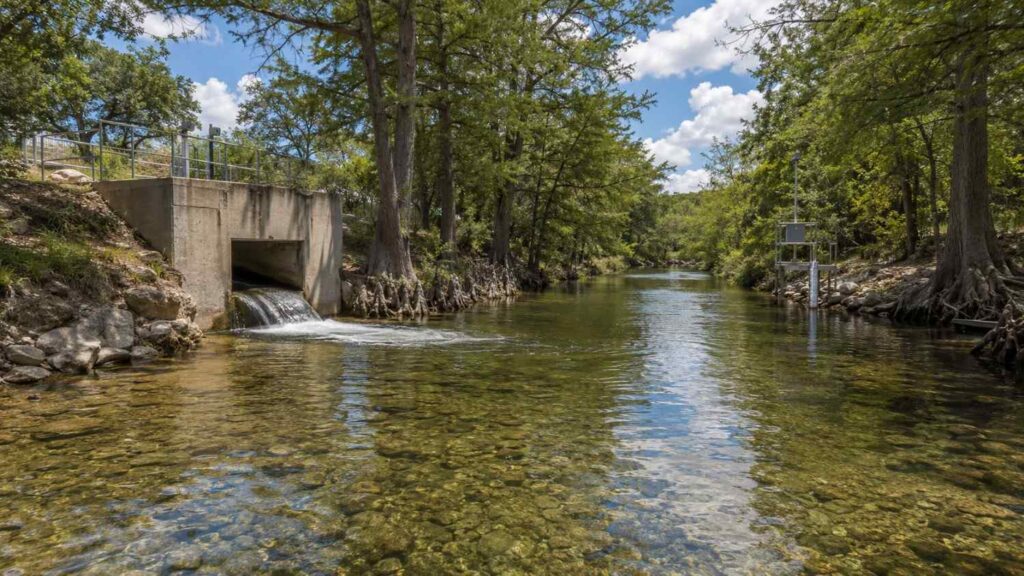
The effluent limits in your TPDES permit are not arbitrary. Every number in that permit reflects a calculation tied to the quality of the stream, lake, or creek receiving your discharge, the designated uses assigned to that water body, and the cumulative load that water body can absorb before it fails to meet state water quality standards. If you are designing a treatment plant without understanding why those limits exist, you are designing blind.
Industrial vs. Municipal Discharge Permits in Texas: Different Standards, Monitoring, and Compliance
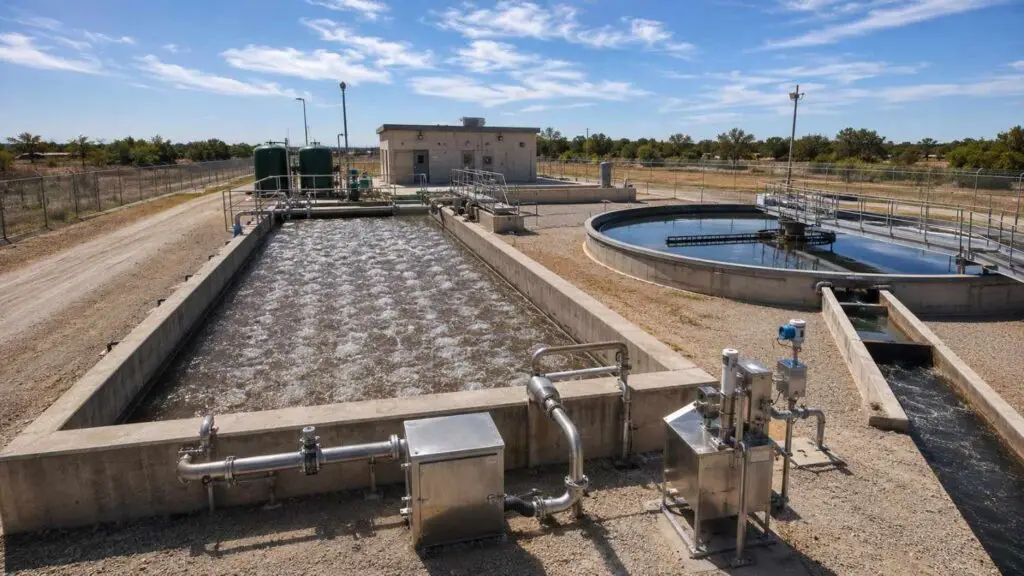
A developer who assumes that any wastewater discharge in Texas follows the same permitting path as a municipal treatment plant will eventually learn otherwise at significant cost. Industrial and municipal TPDES permits share the same regulatory umbrella, but they operate under different standards, different monitoring frameworks, and different compliance expectations. Confusing the two at the start of a project creates problems that are expensive to undo.
Permit Modification vs. Renewal vs. Amendment: When You Need to Change Your Discharge Permit
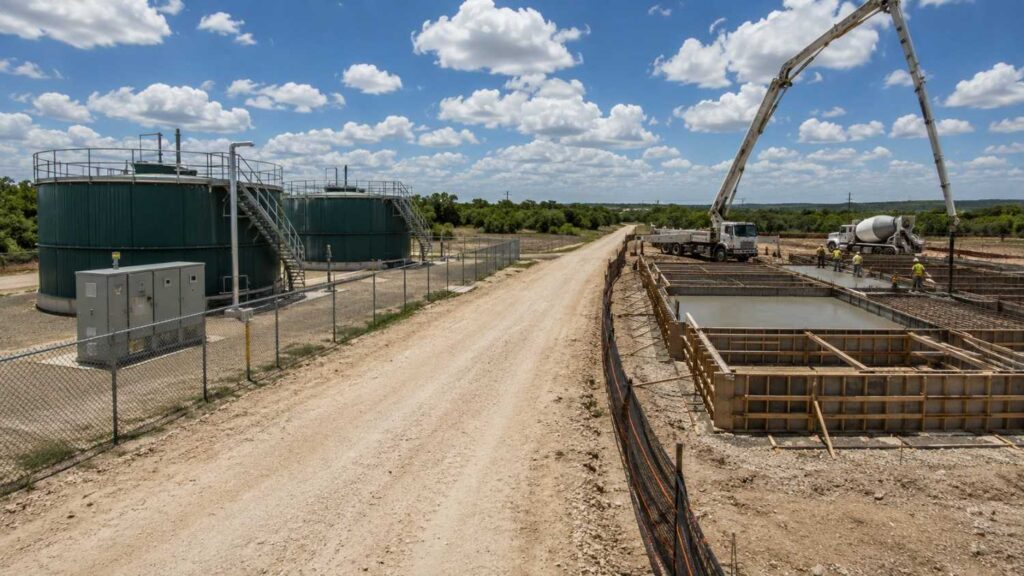
The permit sitting in your file drawer has an expiration date, a set of conditions, and a flow authorization that may no longer match what your facility actually needs. When that gap opens up between what your permit says and what your operation requires, the question is not whether you need to act. The question is which type of permit action applies and how much time you have before that gap becomes a compliance problem.
Biosolids Land Application from Private Wastewater Treatment Facilities in Texas
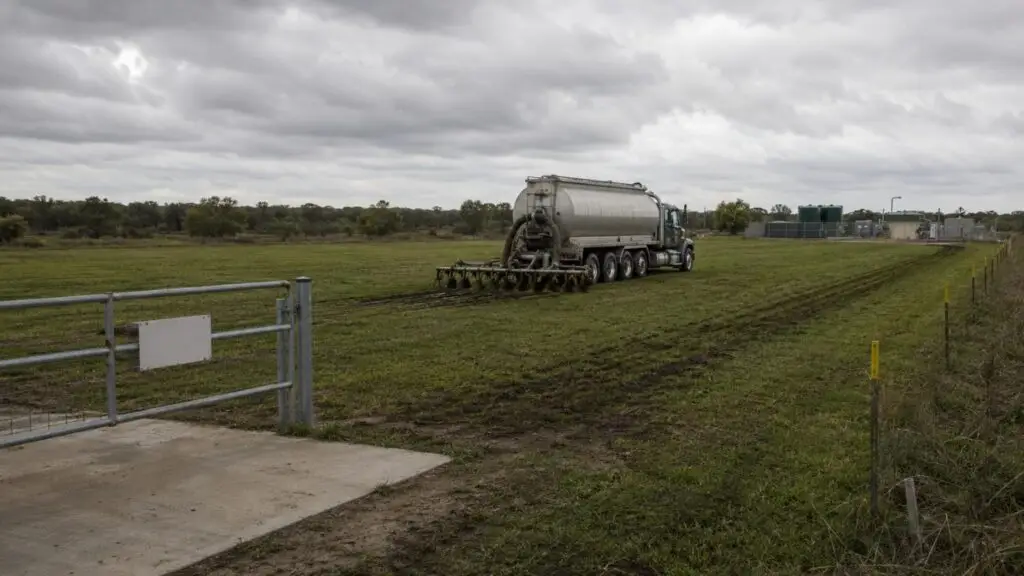
Most developers who build a private wastewater treatment plant spend their engineering budget on the TPDES permit, the treatment train design, and the TLAP or 210E authorization for effluent disposal. Almost none of them spend equal attention on what happens to the sludge. That oversight does not stay invisible for long. The first time a certified operator calls to report that the sludge holding tank is full and there is no permitted disposal pathway in place, the project has a compliance problem that should have been solved before the plant went online.
Municipal TPDES Individual Permits: What Texas Cities and Utility Providers Need to Know
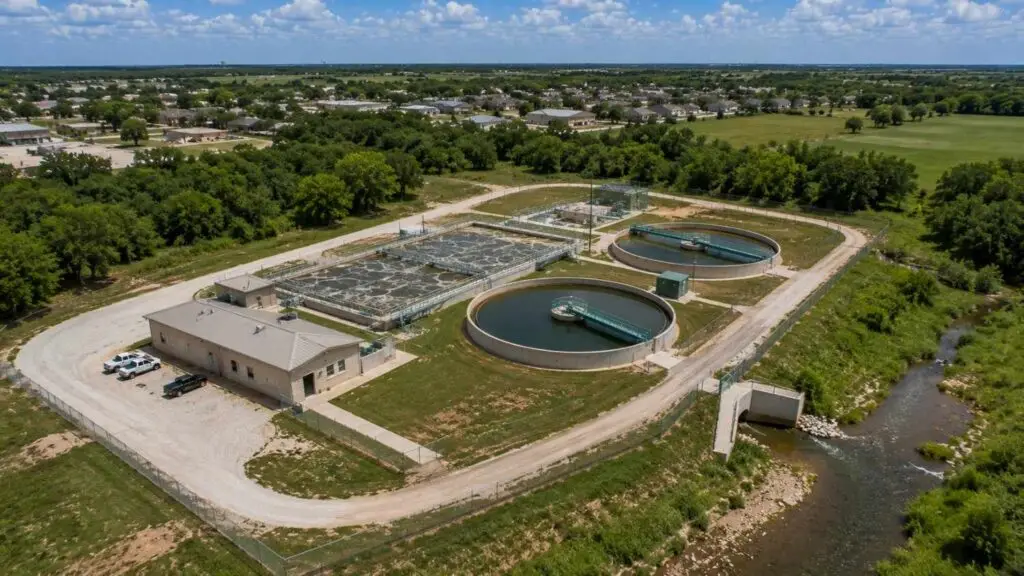
Every Texas city and utility district that operates a wastewater treatment plant and discharges treated effluent to a creek, river, or other surface water is operating under a TPDES individual permit. That permit is not simply a piece of paper from TCEQ confirming the plant exists. It is the document that sets every operational parameter the plant must meet, every sample that must be taken, every report that must be filed, and every capital decision that has to happen before the permit allows the community to grow.
Hydrostatic Test Water: What Texas Developers and Contractors Need to Know Before Discharge
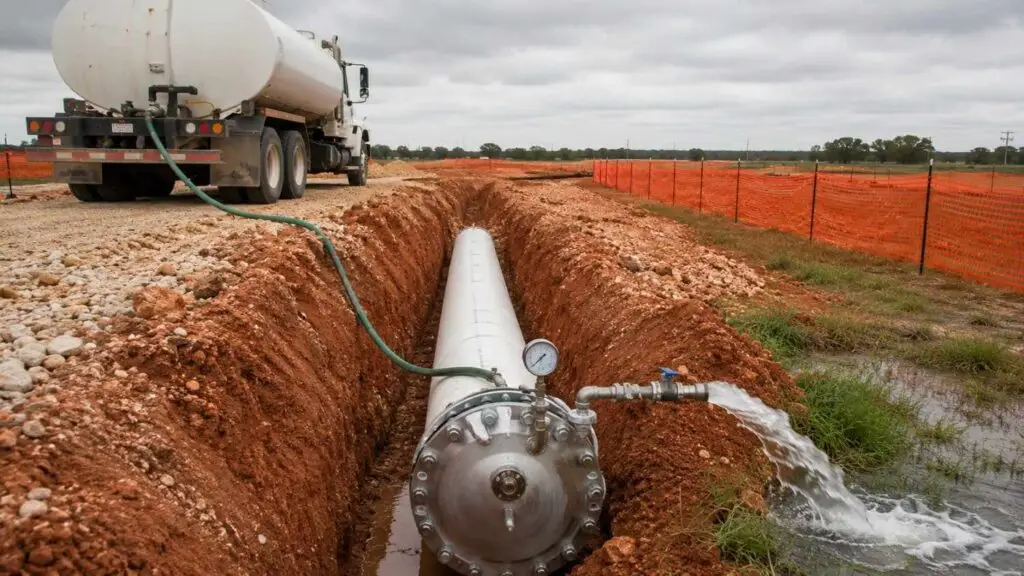
The water that filled your pipeline during pressure testing does not have the same regulatory status as rain falling off a roof. Before it leaves the site, someone needs to have answered the question of where it is going and under what authorization it is being discharged. Most project teams that discover this question on the day of testing are discovering it too late.
Private Wastewater Treatment Plants in Texas: When Developers Need Their Own TPDES Permit
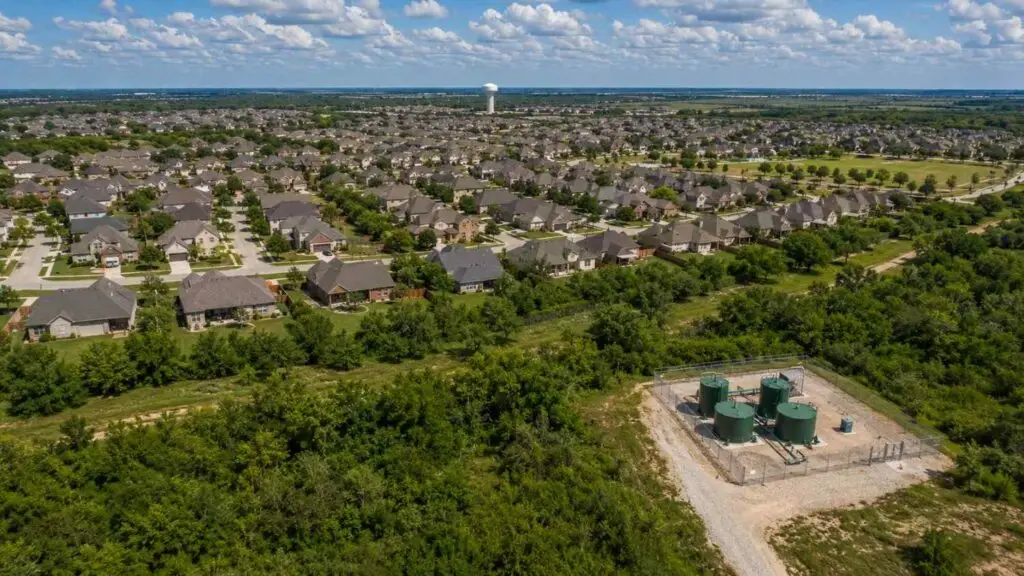
Texas has over 771 active domestic wastewater permits for privately owned treatment systems. That number exists because Texas keeps growing into land that municipal sewer systems have not reached, cannot serve at reasonable cost, or simply do not have capacity to accept. When public sewer is not a realistic option, private wastewater treatment is not unusual. It is how Texas development gets done.
Texas Wastewater Pretreatment Permits: What Industrial Facilities Discharging to a POTW Must Know
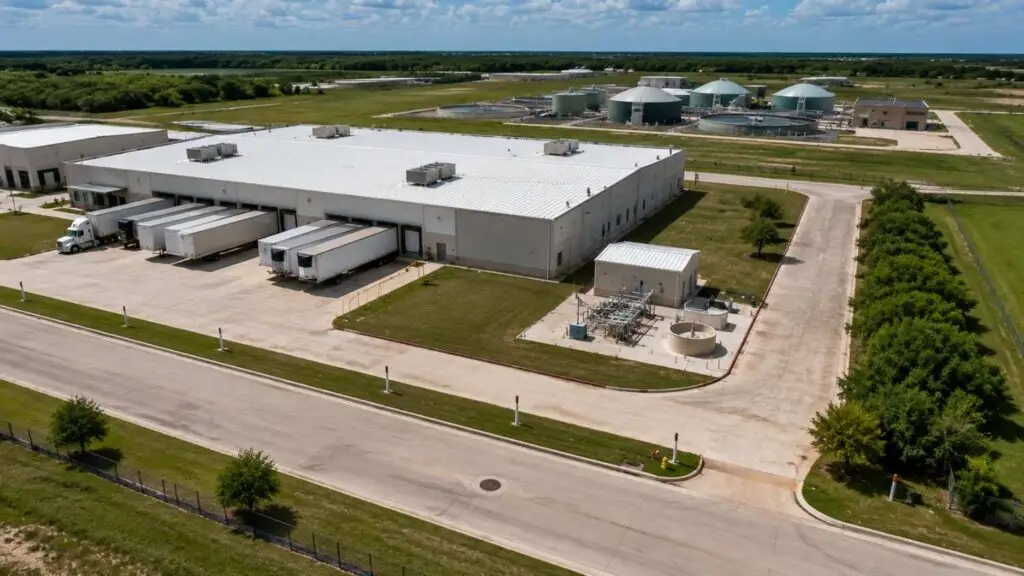
Signing a lease near city sewer service and assuming the wastewater problem is solved is one of the most common and most expensive mistakes industrial facilities and food processors make in Texas. The city connection resolves the physical routing of the wastewater. It does not automatically resolve what the wastewater contains, what the city will accept, or what the facility must do before anything reaches the city’s collection system.
Texas Land Application Permits Explained: Spray Irrigation, Subsurface Drip, and Evaporation Ponds
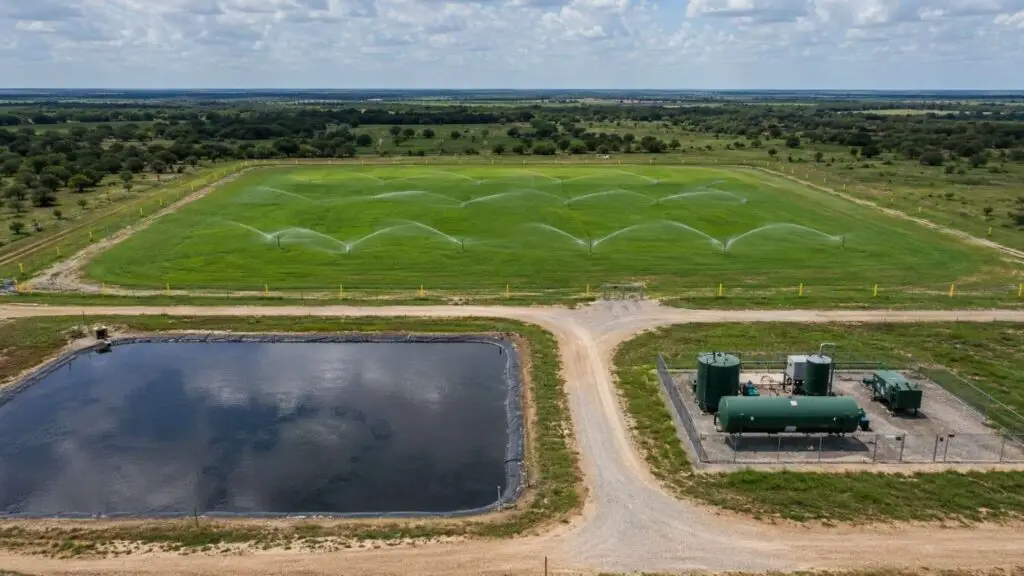
Not every Texas site has a creek nearby. Not every project can support a receiving water analysis. And not every developer wants to spend 24 to 36 months in TCEQ’s discharge permit queue. A Texas Land Application Permit offers a different path: one that keeps treated effluent on the land, avoids surface water discharge, and bypasses the receiving water review that drives discharge permit timelines. But TLAP is not a single solution. It is a family of methods, each with specific site requirements, engineering constraints, and operational realities that must be matched to the project before engineering begins.
Sewage Sludge and Biosolids Land Application Permits in Texas: Rules, Fees, and Common Mistakes
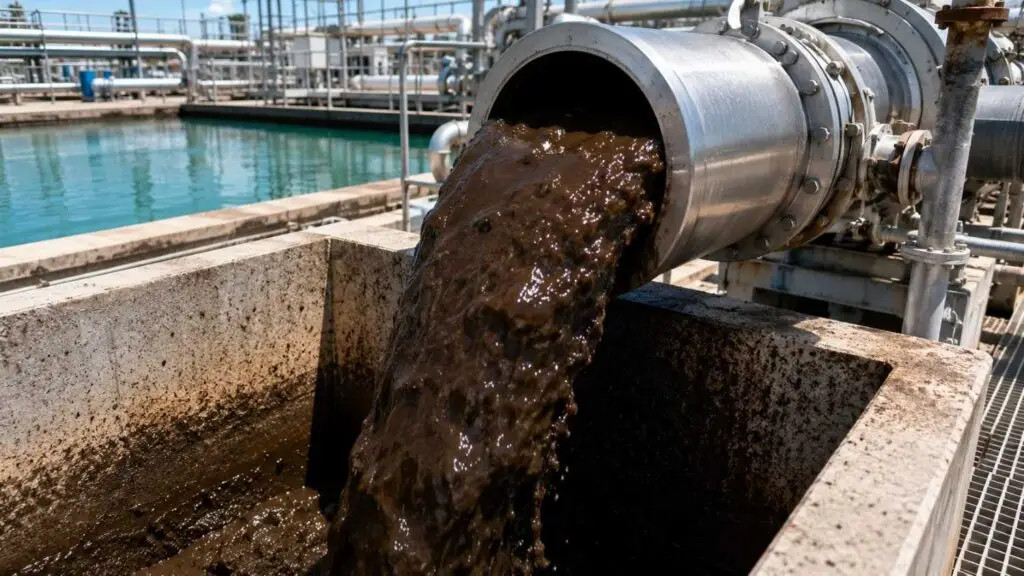
Most municipal wastewater treatment plant operators in Texas have a solid handle on their discharge limits, effluent sampling schedules, and monthly reporting to TCEQ. The part of the compliance picture that consistently has gaps is the back end of the treatment process: what happens to the sludge after it leaves the digester, where the biosolids go, who tracks the application records, and whether the permit authorizing all of it is current and complete.
Industrial TPDES vs. TLAP: Which Wastewater Permit Path Fits Your Texas Facility?
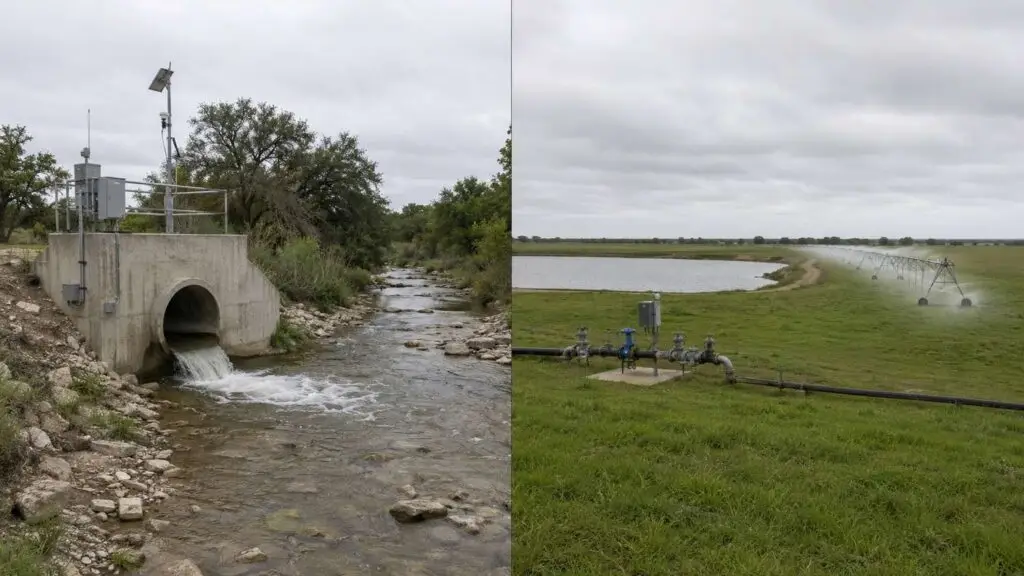
The permit path your industrial facility chooses for wastewater disposal is not a procedural decision. It determines the treatment system you build, the land you need, the compliance obligations you carry for the life of the facility, and how long it takes before you can operate. Getting it right before investing in equipment or site work saves time, money, and the frustration of discovering you chose the wrong path after the engineering is already complete.
What Happens to Your 210E Permit When Your Industrial Tenant Leaves?
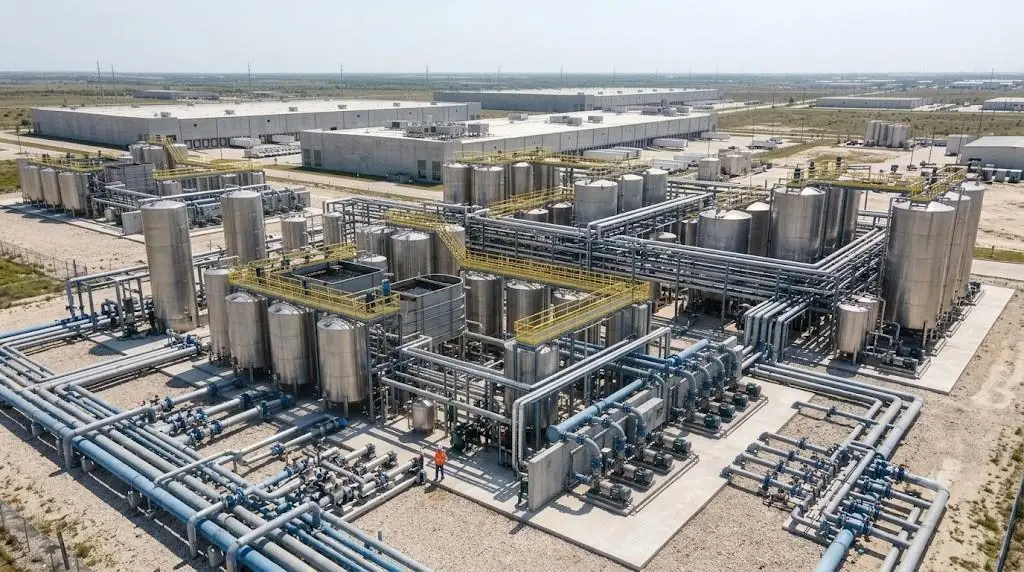
It is a question most developers do not ask until they are facing it. The industrial tenant who helped qualify the 210E authorization is leaving. The data center is shutting down. The concrete batch plant is relocating. Now what?
How to Evaluate Wastewater Utility Options Before You Close on Land (Connect, Build, or Wait)
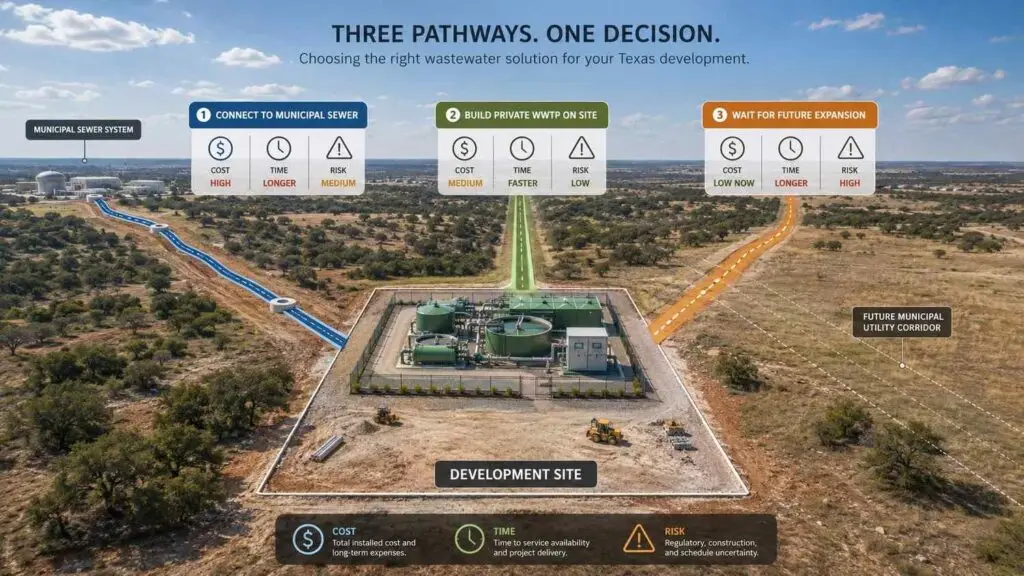
The wastewater utility question is the one most developers get to last. It should be the first question answered before a purchase agreement is signed.
How to Size a Wastewater Storage Reservoir for a Texas Reuse Project
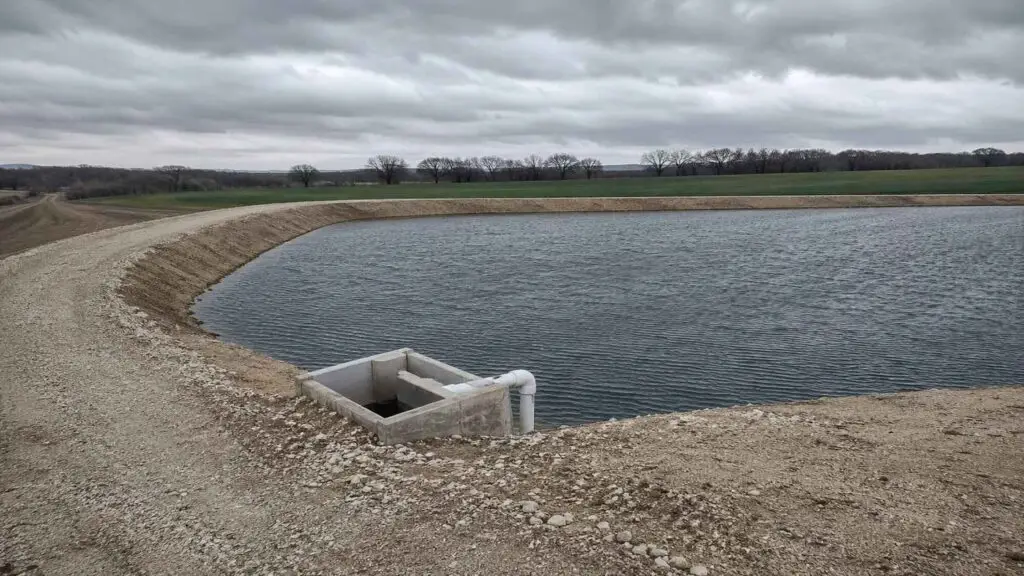
The storage reservoir on a Texas reuse project is not a nice-to-have. It is what keeps the facility in compliance during the months when the reuse site cannot accept all the effluent being produced. Size it wrong and the permit will not be approved. Size it right and the facility operates without a compliance gap through any seasonal condition the site will experience.
Getting a Discharge Permit as a Backup After Your 210E Is Operational
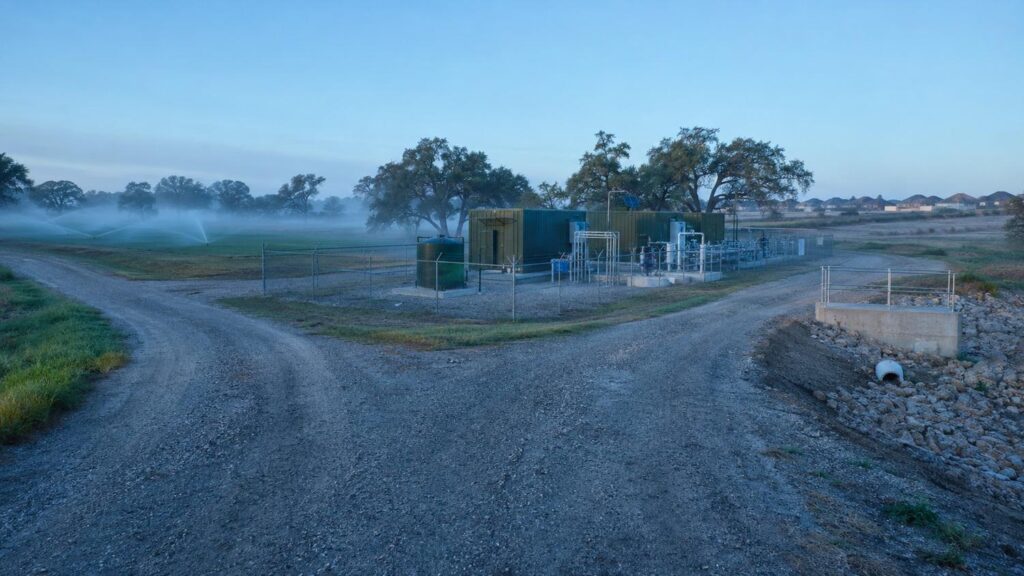
A 210E authorization gets your development operational in weeks instead of years. A backup discharge permit keeps it operational if the reuse arrangement changes. Running both is not redundancy for its own sake: it is a rational risk management strategy.
Your Three Wastewater Disposal Options in Texas: Discharge, Reuse, or Land Application
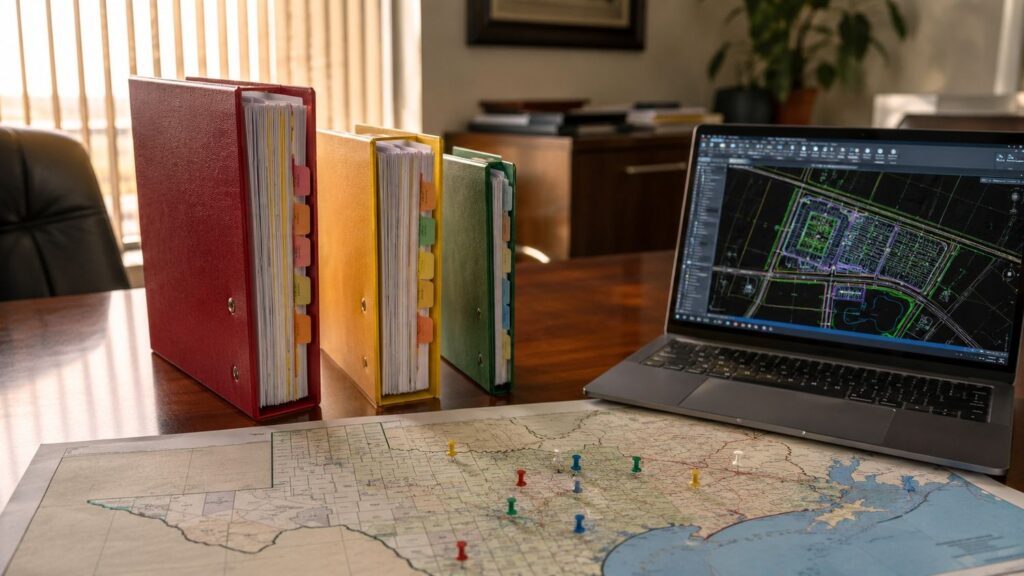
Every private wastewater treatment plant in Texas produces treated effluent that has to go somewhere. Where it goes and through which regulatory pathway determines your project timeline, your land requirements, and how much carrying cost exposure sits on your pro forma before construction starts.
210E vs. TPDES Discharge Permit: A Side-by-Side Comparison for Developers
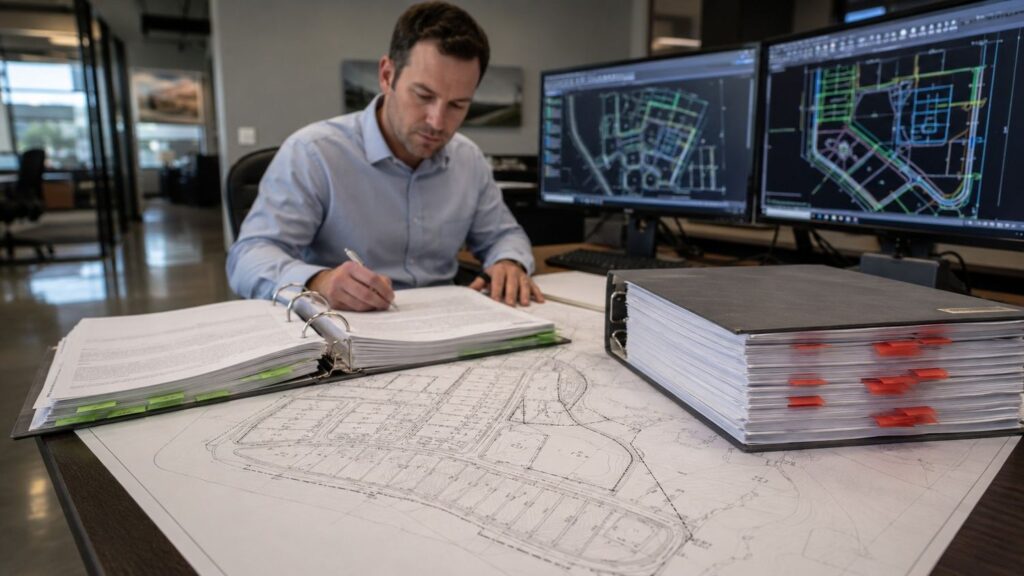
Most Texas developers ask the same question when they learn about the 210E authorization: why isn’t this what every qualifying project uses? The answer is that most engineers default to what they know. This article gives you the comparison to make the decision yourself.
What Engineers Submit to TCEQ and Why Your Application Gets Rejected
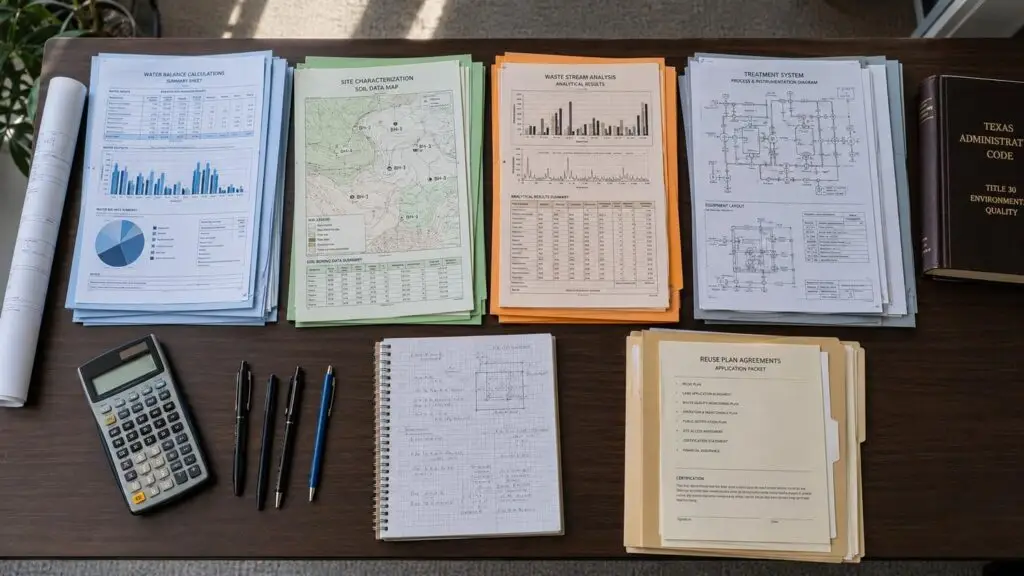
If your TCEQ wastewater permit application has been sitting in review for three months without an approval, the most likely explanation is not TCEQ’s workload. It is an incomplete submittal. Here is what a complete application actually contains and where most of them fall short.
How Carrying Costs Are Killing Texas Development Projects (And the Permit Strategy That Fixes It)
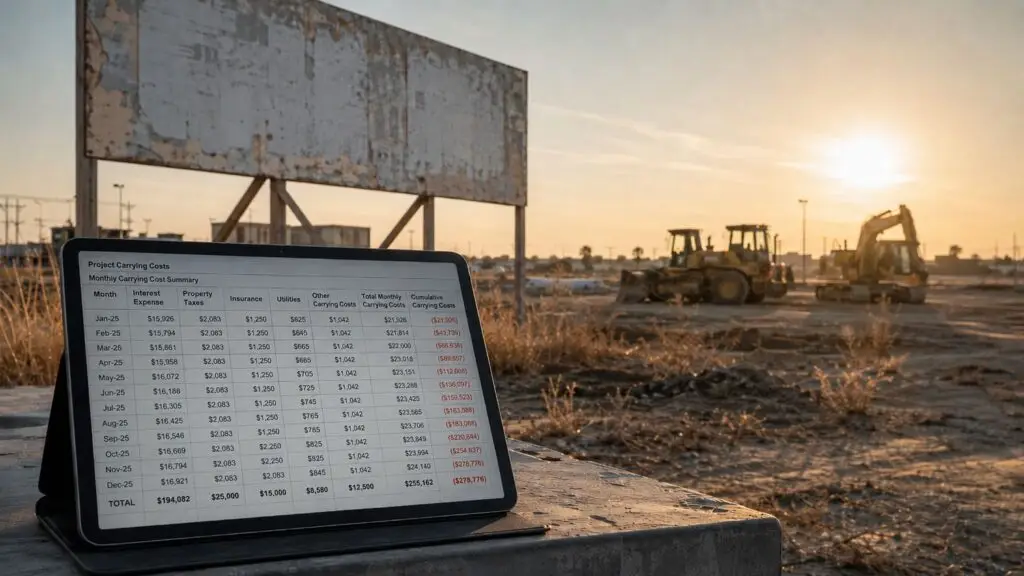
Every month your wastewater permit sits in TCEQ’s queue is a month your pro forma is bleeding. Here is what that actually costs and the permit strategy that eliminates the dependency entirely.
Building a Private WWTP in Texas: What Developers Need to Know Before They Commit
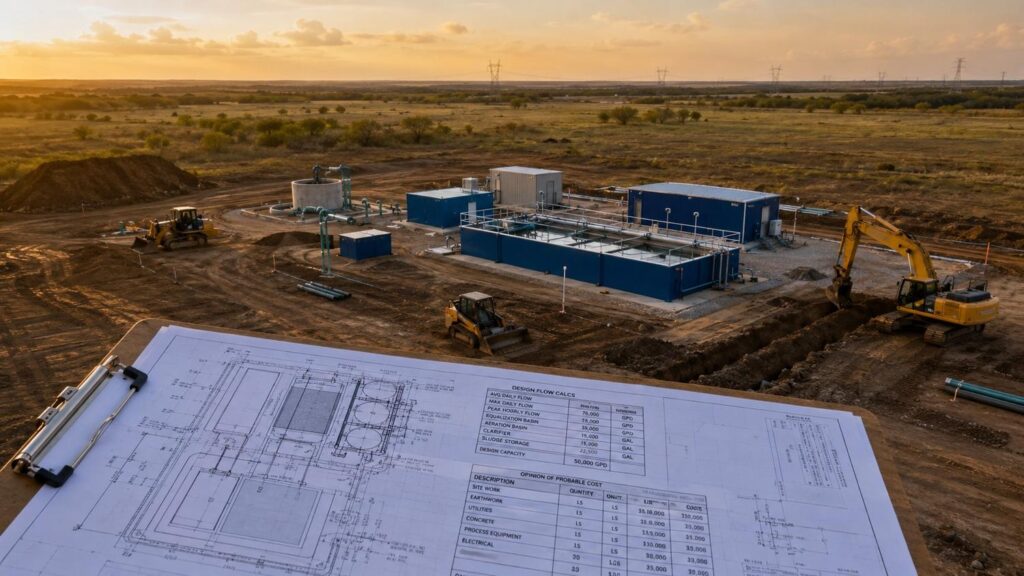
If your Texas development site cannot connect to municipal sewer, a private wastewater treatment plant may be your only path to breaking ground. Here is what that decision actually involves before you hire an engineer.
What Is a 210E Authorization and How Can It Save Your Texas Development Project?
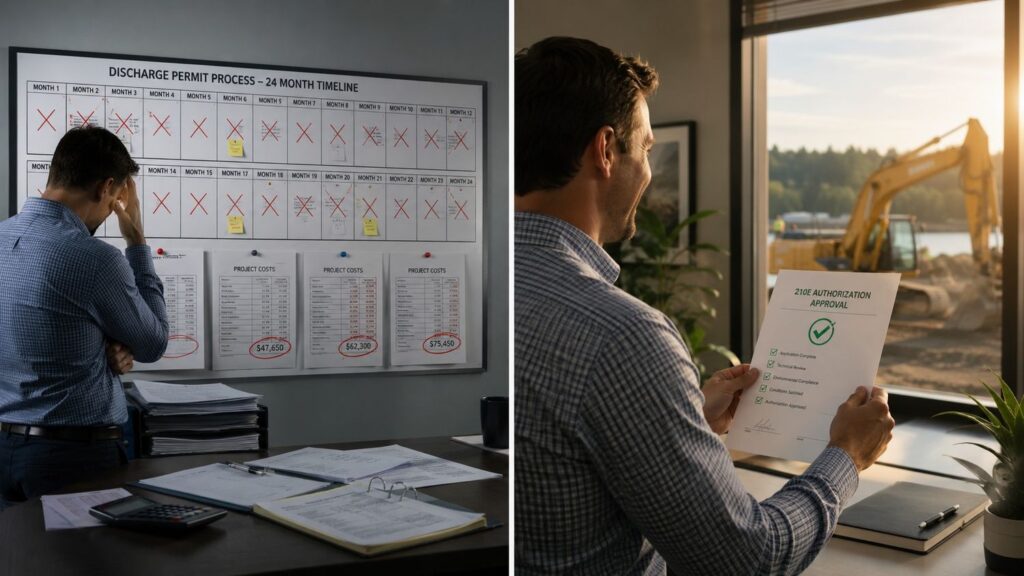
Most Texas developers waiting 24 months for a TCEQ discharge permit don’t know a faster pathway exists. If your project includes any industrial component, you may already qualify.
Land Application Permits for Treated Wastewater: A Texas Developer’s Guide
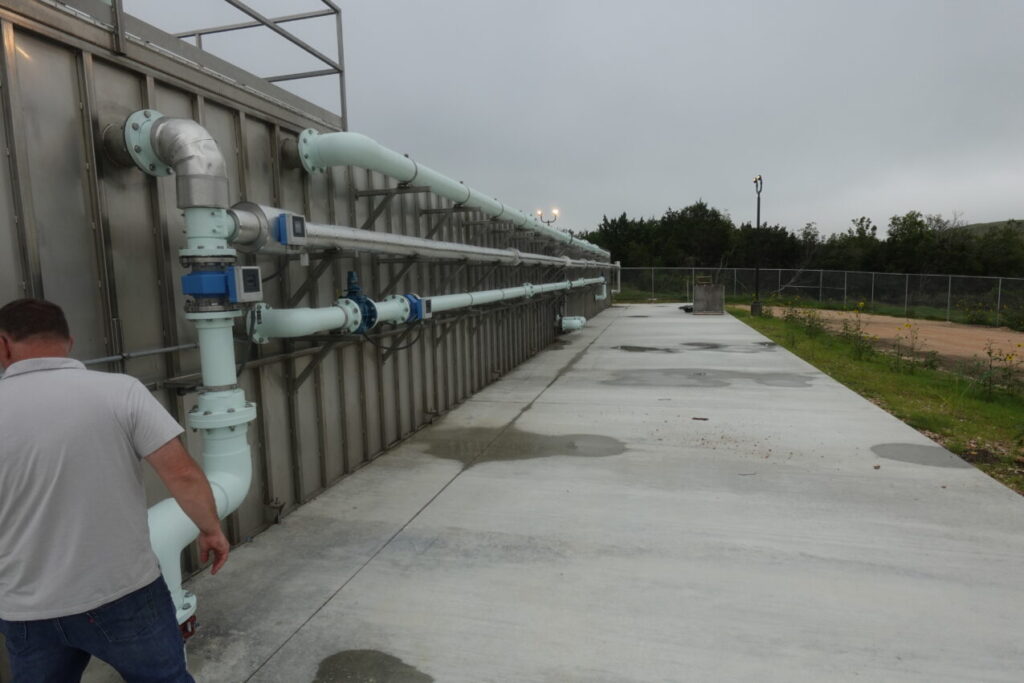
When your development project needs wastewater treatment but traditional discharge options are not available or practical, land application permits offer a proven alternative. For developers and engineering firms working in Texas, understanding when and how to pursue land application permits through TCEQ can save months of permitting time and open doors to projects that might otherwise stall.
Colorado’s Wastewater Discharge Permit Rules: What Communities Need to Know
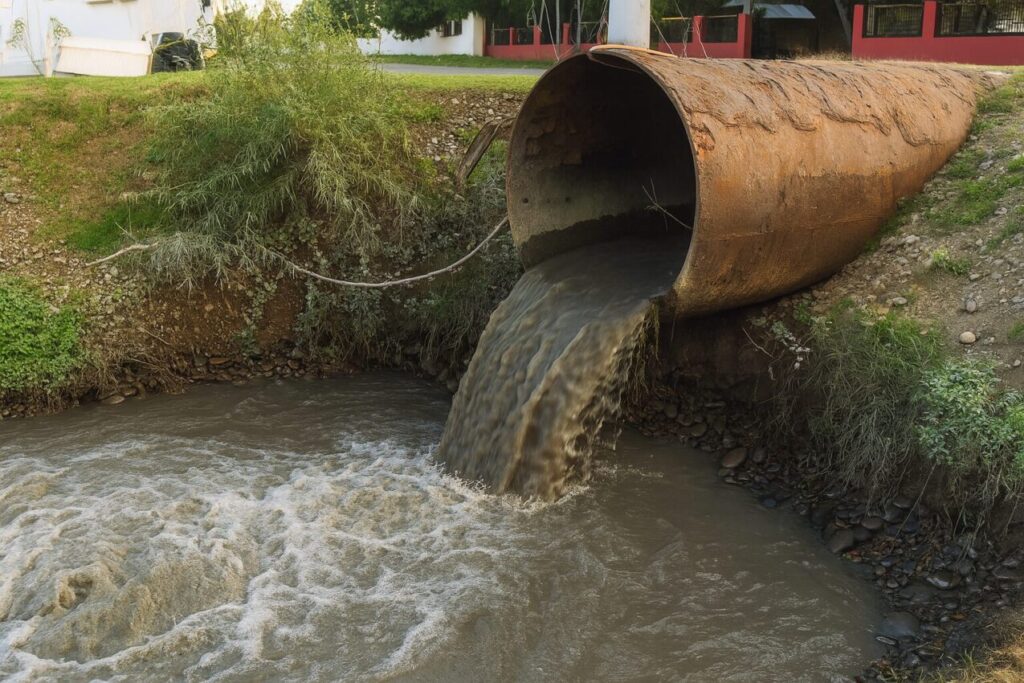
Complete guide to wastewater discharge permits in Colorado. Understand CDPHE requirements, avoid violations, and streamline your permit application today