
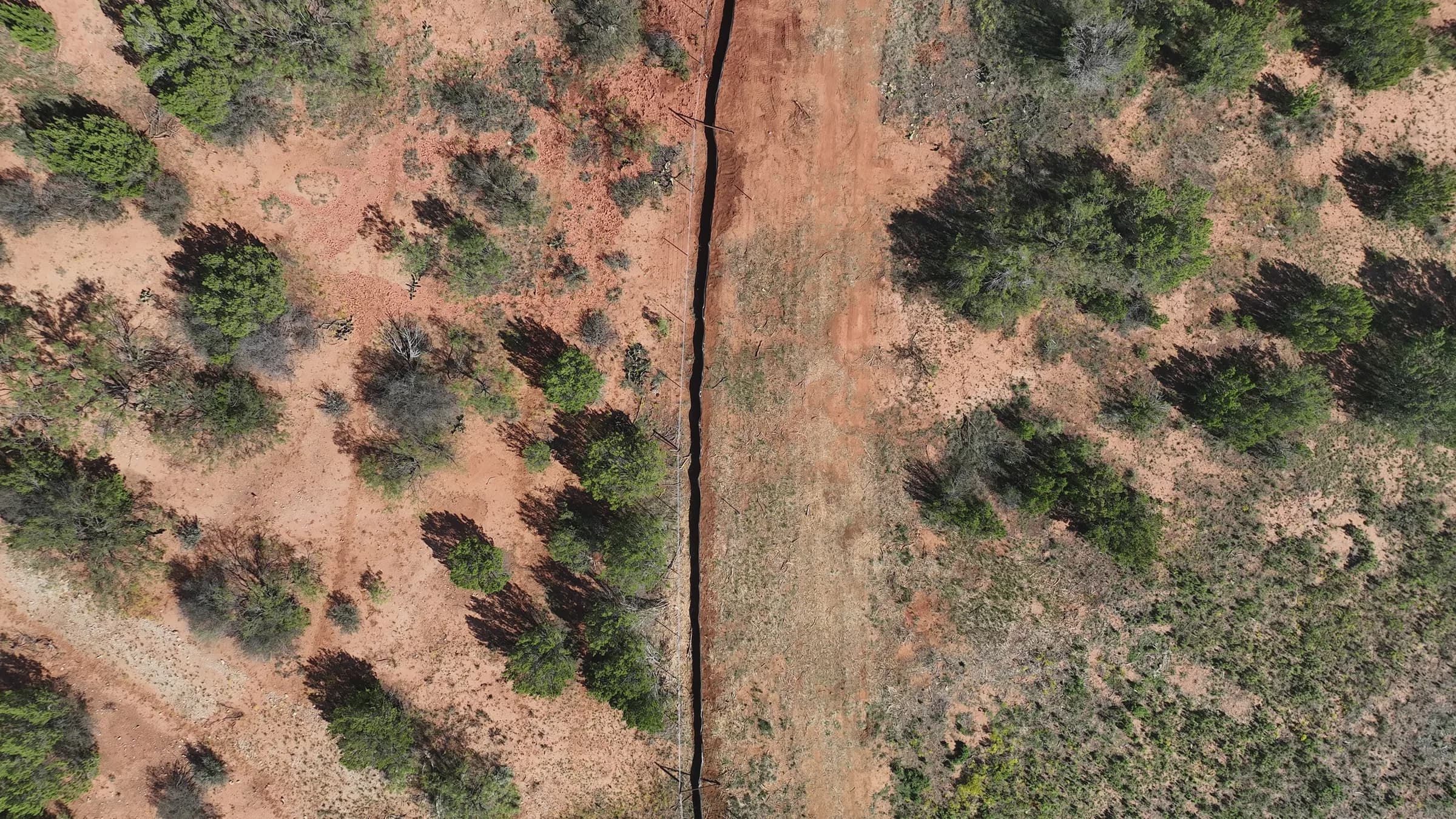
Four miles of waterline moved clear of TxDOT IH-20 work while Bitter Creek customers kept water service.
Bitter Creek Water Supply IH-20 waterline relocation
Where we work
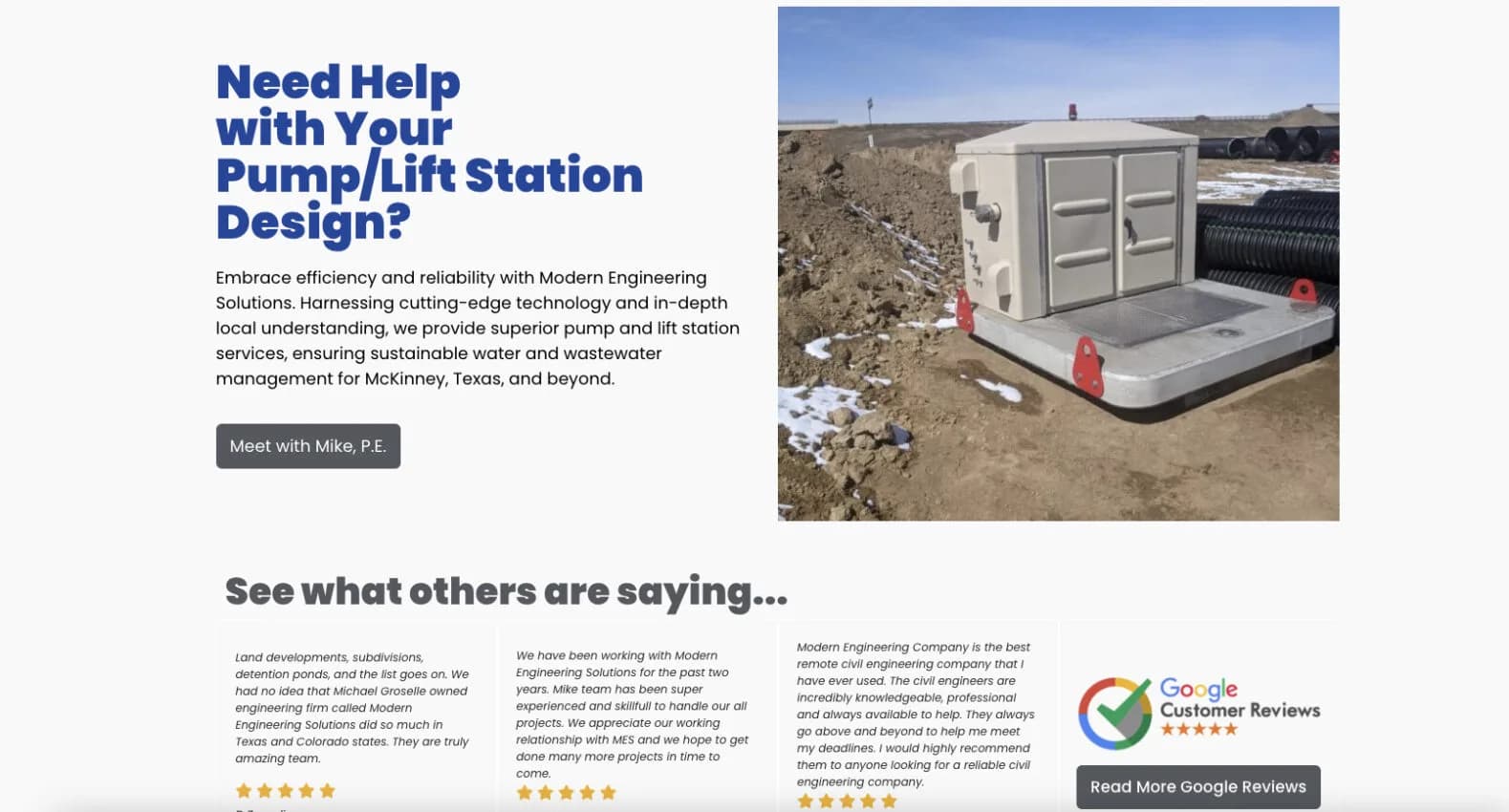
Lift station and booster pump station design in Texas: pumps, wet wells, force mains, backup power and TCEQ rules in 30 TAC Chapters 217 and 290.
A lift station collects wastewater and pumps it to a higher point when gravity cannot carry it to the next sewer or the plant. A booster pump station raises water pressure for part of a drinking water system. MES designs both for developers, utilities and municipalities across Texas.
Lift station design covers the wet well, pumps, controls, valves, force main, backup power and site. We prepare the construction documents, the engineering report and the state submittal. We size each station for full buildout, then check how it runs on day one, when flows are low.
TCEQ's design rules for lift stations and force mains are in 30 TAC Chapter 217, Subchapter C. A few of them shape every design:
Lift station plans go to TCEQ through the same summary transmittal letter as other collection system work, unless a city with TCEQ approval authority reviews them.
Water booster stations fall under 30 TAC Chapter 290. Where a system serves more than one pressure plane, the rule calls for booster pumps that take suction from a storage tank, unless TCEQ accepts another setup. Pumps that draw straight from the distribution system must keep at least 20 psi on the suction line and shut off automatically below it. Section 290.45 sets minimum pump capacity at each pump station or pressure plane. Booster stations are part of our water engineering work.
The city or district that will own the station often has its own standards for equipment and controls. We design to those as well.
Low flows in the early years. A station sized for buildout can hold wastewater too long while a development fills in. It turns septic, and odor follows. We set wet well levels and check force main detention time across the full range of expected flows.
Power. A long outage on record drives the size of the backup system. We get the electric utility's records early, then compare generators, alternate power, bypass pumps and gravity relief. Under TCEQ rules, storage cannot be the only answer.
Odor and corrosion. TCEQ makes owners control odor at lift stations and force mains. We plan ventilation, materials and odor control in the design, not after the first complaint.
Floods. A Texas lift station must be designed to withstand and operate during a 100-year flood. We place electrical gear, controls and vents so the station keeps running.
In Milford, we designed a 15,000 gallon per day lift station for an RV park, sized for all three phases of the park. We coordinated it with TCEQ and the City of Milford, then supported its installation. For the math behind a design like this, see our walkthrough of force main and pump sizing.
At least two. Under 30 TAC 217.61, the station's firm pumping capacity, with the largest pump out of service, must handle the peak flow.
The rule sets a result, not one method. The station must not overflow during a power failure as long as the longest outage in the past 60 months, or 20 minutes, whichever is longer. Generators, alternate power, bypass pumps and other approved systems can meet it.
It depends on what the pump serves. A grinder pump that serves a single connection, and is not part of an alternative collection system, falls outside TCEQ's lift station rules. A pump that serves more than one connection does not get that exemption. Call (214) 833-6748 to talk through your site.
Projects
Bitter Creek Water Supply IH-20 waterline relocation
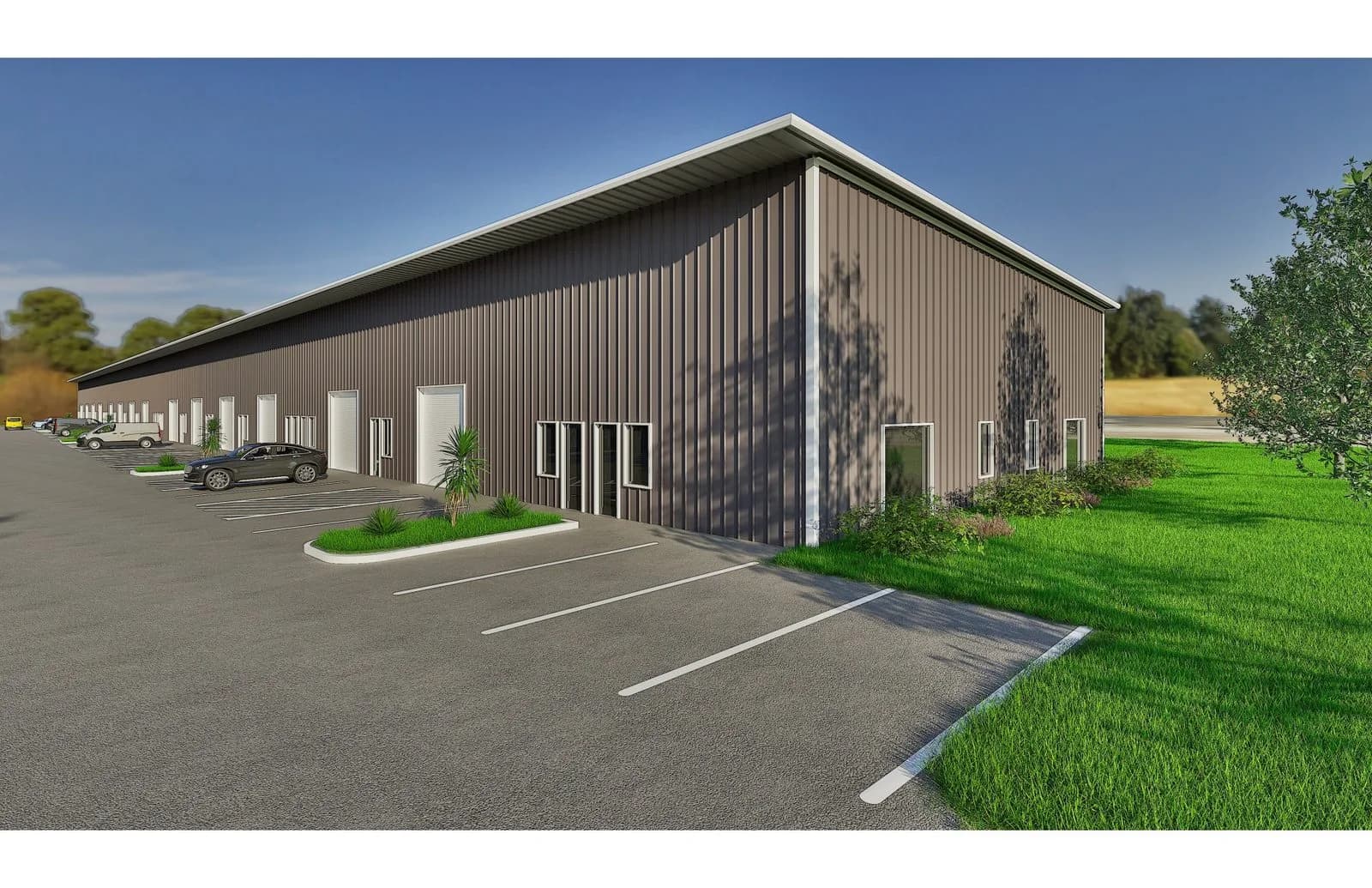
Mini-warehouse site entitlements and civil design in Georgetown, Texas
Site master plan and phase 1 civil set for a concrete contractor
Car wash site civil design in Fate, Texas
Industrial zero-discharge reuse in Taylor, TX, approved within 6 weeks of submission
1.0 MGD zero-discharge reuse for a mixed-use data center development
Talk to an engineer
Not a salesperson. Someone who can tell you whether the pathway is real.
Your options, the agencies involved and the questions that decide cost and schedule.
No commitment to have the first call.
Prefer the phone? (214) 833-6748