
Water Reuse in Florida: How the State’s Progressive Rules Are Shaping Infrastructure Design
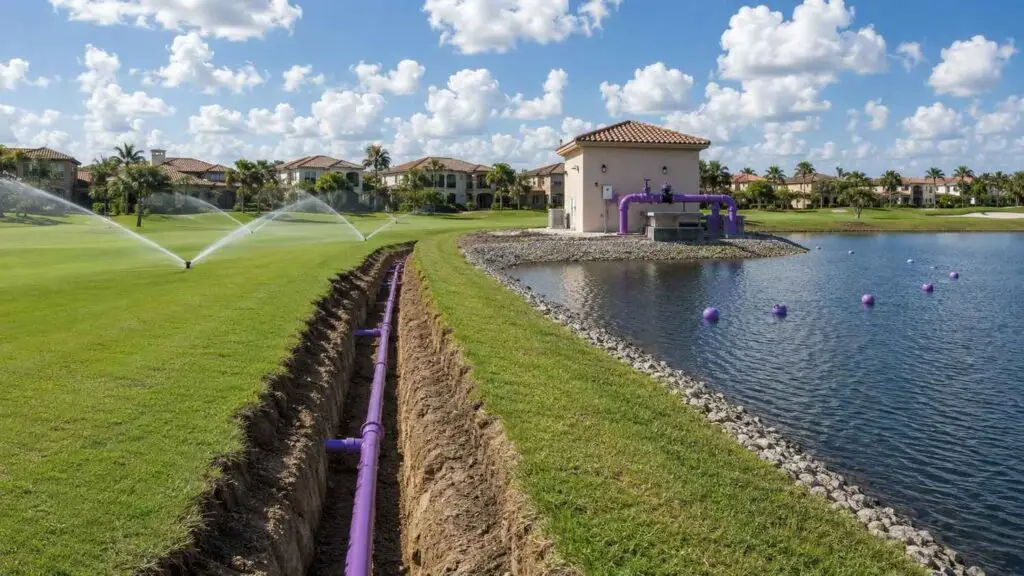
Florida treats reclaimed water as a resource, not a waste product. That distinction is embedded in the state’s regulatory framework, its utility planning culture, and the infrastructure decisions that shape how Florida communities manage their water and wastewater simultaneously. Developers, municipalities, and utility planners who understand how Florida’s reuse rules work and what they require will make better infrastructure decisions than those who encounter the reuse regulatory framework for the first time during a permitting process that is already underway.
How to Navigate FDEP’s OSTDS Upgrade Program: A Guide for Florida Property Owners and Developers
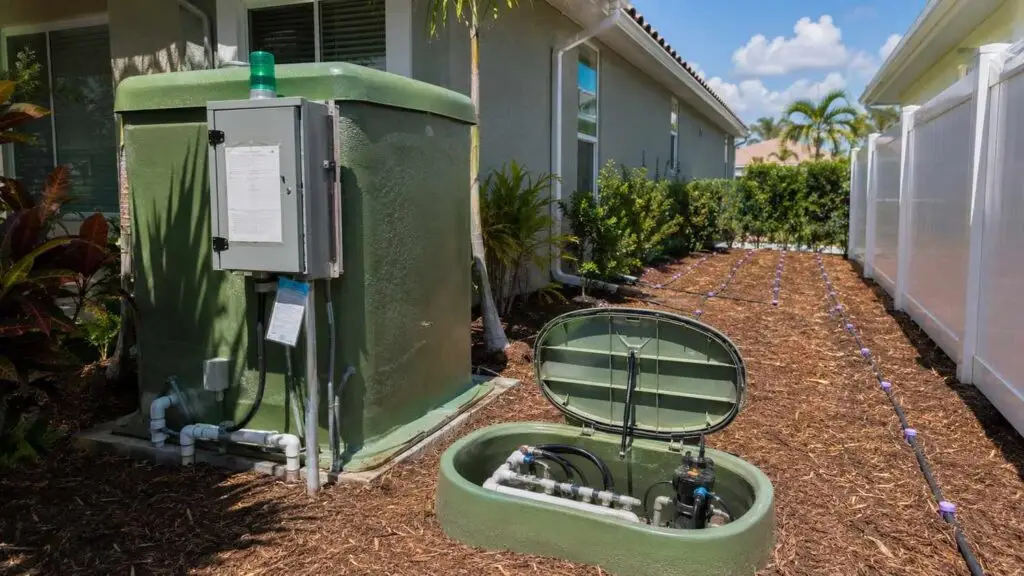
Florida’s septic system landscape is changing faster than most property owners and developers realize. The state has approximately 2.6 million onsite sewage treatment and disposal systems in active service, and a significant portion of them are in areas where their nutrient output is a documented contributor to water quality degradation in springs, coastal waters, and inland lakes. FDEP’s regulatory posture toward these systems has shifted from passive management to active remediation, and property owners and developers who have not tracked that shift are discovering its implications at the worst possible time in a project.
Florida’s Red Tide and Water Quality Crisis: What It Means for Coastal Wastewater Engineers
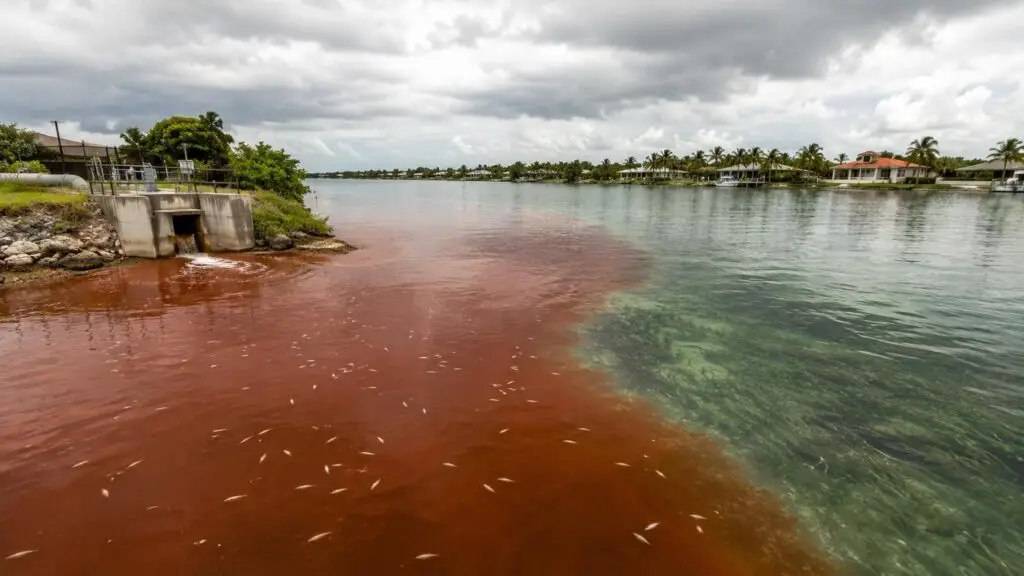
Red tide events on Florida’s coastlines are not purely natural phenomena that engineers watch from the sideline. The nutrients that feed harmful algal blooms come from somewhere, and the wastewater infrastructure decisions that Florida coastal communities make or fail to make are part of that story. For engineers, municipalities, and developers working near Florida’s bays, estuaries, and nearshore waters, the connection between wastewater management and coastal water quality is not an abstract environmental concern. It is a regulatory, economic, and operational reality that shapes infrastructure planning, permitting strategy, and public accountability in ways that are only becoming more pronounced.