
Blog
Florida’s Red Tide and Water Quality Crisis: What It Means for Coastal Wastewater Engineers
Red tide events connect directly to wastewater infrastructure decisions. Here is what coastal Florida engineers, municipalities, and developers need to know.
Quick Answer
Florida’s red tide events, driven primarily by the marine dinoflagellate Karenia brevis, are influenced by nutrient conditions in nearshore coastal waters that affect bloom initiation, intensification, and duration. Wastewater infrastructure is one of several nutrient loading pathways to Florida coastal waters, alongside agricultural runoff, stormwater, and atmospheric deposition. Aging collection systems that allow nutrient-laden wastewater to leak into groundwater and surface water, septic systems with nitrogen-loaded drain field effluent reaching coastal waterways, treatment plants discharging effluent with elevated nitrogen and phosphorus, and reclaimed water systems that deliver nutrients directly to the land surface in coastal watersheds all contribute to the nutrient budget that coastal water quality managers are trying to manage. Engineers working in Florida’s coastal zone need to understand how wastewater infrastructure decisions connect to that nutrient budget and what the regulatory and planning implications of that connection are for the projects they design and permit.
The Nutrient Connection: How Wastewater Contributes to Coastal Water Quality Problems
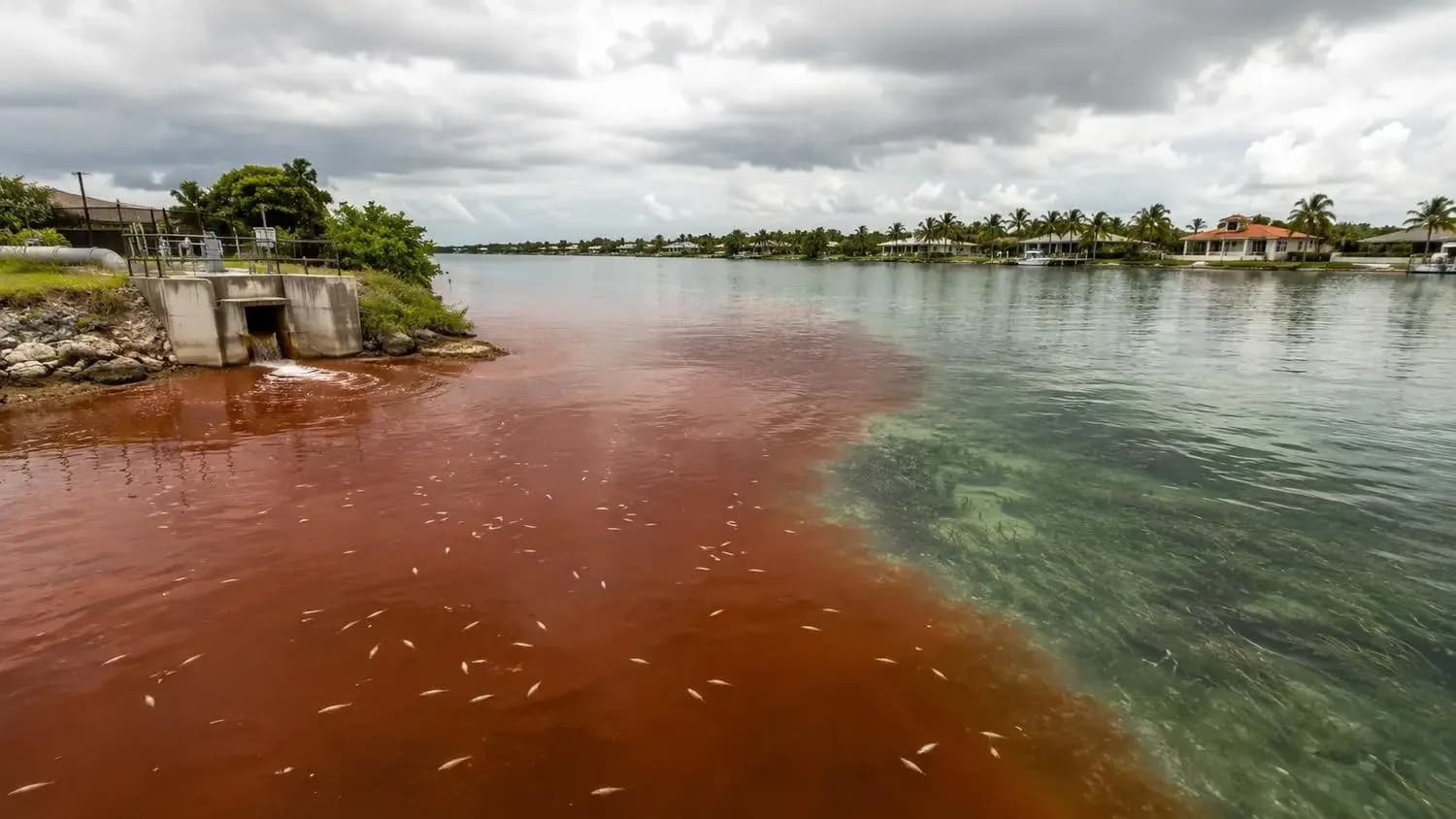
Nutrients, specifically nitrogen and phosphorus, are the fertilizers that drive algal growth in aquatic systems. In a balanced coastal ecosystem, nutrient availability limits algal growth to levels that the ecosystem can process without disruption. When nutrient loading exceeds the ecosystem’s assimilative capacity, algae and cyanobacteria proliferate, oxygen is depleted as the bloom dies and decomposes, seagrass beds are shaded and die back, fish kills occur, and the recreational and commercial value of the coastal environment is degraded. Red tide events on Florida’s Gulf Coast and harmful algal blooms in Florida’s estuaries and bays are expressions of this nutrient imbalance, and while the oceanographic conditions that concentrate and sustain these blooms are complex, the nutrient loading that fuels them is something that infrastructure decisions can influence.
Florida’s coastal watersheds receive nutrient inputs from multiple sources, and wastewater is a measurable component of that loading in many coastal communities. A municipal wastewater treatment plant discharging secondary treated effluent with nitrogen concentrations in the range of fifteen to twenty five milligrams per liter to a coastal receiving water is adding a defined nitrogen load to that water body with every gallon it discharges. A community of 10,000 homes on septic systems with drain fields within a few hundred feet of a coastal bay is adding nitrogen to the groundwater and surface water system on a continuous basis. An aging gravity sewer with significant infiltration and exfiltration losses is leaking nutrient laden wastewater into the surrounding soil and groundwater at a rate that is difficult to quantify but is not zero. These are engineering problems with engineering solutions, and addressing them is both a water quality protection measure and a regulatory compliance obligation in an increasing number of Florida coastal contexts.
Septic Systems and the Coastal Nitrogen Loading Problem
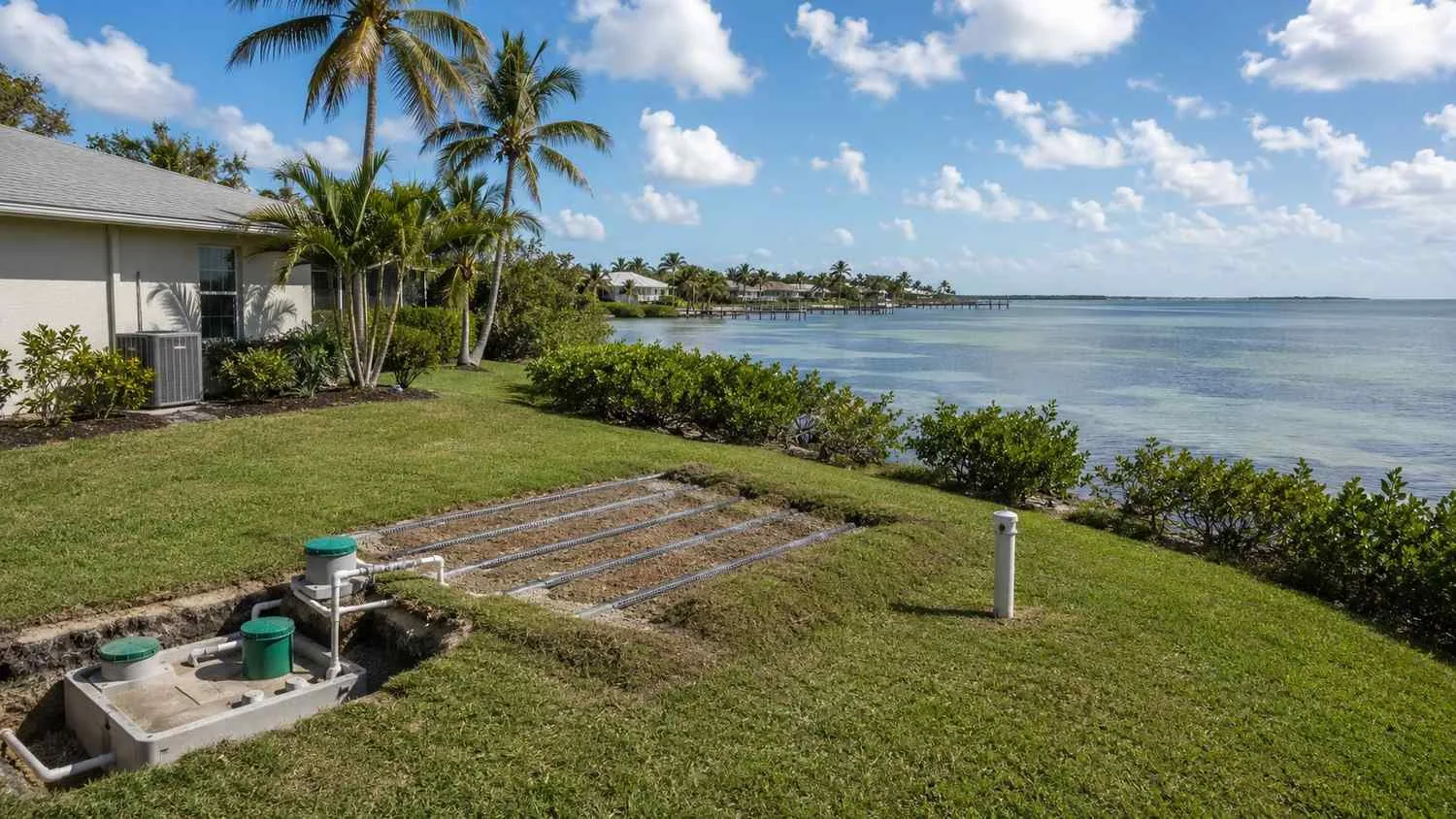
Florida has approximately 2.6 million active septic systems, and a disproportionate number of them are in coastal communities where the proximity of the drain field to tidal waters, coastal aquifers, and surface water drainage systems makes nitrogen loading to coastal waters direct and relatively rapid. A properly functioning conventional septic system removes organic solids and pathogens reasonably well but removes very little of the nitrogen in the wastewater it receives. That nitrogen moves through the drain field into the underlying soil and groundwater as nitrate, which is mobile, persistent, and delivered to nearby coastal waters as groundwater discharges to the bay, estuary, or nearshore environment.
Studies conducted in Florida coastal communities have demonstrated measurable nitrogen loading from septic systems to adjacent water bodies, and the Florida Legislature has responded by establishing a nutrient management framework that includes prioritized areas for septic-to-sewer conversion. Communities in Nutrient Priority Focus Areas designated by FDEP are under increased regulatory pressure to develop and implement septic-to-sewer conversion programs, and the availability of state and federal funding for these projects has created an environment where communities that have deferred this infrastructure investment for decades are now being asked to act on an accelerated timeline.
For engineers, septic-to-sewer conversion projects in coastal Florida communities present a specific set of design challenges. The collection systems serving these communities must navigate established neighborhoods with mature trees, private utilities, narrow rights-of-way, and property owners who may be resistant to construction activity and connection requirements. The receiving treatment facilities must have adequate capacity to absorb the additional flow from converted septic system connections, and if capacity does not exist, the conversion program must be sequenced with a capacity expansion that may require its own FDEP permitting process. Designing these projects requires integration of hydraulic analysis, permitting strategy, community coordination, and capital cost estimation in a way that produces a credible implementation plan that can be funded and executed over the timeline the regulatory environment demands.
Collection System Condition and Nutrient Exfiltration
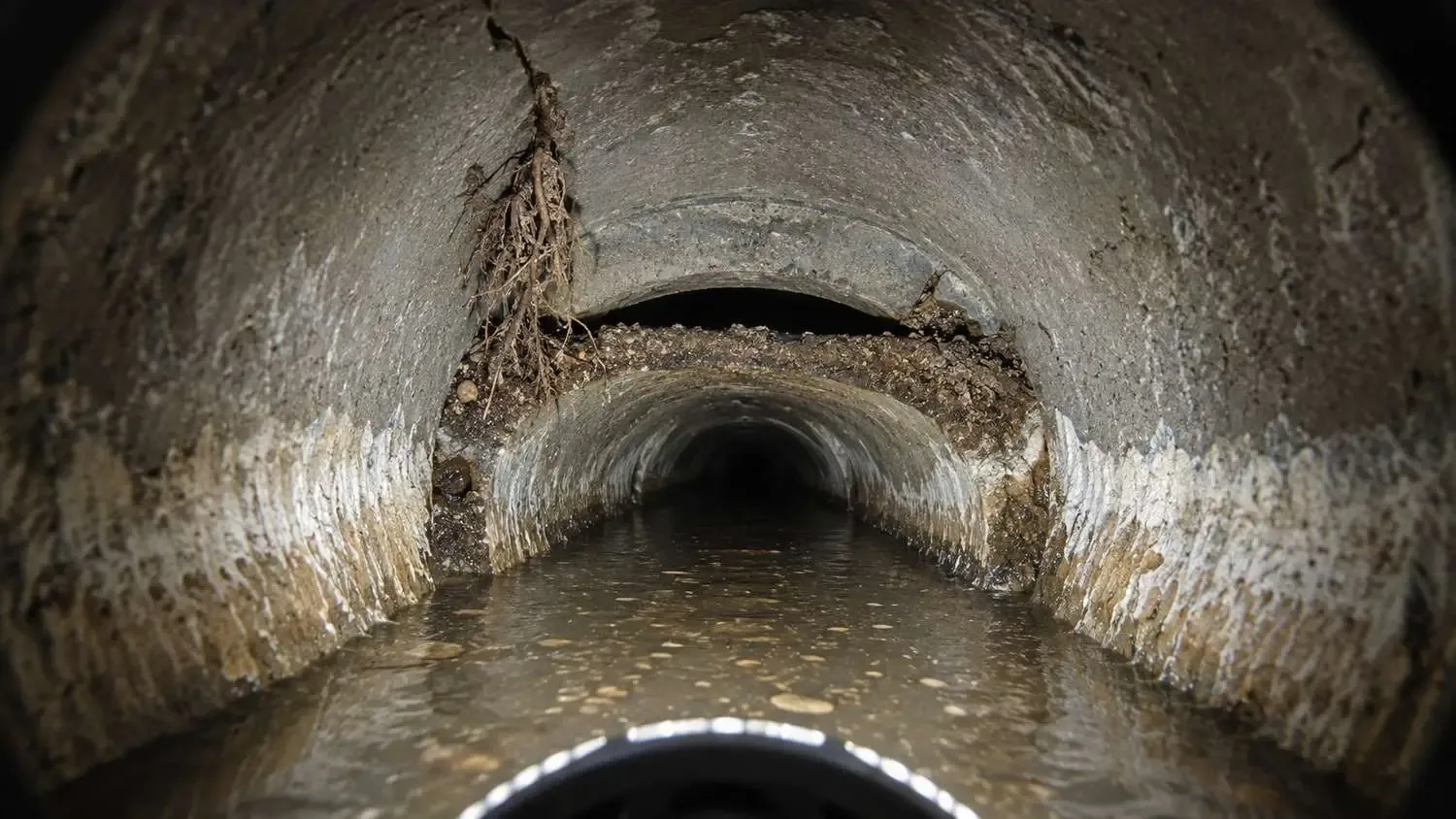
Aging gravity sewer collection systems in Florida coastal communities contribute to coastal nutrient loading through exfiltration, which is the leakage of wastewater from deteriorating pipe joints, cracked pipe walls, and compromised manholes into the surrounding soil and groundwater. In a collection system with significant exfiltration losses, the wastewater that escapes the pipe before reaching the treatment plant is delivering nutrients, pathogens, and other pollutants directly into the environment without any treatment. That exfiltration is both an operational loss and an environmental impact, and in coastal communities where groundwater connectivity to surface water is rapid, it is a nutrient loading pathway that cannot be ignored in a serious coastal water quality analysis.
Identifying the exfiltration magnitude and location in an aging collection system requires a combination of flow monitoring to quantify the difference between metered flows entering the system and flows arriving at the treatment plant, closed circuit television inspection to locate pipe defects and joint failures, and smoke or dye testing to confirm connection mapping and identify illicit connections. The investment in this diagnostic work is justified by the improvement in treatment plant loading accuracy, the identification of rehabilitation priorities, and the documentation of the current system condition that is required for funding applications and for FDEP compliance programs targeting collection system performance.
Infiltration, the opposite of exfiltration, is the entry of groundwater into the collection system through the same defects that allow exfiltration in the opposite direction under different pressure conditions. Florida coastal collection systems with high groundwater tables frequently experience significant infiltration that dilutes wastewater, increases hydraulic loading on the treatment plant, and reduces the organic concentration of the influent to the point where biological treatment performance may be affected. Addressing infiltration and exfiltration together through a systematic collection system rehabilitation program improves treatment plant performance, reduces nutrient loading to coastal waters, and reduces the operational cost of conveying and treating diluted wastewater.
Treatment Plant Performance and Nutrient Reduction
Wastewater treatment plants discharging to or near coastal waters in Florida face increasing regulatory pressure to reduce the nitrogen and phosphorus concentrations in their effluent as part of the state’s nutrient management strategy. FDEP’s nutrient criteria for Florida water bodies, combined with the establishment of nutrient Total Maximum Daily Loads for impaired coastal waters, are driving effluent limits in discharge permits that require treatment performance beyond what standard secondary treatment produces. Facilities that are currently meeting their permit limits for BOD and TSS but have not been required to reduce nutrients may find at their next permit renewal that nitrogen and phosphorus limits are added to their permits in response to the nutrient management framework that has been developing in Florida over the past decade.
Biological nutrient removal, which integrates anoxic and anaerobic zones into the activated sludge treatment process to achieve simultaneous nitrogen and phosphorus removal through biological mechanisms, is the most cost effective approach to nutrient reduction for treatment facilities of significant size. Chemical phosphorus removal using iron or aluminum salts can achieve low effluent phosphorus concentrations for facilities where biological phosphorus removal is not practical, but it increases chemical costs and sludge production. For smaller coastal treatment plants where advanced biological nutrient removal is not economically feasible, enhanced membrane bioreactor technology can achieve nutrient reduction performance that approaches advanced treatment standards in a compact footprint that may be compatible with constrained coastal sites.
Reclaimed water reuse is the other treatment plant decision with direct coastal water quality implications. A treatment plant that converts its effluent to reclaimed water for landscape irrigation, golf course irrigation, or industrial reuse rather than surface discharge is keeping nutrients out of the coastal water system entirely. Florida’s mature reclaimed water program has produced a state where reuse is the dominant effluent management strategy for coastal treatment plants, and expanding reuse capacity rather than developing new surface discharge infrastructure is the direction that FDEP consistently encourages for coastal facilities. For municipalities planning treatment plant expansions or new facilities in coastal Florida, designing for maximum reuse capacity from the beginning is both a regulatory preference and a long-term water quality protection investment.
Public Trust, Permitting, and the Political Environment for Coastal Wastewater Projects
Red tide events in Florida generate intense public attention that translates into political pressure on coastal municipalities and utilities to demonstrate that their wastewater infrastructure is not contributing to the problem. This political environment affects wastewater infrastructure planning in ways that extend beyond regulatory compliance. A municipality that can document its investment in collection system rehabilitation, septic-to-sewer conversion, nutrient reduction, and reuse expansion is in a better position to defend its permit applications, access state and federal funding, and maintain public trust than one that has deferred these investments and has no credible narrative about its role in coastal water quality protection.
For developers proposing coastal projects in Florida, the water quality environment around their project sites is increasingly a permitting and entitlement variable. A coastal development that will generate wastewater in a watershed where nutrient loading is already a documented water quality concern will face regulatory scrutiny and potentially public opposition that a project in a less sensitive watershed would not. Demonstrating that the project’s wastewater strategy, whether utility connection, private treatment, or reuse, minimizes nutrient loading to coastal waters is a permitting argument that coastal Florida developers need to be prepared to make with technical documentation, not just with general assurances.
Frequently Asked Questions
Our coastal Florida municipality is being required to develop a nutrient reduction plan as a condition of our next permit renewal. Where do we start?
Start with a mass balance analysis of your current nutrient loading to the receiving water, which requires treatment plant effluent monitoring data, a receiving water flow analysis, and documentation of any other nutrient sources to the system that your infrastructure contributes to. That analysis establishes your current loading baseline and identifies the reduction target implied by the permit renewal conditions. From that baseline, an engineering evaluation of nutrient reduction options, including biological nutrient removal, chemical phosphorus removal, expanded reuse, and collection system rehabilitation to reduce exfiltration losses, can be performed to identify which combination of investments achieves the required reduction at acceptable cost. The resulting capital program is the foundation for an FDEP funding application and for the public communication plan that will be needed to explain the investment to ratepayers.
How do we evaluate whether our aging collection system is contributing to coastal nutrient loading through exfiltration?
A quantitative exfiltration evaluation requires flow monitoring at multiple points in the collection system to identify reaches where the flow entering a pipe segment is measurably greater than the flow arriving at the downstream point, which indicates either infiltration or exfiltration losses depending on the direction of the discrepancy. Closed-circuit television inspection of the suspect pipe segments identifies the specific defects responsible for the losses. The nutrient loading contribution from documented exfiltration can then be estimated using measured wastewater nitrogen and phosphorus concentrations and the estimated exfiltration volume. This work requires field instrumentation, laboratory analysis, and engineering interpretation, but it produces defensible data that supports both capital prioritization decisions and regulatory reporting obligations.
We are developing a coastal Florida site and want to minimize our project’s nutrient loading contribution. What options should we evaluate?
The most effective options depend on whether public sewer service with advanced nutrient removal capability is available to serve your project, or whether a private treatment strategy is required. If public sewer is available, connecting to a utility with biological nutrient removal capability and reuse infrastructure is the lowest-nutrient loading option for your project. If a private treatment facility is required, designing for biological nutrient removal from the beginning and maximizing on-site reuse for landscape irrigation minimizes discharge to the coastal watershed. In either case, ensuring that your onsite stormwater management system minimizes nutrient runoff from fertilized landscaping is a complementary measure that reduces the total nutrient footprint of the development. Documenting these design decisions in your permit applications and environmental review materials demonstrates a credible commitment to coastal water quality protection that supports both regulatory approval and community acceptance.
Related Resources
- FDEP Permitting for Wastewater Systems in Florida: A Practical Guide for Developers
- Florida’s Exploding Growth vs. Aging Wastewater Infrastructure: What Engineers Are Facing Right Now
- Florida Department of Environmental Protection Nutrient Management Program
- Florida Harmful Algal Bloom Task Force Resources and Reports
Planning Coastal Wastewater Infrastructure in Florida?
MES is licensed in Florida and works with coastal municipalities, developers, utility districts, and engineering teams to evaluate wastewater infrastructure condition, plan nutrient reduction strategies, support FDEP permitting, coordinate septic-to-sewer conversion programs, and connect engineering decisions to the coastal water quality outcomes that regulators, communities, and project stakeholders increasingly demand.
We specialize in:
- Nutrient loading analysis and treatment plant effluent nutrient reduction strategy for Florida coastal wastewater systems
- Collection system condition assessment and rehabilitation planning for coastal communities with exfiltration and infiltration concerns
- Septic-to-sewer conversion program engineering and FDEP permitting support for Florida Nutrient Priority Focus Areas
- Biological nutrient removal and reuse system design for Florida coastal treatment facilities
- Coastal wastewater treatment feasibility evaluation and FDEP permitting coordination for Florida developers
- Capital improvement planning and state and federal funding application support for Florida coastal utilities addressing nutrient management requirements
Modern Engineering Solutions, Florida. Contact: (214) 833-6748 or mod-eng.com
Keep reading
More to read.
Talk to an engineer
Tell us about your project.
An engineer reads it
Not a salesperson. Someone who can tell you whether the pathway is real.
You get a first answer
Your options, the agencies involved and the questions that decide cost and schedule.
You decide
No commitment to have the first call.
Prefer the phone? (214) 833-6748