Septic systems are a necessary part of many homes in the United States, but they can also be quite expensive to install and maintain. Here are some basics for those looking to install or maintain a septic system in Texas:
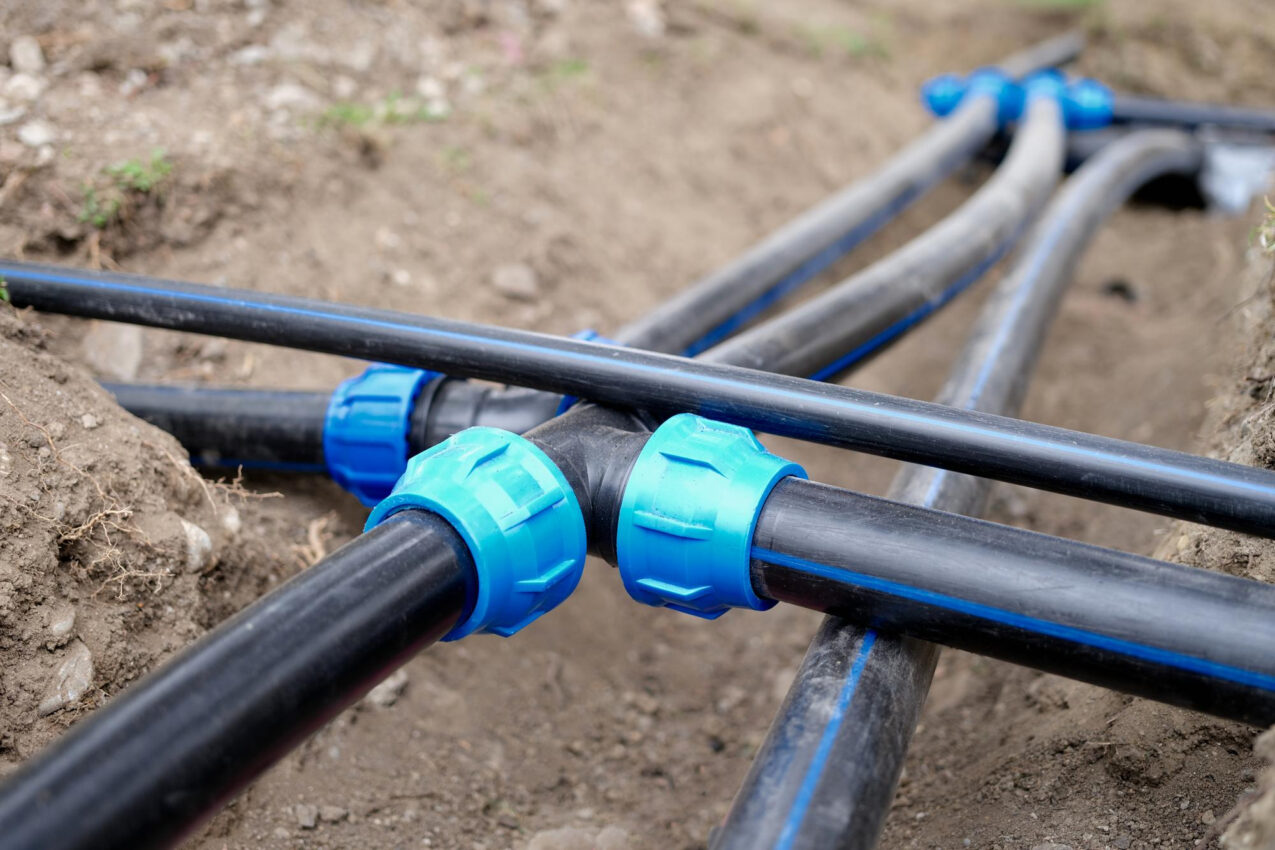
1) Septic systems work by absorbing waste from toilets and sinks into small holes located underground. These waste products are then broken down by microorganisms and filtered through soil until it reaches an aquifer.
2) Septic systems are regulated in Texas by both TCEQ Chapter 285 (Texas Administrative Code (state.tx.us)) and by each county. Sometimes there are local permitting agencies within the county, like LCRA (LCRA), who also permit the septic systems. Each county typically has its own set of standards for septic system installations and maintenance.
3) There are two main areas for septic system: treatment and disposal.
4) Treatment typically occurs in buried tanks next the house
5) Disposal typically occurs in an infiltration field or area next to the usage site.
6) A septic system can fail when the infiltration field becomes clogged by roots from nearby trees or shrubs.
7) The systems should be inspected and tested every 2 years, otherwise septic system failure can occur.