
Blog
Biosolids Land Application from Private Wastewater Treatment Facilities in Texas
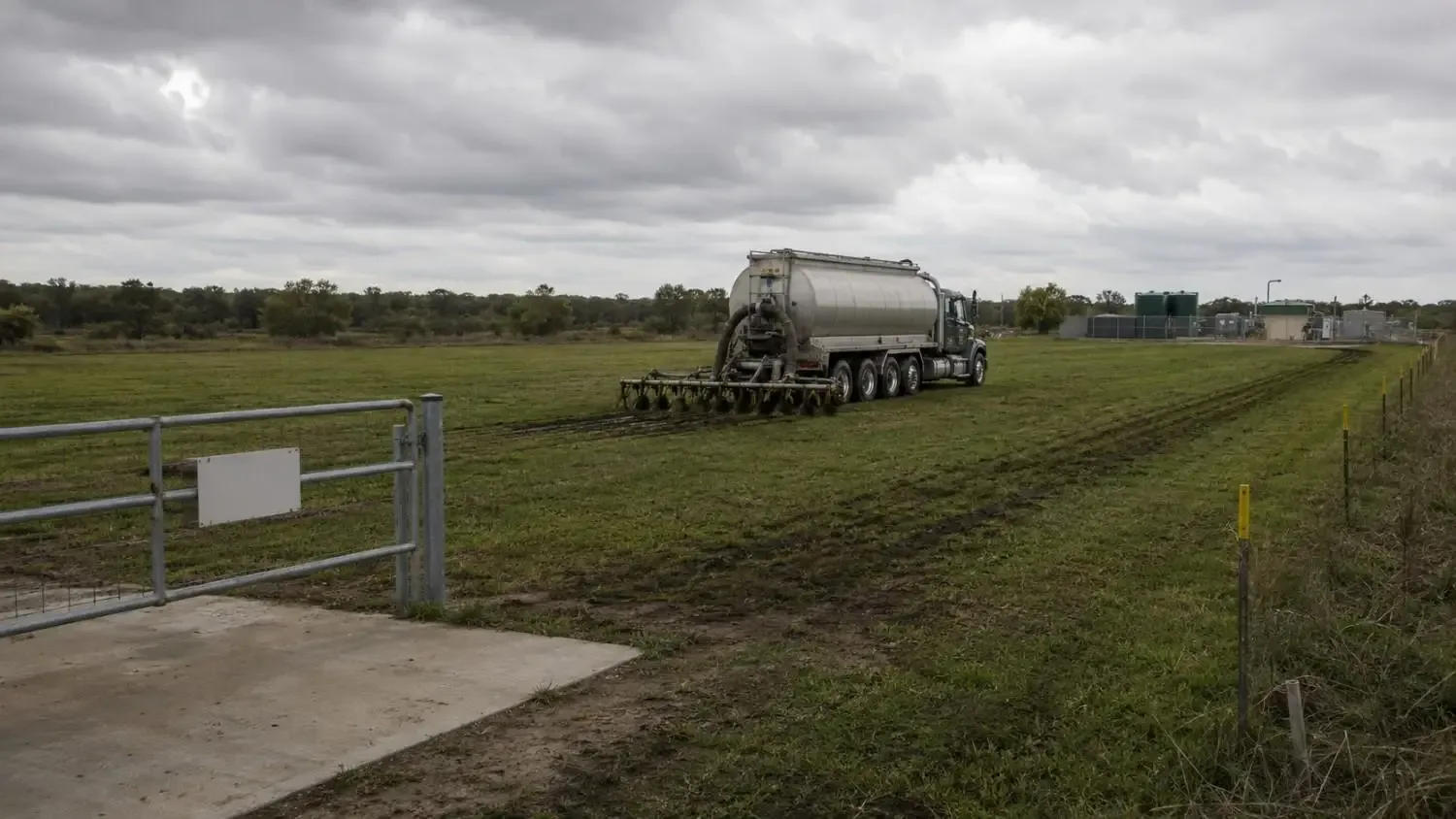
Private WWTP owners who skip biosolids planning face compliance violations at first inspection. Here is what 30 TAC Chapter 312 requires before your plant goes online.
Quick Answer
Private wastewater treatment plants generate sludge and biosolids as a byproduct of the biological treatment process, and that material requires a compliant disposal pathway under Texas regulations. In Texas, biosolids land application from a permitted wastewater facility is regulated under 30 TAC Chapter 312, which establishes requirements for site authorization, soil testing, agronomic rate calculations, cumulative pollutant loading limits, monitoring, hauling documentation, and operator responsibilities. Private WWTP owners who do not plan a biosolids management strategy before startup will face operational disruptions, unbudgeted hauling costs, and potential compliance exposure when TCEQ audits or inspects the facility. Biosolids management is not a detail to resolve after construction. It is part of the project design.
Why Private WWTP Owners Face a Different Biosolids Challenge Than Municipalities
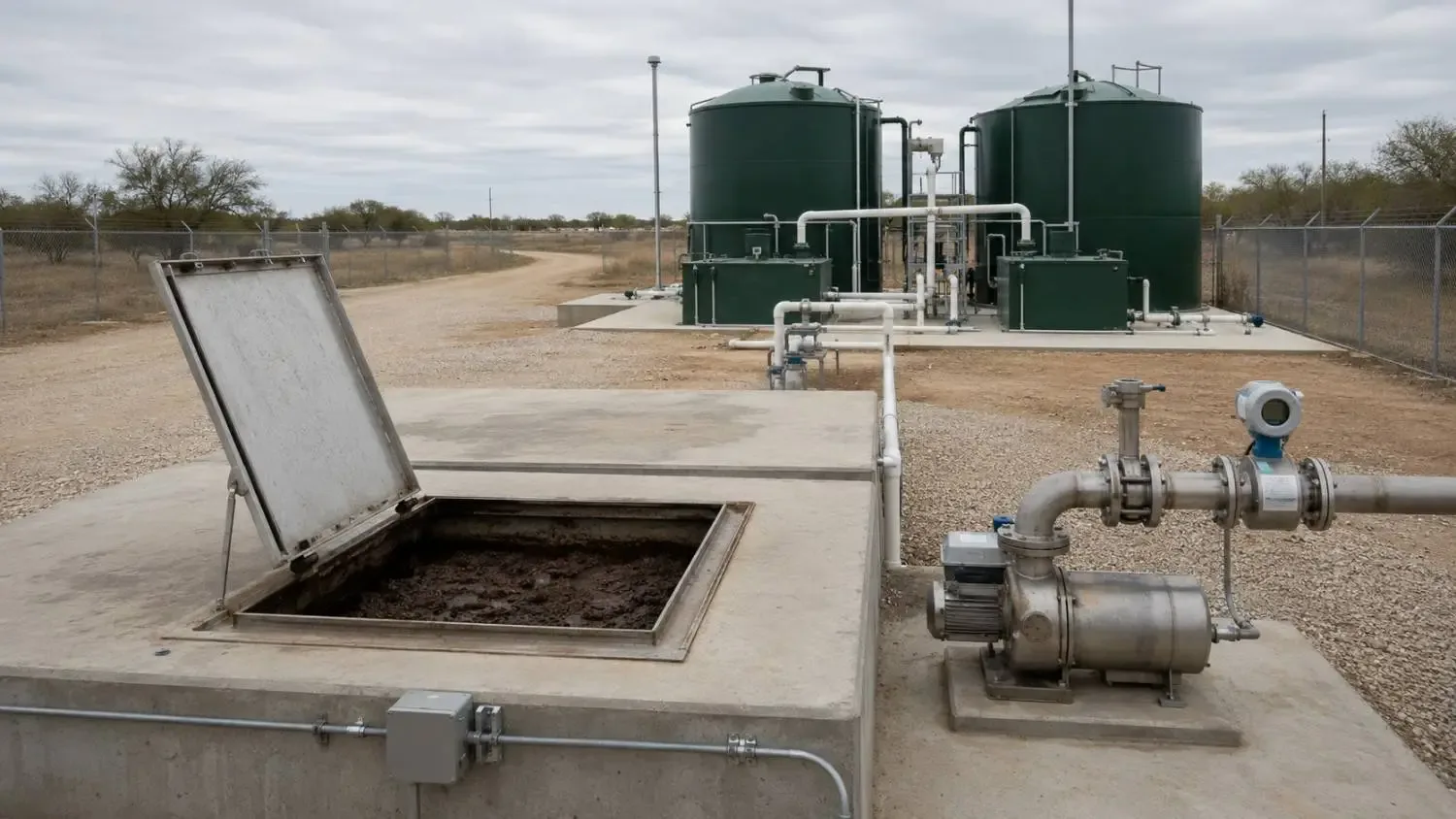
Municipal wastewater utilities typically have established biosolids programs, dedicated staff, permitted land application sites, and long-term contracts with haulers or composting facilities. They have dealt with sludge management for decades. Private WWTP owners, which include developers operating plants for residential subdivisions, commercial developments, industrial parks, and rural communities outside municipal service areas, rarely have any of that infrastructure in place when the plant starts up. The treatment plant gets designed, permitted, and constructed, but the question of where the biosolids go after the plant is producing them is frequently deferred until operations begin.
The volume of biosolids a private plant generates depends on the treatment process, the influent loading, and the solids handling equipment installed. A small extended aeration plant serving a few hundred homes will generate a meaningful volume of waste activated sludge that must be periodically removed from the system, dewatered or thickened to the extent the facility allows, and transported to a permitted disposal destination. Failing to account for that volume in the operational budget and the compliance program is the starting point for every biosolids problem a private WWTP owner will eventually face.
How 30 TAC Chapter 312 Regulates Biosolids Land Application in Texas
Texas regulates biosolids land application under 30 TAC Chapter 312, which implements the federal biosolids rule at 40 CFR Part 503 within the state regulatory framework. Chapter 312 establishes two primary regulatory tiers for land-applied biosolids based on pollutant quality. Class A biosolids have been treated to reduce pathogens to below detectable levels and meet more permissive land application conditions. Class B biosolids have been treated to reduce pathogens but not eliminate them, and they carry more restrictive site management requirements including buffer distances, access restrictions, harvesting delays for food crops, and monitoring obligations.
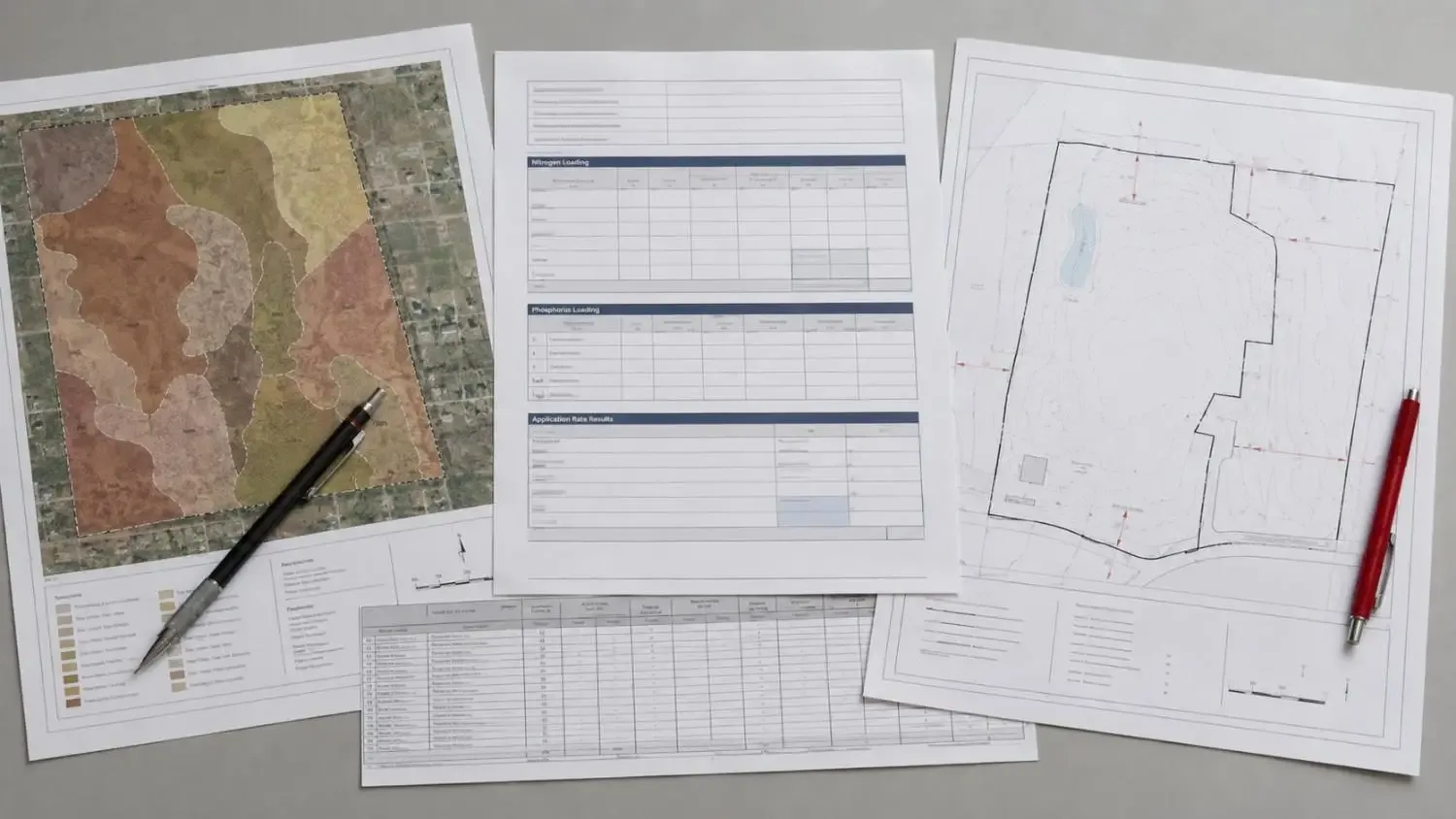
For a private WWTP owner seeking to land apply biosolids, the regulatory pathway begins with determining whether the biosolids quality meets Class A or Class B standards based on the treatment process and the results of required pathogen and vector attraction reduction testing. Land application sites must be evaluated for soil type, slope, proximity to water bodies, drainage patterns, and land use. Agronomic rate calculations establish the maximum application rate based on the nitrogen and phosphorus content of the biosolids and the nutrient requirements of the cover crop or receiving vegetation. Cumulative pollutant loading limits under 40 CFR Part 503 establish lifetime application limits for heavy metals including arsenic, cadmium, copper, lead, mercury, molybdenum, nickel, selenium, and zinc at each application site. Exceeding cumulative loading limits permanently removes a site from eligibility for further biosolids application, which makes accurate record-keeping not just a compliance obligation but a long-term asset management issue for landowners who want to preserve application site eligibility.
Site Authorization, Hauling Documentation, and Monitoring Requirements
Land application of biosolids in Texas is not a self-directed activity. It requires site authorization through TCEQ, which involves submitting documentation that demonstrates the site meets the criteria established under Chapter 312 for soils, setbacks, slopes, and agronomic loading capacity. The site authorization process requires a soil survey, a site map, agronomic calculations prepared by a qualified individual, and documentation that the landowner has agreed to accept biosolids at the site. For private WWTP operators who do not own land suitable for application, securing a willing landowner with a suitable site and completing the authorization process is a prerequisite that takes time, and it should begin well before the treatment plant reaches operational capacity.
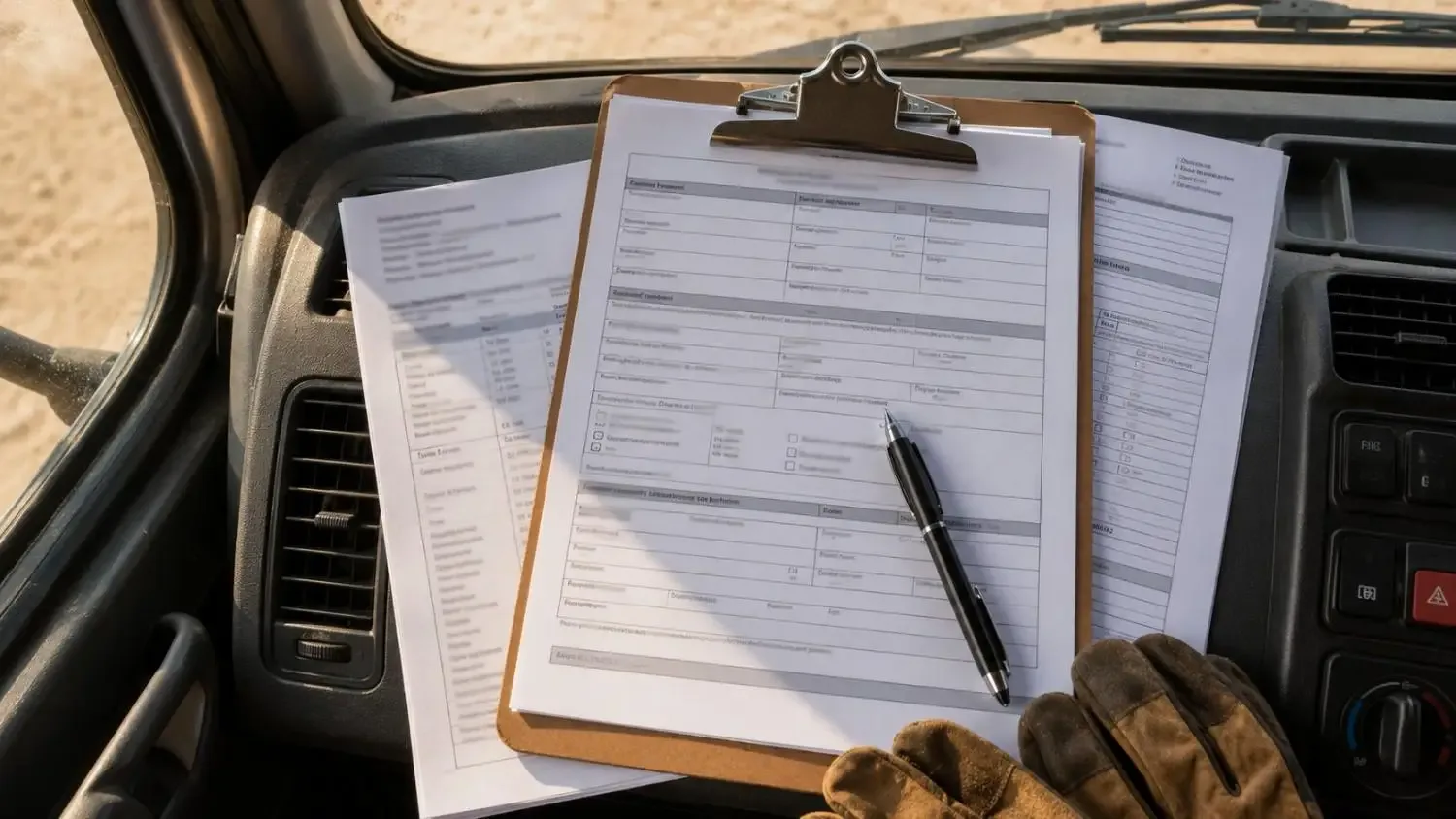
Hauling documentation requirements are detailed and non-negotiable. Every load of biosolids transported from the treatment facility to a land application site must be documented with information about the volume hauled, the biosolids quality data, the application site identity, and the application rate. Those records must be retained and made available to TCEQ upon request. Monitoring requirements under Chapter 312 include periodic sampling of biosolids for pathogen indicators, vector attraction reduction parameters, and regulated metals. The frequency of monitoring depends on the annual volume of biosolids generated, with lower-volume generators subject to less frequent sampling than higher-volume operations. Even low-volume private plants have monitoring obligations that require coordination with a certified laboratory and documentation of results in the facility’s compliance records.
Alternative Disposal Options When Land Application Is Not Feasible
Land application is the most common and cost-effective biosolids disposal pathway for rural private WWTP operations where suitable agricultural land is available. When it is not, private WWTP owners have several alternatives, each with its own regulatory requirements and cost profile. Hauling biosolids to another permitted facility, such as a municipal wastewater treatment plant that accepts outside sludge, is a practical option for smaller private plants that generate volumes too low to justify establishing a dedicated land application program. The receiving facility must be permitted to accept outside biosolids, and the hauling arrangement must be documented with waste manifests and acceptance records.
Disposal in a municipal solid waste landfill is permitted for biosolids that meet the classification requirements for solid waste disposal under TCEQ rules, but landfill tipping fees and transportation costs make this option more expensive per dry ton than land application in most Texas markets. Composting of biosolids through a permitted composting facility can produce a marketable end product but requires a facility willing to accept the material and a transportation arrangement that is economically viable for the volume generated. Incineration is generally reserved for large municipal operations and is not a practical option for private WWTP owners at typical development scales. The right disposal strategy for any given private plant depends on the volume generated, the proximity to receiving facilities or suitable land application sites, the biosolids quality, and the long-term operating cost the owner is prepared to sustain.
Frequently Asked Questions
Do we need a separate TCEQ permit specifically for biosolids land application, or is it covered under the TPDES permit?
Biosolids land application requires separate authorization under 30 TAC Chapter 312 and is not automatically covered by the TPDES discharge permit. The TPDES permit authorizes the discharge of treated effluent to the receiving water or land application site. The Chapter 312 authorization governs the land application of the solids generated by the treatment process. Both authorizations are required for a fully compliant private WWTP operation, and both should be initiated as part of the overall project permitting strategy before the plant begins operation.
How much does biosolids management typically cost for a small private treatment plant?
For a small private plant serving a few hundred homes, annual biosolids management costs depend heavily on the disposal pathway selected. Hauling to a municipal facility or a permitted land application site can run several thousand to tens of thousands of dollars per year depending on volume, hauling distance, and receiving facility fees. Establishing a dedicated land application program with a nearby landowner and completing site authorization reduces long-term per-unit costs but carries upfront engineering and administrative costs for the site evaluation, agronomic calculations, and TCEQ authorization. Budget for biosolids management in the operations pro forma before the plant is designed, not after it is running.
What happens if our plant is generating biosolids but we have no authorized disposal pathway?
Generating biosolids without an authorized disposal pathway is a compliance violation that TCEQ can cite during an inspection or audit. If the material is being stored on site beyond permitted storage capacity, discharged improperly, or hauled without documentation to an unauthorized location, the violation severity increases. The practical response is to immediately secure a temporary hauling contract with a licensed waste hauler who can transport the material to a facility permitted to receive it, and simultaneously initiate the Chapter 312 authorization process for a long-term disposal solution. Do not wait for TCEQ to discover the problem. Self-identifying and correcting it proactively is always the better regulatory posture.
Related Resources
- Package WWTP vs. Custom-Designed Plant: Which One Fits Your Project
- TPDES Permit Application Process for Texas Municipalities and Developers
- Ongoing Compliance After Permit Approval: What a Developer-Operator Needs to Track
- What Happens to Your 210E Permit When Your Industrial Tenant Leaves
- TCEQ Chapter 312 Class B Biosolids Land Application Forms and Guidance
- EPA Sewage Sludge Laws and Regulations: 40 CFR Part 503 Biosolids Standards
Planning Biosolids Management for Your Private Wastewater Treatment Facility?
Modern Engineering Solutions works with private WWTP owners, developers, utility managers, and wastewater operators across Texas to evaluate biosolids handling options, coordinate Chapter 312 site authorization, prepare supporting documentation, and build compliance programs that keep private treatment facilities operating without sludge management surprises.
We specialize in:
- Biosolids disposal pathway evaluation for private wastewater treatment plants in Texas
- Chapter 312 land application site authorization support including soil evaluation and agronomic rate calculations
- Hauling documentation program design and compliance record management for private WWTP operators
- Biosolids quality characterization and pathogen reduction classification under 40 CFR Part 503
- Alternative disposal strategy evaluation including municipal facility acceptance, composting, and landfill options
- Private wastewater treatment plant design integrating solids handling and biosolids management from the start
Modern Engineering Solutions, McKinney, Texas and Golden, Colorado. Contact: (214) 833-6748 or mod-eng.com
Keep reading
More to read.
Talk to an engineer
Tell us about your project.
An engineer reads it
Not a salesperson. Someone who can tell you whether the pathway is real.
You get a first answer
Your options, the agencies involved and the questions that decide cost and schedule.
You decide
No commitment to have the first call.
Prefer the phone? (214) 833-6748