
Blog
Industrial vs. Municipal Discharge Permits in Texas: Different Standards, Monitoring, and Compliance
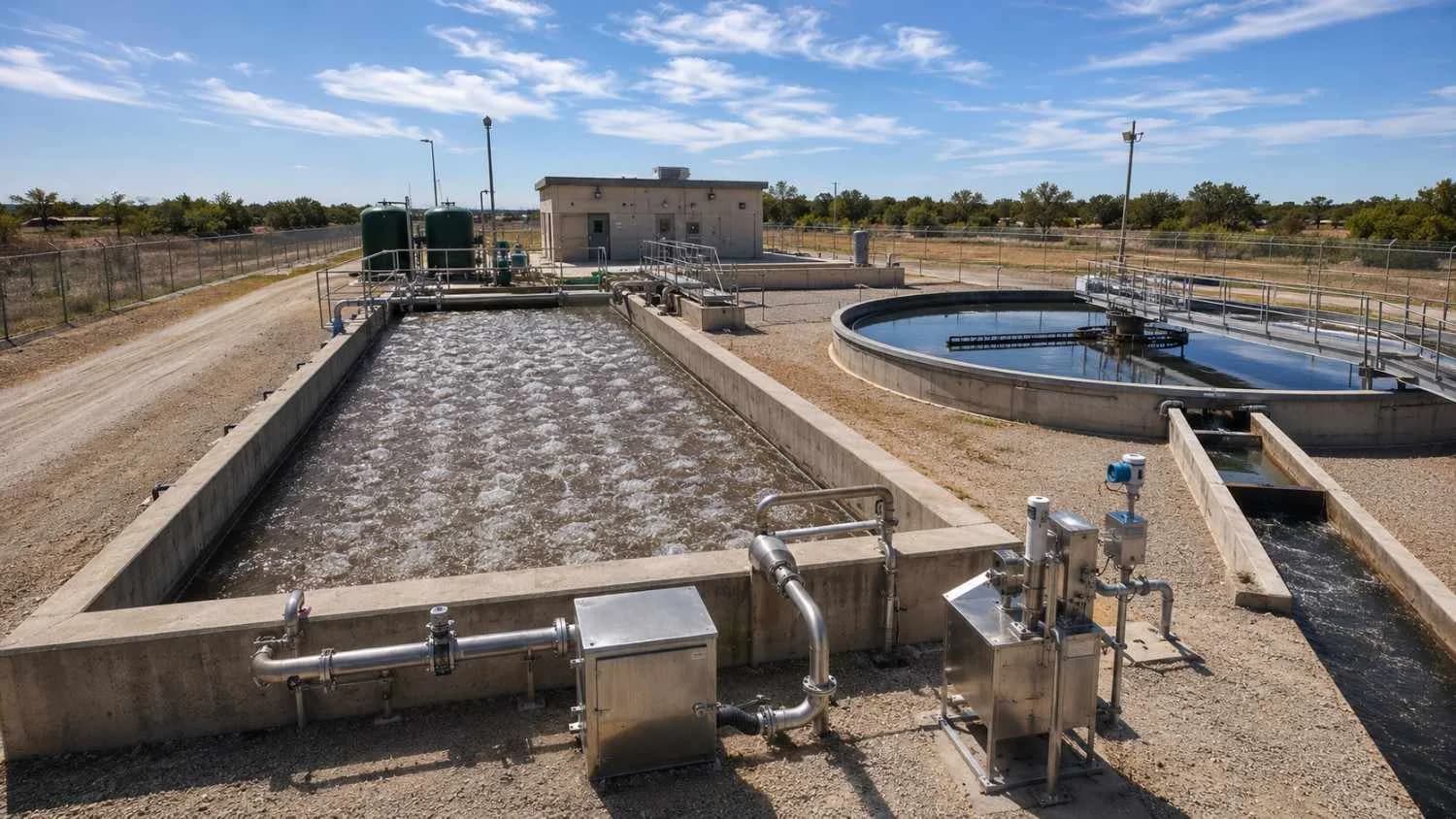
Industrial and municipal TPDES permits share the same regulatory umbrella but operate under different standards. Confusing the two at project start is expensive to undo.
Quick Answer
Both industrial and municipal wastewater discharges in Texas require a Texas Pollutant Discharge Elimination System permit administered by TCEQ. Municipal permits regulate domestic wastewater from residential and commercial sources processed through a publicly or privately owned treatment works. Industrial permits regulate process wastewater, cooling water, washwater, and other non-domestic effluent generated by manufacturing, commercial processing, or industrial operations. The permit limits, monitoring requirements, treatment expectations, and compliance obligations differ substantially between the two categories because the wastewater sources are chemically different, the treatment processes are different, and the potential impacts to receiving waters are different. Selecting the wrong permit strategy at the start of a project affects treatment design, capital cost, operating cost, and your timeline to discharge.
How Municipal TPDES Permits Work and What They Regulate
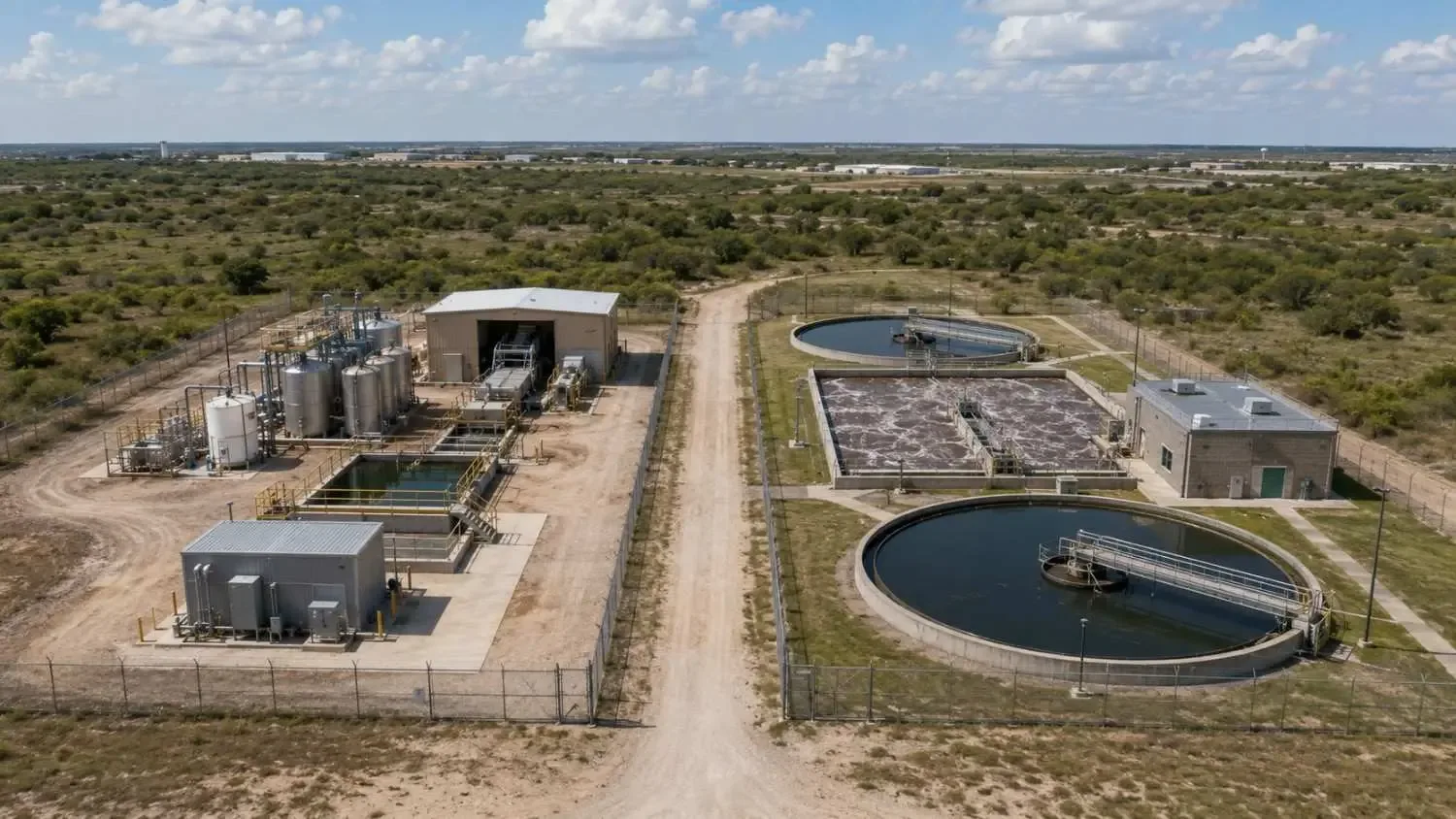
Municipal TPDES permits, formally issued to publicly owned treatment works or their private equivalents, are built around the assumption that the wastewater being treated is predominantly domestic in character. That means the treatment process and the permit limits are calibrated for organic waste, nutrients, bacteria, and the biological oxygen demand generated by human waste, food preparation, and typical commercial activity. The standard parameters monitored under a municipal permit include carbonaceous biochemical oxygen demand, total suspended solids, ammonia nitrogen, dissolved oxygen, pH, and bacteria expressed as E. coli concentration. These parameters are well understood, and the treatment technologies that address them, including activated sludge, extended aeration, membrane bioreactors, and trickling filters, are mature and widely deployed across Texas.
Municipal permit limits are set based on receiving water quality standards under 30 TAC Chapter 307 and the capacity of the receiving stream to assimilate the discharged load. A publicly owned treatment works serving a city of 10,000 people operates under a permit that reflects the predictable character of domestic wastewater and the utility’s obligation to protect public health and receiving water quality simultaneously. The compliance framework for municipal permits includes monthly discharge monitoring reports, annual inspections, operator certification requirements under 30 TAC Chapter 217, and public notification obligations when violations occur.
For municipalities and developers operating private treatment works serving residential subdivisions, the same framework applies. The treatment plant serves a defined population, the wastewater is domestic, and the permit reflects those conditions.
How Industrial TPDES Permits Differ and Why the Chemistry Matters
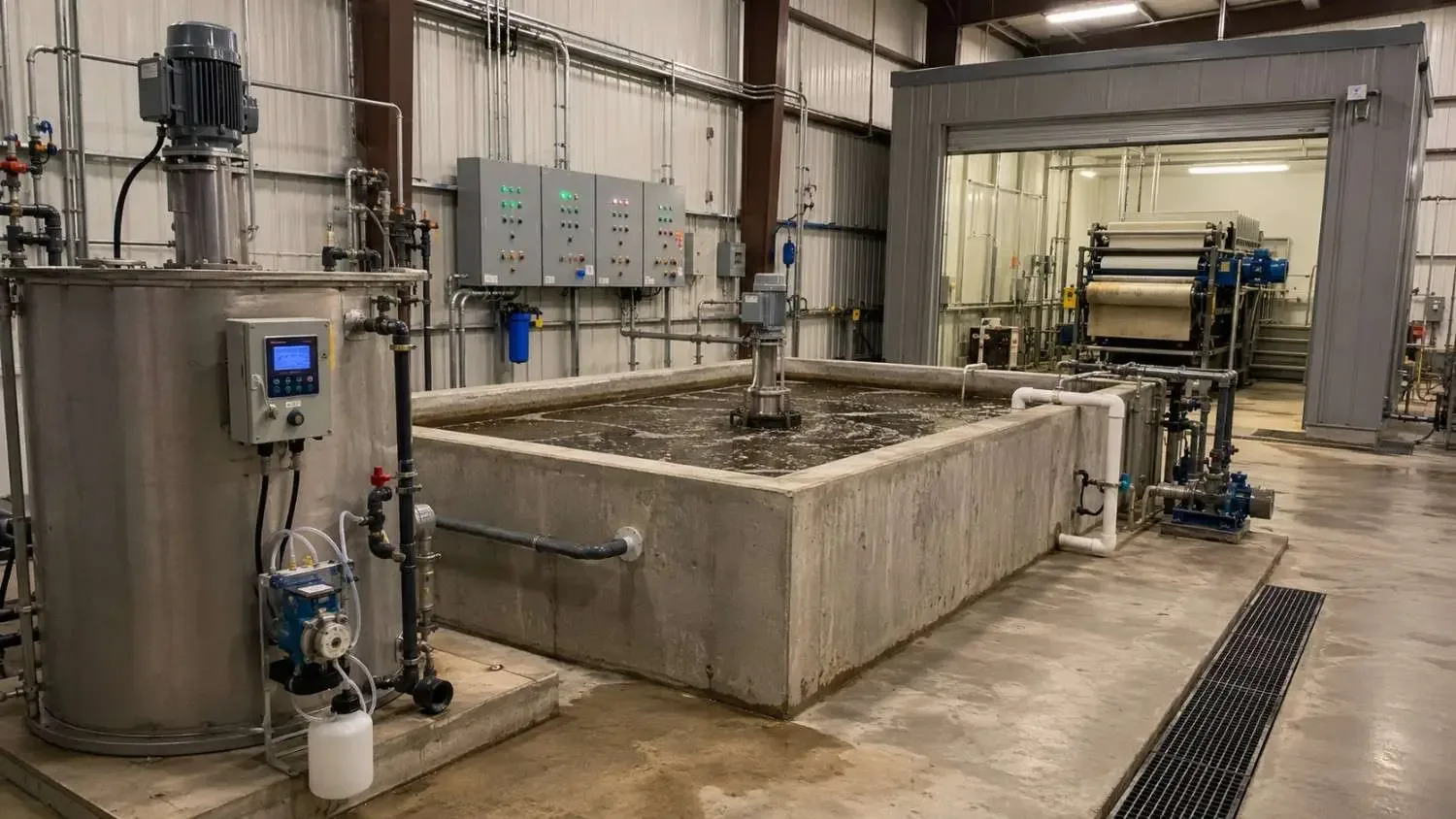
Industrial TPDES permits are built around a completely different premise. The wastewater being regulated may contain heavy metals, elevated temperatures, low or high pH, industrial solvents, process chemicals, suspended solids from manufacturing residues, or high-strength organic waste from food processing operations. The permit parameters are not standardized the way municipal parameters are. They are selected based on the specific industrial processes generating the wastewater and the pollutants those processes introduce. A food processing facility discharging high-strength organic waste with elevated fats, oils, and grease will carry different permit parameters than a metal fabrication facility discharging rinsewater with zinc and chromium, even though both hold industrial TPDES permits.
Industrial permits in Texas are issued under categorical standards when the industry falls within one of the EPA’s effluent limitation guidelines categories established under 40 CFR. Those guidelines set technology-based limits derived from the best available treatment technology for that industrial category, and they establish a floor that the permit must meet regardless of receiving water conditions. For industries not covered by categorical standards, permit limits are developed based on best professional judgment using receiving water quality analysis and site-specific pollutant characterization. The monitoring requirements for industrial permits can be more frequent and more complex than municipal permits, particularly when the wastewater contains parameters that require specialized analytical methods or when the discharge volume and pollutant loading present elevated receiving water risk.
Practical Industrial Examples That Trigger Permit Complexity
Understanding which industrial operations generate non-domestic wastewater helps project teams identify permitting requirements before problems develop.
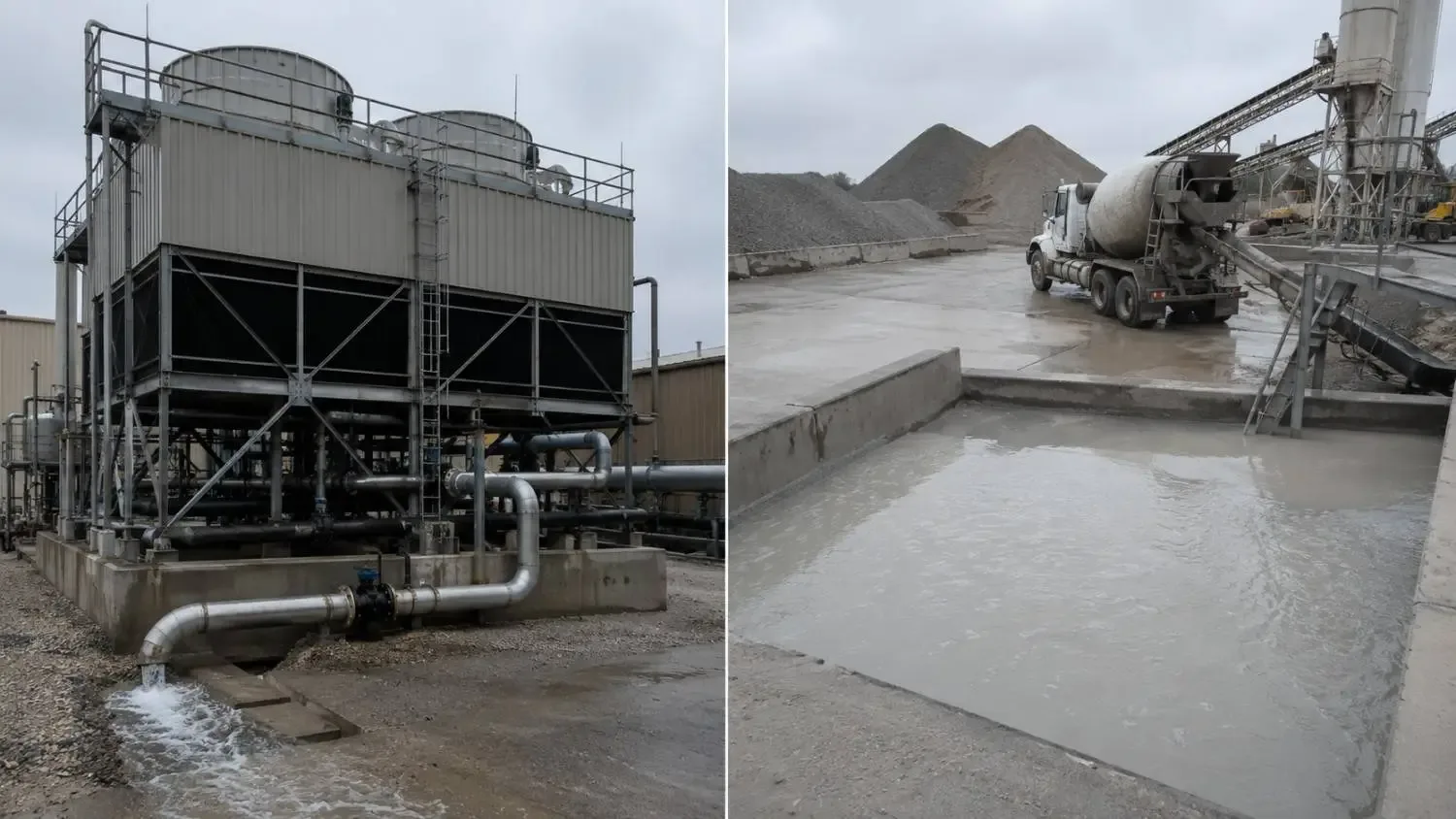
Data centers provide a clear example. Large-scale data center cooling systems discharge blowdown water from cooling towers that may contain elevated total dissolved solids, biocides used to control biological growth in the cooling loop, corrosion inhibitors, and scale control chemicals. That blowdown is not domestic wastewater. It requires characterization and potentially an industrial TPDES permit or a determination of whether it can be discharged to a municipal collection system under an industrial pretreatment agreement.
Food processing facilities generate wastewater with biochemical oxygen demand concentrations that can run five to twenty times higher than domestic wastewater, along with fats, oils, grease, and process chemicals that a standard municipal treatment plant is not designed to handle without pretreatment.
Concrete batch plants and materials processing operations generate high-pH washwater and high suspended solids runoff that require pH adjustment and solids settling before any discharge is permissible. Manufacturing operations with chemical rinse cycles, surface treatment processes, or metal finishing operations generate wastewater streams containing metals and pH extremes that require treatment equipment specifically selected for those characteristics. In each of these cases, assuming that a connection to the nearest municipal sewer solves the problem without evaluating pretreatment requirements is an assumption that will create regulatory and operational conflict with the receiving utility.
Monitoring Requirements, Reporting Obligations, and Compliance Risk
The monitoring and reporting framework under an industrial TPDES permit is frequently more burdensome than what a small municipal permit requires, because the pollutant profile is less predictable and the potential consequences of a discharge event are higher. Industrial permits may require daily monitoring of pH and temperature, weekly sampling of specific process parameters, and monthly or quarterly analysis of metals, priority pollutants, or other constituents tied to the specific industrial process. Discharge monitoring reports must be submitted to TCEQ on the schedule specified in the permit, and data gaps or late submissions carry the same enforcement exposure as exceedances.
The compliance risk profile for industrial permits is also higher in practice because industrial operations can change in ways that municipal operations typically do not. A production line expansion, a new chemical supplier, a change in raw materials, or a modification to a process step can alter the character of the discharge significantly. If those changes produce a wastewater stream that exceeds permit limits or introduces pollutants not covered by the existing permit, the facility is out of compliance regardless of whether it knew the change would affect the discharge. Industrial permittees have an obligation to evaluate process changes for their potential impact on wastewater quality before implementing them, and many facilities manage this through internal environmental review procedures tied to their permit compliance program.
Frequently Asked Questions
Our facility generates both domestic wastewater from restrooms and process wastewater from manufacturing. Do we need two permits?
Not necessarily. Depending on the volume and character of each stream, they may be combined into a single industrial TPDES permit that addresses both components, or the domestic portion may be authorized for discharge to a municipal collection system while the process wastewater is handled under a separate industrial permit or pretreatment agreement. The right approach depends on the volumes involved, the character of the process wastewater, and the capacity of any nearby municipal system to accept the combined flow. An engineering evaluation of both streams before making that determination will save time and avoid a permit strategy that does not fit the actual wastewater.
Can an industrial facility discharge process wastewater to a municipal sewer instead of obtaining its own TPDES permit?
In many cases yes, but it is not as simple as connecting to the sewer. Discharging non-domestic wastewater to a publicly owned treatment works requires an industrial pretreatment permit or agreement with the receiving utility under the EPA’s General Pretreatment Regulations at 40 CFR Part 403. The receiving utility evaluates whether the industrial discharge will interfere with its treatment process, pass through untreated to the receiving water, or create sludge disposal problems. Facilities with wastewater containing metals, high-strength organics, or process chemicals often face pretreatment requirements that involve on-site treatment before the waste ever reaches the municipal sewer.
How do we determine which permit type applies to our project before we start design?
The starting point is a wastewater characterization study that identifies the sources, volumes, and chemical characteristics of every waste stream the facility will generate. That characterization tells you whether the wastewater is domestic in character, industrial in character, or a combination. From there, an engineer familiar with TCEQ permitting can evaluate the applicable permit pathway, estimate likely permit limits based on receiving water conditions or categorical standards, and identify treatment requirements that should be incorporated into the facility design from the beginning rather than added later as a compliance correction.
Related Resources
- Permit Modification vs. Renewal vs. Amendment: When You Need to Change Your Discharge Permit
- Texas Wastewater Pretreatment Permits: What Industrial Facilities Discharging to a POTW Must Know
- EPA Effluent Limitation Guidelines for Industrial Categories
- TCEQ TPDES Industrial and Municipal Permit Program Resources
Evaluating Industrial or Municipal Discharge Permit Requirements for Your Texas Project?
Modern Engineering Solutions works with industrial facilities, commercial developers, municipalities, and engineering teams across Texas to evaluate discharge options, characterize wastewater streams, understand TPDES permit requirements, coordinate with TCEQ, and design treatment systems matched to the actual pollutant profile of the discharge.
We specialize in:
- Industrial and municipal wastewater characterization and TPDES permit pathway evaluation
- Industrial pretreatment program assessment and municipal sewer discharge feasibility
- TPDES permit application preparation and TCEQ coordination for industrial and municipal dischargers
- Treatment system design for process wastewater including metals removal, pH adjustment, and high-strength organics
- Discharge monitoring program design and permit compliance planning for industrial facilities
- Wastewater engineering support for data centers, food processing, manufacturing, and commercial industrial developments
Modern Engineering Solutions, McKinney, Texas and Golden, Colorado. Contact: (214) 833-6748 or mod-eng.com
Keep reading
More to read.
Talk to an engineer
Tell us about your project.
An engineer reads it
Not a salesperson. Someone who can tell you whether the pathway is real.
You get a first answer
Your options, the agencies involved and the questions that decide cost and schedule.
You decide
No commitment to have the first call.
Prefer the phone? (214) 833-6748