

Blog
Stormwater Discharge Permitting for Industrial Facilities: TPDES Industrial Stormwater Permits Explained
Industrial stormwater runoff in Texas is regulated under TXR050000 whether you know it or not. Here is what permit coverage, SWPPPs, and compliance require.
Quick Answer
Industrial facilities in Texas whose stormwater runoff contacts industrial activity areas may be required to obtain coverage under the TPDES Multi-Sector General Permit for stormwater discharges associated with industrial activity, also known as TXR050000. This permit applies to a wide range of industries including manufacturing, materials processing, waste handling, food production, transportation, and other sectors identified in EPA’s stormwater regulations at 40 CFR Part 122. Permit coverage requires development of a Stormwater Pollution Prevention Plan, implementation of best management practices, routine site inspections, monitoring and sampling at outfall locations, employee training, and recordkeeping. Facilities that operate without required coverage or that fail to implement their SWPPP face enforcement exposure from TCEQ that can include notices of violation, administrative penalties, and required corrective action.
How Industrial Stormwater Permits Differ From Other Stormwater Requirements
Industrial stormwater permitting is not the same as construction site stormwater compliance, and it is not the same as managing ordinary site drainage. Construction stormwater permits under TPDES cover temporary land disturbance during building activity and expire when construction is complete. Municipal stormwater programs regulate the collection system and outfalls serving developed areas. Industrial stormwater permits are permanent operating permits tied to the ongoing industrial activity at a specific facility. They do not expire when the building is finished. They apply for as long as the industrial operation is running and stormwater has any potential to contact industrial exposure areas.
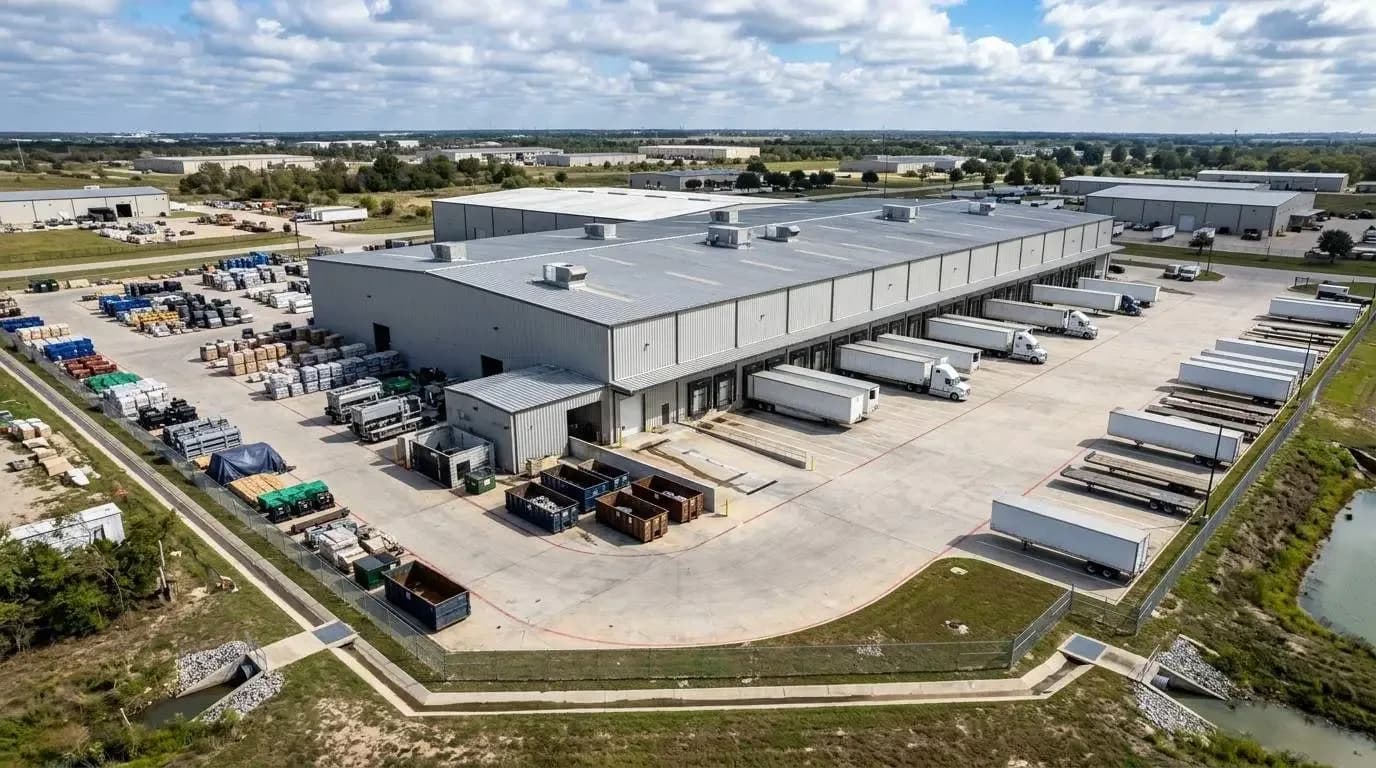
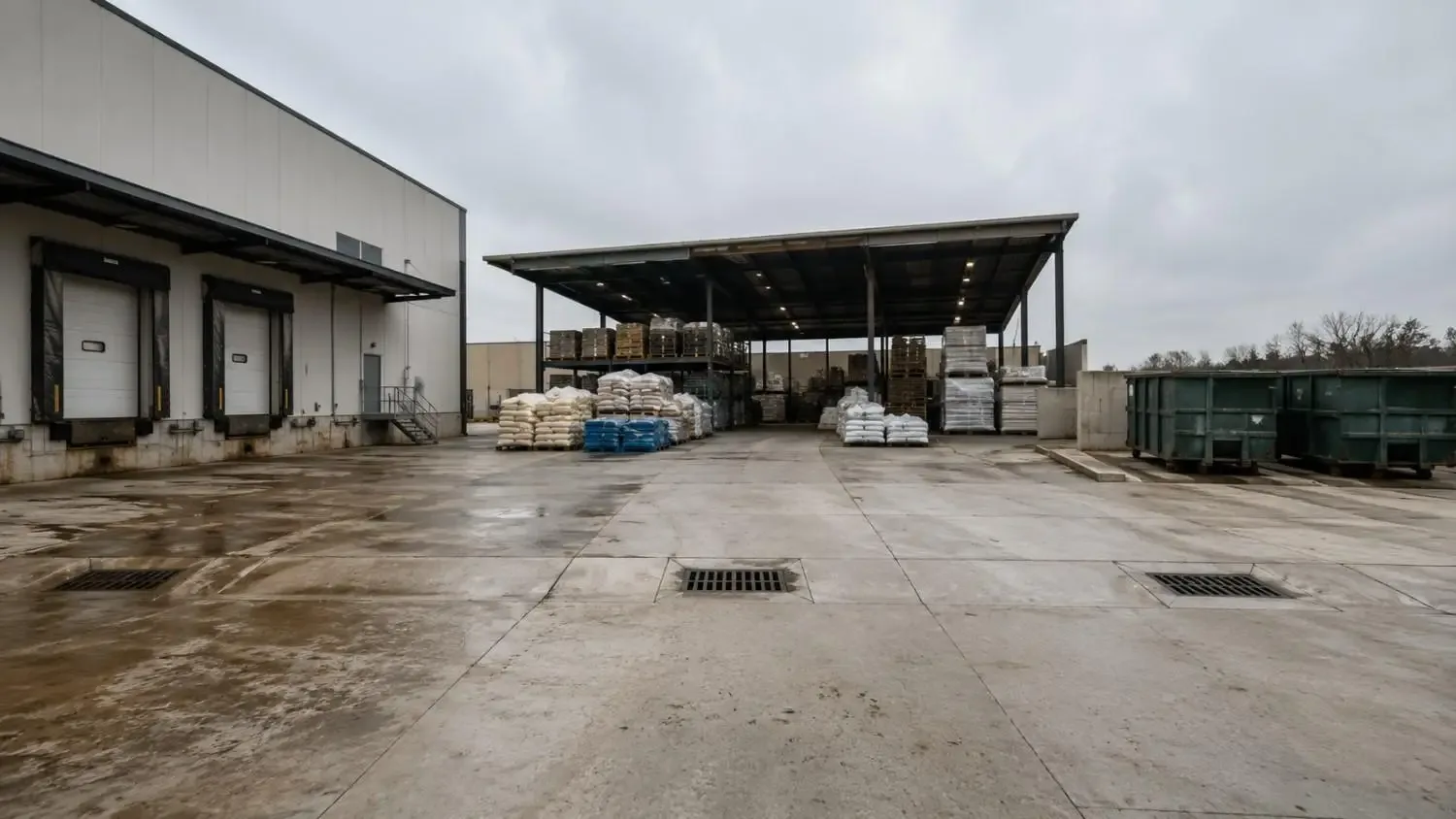
The regulatory trigger under 40 CFR Part 122 is contact between precipitation and industrial activity. That contact does not require a visible pollution event. If stormwater falls on a loading dock, a material storage yard, an outdoor equipment maintenance area, a waste container staging zone, or a process area with any degree of outdoor exposure, it qualifies as stormwater associated with industrial activity and is subject to permit requirements. Many facility operators assume that because their operation is indoors, they do not have a stormwater issue. A single outdoor dumpster pad, a trailer staging area, or a raw material stockpile that sits partially outside a covered structure can establish permit applicability for the entire facility if it falls within a regulated sector.
SWPPP Development and Best Management Practices
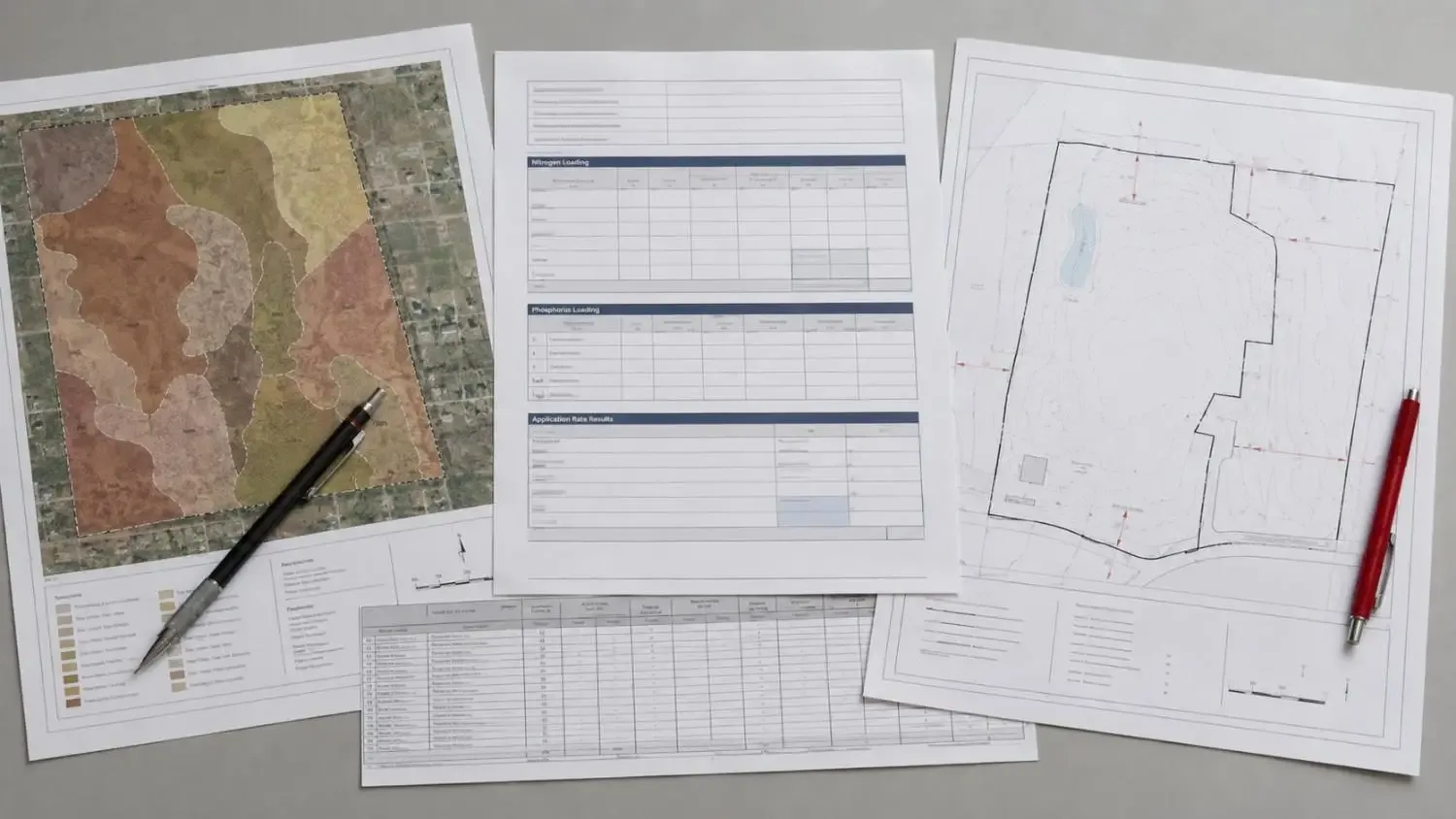
The Stormwater Pollution Prevention Plan is the operational foundation of industrial stormwater permit compliance. The SWPPP documents the facility’s pollution sources, drainage patterns, outfall locations, best management practices selected to control pollutant exposure, inspection protocols, corrective action procedures, and employee training program. It must be site-specific, accurately reflect current facility conditions, and be updated whenever significant changes occur to the facility layout, operations, or drainage infrastructure. A SWPPP that was written five years ago and has not been updated since a facility expansion, a new outdoor storage area, or a change in materials handling is not a compliant document, regardless of how thorough it was when originally prepared.
Best management practices under the permit can include physical controls such as berms, covered storage areas, secondary containment structures, and inlet protection devices, as well as operational controls such as housekeeping schedules, spill response protocols, material handling procedures, and employee training requirements. The selection of best management practices must be tied to the specific pollutant sources identified at the facility. A concrete batch plant with high-pH washwater runoff needs different controls than a food processing facility with organic residue in outdoor wash areas. The SWPPP must reflect those differences and demonstrate that the selected practices are adequate to prevent pollutants from reaching outfalls and discharging off the site.
Monitoring, Sampling, Inspections, and Reporting
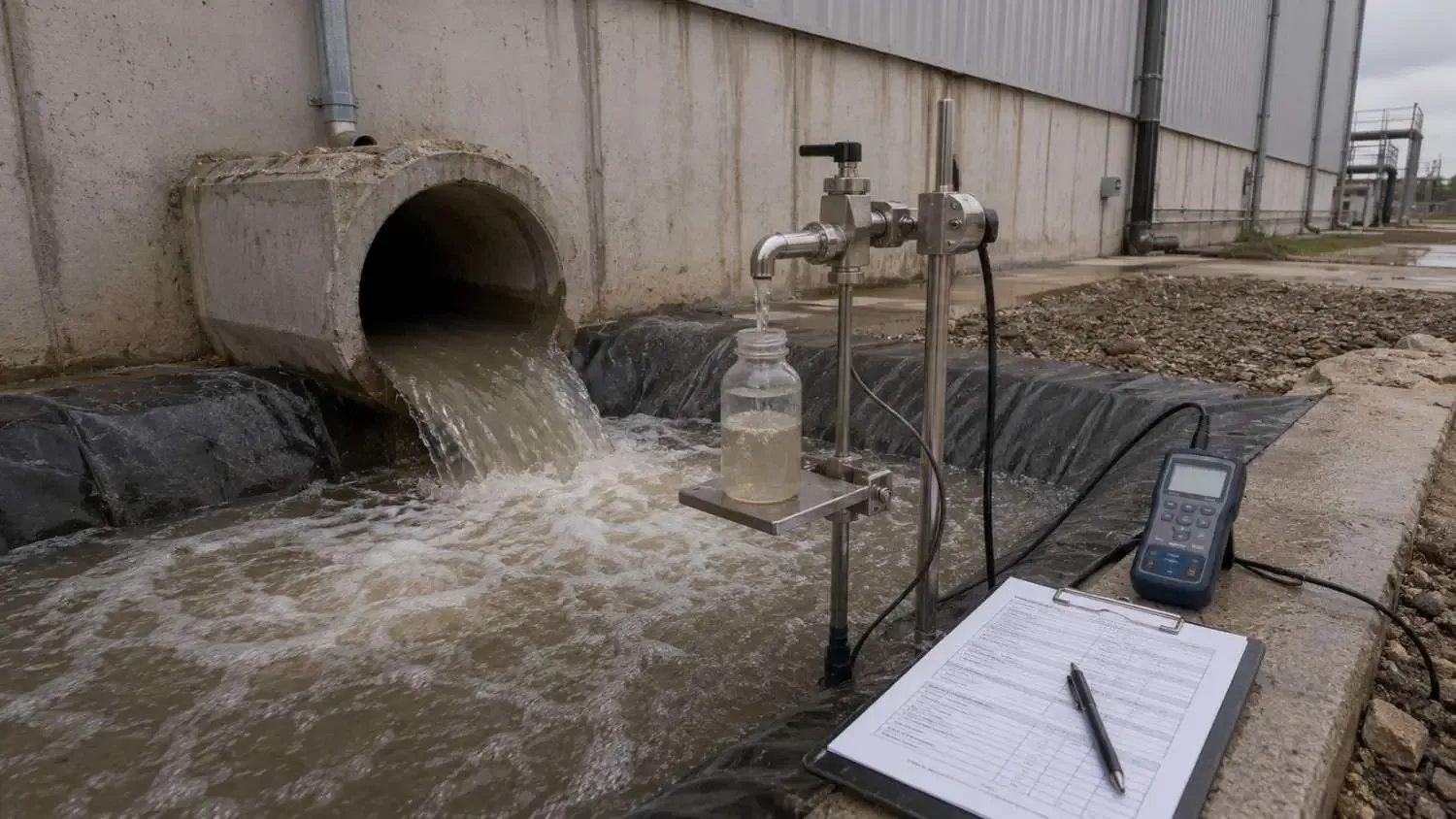
Industrial stormwater permits under TXR050000 include monitoring and sampling requirements that vary by sector. Some sectors require quarterly visual monitoring of stormwater discharges from outfalls, while others require analytical sampling to measure specific pollutant parameters such as pH, total suspended solids, chemical oxygen demand, or sector-specific parameters tied to the industrial activity. Benchmark monitoring values established in the permit provide performance targets, and exceedances trigger a required corrective action response documented in the SWPPP records.
Routine site inspections are required under the permit on a defined schedule, and those inspections must be documented with written records that identify observations, corrective actions taken, and the name of the individual conducting the inspection. The permit requires annual comprehensive site compliance evaluations that review the entire SWPPP for accuracy and adequacy. All inspection records, monitoring results, training documentation, and corrective action records must be retained on site and made available to TCEQ inspectors upon request. The most common violations found during TCEQ industrial stormwater inspections are not dramatic pollution events. They are documentation failures: missing inspection records, SWPPPs that do not reflect current facility conditions, and evidence of uncontrolled runoff from areas that were not identified as exposure zones in the plan.
SPCC Planning and Related Compliance Considerations
Facilities that store oil or hazardous materials above threshold quantities may also be subject to Spill Prevention, Control, and Countermeasure planning requirements under 40 CFR Part 112. SPCC plans address the prevention of oil spills that could reach navigable waters or adjoining shorelines and establish secondary containment, inspection, and response requirements for oil storage areas. While SPCC and TPDES industrial stormwater are separate regulatory programs, they address overlapping facility areas, and the physical controls required under SPCC (including secondary containment for oil storage tanks, berms around fuel dispensing areas, and covered storage for drums and totes) directly support stormwater pollution prevention as well. A facility that reviews its stormwater exposure areas carefully will often find that the same outdoor zones triggering stormwater permit applicability also require SPCC attention.
Frequently Asked Questions
Our facility is mostly indoors. Do we still need a TPDES industrial stormwater permit?
Permit applicability depends on whether any industrial activity occurs in areas with outdoor exposure to precipitation. A loading dock, an outdoor waste container area, a truck staging zone, or any raw material storage with partial outdoor exposure can establish permit applicability even for a predominantly indoor operation. The evaluation should look at all areas where industrial activity occurs relative to the facility’s drainage patterns and potential discharge points.
What happens if TCEQ inspects our facility and we do not have required permit coverage?
Operating without required TPDES industrial stormwater permit coverage is a violation of the Texas Water Code. TCEQ can issue a notice of violation, require immediate corrective action including retroactive permit application, and assess administrative penalties based on the duration and severity of the unpermitted discharge. Obtaining permit coverage immediately upon identifying the gap and documenting corrective actions taken is the appropriate response. Proactive self-disclosure generally produces better enforcement outcomes than waiting for TCEQ to escalate.
How often does the SWPPP need to be updated?
The SWPPP must be updated whenever there are significant changes to facility operations, layout, materials handled, drainage infrastructure, or ownership. It must also be reviewed annually as part of the comprehensive site compliance evaluation required under the permit. A SWPPP that no longer accurately reflects current facility conditions is a compliance deficiency that TCEQ will note during an inspection, regardless of how well the document was prepared originally.
Related Resources
- Industrial vs. Municipal Discharge Permits in Texas: Different Standards, Monitoring, and Compliance
- Permit Modification vs. Renewal vs. Amendment: When You Need to Change Your Discharge Permit
- TCEQ TPDES Multi-Sector General Permit for Industrial Stormwater TXR050000
- EPA Industrial Stormwater Program and Sector-Specific Requirements
Evaluating Industrial Stormwater Permit Requirements for Your Texas Facility?
Modern Engineering Solutions works with industrial facilities, manufacturers, commercial property owners, and environmental compliance teams across Texas to evaluate stormwater permit applicability, prepare site-specific SWPPPs, review drainage and exposure areas, coordinate TPDES stormwater compliance, and reduce inspection risk.
We specialize in:
- TPDES industrial stormwater permit applicability evaluation and TXR050000 coverage coordination
- Site-specific Stormwater Pollution Prevention Plan preparation and annual update support
- Outfall identification, drainage mapping, and best management practice selection for industrial sites
- Monitoring program design and benchmark exceedance corrective action planning
- SPCC plan coordination for facilities with oil and hazardous material storage
- Industrial stormwater compliance review and inspection preparedness for Texas manufacturing and processing facilities
Modern Engineering Solutions, McKinney, Texas and Golden, Colorado. Contact: (214) 833-6748 or mod-eng.com
Keep reading
More to read
- Knowing When to Fold: How Kiosk Operators Can Spot a Stalled Permit and Redeploy Before More Design Hours Are Spent
- Still Fixing Your Team's Drawings? How Engineering Leaders Stop Heroic Engineering and Get Their Time Back
- When does a Texas development need a municipal utility district (MUD), and what comes before the TCEQ petition?
Talk to an engineer
Tell us about your project
An engineer reads it
Not a salesperson. Someone who can tell you whether the pathway is real.
You get a first answer
Your options, the agencies involved and the questions that decide cost and schedule.
You decide
No commitment to have the first call.
Prefer the phone? (214) 833-6748