Quick Answer
A Phase II MS4 permit (Municipal Separate Storm Sewer System permit) is a TCEQ stormwater permit issued to smaller cities, counties, school districts, utility districts, and other public entities that own or operate storm sewer systems discharging to waters of the state. The permit does not authorize a physical discharge the way a TPDES wastewater permit does. It requires the permit holder to develop and implement a Stormwater Management Program built around six minimum control measures, document implementation activities throughout the permit term, submit annual reports to TCEQ, and maintain a compliance posture that can be demonstrated on demand. MS4 compliance is not a one-time task. It is an ongoing program obligation that requires consistent attention across multiple municipal departments for the life of the permit.
Who Holds a Phase II MS4 Permit in Texas
Phase II MS4 permit coverage in Texas applies to operators of regulated small MS4s: municipal storm sewer systems that are not already covered under a Phase I permit, which applies to larger cities. TCEQ has designated regulated small MS4s based on a combination of geographic location, urbanized area boundaries, and population. The regulated universe includes small cities and towns, counties, transit authorities, school districts serving urban or suburban areas, military bases, state agencies, utility districts, and other public entities that own storm drainage infrastructure discharging to state waters.
If a public entity is designated as a regulated small MS4 in Texas, it must obtain coverage under the Texas Multi-Sector General Permit for Phase II MS4s or an individual TCEQ MS4 permit and implement an approved Stormwater Management Program. Operating a regulated MS4 without coverage or without an implemented stormwater program is a violation of the Texas Water Code subject to TCEQ enforcement.
The Six Minimum Control Measures
TCEQ’s Phase II MS4 permit framework requires regulated entities to implement a Stormwater Management Program built around six minimum control measures. Each measure has specific implementation requirements and must be documented continuously throughout the permit term.
Public Education and Outreach. The permit requires the MS4 operator to distribute educational materials and conduct outreach activities informing residents, businesses, and the public about the impacts of stormwater pollution. This means documented outreach campaigns, not a general awareness that stormwater is a concern. Common approaches include bill inserts, website content, social media posts, school programs, and printed materials distributed at public facilities. The key word is documented. TCEQ expects evidence of outreach activities in the annual report, not a description of what the entity intends to do.
Public Involvement and Participation. The permit requires involving the public in developing, implementing, and reviewing the Stormwater Management Program. Public meetings, comment periods on program updates, and volunteer opportunities such as storm drain marking programs all qualify. Documentation of participation activities and attendance or engagement records belongs in the program file.
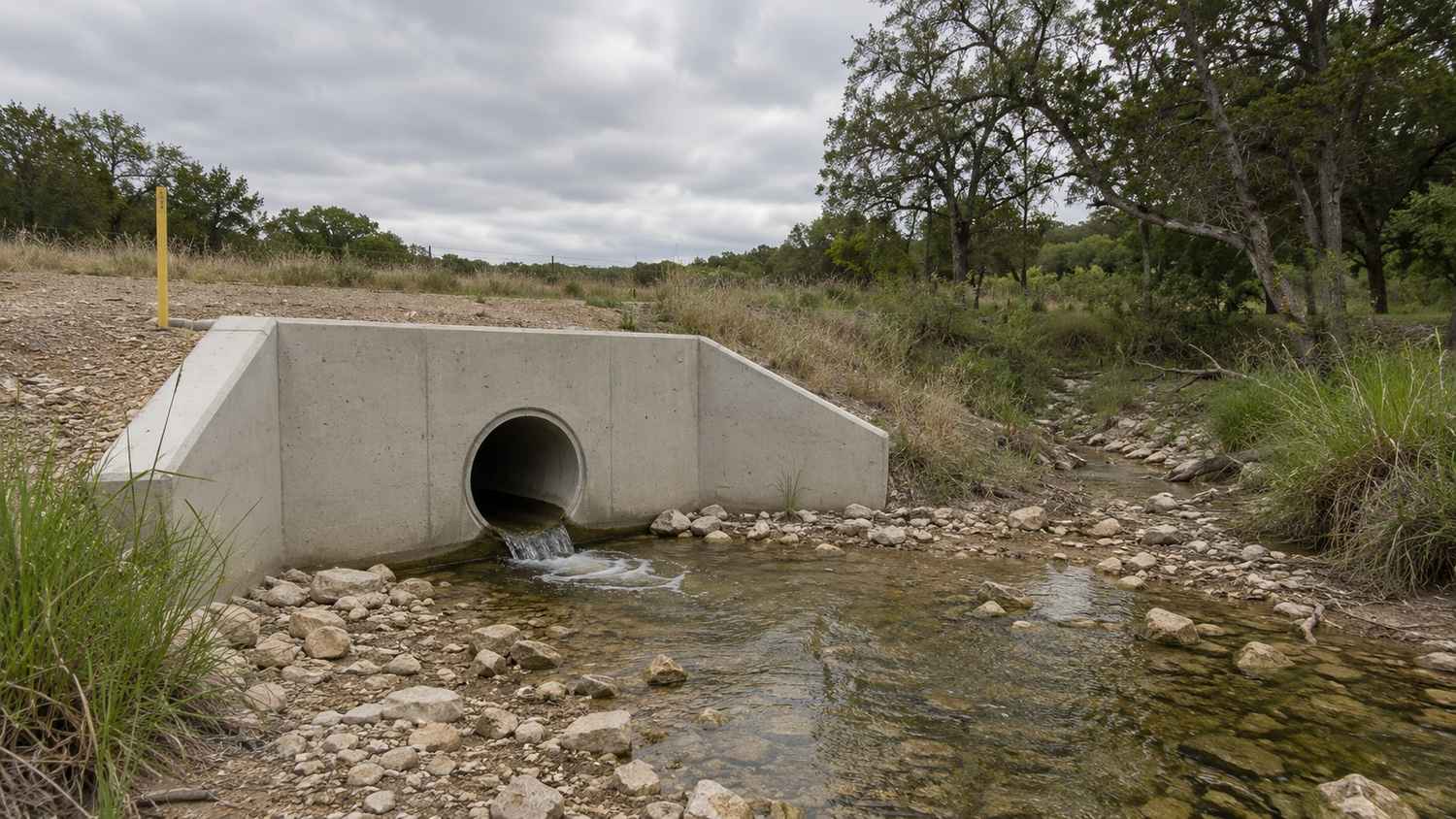
Illicit Discharge Detection and Elimination. TCEQ requires MS4 operators to develop and implement a program to detect and eliminate illicit discharges (non-stormwater flows entering the storm sewer system that should not be there, such as sanitary sewage, wash water, or industrial effluent). This requires mapping the MS4 outfalls, establishing procedures for investigating potential illicit discharges when identified, training staff to recognize and respond to illicit connections, and documenting investigations and corrective actions taken. Many small Texas MS4 operators have not completed their outfall mapping. That gap becomes visible during permit renewal.
Construction Site Runoff Control. The permit requires procedures for controlling stormwater runoff from construction sites within the MS4’s jurisdiction. This means reviewing construction sites for erosion and sediment controls, conducting site inspections, and taking enforcement action when construction activities create significant stormwater pollution risk. Local ordinances or standard conditions requiring construction site operators to implement and maintain best management practices are the typical mechanism. Documentation of site inspections and any enforcement actions is required.
Post-Construction Stormwater Management. The permit requires the MS4 operator to address stormwater quality in new development and redevelopment after construction is complete. This means adopting ordinances or other regulatory mechanisms that require long-term stormwater quality controls in development projects, and ensuring those controls are maintained through the life of the development. Many small Texas cities address this through development standards that require detention, water quality features, or other post-construction controls as conditions of plat approval or building permits.
Pollution Prevention and Good Housekeeping. The permit requires the MS4 operator to implement an operations and maintenance program for municipal facilities and activities that reduces or prevents pollutants in stormwater runoff from those operations. This includes municipal vehicle maintenance facilities, materials storage yards, parks maintenance activities, street sweeping programs, and drainage system maintenance. Staff training, written procedures, and records of maintenance activities are all part of the documentation record TCEQ expects to see.
Why Documentation Is Where Most Small MS4s Fall Short
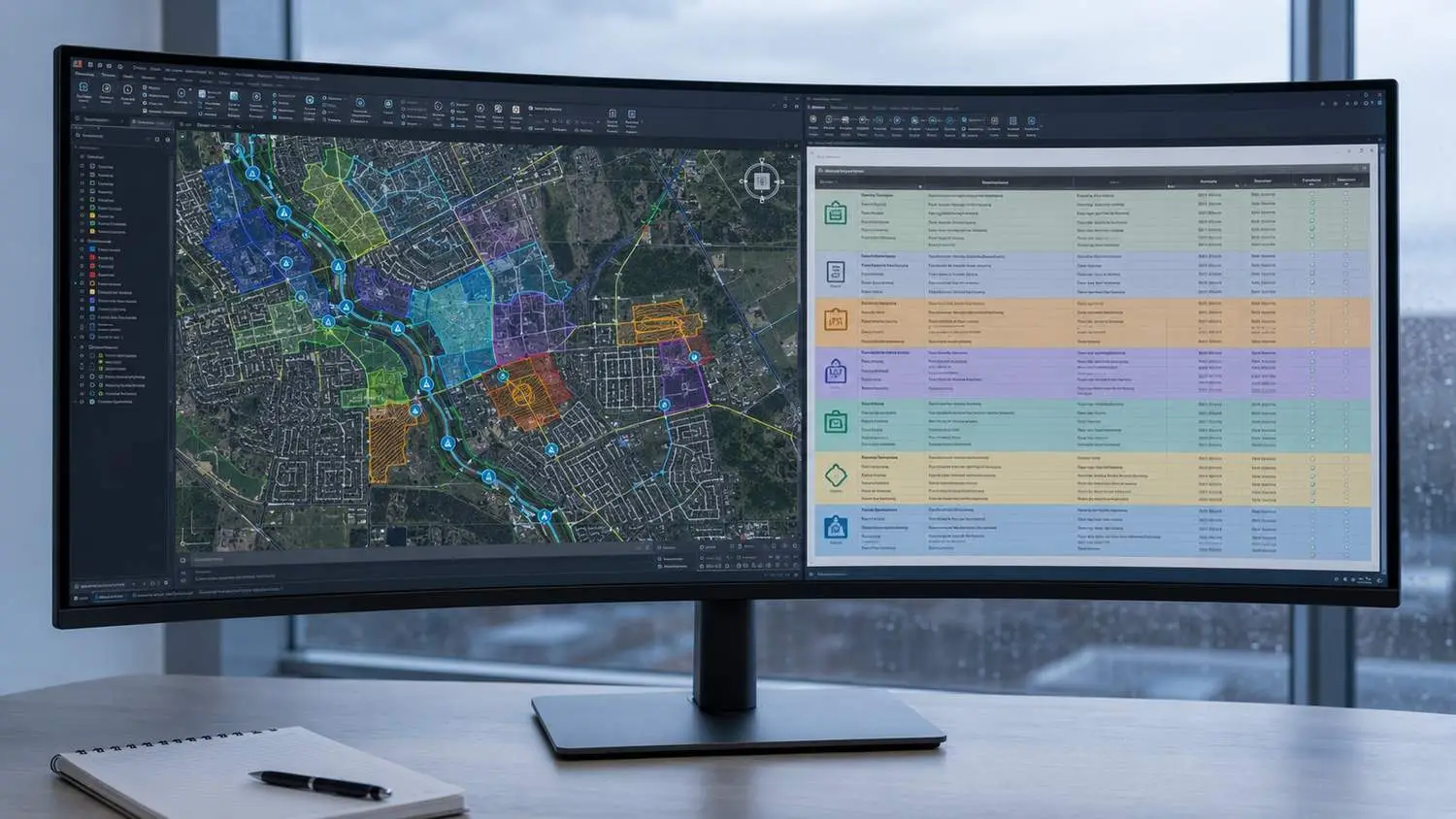
The minimum control measure activities described above are manageable for a small Texas city or public entity. What is consistently problematic is the documentation and tracking that converts those activities into a defensible compliance record.
Public works staff who sweep streets, inspect construction sites, and respond to illicit discharge complaints are doing the work that the permit requires. The failure point is that the work is not being recorded in a way that supports the annual report or demonstrates compliance during a TCEQ audit. A street sweeping program that happens but is not logged produces no compliance record. An illicit discharge investigation that was resolved but not documented produces no compliance record. A construction site inspection conducted informally without a written field report produces no compliance record.
The annual report submitted to TCEQ requires specific accounting of activities under each minimum control measure. An annual report that says “public education activities were conducted” without identifying what was done, when, and how many people were reached does not satisfy the reporting requirement. Gaps in the annual report trigger TCEQ questions. Repeated gaps or missing reports generate notices of violation.
What the Permit Renewal Cycle Requires
Phase II MS4 permits in Texas are issued under the general permit framework with defined permit terms. When the permit term ends, the entity must submit a renewal notice of intent and may need to update its Stormwater Management Program to reflect current conditions, updated regulatory requirements, or TCEQ program guidance that has changed since the original program was adopted.
Entities that have consistently documented their program activities throughout the permit term and submitted complete annual reports are in a strong position at renewal. Entities that have sparse records, missed annual reports, or stormwater programs that have not been updated since initial permit coverage are in a weaker position, and renewal review may require corrective action before the permit continues.
Starting the renewal preparation process at least six months before the permit term expires allows time to compile the documentation record, update the Stormwater Management Program, and address any gaps that the documentation review reveals before they become issues in TCEQ’s renewal evaluation.
Frequently Asked Questions
Does every Texas city need a Phase II MS4 permit?
No. Phase II MS4 permit coverage applies to operators of regulated small MS4s designated by TCEQ based on urbanized area boundaries and other criteria. Small cities and public entities outside designated urbanized areas are typically not required to obtain Phase II coverage. Entities uncertain about their regulated status should confirm with TCEQ or consult an engineer familiar with Texas MS4 designation criteria.
Can a small Texas city satisfy all six minimum control measures without a dedicated stormwater staff position?
Yes, with appropriate planning and documentation support. Many small Texas cities implement their Stormwater Management Program through existing public works staff performing activities that already happen (street maintenance, construction site oversight, facility housekeeping) with added documentation practices. The challenge is not the activity burden. It is establishing the tracking and reporting systems that convert those activities into a usable compliance record.
What happens if a small Texas MS4 operator misses an annual report?
A missed annual report is a permit violation. TCEQ may issue a notice of violation requiring the entity to submit the overdue report and explain the circumstances. Repeated missed reports or patterns of incomplete reporting can lead to enforcement actions and administrative penalties. The annual report deadline is defined in the permit, and entities should track it on the same calendar as other regulatory obligations.
Related Resources
- Municipal TPDES Permitting: What Texas Cities and Utility Providers Need to Know
- Capital Improvement Planning for Small Municipalities: Where to Start When You Don’t Know Where to Start
- 5 Common Wastewater Hydraulic Modeling Mistakes That Kill Project Budgets
- Texas Land Development Application Process
Need Phase II MS4 Permit Compliance Support for Your Texas City or Public Entity?
Modern Engineering Solutions works with small Texas cities, counties, school districts, and utility districts to develop stormwater management programs, establish documentation systems, and prepare annual reports that demonstrate compliance under Phase II MS4 permit requirements.
We specialize in:
- Phase II MS4 permit compliance support for small Texas cities, counties, school districts, and utility districts
- Stormwater Management Program development and documentation systems
- MS4 annual report preparation and TCEQ submittal support
- Illicit discharge detection and elimination program setup including outfall mapping
- Construction site runoff control program development and inspection documentation
Modern Engineering Solutions, McKinney, Texas and Golden, Colorado. Contact: (214) 833-6748 or mod-eng.com
Share via: