
Texas Chapter 210 Reclaimed Water Permits: Type I vs. Type II and When You Need One
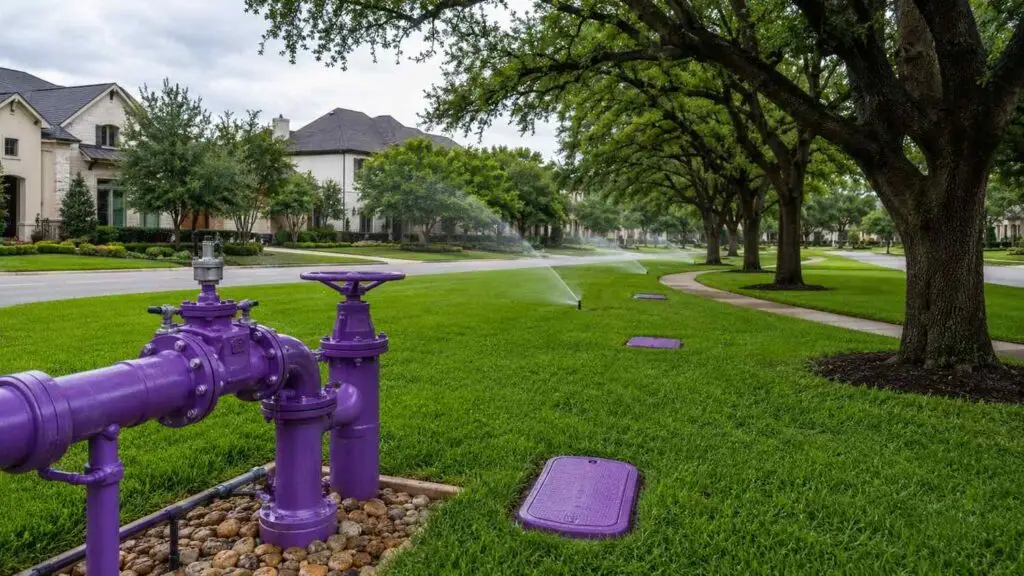
Texas is running out of water. Not next century. Now.
Aquifers supplying Dallas, San Antonio, and hundreds of smaller communities are being drawn down faster than they recharge. State population projections show millions of new residents arriving over the next two decades, and the infrastructure to serve them is already strained.
One solution has been on the books since 1997. Under 30 TAC Chapter 210, Texas authorizes the treatment and beneficial reuse of domestic and municipal wastewater for non-potable applications including residential irrigation, golf course maintenance, dust control, and industrial cooling. It is one of the most practical tools available to developers, municipalities, and utilities navigating Texas water scarcity, and one of the most overlooked.
The framework splits permitted uses into two categories: Type I and Type II. The category your project falls into determines your treatment standards, your operational restrictions, and whether your TCEQ application moves quickly or stalls. Here is what you need to know.
Phase II MS4 Permits: What Small Texas Cities and Public Entities Need to Know

Most small Texas cities and public entities that hold a Phase II MS4 permit got it years ago, filed the initial paperwork, and moved on. Then the permit renewal cycle arrives, the annual report is due, and someone on staff is trying to reconstruct two years of stormwater program activity from a folder that does not have much in it. That is not a compliance program. It is a documentation problem that becomes an enforcement risk.
Reuse vs. Discharge: Which Wastewater Strategy Fits Your Texas Development?
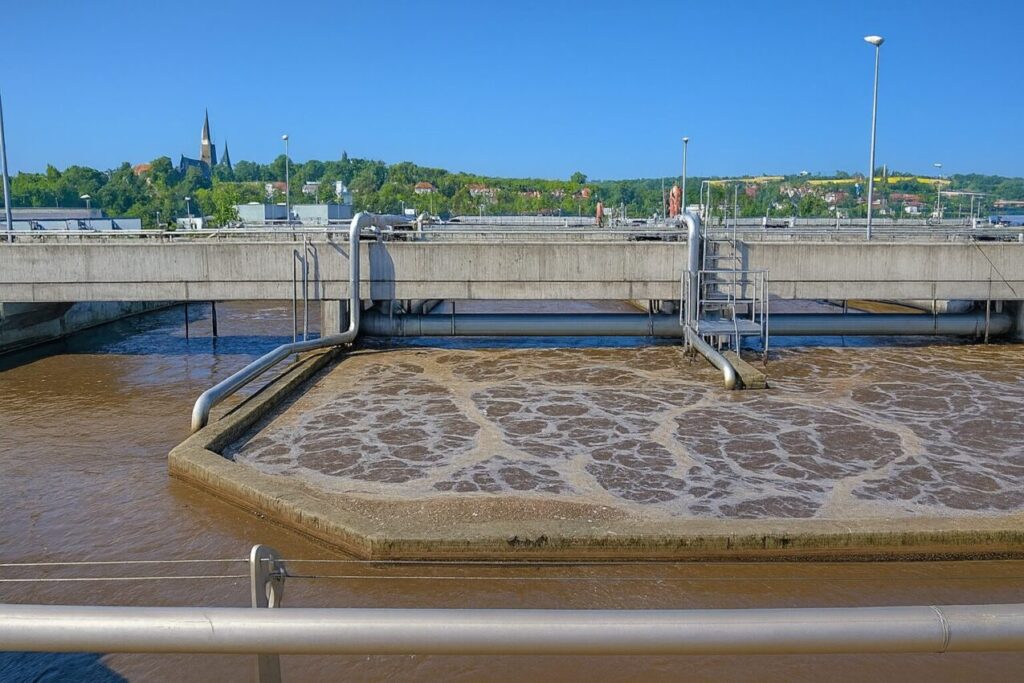
Every Texas developer faces the same critical decision: discharge treated wastewater into streams or set up reuse for local farms and businesses. This choice impacts everything from permit timelines to project costs. Getting it wrong can destroy your timeline and budget.
Real-Time Water Quality Monitoring Using Proteus Fluorescence Technology
In this episode, we engage with Michael Malone from Proteus, who provides comprehensive insights into advanced water quality monitoring solutions that transform environmental assessment and regulatory compliance. We explore how fluorescence-based sensor technology brings proven laboratory analysis capabilities directly to field applications, enabling real-time monitoring across diverse water systems. These innovations eliminate traditional sampling delays while providing continuous data streams essential for process control, regulatory reporting, and pollution source identification. Join us as we examine how Proteus technology addresses critical monitoring challenges facing municipal operators, environmental consultants, regulatory agencies, and industrial facility managers.
Why Does My Community Have Brown Water?
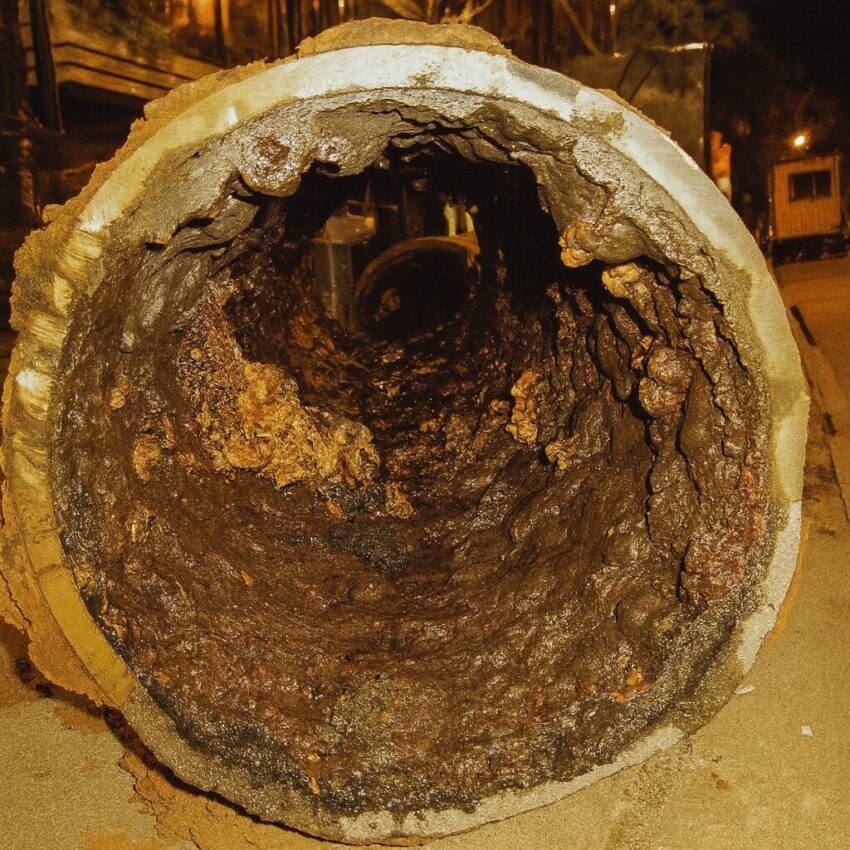
Brown water from your tap is one of those problems that looks worse than it usually is. When residents see discolored water, they understandably worry about safety and quality. The truth is, most brown water comes from fairly simple causes within our aging water systems. Understanding these causes helps communities push for the right fixes and know when to actually be concerned.
Managing Colorado’s Aging Water Infrastructure Using Key Strategies
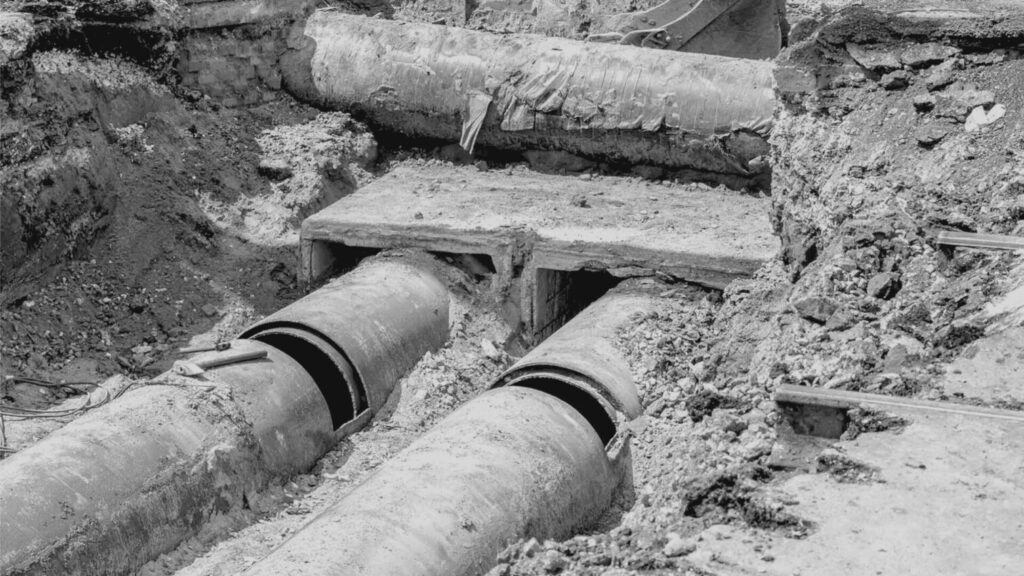
In communities across America, water infrastructure installed during the Johnson and Nixon administrations continues to serve as the backbone of local water supply systems. These aging networks, now approaching or exceeding their 50-year design life, present significant challenges for operators, engineers, and municipal leaders. A recent conversation with a rural Colorado water system operator offers valuable insights into effective management strategies that balance technical, financial, and community considerations.
Public Water System Design and Implementation in Texas

Designing a new public water system in Texas requires a careful balance of hydraulic design, regulatory compliance, and construction best practices.
Cutting-Edge Water Treatment Solutions: Mixers, Polymers, and Chloramines

Welcome to our recent episode of Engineers for Communities, where we dive into innovative water treatment technologies. Today, we are excited to share our conversation with David Stanton from Cleanwater1. David introduced us to some fantastic tools that are changing the game for water utilities, big and small. From innovative mixers that keep water fresh in storage tanks to cost-saving polymer systems in wastewater management, and even on-site chlorine generation for safer water treatment, we are covering it all. These advancements are not just about improving water quality; they are also about making these processes more economical and efficient for communities and industries. Let us explore how Cleanwater1 is leading the way in smart, sustainable water treatment solutions.
All You Need to Know About America’s Aging Water Infrastructure Crisis

America’s aging water infrastructure is facing a multitude of challenges that demand our attention and innovative solutions. From aging pipes to water contamination, the issues are diverse, and the consequences can be far-reaching. In this article, we will explore some of the key challenges and potential solutions for our water systems.
Denver Water: Accelerating Lead Service Line Replacement via BIL Funding

Clean water is a must for everyone. Despite delivering lead-free drinking water through the water main, lead can still enter the drinking water of customers with lead service line pipes and fixtures located on their property. Lead in drinking water is a significant health concern, especially for babies, youth, and pregnant women.
HDPE Pipe: The Superior Choice for Small Pipeline Installation

For the longest time in my engineering career, I did not really know what HDPE pipe was. I heard about it from random salesmen pitching at lunch, or about how some 96-inch Dallas Water Utility HDPE transmission line failed and they would never use HDPE again. Recently, especially after designing and implementing HDPE pipe across over 5 miles of the 4-inch distribution system at Arabian Acres and watching various sizes installed for an industrial run-off on BNSF sites in Wyoming, I have grown to see it as the superior product for small pipeline installation. For pipelines 12 inches and under, HDPE seems like a no-brainer.