
Construction General Permit TXR150000: What Texas Developers Need to Know Before Moving Dirt
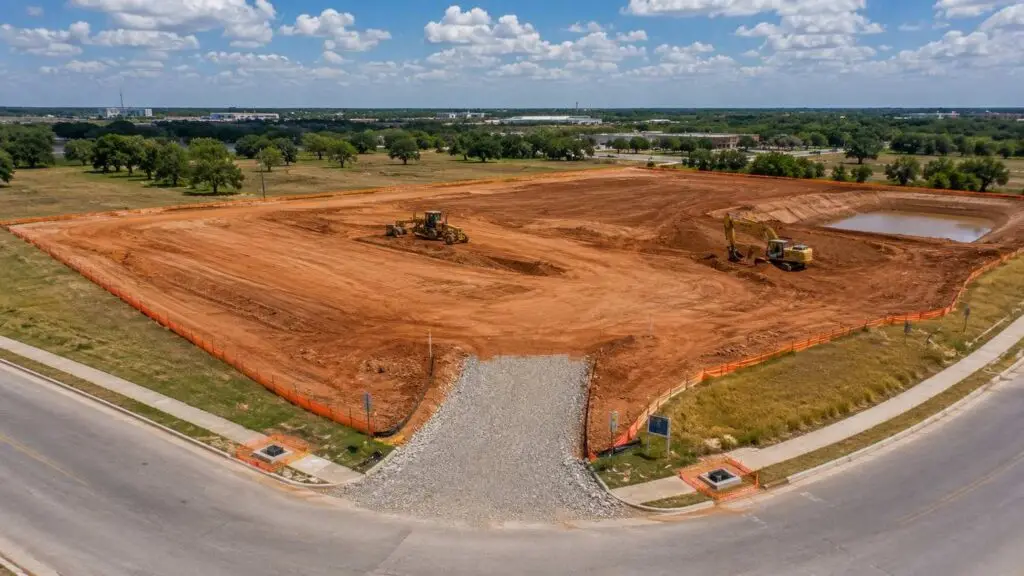
Most Texas developers know they need a building permit before construction starts. Many do not realize they also need stormwater construction permit coverage before a single acre of dirt is disturbed. Moving dirt without that coverage is a TCEQ violation. It is also preventable.
Phase II MS4 Permits: What Small Texas Cities and Public Entities Need to Know
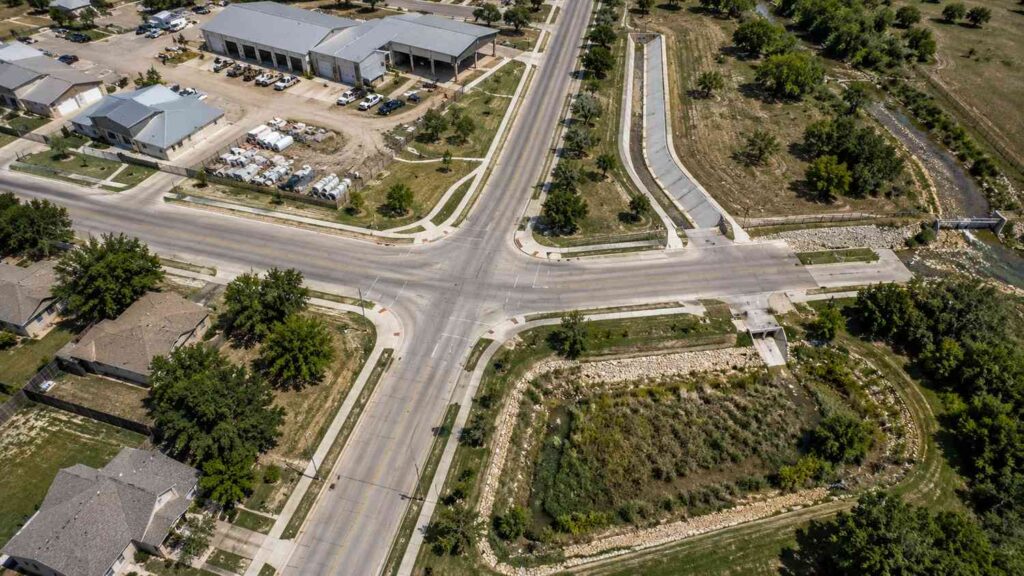
Most small Texas cities and public entities that hold a Phase II MS4 permit got it years ago, filed the initial paperwork, and moved on. Then the permit renewal cycle arrives, the annual report is due, and someone on staff is trying to reconstruct two years of stormwater program activity from a folder that does not have much in it. That is not a compliance program. It is a documentation problem that becomes an enforcement risk.
What You Should Know About Rainwater Collection Systems for Texas Communities
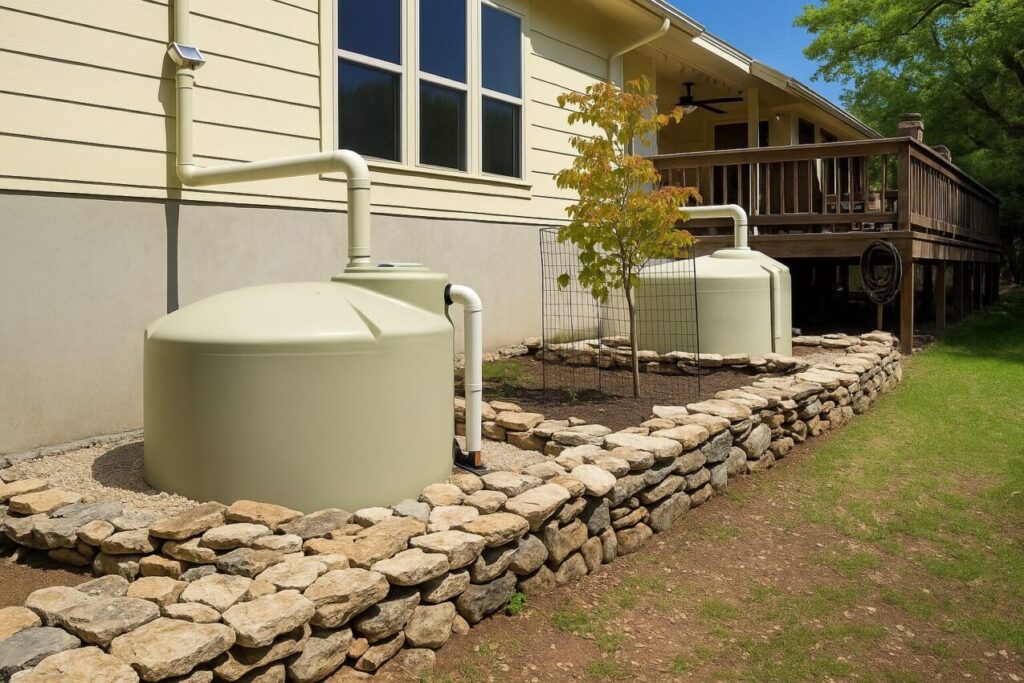
Texas weather plays by its own rules. When drought hits, cities watch their water bills climb alongside soaring tap fees and in some communities, new water taps are not being issued at all. When storms roll through, valuable rainwater rushes down storm drains instead of filling storage tanks. More Texas communities are turning this wasted resource into a budget-saving opportunity, especially where water access has become restricted.
Revitalize Your Community with the USDA Water & Waste Disposal Loan & Grant Program in Texas
Navigating the waters of rural water and sewer systems can be challenging. But did you know that there is a funding mechanism available to help improve your community’s water infrastructure? The Texas Water Development Board’s Drinking Water State Revolving Fund (DWSRF) Loan Program could be the key to unlocking significant improvements in your water and sewer services. Here’s what you need to know.
Unlocking the Potential of the Drinking Water State Revolving Fund (DWSRF) for Your Rural Water Community
Navigating the waters of rural water and sewer systems can be challenging. But did you know that there is a funding mechanism available to help improve your community’s water infrastructure? The Texas Water Development Board’s Drinking Water State Revolving Fund (DWSRF) Loan Program could be the key to unlocking significant improvements in your water and sewer services. Here’s what you need to know.
Unlocking Funding Opportunities: The Texas Water Development Board’s Clean Water State Revolving Fund (CWSRF) Loan Program
In rural water and sewer communities, we are the stewards of our natural resources. We understand the importance of maintaining clean water for our families, farms, and future generations.
Making the Most of the Economically Distressed Areas Program (EDAP) for Your Rural Water and Sewer System
In rural water and sewer communities, we are the stewards of our natural resources. We understand the importance of maintaining clean water for our families, farms, and future generations.
Storm and Sanitary Sewer Permitting for Colorado Developments
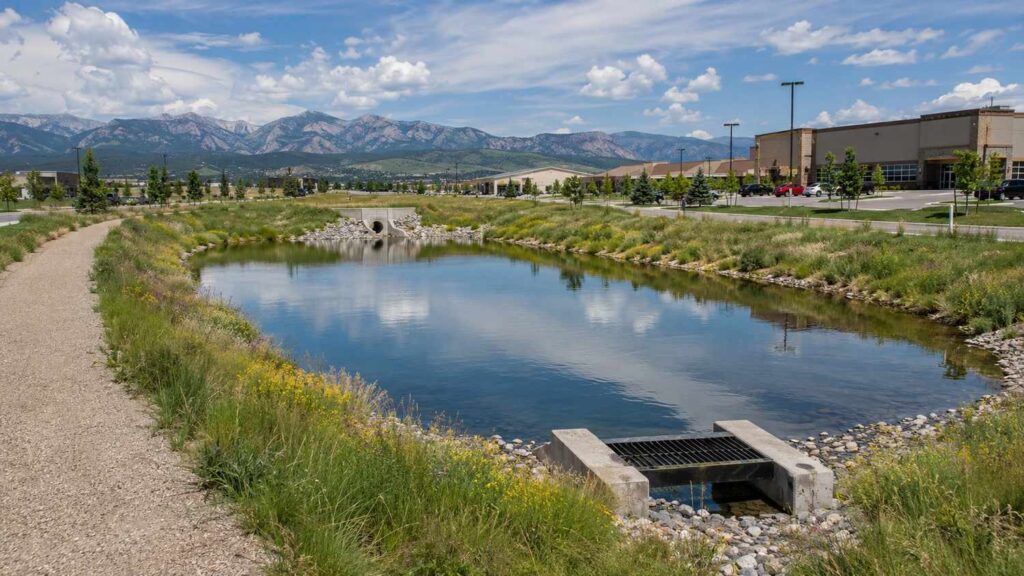
If you are a developer or property owner in a Colorado construction project, you must arrange for adequate storm and sanitary sewer services to the development site before breaking ground. In Denver and across Colorado’s urban Front Range corridor, this means navigating a multi-stage permit process through the Colorado development review framework that governs how stormwater and wastewater infrastructure is designed, permitted, and constructed. Getting this process right from the beginning determines whether your project moves on schedule or stalls in revision cycles.