Modern Engineering Solutions

Civil Engineering From Concept Through Construction

Arizona civil engineering means grading plans accounting for caliche layers requiring rock trenching, drainage systems sized for intense monsoon storms despite minimal annual rainfall, and site designs that function when temperatures exceed 115°F. We work with developers from Phoenix to Tucson delivering site packages that work in Arizona’s desert soils, monsoon patterns, and extreme heat.

When Does Civil Engineering Need Support?

Developers reach out when grading costs explode from caliche excavation, drainage systems fail during monsoons, or desert heat damages site improvements before completion.

Caliche Excavation Costs

Mass grading encountering cemented soil layers requiring rock equipment, excavation costs doubling estimates, or contractors claiming unforeseen conditions for change orders.

Monsoon Drainage Failures

Detention basins overwhelmed by intense rainfall despite low annual precipitation, erosion from flash flooding, or inadequate stormwater systems for desert storm patterns.

Heat-Damaged Improvements

Asphalt pavements failing in extreme temperatures, concrete cracking from thermal stress, or site improvements degrading before project completion in summer heat.

Multi-Jurisdictional Delays

Counties, municipalities, and flood control districts with overlapping authority, tribal consultation requirements, or State Land Department approvals for trust land development.

What We Do

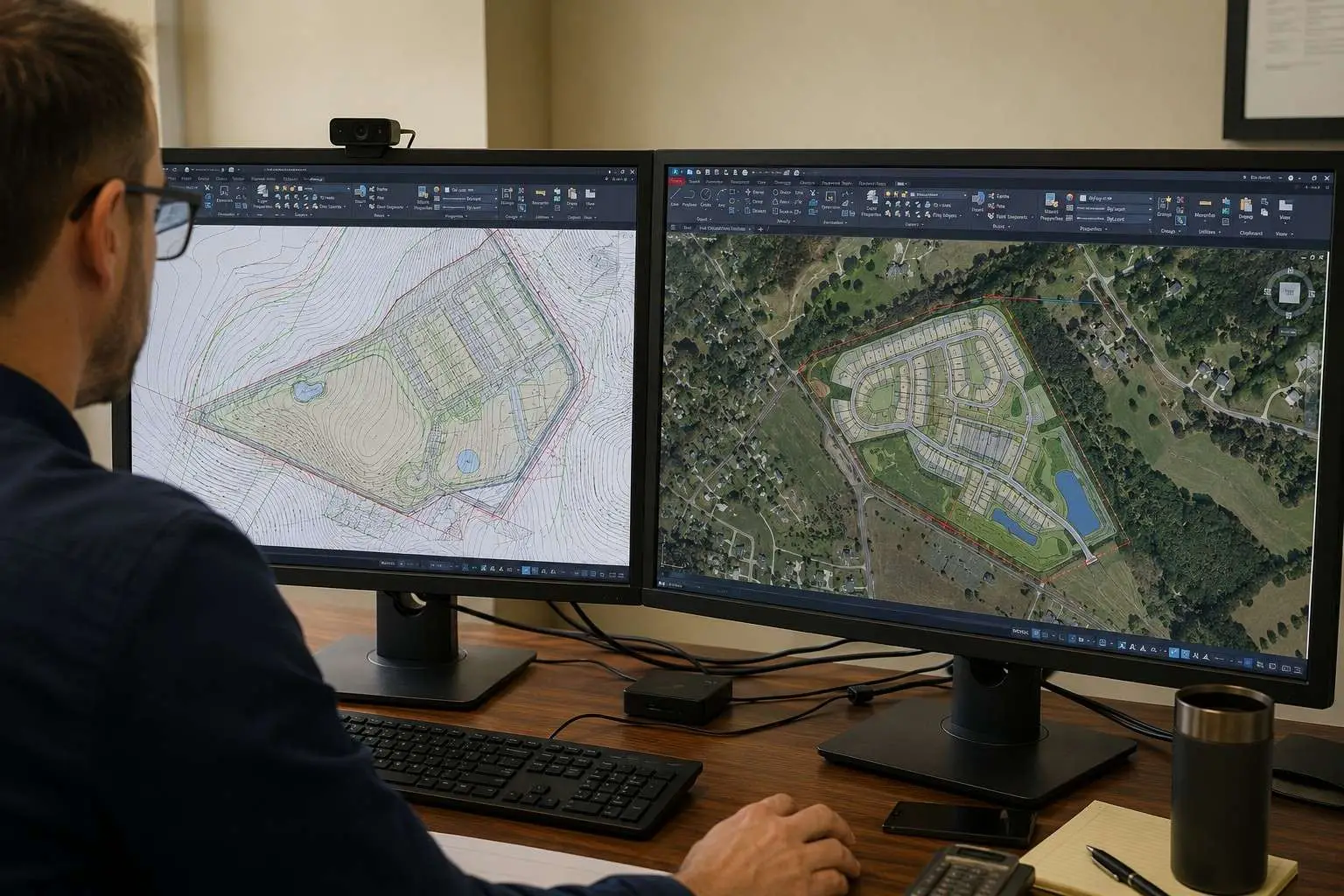
Modern Engineering Solutions delivers civil engineering for Arizona land development including concept planning, grading design, stormwater management, and construction oversight statewide.
Site concept planning in Arizona starts with geotechnical investigations showing caliche depth because cemented soil layers common throughout Phoenix and Tucson metro areas significantly increase excavation costs. Caliche appears at depths ranging from surface exposure to 10-15 feet requiring rock trenching equipment when encountered.

Desert washes and floodplains get identified early because development in FEMA-designated flood zones triggers expensive mitigation requirements. Active Management Areas around major cities impose water supply constraints requiring Certificate of Assured Water Supply before land use approvals proceed. State trust land development involves additional layers coordinating Arizona State Land Department leases with county approvals.

Steep terrain in foothill areas limits developable land and creates drainage challenges. Environmental constraints include desert tortoise habitat and other protected species. Concept planning quantifies these Arizona-specific challenges with cost estimates so feasibility reflects desert development reality.
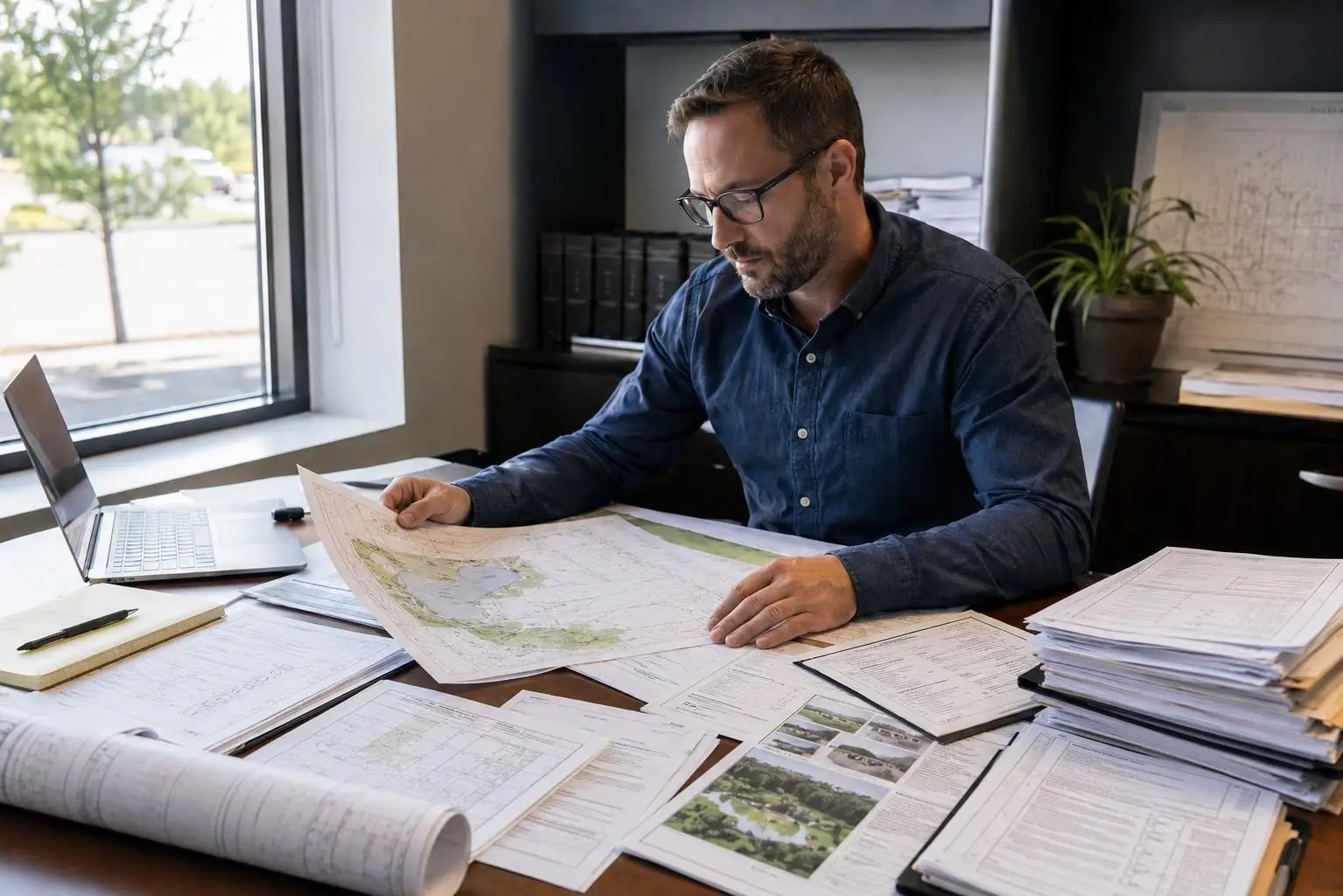
Arizona development permitting coordinates counties controlling most development, municipalities where annexation occurs, and special districts like flood control or fire districts imposing impact fees. Counties review land use and building permits. Cities often require development agreements for annexation and utility extensions.

Maricopa County Flood Control District reviews drainage plans and collects fees for regional flood protection infrastructure. Some areas involve Homeowner Association design review and Covenant Committee approvals. State trust land requires Arizona State Land Department coordination. Projects near tribal lands may trigger consultation requirements.

We identify which agencies govern your site because boundaries and jurisdictions aren’t always intuitive. Missing required approvals discovered late derails schedules. Successful permitting means understanding agency relationships because approvals from one jurisdiction often unlock requirements at another creating coordination complexity developers underestimate initially.
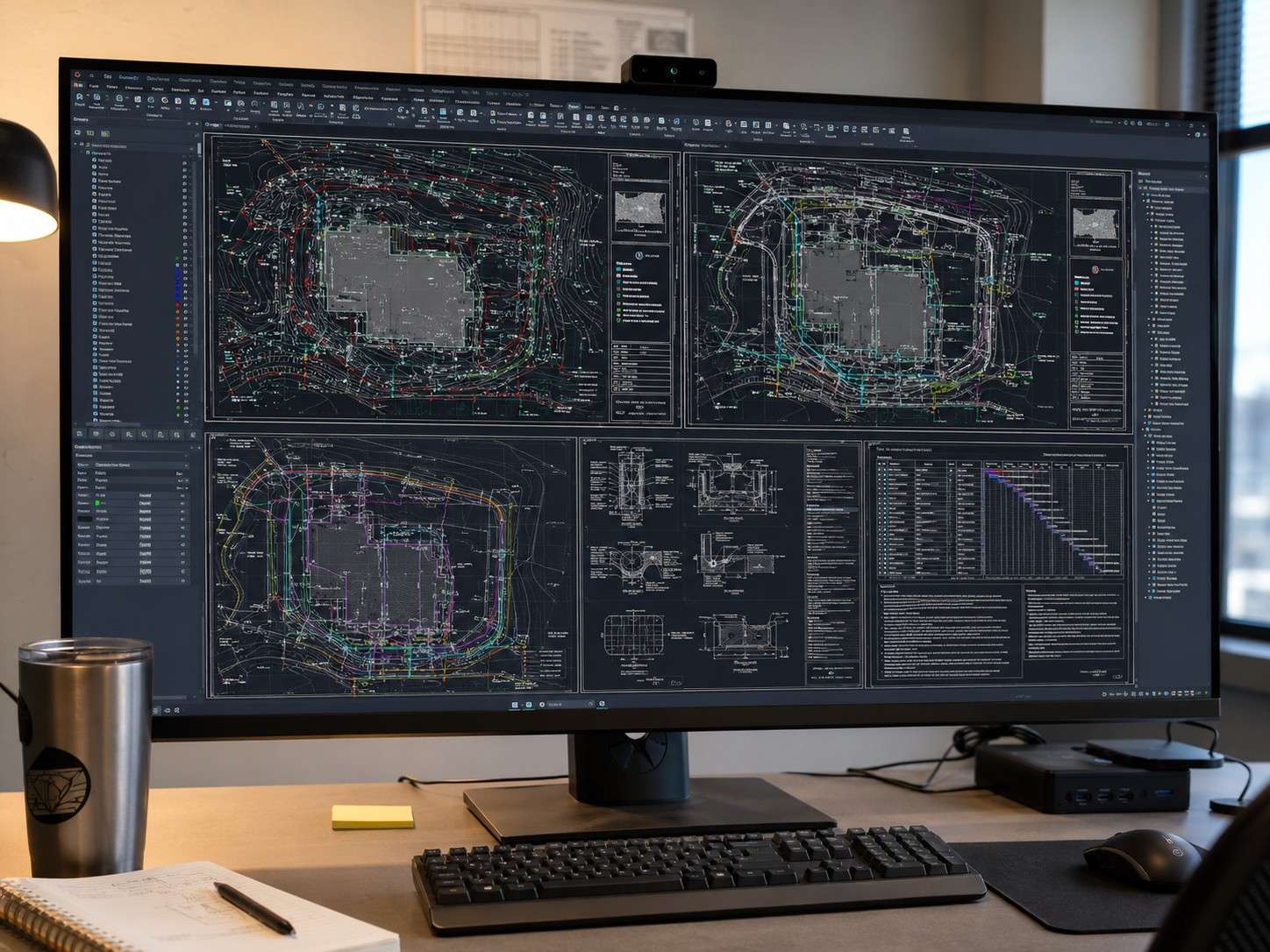
Civil documents for Arizona projects show caliche excavation limits from boring data so contractors price rock trenching accurately, grading accounting for thermal expansion in extreme heat, and materials rated for 120°F ambient temperatures. Grading plans distinguish soil excavation and rock removal because costs differ by 200-300%.

Drainage designs account for intense monsoon storms dropping 2-3 inches in hours despite annual rainfall averaging only 7-12 inches creating flash flood conditions. Erosion control addresses sparse desert vegetation providing minimal ground cover requiring longer stabilization periods. Pavement specifications use high-temperature asphalt mixes and concrete admixtures resisting thermal cracking. Utility trenching shows standard depths because frost protection doesn’t apply but thermal protection does.

Construction documents address summer work restrictions because paving and concrete placement become problematic above 110°F. Plans coordinate with water supply documentation showing adequate resources in water-constrained areas.
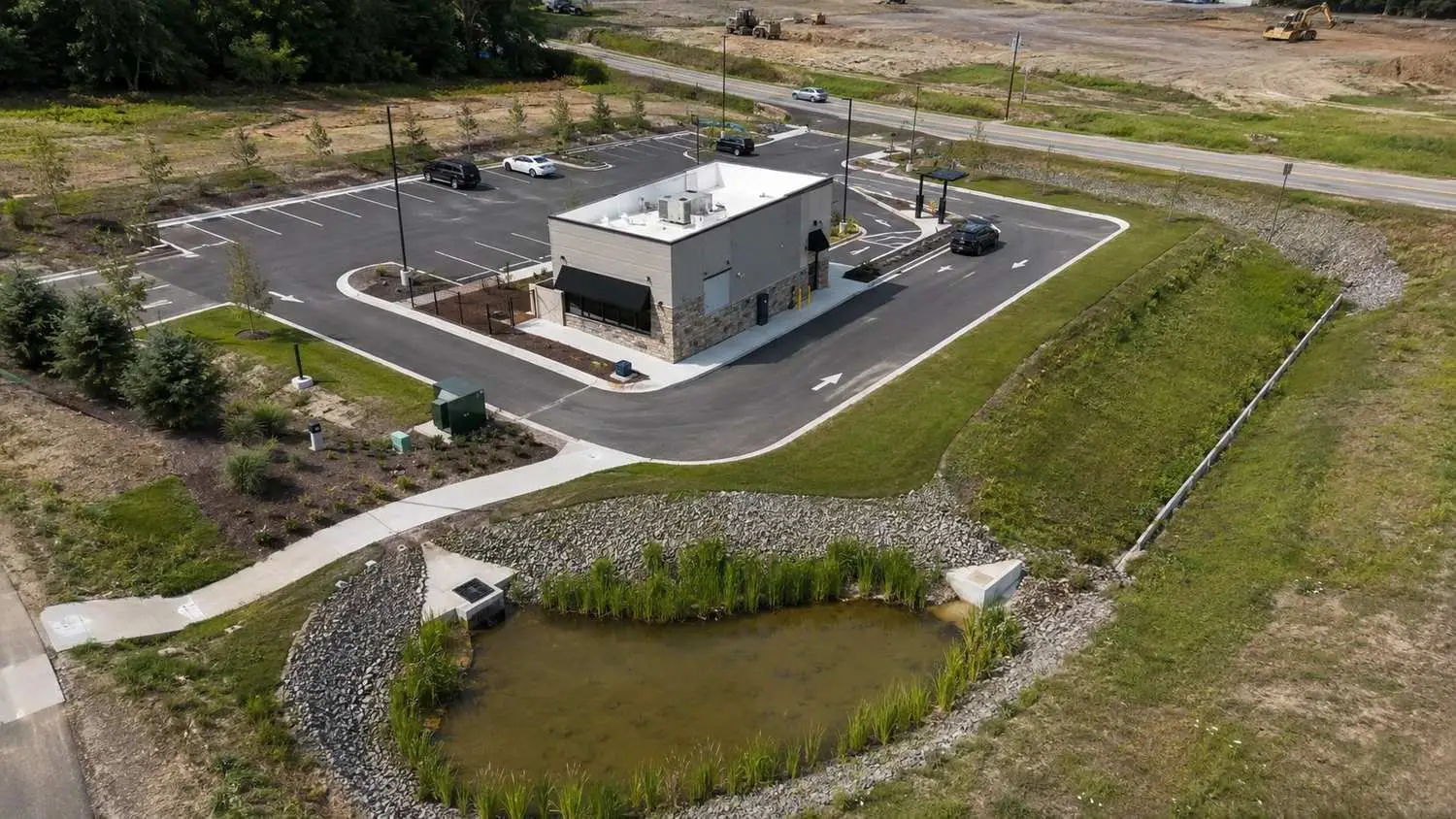
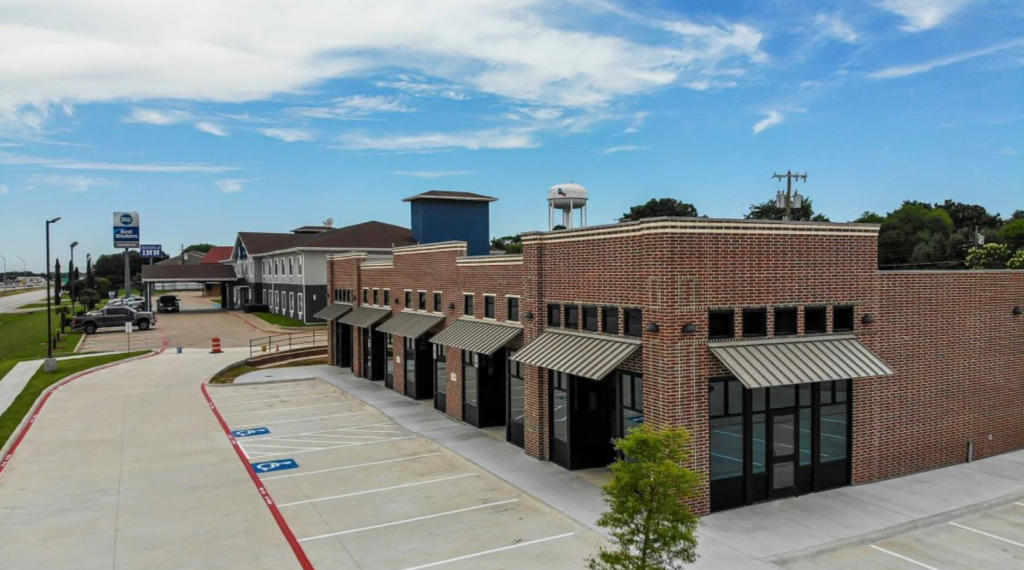
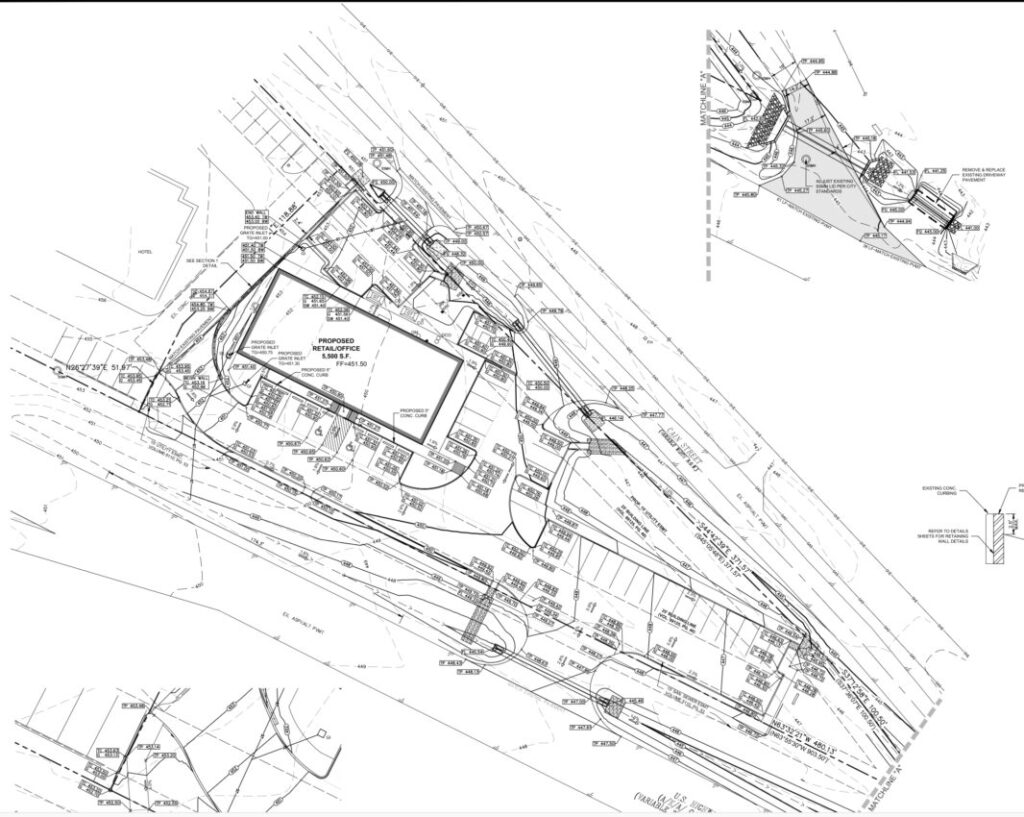
Small commercial sites in Arizona require civil engineering fitting use onto compact parcels while addressing desert heat and water constraints. We design circulation managing drive-through queuing, parking, pedestrian access, and deliveries within tight boundaries. Shade structures over parking become critical in desert heat affecting customer comfort and pavement longevity. ADA compliance ensures accessible routes considering extreme temperature exposure times. Fire department access meets apparatus requirements.

Stormwater management fits detention into limited space despite monsoon intensity. Landscape irrigation coordinates with limited water availability in Active Management Areas potentially requiring reclaimed water use. Utility services coordinate providers. Grease interceptors and trash enclosures locate for hauler access. Efficient design maximizes building area and parking while satisfying regulatory requirements and providing reasonable customer experience in extreme heat.

Our Approach

Geotechnical borings identify caliche depth during due diligence, drainage designs account for monsoon intensity not annual averages, and material specifications address extreme heat from project start.

Early Caliche Investigation

Boring logs during due diligence show caliche depth and extent. Grading cost estimates distinguish soil and rock excavation. You understand costs before closing when walking away remains feasible.

Monsoon Drainage Design

Detention sizing accounts for intense storms despite low annual rainfall. Systems handle 2-3 inch hourly rates during monsoons. Drainage reflects storm intensity, not precipitation averages misleading standard calculations.

Heat-Resistant Materials

Material specifications address extreme temperatures from design start. Asphalt uses high-temperature mixes. Concrete includes thermal crack mitigation. Materials perform in 115°F heat, not just temperate climates.

Multi-Agency Coordination

We identify all jurisdictions during planning. County, city, flood control, and special district boundaries get verified. Applications go to required agencies preventing midstream discovery of missing approvals.

Projects

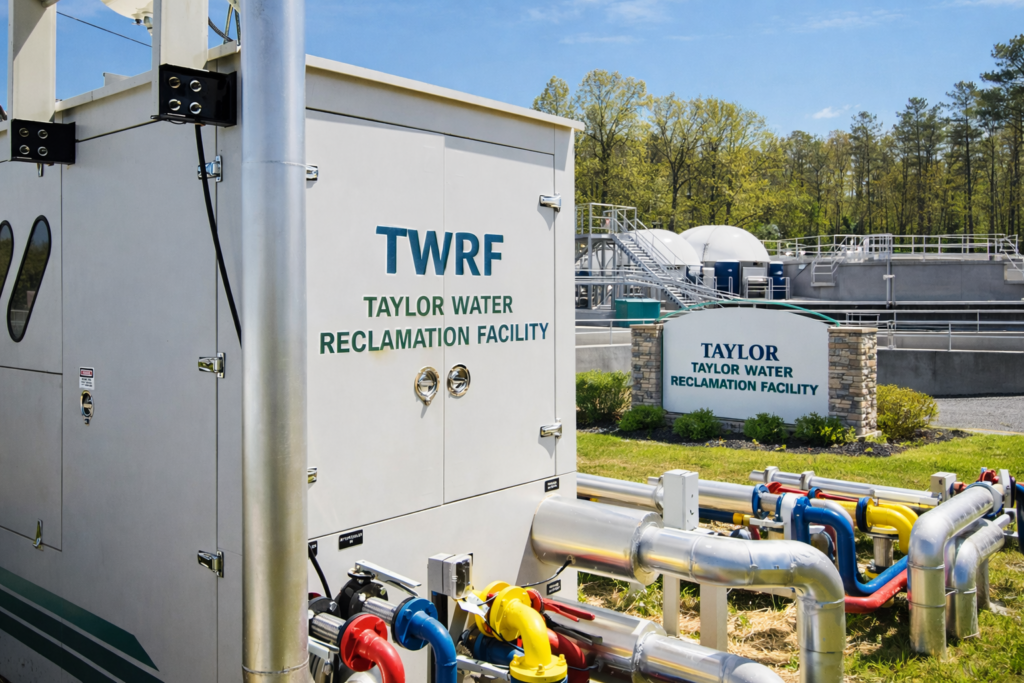
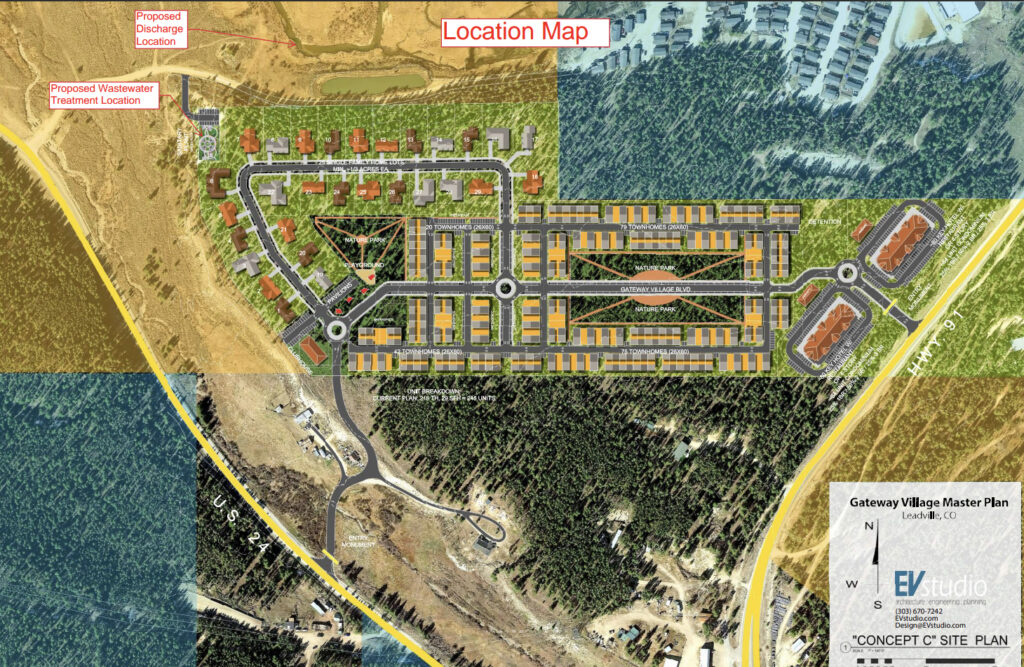
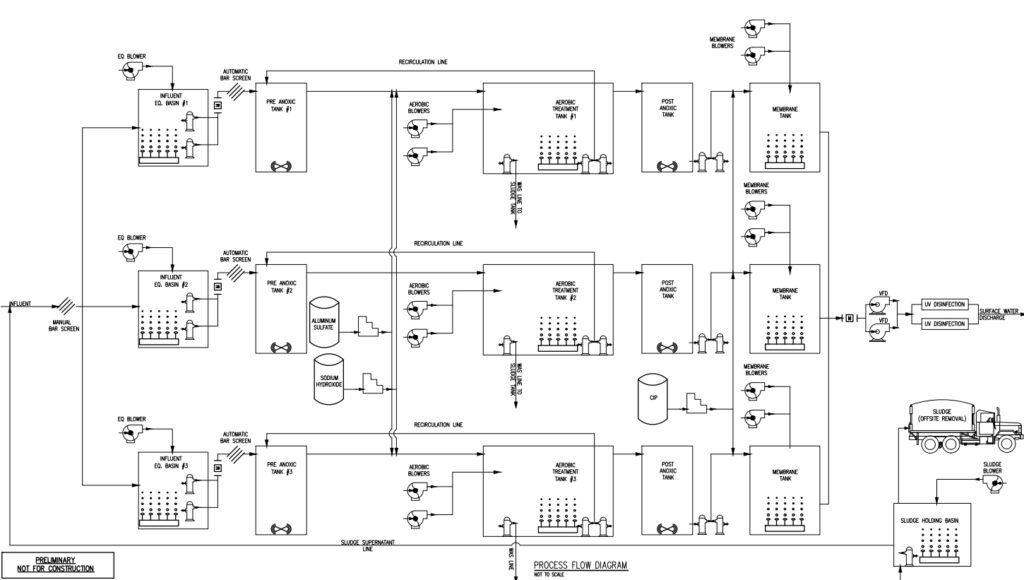
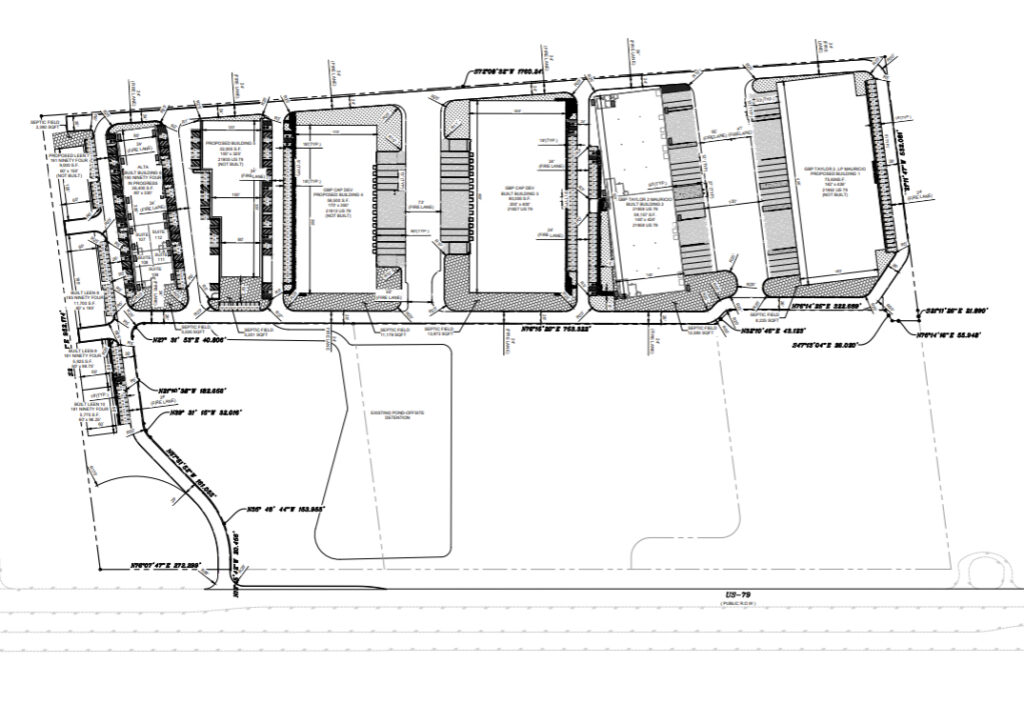
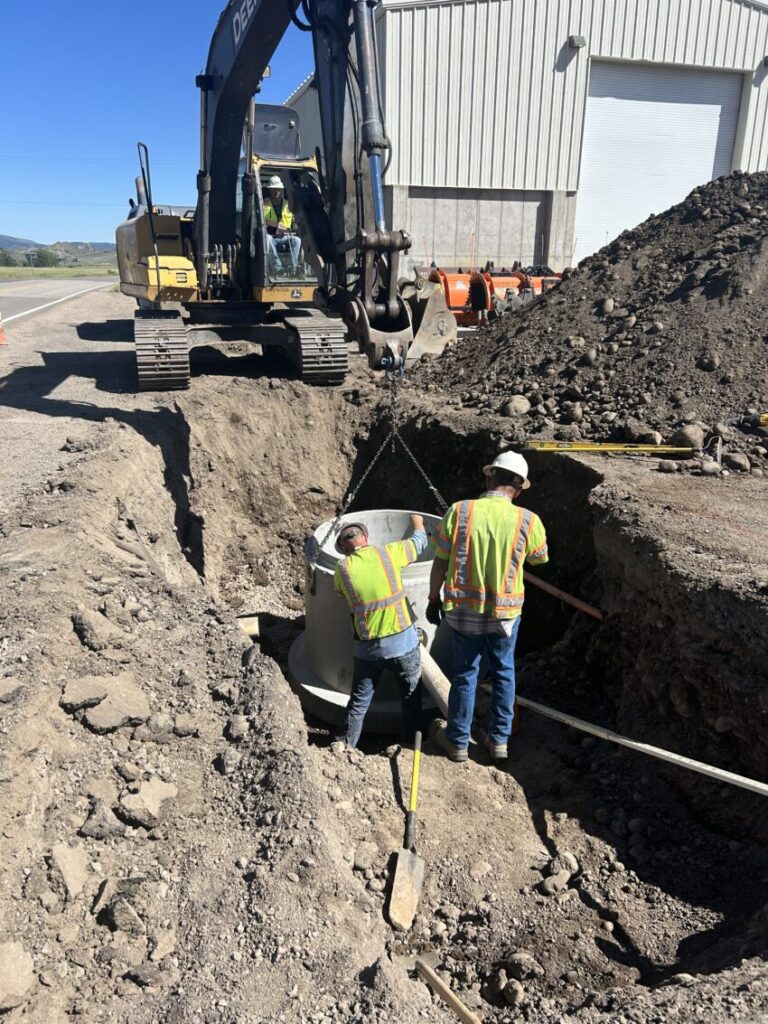
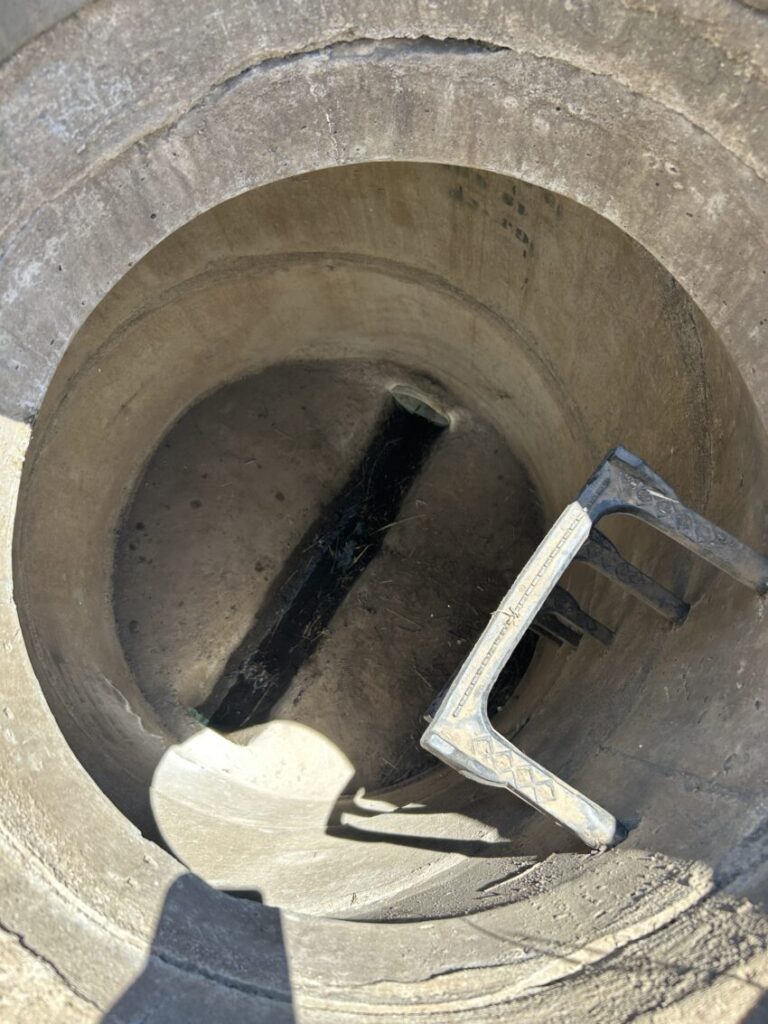
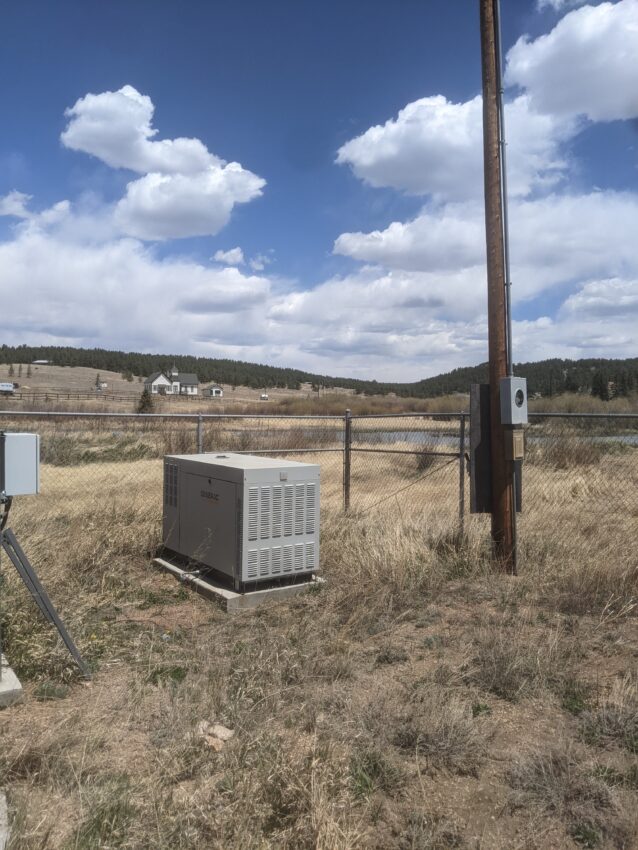
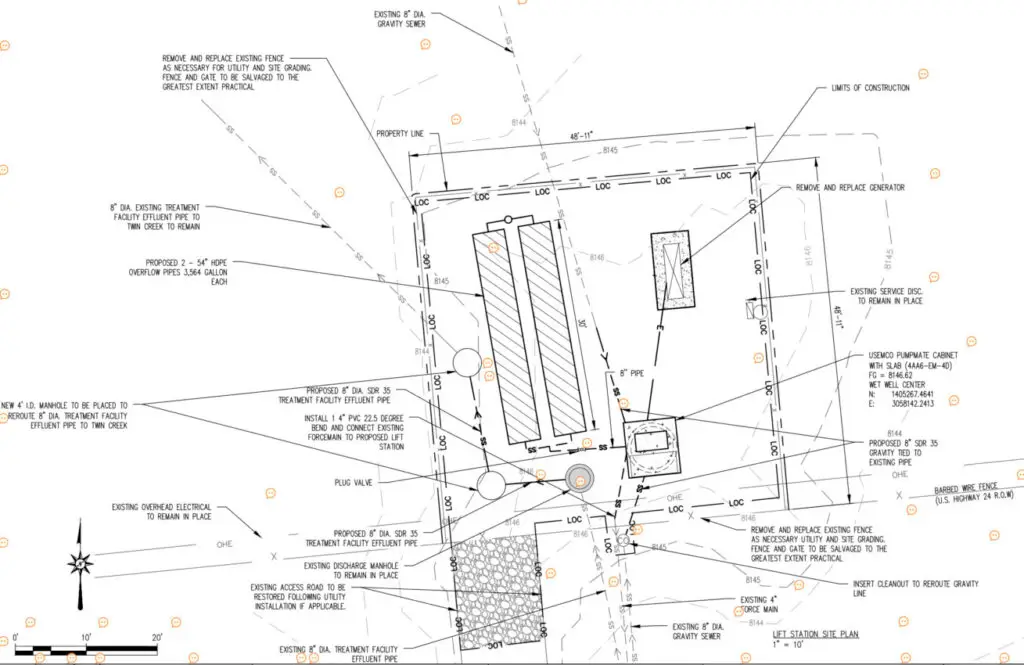
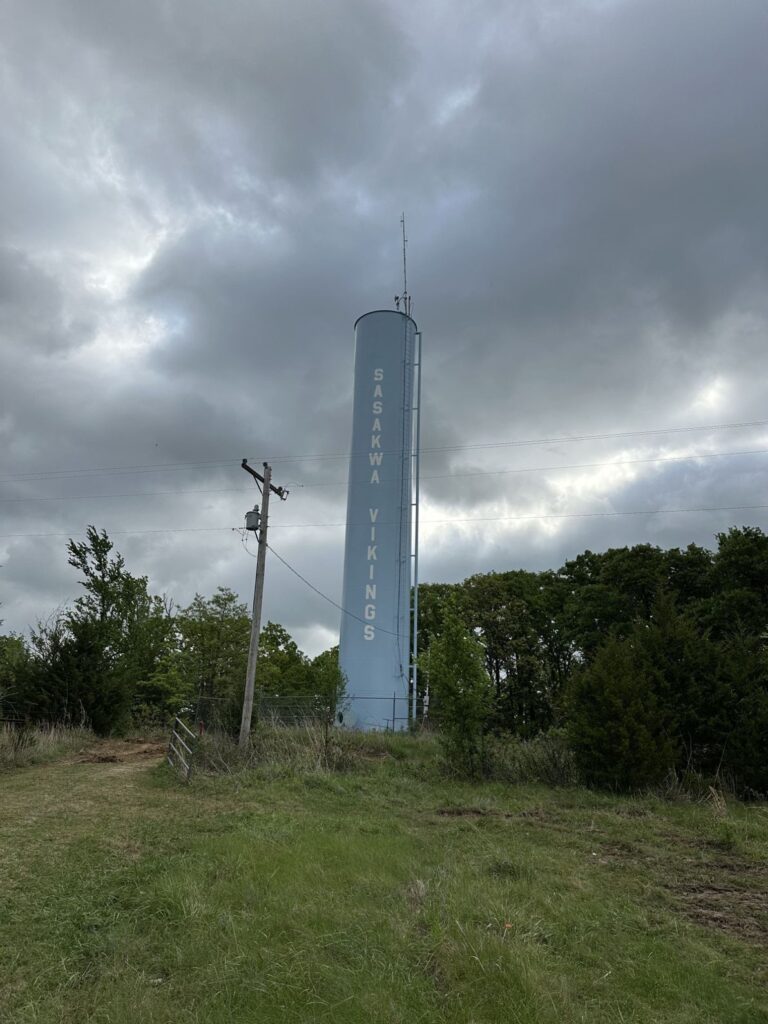
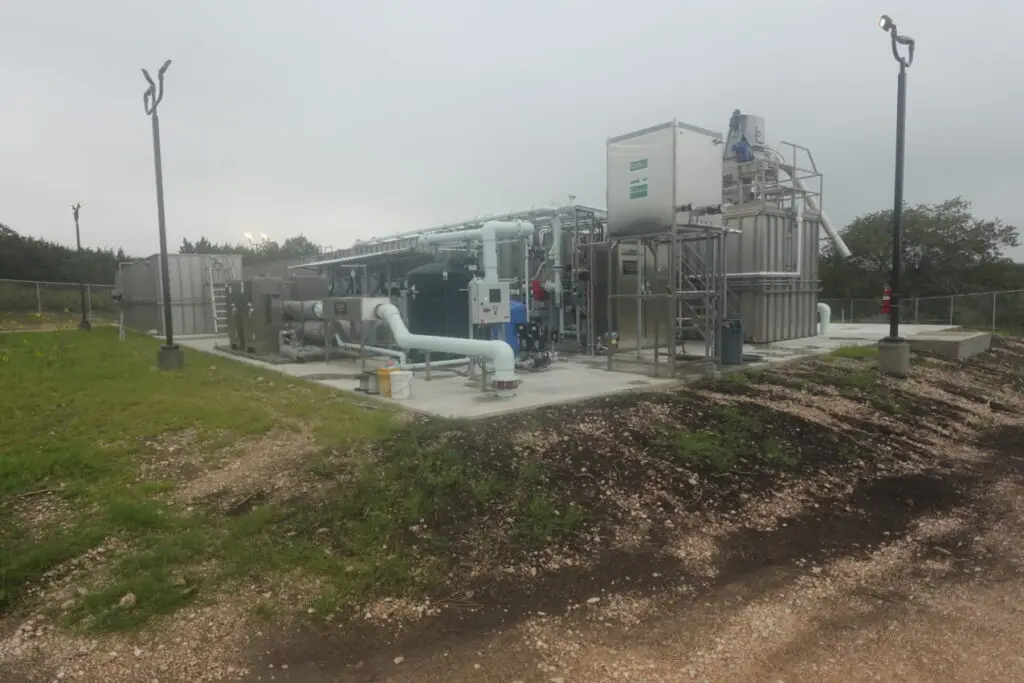
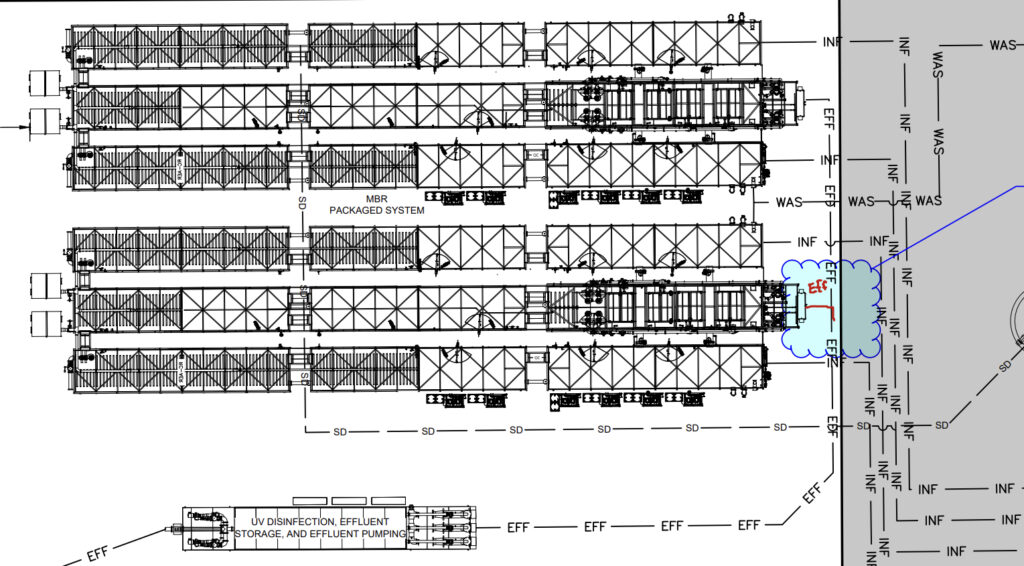
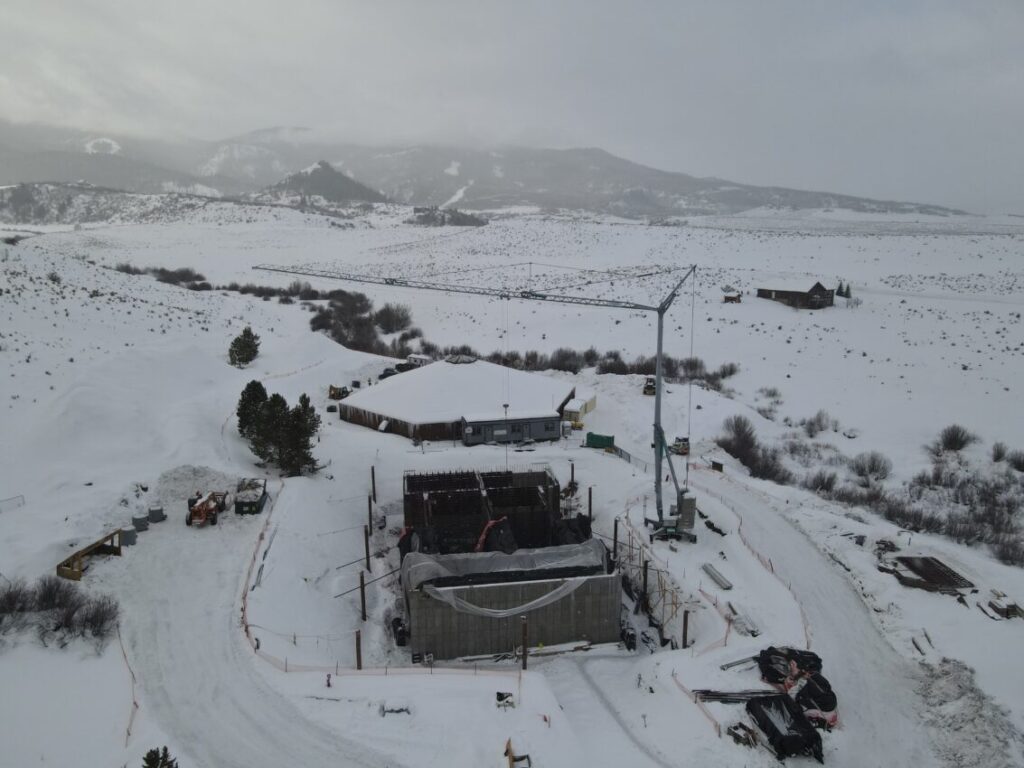
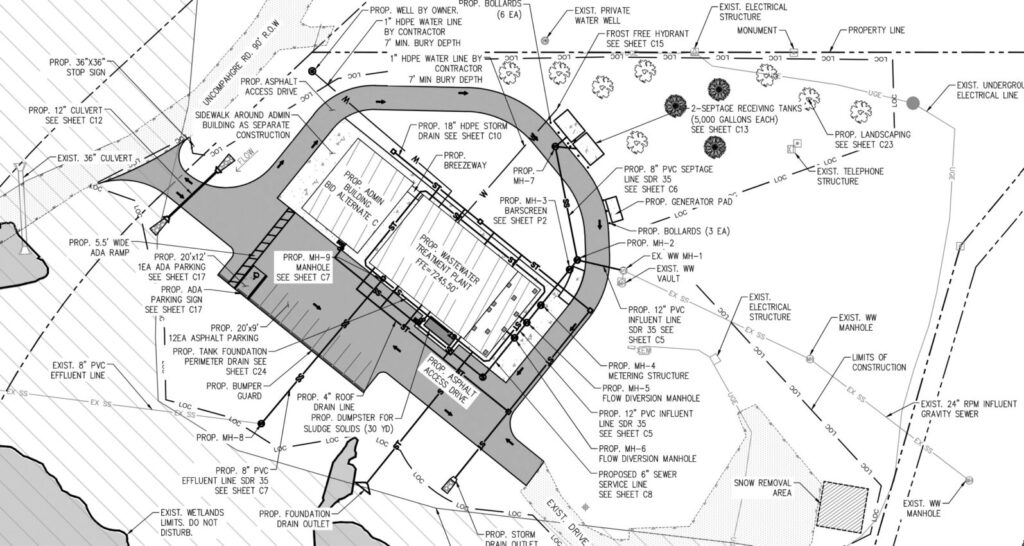
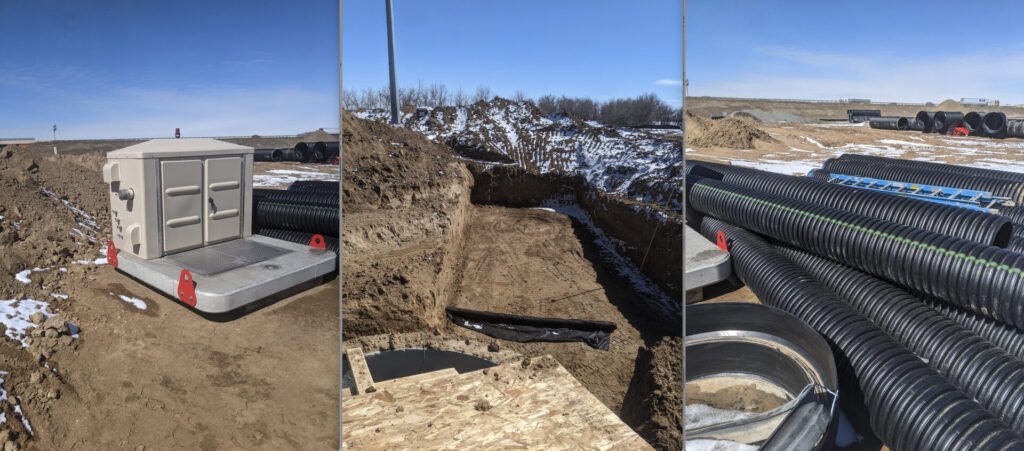
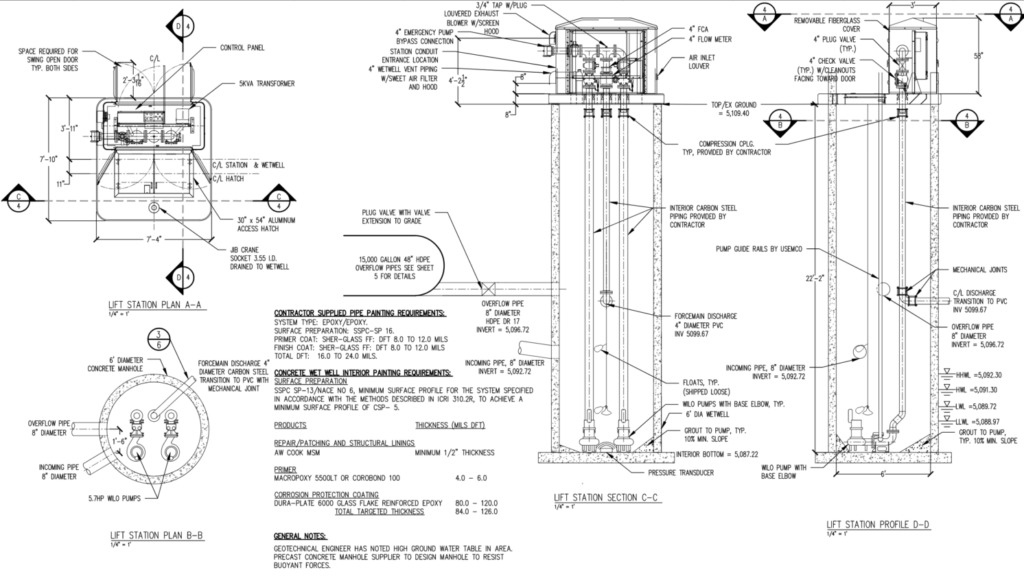
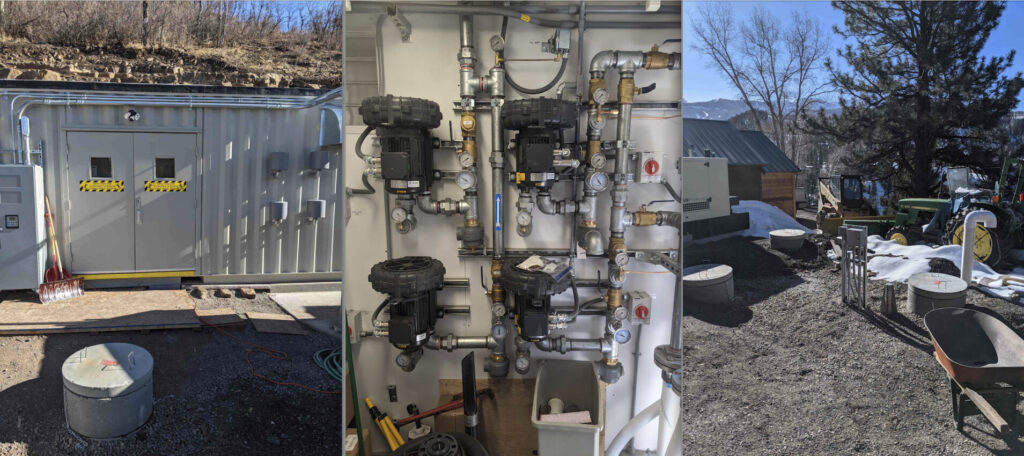
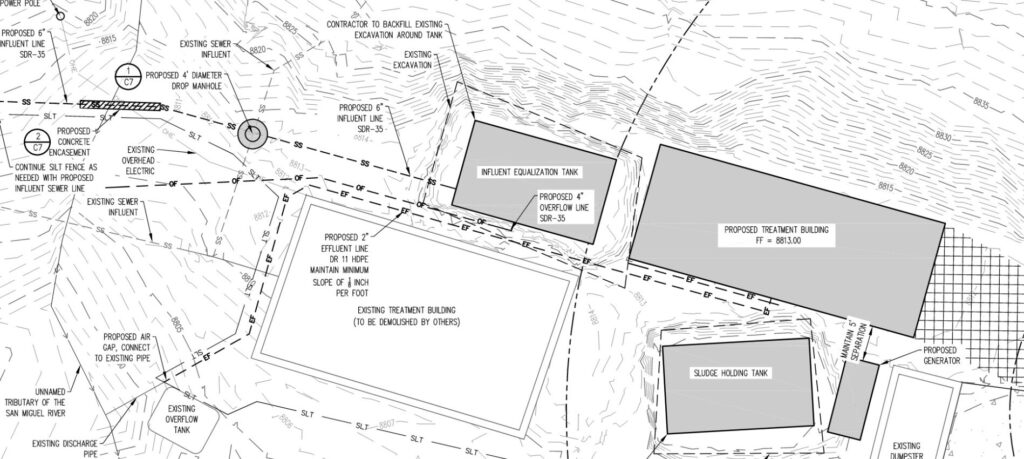
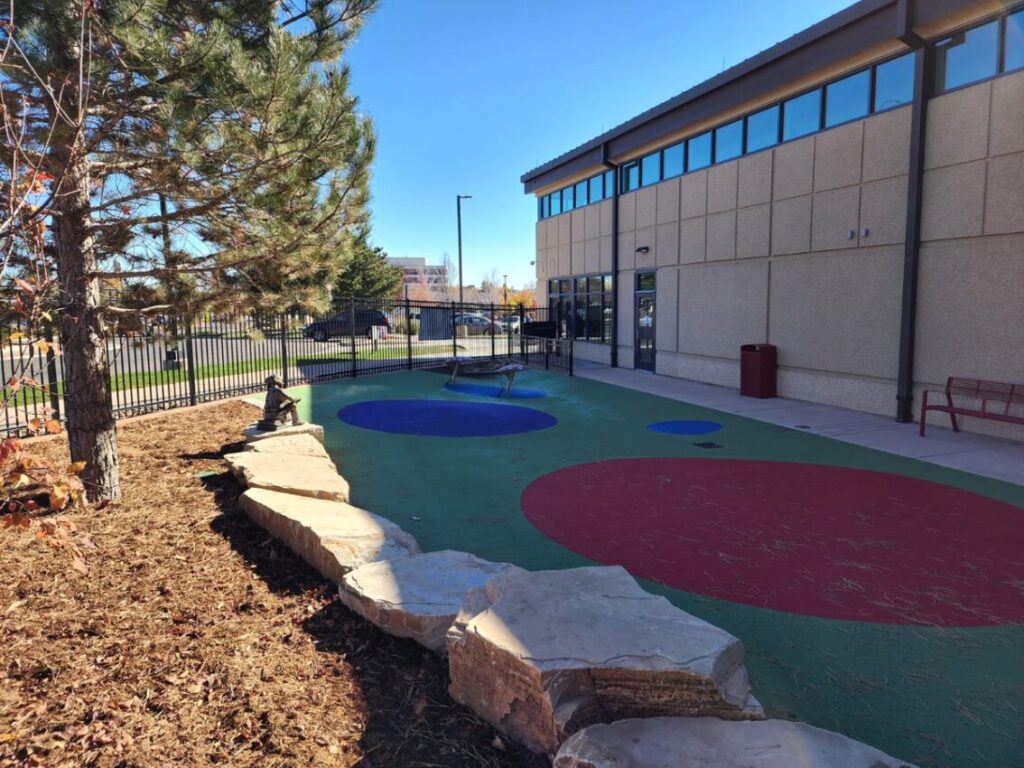
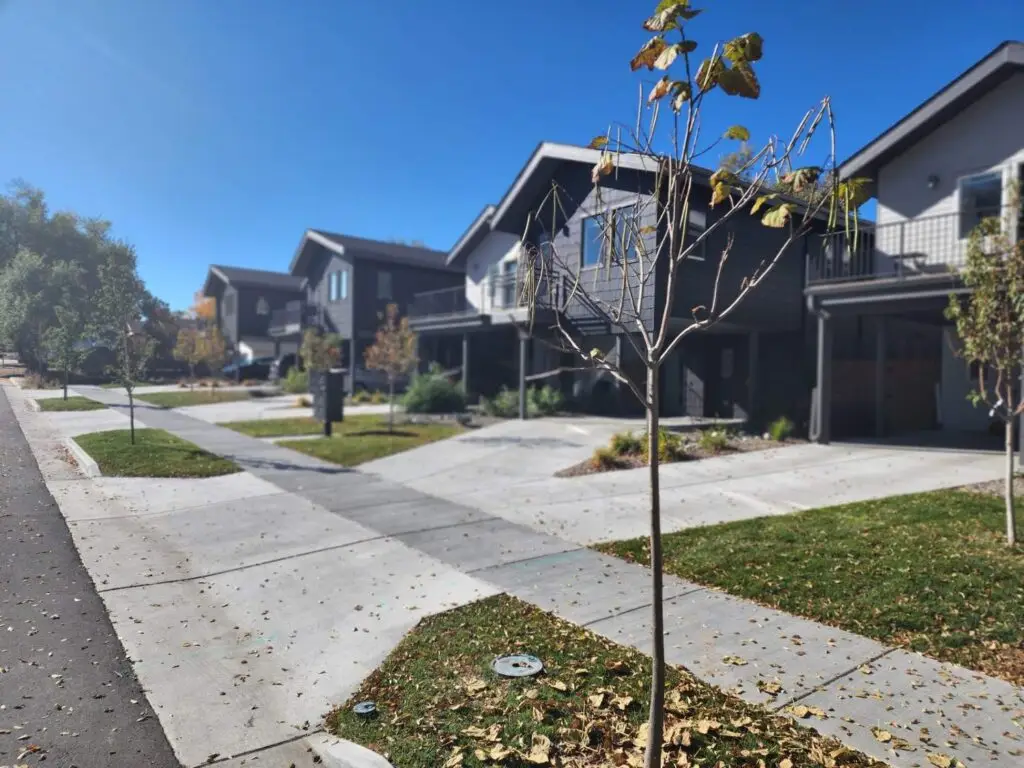
Modern Engineering Solutions delivers water and wastewater engineering across diverse regulatory environments, demonstrating efficient permitting and site-specific design expertise.

Why Choose Modern Engineering Solutions

Why Choose MES

1

Caliche Cost Accuracy

Grading budgets distinguish soil and rock using boring data. Estimates include realistic rock pricing. Contractors bid competitively because plans show caliche conditions, not discovering them during excavation.

2

Monsoon Storm Planning

Drainage systems sized for intense monsoon rainfall despite annual precipitation averaging only 7-12 inches. Detention handles flash flood conditions. Your systems work during actual Arizona storm events.

3

Desert Heat Design

Site improvements designed for extreme temperatures exceeding 115°F. Materials resist thermal damage. Pavements and structures perform in desert heat, not failing before project completion during summer construction.

4

Arizona PE Leadership

Licensed Arizona engineers manage projects from concept through closeout. You work with professionals experienced in caliche excavation, monsoon drainage, and desert heat construction from actual Arizona projects.

Talk to an Engineer

Arizona civil projects face caliche excavation, monsoon drainage, and extreme heat challenges. We’ll review your site and outline considerations in a 15-minute call.