
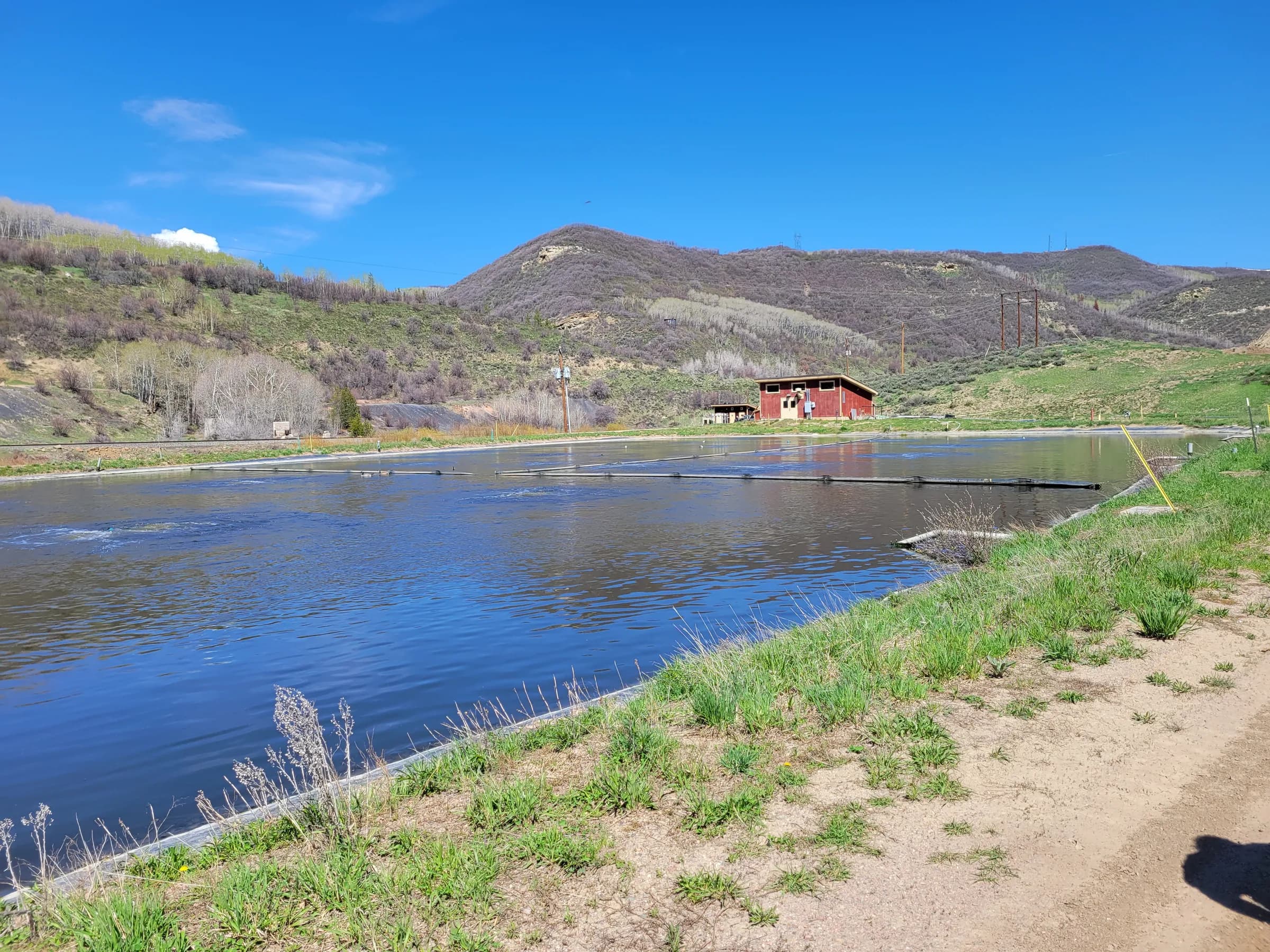
MES quantified water loss and I&I for the town and delivered a final report with engineering estimates and a prioritized roadmap in 2024; follow-up work continues in 2026.
Town of Oak Creek I&I and water loss analysis
Where we work
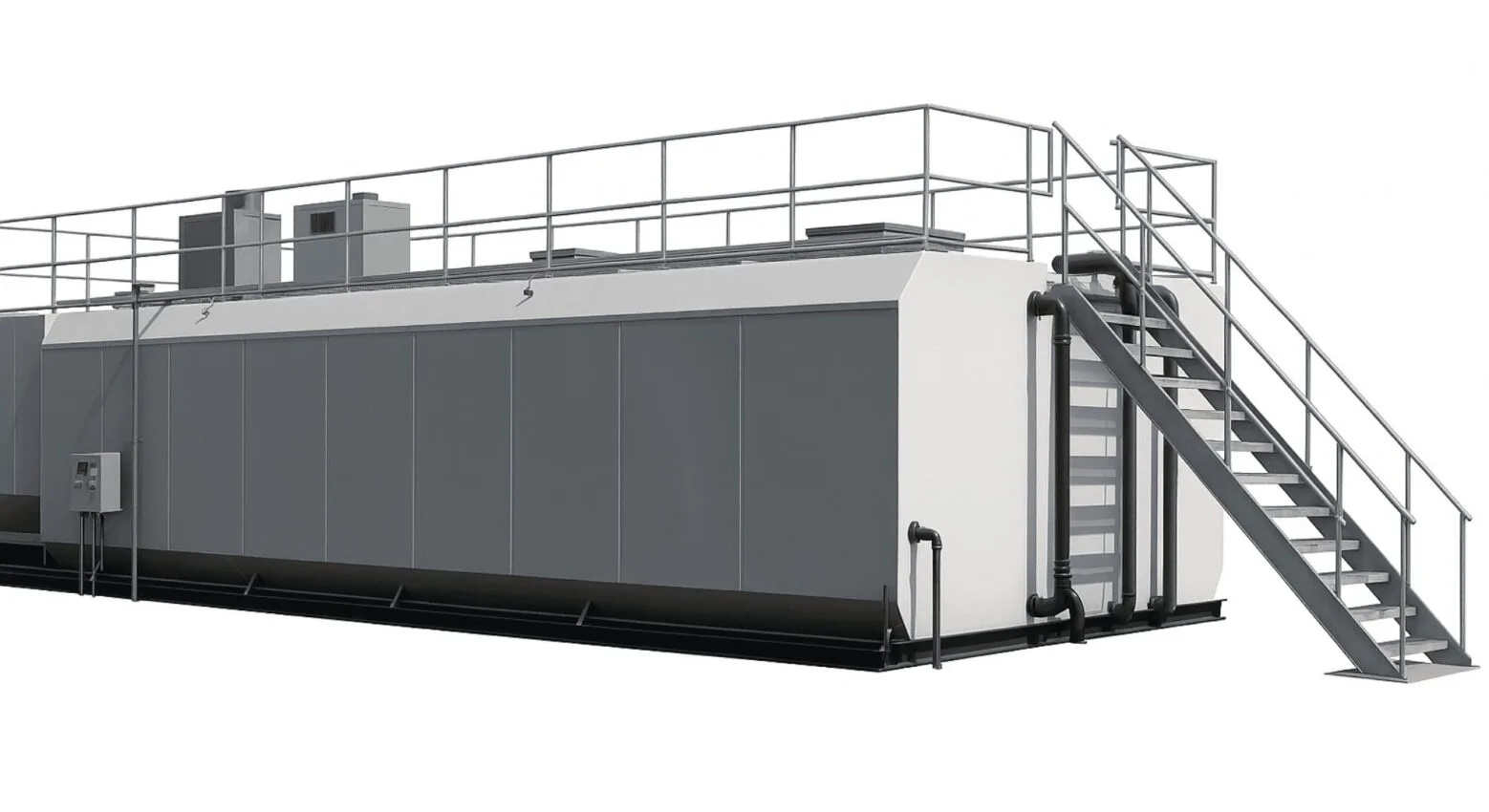
Package wastewater treatment plant design in Colorado: sizing for altitude and cold, CDPHE site location approval, the PDR and construction support.
A package plant is a pre-engineered wastewater treatment plant, built by a manufacturer in tanks or modules and set on a prepared site. Common processes are extended aeration, sequencing batch reactors and membrane bioreactors. Package plants suit subdivisions, RV parks, schools, campgrounds and small towns that are beyond a city sewer or need to replace an old plant.
MES sizes the plant for its flows and discharge limits, then does the civil design around it: site layout, grading, drainage and utility connections. We take the project through state approval and support it through construction, from our office in Golden. In Colorado, MES has led the civil design of replacement plants from 10,000 to 105,000 gallons per day, several with effluent limits of 5 mg/L BOD and 1 mg/L TSS. The work is part of our wastewater engineering in Colorado.
A plant designed for more than 2,000 gallons per day falls under Regulation 22, the state's site location and design rules, which the CDPHE Water Quality Control Division administers. The site application goes to local agencies for comment first, then to the Division for site location approval.
Design approval has two steps. First, a Process Design Report, stamped by a professional engineer registered in Colorado, shows the plant meets the state's Design Criteria for Domestic Wastewater Treatment Works. After the Division approves it, the engineer certifies the final plans and specifications. Regulation 22 treats buying the treatment equipment as part of construction, so the plant should not be ordered until those approvals are in place. What the CDPHE design criteria ask of a package plant.
A plant that discharges to a stream or to groundwater also needs a Colorado Discharge Permit System permit under Regulation 61, which sets its effluent limits. Once running, the plant must be supervised by a certified operator in responsible charge whose certificate matches the plant's class under Regulation 100.
Flow that arrives in pulses. Schools, subdivisions and recreation sites send most of their flow in part of the day. The state criteria require treatment units sized up by 24 divided by the loading hours, or flow equalization. MES sizes equalization so the biology stays stable.
Altitude and cold. Air at altitude carries less oxygen, so aeration design must correct for the plant's elevation. Cold water slows the bacteria that remove ammonia, so plants with ammonia limits need more tank volume or time in winter. The criteria ask for aeration designed for both summer and winter conditions. Covered or insulated tanks and heated equipment rooms help in mountain towns.
Seasonal peaks and growth. Ski towns, RV parks and resorts can see large seasonal swings. Plants built in parallel trains let an owner bring capacity online in steps as flow grows.
Power loss. During a power outage, the plant must still convey all flows without a bypass or overflow. MES designs standby power and alarms to meet that rule.
A manufacturer's rating is not an approval. The Process Design Report has to show that each unit works at the site's own flows, loads and temperatures.
When it is designed for more than 2,000 gallons per day. It then needs site location approval and design approval under Regulation 22. Smaller on-site systems are permitted by the local public health agency under Regulation 43.
The site application. Site location approval comes first, then the Process Design Report, then the certified final design. A discharge permit under Regulation 61 runs alongside.
Yes, in some cases. Regulation 22 allows an in-kind replacement: a component swapped for a similar one on the approved site, without changing the design capacity or the original intent. It needs no design approval, only a written notice to the Division within 15 working days after it goes into service. A capacity change, a move off the approved site or a new treatment process needs a site application or an amendment.
Projects
Town of Oak Creek I&I and water loss analysis
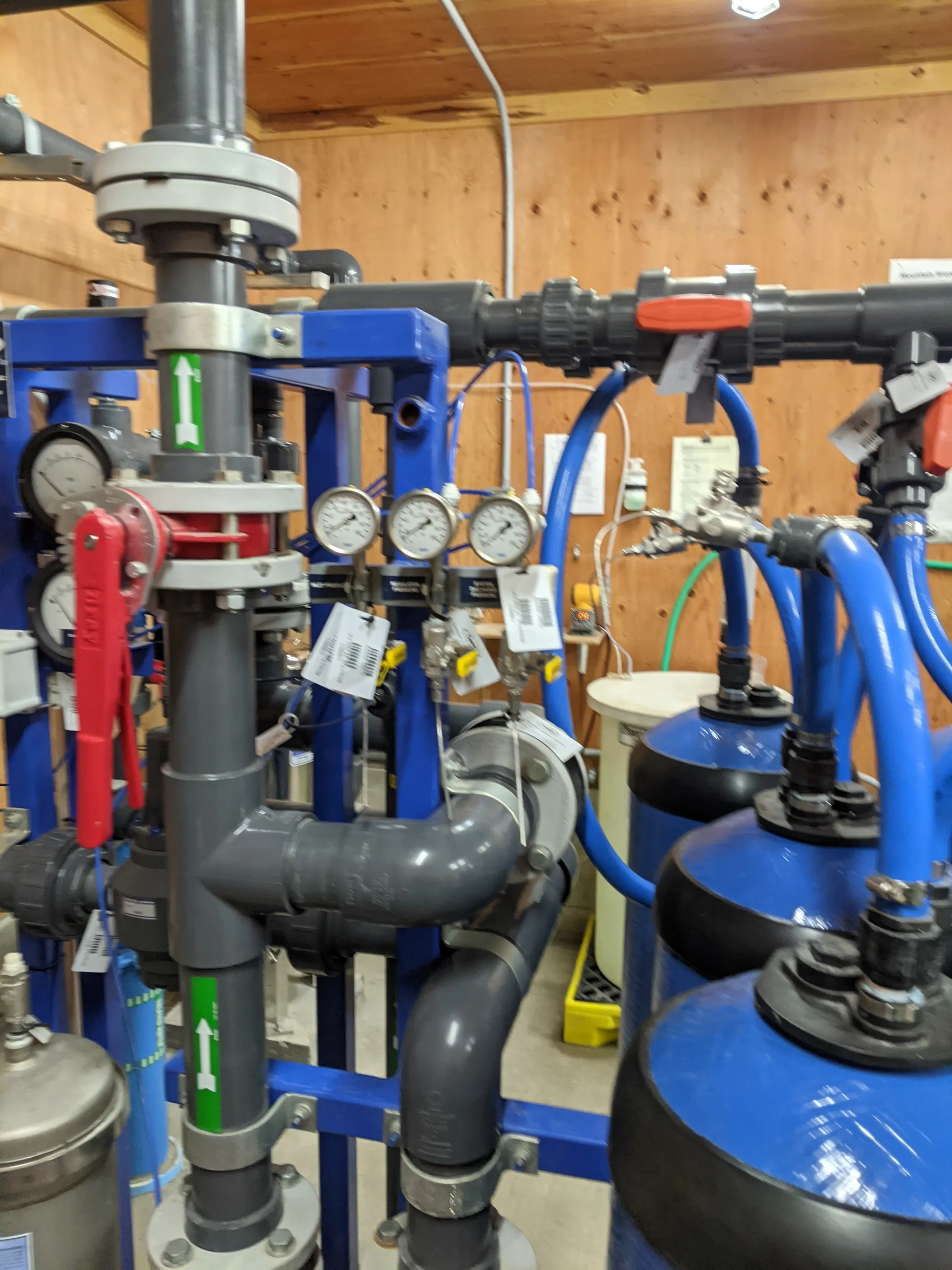
Mountain Water and Sanitation District plant upgrades and line rehabilitation
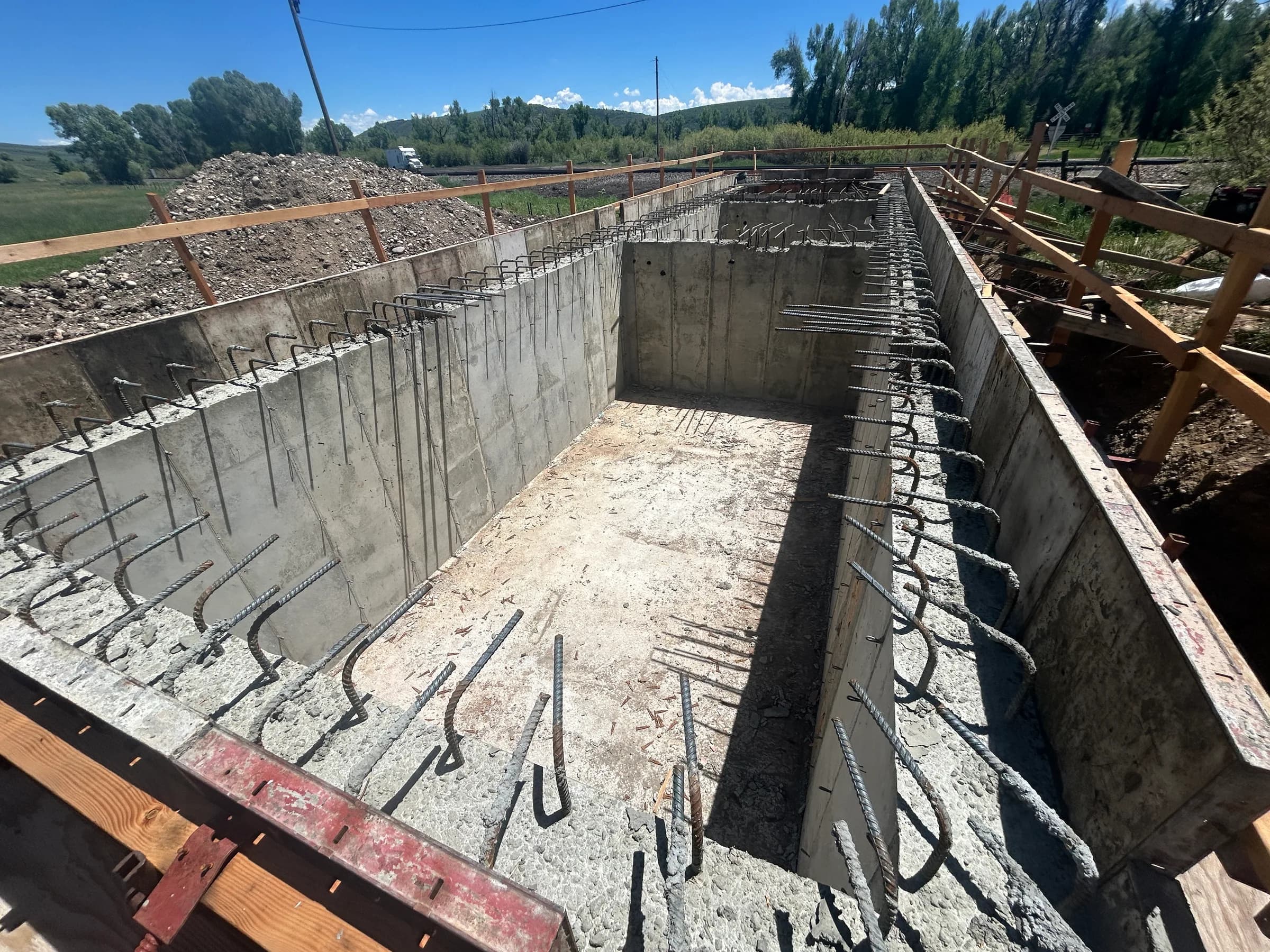
Phippsburg and Milner wastewater plants and collection system
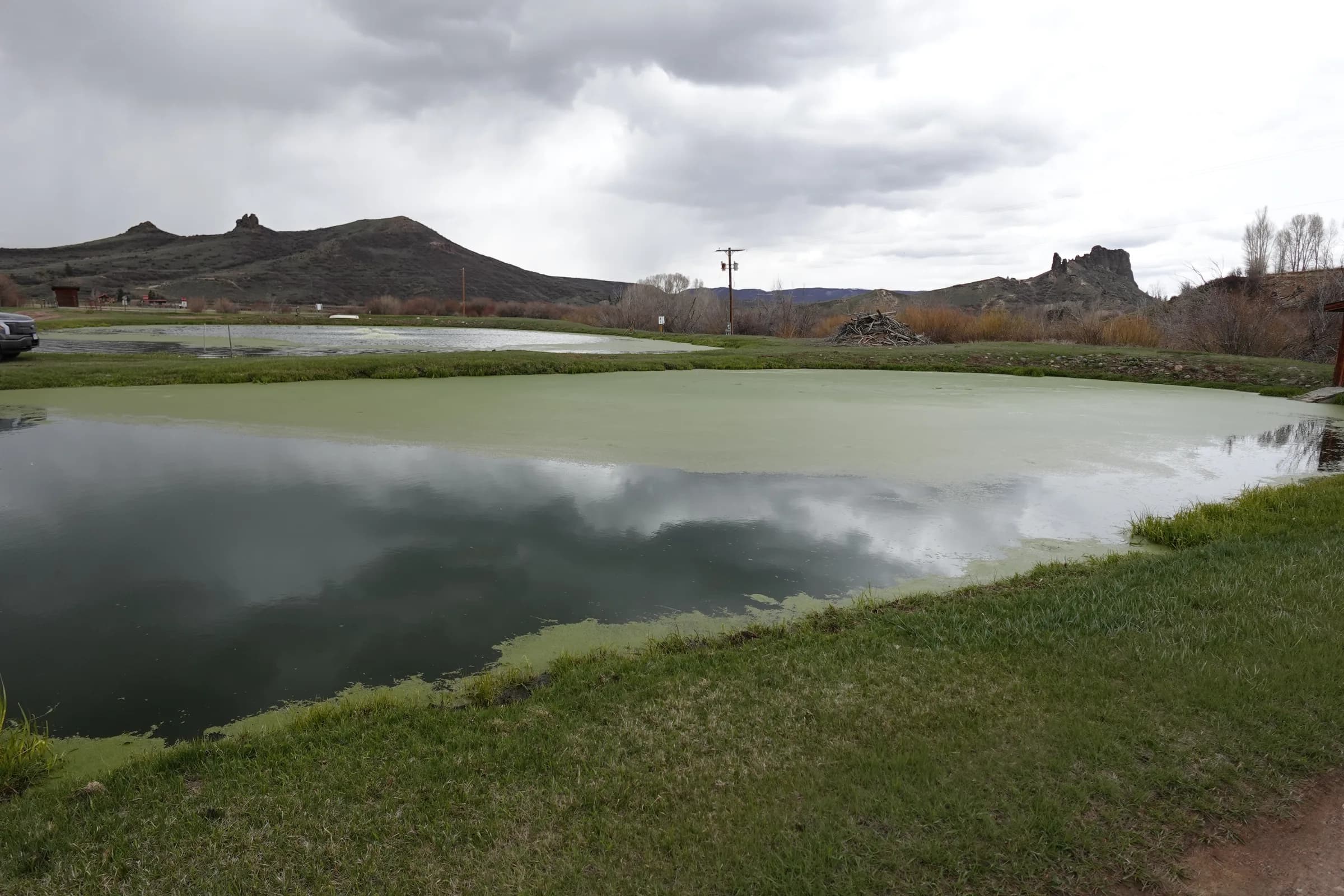
Town of Yampa wastewater plant and collection system
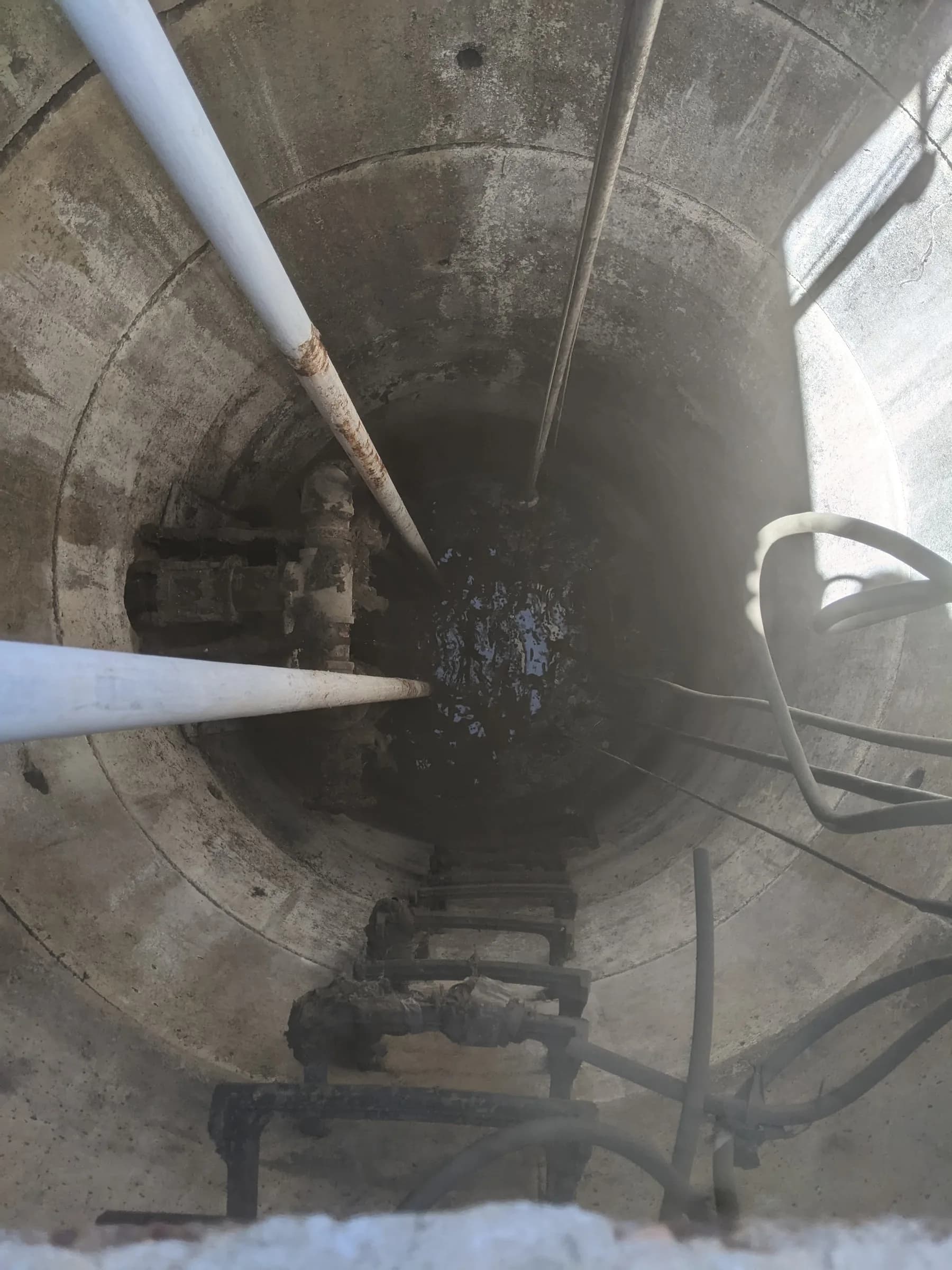
Florissant Water and Sanitation District lift station and collection system
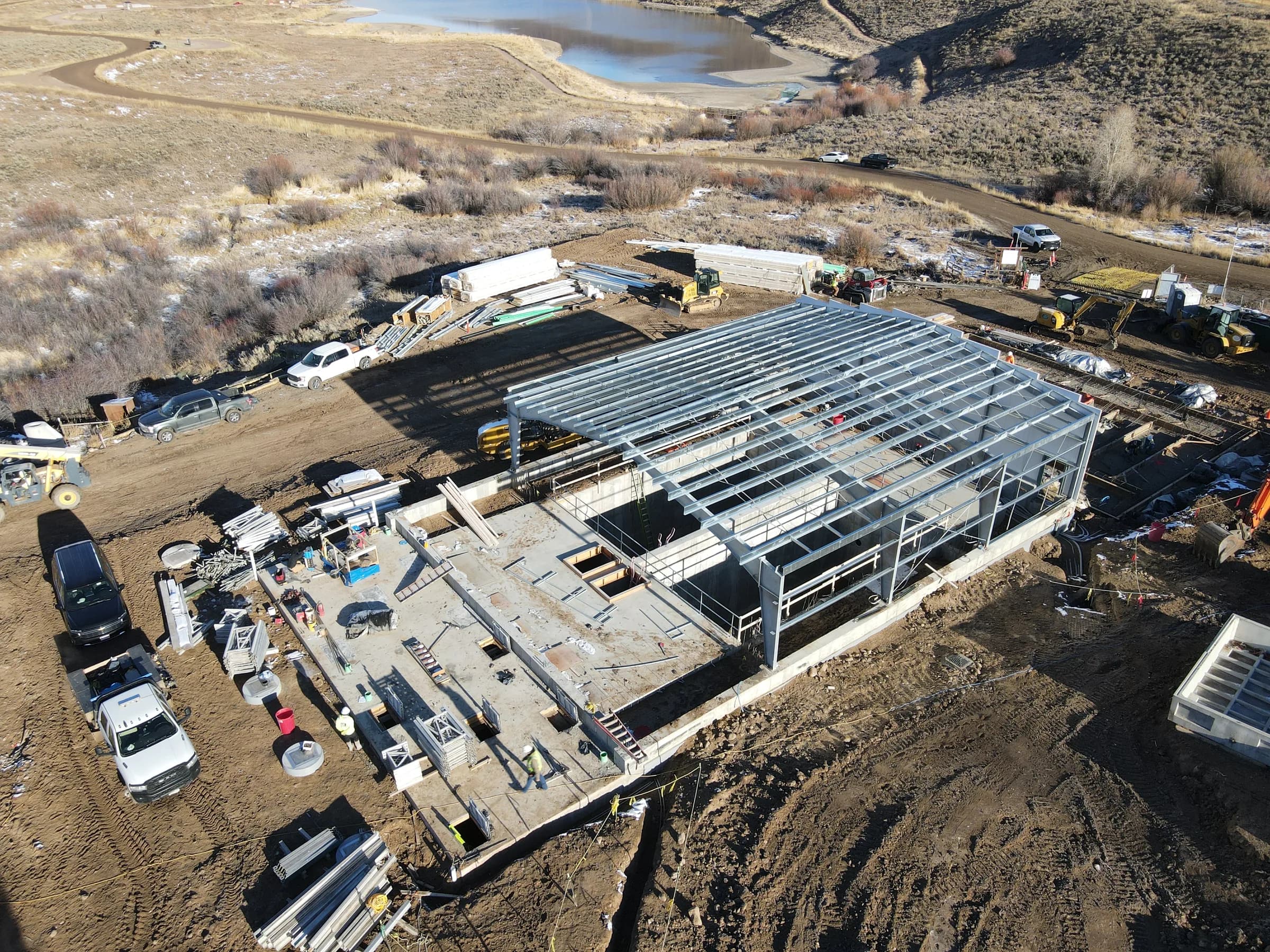
Morrison Creek wastewater plant, water tank and booster station
Talk to an engineer
Not a salesperson. Someone who can tell you whether the pathway is real.
Your options, the agencies involved and the questions that decide cost and schedule.
No commitment to have the first call.
Prefer the phone? (214) 833-6748